Most people encounter the term lab-grown diamond long before they truly understand what it means.
At first glance, the explanation sounds straightforward: a diamond created in a laboratory instead of mined from the earth. But for many buyers—especially those considering engagement rings—this simple definition leaves out the questions that actually matter. Is it a real diamond? Why does it cost less? Does “lab-grown” affect durability, value, or long-term wear?
Lab-grown diamonds are not a trend or a novelty anymore. They have become a mainstream option in fine jewelry, appearing alongside natural diamonds in engagement rings, earrings, and pendants. To understand whether they make sense for you, it’s important to look beyond marketing labels and examine what lab-grown diamonds truly are, how they are made, and how they compare to mined diamonds in practical, real-world terms.
How Lab-Grown Diamonds Are Made
Lab-grown diamonds are created using highly controlled technological processes that replicate the conditions under which natural diamonds form deep within the Earth. These conditions involve intense heat, extreme pressure, and carbon-rich environments. While nature takes billions of years to produce a diamond, laboratories can achieve the same result in a matter of weeks.For a deeper look at how lab-grown diamonds are created, graded, and evaluated, you can explore our Complete Guide to Lab-Grown Diamonds.
There are two primary methods used to grow lab-grown diamonds.
High Pressure High Temperature (HPHT)
The HPHT method closely mimics the natural diamond formation process. A small diamond seed is placed inside a press along with a carbon source, typically graphite. Under extremely high pressure and temperature, carbon atoms dissolve and gradually crystallize onto the seed, forming a diamond layer by layer.
HPHT diamonds are often associated with high structural integrity and are commonly used to produce diamonds suitable for fine jewelry. Early HPHT stones sometimes exhibited color tints, but modern HPHT technology has largely resolved these issues.
Chemical Vapor Deposition (CVD)
CVD diamonds are grown in a sealed chamber filled with carbon-rich gases. When the gases are energized, carbon atoms separate and slowly deposit onto a diamond seed. Over time, these atoms form a crystalline diamond structure.
CVD has become increasingly popular due to its flexibility, efficiency, and ability to produce larger diamonds with high clarity. Many of today’s lab-grown diamonds—especially those used in engagement rings—are created using this method.
Both HPHT and CVD produce genuine diamonds. The difference lies in growth conditions, not in the final material itself.
The Physical Properties of Lab-Grown Diamonds
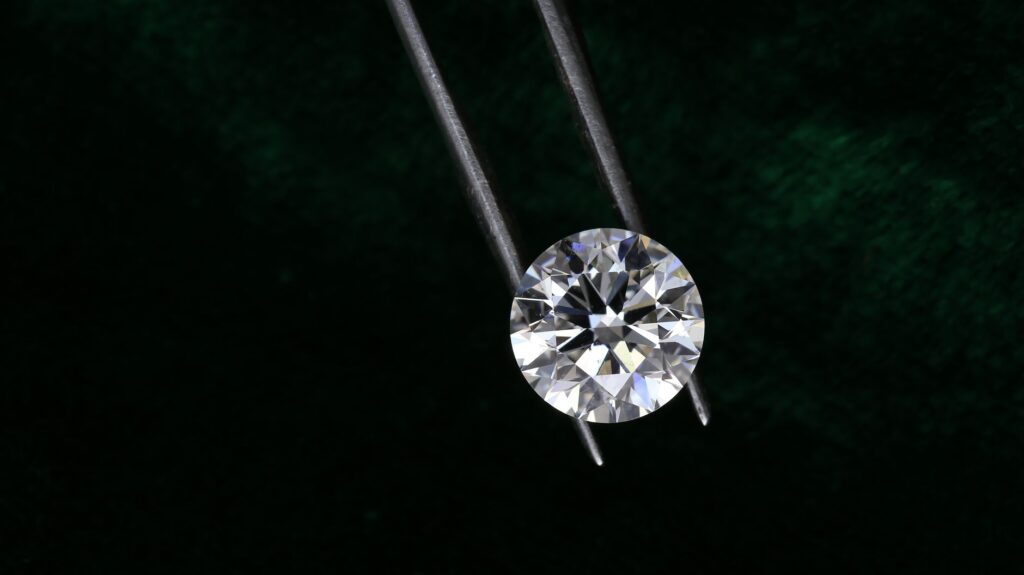
From a scientific standpoint, lab-grown diamonds are identical to natural diamonds.
Both are composed entirely of carbon atoms arranged in a rigid crystal lattice structure. This atomic arrangement gives diamonds their defining characteristics: exceptional hardness, high refractive index, brilliance, and durability. Lab-grown diamonds rank a 10 on the Mohs hardness scale, just like natural diamonds, making them suitable for everyday wear and long-term use.
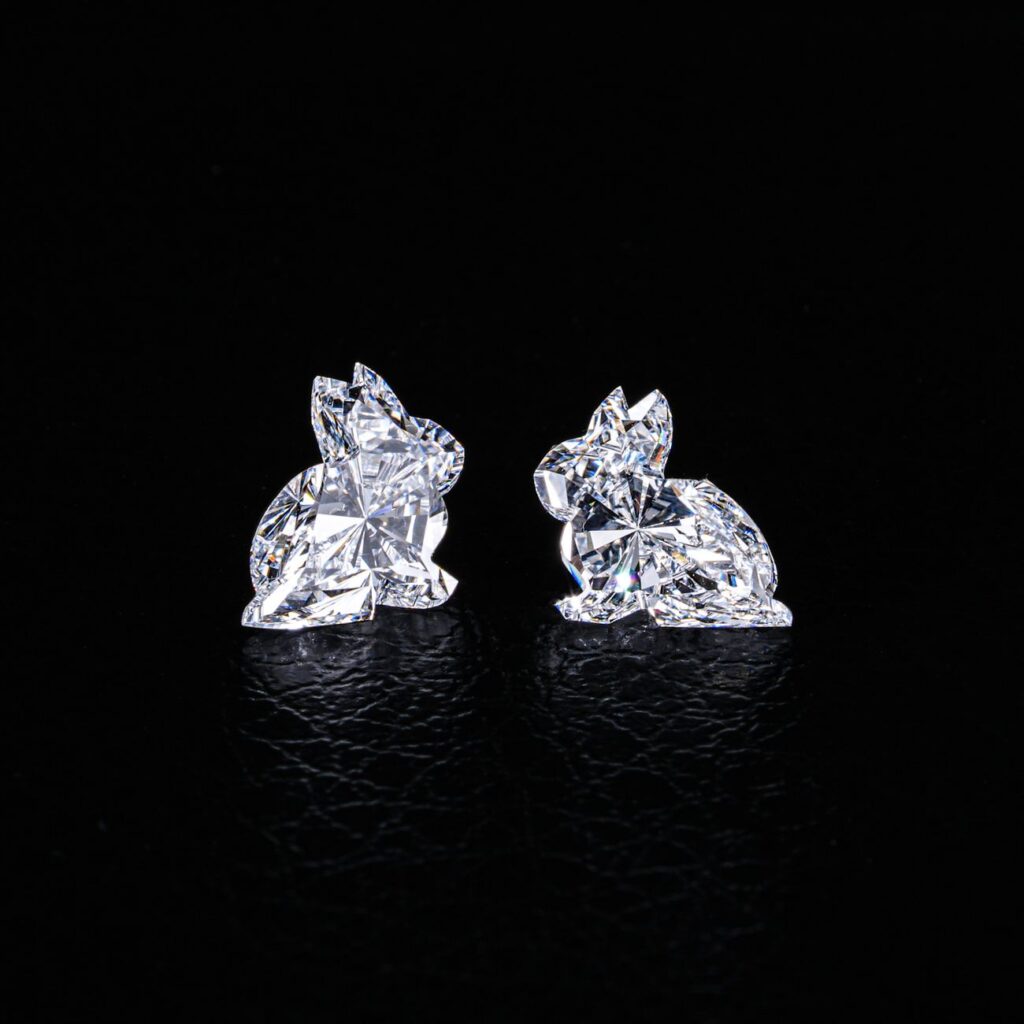
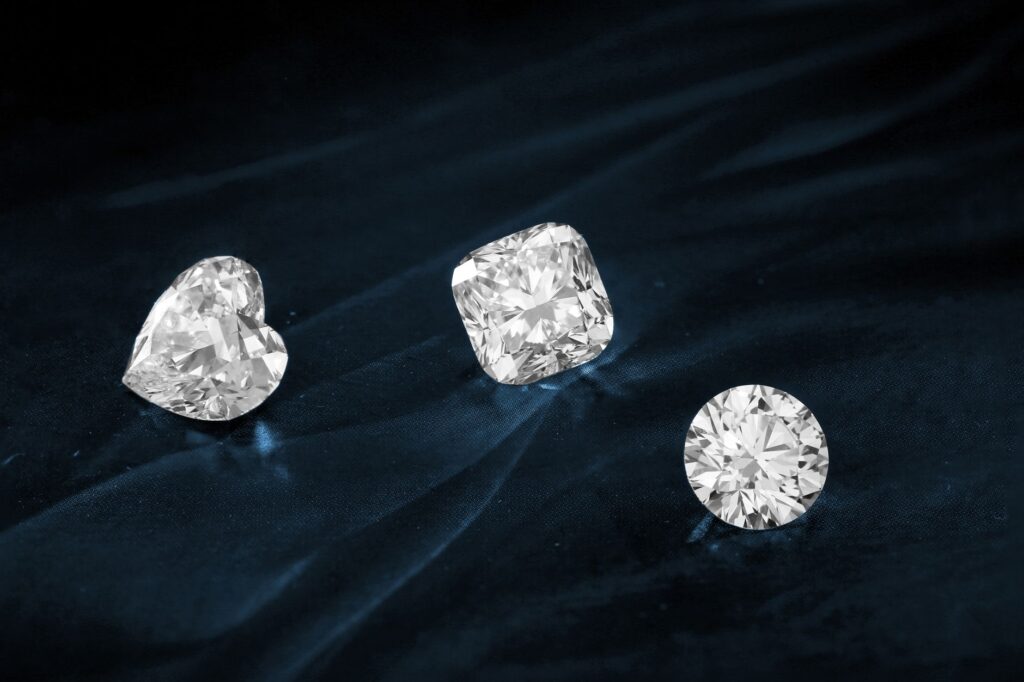
Lab-grown diamonds are graded using the same criteria as natural diamonds—the Four Cs: carat weight, color, clarity, and cut. They can appear in the same range of shapes and colors, from colorless stones to fancy hues.
In practical terms, even trained gemologists cannot distinguish a lab-grown diamond from a natural one using the naked eye or standard magnification. Specialized laboratory equipment is required to detect growth patterns or trace elements that reveal origin.
What a Lab-Grown Diamond Is— and What It Is Not
A lab-grown diamond is a real diamond. It is not cubic zirconia, moissanite, glass, or any other simulant. It shares the same chemical, physical, and optical properties as a mined diamond.
However, a lab-grown diamond is not a naturally rare geological resource.
This distinction matters—not because it affects beauty or durability, but because it affects how diamonds are priced, marketed, and perceived over time. Natural diamonds are limited by geology and mining logistics, while lab-grown diamonds are produced through scalable technology. That difference shapes supply, availability, and long-term market behavior.
Understanding this helps separate authenticity from value perception. A lab-grown diamond’s lower price does not indicate lower quality—it reflects a different production model.
The Benefits of Lab-Grown Diamonds
Ethical and Environmental Considerations
One of the most commonly cited advantages of lab-grown diamonds is their ethical profile. Because they are created in controlled laboratory environments, they are not associated with mining-related land disruption or conflict regions.
That said, the ethical comparison is more nuanced than it is often presented. Many natural diamonds today are responsibly sourced and certified, while lab-grown diamonds still require energy-intensive production. The true environmental footprint depends on how and where that energy is generated.
In practice, lab-grown diamonds offer greater traceability and predictability, which appeals to buyers who value transparency and want to avoid complex supply chain questions.
Affordability and Price Efficiency
Lab-grown diamonds typically cost significantly less than natural diamonds of comparable size and quality. This price difference stems from production efficiency rather than compromised material quality.
For buyers, this often translates into tangible advantages: larger carat sizes, higher clarity grades, or better cut quality within the same budget. Instead of making trade-offs, buyers can prioritize the characteristics that matter most to them.
Lower cost does not mean lower performance. A lab-grown diamond will sparkle, wear, and age the same way as a natural diamond in everyday use.
Customization and Design Flexibility
Because lab-grown diamonds are more accessible across a wide range of specifications, they offer greater flexibility during the design process. Buyers can focus on proportions, comfort, and setting details rather than being constrained by limited availability or price pressure.
This flexibility is especially valuable for engagement rings, where daily wearability and personal style often matter as much as visual impact.
Common Misconceptions About Lab-Grown Diamonds
“They’re fake.”
Lab-grown diamonds are real diamonds. The term “fake” applies to simulants, not lab-grown stones.
“They aren’t durable.”
Lab-grown diamonds have the same hardness and durability as natural diamonds and are suitable for lifelong wear.
“They look different.”
Visually, lab-grown and natural diamonds are indistinguishable without specialized equipment.
“They have no value.”
Lab-grown diamonds have value at the point of purchase—through size, quality, and design flexibility. Their resale behavior differs from natural diamonds, but that does not negate their practical or emotional value.
Certification and Transparency
Just like natural diamonds, lab-grown diamonds can be graded and certified by independent gemological laboratories. These reports document carat weight, color, clarity, cut, and growth origin, providing buyers with objective verification of quality.
Certification is essential for transparency and fair pricing. Reputable grading reports ensure that buyers know exactly what they are purchasing and can compare diamonds accurately.
Final Thoughts
Lab-grown diamonds represent a shift in how diamonds are produced, priced, and understood—but not a compromise in what a diamond fundamentally is.
They offer the same beauty, durability, and brilliance as natural diamonds, while approaching value from a more technology-driven, transparent perspective. For many buyers, this makes them a practical and appealing choice, especially when budget efficiency and design flexibility are priorities.
Ultimately, choosing a lab-grown diamond is not about settling for less—it’s about understanding what you value most. When expectations are aligned with reality, lab-grown diamonds become less of a question mark and more of a clear, confident option in modern fine jewelry.