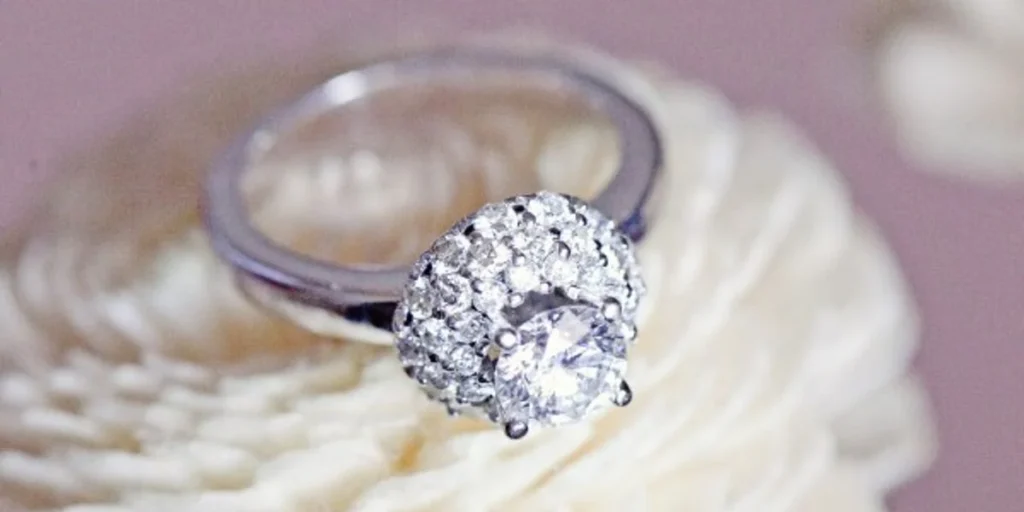
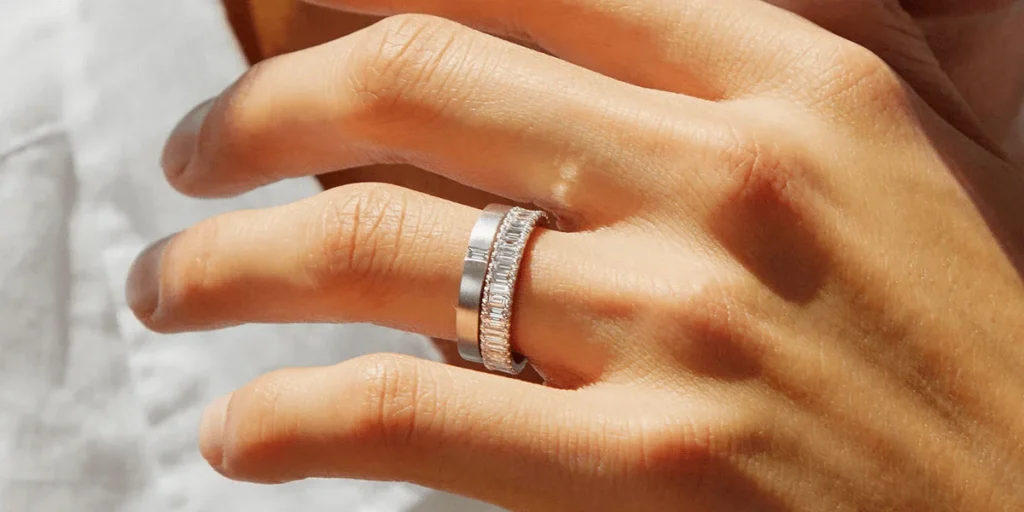
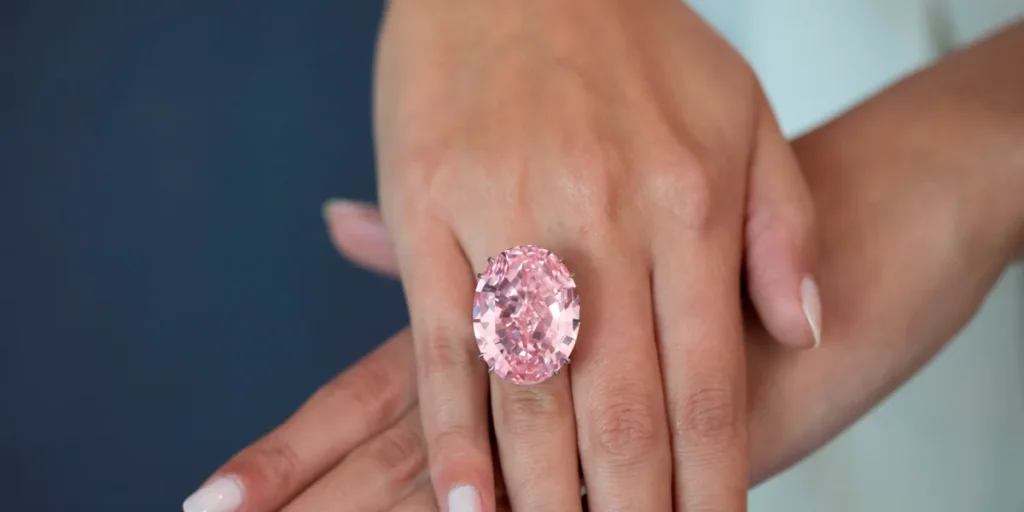
In recent years, lab-grown diamonds have moved from niche alternatives to mainstream options in the engagement ring market. As awareness has grown around pricing, sourcing, and certification, more buyers are seriously considering lab-grown diamonds alongside natural ones—often for the first time. For more detail, see Should I get lab-grown or natural diamond for engagement?.
Despite this shift, hesitation remains common. Many buyers worry not about how lab-grown diamonds look, but about whether they truly offer fair value. Questions about long-term worth, resale potential, marketing claims, and whether lower prices signal lower quality often surface during the decision process. For first-time engagement ring buyers especially, the fear of “getting ripped off” is less about the product itself and more about uncertainty.
This concern is understandable. The diamond industry has historically relied on emotional framing, complex pricing structures, and limited transparency. When lab-grown diamonds entered the market, they disrupted long-standing assumptions—sometimes faster than consumer understanding could keep up. As a result, confusion and skepticism have lingered even as the products themselves have matured.
This article takes a clear, practical look at where those concerns come from and whether they still hold up today. Rather than promoting one option over another, it breaks down how lab-grown diamonds are priced, how value is defined in real-world terms, and what buyers should realistically expect when choosing a lab-grown diamond ring. The goal is simple: to help you make a confident decision based on facts, not fear.
Identical Chemical Composition
Lab-grown diamonds share the exact same chemical composition as natural diamonds. Both are made entirely of carbon atoms arranged in a rigid crystal lattice structure, which is responsible for a diamond’s hardness, brilliance, and optical performance. From a scientific standpoint, there is no material difference between the two.
Because of this identical atomic structure, lab-grown diamonds exhibit the same physical properties as natural diamonds, including hardness (ranking 10 on the Mohs scale), light refraction, fire, and durability. They respond to light in the same way, wear at the same rate over time, and can be cut and set using the same techniques as mined diamonds.
In fact, even trained gemologists cannot distinguish lab-grown diamonds from natural diamonds using the naked eye or standard magnification. Specialized laboratory equipment is required to identify growth patterns or trace elements that indicate origin. This is why reputable grading laboratories apply the same evaluation standards—the 4Cs of cut, color, clarity, and carat weight—to both lab-grown and natural diamonds.
Understanding this chemical and structural equivalence is key to separating perception from reality. Lower prices do not reflect inferior material quality, but rather differences in production method, supply dynamics, and market positioning.
Why Identical Doesn’t Mean Identical Value
Although lab-grown and natural diamonds are chemically and physically identical, identical material does not automatically translate to identical market value. The difference lies not in what the diamonds are, but in how they are produced, distributed, and perceived within the jewelry market.
Natural diamonds are constrained by geological rarity and mining logistics. Their supply is limited by nature, extraction costs, and long-established supply chains. Over decades, this scarcity has been reinforced by cultural tradition, branding, and resale expectations, all of which contribute to higher and more stable pricing.
Lab-grown diamonds, by contrast, are produced in controlled environments where supply can scale with technology. As manufacturing processes improve and production capacity increases, prices naturally trend downward. This is not a reflection of declining quality, but of efficiency. Similar patterns can be seen in other industries where technology replaces scarcity with consistency.
This difference in supply dynamics is the primary reason lab-grown diamonds cost less—not because they are inferior, but because they are no longer scarce in the same way. In economic terms, lab-grown diamonds behave more like advanced manufactured goods, while natural diamonds function as limited natural resources.
It’s also important to separate purchase value from resale value. Many buyers associate higher resale potential with “not getting ripped off,” but engagement rings are rarely purchased as financial investments. For most people, the value of a diamond ring lies in how it looks, how it feels to wear, and what it represents emotionally—not what it could sell for years later.
When lab-grown diamonds are evaluated on appearance, durability, and day-to-day wearability, they perform on equal footing with natural diamonds. The price difference reflects market structure and perception, not a hidden compromise in quality. Understanding this distinction helps clarify why lower cost does not mean lower value—it simply means a different kind of value.
Ethical and Environmental Considerations
Ethical and environmental concerns are often part of the conversation when comparing lab-grown and natural diamonds, but the reality is more nuanced than simple good-versus-bad narratives.
Natural diamond mining has historically been associated with issues such as labor conditions, supply chain transparency, and environmental disruption. In response, many established diamond producers now follow strict ethical sourcing standards and certification systems designed to reduce harm and improve accountability. As a result, not all natural diamonds today carry the same ethical concerns they once did.
Lab-grown diamonds approach these issues from a different angle. Because they are produced in controlled laboratory environments, their supply chains are generally shorter and easier to trace. There is no mining involved, which eliminates land excavation and reduces certain ecological impacts. This predictability appeals to buyers who prioritize transparency and prefer knowing exactly how and where a diamond is created.
That said, lab-grown diamonds are not entirely impact-free. Their production requires significant energy input, and the environmental footprint varies depending on how that energy is sourced. For environmentally conscious buyers, the most responsible choice often comes down to researching individual manufacturers rather than assuming one category is automatically superior.
In practice, lab-grown diamonds tend to offer a clearer and more consistent ethical profile, while responsibly sourced natural diamonds can also meet high ethical standards. The key difference lies in traceability and control—not necessarily in absolute morality.
Lower Cost
One of the most noticeable differences between lab-grown and natural diamonds is price—and this is often where concerns about “getting ripped off” begin. However, the lower cost of lab-grown diamonds is not the result of compromised quality, but of a fundamentally different production and pricing model.
Natural diamonds involve exploration, mining, transportation, sorting, and long-established distribution networks. Each step adds cost, and much of the final price reflects scarcity, logistics, and market positioning rather than just the stone itself.
Lab-grown diamonds eliminate many of these variables. Because they are created in controlled environments, manufacturers can produce consistent results without the uncertainty and expense of mining. There is no need to extract large volumes of earth to find usable stones, and supply can be scaled more efficiently as technology improves.
This efficiency allows lab-grown diamonds to be priced significantly lower while still delivering the same visual brilliance, hardness, and durability as natural diamonds. For buyers, this often means the freedom to choose a larger carat size, higher clarity, or better cut quality without exceeding their budget.
Importantly, a lower price does not mean lower value in everyday use. The diamond you see, wear, and enjoy performs the same way regardless of origin. The price difference reflects production economics—not a hidden downgrade in quality.
Quality Control
One area where lab-grown diamonds differ meaningfully from natural diamonds is quality control. Because lab-grown diamonds are created in controlled laboratory environments, manufacturers are able to closely monitor every stage of the growth process. Factors such as temperature, pressure, growth rate, and chemical composition are precisely managed, resulting in a high level of consistency from stone to stone.
This controlled production environment often leads to diamonds with fewer inclusions and more predictable color and clarity outcomes. Unlike natural diamonds—which form under unpredictable geological conditions over billions of years—lab-grown diamonds do not inherit the same randomness. As a result, buyers are more likely to encounter stones that meet higher clarity or color grades at accessible price points.
However, consistency should not be confused with artificial enhancement or shortcuts. Lab-grown diamonds still require cutting, polishing, and grading to the same standards as natural diamonds. Reputable lab-grown diamonds are evaluated using identical criteria and certified by the same independent laboratories, ensuring transparency and accountability.
For buyers, this level of quality control reduces uncertainty. You are less reliant on luck and more able to choose a diamond based on clear specifications rather than compromise. In practical terms, this means a lab-grown diamond ring can offer predictable brilliance, durability, and visual balance—qualities that matter in everyday wear, especially for engagement rings meant to last a lifetime.
Certification
Certification plays a crucial role in determining whether a diamond purchase is transparent and trustworthy—regardless of whether the diamond is lab-grown or natural. Just like natural diamonds, reputable lab-grown diamonds can and should be graded by independent gemological laboratories using the same evaluation standards.
A proper certification report provides detailed information about a diamond’s carat weight, color, clarity, cut, and growth origin. These reports allow buyers to compare stones objectively rather than relying on marketing descriptions or visual impressions alone. In reputable reports, lab-grown diamonds are clearly identified as such, ensuring there is no ambiguity about what you are purchasing.
It’s important to note that not all certificates carry equal weight. Reports issued by well-known laboratories—such as IGI or GIA—offer higher credibility due to their consistent grading standards and industry recognition. Certification from lesser-known or internal “in-house” sources may lack the same level of rigor or transparency.
For buyers concerned about overpaying or being misled, certification serves as a safeguard. It verifies that the diamond’s stated quality matches its actual characteristics and provides a reference point for fair pricing. In short, if a lab-grown diamond does not come with an independent grading report, it’s reasonable to question its true value—regardless of how attractive the price may seem.
No Risk of Conflict Diamonds
Concerns about conflict diamonds have shaped public perception of the diamond industry for decades. Historically, some natural diamonds were linked to regions affected by armed conflict, forced labor, and human rights abuses. While international frameworks such as the Kimberley Process were introduced to address these issues, they are not without limitations, and enforcement standards can vary by region.
Lab-grown diamonds approach this issue differently. Because they are produced in controlled laboratory environments, they do not originate from mining regions and are not tied to geopolitical instability or conflict zones. This removes an entire layer of uncertainty for buyers who are concerned about the social implications of their purchase.
However, it’s important to be precise rather than absolute. Many natural diamonds today are responsibly sourced, certified, and produced under ethical guidelines. Choosing a lab-grown diamond does not automatically mean choosing “ethical,” just as choosing a natural diamond does not automatically imply ethical compromise.
What lab-grown diamonds do offer is clarity. Their origin is straightforward, traceable, and free from mining-related conflict risks by design. For buyers who want to eliminate this concern entirely—without researching supply chains or certifications—lab-grown diamonds provide a simpler and more predictable option.
Resale Value
Resale value is often raised as a concern when discussing lab-grown diamonds, and it’s true that they generally do not retain value in the same way natural diamonds do. Lab-grown diamonds tend to depreciate more quickly, largely because production can scale with technology, and supply is not limited by geology.
However, this comparison is often misleading when viewed in isolation. The majority of diamond jewelry—natural or lab-grown—does not resell anywhere near its original retail price. Once a diamond leaves the showroom, resale value is influenced by wholesale pricing, buyer demand, brand recognition, and condition, not simply whether the stone is natural.
Where lab-grown diamonds differ is at the point of entry. Because the initial purchase price is significantly lower, the absolute financial loss in resale terms is often smaller, even if the percentage depreciation appears higher. In other words, losing value on a lower upfront cost is not the same as losing value on a much larger investment.
For most engagement ring buyers, resale is not the primary purpose. These rings are purchased for long-term wear, emotional significance, and personal meaning—not short-term financial return. If resale or investment potential is a major concern, diamonds of any type are generally not the most efficient asset class to begin with.
Understanding this distinction helps clarify the decision: lab-grown diamonds may not behave like long-term commodities, but they were never designed to. Their value lies in what you receive at purchase—size, quality, and wearability—rather than what you might recover years down the line.
Customization
One of the practical advantages of lab-grown diamonds lies in the level of flexibility they offer when it comes to customization. Because lab-grown diamonds are more accessible across a wide range of sizes and quality grades, buyers often have more freedom to focus on design details rather than compromising due to cost constraints.
This flexibility makes it easier to tailor a ring around personal preferences—whether that means choosing a specific diamond shape, prioritizing higher clarity, or pairing the stone with a custom setting that reflects individual style. Instead of fitting your expectations around what is available within a narrow price range, lab-grown diamonds allow the design process to start with intention rather than limitation.
Customization also extends beyond aesthetics. Many buyers choose lab-grown diamonds to balance proportions more precisely, such as pairing a larger center stone with a low-profile setting for everyday comfort, or allocating more budget toward craftsmanship and metal quality rather than the stone alone. In this sense, customization is not just about appearance, but about creating a ring that fits daily wear, lifestyle, and long-term comfort.
For couples who value personalization and control over the final result, lab-grown diamonds provide a more adaptable foundation—making it easier to design a ring that feels genuinely personal rather than dictated by availability or price pressure.
Advancing Technology
The technology behind lab-grown diamonds has evolved rapidly, and this progress has quietly reshaped the market in ways that directly benefit buyers. Early lab-grown diamonds were often inconsistent in quality, limited in size, or poorly disclosed—factors that fueled skepticism and fears of overpaying. Today, production methods such as HPHT and CVD are far more refined, allowing manufacturers to grow diamonds with greater precision, consistency, and predictability.
As the technology matures, quality variation has narrowed. This makes pricing more transparent and reduces the information gap between sellers and consumers—one of the main reasons people historically felt they were being “ripped off.” Buyers can now compare lab-grown diamonds across similar specifications with far more confidence, rather than relying on vague claims or marketing language.
Technological advancement has also improved scalability. As production becomes more efficient, supply has increased, putting natural downward pressure on prices. This doesn’t mean lab-grown diamonds are “cheap,” but it does mean pricing is increasingly tied to measurable quality rather than artificial scarcity. For consumers, this shift translates into clearer expectations, fewer surprises, and a buying experience that feels more rational than speculative.
Rather than diminishing value, advancing technology has made lab-grown diamonds easier to evaluate, easier to compare, and harder to misrepresent—significantly lowering the risk of making a poorly informed purchase.
Conclusion
The idea that buyers are “getting ripped off” when choosing lab-grown diamonds is largely rooted in outdated assumptions rather than present-day reality. Lab-grown diamonds are not substitutes or imitations—they are real diamonds with the same physical and optical properties as natural stones. What differs is not authenticity, but context: how they are produced, priced, and valued by the market.
When you choose a lab-grown diamond ring, you are trading geological rarity for technological precision. In return, you gain clearer pricing, higher quality per dollar, and greater transparency around sourcing and production. For many buyers, that trade-off feels less like a compromise and more like a rational decision aligned with modern values.
Ultimately, the risk of being “ripped off” comes not from the diamond itself, but from misunderstanding what you are paying for. Once expectations are aligned—knowing that lab-grown diamonds prioritize beauty, ethics, and value over long-term resale narratives—the purchase becomes straightforward rather than uncertain.
A well-informed choice is rarely a bad one. Whether lab-grown or natural, the right diamond is the one that fits your priorities, your budget, and the meaning you want your ring to carry—without regret or second-guessing long after the moment has passed.