What Is CVD in Lab-Grown Diamonds?
Chemical Vapor Deposition (CVD) is one of the most widely used technologies for growing lab-grown diamonds. Instead of mining diamonds from deep within the Earth, this method creates real diamonds in a controlled laboratory environment by building crystal layers atom by atom.
Many buyers first encounter the term CVD diamond while researching engagement rings or reading grading reports. Understanding what CVD means helps clarify diamond quality, value, and why lab-grown diamonds can match the beauty and durability of mined stones.
If you’d like a broader overview of how lab-grown diamonds are graded, priced, and evaluated, our Complete Guide to Lab-grown Diamonds provides a helpful starting point.
How CVD Diamonds Are Made (Step-by-Step)
1. Diamond Seed: The process begins with a small, high-quality natural or synthetic diamond seed crystal. This seed crystal serves as the foundation upon which the new diamond will grow. It is typically placed in a controlled environment within a CVD reactor.
2. Reaction Chamber: The CVD reactor is a specialized chamber designed to create the conditions necessary for diamond growth. It is typically a vacuum chamber with precise temperature and pressure control. The chamber contains a source of carbon, usually in the form of a hydrocarbon gas like methane (CH4).
3. Gas Precursor: The hydrocarbon gas, which contains carbon atoms, serves as the carbon source for diamond growth. It is introduced into the reaction chamber.
4. Energy Input: To initiate the diamond growth process, energy is applied to the system. This energy can be supplied through various methods:
- a. Microwave Plasma-Assisted CVD: Microwaves are used to create a plasma from the hydrocarbon gas. The plasma contains highly energetic carbon species, which adhere to the diamond seed and start to form the diamond structure.
- b. Hot Filament CVD: In this method, a heated filament (often made of tungsten) is used to break down the hydrocarbon gas into its constituent carbon and hydrogen atoms. The carbon atoms then attach to the diamond seed and form a diamond lattice.
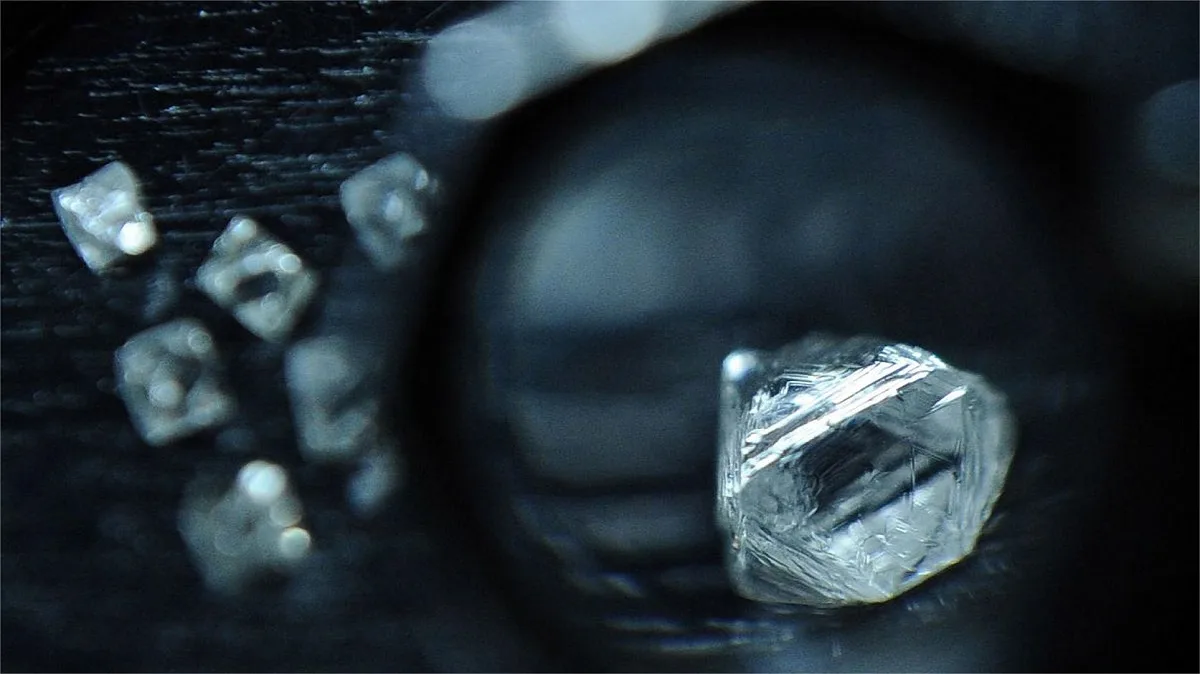
5. Diamond Growth: Once the energy input activates the carbon species, they start to deposit atom by atom onto the diamond seed crystal. This process continues, layer by layer, gradually increasing the size of the diamond. The growth rate can vary depending on factors like temperature, pressure, and gas composition.
6. Control Parameters: The quality and characteristics of the lab-grown diamond can be controlled by adjusting various parameters, including temperature, pressure, gas composition, and growth time. These factors influence the size, purity, and crystal structure of the resulting diamond.
7. Cooling and Cleaning: After the desired diamond size is achieved, the reactor is cooled down to stop the growth process. The newly grown diamond is then carefully removed from the diamond seed.
8. Post-Growth Processing: The lab-grown diamond may undergo further processing steps to enhance its optical and physical properties. These processes can include cutting, polishing, and sometimes heat treatment.
9. Applications: The resulting lab-grown diamond can be used in various industrial and scientific applications, including jewelry, cutting tools, heat sinks, optical components, and research equipment.
Why CVD Mimics Natural Diamond Formation
Natural diamonds form deep within the Earth’s mantle under immense pressure and extreme heat. Over billions of years, carbon atoms bond into a tightly packed crystal lattice — the structure responsible for diamond’s extraordinary hardness, brilliance, and durability.
CVD technology recreates this same crystallization outcome through a different scientific pathway. Instead of relying on extreme pressure, the process uses energized carbon atoms suspended in plasma to gradually attach to a diamond seed. These atoms settle and align in the same crystalline pattern found in natural diamonds, building the structure layer by layer.
This controlled growth environment allows scientists to guide how carbon atoms arrange themselves, ensuring the formation of a true diamond lattice rather than a look-alike material. The result is not a simulation of a diamond’s appearance, but the creation of the same atomic structure through engineered conditions.
While natural diamonds require geological timescales, CVD growth can produce diamonds within weeks. Despite the dramatically shorter timeline, the finished stones exhibit identical hardness, optical performance, and durability.
In essence, CVD does not attempt to imitate nature’s results — it reproduces the fundamental crystal structure using modern materials science. What differs is the pathway, not the outcome.
Why CVD Diamonds Are Popular in Jewelry
CVD diamonds have become increasingly popular in fine jewelry, particularly in engagement rings and modern bridal designs, because they offer exceptional clarity potential and flexible production control. As consumer preferences shift toward larger stones, cleaner appearances, and greater value transparency, CVD-grown diamonds align closely with what today’s buyers prioritize.
Because the growth environment is precisely controlled, manufacturers can produce diamonds with fewer inclusions and excellent transparency. This often results in stones that appear exceptionally clean and bright, even at higher carat sizes. For buyers seeking a crisp, luminous appearance, this level of clarity can be especially appealing.
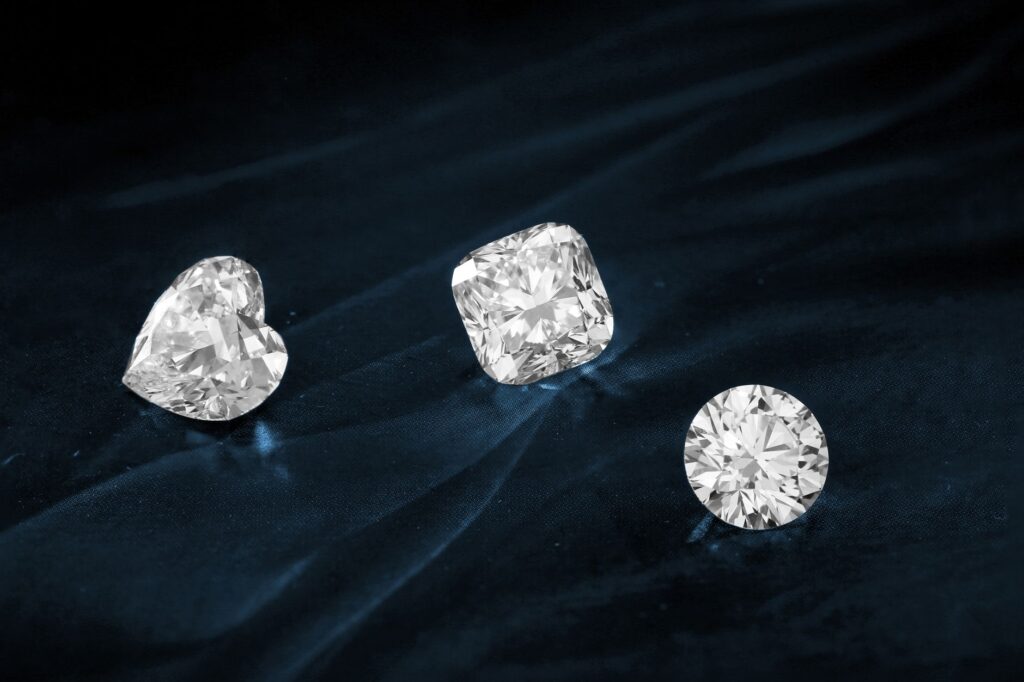
CVD technology also allows producers to grow larger diamonds with consistent quality across batches. This reliability gives jewelers and designers greater flexibility when selecting proportions, matching stones, and creating balanced settings. From solitaire engagement rings to halo and three-stone designs, CVD diamonds make it easier to achieve strong visual impact without compromising symmetry or overall aesthetics.
Another advantage is consistency. Because CVD growth conditions can be carefully calibrated, stones can be produced with predictable color ranges and structural uniformity. This helps retailers maintain quality standards and allows buyers to compare options with greater confidence.
In practical terms, the popularity of CVD diamonds reflects a broader shift in jewelry design — toward stones that combine visual purity, modern production precision, and accessible sizing options. For many buyers, this makes CVD diamonds an appealing choice when clarity, brightness, and design flexibility are top priorities.
Quality & Appearance of CVD Diamonds
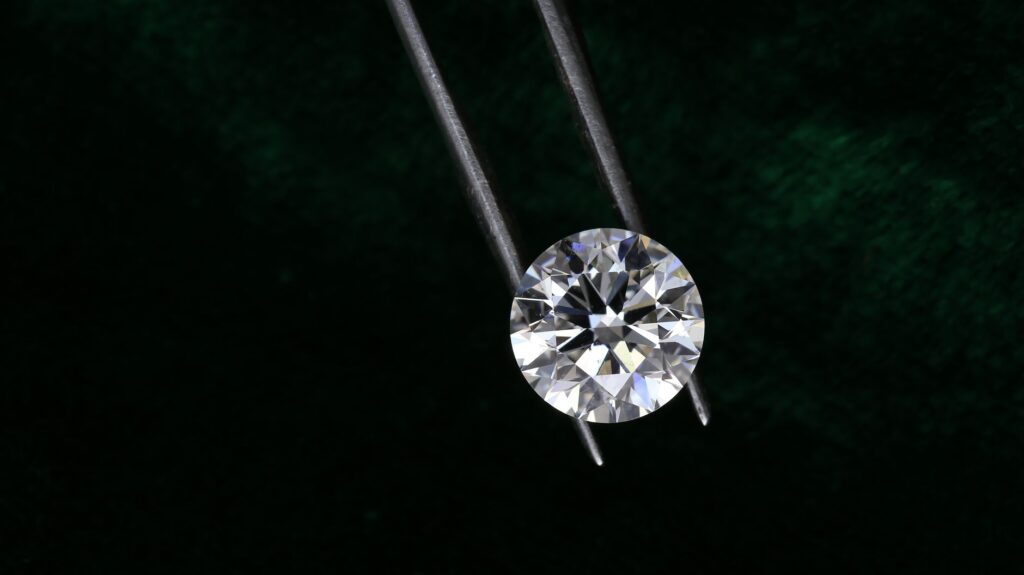
From a visual and performance standpoint, CVD diamonds are identical to natural diamonds.
They share the same:
• brilliance and fire
• transparency and sparkle
• refractive index and light performance
• durability and hardness
Because of precise growth control, many CVD diamonds achieve high clarity grades. Some stones undergo post-growth treatments to improve color, resulting in bright, near-colorless diamonds suitable for luxury jewelry.
To the naked eye, even trained jewelers cannot distinguish CVD diamonds from natural stones.
HPHT vs CVD: How Do These Growth Methods Differ?
While both HPHT and CVD technologies create genuine diamonds, they rely on very different growth environments and production approaches.
HPHT diamonds
• formed under extreme pressure that replicates deep-earth conditions
• rely on high temperatures to crystallize carbon
• often produce dense, robust crystal structures
• historically used in both industrial and gemstone production
CVD diamonds
• grown in a vacuum chamber using carbon-rich gas
• built atom by atom through controlled deposition
• allow precise control over clarity and crystal structure
• commonly used for larger, high-transparency jewelry stones
Rather than affecting beauty or durability, these differences influence manufacturing flexibility and quality control.
Both methods ultimately produce diamonds with the same chemical composition, brilliance, and hardness.
Do CVD Diamonds Affect Quality or Appearance?
From a buyer’s perspective, the growth method does not reduce durability, brilliance, or long-term performance.
CVD diamonds:
✔ rank 10 on the Mohs hardness scale
✔ exhibit the same brilliance and fire
✔ maintain long-term durability
✔ are ideal for engagement rings and daily wear
Modern advancements allow manufacturers to produce diamonds with excellent clarity and color consistency. As a result, CVD diamonds are widely used in fine jewelry and luxury engagement rings.
Even trained gemologists require specialized equipment to detect their origin.
Advantages of CVD Diamonds
One of the primary advantages of CVD diamonds is their exceptional clarity potential. Because the growth environment is precisely controlled, manufacturers can limit the formation of inclusions and structural irregularities. This often results in diamonds with remarkable transparency and visual purity, making them especially appealing to buyers seeking clean, bright stones.
CVD technology also delivers consistent quality. Unlike natural diamond formation, which varies depending on geological conditions, the controlled growth process allows producers to maintain predictable crystal structures and uniform characteristics. This consistency helps ensure reliable grading outcomes and gives buyers greater confidence in what they are purchasing.
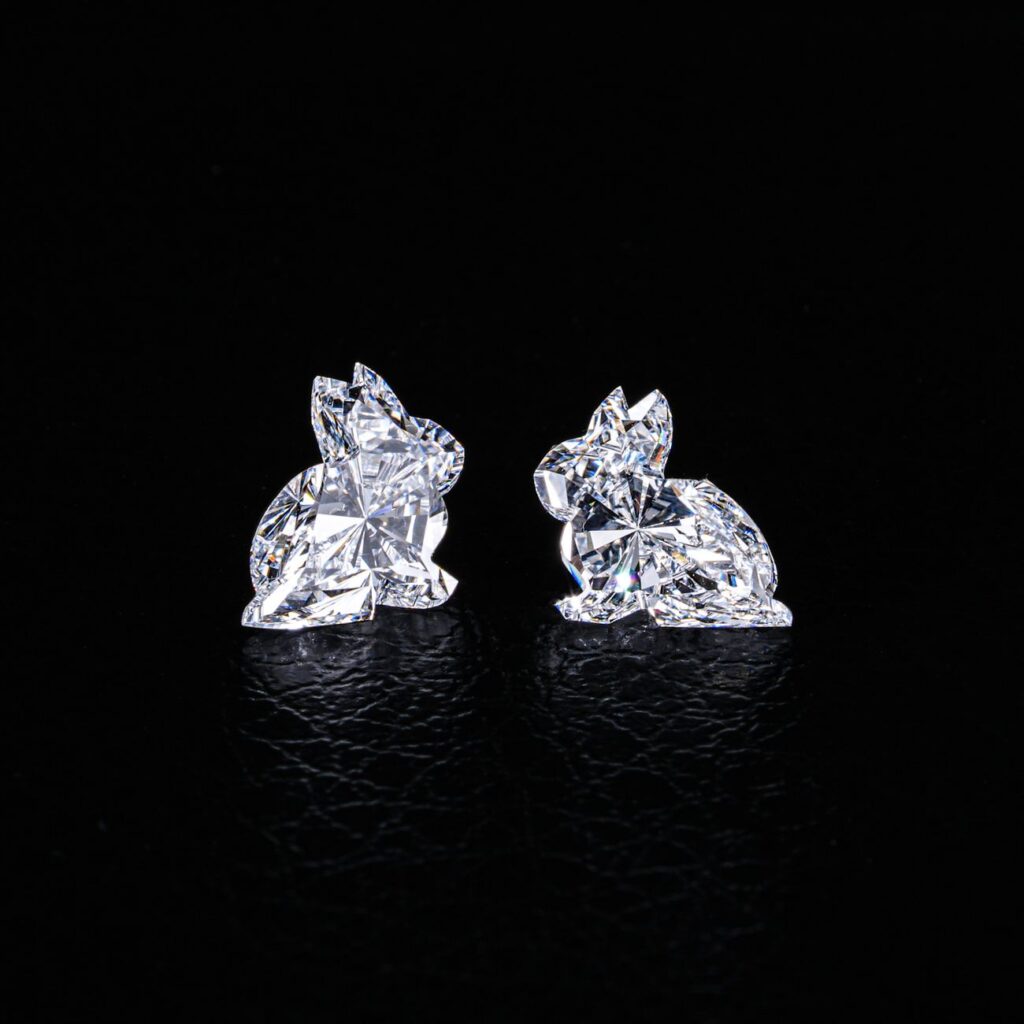
Another key benefit is production flexibility. CVD growth enables manufacturers to influence size, thickness, and crystal development with greater precision. This flexibility allows jewelers and designers to work with stones tailored to specific proportions and settings, expanding creative possibilities in fine jewelry design.
Efficiency and accessibility further contribute to the growing popularity of CVD diamonds. Because diamonds can be grown in weeks rather than extracted through complex mining operations, supply becomes more stable and availability increases. This efficiency helps make high-quality diamonds accessible to a wider range of buyers.
Beyond jewelry, CVD diamonds offer significant industrial advantages. Their exceptional hardness, thermal conductivity, and chemical stability make them valuable in advanced applications such as heat dissipation systems, optical components, semiconductor technology, and precision cutting tools. These demanding uses demonstrate the material’s strength and performance far beyond decorative purposes.
Are CVD Diamonds Real Diamonds?
Yes. CVD diamonds are real diamonds composed entirely of carbon atoms arranged in the same crystal lattice as natural diamonds.
They share identical:
• physical properties
• chemical composition
• optical performance
• hardness and durability
They are not simulants such as cubic zirconia or moissanite.
The only difference is origin: natural diamonds form underground over billions of years, while CVD diamonds are grown in controlled laboratory environments.
When Should Buyers Consider CVD Diamonds?
CVD diamonds can be an especially appealing choice for buyers who prioritize clarity, brightness, and overall visual performance. Because the growth environment allows for exceptional control over crystal development, many CVD diamonds exhibit outstanding transparency and minimal inclusions, making them particularly attractive to those who appreciate a clean, brilliant appearance.
They are also well suited for buyers working within a defined budget who want to maximize visual impact. The pricing structure of lab-grown diamonds often makes it possible to select a larger stone or upgrade color and clarity grades without increasing overall spending. This flexibility can be especially valuable when designing engagement rings or statement pieces.
In addition, CVD diamonds appeal to consumers who value transparency in modern production methods. The controlled growth process allows for traceability and predictable quality, which resonates with buyers seeking clarity not only in the stone itself but also in its origin.
For engagement rings and everyday jewelry, CVD diamonds offer the same durability, hardness, and brilliance expected from natural diamonds. Their resilience makes them suitable for lifelong wear, while their optical performance ensures lasting visual appeal.
Final Thoughts
CVD technology demonstrates how modern science can recreate one of nature’s most extraordinary processes. By growing diamonds atom by atom, laboratories can produce stones that match natural diamonds in brilliance, durability, and structure.
For buyers, this means the growth method does not compromise beauty or longevity. CVD diamonds deliver the same sparkle, strength, and everyday performance expected from mined diamonds, making them ideal for engagement rings and fine jewelry designed for lifelong wear.
At the same time, CVD technology reflects a broader shift in the diamond industry. Instead of relying solely on rare geological discovery and mining, diamonds can now be produced with scientific precision, consistent quality, and greater supply transparency.
Understanding how CVD diamonds are created helps remove uncertainty and allows buyers to evaluate lab-grown diamonds with clarity and confidence.