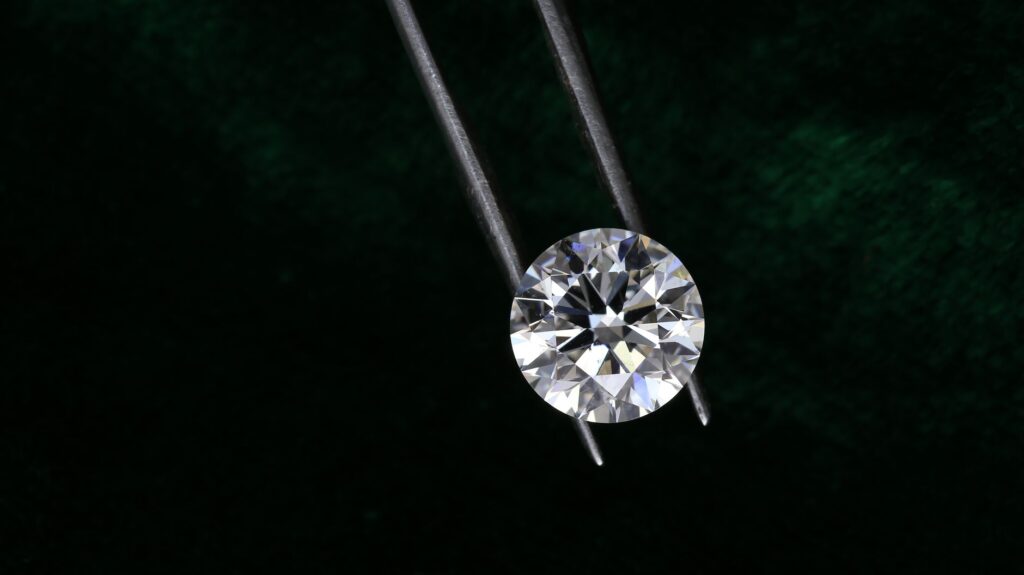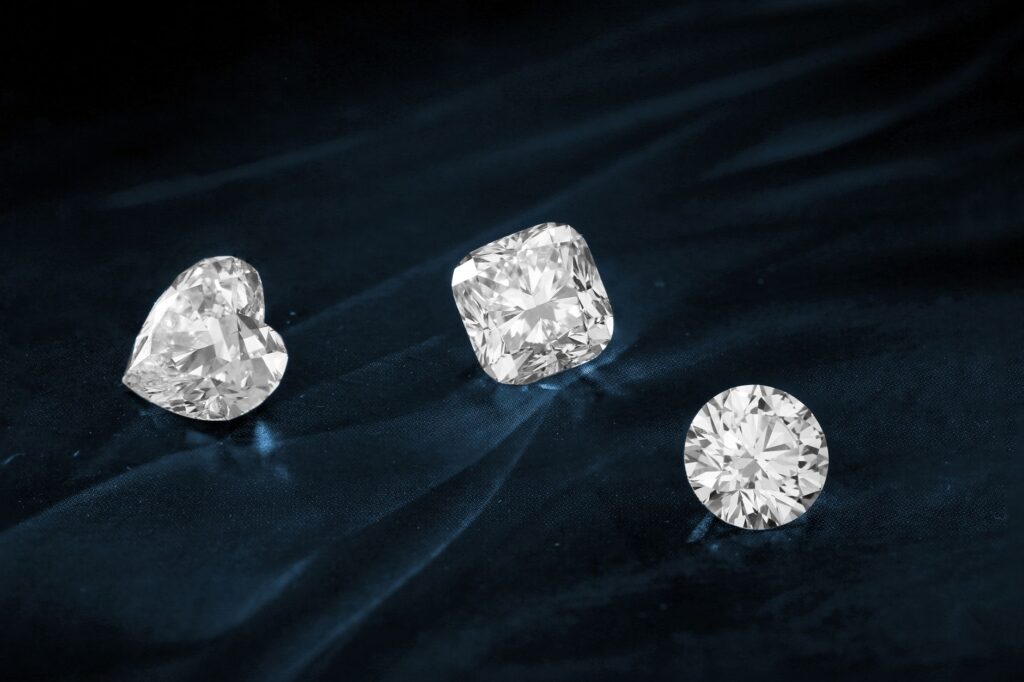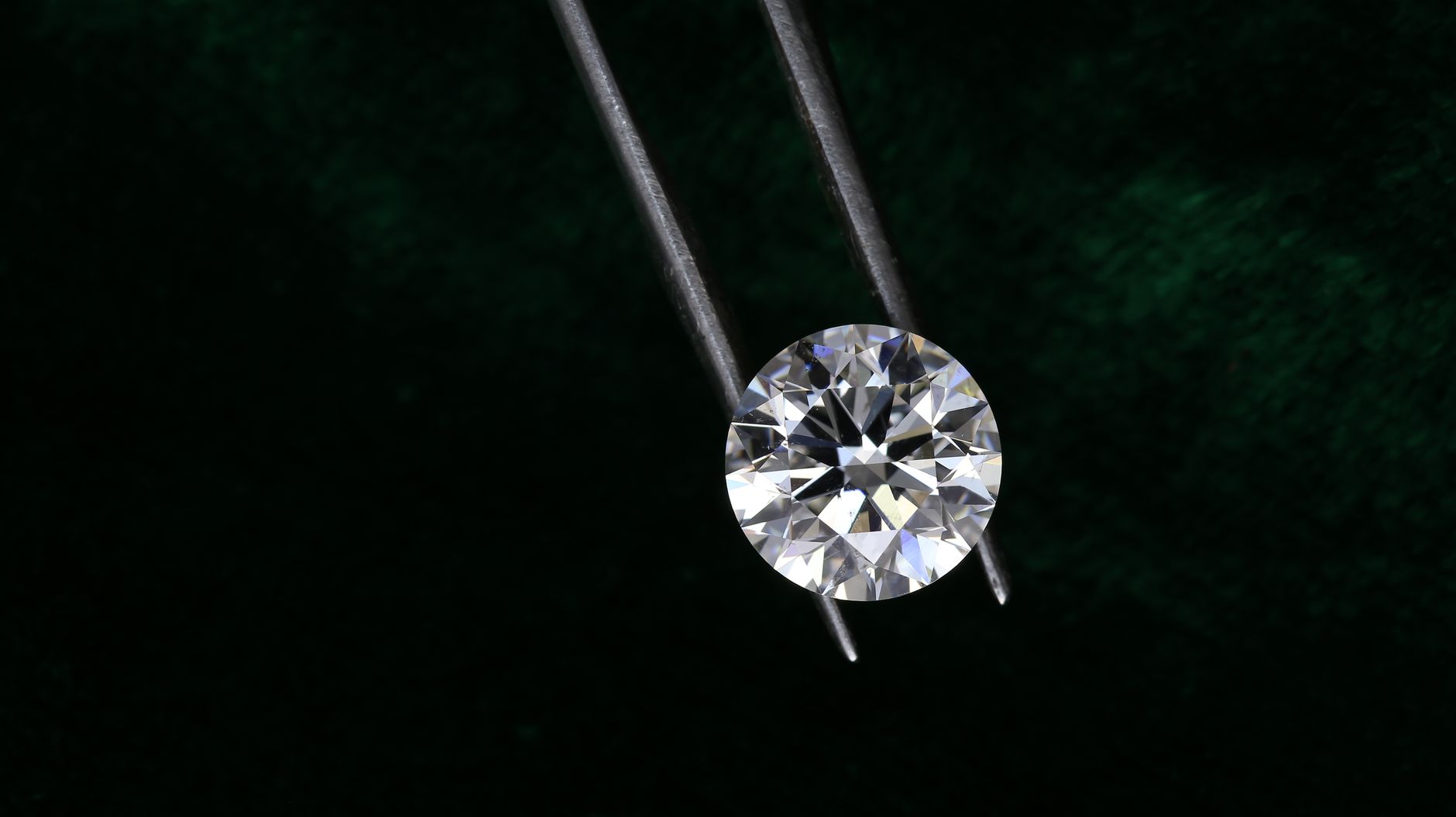
D and E color diamonds sit at the top of the color scale, so the real question is not whether they are high quality. It is whether the difference between them is visible enough to justify the price gap. For most buyers, that answer depends far more on viewing conditions, diamond shape, and setting than on the grading letter itself.
In practical terms, D vs E Color Diamonds are both considered colorless on the GIA scale. D is the highest color grade, while E is the next grade down, and the difference between them is extremely small. In everyday wear, most people will not notice a clear visual difference unless the stones are viewed side by side under controlled lighting. That is why this comparison is usually about value, not beauty.
Quick Answer: Is D Better Than E?
Yes, D is technically higher than E because it is the top color grade. But that does not mean an E color diamond looks obviously tinted or lower in quality. Both grades are in the colorless range, and both can appear very white to the naked eye.
If you are trying to decide between the two, the more practical question is whether the extra cost of D brings a visible benefit in your specific ring. In many cases, an E diamond offers nearly the same appearance at a lower price. A D diamond may be worth it for buyers who want the absolute top grade on paper, but it is not always the smarter value choice.
What D and E Color Actually Mean
Diamond color grading measures the presence or absence of body color, usually a faint yellow or brown tint. The GIA color scale runs from D to Z, with D at the top as completely colorless and each step down allowing slightly more detectable tint. D, E, and F are considered colorless, while G through J are near-colorless.
The important point is that these grades describe small differences under controlled grading conditions. They do not automatically translate into large visual differences once the diamond is set in jewelry. A diamond’s cut, shape, and metal choice can have just as much influence on how white it appears.
D Color Diamond
A D color diamond is the highest color grade available. It is graded as completely colorless, meaning no color is detected by trained graders under standardized conditions. In consumer terms, it usually appears icy white and very clean.
D color is often associated with premium pricing because it is rare in natural diamonds and still positioned at the top of the scale in lab grown diamonds. That said, rarity does not always mean the grade provides a meaningful visual advantage over E.
E Color Diamond
An E color diamond is also considered colorless. It sits just one step below D, and in most circumstances the difference is so slight that it is difficult to notice without direct comparison. Many experienced buyers view E as a sweet spot because it offers a top-tier look without paying the highest color premium.
For most people, E color still looks bright white, especially once the diamond is mounted. If you are comparing two well-cut diamonds, one D and one E, the cut often matters more to appearance than the color grade difference between them.
What D vs E Color Diamonds Actually Look Like
On paper, D and E are different. In real life, that difference is usually subtle. D may appear a touch more crisp or icy in comparison, while E may show an almost imperceptible warmth if you compare it side by side with a D stone in controlled lighting.
That said, most shoppers do not inspect a diamond under laboratory conditions. In normal wear, both grades usually look white. If the diamond is well cut, the sparkle and light return can make any tiny color difference even harder to detect.
Perceived Whiteness
D diamonds can appear slightly more sterile white, especially in larger sizes or in direct comparison with E. E diamonds still look very white, but some sensitive viewers may notice a faint softness when the stone is loose and viewed next to a D grade stone.
For many buyers, this distinction is academic. Once set in a ring, the average viewer is more likely to notice brilliance, shape, and size than the difference between D and E.
Warmth and Tint
Neither D nor E should look warm in the way lower color grades can. If there is visible warmth, the issue is usually not the D versus E comparison. It may be caused by the lighting, the surrounding metal, or another diamond characteristic such as cut quality or fluorescence.
Because these grades are both in the colorless range, visible tint is typically not the reason to choose one over the other. Budget and personal preference matter more.
Can Most People See the Difference?
Usually, no. The difference between D and E is very difficult to see in everyday use, especially for diamonds under about 1.5 carats. Even above that size, the difference remains subtle and often disappears once the diamond is mounted in jewelry.
Professional graders can detect the difference under standardized lighting and comparison conditions. The average consumer, however, is rarely looking at a loose diamond that way. In normal retail or home settings, D and E commonly look nearly identical.
Side-by-Side Visibility
Placed side by side, a D diamond may look marginally whiter than an E diamond. That difference is easiest to see when the stones are loose, viewed in neutral lighting, and compared against each other directly.
If you are not doing a direct comparison, the difference is much harder to identify. Most buyers will not be able to confidently pick out a D from an E at a glance.
Everyday Visibility
In everyday wear, the average person usually cannot tell whether a diamond is D or E. Friends, coworkers, and even family members are more likely to notice the diamond’s sparkle, shape, and size than the exact color grade.
This is one reason many informed buyers choose to save money on color once they are already within the colorless range. The visual return from D to E is often very small.
Professional vs Consumer Perception
A trained gemologist may be able to spot the difference reliably. A consumer usually cannot, especially if the stone is mounted and viewed in a real-world environment. That gap between expert grading and consumer perception is important when evaluating value.
Buyers sometimes pay for a difference they can only appreciate on paper. In the case of D versus E, that risk is real.
How D and E Look in Different Diamond Shapes
Diamond shape affects how color is perceived. Some shapes naturally hide color better because they return more sparkle or mask body color in the way they are cut. Others tend to show color more easily, which can make a D versus E comparison slightly more relevant.
Round Brilliant
Round brilliant diamonds are generally the best at disguising faint color because of their strong light performance. In a well-cut round, D and E can look extremely similar once set.
For round diamonds, many buyers find that E offers excellent value because the shape already helps the stone appear bright and lively.
Oval, Pear, and Marquise
Elongated shapes such as oval, pear, and marquise can sometimes show a little more color near the tips or along the body of the stone. Even so, the difference between D and E is still subtle in most cases.
If you are very sensitive to color in these shapes, D may appeal to you more. Otherwise, E is often still a strong choice.
Princess, Cushion, and Emerald Cut
Square and step-cut shapes can show body color differently. Princess cuts can be lively and bright, which helps mask tint, while emerald cuts have larger open facets that can make color more noticeable. In an emerald cut especially, some buyers prefer D if they want the whitest possible look.
For cushion cuts, the effect depends heavily on the specific faceting style. Some cushions hide color well, while others can reveal a slight warmth more readily.
How D vs E Color Diamonds Look in Different Metals
The setting metal can change the way a diamond’s color appears. A white metal tends to reinforce a colorless look, while yellow or rose gold can make a diamond appear slightly whiter by contrast. This is why metal choice matters when deciding whether D is worth more than E.
White Gold and Platinum
White gold and platinum are the most common choices for buyers who want a bright, colorless look. In these metals, D and E both look excellent. If you are especially color sensitive, D may sound appealing, but E usually still looks very white in a white metal setting.
For most buyers, the difference remains minimal. The setting itself may have more influence on the diamond’s appearance than the color grade gap.
Yellow Gold
Yellow gold can make a diamond appear a little whiter because the warm metal color contrasts with the stone. In this setting, the practical difference between D and E becomes even less noticeable.
That is why some buyers feel comfortable choosing E, or even lower within the colorless or near-colorless range, when mounting in yellow gold. If the metal is warm, the need to pay extra for D is often reduced.
Rose Gold
Rose gold behaves similarly to yellow gold in that the metal warmth can reduce the importance of tiny color differences. D and E both look attractive in rose gold, but the metal may shift attention away from subtle color distinctions.
If you are choosing rose gold, a D grade is usually a preference choice rather than a visual necessity.
How Lighting Changes the Appearance
Lighting has a major effect on diamond color perception. A diamond can appear brighter, whiter, or slightly warmer depending on the light source. Because D and E are so close together, lighting can make the difference seem larger or smaller than it really is.
Daylight
Natural daylight is a useful environment for evaluating diamond color because it tends to reveal subtle differences more honestly than retail spotlights. Even so, D and E often still look very similar in daylight, especially once the stones are mounted.
If you want to judge color yourself, neutral daylight is one of the better environments. Just remember that many diamonds are not normally worn in this kind of isolated viewing condition.
Indoor Lighting
Standard indoor lighting can make both D and E appear bright and attractive. In many homes, the difference between them is nearly impossible to notice unless the diamond is compared directly to another stone.
Under warm bulbs, E may sometimes appear marginally softer than D, but the effect is usually very small. For most buyers, sparkle remains the dominant visual feature.
Jewelry Store Lighting
Jewelry store lighting is designed to make diamonds look brilliant. It can intensify sparkle and reduce the visibility of small color differences. Under these conditions, D and E are often difficult to distinguish.
This is one reason buyers should not make decisions based only on a single store viewing. Lighting can hide differences that may matter less in practice anyway.
Warm vs Cool Lighting
Cool lighting tends to make colorless diamonds look especially crisp, which can favor D slightly. Warm lighting can soften the appearance of both D and E, but usually not enough to create a clearly visible separation between them.
If your diamond will be worn mostly indoors, the type of lighting in your home may matter more than the grade difference itself.
Price Premium vs Visual Benefit
The biggest issue with D vs E Color Diamonds is value. D diamonds often cost more because they sit at the top of the scale, not because they deliver a dramatic visual improvement over E. The premium can be meaningful, especially as carat size increases.
That price difference may be justified for some buyers, but it is important to understand what you are getting. In many cases, the visible improvement is very small relative to the cost increase.
Diminishing Returns at the Top of the Scale
Color grades do not improve in equal visual steps. The difference between D and E is tiny compared with the difference between, say, J and G. Once you are already in the colorless range, each step upward often produces less noticeable visual change.
This is what buyers mean when they talk about diminishing returns. You pay more for a smaller and smaller improvement.
When the Premium May Be Worth It
The D premium may be worth it if you want the highest possible color grade for peace of mind, plan to choose a larger stone, or are purchasing a style where color might be more visible. It may also matter if you simply prefer the idea of owning the top grade and value that consistency.
There is nothing wrong with prioritizing the highest grade. The key is to do so consciously, knowing that the extra cost is often about preference rather than a dramatic visible gain.
When E Offers Better Value
E often represents a better balance between appearance and price. It is still a colorless diamond, it still looks very white, and it usually avoids the steepest portion of the premium curve. For buyers focused on practical beauty, E is frequently the smarter purchase.
In both natural and lab grown diamonds, many shoppers find that E gives them the look they want without overpaying for a difference they cannot see.
How Lab Grown Diamonds Change the Color Conversation
Lab grown diamonds follow the same color grading system as natural diamonds, so D and E mean the same thing in both categories. However, lab grown diamonds often achieve higher color grades more easily because of the controlled growth process. That means D and E can be relatively common in lab grown inventory.
This changes the value discussion. Because higher color grades are more available in lab grown diamonds, the premium for D over E may be smaller than in natural diamonds, but it can still exist. Buyers should still ask whether the visual difference justifies paying more.
Why Lab Grown Diamonds Often Have High Color Grades
Lab grown diamonds are created under controlled conditions, which can reduce the natural trace elements or growth characteristics that sometimes influence color. As a result, it is common to find lab grown diamonds graded D, E, F, or near those levels.
That availability is good for buyers, but it can also encourage unnecessary upgrades. Just because a D is available does not mean it is the best value.
Does Color Behave Differently in Lab Grown Diamonds?
No. The grading standard is the same, and the visual behavior of color is still influenced by the same factors, including cut, shape, size, and lighting. A D lab grown diamond and an E lab grown diamond should be judged the same way you would judge natural stones.
The main difference is market availability and price structure, not how color appears to the eye.
Which Factors Matter More Than D vs E?
For many buyers, color is not the first place to spend extra money once the diamond is already colorless. Several other factors can have a more noticeable effect on the diamond’s real-world appearance.
Cut Quality
Cut affects how well a diamond returns light. A well-cut diamond looks brighter, more lively, and often whiter than a poorly cut diamond of a higher color grade. If you have to choose between a slightly better cut and a slightly higher color, cut often has the bigger visual impact.
This is especially true for round brilliant diamonds, where cut quality strongly influences sparkle and overall face-up appearance.
Carat Size
Larger diamonds can show body color more easily, which is why some buyers feel more comfortable choosing D in bigger stones. Even so, the difference between D and E remains subtle for many well-cut diamonds. Carat size does not automatically make E look tinted.
If the diamond is under 1.5 carats, most buyers do not need to worry much about D versus E. As size increases, the choice may become a little more personal.
Clarity
Clarity refers to internal features called inclusions and external surface marks called blemishes. While clarity does not affect color directly, it does influence the overall impression of quality. A clean-looking diamond with strong cut quality often matters more to the eye than the distinction between D and E.
For many shoppers, balancing cut, color, and clarity produces better value than maximizing only one grade.
Who Should Choose D Color?
D may be the right choice if you are highly color sensitive, want the highest grade for personal satisfaction, or are buying a diamond where every detail matters to you. Some buyers simply prefer knowing they own the top color grade, even if the visual difference is small.
D can also make sense in certain larger or more open settings, especially with shapes that show color more easily. If you are selecting an emerald cut in a white metal and want the whitest possible appearance, D can be a reasonable preference.
Who Should Choose E Color?
E is a strong choice for buyers who want a colorless diamond without paying the highest premium. It is an especially attractive option for people who prioritize value and understand that the visual gap from D is minimal.
For engagement rings, E is often more than sufficient. It works well in most shapes, most settings, and most lighting conditions. If your goal is a bright, white-looking diamond that feels premium without unnecessary overspending, E is often the practical answer.
Common Buyer Mistakes
The D versus E decision seems simple, but buyers often make a few predictable mistakes. Avoiding them can save money and lead to a better overall purchase.
- Paying for a difference that cannot be seen. D can cost more while looking nearly identical to E in normal wear.
- Ignoring cut quality. A poorly cut D may look less impressive than a well-cut E.
- Forgetting about metal color. White, yellow, and rose gold can change how white the diamond appears.
- Judging only loose stones under store lighting. Retail lighting can hide or exaggerate subtle differences.
- Assuming higher grade always means better value. The top grade is not always the most efficient use of budget.
Comparison Table: D vs E Color Diamonds
| Factor | D Color | E Color |
|---|---|---|
| Color grade | Highest possible, colorless | Colorless, one step below D |
| Visible difference | Extremely slight advantage in whiteness | Very close to D, usually hard to distinguish |
| Appearance in white metals | Excellent | Excellent, usually nearly identical in wear |
| Appearance in yellow or rose gold | Still excellent, but the premium is less necessary | Still excellent, often the better value |
| Normal viewing conditions | Usually looks white and bright | Usually looks white and bright |
| Price premium | Highest color premium | Usually lower than D |
| Best value | Best for buyers who want the top grade specifically | Often the stronger balance of cost and appearance |
| Typical buyer fit | Preference-driven, premium-focused buyers | Value-focused buyers who still want colorless appearance |
How to Evaluate D vs E Before Buying
If you are comparing diamonds in person or online, focus on a few practical questions. First, ask whether the diamonds are both well cut, because cut heavily affects whiteness and sparkle. Second, consider the shape and setting metal, since those can influence how noticeable the color difference will be.
It also helps to compare the stones in similar viewing conditions. A D and E that look different in a showroom may look nearly identical at home. If possible, evaluate them side by side, but also imagine how the diamond will look in daily wear rather than under idealized lighting.
For online buyers, a grading report is useful, but it should not be the only deciding factor. A well-presented image or video can help, yet it still cannot perfectly predict how the diamond will look on your hand in real life.
Frequently Asked Questions
Is there a visible difference between D and E color diamonds?
Usually, the difference is very small and difficult to see without side-by-side comparison. Most people will not notice it in normal wear.
Does E look yellow?
No, E is still a colorless diamond grade. It should not look yellow in normal viewing conditions.
Is D worth the extra money?
Sometimes, but not always. The answer depends on your sensitivity to color, the size and shape of the diamond, and whether you personally value owning the highest grade.
Which is better for engagement rings, D or E?
Both can work very well for engagement rings. E is often the better value, while D is a premium choice for buyers who want the top grade.
Do lab grown diamonds need higher color grades?
Not necessarily. Lab grown diamonds often come in higher color grades more easily, but that does not mean D is required for beauty. E usually still looks very white.
Does the metal setting change the color appearance?
Yes. White gold and platinum tend to make color differences slightly more noticeable than yellow or rose gold, although the difference between D and E is still very subtle.
Should I prioritize color over cut?
In most cases, no. Cut usually has a bigger impact on the diamond’s beauty and sparkle than the difference between D and E.
Will D hold value better than E?
D may have a higher upfront market value, but resale value is complicated and usually not the main reason to choose a diamond. The price gap at purchase is often more important than any assumed future return.
Conclusion: Which Color Grade Makes the Most Sense?
D vs E Color Diamonds is a comparison between two top-tier colorless grades, not between a white diamond and a tinted one. The visual difference is usually extremely subtle, and in many real-world settings it is effectively invisible. That is why the choice often comes down to budget, sensitivity to color, and personal preference.
If you want the absolute highest color grade and are comfortable paying for it, D is the premium choice. If you want nearly the same appearance with better value, E is often the more practical option. For most buyers, a well-cut E diamond delivers a bright, colorless look that is difficult to distinguish from D once the stone is set and worn normally.
The most useful way to approach this decision is to remember that diamond color is only one part of the overall appearance. Cut, shape, size, and setting often have a bigger effect on what you actually see. When those factors are well chosen, both D and E can look excellent, which is why the best grade is not always the highest grade.