When buyers ask which diamond shapes hold their appeal best, they are usually asking a practical question, not just a style question. They want to know which shapes still look attractive years from now, which ones are easiest to wear, and which shapes are least likely to feel dated as preferences change. That matters whether you are shopping for an engagement ring, a pendant, or a lab grown diamond where size and quality choices may be broader.
The short answer is that the most enduring appeal usually comes from classic shapes with broad consumer acceptance and balanced proportions. Round brilliant, oval, emerald, and cushion cuts tend to stay relevant because they have long track records, strong demand, and versatile looks. That said, “holding appeal” depends on more than popularity. It also depends on how a shape performs in daily wear, how it looks on the hand, and whether its proportions remain flattering over time.
Quick Answer: Which Diamond Shapes Hold Their Appeal Best
If you want the most timeless, broadly appealing shapes, these are the strongest contenders:
- Round brilliant: the most classic and consistently in-demand shape.
- Oval: very popular, flattering, and still widely viewed as elegant and modern.
- Emerald: a refined, sophisticated step-cut shape with long-standing appeal.
- Cushion: a soft, romantic shape that has remained relevant across style cycles.
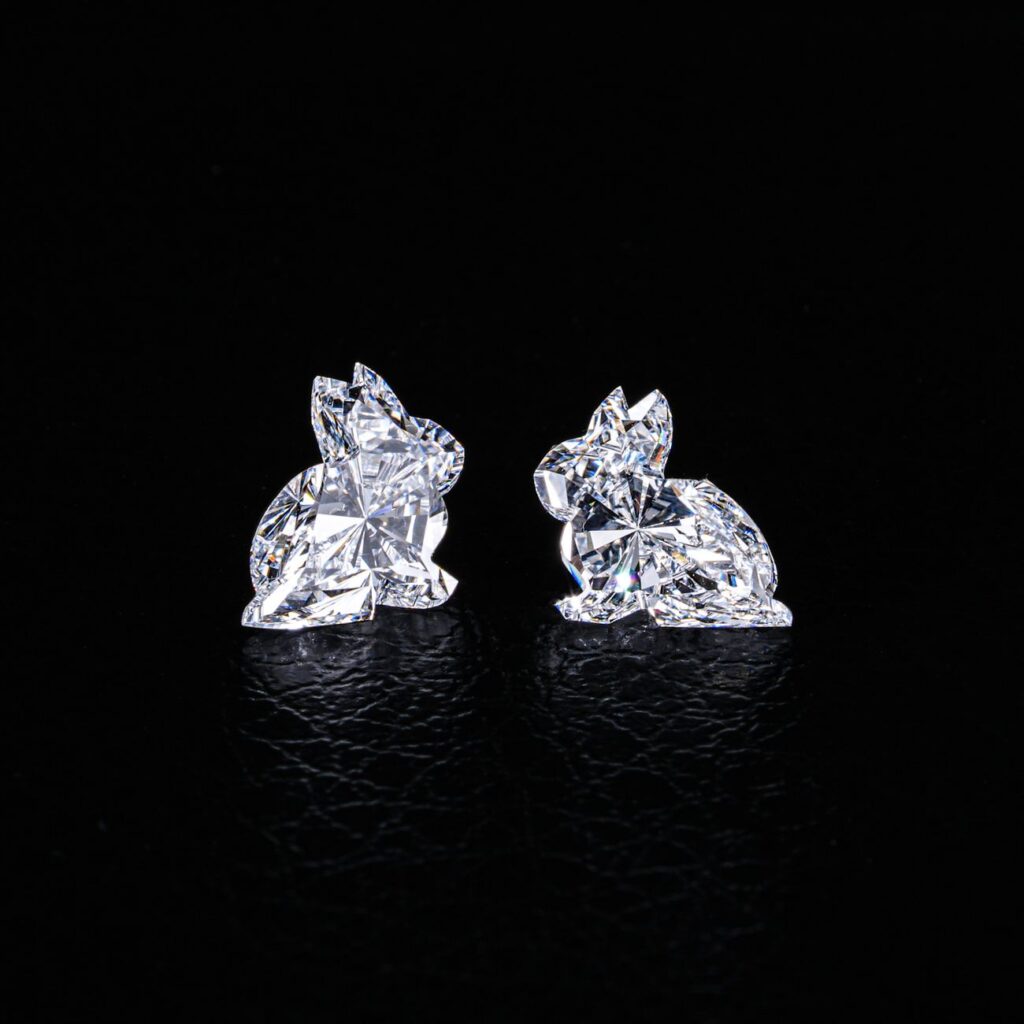
Other shapes can absolutely remain attractive for years, but their appeal may be more dependent on trend cycles or personal taste. Pear, marquise, radiant, princess, and heart-shaped diamonds all have loyal followings, yet they may feel more style-specific than round or oval in many markets.
For buyers comparing lab grown diamonds, the answer often becomes even more practical. Because lab grown diamonds can offer larger sizes and higher grades for the same budget, shape choice may be influenced by how a diamond presents on the hand rather than by price alone. In other words, the shape that holds its appeal best is often the one that balances timelessness, wearability, and visual performance for the person wearing it.
What “Appeal” Really Means in a Diamond Shape
Appeal is not just about what is trendy right now. In diamond buying, it usually includes several different factors that affect long-term satisfaction.
Visual appeal
This is how a diamond looks at first glance. Some shapes are seen as elegant, bright, and balanced. Others feel more distinctive or fashion-forward.
Wearability
Wearability refers to how practical the shape is for daily use. A shape can be beautiful but still feel less convenient if it has sharp points, a large footprint, or a style that clashes with changing taste.
Durability
Some shapes are more exposed to chipping than others. A shape that looks beautiful in a showroom may need more careful setting choices for everyday wear.
Trend resistance
Trend-resistant shapes tend to stay desirable because they look good in many ring styles and across different fashion eras. These are often the shapes that keep showing up in engagement ring design decade after decade.
Resale and replacement context
While diamond resale value is a separate topic, popular shapes are often easier to understand and compare in the market. Shape popularity can influence consumer confidence, even if it does not guarantee value retention.
The Shapes That Tend to Hold Their Appeal Best
Below is a practical overview of the shapes most often considered enduring. This is not a ranking of beauty. It is a comparison of how well each shape tends to maintain broad appeal over time.
| Shape | Long-Term Appeal | Why It Stays Relevant | Potential Drawback |
|---|---|---|---|
| Round brilliant | Very strong | Classic sparkle, widest consumer demand, highly versatile | Most expensive per carat in many cases |
| Oval | Very strong | Elegant look, flattering length, modern but familiar | May show a bow tie effect if proportions are poor |
| Emerald | Strong | Clean lines, understated luxury, refined look | Shows clarity and color more easily |
| Cushion | Strong | Soft, romantic look that has lasted through many trend cycles | Performance varies widely by cut style |
| Pear | Moderate to strong | Elegant and distinctive, often flattering on the finger | More style-sensitive and point needs protection |
| Princess | Moderate | Bright and geometric, still widely used | Sharp corners can be vulnerable, trend appeal can vary |
| Marquise | Moderate | Distinctive vintage character and strong elongating effect | More polarizing, may feel less universally classic |
| Radiant | Moderate | High sparkle with a modern look | Less standardized appearance than round or oval |
Why Round Brilliant Usually Holds Appeal the Best
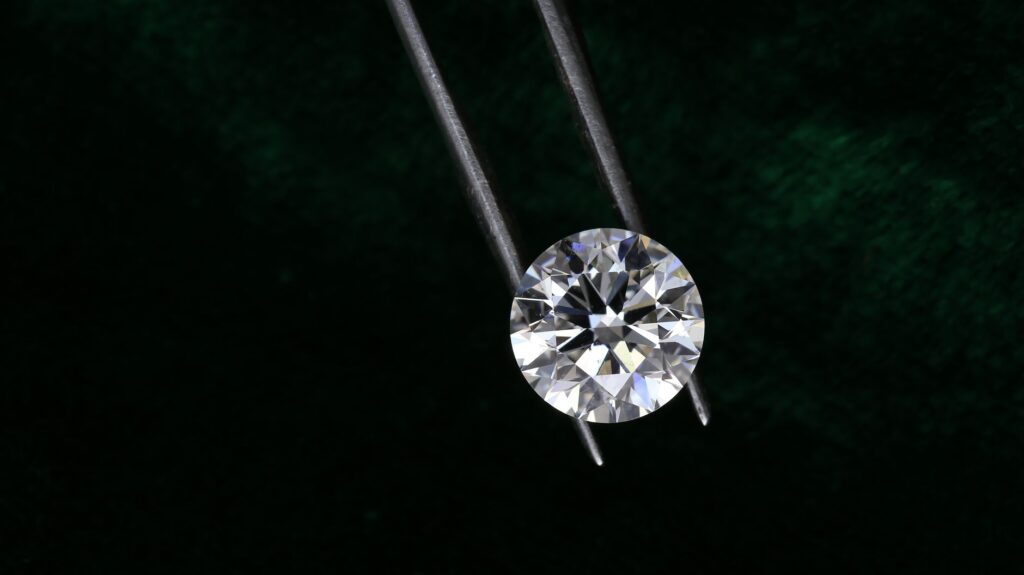
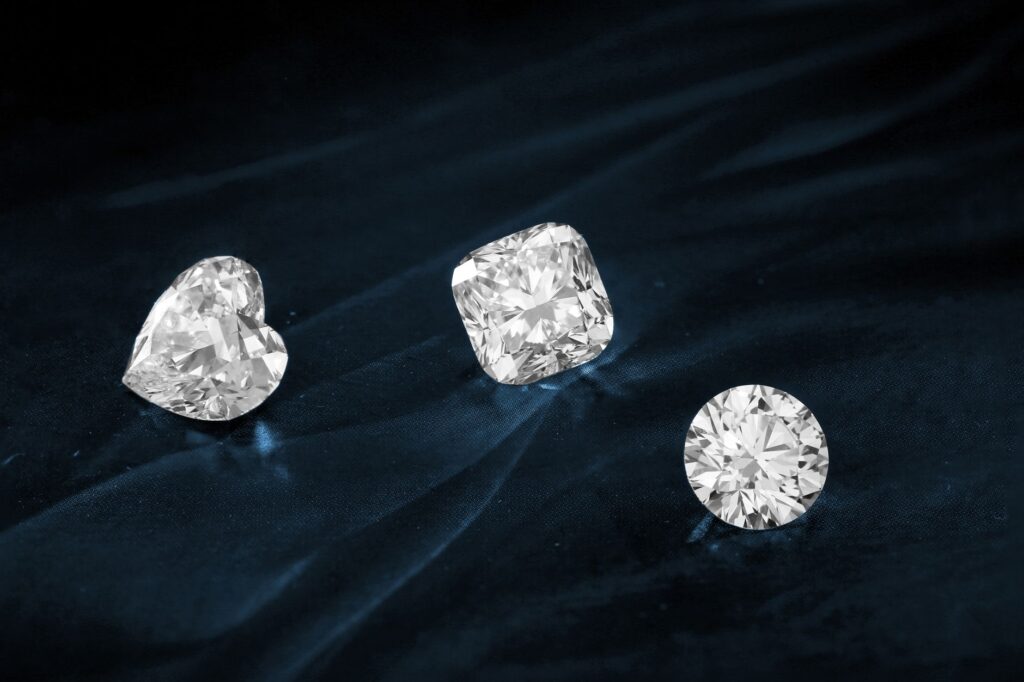
The round brilliant remains the benchmark for enduring appeal because it combines familiar proportions, maximum brightness, and broad market acceptance. It has been the dominant engagement ring shape for decades, and that history matters. Buyers tend to trust what has proven attractive across generations.
The round shape also tends to perform well in almost any setting. It works in solitaires, halos, three-stone rings, vintage designs, and modern minimalist styles. That versatility helps it stay relevant because a shape that fits many design directions is less likely to feel outdated.
From a visual standpoint, round brilliants are designed to maximize brilliance, which is the white light return that makes a diamond look bright. They also tend to show strong scintillation, the pattern of sparkle you see as the stone moves. That makes them lively in everyday wear and easy for most buyers to appreciate without needing expert eyes.
There is one practical trade-off. Round diamonds are often priced higher per carat than fancy shapes because demand is so strong and cutting efficiency is lower. For buyers using a lab grown diamond, this can still be manageable, but round remains a premium shape in terms of market pricing.
Why Oval Diamonds Have Become So Enduring
Oval diamonds have maintained strong appeal because they offer a classic feel with a slightly modern edge. The elongated outline can make the stone appear larger on the finger than a round diamond of the same carat weight, which is part of the reason buyers love it. The shape also tends to flatter many hand types by creating a lengthening effect.
Oval diamonds are especially popular in engagement rings because they combine familiarity with a more distinctive silhouette. They are recognizable, but not as traditional as round. That balance gives them a broad audience, which helps long-term appeal.
However, oval diamonds require careful proportion checking. Some stones show a bow tie effect, a dark area across the center that can appear when light performance is uneven. A small amount of bow tie can be normal, but a strong one can make the stone look less lively. That is why cut quality and visual inspection matter, not just shape.
For buyers who want a shape that feels current without being overly trend-dependent, oval is one of the strongest options. It is especially practical for lab grown diamonds, where buyers may be able to choose a larger oval with strong color and clarity grades while staying within budget.
Why Emerald Cuts Continue to Feel Sophisticated
Emerald cuts hold appeal for a different reason. They are not about maximum sparkle. They are about elegance, line, and clarity of form. Their long, rectangular shape and step-cut faceting create broad flashes of light rather than the more glittery sparkle seen in brilliant cuts.
Because emerald cuts have been associated with refined jewelry design for a long time, they rarely feel random or overly trendy. They carry a sense of intentionality. Buyers who appreciate architecture, symmetry, and understated style often return to this shape year after year.
Emerald cuts do have a stricter quality profile. Their large open tables and step facets can make inclusions, color, and cut precision more visible. In practical terms, that means buyers usually need to pay more attention to clarity and color than they would with a round brilliant. This is important in both natural and lab grown diamonds because internal characteristics are easier to see in this shape.
That said, emerald cuts hold appeal well because they are distinctive without being loud. They suit people who want a graceful diamond that feels polished rather than flashy.
Why Cushion Cuts Have Stayed Popular for So Long
Cushion cuts have a long history and remain widely used because they adapt well to changing taste. Their softened square or rectangular outline gives them a romantic quality, while their faceting can range from antique-style to more modern brilliance-focused versions.
One reason cushion cuts hold appeal is that they feel familiar but less rigid than princess or emerald cuts. The rounded corners make them approachable and generally comfortable in ring settings. That soft geometry helps them work in both vintage-inspired and contemporary designs.
The challenge with cushions is that performance can vary significantly. Some have a more splintery sparkle pattern, while others show larger flashes. The shape itself is stable in terms of style, but the appearance can differ a lot from stone to stone. Buyers should not assume all cushion cuts look the same.
For buyers comparing lab grown diamonds, cushions can offer strong value because many shoppers are drawn to the shape but may not want to pay the premium associated with round brilliance. The result is often a balanced combination of character and practicality.
How Other Popular Shapes Compare in Long-Term Appeal
Shapes outside the classic group can still be excellent choices, but their appeal is often a little more style-sensitive. That does not mean they are less attractive. It simply means they tend to be chosen by buyers who like a specific visual effect.
Pear shape
Pear shapes have a graceful teardrop outline that can look elegant and distinctive. They often create a flattering lengthening effect on the finger and can appear larger than their carat weight suggests because of their elongated outline. Their appeal has remained strong, especially for buyers who want something slightly different from an oval.
The trade-off is that the pointed end needs protection, and the stone can feel a bit more personality-driven than round or oval. Some buyers love that uniqueness, while others prefer a safer classic.
Princess cut
Princess cuts are sharp, modern, and very sparkly. Their square outline appeals to buyers who like a clean geometric look. They have remained popular for decades, but they can feel less timeless than round or emerald in some settings.
The corners can be vulnerable if the setting does not protect them well. That is a practical consideration for daily wear, especially in rings that see frequent use.
Marquise shape
Marquise diamonds are dramatic and elongating. They can create a strong visual impact and a vintage feel. Their appeal tends to be more personal than universal, which can be an advantage for buyers who want a distinctive ring.
Because of their pointed ends, they also require thoughtful setting design. In terms of long-term appeal, marquise diamonds often remain attractive to a loyal audience rather than to the broadest possible market.
Radiant cut
Radiant cuts combine the silhouette of a rectangular or square shape with the sparkle style of a brilliant cut. They are lively, modern, and often used by buyers who want a lot of brightness in a fancy shape.
Radiants have steady popularity, but their appeal is somewhat more contemporary. They are versatile, though not as universally classic as round or oval.
Heart shape
Heart-shaped diamonds are highly symbolic and visually unmistakable. They can be appealing for special jewelry, but they are much more expression-driven than the classic shapes. Their long-term appeal is usually strongest when the buyer specifically wants the heart outline.
Because the shape is so explicit, it tends to be less timeless in mainstream engagement ring design.
Appearance and Visual Performance: Why Some Shapes Age Better Than Others
When shoppers say a shape “holds its appeal,” they are often reacting to how it performs visually under normal lighting. Some shapes sparkle in a way that feels instantly satisfying, while others make their impact through form, symmetry, or elegance.
Brilliance
Brilliance is the white light returned by a diamond. Round brilliants are strongest here because their faceting is optimized for light return. Oval, cushion, princess, and radiant cuts can also be very bright, but performance depends more on proportions.
Fire
Fire refers to colored flashes of light. Shapes with brilliant-style faceting often show more fire than step cuts. That is part of why round, oval, cushion, and radiant cuts feel lively and eye-catching.
Scintillation
Scintillation is the sparkle pattern created as the diamond moves. Round brilliants usually excel because they create a balanced mix of flashes and contrast. This makes them visually engaging over time, which contributes to their lasting appeal.
Step-cut performance
Step cuts, such as emerald cuts, do not aim for the same type of sparkle. They show broader flashes and a mirror-like effect. Some buyers love that because it feels elegant and calm rather than busy. Others may interpret it as less sparkly compared with brilliant cuts.
The important point is that long-term appeal is not only about maximum sparkle. For many buyers, a shape holds its appeal because its light performance matches their style preferences consistently.
Why Finger Coverage and Proportions Affect Long-Term Appeal
A diamond shape may look attractive in a display case but feel different on the hand. This is why face-up size, length-to-width ratio, and overall proportions matter so much.
Face-up size
Face-up size is how large the diamond looks from the top. Elongated shapes like oval, pear, marquise, and emerald often look larger than round diamonds of the same carat weight because they spread the weight across more visible surface area.
That can improve appeal for buyers who want a substantial look. It can also make a shape feel practical over time, because people often remain happy with a ring that looks balanced on their hand.
Length-to-width ratio
Length-to-width ratio affects the outline of elongated shapes. A ratio that is too low can make the stone look squat, while a ratio that is too high can make it look narrow. The right ratio depends on personal taste, but proportions that feel balanced are usually easier to love long term.
For example, oval diamonds are often considered most appealing when they look graceful rather than overly stretched. The same is true for marquise and pear shapes.
Finger appearance
Many buyers care about how a shape flatters the hand. Ovals, pears, emeralds, and marquises often lengthen the look of the finger. Round and cushion cuts tend to feel softer and more centered. Princess cuts can look bold and structured.
These differences do not make one shape better than another. They simply influence whether a buyer feels comfortable wearing the shape for years.
Durability and Daily Wear: A Major Part of Long-Term Appeal
A shape that looks beautiful but feels fragile may lose appeal once it becomes a daily ring. That is why durability should always be part of the conversation.
Most durable shapes in everyday use
Round brilliants are generally among the safest choices because they have no sharp corners. Cushion cuts also do well because of their rounded edges. Oval shapes are similarly practical when set properly.
Shapes that need more protection
Princess, pear, marquise, and heart shapes have pointed corners or tips that may need stronger prong placement. This does not make them unsuitable for daily wear, but it does mean the setting matters more.
Why settings matter
A well-chosen setting can improve both durability and appearance. For example, V-prongs can protect pointed tips, and bezel settings can make some shapes feel more secure. Buyers researching engagement rings should think about the whole design, not just the diamond shape alone.
How Shape Influences Color and Clarity Visibility
Different shapes hide or reveal imperfections differently, and that affects how appealing they remain once the buyer knows what to look for.
Color visibility
Step-cut shapes like emerald cuts tend to show color more easily because they have large, open facets. This means buyers may need to choose a slightly higher color grade if they want a bright white look.
Brilliant cuts such as round, oval, cushion, and radiant usually hide body color better because their faceting disperses light more actively. This can be helpful when shopping lab grown diamonds, where buyers often look for the best visual value in a larger size.
Clarity visibility
Emerald cuts are also more revealing of inclusions because the open structure gives the eye fewer distractions. Round and other brilliant cuts often conceal small inclusions better. That does not mean buyers should ignore clarity, but it does change how important it becomes by shape.
Long-term appeal is stronger when the diamond looks clean and balanced to the eye. That is why shape selection should always be tied to clarity and color grades, not made in isolation.
Lab Grown Diamonds and Shape Choice
Lab grown diamonds change the shape conversation in a useful way. Because they are generally priced lower than natural diamonds of similar appearance, buyers may have more flexibility to choose the shape they truly prefer instead of defaulting to the most budget-friendly option.
For example, someone comparing a natural round diamond and a lab grown oval may find that the lab grown option allows for a larger face-up size, better clarity, or a more refined setting within the same budget. This can be especially important for shapes like emerald or oval, where proportions and visible clarity matter.
That said, the same shape rules still apply. A lab grown diamond does not change how an oval’s bow tie behaves or how an emerald cut reveals clarity. It simply changes what level of quality is accessible for the budget.
Buyers who are still learning about the category may want to understand the basics of lab grown diamonds, diamond cut, diamond clarity, and diamond color before narrowing down shape choices.
Shape Comparison: Which Ones Feel Most Timeless vs. Most Trend-Driven
It helps to separate shapes into two broad groups: those that are deeply classic and those that are more fashion-specific. This is not a strict rule, but it can guide buyers who are worried about long-term satisfaction.
| Category | Shapes | Why They Fit This Category |
|---|---|---|
| Most timeless | Round brilliant, emerald, cushion | Strong history, broad acceptance, consistent design relevance |
| Timeless with a modern edge | Oval, pear, radiant | Popular now and likely to remain attractive because they balance familiarity and individuality |
| More style-specific | Princess, marquise, heart | Can be beautiful for the right buyer, but often tied to stronger personal preference or trend cycles |
Even within these groups, appeal depends heavily on execution. A poorly proportioned round diamond can look worse than a well-cut marquise. Likewise, a thoughtfully chosen emerald cut can appear more luxurious than a less refined brilliant shape.
What Buyers Often Misunderstand About Diamond Shapes
There are a few common assumptions that lead buyers away from the best long-term choice for them.
“Sparkliest means best”
Sparkle matters, but it is not the only measure of appeal. Some buyers are happier with the elegant flashes of a step cut than with the busy sparkle of a brilliant cut. If the shape suits the wearer’s style, it may hold appeal better than a technically brighter but less loved alternative.
“Trendiest now means timeless later”
A shape can be very popular today and still not feel timeless to everyone. Trendiness and longevity are related but not identical. Ovals, for example, are popular now and also have a strong case for lasting appeal because they are flattering and versatile.
“One shape works for everyone”
That is rarely true. Appeal depends on hand shape, ring style, lifestyle, and personal taste. Someone who wants a low-maintenance everyday ring may favor round or cushion. Someone who wants a more elegant profile may prefer emerald or oval.
“Shape matters more than cut”
Shape and cut are different. Shape is the outline. Cut is how well the diamond is proportioned and finished. A great shape with poor cutting can lose its appeal quickly because the stone will not perform well.
Common Mistakes Buyers Make When Choosing a Shape
- Choosing only based on trend. A shape should fit the wearer, not just the current market.
- Ignoring proportions. Length-to-width ratio and cut quality can change the whole look of a diamond.
- Overlooking durability. Pointed corners may need more secure settings for daily wear.
- Not comparing face-up size. Two diamonds with the same carat weight can look very different on the hand.
- Assuming all shapes hide inclusions equally. Step cuts and brilliant cuts behave very differently.
- Buying without seeing the stone in context. A shape should be judged in the setting, not in isolation.
These mistakes are especially common with first-time buyers. That is why shape education is so important before comparing diamond shapes, diamond color, or diamond pricing.
Which Diamond Shapes Hold Their Appeal Best for Different Buyers
The best shape depends on the buyer’s priorities. A shape that holds appeal well for one person may not be the right choice for another.
For buyers who want the safest classic option
Round brilliant is usually the strongest answer. It is the most established, versatile, and universally recognized shape.
For buyers who want something classic but a bit softer
Oval and cushion are excellent candidates. They feel current, flattering, and comfortable without being overly unconventional.
For buyers who prefer a refined and elegant look
Emerald cut is often the best fit. It is understated, sophisticated, and structurally distinctive.
For buyers who want a more personal or distinctive silhouette
Pear, marquise, princess, and radiant can all work well. These shapes may hold appeal strongly for the right wearer, even if they are less universally classic.
For lab grown diamond shoppers seeking maximum value
Oval, cushion, and emerald often provide strong practical value because lab grown supply can make larger or better-graded examples more accessible. Round remains a great choice too, but it may still command a premium relative to other shapes.
Buying Considerations That Matter More Than Shape Alone
Shape is important, but it should be part of a larger decision-making process. Buyers who focus only on outline risk missing the factors that actually determine long-term satisfaction.
Cut quality
Cut has a major effect on brilliance, fire, and overall beauty. Even within the same shape, two diamonds can look very different depending on how well they were cut. This is particularly important for round diamonds and for shapes with more visible faceting patterns.
Certification
A reliable grading report from a respected lab helps buyers compare diamonds fairly. Certification is especially helpful when evaluating shape-specific considerations like proportions, symmetry, and clarity. Buyers comparing options should understand the basics of diamond certifications.
Setting design
The setting influences how secure a shape is and how large it appears. Some shapes look best in minimalist settings, while others benefit from side stones or halos. A shape that holds its appeal well usually pairs easily with a range of settings.
Budget allocation
Some buyers spend more on shape and size, while others prioritize cut, color, and clarity. The right balance depends on the shape itself. Emerald cuts, for example, may require more careful attention to clarity, while round brilliants often justify spending more on cut quality.
Lifestyle
Daily wear should never be ignored. If a ring will be worn constantly, the most appealing shape is often the one that combines beauty with practical durability.
How Trends Affect Diamond Shape Appeal Over Time
Diamond trends do matter, but they usually influence the edges of popularity more than the center. Round diamonds have stayed consistently popular because they are anchored in tradition. Ovals have risen strongly because they fit modern preferences while remaining easy to wear. Emeralds and cushions continue to appeal because they offer recognizable, stable identities.
In contrast, some shapes see more visible swings in fashion interest. This does not make them poor choices. It simply means a buyer should be clear about whether they want a shape that feels specifically expressive or one that feels broadly enduring.
Long-term appeal is often strongest when a shape has both visual balance and enough familiarity to stay comfortable as style preferences shift.
How to Choose a Shape That Will Still Feel Right Later
If the goal is long-term satisfaction, it helps to think beyond the first impression. A diamond shape should feel good in several different settings, not just under bright showroom lights.
Look at the shape in everyday contexts
Ask how it might look in office lighting, outdoor light, and normal indoor wear. A shape that still looks elegant in ordinary settings is more likely to age well.
Think about the type of ring design
Some shapes naturally fit classic solitaire settings, while others shine in more decorative designs. Shapes with broad compatibility tend to hold appeal better because they work across changing style preferences.
Consider how much personality you want
A shape with a strong personality can be rewarding if you already know you like it. But if you are uncertain, a more balanced shape often provides a safer long-term choice.
Balance uniqueness and familiarity
The shapes that hold appeal best often sit in the middle. They are distinctive enough to feel personal but familiar enough that they do not feel risky a few years later.
Frequently Asked Questions
Which diamond shape is the most timeless?
Round brilliant is usually considered the most timeless because it has the broadest acceptance and the most consistent history of popularity. Emerald and cushion cuts also have strong timeless appeal, but round is the safest answer for most buyers.
Do oval diamonds look dated over time?
Oval diamonds have remained popular for long enough to suggest lasting appeal rather than short-lived trend status. Their flattering shape and versatile style help them stay relevant. The key is choosing good proportions so the stone looks balanced.
Are fancy shapes harder to resell?
They can be, depending on the market and the specific shape. Round diamonds generally have the widest audience, which can make them easier to understand and compare. Resale value is separate from personal appeal, but popularity does matter in many cases.
Which diamond shape looks biggest?
Elongated shapes often look larger face-up than round diamonds of the same carat weight. Oval, pear, marquise, and emerald cuts frequently create a larger visual spread because of their shape. Actual size perception still depends on proportions and setting.
Which shape is best for everyday wear?
Round, oval, and cushion cuts are often the easiest shapes for daily wear because they tend to be durable and versatile. Shapes with points, such as pear, marquise, and princess, can still work well but may need more protective settings.
Do lab grown diamonds affect which shape holds appeal best?
The shape itself does not change, but lab grown diamonds can make certain shapes easier to buy at better specifications. That often gives buyers more flexibility to choose the shape they personally love instead of compromising for budget reasons.
Is sparkle or shape more important?
They serve different purposes. Sparkle affects visual excitement, while shape affects style, proportion, and long-term taste. A shape that suits the wearer well often holds appeal better than one that simply sparkles more.
Should I choose a timeless shape even if I want something different?
Not necessarily. A shape should match your personal taste and daily wear habits. If you like a less common shape and understand its trade-offs, that can be a better choice than selecting a classic shape you do not actually enjoy.
Conclusion
Which diamond shapes hold their appeal best depends on what kind of appeal you mean. If you want the strongest overall long-term consistency, round brilliant is still the most dependable choice. If you want a shape that feels elegant and current without losing broad acceptance, oval is one of the best options. If you prefer understated sophistication, emerald cuts remain highly respected. Cushion cuts continue to hold their place because they are soft, versatile, and easy to wear.
The most important takeaway is that lasting appeal comes from a combination of shape, proportions, cut quality, durability, and how comfortably the diamond fits the wearer’s style. Buyers should not choose shape based only on current trends or general popularity. The best long-term choice is usually the one that looks balanced on the hand, performs well in daily wear, and still feels right after the first impression fades.
For anyone comparing engagement ring options or lab grown diamonds, the smartest next step is to evaluate shape alongside cut, color, clarity, and certification. That approach leads to a diamond that is attractive now and still satisfying years from now.