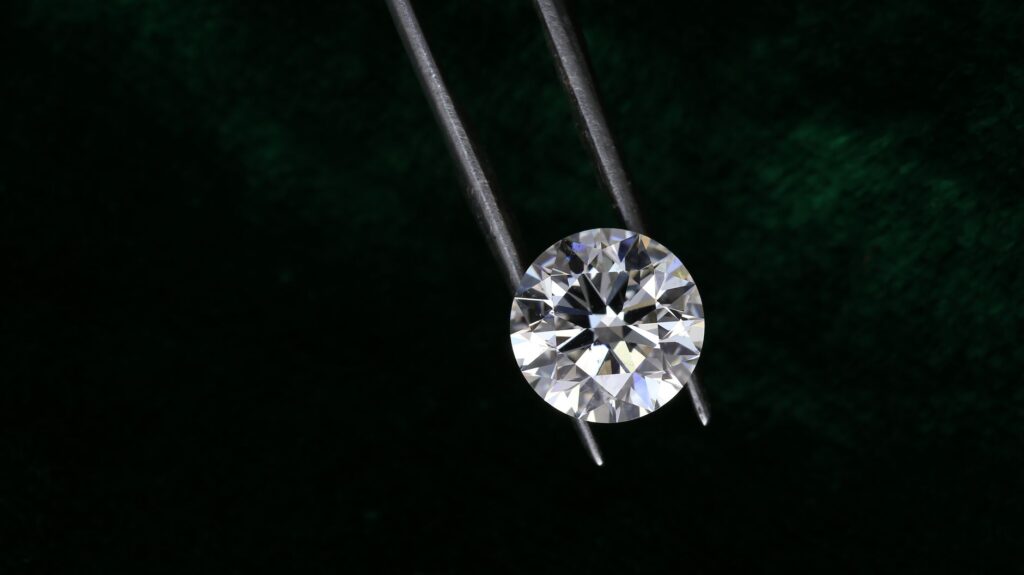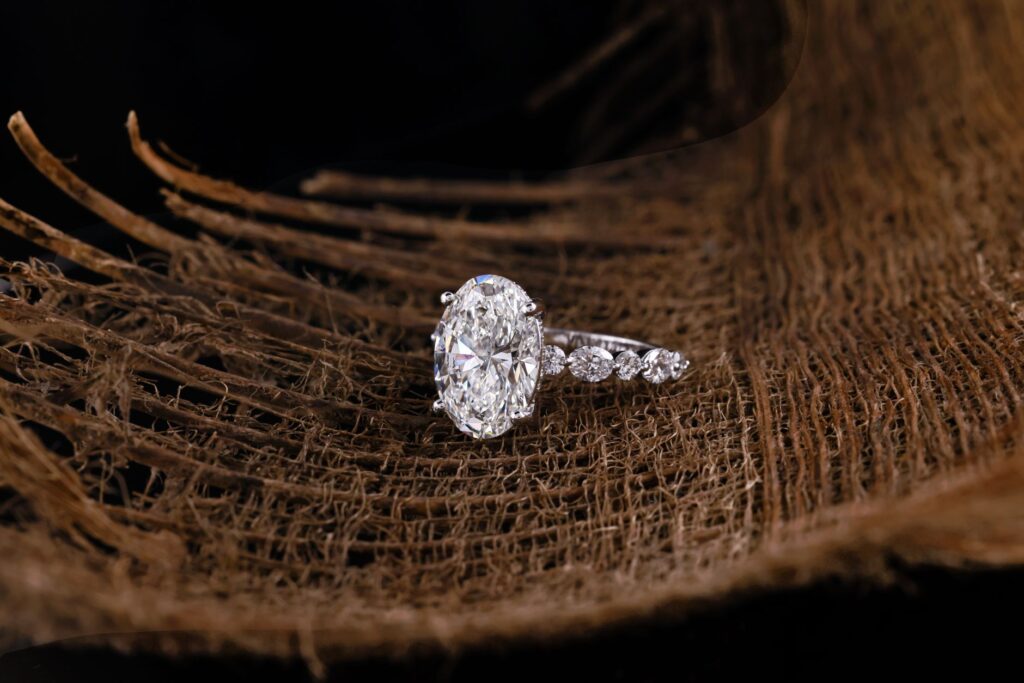
Diamond cut is one of the most important quality factors in a diamond, but it is also one of the most misunderstood. Many buyers assume cut refers only to a diamond’s shape, such as round, oval, or princess. In reality, cut quality is about how well a diamond’s proportions, angles, symmetry, and finish interact with light.
If you are trying to understand How to Read Diamond Cut Grades, the key idea is simple: cut grade tells you how well a diamond is likely to sparkle and return light to your eyes. A diamond with strong cut quality can look brighter, livelier, and more balanced than a larger diamond with weaker cut quality. That difference can be very visible in everyday lighting.
This matters even more for lab grown diamonds, because lab grown stones are often purchased with an eye toward maximizing visible beauty and value. Since lab grown diamonds tend to offer more size for the money, buyers sometimes focus heavily on carat weight and overlook cut. That is usually a mistake.
Quick Answer: How to Read Diamond Cut Grades
Diamond cut grades are best read as a guide to how a diamond handles light, not just how it was shaped. In most cases, a higher cut grade means better sparkle, stronger brightness, and better overall visual performance. A lower cut grade can still look good, but it may appear less lively, less bright, or less balanced under normal viewing conditions.
The most important thing to understand is that cut grade is not the same as shape. A round diamond can receive a cut grade, while fancy shapes such as oval, pear, and emerald are usually evaluated differently. For round diamonds, the cut grade is one of the most useful clues a buyer has about real-world appearance.
For most buyers, the best practical approach is to prioritize cut first, then consider color, clarity, and carat weight. In many cases, a well-cut diamond with slightly lower color or clarity will look more attractive than a larger diamond with a weak cut.
What Diamond Cut Grade Actually Means
When people ask how to read diamond cut grades, they are usually looking at a grading report from a laboratory such as GIA or IGI. The cut grade is a technical assessment of how a round brilliant diamond is proportioned and finished. It helps predict how much light the diamond will reflect back to the viewer.
In plain English, cut grade is about performance. A diamond is not judged only by its dimensions or weight. It is judged by how those dimensions influence brightness, sparkle, and contrast.
Cut vs. Shape
Shape describes the outline of the diamond. Round, oval, cushion, emerald, and pear are all shapes. Cut quality describes how well the diamond was crafted within that shape.
A round diamond can be well cut or poorly cut. An oval can also be well made or poorly proportioned, but the grading system for fancy shapes is less standardized than for round diamonds. This is why round brilliant diamonds are often easier to compare using cut grades alone.
Cut vs. Diamond Cutting Style
Sometimes the word cut is used more loosely to refer to the style of faceting, such as brilliant cut, step cut, or mixed cut. That can be confusing. For buyers, the most important use of the word is the official quality grade on a certificate, because that tells you something useful about performance.
The Main Diamond Cut Grades Explained
Most buyers will see a cut grade on a grading report for a round brilliant diamond. The exact scale can vary by lab, but the most common top-level grades are:
- Excellent
- Very Good
- Good
- Fair
- Poor
Some labs use slightly different terminology or slightly different criteria, but the basic idea is similar. The higher the grade, the better the expected light performance and overall finish.
Excellent Cut
An Excellent cut diamond is generally crafted to produce strong brightness, good fire, and attractive sparkle. It is usually the safest choice for buyers who want dependable visual performance.
That does not mean every Excellent cut diamond looks identical. Two diamonds with the same cut grade can still vary in appearance because the grade covers a range of proportions and measurements. Still, Excellent is typically where buyers start if they want a diamond that looks lively in most lighting conditions.
Very Good Cut
Very Good cut diamonds can also be attractive and may offer strong value. In many cases, the difference between Very Good and Excellent is subtle to the naked eye, especially once the diamond is mounted in jewelry.
For some buyers, Very Good is a smart choice if it allows more room in the budget for carat size or a better overall diamond balance. The trade-off is that the diamond may not be quite as bright or crisp as a top-tier Excellent cut.
Good Cut
Good cut diamonds can still be appealing, but they are more likely to show some compromise in light return, brightness, or face-up presence. Some buyers may find them perfectly acceptable, especially if price is the main concern.
However, once cut quality drops into the Good range, it becomes more important to inspect the stone carefully. The diamond may not sparkle as evenly, and some areas may look darker or less lively.
Fair and Poor Cut
Fair and Poor cut diamonds often show obvious reductions in sparkle and brightness. These stones may leak light, appear dull, or seem less attractive than their carat weight suggests.
For most consumers, these grades are difficult to justify unless price is the overriding concern and appearance is secondary. In practice, many buyers prefer to avoid them because the visible compromise is often too large.
What a Cut Grade Is Based On
Cut grades are not assigned randomly. Laboratories examine a combination of measurements and appearance-related factors. For round diamonds, the most important elements usually include proportions, symmetry, and polish.
Proportions
Proportions refer to the diamond’s physical measurements, such as table size, depth, crown angle, pavilion angle, and total diameter relative to its weight. These details influence how light travels through the diamond and how much returns to the viewer’s eye.
Why it matters is straightforward. A diamond can be heavy for its size, but if the proportions are poor, it may not look as bright or as large as it should. Buyers often care about face-up appearance more than hidden weight, which is why proportions matter so much.
Table Percentage
The table is the large flat top facet of the diamond. Table percentage compares the table size to the average diameter of the stone. It is one clue to how the diamond may perform visually.
A table that is too large or too small can affect the balance of brightness and fire. Buyers should not treat table percentage as a stand-alone verdict, but it is useful when read alongside other measurements.
Depth Percentage
Depth percentage compares a diamond’s height to its width. It helps indicate whether the diamond is too shallow, too deep, or well balanced.
If a diamond is too deep, it may look smaller than expected for its carat weight. If it is too shallow, light can escape from the bottom or sides, reducing brightness. Depth is one of the key reasons two diamonds of the same carat weight can look noticeably different in size and sparkle.
Symmetry
Symmetry describes how precisely the facets line up with each other. Good symmetry helps the diamond reflect light in an organized way, which supports balanced sparkle and a cleaner overall appearance.
Minor symmetry differences are not always easy to notice without magnification. However, more obvious symmetry issues can affect the diamond’s patterning and overall visual harmony. This is one reason symmetry is worth checking on a grading report.
Polish
Polish refers to the smoothness and quality of the facet surfaces. Well-polished facets allow light to move cleanly across the diamond.
In most cases, small polish differences are hard to see with the naked eye. But poor polish can reduce visual crispness and is often a sign that the stone was not finished to a high standard.
How to Read Diamond Cut Grades on a Certificate
When you view a grading report, the cut grade is usually listed alongside color, clarity, and carat weight. For round brilliant diamonds, this is one of the most useful lines on the report. It gives you a quick summary of expected appearance.
That said, the cut grade should be read as part of a larger picture. It is best used with the diamond’s measurements and, when possible, images or performance reports. A grade by itself is helpful, but it does not tell the whole story.
What to Look for First
Start with the cut grade itself. If the diamond is round and the cut is Excellent or Very Good, that is usually a strong sign. Then look at the proportions, especially depth and table, and compare those numbers to typical ranges.
If images are available, examine the diamond’s light return and facet pattern. Videos can reveal performance differences that are not obvious from the paper grade alone. This is especially useful when comparing stones that have similar certificates.
Why the Certificate Alone Is Not Enough
Grading reports are valuable, but they are not a substitute for seeing how the diamond behaves. Two Excellent cut diamonds can look different because one may have slightly better proportions or a more attractive optical pattern.
That is why experienced buyers and jewelers often combine the report with visual inspection. The certificate helps narrow the field, but the eye still matters.
What Buyers Actually See: Sparkle, Brightness, and Fire
Cut grades matter because they affect the way a diamond looks in everyday life. Most buyers are not trying to analyze facet angles. They want to know whether the diamond looks bright, sparkly, and attractive in natural light, office light, and indoor lighting.
Brilliance
Brilliance refers to the white light returned by the diamond. A well-cut diamond tends to look brighter and more radiant because more light is reflected back through the top.
When brilliance is weak, the diamond can appear flat or sleepy. Buyers often notice this immediately, even if they cannot explain why one stone looks better than another.
Fire
Fire is the colored flash of light seen when a diamond disperses white light into spectral colors. It is easiest to notice under spot lighting or movement.
Cut influences fire because the angles and facet arrangement determine how light is split and redirected. A strong cut can produce attractive flashes of color, while a weaker cut may look less lively.
Scintillation
Scintillation is the sparkle you see when the diamond or the light source moves. It includes the contrast between bright and dark areas as well as the pattern of flashes across the stone.
This is one of the most noticeable aspects of cut quality in real life. A diamond with good scintillation tends to look active and lively. A poorly cut diamond may have dull areas or an uneven sparkle pattern.
Light Return
Light return is the amount of light that comes back to the eye after entering the diamond. Better light return usually means a brighter, more appealing stone.
When light leaks out of the bottom or sides instead of returning to the viewer, the diamond can look washed out. This is one of the main reasons cut quality matters so much.
Why Cut Grade Matters More Than Many Buyers Expect
Many first-time buyers focus on carat first because size is easy to understand. But carat is only weight, not appearance quality. A poorly cut diamond can look smaller and less lively than a well-cut diamond of the same weight.
This matters because most people judge a diamond by what they see, not by its paperwork. If a diamond looks dull, the certificate will not change that. Cut grade helps predict that visual outcome before you buy.
Appearance
A diamond’s cut affects whether it looks bright and lively or dark and sleepy. That difference can be visible from a normal viewing distance, even to someone with no gemological training.
When buyers compare diamonds side by side, they usually notice cut differences before they notice subtle color or clarity differences. That is one reason cut is often considered the most important quality factor for beauty.
Value
Good cut quality can improve value because it makes the diamond more attractive without necessarily increasing carat weight. In many cases, the most visually pleasing stone is not the biggest stone, but the one with the strongest light performance.
At the same time, there is a point of diminishing returns. Paying a premium for the absolute top cut grade may be worthwhile for some buyers, but not every shopper needs the most expensive option if the visual difference is subtle.
How Cut Grade Affects Price
Cut grade often influences price because it affects both desirability and perceived beauty. Excellent cut diamonds usually cost more than lower cut grades, especially when all other factors are similar.
That premium is often justified if you value sparkle and face-up beauty. But if the budget is tight, a Very Good cut diamond may offer a practical balance between appearance and cost.
When Paying More Makes Sense
Paying more for stronger cut quality makes sense when the diamond will be viewed regularly and worn as a centerpiece, such as an engagement ring. In that context, sparkle and brightness are highly visible.
It also makes sense when the buyer wants the safest option and prefers not to worry about whether the stone will look flat in certain lighting. A top cut grade reduces that risk.
When the Premium May Be Less Important
The premium may matter less when the diamond is small, used in a setting where the stone is not the sole focus, or purchased with a budget that prioritizes size over ultimate performance. Even then, however, extremely weak cut grades are usually not a good value.
Most buyers are better served by balancing cut with the other Cs rather than chasing one grade at the expense of everything else.
Practical Comparison Examples
The easiest way to understand cut grades is through real buying scenarios. These examples show how a diamond can look in practice, not just how it is described on paper.
Well-Cut 1.5-Carat Diamond vs. Poorly Cut 2-Carat Diamond
On paper, the 2-carat diamond sounds more impressive. In person, the 1.5-carat diamond with better cut may actually look more beautiful because it returns more light and appears more balanced.
The poorly cut 2-carat diamond may face up larger, but if it leaks light or has weak proportions, it can seem dull. Many experienced shoppers notice this quickly once the diamonds are compared side by side.
Excellent Cut vs. Very Good Cut in Everyday Lighting
In ideal lighting, the difference between Excellent and Very Good can be hard to spot unless the stones are compared carefully. In less controlled settings, such as a home, office, or restaurant, the Excellent cut may look a bit brighter and more consistent.
For many buyers, this is a meaningful but not dramatic difference. If the Very Good cut allows a better size or budget balance, it can still be a sensible choice.
Higher Clarity with Poor Cut vs. Lower Clarity with Excellent Cut
Clarity matters, but a diamond with excellent clarity and poor cut can still look less attractive than one with slightly lower clarity and excellent cut. That is because cut affects the overall visual impact more directly.
Most minor inclusions are not obvious without magnification, especially if the stone is well cut and eye-clean. Buyers often get better visible beauty by prioritizing cut first and then choosing a clarity grade that is clean to the eye.
How Cut Matters for Lab Grown Diamonds
For lab grown diamonds, cut is just as important as it is for natural diamonds. The origin of the diamond does not change the way light behaves through the stone.
In fact, cut can be especially important for lab grown buyers because these diamonds are often selected for exceptional value. If the goal is to maximize beauty per dollar, a strong cut grade is one of the most effective ways to do that.
Why Lab Grown Buyers Should Pay Attention
Lab grown diamonds are often available in larger sizes at lower prices than natural diamonds. That can tempt buyers to choose size first and cut second. But a larger diamond with weak cut can still look less impressive than a smaller diamond with excellent performance.
This is why many buyers researching lab grown diamonds also spend time learning about diamond color and diamond clarity. Those factors matter, but cut often has the biggest effect on the diamond’s face-up appeal.
Certification Still Matters
Lab grown diamonds should still be accompanied by a reputable grading report. The certificate helps confirm the cut grade, proportions, color, clarity, and whether the diamond is lab grown. It also gives buyers a more consistent way to compare options.
Without a reliable report, it is difficult to know whether the diamond’s appearance matches its advertised quality. That is true for both lab grown and natural diamonds.
Common Grading Standards Buyers Should Know
Not all labs evaluate cut with the same standards, so it helps to know where a certificate comes from. For round diamonds, the most trusted grading systems tend to be those that are conservative and consistent.
GIA
GIA is widely respected for consistent grading standards. Many buyers and jewelers consider GIA reports a strong reference point because their grading tends to be strict and well recognized.
For cut grades, GIA is especially important for round brilliant diamonds. Their system has become a common language for comparing stones across the market.
IGI
IGI is widely used, especially in the lab grown diamond market. Buyers often see IGI reports attached to lab grown diamonds because of their market presence and accessibility.
As with any lab, it is important to read the report carefully rather than relying on the grade alone. The certificate is a tool, not a guarantee of personal preference.
Other Labs and Seller Claims
Some sellers provide their own descriptions or use terms like premium cut or ideal cut without a standardized report. These phrases can be helpful marketing language, but they are not the same as an independent grading result.
If you want to know how to read diamond cut grades accurately, always separate independent grading from seller language. The report matters more than the ad copy.
Hearts and Arrows and Optical Symmetry
Some round diamonds display a pattern called Hearts and Arrows when viewed under special magnification. This pattern suggests a high degree of optical symmetry, meaning the facets are aligned very precisely.
For buyers, Hearts and Arrows can be a sign of careful cutting, but it is not a guarantee that the diamond will be preferred by every eye. It is one more indicator of precision, not the only measure of beauty.
What It Means
Hearts and Arrows refers to a pattern of hearts seen from the bottom and arrows seen from the top under the right tools. It is associated with symmetrical facet alignment.
The pattern itself is not visible in normal wear. What matters is whether the precision behind that pattern contributes to attractive sparkle and contrast.
Why It Matters
Precise optical symmetry can create a cleaner, more orderly visual effect. Some buyers and jewelers value this because it can make the stone look especially crisp when it moves.
Still, not every beautifully sparkling diamond has a visible Hearts and Arrows pattern. Buyers should treat it as a positive feature, not a strict requirement.
Light Leakage and Why It Can Ruin Appearance
Light leakage happens when light enters a diamond but escapes through the bottom or sides instead of returning to the eye. This can make parts of the diamond look dark, flat, or lifeless.
Buyers often notice light leakage as a lack of sparkle or as dull zones in the stone. Even if the diamond is large, it may not look visually strong if the light is not being handled well.
What Buyers Actually Notice
Most buyers would not describe a diamond as having light leakage. Instead, they might say it looks sleepy, watery, or less sparkly than expected.
This is why cut grades are so useful. They help screen out diamonds that may have serious light-performance issues before you see them in person.
Advantages of Prioritizing Cut Grade
There are several clear advantages to focusing on cut quality early in the buying process. These advantages are practical, not theoretical.
- Better sparkle and brightness in everyday lighting
- Improved face-up appearance compared with poorly cut stones of the same size
- More predictable visual performance from the certificate
- Often stronger long-term satisfaction because the stone looks lively on the hand
- Better use of budget when balancing the four Cs
For most consumers, these benefits are more noticeable than small differences in laboratory measurements. That is why cut is often the quality factor that has the biggest impact on day-to-day enjoyment.
Limitations and Trade-Offs
Cut grade is very useful, but it is not perfect. It does not tell the whole story about a diamond’s appearance, especially when it comes to fancy shapes or diamonds that fall near the edges of a grading range.
It is also possible for two diamonds with the same cut grade to look slightly different. This is why visual inspection, videos, and trusted grading reports all work best together.
- Cut grade is most standardized for round diamonds, not all shapes
- Higher cut grades can cost more, which may reduce budget for size or other qualities
- Some Very Good diamonds still look excellent to most buyers
- Paper grades do not replace real-world viewing
Common Buyer Mistakes When Reading Cut Grades
Many diamond shoppers make the same mistakes when first learning how to read diamond cut grades. Avoiding these errors can lead to a better purchase.
Prioritizing Carat Over Cut
A larger diamond is not necessarily a better-looking diamond. If cut quality is weak, the stone may appear less brilliant and less attractive than a smaller, well-cut diamond.
This is one of the most common mistakes, especially when buyers are focused on a target size number.
Assuming All Excellent Cuts Look the Same
Excellent cut is a high standard, but it still allows for variation. Two diamonds with the same grade can have different visual personalities depending on their exact proportions and facet alignment.
That is why experienced shoppers do not stop at the grade alone. They also review the measurements and look at the diamond itself.
Overpaying for a Label Without Seeing the Diamond
A top cut grade is valuable, but not every buyer needs the most expensive version of it. Some stones are priced aggressively because of the label rather than the actual visual difference.
It is better to compare performance, proportions, and price together than to assume the highest grade is automatically the best value.
Ignoring Certification Details
Some buyers only look at the headline cut grade and ignore the rest of the report. That can lead to surprises if the table, depth, or other measurements suggest a less balanced stone.
Reading the full report gives you a more complete picture and reduces the chance of disappointment.
Assuming Fancy Shapes Are Judged the Same Way
Many shoppers apply round-diamond cut rules to oval, cushion, emerald, or pear shapes. That is not always appropriate because fancy shapes are evaluated differently and often depend more on visual inspection.
If you are comparing diamond shapes, it helps to learn how each shape handles light before assuming the cut grade works the same way across the board.
Buying Considerations: What Matters Most in Real Life
When you are choosing a diamond, cut grade should be viewed in the context of your budget and priorities. The best diamond is not always the one with the highest possible grade. It is the one that balances beauty, price, and personal preference.
Budget
If your budget is fixed, cut is often one of the best places to invest. A well-cut diamond will usually make the strongest visual difference for the money.
If budget is tight, consider whether a Very Good cut diamond from a reputable lab report might offer enough beauty while preserving room for carat size or a better setting.
Visual Performance
Ask yourself how important sparkle and brightness are to you. If you want the diamond to perform well in many lighting situations, cut should be a top priority.
Buyers who care most about visual liveliness usually notice cut more than they expect once they compare stones in person.
Certification
Use the grading report to confirm the cut grade and review the supporting measurements. For round diamonds, this is especially useful because the grading system is more standardized.
For lab grown diamonds, certification also helps verify origin and quality. That makes the report a practical buying tool, not just a document.
Long-Term Satisfaction
People often get used to size quickly, but sparkle remains enjoyable over time. Many buyers are happiest when the stone keeps looking attractive in normal daily wear.
That is why strong cut quality often supports long-term satisfaction better than a larger but weaker stone.
How Experienced Buyers and Jewelers Often Evaluate Cut
Experienced shoppers usually look beyond the label. They compare the stone’s measurements, inspect its light return, and look for balance in brightness and contrast.
Jewelers often notice whether a diamond has a lively appearance from across a counter, not just under magnification. A stone that immediately catches the eye usually has strong cut performance or a very appealing optical pattern.
What They Notice First
Professionals often notice whether the diamond looks bright face-up, whether the sparkle is evenly distributed, and whether the stone looks larger or smaller than expected for its weight.
Those observations often tell you more than a single grading label. This is especially true when comparing diamonds with similar certificates.
Frequently Asked Questions
Is cut the most important diamond grade?
For many buyers, yes. Cut has the biggest effect on sparkle, brightness, and overall visual appeal. A well-cut diamond can look more beautiful than a larger diamond with weaker cut.
Can a Very Good cut diamond still look beautiful?
Absolutely. Many Very Good cut diamonds look attractive and offer strong value. The difference from Excellent may be subtle, especially once the diamond is set in jewelry.
Do lab grown diamonds need the same cut standards as natural diamonds?
Yes. Light behaves the same way in both types of diamonds, so cut quality matters equally. A lab grown diamond still benefits from strong proportions, symmetry, and polish.
Can I tell cut quality just by looking at size?
No. Carat weight does not tell you how well a diamond is cut. Two diamonds of the same size can look very different depending on light performance.
Why do two Excellent cut diamonds look different?
Because the grade covers a range of acceptable proportions and finish details. One stone may have slightly better proportions, stronger optical symmetry, or a more pleasing sparkle pattern than another.
Should I always choose the highest cut grade available?
Not necessarily. The highest grade is often the safest visual choice, but it may not be the best overall value for every buyer. Budget, size goals, and the diamond’s other qualities also matter.
Does cut grade matter more than clarity?
For visible beauty, often yes. Clarity is important, but many clarity differences are not easy to see without magnification. Cut affects the overall look more directly.
What is the biggest mistake buyers make with cut grades?
The biggest mistake is assuming that carat size matters more than cut. A well-cut smaller diamond usually looks better than a larger poorly cut one in everyday use.
Conclusion
Learning how to read diamond cut grades helps you understand what actually makes a diamond look bright, sparkly, and visually balanced. The cut grade is not just a technical label. It is one of the best clues to how the diamond will perform in real life.
For round brilliant diamonds, Excellent cut is usually the strongest starting point, while Very Good can still offer excellent value depending on your budget and preferences. Lower grades may save money, but they are more likely to show visible compromises in brightness and sparkle.
The most practical approach is to read the cut grade alongside the full grading report, compare proportions, and focus on what you will actually see when the diamond is worn. If you keep cut quality near the top of your priorities, you are more likely to end up with a diamond that looks beautiful day after day.