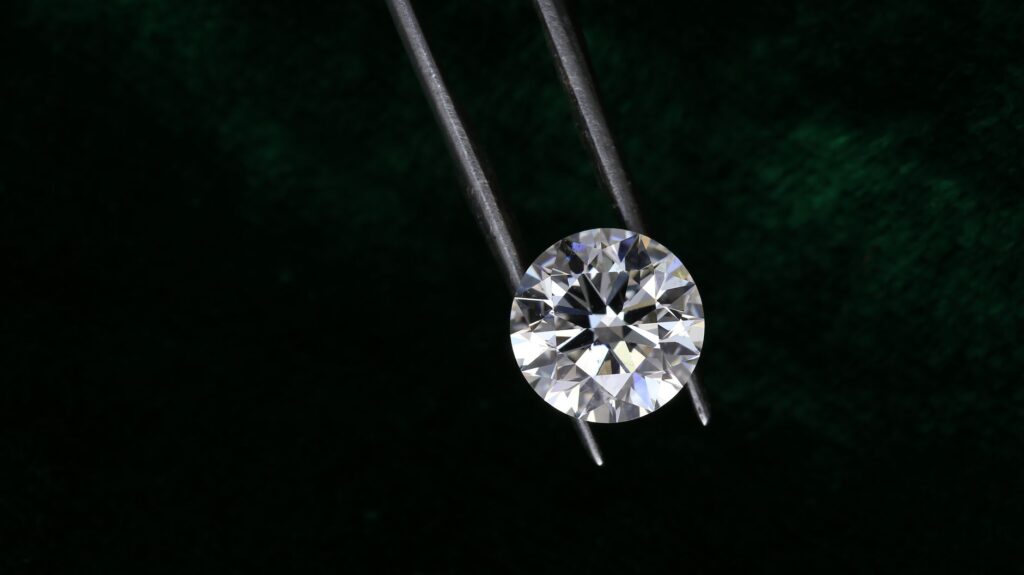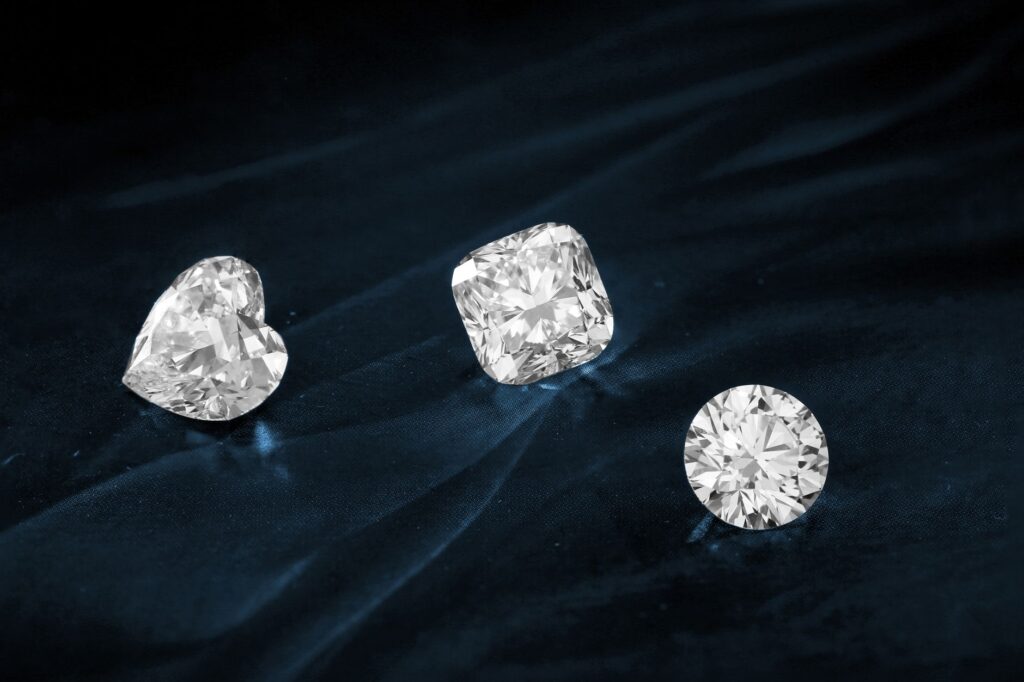
When shoppers compare diamond reports, one detail often stands out: round brilliant diamonds usually have a cut grade, while fancy shape diamonds do not. That difference can be confusing, especially because cut is one of the biggest factors in how a diamond looks in real life. If you are trying to understand Why Fancy Shape Diamonds Lack Cut Grades, the short answer is that the grading system was built around the round brilliant shape, where proportions can be measured and standardized much more consistently.
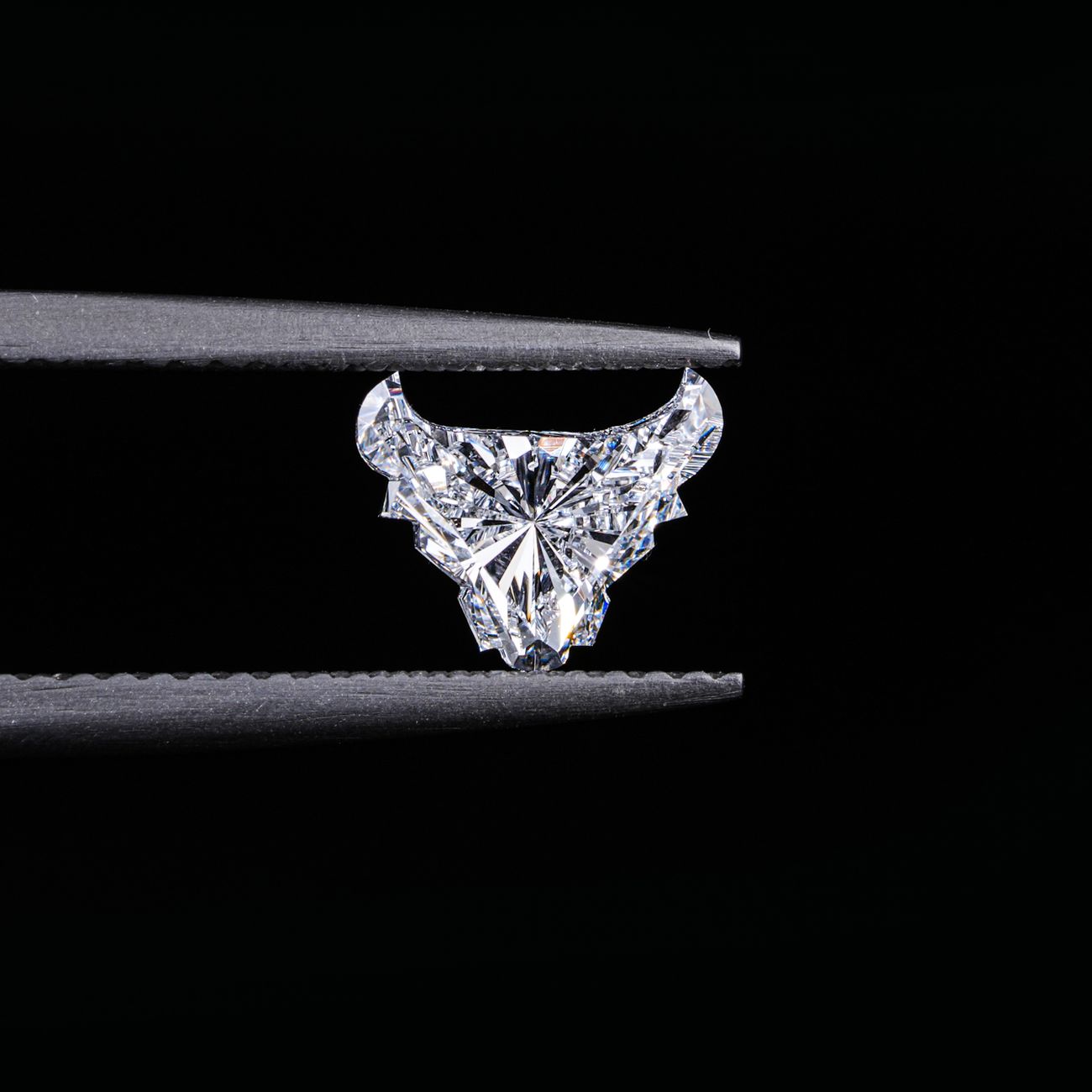
Fancy shape diamonds, such as oval, princess, pear, emerald, marquise, radiant, and cushion cuts, are shaped differently enough that a single universal cut grade does not work well. Their appearance depends on more than just proportion numbers. It also depends on outline, facet arrangement, optical symmetry, bow-tie effects, and how the stone handles light.
That does not mean cut quality is less important in fancy shapes. It means buyers have to evaluate it differently. Instead of relying on a single grade, you look at a combination of proportions, visual performance, polish, symmetry, and how the diamond actually appears face-up.
Quick Answer
Fancy shape diamonds usually do not have an official cut grade because there is no single grading system that can accurately judge every fancy shape the way it does for round brilliants. Round diamonds follow a more standardized design, so laboratories can assess how proportions affect sparkle with much greater consistency. Fancy shapes are too varied for one universal cut score to be equally meaningful across the category.
In practical terms, this means buyers cannot rely on a report alone to judge cut quality in fancy shapes. A diamond may have excellent visual performance even without a cut grade, while another may look dull or uneven despite having attractive measurements on paper. For fancy shapes, the real answer lies in a combination of proportions, facet arrangement, optical performance, and careful visual review.
This is why understanding light performance matters so much when buying fancy shape diamonds, including lab grown diamonds. A well-chosen fancy shape can be beautiful and lively, but the absence of a cut grade means the buyer needs a little more education to compare stones confidently.
What Cut Grade Means in the First Place
To understand why fancy shape diamonds lack cut grades, it helps to first understand what a cut grade is. A cut grade is a laboratory assessment of how well a diamond’s proportions, symmetry, and polish work together to return light. In simple terms, it is a way of judging how effectively a diamond can sparkle, brighten, and create contrast.
For round brilliant diamonds, this system works relatively well because the shape is highly standardized. The round brilliant has a consistent facet pattern and a long history of research connecting proportions to light behavior. Laboratories such as GIA can analyze that shape using a defined model and assign grades like Excellent, Very Good, Good, Fair, or Poor.
For buyers, the grade matters because it simplifies decision-making. A round diamond with an Excellent cut grade is more likely to have strong brightness and balanced sparkle than one with a lower grade. It is not the only factor that matters, but it is one of the most useful shortcuts in diamond buying.
What cut grade tries to measure
Cut grade is not just about beauty in a general sense. It attempts to measure several linked visual traits:
- Brightness, which is the white light returned to the eye
- Fire, which is the colored flashes of light a diamond can show
- Scintillation, which is the pattern of sparkle and contrast as the diamond moves
- Light leakage, which happens when light escapes through the bottom or sides instead of returning to the viewer
These traits are important for all diamonds, but they are easiest to standardize in round brilliants. That is where the grading system is strongest.
Why Fancy Shape Diamonds Lack Cut Grades
Fancy shape diamonds lack cut grades mainly because the shapes are too diverse for a single universal standard to be reliable. An oval diamond, a pear shape, an emerald cut, and a cushion cut all interact with light differently. Their facet structures are different, their outlines are different, and their face-up appearance can vary widely even when measurements look similar.
In other words, a grading system that works fairly well for one fancy shape might not work well for another. If a laboratory tried to force all fancy shapes into one cut grade, the result would be less useful, and in some cases misleading. A diamond could be labeled the same as another stone even though the two look quite different in real-world viewing.
This is why labs often provide only polish and symmetry grades for fancy shapes rather than a full cut grade. Those are still important quality indicators, but they do not fully describe optical performance.
1. Fancy shapes are not standardized the way round brilliants are
Round brilliants have a long-established facet architecture. The proportions that tend to produce strong light return are better understood and more consistent across the category. This makes it possible to create a cut grading model that is reasonably dependable.
Fancy shapes are a different story. Two oval diamonds with nearly identical measurements can look noticeably different. One may have a lively center and balanced sparkle, while another may show a dark bow tie or uneven brilliance. Since these differences are tied to shape-specific design choices, a single universal cut grade would not tell the full story.
2. Shape preference affects what buyers consider attractive
Fancy shapes are often chosen for style, not just performance. Some buyers like the elongated look of an oval or marquise. Others prefer the rectangular elegance of an emerald cut. Some want the softer outline of a cushion.
Because the appeal of these shapes is partly subjective, a cut grade would not capture everything buyers care about. A diamond can be well cut within its shape and still not suit every aesthetic preference. That makes the grading challenge more complex than it is for round stones.
3. Visual performance depends on more than dimensions
With fancy shapes, the face-up appearance is influenced by several factors at once. Table size, depth, crown height, pavilion angles, facet pattern, outline balance, and symmetry all play a role. In some shapes, such as oval and pear, the bow-tie effect can strongly influence how the diamond looks in normal lighting.
Because so many variables affect the result, a single cut grade would oversimplify the evaluation. Buyers need a more detailed approach that includes proportion analysis and visual inspection.
4. Laboratories avoid giving a misleading sense of precision
Another reason fancy shape diamonds lack cut grades is that laboratories prefer not to assign a number or category that appears more precise than it really is. If the grading system cannot consistently predict how a fancy shape will look to the human eye, the grade may give shoppers false confidence.
That is especially important for online shoppers. A diamond report should help, not create a false impression that one number can fully describe the stone’s beauty. For fancy shapes, a more cautious approach is often more honest.
How Fancy Shapes Are Different from Round Brilliants
Round brilliant diamonds are engineered around maximizing sparkle and light return. Their facet pattern is highly optimized for optical performance, which is why cut grade plays such a central role in round diamond shopping. Fancy shapes, however, were designed with different visual goals in mind.
Some fancy shapes emphasize elegance or size appearance. Others highlight clean lines or distinctive outlines. Their optical behavior may still be excellent, but it is more shape-dependent and less standardized.
| Diamond Type | Cut Grade Availability | Why It Works This Way | What Buyers Usually Need to Check |
|---|---|---|---|
| Round brilliant | Usually has a formal cut grade | Highly standardized shape and facet pattern | Cut grade, proportions, symmetry, polish |
| Oval, pear, marquise, heart | Usually no formal cut grade | Variable outline and light behavior | Bow tie, symmetry, proportions, visual balance |
| Princess, radiant, cushion, emerald | Usually no formal cut grade | Different facet designs and shape-specific trade-offs | Face-up pattern, brightness, corners, transparency, proportions |
This table shows why the absence of a cut grade is not a sign of lower quality. It is more a reflection of grading limitations than a judgment that fancy cuts are less important.
What Buyers Actually See in Fancy Shape Diamonds
When buyers evaluate fancy shape diamonds, they usually notice visual traits long before they think about grading terminology. The most important question is simple: does the diamond look lively, balanced, and attractive in everyday lighting?
That is where the absence of a cut grade matters. You need to look at the stone itself, not just the report. The report can still reveal a lot, but it will not tell you everything about sparkle or light return.
Sparkle and brightness
Sparkle is the flashing effect you see when a diamond moves. Brightness is the overall amount of white light the stone returns. In a well-cut fancy shape, these qualities should look even and appealing across the face of the diamond.
Buyers often notice immediately when a stone appears dull, sleepy, or patchy. They may not use those words, but they can usually tell when a diamond is not lively. That is why visual assessment matters so much for fancy shapes.
Fire
Fire refers to flashes of color created when white light disperses inside the diamond. In some fancy shapes, especially those with larger facets, fire can be very noticeable. In others, the effect is more subtle and depends heavily on the lighting.
Fire alone does not tell you whether a diamond is well cut, but it contributes to the overall beauty of the stone. A diamond with good fire and balanced brightness can feel more dynamic than one that looks flat or washed out.
Scintillation
Scintillation is the pattern of light and dark areas that change as the diamond moves. It is an important part of what people describe as sparkle, but it is not just about quantity. It is also about pattern quality.
A fancy shape with strong scintillation will usually have crisp flashes and attractive contrast. If the pattern is too chaotic or too dark, the diamond can look less refined. If it is too uniform, the stone may look lifeless. The best results usually fall somewhere in between.
Face-up appearance
Face-up appearance means how the diamond looks from the top, as it would appear when worn. This is where many fancy shape issues become obvious. A stone can have a decent laboratory report and still look uneven face-up due to a large bow tie, lopsided outline, or weak center brightness.
For buyers, face-up appearance is often more important than the exact millimeter numbers. Measurements matter, but what you see in the setting is what really counts.
Important Quality Factors Buyers Should Check Instead of a Cut Grade
Since fancy shapes do not have a universal cut grade, buyers need to pay attention to several other indicators. None of these alone tells the whole story, but together they give a much better picture of performance.
Proportions
Proportions describe the diamond’s table size, depth, and other measurements. These numbers can provide clues about how the diamond may behave visually. For example, a stone that is too deep may face up smaller than expected, while one that is too shallow may leak light.
That said, proportion numbers are not a complete answer. Two diamonds with similar proportions can still look different because of differences in facet design and finishing quality.
Symmetry
Symmetry refers to how precisely the facets and outline align with one another. In fancy shapes, symmetry can affect both appearance and light performance. Good symmetry helps create a balanced, intentional look.
For buyers, symmetry problems may show up as uneven shape, misaligned points, off-center culets, or inconsistent patterns. These are not always obvious from a distance, but they can matter when comparing stones side by side.
Polish
Polish describes the smoothness of the diamond’s facet surfaces. A well-polished diamond can handle light more cleanly and may look crisper under magnification or bright light. Polish is usually less visible than symmetry issues, but it still matters.
On a report, excellent or very good polish is generally reassuring. Lower polish grades may indicate surface marks that can slightly affect appearance, especially in larger stones or under close viewing.
Bow tie effect
The bow tie effect is a dark shadow across the center of some fancy shapes, especially ovals, pears, and marquise cuts. A small amount of contrast is normal and can even add visual interest. A strong bow tie, however, may make the stone appear dark in the middle.
This is one of the most important things to inspect in fancy shape diamonds. Buyers usually notice it quickly once they know what to look for.
Optical symmetry and light patterning
Optical symmetry describes how evenly the diamond’s light and dark zones are arranged. This is not always the same as the lab symmetry grade. A diamond can have a decent report grade but still display an unattractive pattern if the facet arrangement is not visually balanced.
Experienced shoppers and jewelers often evaluate this by rotating the diamond and observing how the pattern changes in different lighting. This can reveal more than measurements alone.
Why Cut Grade Matters So Much for Round Diamonds, but Less for Fancy Shapes
Round diamonds are built around light performance. That is why cut grade is such an important shorthand for that shape. The closer the proportions are to an optimal range, the more likely the diamond is to return light effectively and show strong sparkle.
Fancy shapes are not designed around one common performance model. Their value comes from the combination of shape preference, size appearance, and visual appeal. Since buyers often choose them for style and individuality as much as for brilliance, a universal cut grade would not fully serve their needs.
This does not mean cut is less important in fancy shapes. It means the evaluation is more nuanced. The buyer has to balance light performance with shape-specific characteristics.
How Fancy Shape Cut Quality Affects Real-World Appearance
Most buyers do not inspect diamonds under laboratory lighting. They see them in normal indoor light, near windows, in restaurants, or outdoors. That is why practical appearance matters more than theoretical perfection.
In everyday indoor lighting
Well-cut fancy shapes usually appear lively and balanced in mixed indoor lighting. Poorly cut stones may look dark in the center, overly bright at the edges, or uneven from one angle to another. These differences are often noticeable even to non-experts once the stones are compared side by side.
For example, a fancy shape with a distracting bow tie may seem less brilliant than a stone with better optical balance, even if the second diamond is slightly smaller. This is one reason cut quality can influence satisfaction more than carat weight alone.
In direct sunlight
Sunlight can make diamond sparkle look dramatic, but it can also reveal flaws in contrast pattern. Some fancy shapes may show strong flashes, while others can look washed out or too dark depending on their facet arrangement. A diamond that performs well in both daylight and indoor lighting is usually the safer choice.
Under office or store lighting
Bright spot lighting can make some diamonds look better than they actually are, especially in a display case. This is a common reason buyers should not judge a fancy shape using a single lighting environment. Move the stone and observe how it reacts to different conditions.
A diamond that still looks lively after being moved away from the spotlight is often the more reliable performer.
Lab Grown Diamonds and Fancy Shape Cut Quality
Lab grown diamonds follow the same basic optical principles as natural diamonds. Their brilliance, fire, and scintillation depend on the same geometry and light behavior. That means the reasons why fancy shape diamonds lack cut grades apply equally to lab grown fancy shapes and natural fancy shapes.
For lab grown shoppers, this is especially important because the category often appeals to buyers who want more size for the budget. It can be tempting to prioritize carat weight or color over cut-related appearance. But if the light performance is weak, a larger diamond may still look less appealing than a smaller one with better optical balance.
Lab grown diamonds also appear in many fancy shapes, including oval, emerald, radiant, pear, and cushion cuts. These shapes can offer excellent beauty and value, but they still need careful inspection. A lack of cut grade does not mean the stone is less premium. It means you should evaluate it more carefully.
Why this matters even more online
Many lab grown diamonds are purchased online, where buyers depend heavily on reports, images, and videos. For round brilliants, a cut grade can help narrow the field quickly. For fancy shapes, the buyer must rely more on videos, magnified images, and seller transparency.
It is wise to look for light performance videos taken in different lighting conditions. These can help reveal bow ties, brightness consistency, and overall visual balance better than a report alone.
Practical Comparison: Good Fancy Shape vs. Poor Fancy Shape
The difference between two fancy shapes can be more noticeable than buyers expect, especially when one diamond is well balanced and the other is not. Here is a realistic comparison of how those differences may show up.
| Feature | Well-Cut Fancy Shape | Poorly Cut Fancy Shape | What Buyers Notice |
|---|---|---|---|
| Brightness | Even and lively across the face | Patchy, dark, or overly bright in some areas | The stone may look more alive or more flat |
| Bow tie | Minimal or unobtrusive | Strong and distracting | The center may appear dark |
| Shape balance | Proportional and visually pleasing | Too stretched, too squashed, or uneven | The outline may feel awkward |
| Sparkle pattern | Crisp flashes and good contrast | Weak or chaotic flashes | The diamond may seem dull or noisy |
| Face-up size | Looks appropriate for weight | May hide weight in depth | The diamond can appear smaller than expected |
For most buyers, these differences matter more than a small spread in report numbers. A diamond that looks better in real life will usually be the more satisfying purchase, even if it is not the largest stone available.
Advantages of Fancy Shape Diamonds Without Cut Grades
The absence of a cut grade can actually be helpful in some ways. It encourages buyers to look at the whole diamond, not just a single label. That often leads to better decisions, especially for shoppers who are willing to compare stones carefully.
- More flexibility in choosing a shape that suits personal style
- Potentially better value compared with relying on premium cut grading alone
- Opportunity to select for visual beauty rather than just a report category
- More shape diversity for buyers who want something other than a round diamond
In many cases, a well-chosen fancy shape offers a beautiful balance of character and sparkle. Buyers who learn how to evaluate them often feel more confident and have more options.
Disadvantages and Limitations
The main downside is that buyers must do more homework. Without a cut grade, it is harder to compare diamonds quickly. That can make online shopping feel more confusing, especially for first-time buyers.
- More time required to compare stones thoughtfully
- Greater reliance on images and videos
- More variation from stone to stone
- Higher risk of buying a diamond that looks less attractive than expected
There is also a psychological trade-off. Many shoppers feel more secure when they see a clear cut grade on a report. Fancy shapes require a more interpretive approach, which is not necessarily worse, but it is less straightforward.
How to Evaluate Fancy Shape Cut Quality Without a Cut Grade
If you are buying a fancy shape diamond, especially a lab grown diamond, there are several practical ways to judge quality. None of these replaces an in-person look completely, but they can help you narrow the field.
1. Review the shape from multiple angles
Look at the diamond face-up, from the side, and in motion if possible. Fancy shape problems often appear when the stone moves. A diamond that looks strong from one angle may reveal a dark center or weak outline from another.
2. Check for a distracting bow tie
Some bow tie is normal in certain shapes, but it should not dominate the center of the diamond. If the center appears consistently dark in videos or under normal lighting, that is worth paying attention to.
3. Examine symmetry and outline
Look for balanced shoulders, even corners, and a shape that feels intentional. An oval should not look oddly pinched. A pear should not look lopsided. An emerald cut should have clean, balanced lines.
4. Use proportions as a guide, not a final answer
Measurements can help you screen obvious outliers. For example, unusually deep stones may face up smaller. Extremely shallow stones may lack life. But proportion numbers alone cannot replace visual evaluation.
5. Ask for video in neutral lighting
Neutral lighting is helpful because it makes brightness issues and bow ties easier to spot. Good vendors often provide videos that show the stone rotating under different light sources. This is especially useful when shopping for lab grown diamonds online.
6. Pay attention to setting style
A diamond’s setting can change how it appears. A bezel or halo may influence perceived brightness and size. Prongs can slightly affect the outline. When evaluating fancy shapes, it helps to think about the complete ring, not just the loose stone.
Common Buyer Mistakes
Because fancy shapes lack cut grades, buyers sometimes make avoidable mistakes. These are especially common among first-time shoppers trying to compare stones quickly.
Prioritizing carat over visual quality
A larger fancy shape can be less appealing if it is too deep, too shallow, or has a strong bow tie. Size matters, but it should not come at the expense of sparkle and balance.
Assuming all fancy shapes perform similarly
Two oval diamonds with the same basic measurements may look very different in real life. The same is true for cushions, pears, and emerald cuts. Do not assume the shape category tells the whole story.
Overlooking the bow tie effect
This is one of the easiest performance issues to miss if you only look at paper specifications. A bow tie can have a major impact on how lively a diamond feels.
Relying too much on a perfect-looking report
A diamond report is important, but it does not replace human observation. A nice report cannot guarantee a beautiful face-up result in fancy shapes.
Ignoring polish and symmetry
These grades may not be as visually obvious as light return, but they still contribute to the diamond’s overall finish. When choosing between similar stones, they can help break the tie.
Not comparing in different lighting
A diamond that looks fantastic under one spotlight may not be as attractive in everyday environments. Always try to see how it performs in multiple lighting conditions when possible.
When Paying More for Better Cut Quality Makes Sense
Paying more for a better-performing fancy shape can make sense when the improvement is visible. If a stone has noticeably better brightness, cleaner patterning, and a more pleasing outline, the premium may be justified.
This is especially true when the diamond is the centerpiece of an engagement ring or another piece that will be worn often. Small visual differences can become meaningful over time if you see the diamond daily.
Paying more is also more reasonable when you want a strong first impression and minimal compromise. Buyers who prefer a refined look often value a well-balanced fancy shape more than a slightly larger stone with obvious optical issues.
When a Premium May Not Be Worth It
Not every improvement is equally visible. Once a fancy shape reaches a reasonable level of cut quality, some upgrades become subtle rather than dramatic. At that point, spending significantly more may not provide a noticeable benefit in everyday wear.
For budget-conscious buyers, it can make sense to choose a stone that looks excellent to the naked eye, even if it does not have top-end specification numbers. That is especially relevant in lab grown diamonds, where carat weight and overall budget often influence the shopping strategy.
In many cases, the best value comes from a diamond that looks strong visually, even if it is not “perfect” on paper. The goal is not to maximize every technical metric. It is to choose a diamond that performs well where it matters most, in real life.
How Fancy Shape Cut Quality Interacts with Other 4Cs
Cut does not exist in isolation. It interacts with color, clarity, and carat weight, and that interaction can change how a diamond looks.
Cut and carat
A well-cut diamond can often appear larger and more attractive than a heavier diamond with poor proportions. This matters because buyers sometimes focus too much on carat weight. Face-up spread can be more important than total weight if the goal is visual size.
Cut and color
Strong light return can make a diamond look brighter and more lively, which may help reduce the visual impact of slight color differences. A poorly cut diamond may appear darker, which can make body color more noticeable.
Cut and clarity
Good sparkle can help mask small inclusions, especially in eye-clean stones. But if a diamond has poor light performance, inclusions may be more noticeable because the stone looks less lively overall. This is why buyers should not overpay for clarity while ignoring cut-related appearance.
How Professionals Usually Evaluate Fancy Shape Diamonds
Experienced jewelers and diamond buyers often use a combination of report information and visual inspection. They look for shape balance, brightness uniformity, bow tie severity, and how the diamond responds to movement. They also consider how the stone may appear once mounted in a ring.
Professionals rarely make the decision based on one number alone. Instead, they use a layered approach. That is the most reliable way to choose a fancy shape diamond, whether it is natural or lab grown.
This also explains why fancy shapes can be rewarding to buy when you understand the process. The lack of a cut grade creates more room for judgment, but it also allows for more individualized selection.
Frequently Asked Questions
Do fancy shape diamonds sparkle less than round diamonds?
Not necessarily. Round brilliants usually produce the most consistent sparkle, but many fancy shapes can still be very lively. The difference is that their sparkle pattern is more variable and shape-specific.
Is the absence of a cut grade a bad sign?
No. It simply means the grading system cannot reliably assign one universal score to that shape. The diamond may still be beautiful, but it should be evaluated with more care.
Which fancy shape has the best cut performance?
There is no single winner for all buyers. Ovals, cushions, radiants, pears, and emerald cuts each have different strengths and trade-offs. The best choice depends on the look you want and how carefully the individual stone is cut.
Can a fancy shape diamond with no cut grade still be excellent quality?
Yes. Many excellent fancy shapes have strong brightness, attractive patterning, and balanced proportions. The key is to assess the stone visually rather than assuming the lack of a cut grade means lower quality.
Should I avoid fancy shape diamonds if I want easy shopping?
If you want the simplest possible comparison process, a round brilliant may be easier because of the cut grade system. But many buyers prefer fancy shapes for style reasons and are willing to do a bit more evaluation. Neither approach is wrong.
Are lab grown fancy shape diamonds harder to evaluate than natural ones?
No. The same principles apply to both. The challenge is not whether the diamond is lab grown or natural, but that fancy shapes require more visual assessment than round diamonds do.
Does symmetry matter more in fancy shapes?
Symmetry matters in all diamonds, but it can be especially important in fancy shapes because it affects outline and visual balance. Poor symmetry may be easier to notice in elongated or asymmetrical shapes.
Should I trust only videos when shopping online?
Videos are very useful, but they should be used with the report and measurements, not alone. Videos can reveal bow ties and brightness patterns, while the report gives important information about finish and proportions.
Conclusion
Fancy shape diamonds lack cut grades because their designs are too varied for one universal grading system to describe them accurately. Unlike round brilliants, which follow a highly standardized model, fancy shapes require a more individual evaluation of light performance, proportions, symmetry, and face-up appearance.
For buyers, the practical lesson is simple. Do not assume that a missing cut grade means the diamond is inferior. Instead, focus on what the stone actually looks like in real lighting. Pay attention to brightness, bow tie effect, sparkle pattern, and overall balance, especially if you are shopping for lab grown diamonds or comparing stones online.
The best fancy shape diamond is not always the one with the biggest numbers on paper. It is the one that looks attractive, performs well in everyday settings, and fits your priorities as a buyer. Understanding why fancy shape diamonds lack cut grades helps you make a more informed choice and reduces the risk of paying for size without getting the visual quality you want.