When shoppers ask, Does Cut Matter More Than Carat Weight, they are usually trying to answer a practical question: should they choose a larger diamond, or a better-looking one? In most cases, the answer is that cut has a bigger impact on what you actually see. A well-cut diamond can look brighter, more sparkly, and more attractive than a larger diamond with poor proportions or weak light performance.
That does not mean carat weight is unimportant. Carat affects size, and size is easy to notice. But if the diamond does not return light well, much of that size advantage can be lost in appearance. For many buyers, especially those comparing engagement rings or lab grown diamonds, the best value often comes from balancing both factors rather than chasing size alone.
Understanding the relationship between cut and carat helps you avoid one of the most common diamond buying mistakes: paying more for a stone that sounds impressive on paper but does not look as beautiful in real life. Once you understand how cut influences brilliance, fire, and overall presence, you can make a more informed decision about where your budget should go.
Quick Answer
Yes, cut usually matters more than carat weight when it comes to how beautiful a diamond looks. Carat tells you how much a diamond weighs, while cut determines how well it handles light. A diamond with excellent cut can look brighter and more lively than a bigger diamond with a mediocre cut.
If your goal is visual beauty, cut should usually come before size. If your goal is to maximize physical presence on the hand, carat weight still matters, but it should not come at the expense of a badly cut stone. In many cases, buyers are happier with a slightly smaller diamond that sparkles well than with a larger diamond that looks dull or “flat.”
This is especially relevant when comparing lab grown diamonds, because lab grown stones often give buyers more carat for the budget. That can make it tempting to choose size first. Even then, cut remains the feature that most strongly affects day-to-day appearance.
What Diamond Cut Actually Means
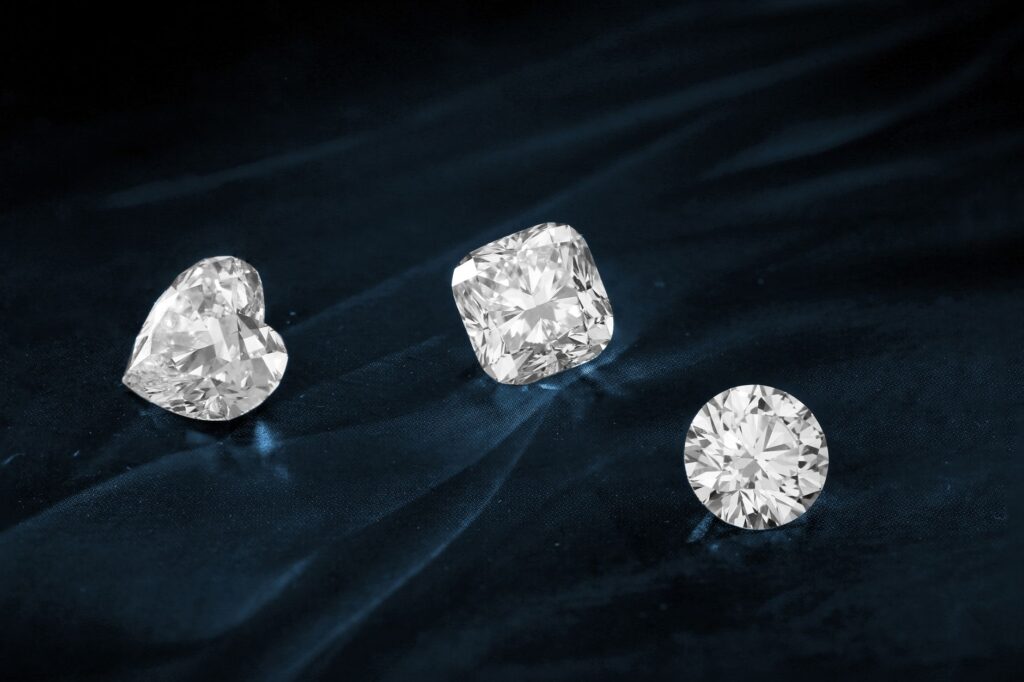
Diamond cut is often confused with shape, but they are not the same. Shape refers to the outline of the diamond, such as round, oval, pear, or cushion. Cut refers to how well the diamond has been proportioned and finished so that it reflects light effectively.
In simple terms, cut is about performance. A well-cut diamond takes in light, bounces it around internally, and sends it back to your eyes in a way that creates brightness and sparkle. A poorly cut diamond may lose light through the bottom or sides, making it look less lively even if it is larger.
Cut Grade Versus Craftsmanship Details
On grading reports, cut may include different parts such as overall cut grade, polish, and symmetry. For round brilliant diamonds, labs like GIA assign a cut grade that helps predict light performance. Polish describes how smooth the surface is, and symmetry refers to how precisely the facets line up.
These details matter because they influence how the diamond handles light. However, most buyers do not need to memorize the technical definitions. What matters most is whether the diamond looks bright, balanced, and lively in normal viewing conditions.
Cut Is More Than Just “Good” or “Bad”
Cut quality is not a simple pass or fail issue. Two diamonds can both be labeled “good,” yet one may look significantly more attractive than the other. The differences can involve proportion, facet alignment, table size, depth, crown height, and how efficiently light returns to the viewer.
That is why experienced diamond shoppers often place more weight on cut than on many other grading factors. It is one of the few qualities that can change the diamond’s appearance dramatically without changing its size.
Why Cut Often Matters More Than Carat Weight
Carat weight is easy to understand because it is measurable. A 2-carat diamond weighs more than a 1.5-carat diamond, and that often translates into more face-up size. But size alone does not guarantee beauty. A larger diamond with poor cut can appear duller, less balanced, or less brilliant than a smaller diamond with excellent cut.
Cut matters more because it affects how the diamond uses the light it receives. Since sparkle is what most people notice first, cut has a direct influence on the diamond’s visual appeal. Buyers often think they want the biggest diamond possible, but when they compare stones side by side, the better-cut diamond frequently appears more impressive.
This is one reason why knowledgeable jewelers often recommend starting with cut, then balancing carat, color, and clarity around it. If cut is compromised too much, the diamond may not reach its visual potential no matter how large it is.
The Practical Buyer Perspective
From a buyer’s point of view, the real question is not which factor matters more in theory, but which factor you will notice more in everyday life. Most people will not examine a diamond under a loupe. They will see it in office lighting, outdoors, at dinner, and under bathroom or retail lights. In those settings, a diamond with better cut usually looks more attractive than one that simply weighs more.
If you are choosing between a larger diamond and a more efficiently cut one, the better decision often depends on your priorities. If visible sparkle and overall beauty matter most, cut usually deserves the higher priority. If size is the top concern, then carat may take precedence, but the trade-off should be understood clearly.
How Cut Affects What Buyers Actually See
Cut influences several visual qualities at once. These include brilliance, fire, scintillation, brightness, and face-up appearance. Together, they shape how “alive” a diamond looks in real-world conditions.
Many shoppers focus on sparkle, but sparkle is not one single thing. A diamond can have strong white brightness, colorful flashes, or lively contrast patterns. Cut affects all of these behaviors, which is why it is such an important factor in diamond selection.
Brilliance
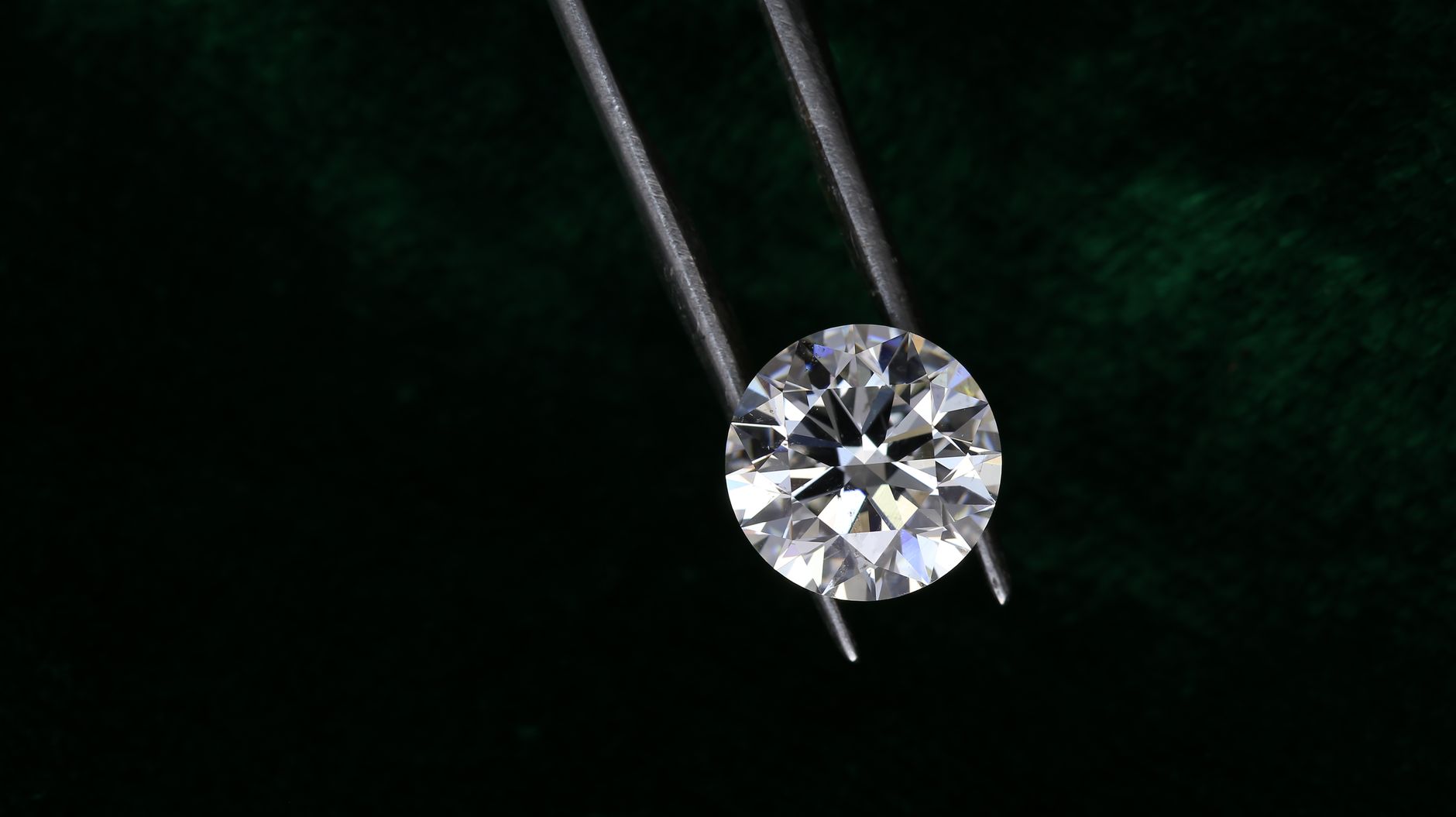
Brilliance refers to the white light reflected back from the diamond. A well-cut diamond usually looks brighter because it returns more light toward the viewer. This brightness is one of the first things people notice, even if they do not know how to explain it technically.
When a diamond has weak brilliance, it may look glassy, dark in places, or less lively. That can happen even in a larger stone. In practice, buyers usually notice brilliance very quickly when comparing diamonds in person.
Fire
Fire is the colored flash you sometimes see when a diamond moves under light. It comes from the way the stone splits light into spectral colors. Well-cut diamonds often show stronger and more balanced fire because their proportions help light travel through the stone in an effective way.
Fire is not always the same in every lighting environment. It is often easier to notice in stronger point-source lighting, such as jewelry store lights or direct sunlight. For many buyers, fire is part of what creates the “special” look of a diamond, but it is one piece of the overall visual experience.
Scintillation
Scintillation is the pattern of sparkle and contrast that appears as the diamond or viewer moves. It includes both the bright flashes and the dark-and-light pattern changes that make a diamond feel lively. A well-cut diamond tends to show sharper, more appealing scintillation.
Weak scintillation can make a diamond appear sleepy or overly washed out. On the other hand, overly chaotic facet patterns can make a stone look busy rather than elegant. Good cut helps create a balanced visual rhythm.
Brightness and Light Return
Brightness is the overall amount of light the diamond appears to return. Light return is the technical way of describing how much light comes back to the eye rather than leaking out of the stone. A diamond that returns light efficiently tends to look more vibrant, even from across a room.
Light leakage is the opposite problem. It happens when light passes through areas of the diamond instead of reflecting back. Buyers usually do not see “light leakage” as a technical issue, but they do see the result: a diamond that looks less lively or has dark areas where brightness should be.
Face-Up Appearance
Face-up appearance refers to how the diamond looks when viewed from the top, which is how most people see it in jewelry. A well-cut stone can often appear larger or more attractive than a poorly cut diamond of the same weight because it uses its face-up area more effectively.
This is an important concept for buyers comparing carat weight. Two diamonds with the same carat weight can face up very differently if one has a deep cut and the other has better proportions. The face-up look is what matters most in daily wear, not the number alone.
What Carat Weight Actually Tells You
Carat weight measures how much a diamond weighs, not how large it looks. Many buyers assume carat is the same as size, but that is only partly true. Two diamonds with the same weight can have different dimensions depending on how they are cut.
In general, higher carat weight often means a larger diamond, but the difference is not always as dramatic as people expect. A well-cut 1.5-carat diamond can sometimes look close in size to a poorly cut 1.7-carat diamond if the heavier stone is deeper or carries weight in less visible areas.
Carat matters most when physical presence is the top priority. If someone wants a diamond that clearly reads as “bigger,” carat helps. But if the diamond is cut poorly, the added weight may not translate into the kind of visual impact people imagine.
Why Bigger Does Not Always Mean Better Looking
One of the most common misconceptions is that a larger diamond automatically looks more impressive. In reality, size without strong light performance can look less attractive than a smaller stone with excellent proportions. This is especially noticeable in round brilliant diamonds, where cut quality has a strong influence on brilliance and fire.
Buyers often discover that a slightly smaller stone with excellent cut feels more satisfying in person. The diamond looks bright, lively, and balanced instead of simply heavy. That is why cut is often described as the feature that makes the other 3Cs work properly.
Cut, Carat, and the Trade-Offs Buyers Actually Face
Most diamond shopping decisions come down to compromise. A fixed budget may allow for either a larger diamond with average cut or a smaller diamond with excellent cut. The right choice depends on what matters most to the buyer.
It helps to think about the trade-off in practical terms. Carat changes how much surface area the diamond occupies, while cut changes how effectively that surface area is used. In many cases, a diamond that is slightly smaller but significantly better cut offers better overall value because it looks more beautiful every day.
| Factor | What It Measures | What Buyers Notice | Typical Visual Impact |
|---|---|---|---|
| Cut | How well the diamond handles light | Brightness, sparkle, liveliness | Very high |
| Carat | Diamond weight | Size and presence | High, but depends on cut |
| Color | Presence of tint | Whiteness or warmth | Moderate to high |
| Clarity | Internal features and blemishes | Whether marks are visible | Varies by grade and size |
How Cut and Carat Compare in Real-World Viewing
The best way to understand the difference is to imagine how a diamond looks in everyday life. Store lighting is helpful, but it is not the only environment that matters. Real-world viewing includes natural daylight, indoor lighting, and moments when the diamond is seen from different angles.
A well-cut diamond often looks better across more situations. It maintains brightness, gives off flashes as it moves, and holds attention even when lighting is not ideal. A larger stone with weaker cut might look strong under certain lights, then disappoint in softer or more diffused settings.
Example: A Well-Cut 1.5-Carat Diamond Versus a Poorly Cut 2-Carat Diamond
This is a classic comparison because it highlights the difference between weight and appearance. The 2-carat diamond sounds more impressive on paper and will usually be larger. But if the cut is poor, it may lose brightness, look less crisp, or show areas of light leakage.
The 1.5-carat diamond with excellent cut may look more vibrant and balanced. In side-by-side comparison, many people would find the smaller stone more attractive even though it weighs less. That does not mean the larger stone is a bad choice, but it does show why cut often has the stronger effect on beauty.
Example: Excellent Cut Versus Very Good Cut
For many buyers, the difference between Excellent and Very Good cut is subtle rather than dramatic, especially if both stones are well selected. In some cases, a Very Good diamond may still look outstanding. In other cases, an Excellent diamond is noticeably crisper, brighter, or more symmetrical in its sparkle pattern.
Whether the premium is worth it depends on the specific stone. Buyers should not assume every Excellent diamond is automatically superior to every Very Good diamond. The details matter, especially when comparing proportions and actual visual performance.
Example: Higher Clarity With Poor Cut Versus Lower Clarity With Excellent Cut
This comparison shows how cut can affect perceived quality more than clarity. A higher clarity diamond may have fewer internal marks, but if it does not return light well, it can still look less appealing overall. Meanwhile, a lower clarity diamond with excellent cut can appear more beautiful if its inclusions are not visible without magnification.
For many shoppers, especially those working within a budget, this is an important lesson. A diamond should look good to the naked eye first. Clarity matters, but if you cannot see the imperfections, cut may be the more important factor for everyday enjoyment.
How Cut Quality Is Evaluated
Cut quality is usually assessed through a combination of measurements, proportion analysis, finish grading, and sometimes optical evaluation. For round brilliant diamonds, major grading laboratories use cut grades that take many of these features into account. This helps buyers compare stones more consistently.
However, grading is not the same as seeing the diamond. A report can help narrow down the options, but the actual appearance still matters. Two diamonds with similar grades may perform differently because real stones vary in subtle ways.
Cut Grade
Cut grade is the overall assessment of how well a diamond is proportioned and finished. For round brilliant diamonds, this is often one of the most useful grades on the report because it gives a broad sense of light performance.
What buyers actually see is a difference in brightness, sparkle, and overall balance. The distinction is often noticeable, but not always obvious from the grading report alone. A trusted visual review can be useful when choosing between stones in the same grade category.
Symmetry
Symmetry refers to how precisely the diamond’s facets are arranged. Good symmetry helps the diamond reflect light in a more orderly and appealing way. Poor symmetry can disrupt the pattern and make the diamond look less refined.
Most buyers will not inspect symmetry directly, but they may notice the result in the stone’s overall shape, sparkle pattern, or face-up balance. The difference is often subtle unless the symmetry is significantly off.
Polish
Polish describes how smooth the diamond’s facet surfaces are after finishing. Better polish allows light to enter and exit more cleanly. Poor polish can create tiny surface disturbances that reduce sharpness and brilliance.
For ordinary buyers, polish differences are rarely dramatic unless the finish is noticeably compromised. Still, it is a worthwhile factor because it supports overall visual quality. A diamond can have excellent proportions but still underperform slightly if the finish is weak.
Proportions
Proportions refer to the diamond’s geometry, including table size, depth, crown angle, and pavilion angle. These dimensions shape how the stone handles light. If proportions are not balanced, the diamond may leak light, look too dark, or appear smaller than expected for its weight.
Most buyers do not need to decode every number, but understanding proportions helps explain why some diamonds look better than others of the same carat weight. In practice, good proportions support better face-up beauty.
Light Performance
Light performance is the practical outcome of all the cut-related factors combined. It describes how efficiently a diamond returns light, how much sparkle it shows, and how visually lively it appears. This is one of the most useful concepts for buyers because it connects technical data to actual appearance.
When people say a diamond has “great sparkle,” they are really reacting to its light performance. That is why cut is often considered the most visually important part of diamond quality.
Hearts and Arrows
Hearts and Arrows refers to a specific optical pattern seen in some round brilliant diamonds with highly precise facet alignment. Under special viewing conditions, the diamond displays arrow patterns from the top and hearts patterns from the bottom. This is often associated with excellent craftsmanship.
For buyers, the important question is whether the pattern translates into real beauty. In many cases, Hearts and Arrows diamonds do show very crisp, balanced optics, but the pattern itself is not a guarantee of overall performance in every lighting condition. It is best treated as one sign of precise cutting, not the only sign that matters.
When Paying More for Cut Makes Sense
Paying more for better cut often makes sense when visual quality is the main goal. If the diamond is meant to be worn every day, the way it looks in normal light matters more than a slightly larger weight number on a label. Many buyers would rather see a diamond that looks bright and lively than one that is technically heavier but less appealing.
It also makes sense to prioritize cut when shopping for a round brilliant, since round diamonds are especially dependent on cut quality for their sparkle. In many cases, the premium for stronger cut is modest compared with the improvement in appearance. That is why many experienced shoppers treat cut as money well spent.
When the Premium May Be Less Justified
There are situations where paying a premium for the highest cut grade may not be necessary. For example, if two diamonds look nearly identical to the naked eye and the difference in price is significant, the better value may be the slightly lower grade. This is especially true when the stone has already been carefully screened for strong light performance.
Buyers on a strict budget may also choose to compromise a little on cut in order to reach a preferred size. That can be a reasonable choice if they understand the trade-off. The key is not to sacrifice so much cut quality that the diamond loses the visual performance that makes it appealing.
Advantages of Prioritizing Cut Over Carat
Prioritizing cut has several practical advantages for buyers. First, it usually improves beauty in ways that are easy to notice. Second, it can make a diamond feel more lively and more refined in everyday wear. Third, it can help a smaller diamond outperform a larger but weaker one visually.
- Better sparkle and brightness: Well-cut diamonds usually look more lively.
- More consistent appearance: Good cut helps the diamond look attractive in different lighting conditions.
- Better value perception: Buyers often feel more satisfied with a stone that looks beautiful rather than merely large.
- Stronger everyday appeal: Cut affects how the diamond looks during normal wear, not just in a display case.
Limitations and Trade-Offs
Cut is important, but it is not the only factor that matters. A diamond still needs a carat size that fits the wearer’s preference. It also needs color and clarity levels that are appropriate for the buyer’s goals and budget. Focusing exclusively on cut without considering the rest of the diamond can still lead to an unbalanced purchase.
There is also a point of diminishing returns. Once a diamond reaches a strong cut standard, additional spending may produce smaller visual gains. That is why buyers should compare actual stones rather than assume the highest grade always provides a meaningful improvement.
Cut Is Important, But Not Always the Only Priority
Some buyers care deeply about size, especially if the diamond is intended to make a strong visual statement. Others may have a setting or ring design where the diamond’s proportions matter in relation to the overall look. In those cases, carat weight may take a larger role in decision-making.
The best approach is to identify the main goal first. If beauty and sparkle are most important, cut deserves the lead role. If size is the main objective, then carat can carry more weight, provided the cut is still good enough to support an attractive appearance.
Lab Grown Diamond Considerations
Cut matters just as much for lab grown diamonds as it does for natural diamonds. In many ways, it may matter even more to buyers comparing lab grown stones because the pricing structure often allows them to choose larger carat weights. That can make it tempting to focus heavily on size, but the same visual principles still apply.
Lab grown diamonds are available in a wide range of qualities, and they are still graded for cut, color, and clarity. A lab grown diamond with excellent cut can look exceptionally bright and attractive. A larger lab grown diamond with weak cut can still look underwhelming despite its size advantage.
Why Lab Grown Buyers Should Pay Attention to Cut
Because lab grown diamonds often offer more carat for the money, buyers may have extra room in the budget to improve cut quality. That is usually a smart use of funds. It can produce a diamond that looks more refined without requiring a dramatic budget increase.
At the same time, not every lab grown diamond is cut equally well. Buyers should still review grading reports carefully and, when possible, examine images or videos that show actual light performance. A larger lab grown diamond is only an advantage if it still looks lively and balanced.
How to Balance Cut and Carat When Shopping
The right balance depends on your personal priorities, but a few practical guidelines help. If you want the best visual beauty, start with cut and then look for the largest carat weight that still maintains strong performance. If you want a strong size presence, choose the largest well-cut diamond your budget allows, rather than stretching for weight at the expense of optics.
For many buyers, this means being open to a slightly smaller diamond than they first imagined. The result can be a stone that appears more brilliant and satisfying in everyday use. That is often a better outcome than owning a heavier diamond that does not perform as well.
A Useful Buying Rule of Thumb
If you must choose between a bigger diamond and a much better-cut diamond, the better-cut stone is often the safer choice for long-term satisfaction. If the cut difference is minor and the carat difference is meaningful, then size may be worth considering more seriously. The key is to judge the diamonds visually, not just by the numbers on paper.
Common Buyer Mistakes
Many first-time buyers make the same avoidable mistakes when comparing cut and carat. These errors usually come from focusing on the wrong metric or assuming all grades translate into the same visual outcome. Understanding these pitfalls can save money and disappointment.
- Prioritizing carat alone: Buying the biggest diamond without checking how it handles light.
- Assuming all sparkle is equal: Different diamonds can have very different light performance.
- Overpaying for weight: Choosing a larger stone even when the cut quality is weak.
- Ignoring face-up size: Not realizing that a deeper diamond may look smaller than expected.
- Relying only on the report: Missing visual performance clues that are not obvious from the grading sheet alone.
- Confusing shape with cut: Thinking a round or oval shape automatically means excellent sparkle.
How Certification Helps Buyers Judge Cut
Certification is important because it gives buyers an independent assessment of the diamond’s quality. For round brilliant diamonds, the cut grade on a reputable grading report can help narrow the field quickly. It is especially useful when you are comparing multiple stones online or through a jeweler.
Still, certification should be seen as a starting point, not the final word. Reports are valuable because they standardize information, but they cannot fully capture what a diamond looks like in every lighting situation. When possible, combine the report with images, videos, and proportion data.
What to Look for on a Grading Report
Buyers should look for the overall cut grade first, then review polish and symmetry. If the diamond is round brilliant, those details are especially relevant. For other shapes, the report may provide useful information but not always the same level of cut grading precision.
For lab grown diamonds, this is still important. Some buyers assume a lab grown stone’s lower price means less attention is needed on cut quality. In reality, a well-documented report is just as useful when evaluating lab grown diamonds as it is for natural diamonds.
Realistic Expectations About Visibility
Not every cut difference is easy to see from across the room. Some differences are subtle and require side-by-side comparison under good lighting. Others are obvious immediately, especially when one diamond is clearly better balanced than another.
The more the cut differs, the more likely the visual difference becomes noticeable. A diamond with strong proportions and light return will often stand out quickly. By contrast, small differences within the top tier of cut quality may only be meaningful to trained eyes or in direct comparison.
What Most Buyers Notice First
Ordinary buyers usually notice brightness, sparkle, and whether the diamond looks lively. They may also notice if the stone appears dark in the center or lacks contrast. Most do not consciously think about table percentage or pavilion angle, but they do react to the visual result.
This is why cut matters so much. It connects the technical side of diamond grading to the emotional and visual side of ownership, without requiring the buyer to be a gemologist.
Frequently Asked Questions
Does cut always matter more than carat weight?
In terms of visual beauty, cut usually matters more because it affects sparkle, brightness, and light return. Carat matters more if your top priority is size. Most buyers should try to balance both, but avoid sacrificing too much cut quality just to gain weight.
Will a larger diamond with a worse cut always look worse?
Not always, but it often will in everyday viewing. A larger diamond can still look attractive if the cut is only slightly weaker. If the cut is significantly poor, the stone may look dull or less balanced than a smaller well-cut diamond.
Is Excellent cut worth the extra money?
Often, yes, especially for round brilliant diamonds. The visual improvement can be meaningful, but not every Excellent diamond looks dramatically different from a very good one. The specific stone matters, so it is best to evaluate the actual appearance when possible.
Should I choose cut over clarity?
For many buyers, yes. If clarity inclusions are not visible to the naked eye, cut may have a bigger impact on appearance. A diamond with excellent cut and acceptable clarity often looks better than a high-clarity diamond with weak light performance.
Does cut matter for all diamond shapes?
Yes, but the way it is evaluated can differ by shape. Round brilliants have the most standardized cut grading. Fancy shapes like oval, cushion, pear, and emerald also depend heavily on cut, but buyers often need to pay closer attention to actual visual performance because grading is less uniform.
Can a lab grown diamond have better cut than a natural diamond?
Yes. Cut quality depends on how the diamond was fashioned, not whether it was created in the earth or in a laboratory. Both lab grown and natural diamonds can be cut well or poorly.
What is more important for sparkle, cut or carat?
Cut is much more important for sparkle. Carat may influence how large the sparkle field appears, but it does not create sparkle by itself. A bigger diamond with poor cut can still look less lively than a smaller diamond with excellent cut.
How much carat should I sacrifice for better cut?
There is no universal number, but many buyers are comfortable choosing a slightly smaller diamond if the cut quality is clearly better. The right balance depends on budget and preference. The key is to compare stones visually and decide which one looks better to you in normal lighting.
Conclusion
For most diamond buyers, cut matters more than carat weight when the goal is beauty. Carat determines size, but cut determines how well a diamond performs in light. A well-cut diamond usually looks brighter, more sparkly, and more satisfying in everyday wear than a larger diamond with weak proportions or poor light return.
That does not mean carat should be ignored. Size matters, especially if you want strong visual presence. The smartest approach is to balance the two, while remembering that cut is what brings the diamond to life.
If you are comparing diamonds, focus first on how the stone looks, not just how much it weighs. Check the cut grade, examine the light performance, and think about how the diamond will look in normal daily conditions. That approach usually leads to better long-term satisfaction than choosing size alone.