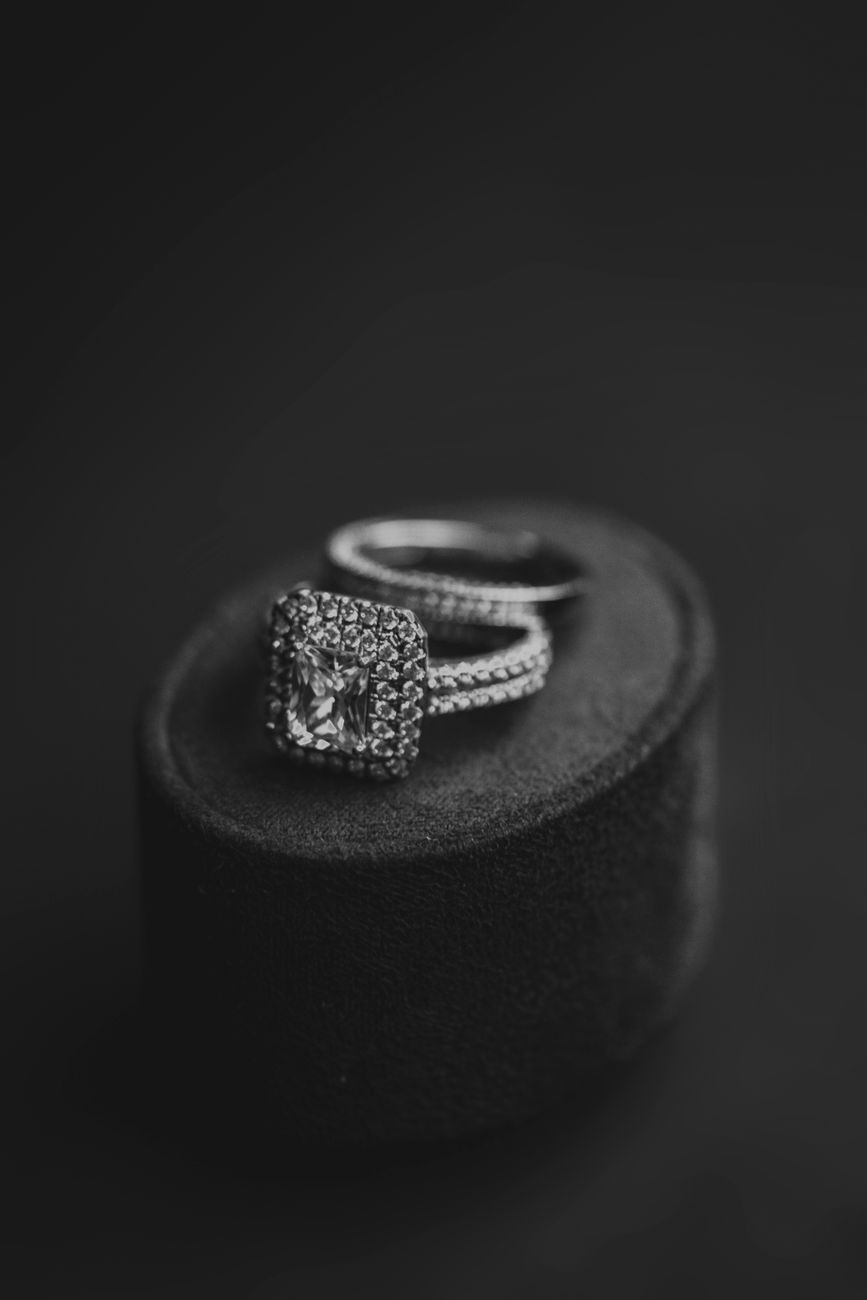
When shoppers compare Oval vs Cushion Lab Grown Diamonds, they are usually weighing two very different-looking shapes that can both work beautifully in an engagement ring. The oval tends to look elongated, sleek, and visually larger for its weight, while the cushion has a softer, more rounded outline that can feel vintage-inspired or romantic depending on the cut style.
In lab grown diamonds, this comparison matters for more than style alone. Because lab grown diamonds often allow buyers to choose a larger size or higher quality at a lower price than many natural diamonds, shape becomes a major part of how the diamond looks, how much finger coverage it provides, and how efficiently it uses the budget. Understanding the trade-offs between oval and cushion shapes can help you choose a diamond that fits both your taste and your practical priorities.
Quick Answer
If you want a diamond that usually appears larger, more elongated, and visually lengthens the finger, an oval lab grown diamond is often the stronger choice. If you prefer a softer outline with a more classic or pillowy look, a cushion lab grown diamond may be a better fit.
The best shape depends on what matters most to you: spread, sparkle style, face-up appearance, and ring design. Ovals often show more apparent size for the same carat weight, while cushions may offer a fuller, more rounded profile and a more antique or modern-soft appearance depending on the cut. In lab grown diamonds, both shapes can be excellent value options, but they behave differently in terms of sparkle pattern, color visibility, and how much of the stone is noticeable from the top.
Understanding Oval and Cushion Diamond Shapes
What an oval lab grown diamond looks like
An oval diamond is an elongated brilliant-cut shape with rounded ends. It combines the sparkle style of a round brilliant with a more stretched outline, which is why many buyers like it for its elegant finger-flattering look. The shape often creates a larger visual footprint than a round diamond of the same carat weight.
One of the most discussed features of an oval is the bow tie. This is a dark area that can appear across the center of the stone when light does not reflect evenly. A small bow tie is common and not always a problem, but a strong one can affect how lively the diamond looks.
What a cushion lab grown diamond looks like
A cushion diamond has a square or rectangular outline with rounded corners, similar to a pillow. It is one of the oldest diamond shapes and is often chosen for its softer edges and warm, classic character. Cushions can vary a lot in appearance, because the shape is used in both brilliant-style cuts and more antique-style cuts.
That variation matters. A cushion with a brilliant cut pattern may have more sparkle and a more modern feel, while a cushion with a chunky facet pattern may show bigger flashes of light and a more vintage-style appearance. For buyers comparing Oval vs Cushion Lab Grown Diamonds, the exact cut style is just as important as the shape itself.
Side-by-Side Comparison of Oval vs Cushion Lab Grown Diamonds
| Feature | Oval Lab Grown Diamond | Cushion Lab Grown Diamond |
|---|---|---|
| Overall look | Elongated, elegant, modern | Soft, rounded, classic or vintage-inspired |
| Sparkle style | Bright brilliance with potential bow tie effect | Varies by cut, often softer flashes or mixed sparkle |
| Face-up size | Often looks larger for its carat weight | Usually looks slightly smaller than oval at the same carat weight |
| Finger effect | Can lengthen the look of the finger | Looks balanced and softer, less elongating |
| Color visibility | Can show color near the tips more easily than round | Can also show color, especially in larger stones or warmer grades |
| Clarity visibility | Depends on facet pattern, but inclusions can sometimes hide well | Can hide inclusions well in some cuts, but this depends on facet style |
| Durability | Rounded ends help durability, but pointed settings are less of a concern than sharp corners | Rounded corners are durable, generally a practical daily-wear shape |
| Trend profile | Highly popular in modern engagement rings | Popular, but often chosen for a more specific style preference |
| Price efficiency | Often strong value because of perceived size | Can be excellent value, but price depends heavily on cut quality |
Key Characteristics That Matter Most
1. Face-up size and visual spread
Face-up size refers to how large a diamond looks when viewed from the top. This is not the same as carat weight. Carat measures weight, while face-up spread is about the actual dimensions you see in the setting.
Ovals often look larger than cushions of the same carat weight because their elongated shape covers more visible surface area. This is one reason oval lab grown diamonds are so appealing to budget-conscious buyers who want maximum visual impact. A 2-carat oval can sometimes appear closer in presence to a heavier stone than a cushion of the same weight, though exact measurements still matter.
Cushions can also have impressive spread, but they often look slightly more compact because their outline is shorter and fuller. If your main goal is to maximize the amount of diamond visible from above, oval usually has the advantage.
2. Sparkle pattern and light performance
Sparkle is not just about brightness. It includes brilliance, fire, and scintillation. Brilliance is the white light returned by the diamond. Fire is the colored flashes of light. Scintillation is the pattern of sparkle and movement when the diamond moves.
Oval diamonds are typically brilliant-cut stones, so they tend to produce a lively sparkle with lots of brightness. The light pattern can be very attractive, but the bow tie effect can interrupt the evenness of the sparkle if the proportions are not well balanced.
Cushion diamonds can vary more in sparkle style. Some cushions produce a softer, more romantic shimmer. Others create broad flashes of light that feel less glittery and more antique in character. Because cushions come in multiple facet styles, two cushion diamonds can look more different from each other than two ovals of similar quality.
3. Bow tie effect
The bow tie effect is especially important in oval diamonds. It appears as a darker band across the center and is caused by how the stone handles light. A mild bow tie may be normal and even expected, but a strong one can make the stone look uneven or less lively.
Cushions can also have uneven light return, but the term bow tie is discussed less often with cushions than with ovals. When comparing Oval vs Cushion Lab Grown Diamonds, buyers who want a cleaner, more predictable face-up appearance may spend more time examining video or photos of ovals before making a decision.
4. Color appearance
Diamond color refers to how much tint a stone shows, usually measured on the D to Z grading scale. In both oval and cushion shapes, color can be more visible than in round brilliant diamonds because of the shape and facet structure. That does not mean these shapes look bad in lower color grades, but it does mean buyers should be thoughtful about color selection.
Ovals can sometimes show a bit more color near the tips or along the length of the stone. Cushions may show color more evenly across the body of the diamond. For many buyers, a near-colorless grade such as G, H, or I can work well in lab grown diamonds, especially if the setting and metal are chosen carefully. However, preferences vary depending on whether the goal is a bright white appearance or a slightly warmer look.
5. Clarity visibility
Clarity refers to internal features called inclusions and external marks called blemishes. In both ovals and cushions, inclusions are often less obvious than in step-cut shapes like emerald cut diamonds, but they can still matter depending on the location and type of inclusion.
Oval cuts often hide small inclusions reasonably well because of their facet pattern, although this is not guaranteed. Cushions can also be forgiving, especially if their facet arrangement is busy enough to disguise minor imperfections. For many shoppers, a lab grown diamond in the VS1 to SI1 range can be a practical place to shop, but the specific stone should always be checked visually rather than relying on grade alone.
6. Durability and daily wear
Both ovals and cushions are practical shapes for everyday wear because they do not have sharp points like pear or marquise diamonds. The rounded edges of both shapes help reduce snagging and lower the risk of damage at the corners.
That said, the setting still matters. An oval or cushion in a thin halo or delicate prong setting may need more care than the shape itself suggests. For engagement rings worn daily, buyers should consider the strength of the setting as well as the diamond shape.
Advantages of Oval Lab Grown Diamonds
They often look larger than their carat weight suggests
One of the biggest advantages of an oval is its visual spread. Because the shape stretches lengthwise, it can give a strong presence on the finger without requiring an especially high carat weight. This can be useful for buyers who want a larger-looking diamond while keeping the budget in check.
In lab grown diamonds, this effect can be especially attractive because shoppers may already be prioritizing size and quality over rarity. An oval can deliver a lot of visual impact in a practical package.
They flatter many hand shapes
The elongated outline of an oval can create a lengthening effect on the finger. Many buyers like this because it can make the hand appear slimmer or more elegant. This is a visual preference rather than a universal rule, but it is one reason ovals remain so popular in engagement rings.
They blend classic and modern style
An oval does not feel as traditional as a round brilliant, but it is also not as distinctive as some niche fancy shapes. That middle ground makes it versatile. It can work in solitaire settings, hidden halos, three-stone rings, and vintage-inspired designs.
They can be efficient in a budget-conscious lab grown purchase
Because lab grown diamonds often offer more size for the money, an oval can be a smart way to maximize the apparent scale of the ring. Buyers looking at diamond pricing often notice that shape has a real impact on how much presence they can get for a given budget.
Disadvantages of Oval Lab Grown Diamonds
Bow tie visibility can be distracting
The most common drawback of an oval is the bow tie effect. Some stones show it strongly, especially if the cut is too shallow, too deep, or poorly balanced. This can make the center of the stone look dark in certain lighting.
Because bow tie severity varies so much, buyers should not choose oval diamonds based on the grading report alone. Video, photos, and proportions matter a great deal.
Color can be more noticeable in the tips or body
Depending on the cut and setting, ovals may reveal more color than some buyers expect. This is not always a disadvantage, but it means buyers seeking a bright, icy appearance may want to pay attention to color grade and metal color. A white gold or platinum setting can help the diamond appear cooler.
Cut quality is harder to judge
Unlike round diamonds, which have a standard cut grading system from many laboratories, oval diamonds are more subjective. Proportions, symmetry, polish, and visual balance all play a role. This makes it more important to inspect the stone carefully, especially when buying a lab grown diamond online.
Advantages of Cushion Lab Grown Diamonds
They have a soft, approachable outline
Cushion diamonds offer a rounded square shape that many buyers find appealing because it feels softer and less structured than a princess or radiant cut. The corners are rounded, which contributes to a gentle appearance on the hand.
This shape works especially well for buyers who want something classic but not overly formal. It is often chosen by people who want a diamond that feels romantic without looking too trendy.
They can offer beautiful sparkle variety
Cushions are not one single look. Some are brilliant cushions with lively sparkle, while others have larger facets that create a more antique-style flash. This gives buyers more style options within one shape family.
If you are drawn to the look of old mine cuts or vintage jewelry, a cushion may feel more aligned with your taste than an oval. If you want a cushion with more sparkle, a modern brilliant cushion may be a better fit than an antique-style version.
They pair well with many setting styles
Because cushions have a balanced shape, they can look at home in solitaires, halos, bezel settings, and vintage-inspired mountings. They often sit comfortably in settings that emphasize symmetry and softness.
They can hide minor inclusions well
Many cushion cuts have a facet pattern that helps reduce the visibility of small inclusions. This can give buyers a little more flexibility when shopping for clarity, especially in lab grown diamonds where value often improves as you move down slightly in clarity grade.
Disadvantages of Cushion Lab Grown Diamonds
They often look smaller than ovals of the same carat weight
A cushion’s fuller outline generally means less apparent length and sometimes less visible spread than an oval. That does not make it inferior, but buyers should be aware that the carat weight may not translate into the same top-view size as an oval.
If finger coverage is a top priority, cushion may not deliver quite as much visual impact per carat as oval.
Sparkle style varies more from stone to stone
Because cushions come in different facet styles, it can be harder to predict the exact visual effect. Some cushions are bright and lively, while others are softer and more subdued. For some buyers this variety is a strength, but for others it adds uncertainty.
Can feel less distinctive if the proportions are average
A well-cut cushion can be very attractive, but an average one may not have as much immediate visual impact as a strong oval or a more sharply defined fancy shape. Buyers who like cushion diamonds often need to be selective about proportions and facet pattern to get the look they want.
How Oval and Cushion Lab Grown Diamonds Compare in Real Buying Scenarios
For maximum finger coverage
Oval usually wins. Its elongated shape uses dimensions efficiently and creates a longer appearance across the finger. This is one of the reasons ovals are often chosen by shoppers who want the ring to look substantial without moving up dramatically in carat weight.
For a soft, vintage-leaning look
Cushion usually wins. Its rounded square shape feels less linear and more classic, especially in ring designs inspired by antique jewelry. If the goal is a gentler outline rather than a stretched silhouette, cushion is often the better match.
For a bright, lively sparkle
Both can perform well, but the experience is different. Oval usually provides more uniform brilliance, while cushion can range from energetic sparkle to broad flashes depending on the cut style. Buyers who like consistent brilliance may lean oval, while buyers who enjoy a more varied visual personality may prefer cushion.
For buyers sensitive to visual imperfections
Neither shape is guaranteed to hide issues perfectly, but cushion can sometimes be more forgiving with certain inclusions, while oval can be more affected by bow tie issues. The deciding factor is always the individual stone, not just the shape name.
Important Buying Considerations for Lab Grown Diamonds
1. Do not shop by carat alone
Carat is only part of the story. In lab grown diamonds, two stones with the same carat weight can look very different in size and sparkle. Measurements such as length, width, and depth often tell you more about the visible appearance than carat alone.
For oval diamonds, look closely at the length-to-width ratio. Many buyers prefer a ratio around 1.35 to 1.50 for a classic oval look, though personal taste varies. Lower ratios look wider, while higher ratios look more elongated.
For cushion diamonds, consider whether you want a square look or a more rectangular one. Cushion shapes can vary substantially, and proportion changes can affect the entire feel of the ring.
2. Evaluate the cut style, not just the shape
With fancy shapes, cut quality is often more visual than mathematical. A beautiful oval or cushion depends on balanced proportions, pleasing light return, and good symmetry. This is why photos, videos, and trusted grading reports matter so much.
If you are also researching diamond cut grades, it helps to remember that shape and cut are related but not identical. The shape is the outline. The cut is how well the stone is fashioned to interact with light.
3. Understand color and setting interaction
In both ovals and cushions, a warmer color grade can be more noticeable than in some other shapes. If you want the diamond to appear especially white, pay attention to how the stone looks in its intended setting. Metal color can influence perception.
Many buyers of lab grown diamonds find that a well-chosen near-colorless stone offers a good balance between appearance and price. For a deeper breakdown, a diamond color guide can be helpful.
4. Check clarity visually, not just on paper
A report may show a clarity grade, but what matters most is whether the inclusions are visible to your eye. This is particularly important when buying online. A diamond with a lower clarity grade can still look excellent if the inclusions are minor and well placed.
If you are comparing options, a diamond clarity article can help you understand which grades are usually safe choices for everyday wear.
5. Ask for dimensions and images
Because oval and cushion shapes vary so much, dimension data and actual images are critical. Side profile videos, face-up photos, and measurement charts help you compare stones more intelligently. This is especially useful in the lab grown market, where buyers often shop online and compare several options at once.
6. Use certifications as a starting point, not the whole decision
Certification confirms key details about the diamond, but it does not guarantee that the stone will look perfect to your eye. A grading report from a reputable laboratory is important, but the stone itself still needs to be evaluated for proportions, brightness, and visual balance.
If you are new to the process, reading about diamond certifications can help you understand what grading reports do and do not tell you.
Common Mistakes Buyers Make
Choosing the shape before thinking about the setting
A diamond shape should work with the ring design, not against it. An oval in a thin solitaire setting will look and wear differently than a cushion in a halo. Buyers sometimes fall in love with the shape in isolation and forget to consider the final ring style.
Ignoring bow tie in ovals
Not every oval has a noticeable bow tie, but enough do that it should always be checked. A beautiful outline can be undermined by uneven light performance. Buyers should review videos in multiple lighting conditions if possible.
Assuming all cushions look alike
Cushion diamonds vary widely. Some are rounded and lively, while others are chunky and antique-like. Treating cushion as one fixed look often leads to disappointment or confusion when comparing stones.
Overpaying for size without checking proportions
A larger-looking diamond is not automatically better. A poorly proportioned oval may have a dark center, and a cushion may have too much depth, making it look smaller from the top. The goal is to balance size, beauty, and price.
Choosing a color or clarity grade without seeing the stone
In fancy shapes, the same grade can look different from one diamond to another. Shape, facet pattern, and setting all affect the final appearance. This is one reason shoppers comparing Oval vs Cushion Lab Grown Diamonds benefit from side-by-side visual review rather than relying only on specifications.
Which Shape Is Best for Different Types of Buyers?
Oval may suit you if:
- You want the diamond to look larger from the top.
- You like an elongated shape that can visually lengthen the finger.
- You prefer modern, bright brilliance.
- You are comfortable evaluating bow tie and proportions carefully.
Cushion may suit you if:
- You prefer a softer, rounded outline.
- You like a classic or vintage-inspired appearance.
- You want a shape that can feel romantic and less linear.
- You do not mind spending more time comparing facet styles.
For many buyers, neither shape is universally better. The choice usually comes down to whether you value visual length and spread more than softness and vintage character. In lab grown diamonds, this distinction matters because the lower price point can make it easier to prioritize visual preference rather than compromise on size alone.
How Shape Affects Long-Term Appeal
Long-term appeal is not only about trendiness. It is also about whether you will still enjoy the diamond years from now. Oval diamonds currently enjoy strong popularity, but their appeal is not only trend-driven. The shape has a classic enough outline to remain relevant even if current styling preferences shift.
Cushions have an even longer history in fine jewelry. Their appeal is rooted in tradition, which can make them feel enduring rather than fashionable. That said, the specific cushion look you choose matters. A brilliant cushion and an antique-style cushion can project very different personalities over time.
When considering durability and style longevity together, both shapes are sound options for engagement rings. The better question is which visual language you want to live with every day.
Buying Tips for Oval vs Cushion Lab Grown Diamonds
For oval diamonds
- Review the bow tie in video, not just photos.
- Check the length-to-width ratio for your preferred silhouette.
- Look for even brightness from end to end.
- Consider a setting that protects the ends while keeping the shape visible.
For cushion diamonds
- Decide whether you want a square or more rectangular outline.
- Pay attention to the facet pattern and how the stone sparkles.
- Compare multiple cushions because they can look very different.
- Confirm that the depth is not making the stone look smaller than expected.
For both shapes
- Use measurements, not just carat weight.
- Compare stones in similar lighting conditions.
- Read the grading report, but rely on visual assessment too.
- Match the shape to the setting and your daily wear habits.
Frequently Asked Questions
Do oval lab grown diamonds look bigger than cushion lab grown diamonds?
Usually, yes. Ovals often have more visible spread because of their elongated shape. This means they can appear larger than cushions of the same carat weight, though the exact result depends on proportions and depth.
Which shape sparkles more, oval or cushion?
Neither shape always wins. Ovals usually provide strong, even brilliance, while cushions can range from soft shimmer to bold flashes depending on the cut style. The specific stone matters more than the shape name alone.
Are cushion diamonds more expensive than oval diamonds?
Not necessarily. Price depends on carat weight, quality, and overall demand. In some cases, an oval may cost more if its proportions and appearance are especially desirable, while in other cases a cushion may carry a similar or higher price if the cut is exceptional.
Which shape is better for hiding inclusions?
It depends on the stone. Both oval and cushion diamonds can hide small inclusions fairly well compared with step-cut shapes, but visibility depends on where the inclusion sits and how the facet pattern disperses light. Always review the actual stone when possible.
Does an oval diamond need a higher color grade than a cushion?
Not always, but both shapes can show color more readily than round diamonds. Some buyers prefer slightly higher color grades in ovals to keep the stone looking bright and white, while others are comfortable with near-colorless grades in either shape. The best choice depends on the setting and your personal preference.
Are lab grown oval and cushion diamonds durable for everyday wear?
Yes, both are generally suitable for daily wear. Their rounded outlines help reduce the risk of corner damage. The setting still matters, so a sturdy ring design is important for long-term wear.
Which shape is more timeless?
Both have lasting appeal, but in different ways. Ovals feel classic with a modern edge, while cushions have deeper historical roots and a softer, more traditional profile. Timelessness usually depends more on your personal style than on the shape itself.
Conclusion
When comparing Oval vs Cushion Lab Grown Diamonds, the key difference is not just shape. It is how that shape changes the diamond’s visual size, sparkle pattern, finger coverage, and overall style. Ovals are often chosen for their elongated, larger-looking appearance and bright brilliance, while cushions appeal to buyers who want a softer outline and a more classic or vintage-inspired feel.
For practical buying, ovals tend to offer stronger face-up spread and a lengthening effect on the finger, but they require careful attention to bow tie and proportions. Cushions offer more stylistic variation and a rounded, approachable look, but they can appear smaller or more compact depending on the cut style. In both cases, the most important step is to compare actual stones rather than relying only on shape names or carat weight.
If you are shopping for a lab grown engagement ring, think about the visual effect you want every day. Choose oval if you value length, size appearance, and modern brilliance. Choose cushion if you prefer softness, balance, and a more classic outline. Either can be an excellent choice when the cut quality, color, clarity, and setting are selected with care.