Diamond cut is one of the most important quality factors a buyer can evaluate, yet it is also one of the easiest to misunderstand. Many shoppers assume cut refers only to a diamond’s shape, but in practice it is about how well the diamond has been fashioned to interact with light. That is what determines whether a diamond looks lively and bright, or flat and dull in everyday viewing.
If you are asking what is diamond light performance, the short answer is this: it is the way a diamond handles light, including how much light it returns to your eyes, how evenly it reflects brightness, and how much sparkle, fire, and contrast it produces. In simple terms, light performance is the visual result of good cutting. It is what makes one diamond seem more attractive than another even when both have similar carat weight, color, or clarity.
This matters because shoppers often compare diamonds by size and paper grades alone. In real life, a well-cut diamond can look more brilliant than a larger diamond with weaker proportions, and that difference is often visible without any gemological training. Understanding light performance helps you judge what you are actually seeing, rather than relying only on a report.
Quick Answer: What Is Diamond Light Performance?
Diamond light performance is the overall quality of the way a diamond reflects, returns, and disperses light. It includes brilliance, which is the bright white light a diamond reflects, fire, which is the colored flashes of light, and scintillation, which is the pattern of sparkle and contrast when the diamond moves.
A diamond with strong light performance usually looks lively, bright, and balanced from the top. A diamond with poor light performance can look darker in places, less crisp, or simply less attractive, even if it has a higher carat weight or a respectable clarity grade. Most buyers notice light performance far more quickly than they notice tiny differences in technical measurements.
For that reason, light performance is one of the most practical ways to evaluate diamond cut quality. It is especially important for engagement rings and other jewelry that will be seen in normal indoor lighting, sunlight, restaurant lighting, and mixed everyday conditions.
Understanding Diamond Light Performance
What the term means in plain English
Think of a diamond as a tiny optical tool. Its job is not just to be hard or clear, but to capture incoming light and send it back in a pleasing way. The angles, shape, proportions, symmetry, and polish all affect how efficiently the diamond does this.
When those factors work well together, the diamond appears bright and full of life. When they do not, light may leak out of the bottom or sides instead of returning to the viewer, which reduces visual impact. This is why two diamonds with the same basic shape can look very different in person.
How light performance relates to cut
Cut is the main factor that determines light performance. That includes the placement and size of facets, the overall proportions of the stone, and how carefully it was polished and finished. In many diamond shapes, the cut grade is the most important quality factor for appearance.
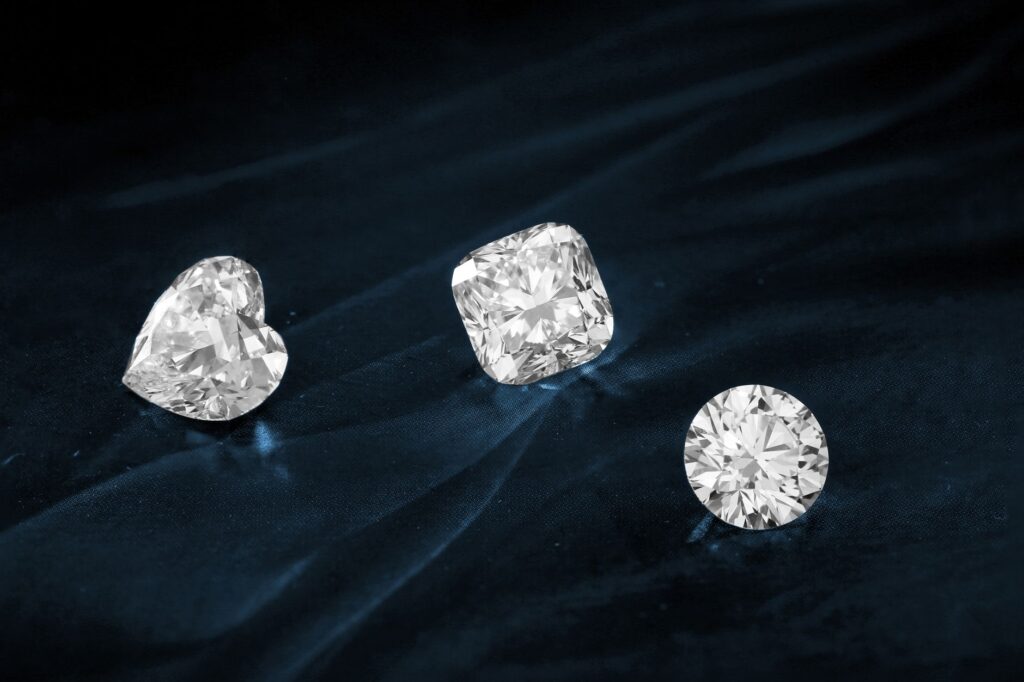
Cut is sometimes confused with shape. Shape refers to the style of the diamond, such as round, oval, princess, emerald, or cushion. Cut, on the other hand, refers to how well that shape has been executed. A round diamond can be cut well or poorly, and the same is true for fancy shapes.
The main components of light performance
There are several visual elements people use when talking about diamond light performance:
- Brilliance: the white light reflected back to your eyes.
- Fire: rainbow flashes created when light is split into spectral colors.
- Scintillation: the sparkle and flash pattern you see when the diamond moves.
- Brightness: the overall amount of light the diamond appears to emit.
- Contrast: the balance of bright and dark areas that creates visual texture.
These are not isolated features. They work together. A diamond can have strong brilliance but only moderate fire, or good brightness but weak contrast. Buyers usually respond to the combined effect rather than to one factor alone.
Why Diamond Light Performance Matters
It affects what you actually see
Most buyers do not inspect diamonds under a microscope. They look at them in a ring, on the hand, or under store lighting. In those situations, light performance is what creates the impression of quality. If a diamond returns light well, it looks more alive from a distance and from normal viewing angles.
When light performance is weak, the diamond may still be attractive, but it can look less vibrant. Some areas may appear darker, the center may look sleepy, or the stone may seem smaller than expected for its carat weight. These effects are often more noticeable than small differences in color or clarity.
It influences beauty more than many buyers realize
Many first-time shoppers focus heavily on carat weight because size is easy to understand. Others focus on clarity because it sounds like a purity measure. But the diamond that looks best in everyday wear is often the one with the strongest cut and light performance, even if it is not the largest or the highest clarity grade.
This is especially true for engagement rings, where the diamond is intended to be seen frequently and from multiple angles. A ring with excellent light performance tends to keep looking appealing over time because it maintains visual impact in many environments.
It affects value in a practical way
Light performance is not just about beauty. It also affects how wisely you spend your budget. A diamond that looks lively can make a better impression than a diamond that simply has a larger number on the grading report.
In many cases, paying more for better cut and light performance is justified because the improvement is visible. At the same time, some buyers may prefer to trade a little cut quality for a better balance of size, color, or budget. The best choice depends on what matters most to you.
How Diamond Light Performance Affects Appearance
Brilliance: the white brightness buyers notice first
Brilliance is usually the first thing people notice. It is the bright white return of light from the diamond. When a diamond has strong brilliance, it looks lively and crisp, especially under indoor lighting and daylight.
Brilliance is important because it makes a diamond appear bright even when the surrounding light is not perfect. A diamond with weaker brilliance can look a bit lifeless or washed out, especially if the cut is too deep, too shallow, or uneven.
Fire: the flashes of color
Fire refers to the colored light you sometimes see when a diamond moves. These flashes may appear as tiny bits of rainbow color. Many buyers love fire because it adds visual interest, especially in natural or direct light.
Fire is often more noticeable in certain lighting conditions than others. In bright sunlight or spot lighting, a diamond with good proportions may produce more apparent fire. In diffuse lighting, fire may be subtler, while brilliance becomes more important.
Scintillation: sparkle in motion
Scintillation is the pattern of sparkle created by light and dark contrast as the diamond moves. It is one of the reasons diamonds look so dynamic. A stone with good scintillation flashes on and off in a pleasing way rather than looking flat.
Too much darkness or poor contrast can weaken scintillation. Too little contrast can make a diamond look bland. The best light performance usually has a balanced pattern that feels lively, not noisy or overly busy.
Brightness and contrast: the visual balance
Brightness is the overall lightness of the diamond when viewed face-up. Contrast is the interplay of bright and dark zones. Together, these create structure in the diamond’s appearance.
Experienced buyers and jewelers often notice that diamonds with better contrast patterns look sharper and more dimensional. This is one reason why a well-cut diamond can look more refined than a larger stone with poorer proportions.
Face-up appearance: how large the diamond looks from above
Face-up appearance means how the diamond looks when you view it from the top, which is the most common angle in daily wear. Light performance plays a major role in how large, open, and balanced the diamond appears from this angle.
A diamond can have a generous carat weight but still look small or cramped if the cut is inefficient. Conversely, a well-cut diamond may appear more open and attractive even if it is slightly smaller on paper. This is one reason buyers should think beyond carat alone when evaluating diamond cut.
Light Performance in Different Diamond Shapes
Round brilliant diamonds
Round brilliant diamonds are designed specifically for maximum light return and sparkle. Because of their facet pattern, they are often the easiest shape for buyers to evaluate using standard cut grades. In rounds, light performance is closely tied to proportions and symmetry.
For shoppers comparing round stones, small differences in cut can be visible, but the biggest jump in appearance usually comes when comparing a truly well-cut diamond against one with noticeably weaker proportions. If you are buying a round diamond, cut quality deserves serious attention.
Fancy shapes
Fancy shapes include oval, cushion, emerald, pear, marquise, radiant, and princess cuts. These shapes do not always have the same standardized cut grading approach as round brilliants, so light performance can vary more from stone to stone.
For fancy shapes, buyers should pay attention to bow-tie effects, dark zones, and overall brightness. The same carat, color, and clarity can look very different depending on how the stone handles light. If you are comparing shapes, it helps to understand how diamond shapes influence appearance beyond size alone.
Lab grown diamonds and light performance
Lab grown diamonds have the same crystal structure and optical behavior as natural diamonds, so their light performance follows the same rules. A lab grown diamond can have excellent, average, or weak light performance depending on how it was cut.
This is an important point for buyers who assume all lab grown stones will look identical. They will not. Cut quality still matters, and a poorly cut lab grown diamond can look less impressive than a well-cut natural diamond of similar size and grade. When shopping for lab grown diamonds, the same visual principles apply.
Cut Grade, Symmetry, Polish, and Light Performance
Cut grade
Cut grade is the grading category that attempts to summarize how well a diamond has been proportioned and finished. For round brilliant diamonds, grading systems from major labs such as GIA often evaluate cut based on a combination of proportions, brightness, fire, scintillation, and weight retention.
What it means for buyers is simple. A higher cut grade usually suggests stronger light performance and better overall appearance. However, it is still useful to look at the stone itself, because even within the same grade there can be visible differences.
Symmetry
Symmetry refers to how accurately the diamond’s facets are aligned with each other. Good symmetry helps light behave consistently across the stone. Poor symmetry can create uneven sparkle, asymmetry in patterning, or reduced visual balance.
For most buyers, small symmetry differences are not easy to spot without magnification. Still, poor symmetry can affect appearance enough to matter, especially in a diamond with otherwise good proportions. In practical terms, symmetry contributes to the diamond looking orderly and well made.
Polish
Polish describes how smooth and clean the facet surfaces are after cutting. A well-polished diamond allows light to pass through and reflect cleanly. Poor polish can interrupt light behavior and slightly dull the appearance of the stone.
Most shoppers will not notice minor polish differences in everyday viewing. But polish is still part of the overall quality picture, and a top-quality finish supports the diamond’s brilliance and sparkle. On higher-end stones, polish can help preserve the crispness of the light return.
Proportions
Proportions include measurements such as table percentage, depth percentage, crown angle, and pavilion angle. These numbers describe the diamond’s geometry. They matter because the angles determine how light enters, bounces around inside, and exits back to the viewer.
For a buyer, the practical takeaway is that proportions influence whether a diamond looks bright and balanced or too shallow, too deep, or awkwardly structured. Numbers alone do not tell the whole story, but they can help you avoid diamonds with obvious optical problems.
Light leakage
Light leakage happens when incoming light escapes through the bottom or sides of the diamond instead of returning to the eye. It is one of the main reasons a diamond may look dull or less lively than expected.
Buyers do not need to memorize the science of leakage to benefit from the concept. If a diamond looks dark in the center, washed out at the edges, or less brilliant than nearby stones, light leakage may be part of the reason. This is one of the clearest examples of how cut affects what you see.
How Light Performance Is Evaluated
Grading reports and what they tell you
Lab reports from trusted grading organizations often include cut quality information, but the amount of detail varies by shape and lab. For round brilliants, some reports include a formal cut grade. For fancy shapes, the report may provide measurements and proportions without a full cut grade.
A report is useful, but it is not a complete substitute for visual evaluation. It can help you narrow the field, but light performance is ultimately an optical result, not just a line item on paper. This is why many knowledgeable buyers use both the report and direct comparison viewing.
IdealScope, ASET, and other imaging tools
Some jewelers and advanced online sellers provide optical images such as IdealScope or ASET. These images are designed to show how a diamond handles light and where light may be escaping. They are especially helpful when comparing round diamonds or evaluating fancy shapes where cut grades are less standardized.
These tools are not necessary for every buyer, but they can provide useful insight. What matters most is learning to interpret them in practical terms, such as whether the diamond has strong light return, balanced contrast, and limited obvious leakage.
Hearts and Arrows
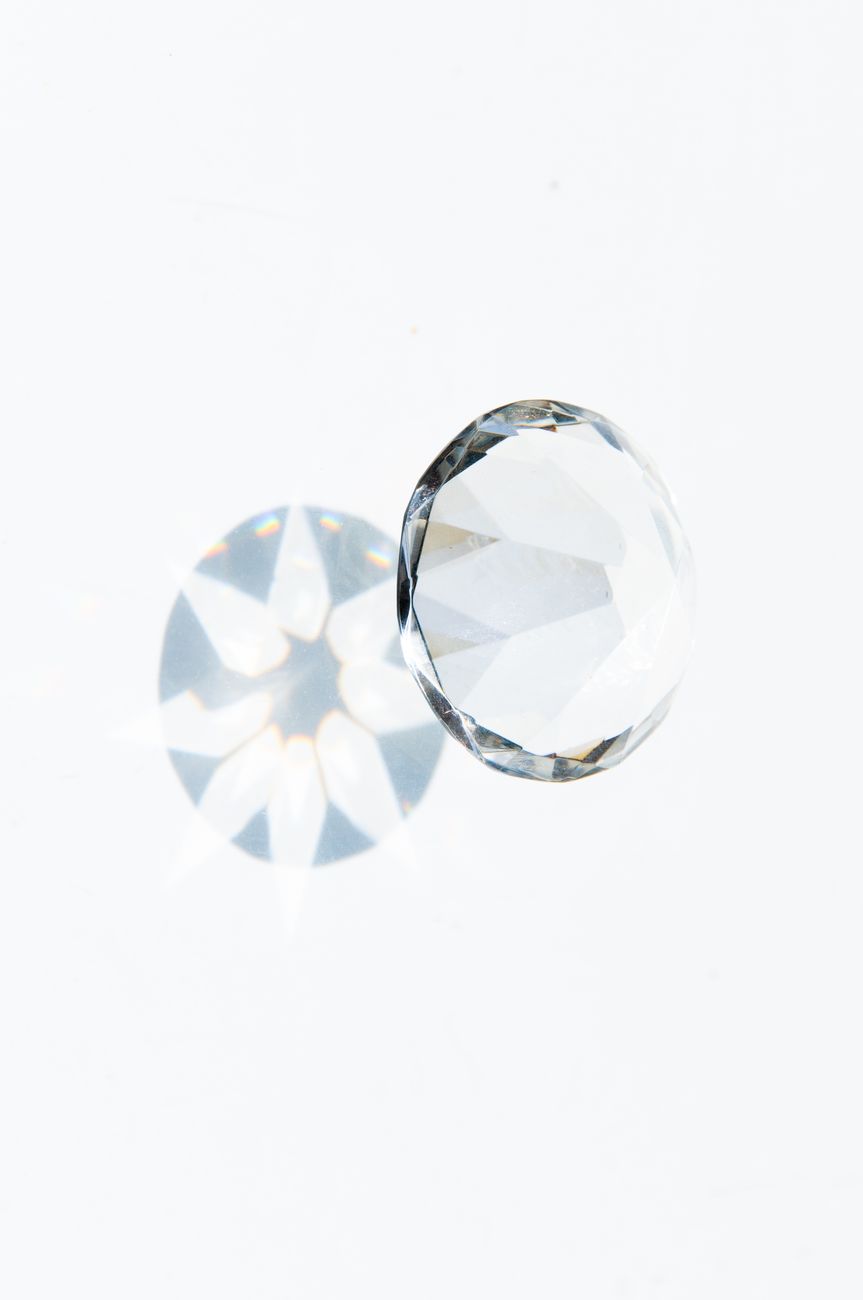
Hearts and Arrows is a facet pattern seen in some very precisely cut round brilliant diamonds. It is often associated with strong optical symmetry. When viewed through special scopes, the diamond displays heart-like and arrow-like shapes.
For buyers, the main point is that Hearts and Arrows can be a sign of precision cutting, but it is not automatically a guarantee that a diamond will be visually superior in every context. It often correlates with excellent performance, yet the actual appearance still depends on the full stone, not the pattern alone.
What Buyers Actually See in Real Life
In everyday lighting
Most diamonds are worn in lighting that is less controlled than a grading room. That means the real test is not how a diamond performs under a bright inspection lamp alone, but how it looks in day-to-day use. A well-cut diamond tends to keep appearing bright and lively across a wider range of conditions.
In practical terms, buyers often notice that a diamond with strong light performance still looks appealing in an office, near a window, in a car, or under warm indoor lighting. A weaker stone may look good in one setting but lose impact in another.
In direct sunlight
Sunlight can make fire more visible, especially in well-cut diamonds with balanced proportions. Some diamonds produce lively bursts of colored light, while others show mostly white brilliance. Neither is inherently bad, but they create different looks.
Buyers who love intense sparkle often respond strongly to sunlight performance. However, not every diamond will show the same balance of fire and brilliance. A good cut helps the diamond perform consistently, but the exact look still depends on shape and design.
Under store lighting
Jewelry store lighting is designed to make diamonds attractive. It can exaggerate sparkle and make many stones look better than they do in normal use. For this reason, shoppers should not rely only on the first impression in a bright display case.
The more useful approach is to compare diamonds side by side and ask how they look when moved and viewed from a slight distance. That is where cut differences often become more obvious. A diamond with better light performance usually holds its visual advantage even when the lighting changes.
How Light Performance Affects Value
When paying more makes sense
Paying more for stronger light performance often makes sense when the diamond is meant to be worn as a focal piece, such as an engagement ring. If the stone will be seen often, the visual return from better cut quality can be well worth the premium.
This is especially true when the price difference is modest relative to the overall budget. In many cases, a better-performing diamond gives more visible satisfaction than upgrading slightly in carat or color. Buyers often remember the stone that looked more alive, not the one that simply had a larger report number.
When the premium may be less justified
There are situations where paying a large premium for a small cut improvement may not be the best use of funds. For example, if the visual difference is extremely subtle and the budget is limited, you may prefer to allocate money elsewhere. Some buyers would rather choose a slightly smaller stone, a different setting, or a lab grown diamond with better size-to-cost efficiency.
The key is to ask whether the improvement is something you can actually see. If the answer is no, the premium may not be worthwhile for your goals. This is why practical comparison matters more than chasing a score in isolation.
Which factors create the biggest visual impact
Among the many quality factors, cut and light performance often produce the biggest visible difference. Color and clarity matter too, but their visibility depends on the diamond’s size, shape, and mounting. A diamond with excellent cut can make slight compromises in color or clarity less noticeable.
That does not mean cut is the only thing that matters. It means cut often sets the ceiling for beauty. Once a diamond is well-cut, other quality choices become easier to judge in context.
Practical Examples for Buyers
A well-cut 1.5-carat diamond versus a poorly cut 2-carat diamond
This is one of the most common real-world comparisons. The 2-carat diamond sounds more impressive on paper, but if it has poor proportions or noticeable light leakage, it may look less brilliant and less appealing than the smaller stone. The 1.5-carat diamond can actually appear more attractive because its light performance is stronger.
In person, many buyers would rather wear the diamond that looks lively than the one that merely weighs more. This is a classic example of how optical quality can outweigh size. Carat matters, but it does not guarantee beauty.
Excellent cut versus Very Good cut in everyday lighting
The difference between Excellent and Very Good cut can be subtle or noticeable depending on the specific stones. Some Very Good diamonds are excellent visual performers, while others show a small but visible drop in brightness, symmetry, or sparkle pattern.
In everyday lighting, many buyers will not see a dramatic difference unless they compare stones side by side. Still, if you are sensitive to sparkle and plan to view the diamond often, the better cut may be worth the extra cost. The practical value depends on how close the two stones are in actual appearance, not just the grade label.
Higher clarity with poor cut versus lower clarity with excellent cut
This comparison often surprises new buyers. A very clean diamond with poor light performance may still look less impressive than a slightly lower-clarity diamond that has excellent cut quality. That is because sparkle and brightness are highly visible, while tiny inclusions can often be hidden by a good cut or setting.
For many shoppers, this means cut should be considered before chasing very high clarity grades. A diamond that sparkles well and appears lively usually offers a better everyday experience than one that is technically cleaner but visually less engaging.
Advantages of Strong Diamond Light Performance
- It creates more visible sparkle and brightness.
- It often makes the diamond look larger and more attractive face-up.
- It can help a diamond appear cleaner and more polished visually.
- It performs better across different lighting environments.
- It usually gives better long-term satisfaction for everyday wear.
These advantages are especially meaningful in rings that will be seen frequently. A diamond with strong light performance often looks good from more angles and in more situations, which is why experienced buyers place so much weight on cut.
Limitations and Trade-Offs
- High light performance can come at a higher price.
- Some differences are subtle and require side-by-side comparison to notice.
- Fancy shapes may not have standardized cut grades, making evaluation harder.
- Excellent performance does not automatically mean the stone is perfect in color or clarity.
- Personal preference still matters, since some buyers prefer a different sparkle style.
It is also important to note that light performance is not the only factor in diamond beauty. Setting design, finger size, ring style, and shape choice all affect how the diamond looks in the real world. A balanced purchase considers the whole piece, not just one quality metric.
Buying Considerations for Lab Grown Diamonds
Cut still matters just as much
One of the biggest misunderstandings about lab grown diamonds is the assumption that their lower price somehow makes cut less important. In reality, cut matters just as much because the optical behavior is the same. A poorly cut lab grown diamond is still a poorly cut diamond.
If you are buying lab grown, you may have more flexibility with budget, which can make it easier to prioritize better cut quality. That can be a smart use of savings, especially if you want a larger stone but still care deeply about appearance.
Certification still matters
With lab grown diamonds, certification is especially useful because it helps you compare stones more objectively. A reputable report can confirm shape, measurements, color, clarity, and often cut-related data. That said, reports do not replace visual review.
If possible, look for a combination of a trustworthy grading report and actual light performance images or in-person viewing. That is the best way to reduce the risk of choosing a diamond that looks weaker than expected.
Value and resale considerations
Lab grown diamonds often provide strong upfront value because they are typically priced lower than natural diamonds of similar visual size. However, buyers should still understand that resale value is different from purchase value. A better-cut lab grown diamond is usually the more satisfying choice for wear, but it should not be purchased with unrealistic resale expectations.
In other words, prioritize what you will enjoy seeing on your hand. Light performance helps you get the most visual benefit from the money you spend, whether the diamond is lab grown or natural.
Common Buyer Mistakes
Prioritizing carat over cut
Carat is easy to understand, so buyers often start there. But size alone does not guarantee a beautiful diamond. A larger stone with weak cut quality may look less impressive than a smaller stone with stronger light performance.
This is one of the most costly mistakes because it affects what you will actually see every day. If you remember only one thing, remember that a well-cut diamond often delivers more beauty than a slightly larger but weaker one.
Overpaying for clarity when cut is weak
High clarity is only useful if the diamond also looks lively and attractive. If cut is poor, the visual benefit of extra clarity may be minimal. Many buyers would be better served by choosing a slightly lower clarity grade and improving cut quality instead.
That approach often produces a more satisfying diamond for everyday wear. It is a good example of how technical grades should be weighed by visual impact, not just by rarity language.
Ignoring light performance images
When buying online, relying only on the grading report can lead to disappointment. Photos, videos, and optical imaging can reveal issues that a report cannot fully show. This is especially important for fancy shapes and for stones near the border between quality levels.
If a seller provides light performance images, they are worth reviewing carefully. They help translate technical data into something buyers can actually interpret.
Assuming all diamonds sparkle the same
Many first-time buyers believe sparkle is mainly a function of size or diamond type. It is not. Sparkle is largely about cut quality and light interaction.
Two diamonds with the same basic specs can look noticeably different if one returns light more efficiently than the other. That is why comparing diamonds visually is so valuable.
Not considering the shape-specific light pattern
Different shapes create different optical personalities. A round brilliant will usually maximize brightness and sparkle. A cushion may have broader flashes. An emerald cut may emphasize flashes of light and elegant clarity rather than intense sparkle.
Buyers sometimes expect every shape to look like a round brilliant. That can lead to disappointment. Learning how shape affects light performance makes the buying process much easier.
How to Evaluate Light Performance as a Buyer
Compare diamonds side by side when possible
The easiest way to understand light performance is to compare diamonds under similar lighting. Look at them from the top, then move them slightly and watch how the sparkle changes. Notice which stone seems brighter, more balanced, and more lively.
Even without gemological training, most people can tell when one diamond has more visual life. Side-by-side comparison often reveals differences that are hard to describe on paper.
Use a mix of report data and visual review
Measurements can help you identify potentially strong performers, but they should not be the only tool. Use the report to eliminate obvious problems, then use photos or in-person viewing to judge the diamond’s actual appearance.
This is especially useful if you are trying to balance cut quality with budget. The goal is not to find the most technically perfect stone in theory. The goal is to find the one that looks best to you in real life.
Pay attention to how the diamond looks in motion
A diamond’s true sparkle is easiest to judge when it moves. Watch for bright flashes, even contrast, and whether the stone keeps its life as it turns. A diamond that only looks good from one angle may not be the strongest choice.
In everyday wear, your diamond is rarely frozen in place. Light performance should hold up as the stone moves with your hand.
Frequently Asked Questions
Is diamond light performance the same as diamond cut?
They are closely related, but not exactly the same. Cut is the craftsmanship and geometry of the diamond, while light performance is the visual result of that craftsmanship. Good cut usually leads to strong light performance.
Can a diamond with a lower color grade still look better if the cut is excellent?
Yes. In many cases, an excellent cut can make a lower color diamond appear more attractive overall because brightness and sparkle are more visible than subtle color differences. That is one reason cut is so important in buying decisions.
Do lab grown diamonds have better light performance than natural diamonds?
Not automatically. Lab grown and natural diamonds follow the same optical rules. Light performance depends on cut quality, not whether the diamond was grown in the earth or in a lab.
Is an Excellent cut always worth paying extra for?
Often yes, but not always. If the price premium is modest and the diamond will be worn frequently, Excellent cut is usually a sensible choice. If the price jump is large and the visual difference is small, a Very Good stone may offer better overall value.
Can poor light performance be fixed by the setting?
Not really. A setting can improve presentation and protect the diamond, but it cannot change the way the stone handles light internally. The core optical performance is determined by the diamond’s cut.
Why do some diamonds look bigger than others at the same carat weight?
Because carat weight and face-up spread are not identical. A diamond with efficient proportions may look larger from above, while a deeper stone may hide more weight in its body. Light performance and spread are related, which is why cut matters so much.
Should I prioritize light performance over clarity?
For most buyers, yes, up to a point. Once clarity is high enough that inclusions are not visible to the naked eye, improving cut and light performance often has a bigger effect on beauty. That said, the right balance depends on budget and personal preference.
What is the easiest sign of good light performance for a beginner?
The easiest sign is that the diamond looks bright, lively, and balanced when moved under normal lighting. If it keeps sparkling from different angles and does not appear dull in the center or edges, that is usually a good sign. Side-by-side comparison is the most helpful tool.
Conclusion
Diamond light performance is the real-world expression of cut quality. It is what determines whether a diamond looks bright, lively, and visually balanced, or whether it appears flat and less engaging. For most buyers, this is one of the most important things to understand because it has such a direct impact on appearance.
If you remember the practical takeaway, it is this: do not judge a diamond by carat weight alone. Pay attention to how it handles light, how it looks in motion, and whether the cut supports the kind of sparkle you want to see every day. That approach leads to better buying decisions, especially when comparing natural and lab grown diamonds, round brilliants and fancy shapes, or higher clarity and larger size versus stronger visual performance.
For shoppers who want the best balance of beauty and value, light performance is often the factor that makes the biggest difference in daily satisfaction. Understanding it gives you a clearer way to evaluate diamonds with confidence.