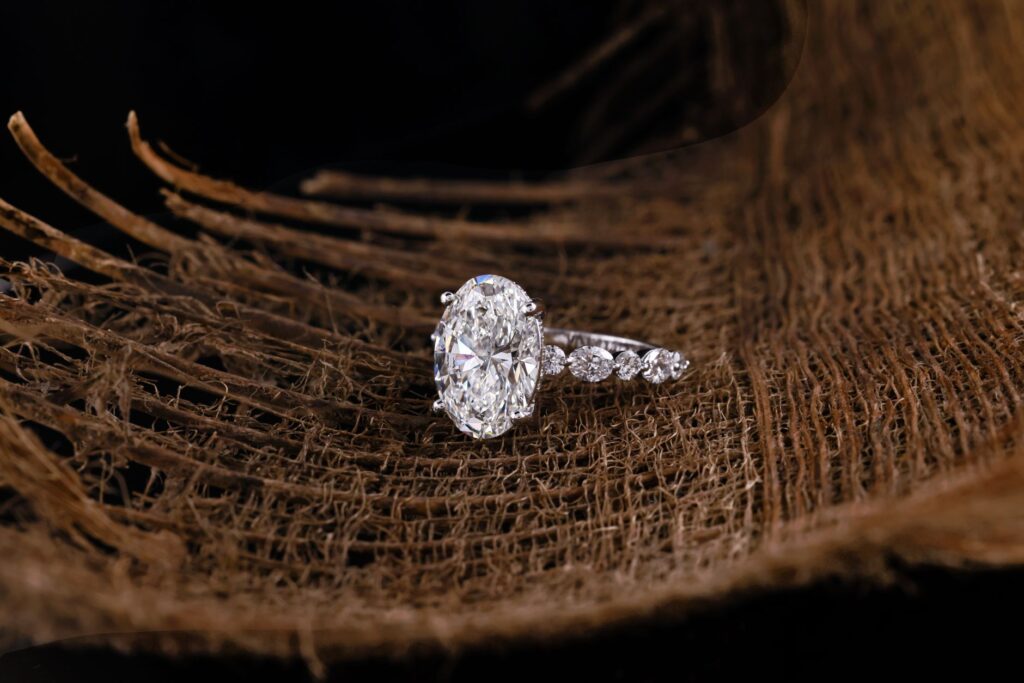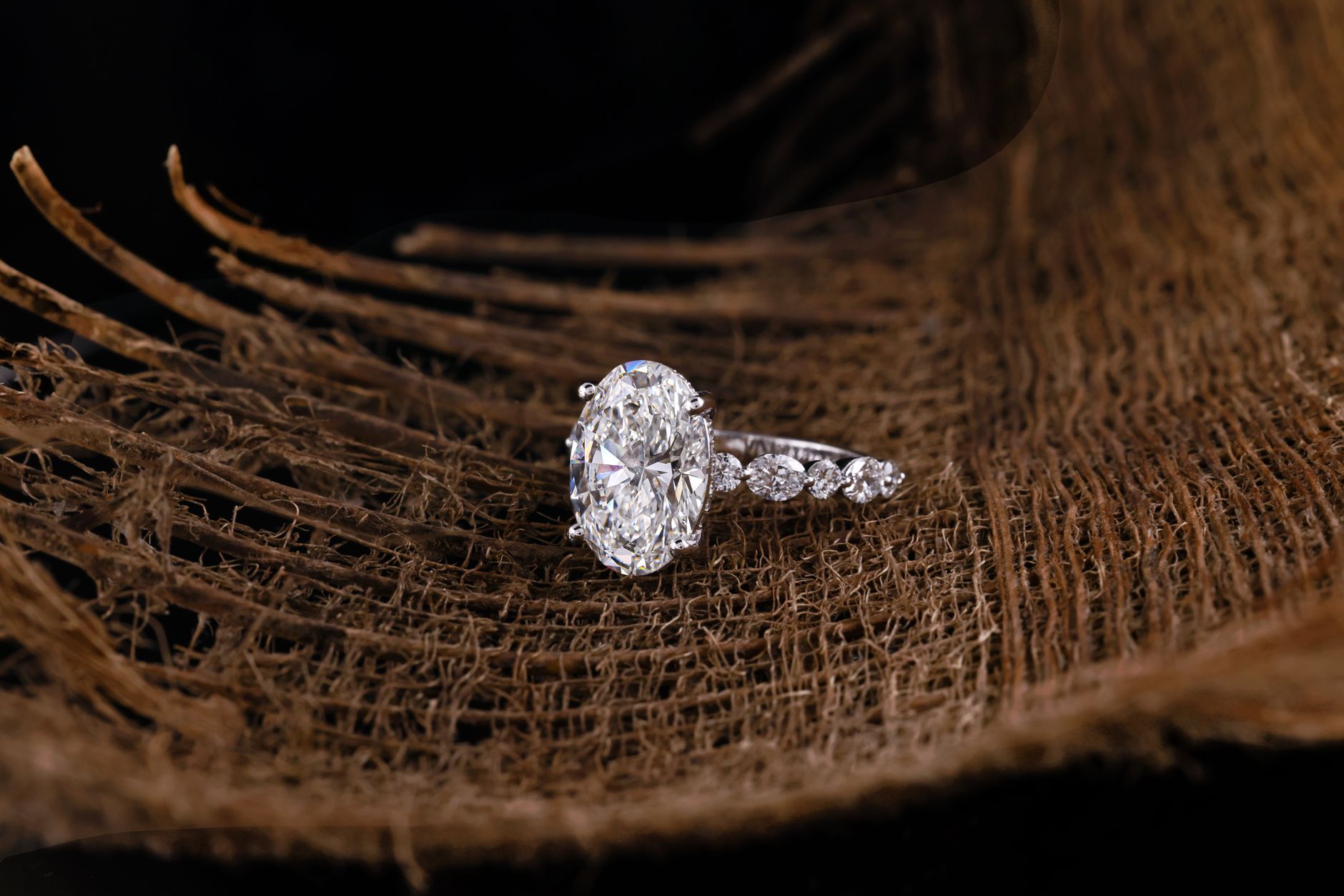
Oval diamonds are one of the most talked-about diamond shapes in today’s engagement ring market, and for good reason. They combine a bright, elongated look with a soft outline that many buyers find elegant and flattering on the hand. At the same time, they are not the right choice for every shopper, and the answer to Are Oval Diamonds Worth Buying depends on what you value most: appearance, price, finger coverage, sparkle style, or long-term practicality.
For many buyers, oval diamonds offer a strong balance of beauty and value. They often appear larger than round diamonds of the same carat weight, and they can deliver a graceful look without the premium associated with some more traditional shapes. But ovals also come with trade-offs, including the potential for a bow tie effect, more variation in cut quality, and less standardized appearance than round brilliants.
This guide explains how oval diamonds look, what affects their performance, where they shine, and where they can disappoint. It also compares them with other popular diamond shapes so you can decide whether an oval diamond fits your budget and style.
Quick Answer
Oval diamonds can absolutely be worth buying if you like their elongated shape, want a diamond that may look larger than its carat weight suggests, and prefer a soft, elegant outline. They are especially appealing in engagement rings because they create good finger coverage and often offer strong visual value.
That said, oval diamonds require more careful selection than round diamonds. Cut quality is less standardized, symmetry matters, and some stones show a noticeable bow tie, which is a darker area across the center of the diamond. If you want the most predictable sparkle and easiest buying process, a round brilliant is simpler. If you want a distinctive yet classic look, an oval can be an excellent choice.
What Makes Oval Diamonds Different?
Oval diamonds are a modified brilliant-cut shape, which means they are designed to maximize sparkle rather than display broad, mirror-like facets. Their outline is stretched into an oval rather than a circle, giving them a longer shape that often flatters the finger.
Because an oval is an elongated shape, it tends to cover more surface area than a round diamond of the same weight. This is one reason many buyers feel they get more visible size for their money. The shape also tends to look elegant in a variety of ring styles, from simple solitaires to halo and three-stone settings.
Unlike round diamonds, there is no single universal cut grade system that tells you exactly how well an oval will perform. That means buyers need to pay attention to proportions, symmetry, and face-up appearance rather than relying on a grading report alone. If you are also learning about diamond cut, this is one of the best examples of why shape-specific evaluation matters.
Key Characteristics of Oval Diamonds
Elongated Shape
The most obvious feature of an oval diamond is its stretched form. This creates a graceful look that many buyers prefer over a round outline, especially in engagement rings.
An oval can make fingers appear longer and slimmer because of its lengthwise orientation. This effect is visual rather than structural, but it is one of the main reasons ovals remain popular.
Brilliant-Cut Sparkle
Most oval diamonds are cut in a brilliant style, meaning they use many triangular and kite-shaped facets to create sparkle. This facet arrangement helps the stone return light efficiently and gives it lively brilliance.
In practical terms, oval diamonds usually offer a bright, lively appearance that works well in both natural and lab grown diamonds. The cutting style is similar in both cases, although the final look still depends on the stone’s proportions and craftsmanship.
Face-Up Size
Face-up size refers to how large the diamond looks from above. Oval diamonds often look larger than round diamonds of the same carat weight because they spread that weight over a longer area.
This does not change the actual carat weight, but it can affect perceived value. Buyers who want a noticeable center stone without moving up in carat weight often consider ovals for this reason.
Bow Tie Potential
Many oval diamonds show some degree of bow tie, which is a dark shadow across the middle of the stone caused by light leakage. A slight bow tie is common and not always a problem. A strong bow tie, however, can reduce beauty and make the center of the diamond look dull.
Bow tie severity depends on the cut proportions and how the stone handles light. It is one of the most important things to check when evaluating oval diamonds in person or through high-quality videos.
Proportion Sensitivity
Oval diamonds can vary noticeably from one stone to another even when they share the same carat weight and clarity grade. Length-to-width ratio, depth, table size, and facet arrangement all influence the final look.
This means two oval diamonds with similar grading reports may still look very different. Buyers should compare actual images or video rather than relying only on the certificate.
Appearance and Visual Performance
How Oval Diamonds Sparkle
Oval diamonds generally provide strong brilliance, which is the white light return that makes a diamond look bright. Because they are brilliant-cut stones, they tend to have a lively, animated appearance under movement and lighting changes.
They can also show decent fire, which is the colored flashes of light you sometimes see in a diamond. Fire is usually more noticeable in certain lighting conditions, while brilliance is the more dominant effect in everyday wear.
Scintillation, the sparkle you see when a diamond moves, is another strength of well-cut ovals. The facet pattern can create attractive flashes across the stone, although poor symmetry or weak proportions can make the pattern look uneven.
Why Some Ovals Look Better Than Others
The biggest reason oval diamonds vary so much in appearance is that cut quality is not controlled as tightly as it is for round brilliants. There is no single ideal formula that guarantees beauty. Instead, good ovals typically balance length, width, depth, and facet placement in a way that supports even brightness and a pleasing outline.
Some ovals look slim and elegant, while others look wider and more rounded. Neither is automatically better. The best choice depends on personal preference, ring design, and how the stone looks on the hand.
Length-to-Width Ratio
Length-to-width ratio is one of the most discussed proportions for oval diamonds. It describes how long the stone is compared with how wide it is. For example, a ratio around 1.35 to 1.50 is often considered a classic oval look, though personal taste varies.
A lower ratio gives a wider, fuller oval. A higher ratio creates a longer, slimmer appearance. Buyers who want a soft, traditional oval often prefer the middle range, while those seeking a more elongated look may choose a higher ratio.
| Length-to-Width Ratio | General Look | Buyer Impression |
|---|---|---|
| 1.25 to 1.34 | Shorter, fuller oval | Subtle and rounded |
| 1.35 to 1.50 | Classic oval shape | Balanced and traditional |
| 1.51 and above | Longer, narrower oval | More elongated and slender |
Bow Tie Effect Explained
The bow tie effect is one of the most important visual issues in oval diamonds. It appears as a darker band across the center, usually shaped somewhat like a bow tie. It happens because certain parts of the diamond are not reflecting light back to the viewer.
A minimal bow tie may be acceptable if the stone still looks lively overall. A heavy bow tie can be distracting and may make the diamond seem dull in the middle. This is why videos and direct observation are so useful when shopping for ovals.
Advantages of Oval Diamonds
They Often Look Larger Than Their Carat Weight
One of the strongest reasons buyers choose oval diamonds is visual spread. Because of their shape, they often cover more surface area than round diamonds of the same carat weight.
For buyers comparing diamond carat against visible size, this can be a meaningful advantage. It is not the same as actually increasing carat weight, but it can make the center stone appear more substantial on the finger.
They Offer a Flattering Finger Appearance
The elongated outline of an oval can make fingers look longer and slimmer. Many shoppers like this effect because it creates a graceful, balanced appearance on the hand.
This benefit is especially noticeable in solitaire engagement rings, where the shape has room to stand out. It can also work well in east-west settings, although the look changes significantly in that orientation.
They Work Well in Many Settings
Oval diamonds are versatile. They can look classic in a simple four-prong setting, modern in a bezel, and romantic in halo or pavé designs. Their shape also pairs well with side stones, especially tapered baguettes, pears, or round accents.
This flexibility is part of their long-term appeal. Buyers who want a shape that can fit several ring styles often view ovals as a practical option.
They Can Be Attractive in Lab Grown Diamonds
Oval lab grown diamonds are especially popular with buyers who want a larger-looking stone for a more accessible budget. Because lab grown stones often cost less than natural diamonds of comparable size and quality, shoppers may be able to choose a better cut, higher color, or higher clarity grade within the same budget.
That does not mean lab grown is automatically the better choice for everyone. Resale value, long-term market perception, and personal preference still matter. But from a visual and budget perspective, the oval shape can be a strong match for lab grown diamonds.
Disadvantages of Oval Diamonds
Cut Quality Is Harder to Judge
Unlike round diamonds, oval diamonds do not benefit from a universally recognized cut grade that tells you how well they perform. This makes shopping more nuanced. You cannot simply choose a top grading category and assume the stone will look excellent.
Instead, buyers need to inspect proportions, symmetry, and visual light performance. That extra step can feel overwhelming for first-time shoppers.
They May Show Bow Tie
The bow tie effect is one of the most common reasons an oval diamond disappoints a buyer. Some stones show only a faint shadow, while others have a strong dark band that remains visible in many lighting conditions.
If the bow tie is too strong, it can reduce the diamond’s beauty and make the center area seem less bright. This is a key reason why buying based on certificate alone is risky for this shape.
Inclusion Placement Can Be More Noticeable
Because oval diamonds have a large face-up surface, inclusions in the center may be easier to spot than in some other shapes. This is especially true when the stone has a broad table or when the imperfections sit near the middle.
For that reason, many buyers prefer eye-clean stones with at least a moderately high clarity grade, though the exact requirement depends on size, magnification behavior, and setting style. If you are comparing grades, it helps to understand diamond clarity grades in practical terms rather than focusing only on the report.
They Can Look Slightly Less Traditional Than a Round Diamond
Oval diamonds are popular, but they are still a shape choice. For some buyers, that is part of the appeal. For others, a round brilliant feels more timeless or conservative.
If your priority is maximum standardization and universal familiarity, the round shape remains the benchmark. If you want something softer and a bit more distinctive without becoming too unusual, oval is a middle-ground choice.
Who Oval Diamonds Are Best For
Buyers Who Want a Larger-Looking Center Stone
Oval diamonds are often a good fit for shoppers who want a stone that appears larger than a similarly weighted round diamond. This makes them attractive for buyers who are balancing size expectations with a fixed budget.
That can be especially helpful in engagement rings where the center stone is the focal point. The elongated shape can give more visual presence without necessarily requiring a dramatic jump in carat weight.
Buyers Who Like Elongated, Elegant Shapes
If you are drawn to graceful lines and a softer outline, oval diamonds may suit your style very well. Their shape is classic enough to feel familiar, but distinct enough to stand apart from a round diamond.
They also tend to feel versatile across different ring styles, making them a practical choice for buyers who want design flexibility.
Buyers Who Are Comfortable Evaluating Individual Stones
Oval diamonds reward careful selection. Shoppers who are willing to compare real images, ask questions about proportions, and study the bow tie effect often have a better buying experience.
If you prefer a simpler process with more predictable outcomes, another shape may feel easier. But if you enjoy choosing a stone based on actual appearance, oval offers useful room for personalization.
How Oval Diamonds Compare to Other Popular Shapes
Comparison is one of the best ways to decide whether an oval is worth buying. The shape’s strengths become clearer when placed alongside other common options.
| Shape | Main Visual Character | Sparkle Style | Size Appearance | Buying Notes |
|---|---|---|---|---|
| Oval | Elongated, elegant, soft outline | Bright brilliant sparkle | Often looks large for weight | Watch for bow tie and proportion quality |
| Round | Classic, symmetrical, traditional | Highest consistency in brilliance | Good, but less spread than oval | Easiest shape to buy with standardized cut grading |
| Pear | Teardrop shape with pointed end | Brilliant sparkle, often similar to oval | Strong visual length | Point protection is important, and bow tie can also occur |
| Marquise | Very long, dramatic, pointed at both ends | Can be lively, but more dependent on cut quality | Usually looks very large face-up | Can feel vintage or bold, but more prone to visible tips |
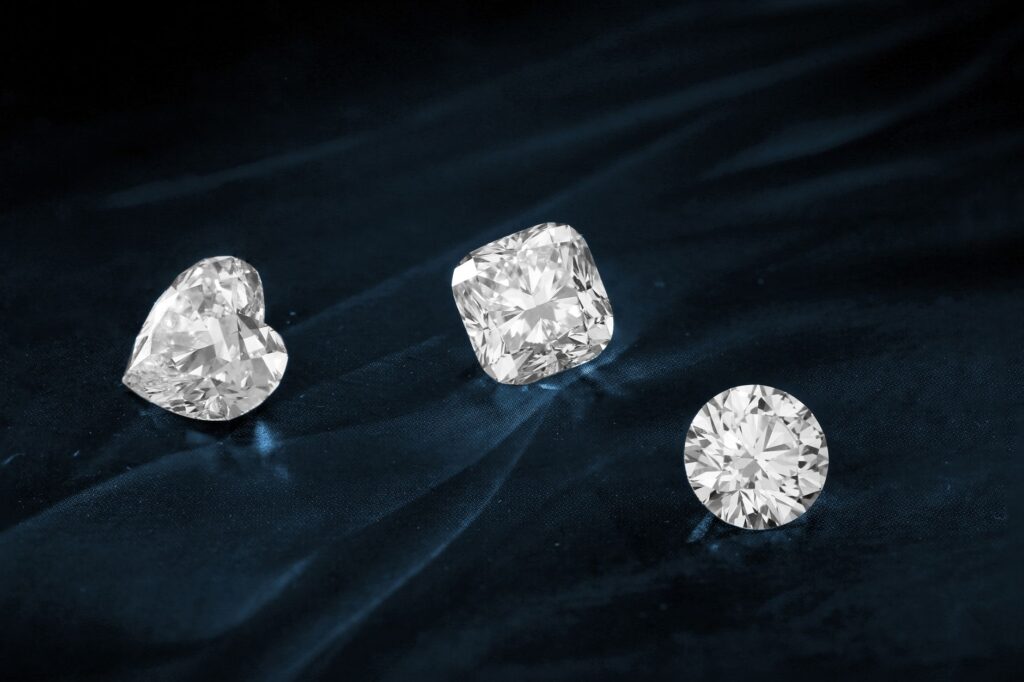
| Cushion | Soft square or rectangular outline | Varies from chunky flashes to more crushed ice sparkle | Can look smaller or larger depending on ratio | More style variation, often chosen for romantic appeal |
| Emerald | Rectangular with open, step-cut facets | Subtle flashes rather than intense sparkle | Large face-up appearance | Clarity and color are often more visible because of open facets |
Oval vs Round Diamond
Round diamonds are still the most standardized and easiest shape to evaluate. Their cut performance is more predictable, and buyers can rely on established grading systems more confidently.
Oval diamonds can offer more finger coverage and a more distinctive look, but they require more scrutiny. If your top priority is maximum sparkle consistency, round usually wins. If you want a larger-looking diamond with a softer outline, oval may be the better fit.
Oval vs Pear Diamond
Pear-shaped diamonds share some traits with ovals, including an elongated look and strong visual presence. Both can make the finger appear longer.
The main difference is the pointed tip on a pear diamond. Some buyers love the more distinctive shape, while others prefer the smoother symmetry of an oval. Pears can also show bow tie, and the tip may need more protection in daily wear.
Oval vs Emerald Cut
Oval diamonds are brilliant cuts, so they are designed for sparkle. Emerald cuts are step cuts, meaning they produce long flashes of light and a more glassy, elegant appearance rather than intense sparkle.
If you want lively brilliance, oval is the better match. If you prefer a refined, architectural look and do not mind that inclusions may be easier to see, emerald may be more appealing.
Oval vs Cushion Cut
Cushion cuts have a softer square outline and often produce a different kind of sparkle pattern. Some cushions show broader flashes of light, while others create a more “crushed ice” look with many smaller sparkles.
Oval is more streamlined and elongated, which often creates a more flattering finger appearance. Cushion may feel softer and more vintage-inspired, while oval tends to read as sleek and modern.
Important Buying Considerations for Oval Diamonds
1. Evaluate the Diamond in Real Images or Video
This is especially important for ovals. Since the shape can vary so much, viewing actual images helps you judge brightness, bow tie severity, symmetry, and overall balance.
A grading report alone will not tell you whether the stone has a pleasing visual pattern. The best practice is to combine certification with visual inspection, especially for online shopping.
2. Pay Attention to Length-to-Width Ratio
Ratio affects personality. A more balanced oval may feel classic and approachable, while a longer ratio creates a slimmer, more dramatic look.
There is no universally correct ratio. The right choice depends on what you want the stone to look like on the hand and how it will pair with your ring setting.
3. Check for Bow Tie in Different Lighting
Not all bow ties are the same. Some are faint and only visible in certain conditions. Others are strong enough to draw your eye immediately.
Ask to see the diamond in natural light, indoor light, and movement if possible. A diamond that looks good in one setting but dark in another may not be the best choice.
4. Choose Clarity Based on Visibility, Not Just the Grade
For oval diamonds, clarity should be judged by how visible the inclusions are, not just the number on the report. Inclusions near the center are more likely to be noticed than those closer to the edges or hidden under prongs.
Many buyers find that eye-clean VS2 or SI1 stones can offer strong value, especially in lab grown diamonds where higher grades may be more accessible. The best choice depends on the actual stone, not just the grade on paper.
5. Think About Color Sensitivity
Oval diamonds can show body color more or less depending on their proportions, size, and setting. Larger stones often reveal color more easily than smaller ones, especially near the tips and edges.
If you prefer a bright, colorless look, you may want to consider a higher color grade. If you are flexible and the setting helps mask warmth, a slightly lower grade may still look very good. It helps to understand diamond color grades before deciding.
6. Match the Setting to the Shape
The setting can influence how the diamond performs and how durable it feels in daily wear. Four-prong and six-prong settings are common, while bezel settings can provide extra protection and a modern look.
Because ovals have curved outlines and no pointed corners, they are generally less vulnerable to chipping than pointed shapes such as pears or marquises. That makes them a practical choice for active daily wear, though any diamond ring still needs reasonable care.
7. Consider Budget in Relation to Cut Quality
It is often smarter to choose a well-cut oval with a slightly lower color or clarity grade than to buy a larger but poorly performing stone. A diamond that looks bright and balanced will usually feel more satisfying than one that is technically larger but visually weak.
This is especially relevant when comparing natural and lab grown diamonds. Lab grown can sometimes allow buyers to prioritize cut quality while still staying within budget.
How Oval Diamonds Perform in Daily Wear
For an engagement ring, daily wear matters as much as appearance. Oval diamonds are generally practical because they do not have sharp points, which reduces the risk of tip damage compared with some other shapes.
They are also comfortable for many people because the outline is smooth and less angular. However, the stone’s height, setting style, and prong placement all affect how secure and wearable the ring feels.
If you lead an active lifestyle or work with your hands often, a lower profile setting may be worth considering. You should also think about routine maintenance and cleaning, since brilliance can appear diminished when oils and residue build up on the surface.
Common Mistakes Buyers Make With Oval Diamonds
Buying by Carat Weight Alone
Carat weight is important, but it does not guarantee beauty. Two oval diamonds with the same carat weight can look very different if their proportions or light performance differ.
A slightly smaller stone with better spread and more even brightness may actually look better than a heavier one with an awkward shape or strong bow tie.
Ignoring the Bow Tie Effect
Some buyers focus on price and size while overlooking the dark band across the middle. This is one of the easiest ways to end up with an oval diamond that looks less lively than expected.
Always inspect the center area carefully. If the stone looks consistently dark in the middle, it may not be the best option even if the grading report appears favorable.
Assuming All Oval Diamonds Are Similar
Oval diamonds have wide visual variation. One can look elegant and balanced, while another of the same grade may appear stretched, uneven, or lifeless.
This is why shopper education matters so much. Shape guides, videos, and side-by-side comparisons are more useful for ovals than for many other shapes.
Overlooking Setting Compatibility
A ring setting can make an oval diamond look better or worse. A setting that is too narrow may exaggerate length, while a halo can change the appearance of proportions and make the stone seem larger.
Before buying, think about how the diamond will look once mounted. The loose stone may not represent the final ring exactly, but it can still give you a good idea of the overall effect.
Not Comparing Lab Grown and Natural Options
Many shoppers choose an oval because they want a bigger-looking stone. That is where comparing natural and lab grown diamonds can be especially useful, since lab grown may provide a larger or higher-graded stone for the same budget.
Resale and long-term market differences still exist, so the decision should be based on your priorities. But for buyers focused on appearance and upfront value, lab grown oval diamonds are worth serious consideration.
Are Oval Diamonds Worth Buying for Engagement Rings?
For many buyers, yes, oval diamonds are worth buying for engagement rings. They offer a flattering shape, strong sparkle, and often excellent face-up size. They can feel both current and classic, which helps them remain relevant across changing style trends.
The key is understanding that value comes from more than size alone. A well-cut oval with balanced proportions and minimal bow tie can be a very satisfying purchase. A poorly cut oval, even at an attractive price, may disappoint once worn daily.
That balance of style, spread, and visual presence is why ovals are one of the most searched diamond shapes in the market today. They are not the easiest shape to buy, but they can reward careful shoppers with a very attractive result.
Current Style Trends and Long-Term Appeal
Oval diamonds have strong current popularity, especially in solitaire engagement rings and modern vintage-inspired designs. Their look photographs well, complements many hand shapes, and pairs easily with both minimal and decorative settings.
At the same time, their appeal is not purely trend-driven. Elongated diamond shapes have been popular in jewelry for decades, and ovals have enough classic character to avoid feeling overly temporary. That gives them better long-term style durability than some more fashion-forward cuts.
Still, popularity can influence perception. When a shape is widely seen, some buyers feel more confident choosing it, while others want something less common. Both reactions are reasonable.
Frequently Asked Questions
Do oval diamonds sparkle as much as round diamonds?
Round diamonds usually deliver the most consistent sparkle because their facet pattern is optimized and standardized. Oval diamonds can still be very brilliant, but the sparkle quality depends more heavily on the individual stone’s cut.
Why do some oval diamonds have a dark center?
That dark area is usually the bow tie effect. It happens when certain parts of the stone do not return light evenly. A mild bow tie may be acceptable, but a strong one can reduce brightness and visual appeal.
Do oval diamonds look bigger than round diamonds?
Often, yes. Oval diamonds tend to have more visible spread, so they may look larger face-up than round diamonds of the same carat weight. The effect depends on the stone’s proportions and setting.
What length-to-width ratio is best for an oval diamond?
There is no single best ratio. Many buyers like ratios around 1.35 to 1.50 because they create a classic oval look. If you want a longer, slimmer shape, you may prefer a higher ratio.
Are oval diamonds more affordable than round diamonds?
They can be, though pricing varies by quality, size, and market conditions. In many cases, buyers may get more visible size for the money with an oval than with a round diamond. That does not always mean a lower total price, but it can mean stronger visual value.
Are oval diamonds a good choice for lab grown stones?
Yes, oval lab grown diamonds are often a practical choice for buyers who want larger appearance or better grades within a set budget. The shape works well with lab grown pricing, though the same care in evaluating cut quality still applies.
Do oval diamonds hide inclusions well?
Sometimes, but not always. Inclusions near the edge may be easier to hide in prong settings, while central inclusions can be more visible because the shape has a broad face-up surface. Eye-clean evaluation is more useful than relying only on the clarity grade.
Are oval diamonds timeless or trendy?
They are both. Oval diamonds are popular right now, but they also have enough classic structure to remain appealing over time. Their elongated shape has lasting style value, especially in simple and elegant settings.
Conclusion
Oval diamonds are worth buying for many shoppers, but they are best chosen with care. They offer a flattering shape, strong face-up size, and a bright, elegant appearance that works well in engagement rings and other fine jewelry. At the same time, they require closer inspection than round diamonds because cut quality, bow tie, and proportions can vary widely from stone to stone.
If your goal is a diamond that looks graceful, appears larger than its weight suggests, and offers strong style flexibility, an oval can be an excellent option. If you prefer the simplest buying process or want the most standardized performance, a round diamond may still be the better fit.
The smartest approach is to compare actual stones, not just reports. Pay attention to shape, brightness, ratio, clarity visibility, and color appearance, and consider how the diamond will look in the setting you plan to wear every day. That is the most reliable way to decide whether an oval diamond is right for you.