A size 7 finger sits close to the middle of the common ring-size range, which makes it a useful reference point for judging how large a diamond will actually look. A stone that appears substantial on a size 4 finger can look more modest on a size 7, while a diamond that seems small in a showroom tray may look balanced and elegant once it is set and worn daily.
That is why the search for the best diamond size for size 7 finger is really about proportion, not just carat weight. Buyers usually want a diamond that looks noticeable without feeling oversized, top-heavy, or unnecessarily expensive. The right size depends on finger coverage, shape, setting style, budget, and personal taste.
This guide explains what tends to look balanced on a size 7 finger, how different carat weights compare in real life, and where buyers often spend more than they need to for only a small visual gain.
Quick Answer
For a size 7 finger, a round diamond around 1.0 to 1.5 carats is often the sweet spot for balanced visual presence. In many cases:
- 0.70 to 0.90 carat looks delicate to modest
- 1.00 to 1.25 carats looks classic and well-proportioned
- 1.30 to 1.75 carats looks more prominent and noticeable
- 2.00 carats and above creates a bold look on most size 7 fingers
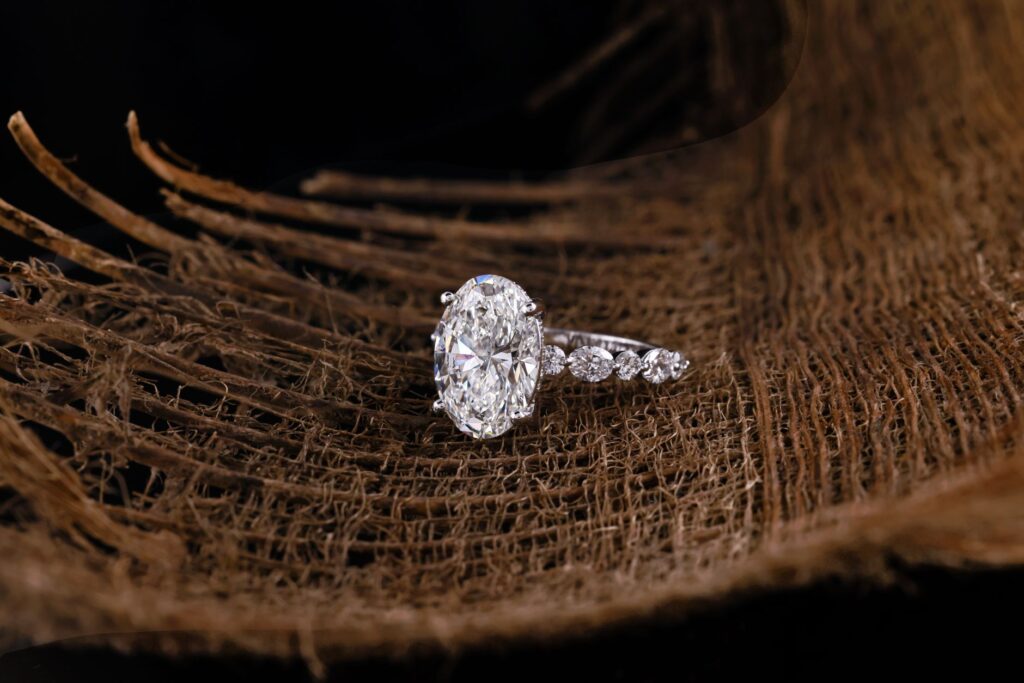
If the diamond is an oval, pear, marquise, or elongated radiant, it can appear larger than a round of the same carat weight because it spreads more across the finger. That means a 1.0 carat oval may deliver a similar visual impact to a slightly heavier round.
For many buyers, the best value range is not necessarily the largest stone they can afford. It is often the size that gives strong finger coverage while staying well-cut, visually balanced, and comfortable for everyday wear.
Understanding the Carat Concept
What carat actually means
Carat is a weight measurement, not a direct size measurement. One carat equals 0.2 grams. This matters because two diamonds can weigh the same but look different from the top.
Buyers often assume a higher carat number automatically means a much larger-looking diamond. In reality, appearance depends on how that weight is distributed through the stone. Some diamonds carry more weight in depth, which means more of the carat weight is hidden where you cannot see it face-up.
What face-up size means
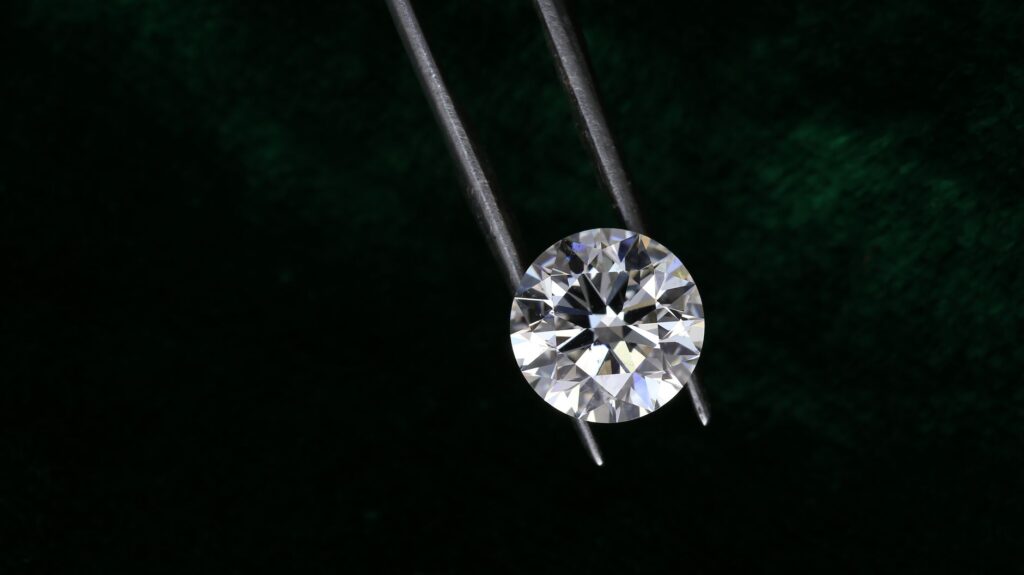
Face-up size is how large the diamond looks when viewed from above, which is the angle people usually see in a ring. This is the visual size that matters most in everyday wear.
For round diamonds, face-up size is commonly described by diameter in millimeters. For fancy shapes such as oval or emerald, you look at length and width measurements. A diamond with better spread can look larger without necessarily weighing more.
Why measurements matter more than carat alone
Suppose you compare two round diamonds that both weigh 1.00 carat. One measures 6.2 mm and the other 6.5 mm. On paper they sound the same, but the 6.5 mm stone will usually look larger because it presents more visible surface area.
This is why experienced buyers look at:
- Carat weight
- Millimeter measurements
- Shape
- Cut quality
- Depth and proportions
All of these factors affect the size impression on a size 7 finger.
What Buyers Usually Expect
Expecting a carat number to tell the full story
A common assumption is that there is a single ideal carat weight for each finger size. In practice, there is a range that tends to look balanced, and the final result depends heavily on shape and setting.
On a size 7 finger, some buyers picture 1 carat as large, while others imagine it as modest. Both reactions can be understandable. A 1 carat round is noticeable and classic, but it is not usually a dramatic statement size on a size 7 finger.
Underestimating how finger size affects appearance
The same diamond looks different on different hands. A 1 carat round can look substantial on a smaller finger and more moderate on a larger one. Size 7 is not unusually large, but it does mean the diamond needs a bit more spread to create the same finger coverage it would have on a smaller size.
That does not mean a buyer with a size 7 finger needs a large diamond. It simply means proportion should be evaluated honestly, using measurements and visual expectations rather than carat alone.
Assuming bigger always looks better
Some buyers start with the idea that the best diamond size for size 7 finger is simply the biggest stone that fits the budget. That approach can create trade-offs that are not always worthwhile, such as compromising cut quality, choosing a visibly tinted stone, or buying a ring that feels impractical for daily wear.
A diamond that is too deep, too high-set, or too wide for the wearer’s lifestyle may not feel like the best choice long term. Balance matters as much as size.
What It Actually Looks Like on a Size 7 Finger
General visual scale for round diamonds
Below is a practical reference for how common round diamond sizes tend to look on a size 7 finger. These are approximate impressions, not strict rules.
| Round Diamond Weight | Approximate Diameter | Visual Impression on Size 7 Finger |
|---|---|---|
| 0.50 carat | About 5.1 mm | Small, delicate, understated |
| 0.70 carat | About 5.7 mm | Modest, refined, noticeable but not bold |
| 0.90 carat | About 6.2 mm | Balanced, close to classic 1 carat look |
| 1.00 carat | About 6.4 to 6.5 mm | Classic center stone size, well-proportioned |
| 1.25 carat | About 6.9 mm | Noticeably larger, strong presence |
| 1.50 carat | About 7.3 to 7.4 mm | Prominent, impressive without being extreme |
| 2.00 carats | About 8.1 mm | Bold, statement look on most size 7 fingers |
How much finger coverage looks balanced
There is no official coverage percentage that defines the best look, but buyers often respond well to a stone that looks centered and proportional rather than too tiny or too dominant. On a size 7 finger, round diamonds around 1.0 to 1.5 carats usually create that middle ground.
At under 0.70 carat, a round diamond can still be beautiful, but it will read as more subtle. At 2 carats or more, the ring begins to move into stronger visual territory, especially in a solitaire setting.
What elongated shapes look like
Fancy shapes can change the equation. Ovals, pears, marquises, and elongated cushions or radiants usually look larger per carat because they have more length and often more visible spread across the finger.
For a size 7 finger, this means:
- A 1.0 carat oval may look a bit larger than a 1.0 carat round
- A 1.25 carat pear may give strong finger coverage with a slimming effect
- A marquise can create one of the largest visual appearances for its carat weight
- An emerald cut may look elegant and elongated, but its broad open table can make inclusions and color easier to see
Because shape changes visual size so much, the best diamond size for size 7 finger cannot be answered by carat weight alone.
Factors That Change Apparent Size
Shape
Shape is one of the biggest factors in size perception. Round diamonds usually carry more weight below the surface than elongated shapes, so they often appear smaller face-up than ovals, pears, and marquises of the same weight.
Here is a general guide to visual spread:
| Shape | Typical Face-Up Size Effect | Notes |
|---|---|---|
| Round | Baseline reference | Classic, balanced, often not the largest-looking per carat |
| Oval | Looks larger | Elongated appearance, flattering on size 7 fingers |
| Pear | Looks larger | Length adds coverage, pointed tip requires protection |
| Marquise | Looks much larger | One of the strongest spread shapes |
| Emerald | Can look large lengthwise | Step cut, less sparkle than brilliant cuts |
| Cushion | Often looks smaller | Rounded corners and deeper builds can reduce spread |
| Princess | Moderate to slightly smaller | Square shape can look compact for weight |
Cut quality
Cut refers to how well a diamond’s proportions and facet arrangement handle light. It affects sparkle, brightness, and sometimes visible size. A well-cut diamond often looks more lively and more impressive, even if it is not technically larger.
Shoppers sometimes chase size by choosing a stone with a poor cut and extra spread. That can backfire. A diamond that looks flat, dark, or glassy may measure larger but appear less attractive overall.
Depth and proportions
A deep diamond hides weight in the lower portion of the stone, so it may face up smaller than expected. A shallow diamond may face up larger, but if it is too shallow it can lose brightness and life.
For that reason, buying by millimeter spread alone is not enough. The goal is a healthy balance between face-up size and good light performance.
Setting design
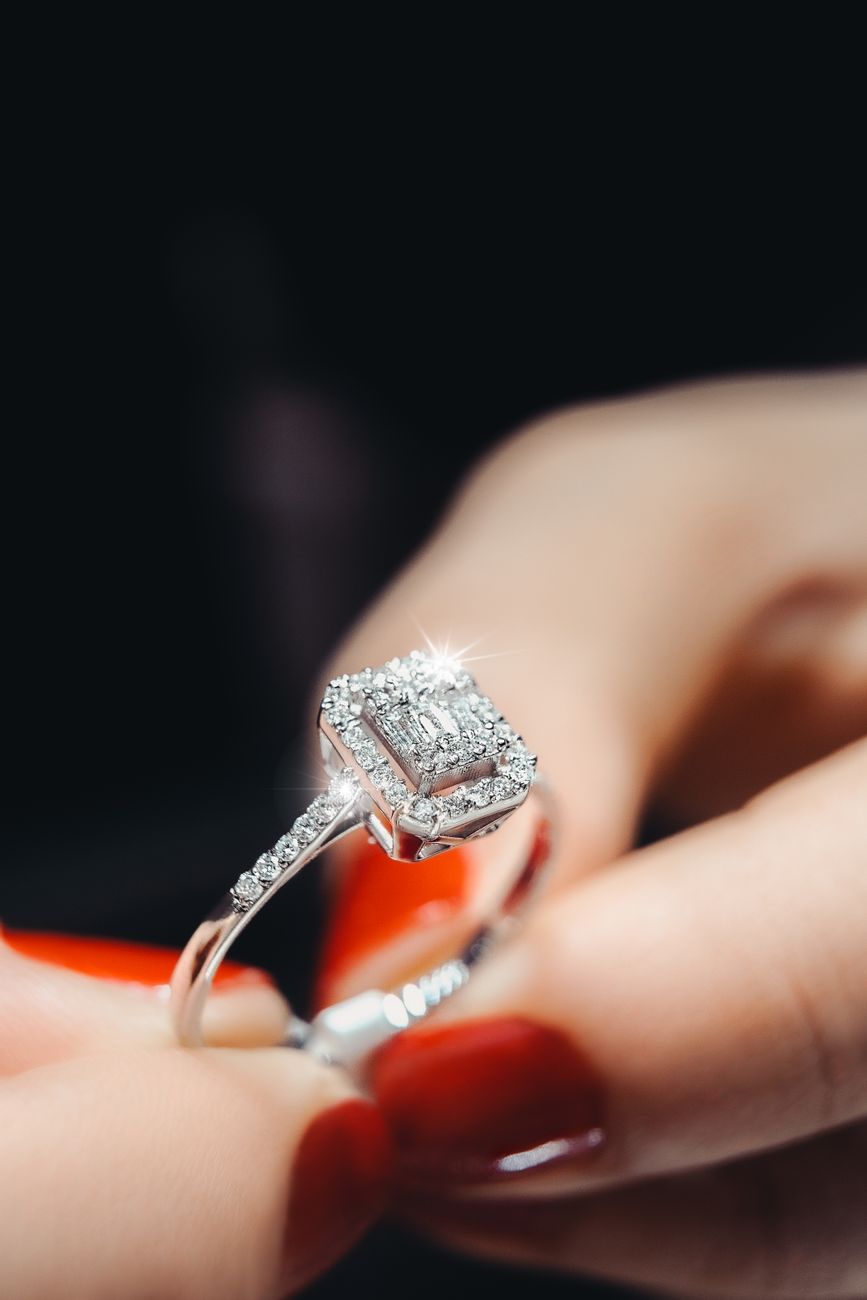
The ring setting can dramatically affect apparent size. A halo adds a border of smaller diamonds around the center, increasing total visual width. A thin band makes the center stone stand out more. A bezel can look sleek and protective, but it may slightly reduce the sense of open size compared with prongs.
On a size 7 finger:
- Thin bands usually make the center diamond look larger
- Halo settings increase overall finger coverage
- Three-stone settings create more presence across the hand
- Very wide bands can make the center look relatively smaller
Finger length and hand proportions
Two people with size 7 fingers can still have different hand proportions. One may have longer, slender fingers, while another may have shorter or wider fingers. Longer fingers often suit elongated shapes well. Wider fingers may benefit from stones with more horizontal or overall spread.
This is one reason there is no perfect universal answer. The best diamond size for size 7 finger also depends on the hand the ring will be worn on.
Real-World Size Examples
0.75 carat round on a size 7 finger
A 0.75 carat round usually measures around 5.8 mm to 5.9 mm. On a size 7 finger, it tends to look refined and modest rather than bold. It can be an excellent choice for someone who prefers understated jewelry or wants a timeless solitaire without a large center stone.
In a halo or thin-band setting, it can look more substantial. In a wide band, it may read smaller.
0.90 carat round on a size 7 finger
This is one of the strongest value sizes. A well-cut 0.90 carat round often looks very close to a 1.00 carat round once worn, especially to casual observers. The diameter difference is usually small, while price may be meaningfully lower.
On a size 7 finger, 0.90 carat generally looks balanced and clearly visible. It is often enough size for buyers who want a classic engagement ring appearance without crossing into premium carat thresholds.
1.00 carat round on a size 7 finger
A 1.00 carat round remains a benchmark because it offers a familiar and well-proportioned look. On a size 7 finger, it usually appears classic rather than oversized. It is visible, elegant, and versatile across solitaire, halo, and three-stone settings.
For many buyers, this is where the ring begins to feel substantial without becoming impractical. For others who prefer stronger presence, it may feel like a starting point rather than an end point.
1.25 carat round on a size 7 finger
This size begins to show a clearer increase in visual presence. The stone usually reaches close to 6.9 mm, which gives noticeably more finger coverage than a 1.00 carat round. It is often a sweet spot for buyers who want the ring to stand out more while still looking balanced for daily wear.
On a size 7 finger, 1.25 carats often looks intentionally substantial without entering statement territory.
1.50 carat round on a size 7 finger
A well-cut 1.50 carat round has strong presence. On a size 7 finger, it is clearly prominent and often satisfies buyers who want a larger center stone that still feels classic. This size works especially well in a simple solitaire or cathedral setting where the stone remains the focus.
It usually offers a visible jump over 1.00 carat, unlike some smaller upgrades that cost more without transforming the look.
2.00 carat round on a size 7 finger
A 2 carat round becomes a bold visual choice on most size 7 fingers. It covers much more of the finger and attracts stronger attention. This can be appealing for buyers who want a clear statement ring, but it also comes with higher cost, greater visibility of setting design, and sometimes more day-to-day practicality concerns.
For some wearers, 2 carats is ideal. For others, it may feel more formal or more prominent than they want for everyday use.
1.00 carat oval on a size 7 finger
A 1.00 carat oval often looks larger than a 1.00 carat round because of its elongated shape. On a size 7 finger, it can give elegant length and stronger coverage while staying in a manageable carat range.
This makes oval one of the most efficient shapes for buyers who prioritize face-up size. However, buyers should watch for uneven outlines and bow-tie effects, which are darker areas across the center that some ovals show.
2.00 carat oval vs 2.00 carat round on a size 7 finger
At the same weight, the oval usually appears longer and may cover more of the finger. The round usually offers a more symmetrical, balanced sparkle pattern. The oval may create a larger-looking impression, while the round often gives a more classic and evenly bright appearance.
For buyers focused primarily on visual size, oval often stretches the budget further. For buyers focused on traditional brilliance and shape consistency, round may still be preferable.
Price vs Visual Benefit
Why price jumps faster than size
Diamond prices do not increase in a straight line with visible size. The jump from 0.90 to 1.00 carat can cost much more than the eye expects, especially in natural diamonds. The visual difference may be small, but the pricing premium can be significant because 1.00 carat is a major benchmark size.
The same thing often happens at 1.50, 2.00, and other round-number thresholds. These are sometimes called magic sizes, meaning popular carat weights that command stronger prices due to demand and perception.
Where diminishing returns begin
On a size 7 finger, the move from 0.90 to 1.00 carat is often less visually important than buyers expect. The move from 1.00 to 1.25 carats is more noticeable. The move from 1.25 to 1.50 carats can also feel worthwhile if larger presence is a priority.
But each increase becomes more expensive, and not every step produces a dramatic appearance change. Buyers should ask whether the added cost creates a real-world difference they will actually appreciate.
| Upgrade | Typical Visual Difference on Size 7 Finger | Value Perspective |
|---|---|---|
| 0.90 to 1.00 carat round | Small | Often poor value if budget is tight |
| 1.00 to 1.25 carat round | Noticeable | Often worthwhile for stronger presence |
| 1.25 to 1.50 carat round | Noticeable | Can be worthwhile if size is a priority |
| 1.50 to 2.00 carat round | Strong | Usually a major budget decision |
Natural vs lab grown size decisions
Lab grown diamonds have changed how buyers think about size. A shopper who could only afford a 1.00 carat natural diamond may be able to consider a significantly larger lab grown stone at a similar budget.
This creates more choice, but it does not remove the need for balance. A larger lab grown diamond may offer excellent face-up value, but buyers should still pay attention to cut quality, color, clarity, certification, and setting practicality. A bigger stone is not automatically the better purchase if it sacrifices overall appearance or wearability.
Lab grown diamonds can be especially useful for buyers with a size 7 finger who want:
- 1.50 carats or larger without entering a very high budget
- A larger elongated shape for more finger coverage
- Better color and clarity at a given size budget
At the same time, buyers should understand that lab grown and natural diamonds often have different resale expectations. That may or may not matter depending on the reason for purchase.
Who Should Size Up
Buyers who want stronger finger coverage
If the goal is a ring that looks clearly noticeable on a size 7 finger, moving above 1.00 carat often makes sense. Around 1.25 to 1.50 carats in round, or slightly less in elongated shapes, can create a more prominent look without becoming overwhelming.
Buyers choosing compact shapes
Some shapes, such as cushion and princess cuts, can face up smaller for their weight. Buyers selecting these shapes may want to size up slightly if visible spread is important.
Buyers with wider hands or broad ring designs
A broader band or wider finger profile can make a center stone look smaller by comparison. In those cases, increasing the center stone size may help maintain balance.
Buyers using lab grown diamonds to maximize visual size
For someone who prioritizes appearance over rarity or resale considerations, lab grown diamonds can make a larger center stone more realistic. This is particularly relevant for buyers who love the look of 1.5 to 2.0 carat diamonds on a size 7 finger but want to stay within a moderate budget.
Who Can Save Money
Buyers willing to stay below magic sizes
A 0.90 carat round can look very similar to a 1.00 carat round. A 1.40 carat can look close to a 1.50. A 1.80 may satisfy the same visual goal as a 2.00 for some buyers. Choosing just under a major threshold can reduce cost without changing the overall look very much.
Buyers open to elongated shapes
Oval, pear, and marquise shapes often deliver more visible size per carat. On a size 7 finger, this can be one of the most efficient ways to create stronger presence without paying for a heavier round diamond.
Buyers prioritizing cut over carat
A well-cut diamond often looks more impressive than a larger but poorly cut stone. Saving money by choosing a slightly smaller diamond and preserving quality can be the more satisfying long-term choice.
Buyers comfortable with a classic look
Not every ring needs to make a strong statement. On a size 7 finger, a well-cut diamond in the 0.90 to 1.10 carat range can look timeless, balanced, and appropriate for everyday wear. That can be a very smart value zone.
Common Buyer Mistakes
Focusing only on carat weight
This is the most common mistake. Carat tells you weight, but not how large the diamond will look. Always compare measurements and shape, not just the carat number.
Overpaying for round-number sizes
Crossing from 0.90 to 1.00 or 1.90 to 2.00 can come with a steep price increase. Unless that benchmark number matters personally, it is often worth comparing near-threshold stones.
Ignoring shape differences
A 1.00 carat oval and a 1.00 carat round do not look the same size. Comparing only by weight can lead to unrealistic expectations.
Choosing spread without beauty
Some diamonds appear larger because they are cut too shallow or too broad. If brightness and sparkle suffer, the larger measurement may not feel like a better purchase in real life.
Forgetting the setting changes the look
The same center diamond can look larger or smaller depending on halo design, band width, prong style, and overall ring architecture. Buyers who ignore the setting may misjudge the final look on the hand.
Not considering lifestyle
A ring that looks perfect in a photo may feel too high, too large, or too exposed for everyday wear. Comfort, durability, and practicality matter just as much as size.
Frequently Asked Questions
Is 1 carat big enough for a size 7 finger?
Yes. A 1 carat diamond is generally big enough to look balanced and clearly noticeable on a size 7 finger. It is usually considered a classic size, not overly small and not dramatically large.
What looks bigger on a size 7 finger, 1 carat round or 1 carat oval?
A 1 carat oval usually looks bigger because its elongated shape creates more visible spread across the finger. A 1 carat round typically has a more compact outline.
Is 2 carats too big for a size 7 finger?
Not necessarily. A 2 carat diamond often looks bold on a size 7 finger, but whether it feels too big depends on personal style, setting design, and daily lifestyle. For some, it is ideal. For others, it is more size than they want for regular wear.
What is the best value diamond size for a size 7 finger?
For many buyers, a well-cut 0.90 to 1.25 carat round offers strong value. In elongated shapes, a slightly lower carat weight may still provide excellent finger coverage. Staying just below major price thresholds can improve value further.
Should I choose a larger lab grown diamond or a smaller natural diamond?
That depends on your priorities. A larger lab grown diamond can provide more visual size for the money. A smaller natural diamond may appeal more to buyers who prioritize natural origin, market tradition, or personal preference. In terms of appearance, a larger lab grown stone often wins on size efficiency.
Does a halo make a diamond look bigger on a size 7 finger?
Yes. A halo can significantly increase the overall visual footprint of the ring. It is one of the most effective setting choices for buyers who want a larger look without increasing center-stone carat weight as much.
Can a 0.75 carat diamond look good on a size 7 finger?
Absolutely. It usually looks more delicate and understated than a 1 carat stone, but it can still look beautiful and well-proportioned, especially in a thin-band or halo setting.
How do I judge diamond size more accurately than carat?
Look at the diamond’s millimeter measurements, shape, cut quality, and the ring setting. Those factors tell you far more about real-world appearance than the carat number by itself.
Conclusion
The best diamond size for size 7 finger is usually the size that looks proportionate, suits the wearer’s style, and makes sense for the budget. For round diamonds, that often means about 1.0 to 1.5 carats. For elongated shapes, a slightly lower carat weight can still produce strong finger coverage and a larger-looking result.
The most important point is that carat weight is not the same as visible size. Shape, cut, measurements, depth, and setting all influence how large the diamond actually appears once worn. A well-cut 0.90 carat can outperform expectations, while a poorly proportioned 1.00 carat may not look as impressive as the number suggests.
For a size 7 finger, balanced choices often come from comparing real measurements, not chasing benchmark carat numbers. Buyers who understand face-up size, shape effects, and price thresholds are usually in the best position to choose a diamond that looks right, feels practical, and offers strong visual value over time.