The best diamond color for yellow gold is usually not the highest color grade. In most cases, a near-colorless diamond can look bright and clean once it is set in yellow gold, because the warm tone of the metal naturally complements a slightly warmer stone. That means many buyers can save money without giving up the appearance they care about most.
Color matters because it affects how white or warm a diamond appears, especially before it is mounted. But once a diamond is in yellow gold, the metal color can reduce how noticeable faint color differences are. For that reason, the Best Diamond Color for Yellow Gold is often a practical balance rather than the absolute top grade.
Quick Answer
If you want a simple starting point, G to I color is often the sweet spot for yellow gold in both natural and lab grown diamonds. These grades usually appear white to most people in everyday wear, especially when the diamond is not viewed against a white background or compared side by side with much higher color grades.
For buyers who want a slightly warmer look and better value, J color can also work well in yellow gold, particularly with round brilliant diamonds and smaller carat sizes. If you want a very colorless appearance or plan to use a diamond shape that shows color more easily, such as an emerald cut, moving up to F or G may make sense.
The right choice depends on the diamond shape, size, setting style, and your personal preference for brightness versus value. Yellow gold is more forgiving than white metal when it comes to color, so you often do not need to pay for the top color grades to get a beautiful result.
Understanding Diamond Color Grades
Diamond color grading refers to how much natural body color a diamond shows. On the GIA scale, which is the most widely recognized grading system, diamonds are graded from D to Z. D is considered colorless, while the scale gradually moves toward noticeable yellow or brown tint as you go lower.
For shoppers, the important point is not the letter itself. What matters is how the diamond actually looks in the setting you choose. A diamond that is graded a little lower can still appear bright and attractive, especially in yellow gold.
Colorless, Near-Colorless, and Faint Color
Diamond color grades are often grouped into broad categories:
- Colorless: D, E, F
- Near-colorless: G, H, I, J
- Faint color: K, L, M
Colorless diamonds are the whitest on paper and in controlled lighting. Near-colorless diamonds may show a slight warmth when compared directly to higher grades, but many still appear white in normal jewelry use. Faint color grades can be beautiful too, but the warmth becomes more noticeable, especially in larger stones or certain shapes.
Why Yellow Gold Changes the Conversation
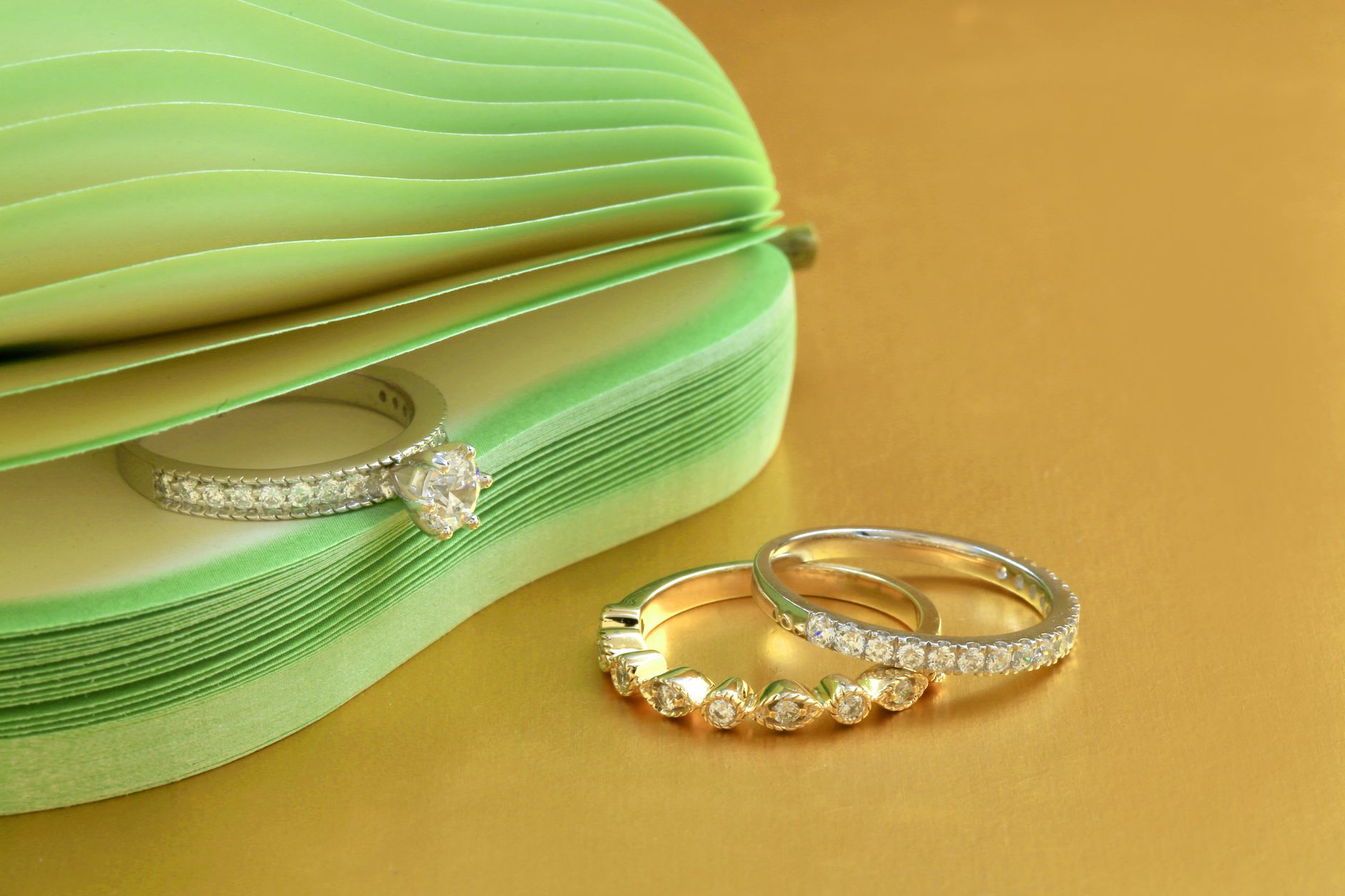
Yellow gold has a warm tone that affects how the human eye perceives the diamond next to it. Rather than emphasizing a small hint of warmth, the metal can make the stone look more harmonious. This is one reason the best diamond color for yellow gold is often lower than the grade buyers choose for white gold or platinum.
That does not mean color no longer matters. It simply means the setting can help mask mild tint, which gives buyers more flexibility. In practical terms, yellow gold often makes G, H, I, and sometimes J look very good.
What Diamond Color Actually Looks Like in Yellow Gold
Grading reports use letters, but people see appearance. In yellow gold, a well-cut diamond in the near-colorless range usually looks white from a normal viewing distance. The metal reflects warmth around the stone, so the diamond does not need to be perfectly colorless to look balanced.
The key visual question is whether the diamond looks clean and bright, not whether it earns the highest possible grade. For most buyers, that is a better way to think about color in a yellow gold ring.
D, E, and F Color in Yellow Gold
D, E, and F diamonds are colorless or very close to colorless. In yellow gold, they will still look white, but the difference between these grades and slightly lower grades is often subtle once the ring is worn. Most people will not notice a visual upgrade from G or H to D or E in everyday use.
These grades can be appropriate if you want the highest color grade available, plan to use a large center stone, or prefer the crispest possible appearance. They are not usually necessary just because the setting is yellow gold.
G and H Color in Yellow Gold
G and H are often among the most balanced choices for yellow gold. They generally look white to the naked eye, especially in round brilliant diamonds, which are better at hiding small color differences than many other shapes.
These grades tend to deliver a strong combination of appearance and value. For many buyers, this is where the extra money spent on higher color grades stops producing a meaningful visual return.
I and J Color in Yellow Gold
I and J diamonds can still look attractive in yellow gold, particularly if the diamond is well cut and not extremely large. In some lighting, you may notice a slightly warmer tone if the stone is viewed closely from the side or compared next to a higher color grade.
That warmth is not always a drawback. Some buyers prefer the softer look, especially when the setting itself is warm-toned. If value is a priority, I and J can be very sensible choices.
K Color and Below
K and lower color grades are more likely to show obvious warmth, even in yellow gold. That can be fine if you intentionally want a warmer appearance or are purchasing a vintage-inspired design where a little color is part of the style.
However, once the diamond moves further down the color scale, the tint becomes more noticeable in larger stones and some shapes. If your goal is a bright white look, most buyers will not want to go this low.
Can Most People See the Difference?
In normal wear, most people cannot easily distinguish small differences between adjacent near-colorless grades when the diamond is set in yellow gold. A side-by-side comparison under controlled lighting may reveal subtle changes, but that is not how most engagement rings are actually seen.
In daily life, the diamond is viewed on a hand, not under gemological lights. At that distance, the average observer is more likely to notice sparkle, cut quality, and size than a one- or two-grade difference in color.
Side-by-Side vs Everyday Visibility
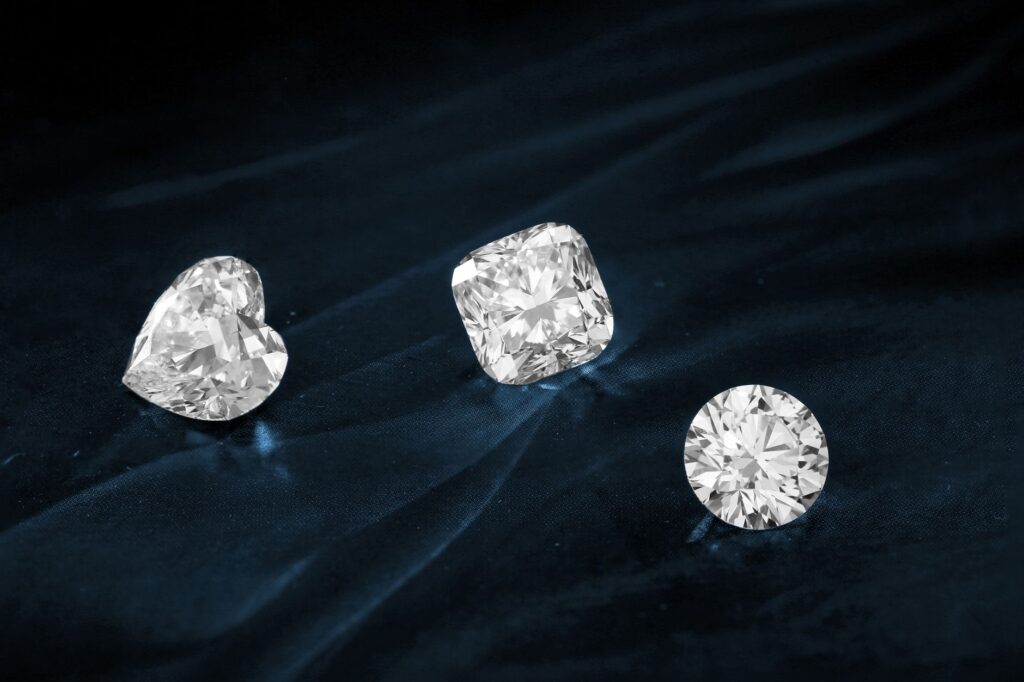
Side-by-side comparisons matter because they reveal differences that are hard to see otherwise. If you place a G, H, and I diamond next to each other on a white tray, you may notice a progression in warmth. But once those stones are mounted in yellow gold and worn naturally, the differences shrink.
This is why color grading should be treated as a guide, not a guarantee of visible contrast in real use. Buyers often overestimate how easy it is to spot small color differences once a diamond is set.
Professional Eyes vs Consumer Eyes
Gemologists and jewelers are trained to spot subtle color variations. Most consumers are not looking at diamonds under the same conditions, and they are not comparing dozens of stones every day.
That matters because some buyers pay for a higher color grade based on a difference they would never personally notice. If you are buying for appearance rather than for grading precision, the practical value of top color grades can be limited in yellow gold.
Viewing Distance Matters
A ring worn on the hand is usually seen from several inches away, sometimes farther. At that distance, slight color differences become harder to detect, especially in a setting that already has a warm tone.
Closer inspection can reveal more, but jewelry is not usually evaluated at the same distance and lighting used for lab grading. This is one reason the best diamond color for yellow gold is often a practical mid-range grade instead of a top-tier grade.
How Yellow Gold Changes Color Perception
Yellow gold adds warmth around the diamond, and that can influence how the eye reads the stone. A slightly warm diamond often looks more natural in yellow gold than it would in white gold or platinum, where any tint is easier to spot.
This does not mean the setting hides all color. It means the contrast between the stone and the metal is softer, so the diamond can look balanced even when it is not at the top of the color scale.
Why Warm Metal Is More Forgiving
Human vision tends to compare nearby colors. If a diamond is set in a warm-colored metal, the surrounding tone can make slight body color less obvious. In other words, the yellow gold gives the eye a warmer reference point.
This is especially helpful for buyers who want a pleasant-looking ring but do not want to pay for a color grade that may not produce an obvious visual benefit in that setting.
Best Shapes for Yellow Gold Color Flexibility
Some diamond shapes hide color better than others. Shapes with more sparkle and stronger faceting patterns, such as round brilliant and oval, often disguise subtle warmth more effectively than step cuts like emerald and Asscher.
That means the best diamond color for yellow gold can vary by shape:
| Diamond Shape | Color Visibility | Practical Color Range in Yellow Gold |
|---|---|---|
| Round brilliant | Low | G to I, sometimes J |
| Oval | Low to moderate | G to I |
| Princess | Moderate | G to H, sometimes I |
| Emerald cut | Higher | F to H, depending on preference |
| Asscher cut | Higher | F to H, depending on preference |
| Pear and marquise | Moderate | G to I |
These are not strict rules. They are practical guidelines based on how different cuts handle light and color.
How It Looks in Different Lighting
Lighting changes everything. A diamond may look bright and white in one environment and slightly warmer in another. That is normal, and it is one reason you should think about color in real-world terms rather than only by grade letter.
Yellow gold can help a lower color grade look better in a wider range of settings, but lighting still affects what the eye sees.
Daylight
Natural daylight is honest lighting. It can reveal subtle warmth in lower color grades more clearly than many indoor settings. In yellow gold, though, a near-colorless diamond can still look attractive and fairly white in daylight.
If you spend a lot of time outdoors or want a ring that stays visually pleasing in daylight, G to I is usually a strong range to consider.
Indoor Lighting
Indoor lighting often softens color differences. Many homes and restaurants use warm bulbs, which can make a diamond in yellow gold look especially harmonious. Under these conditions, even some J color diamonds can appear quite white to the casual observer.
This is one reason buyers are sometimes surprised that a lower grade looks better in person than expected. The grading scale does not account for the warmth of your everyday environment.
Jewelry Store Lighting
Jewelry stores often use bright, targeted lighting that increases sparkle and can make diamonds look whiter and more lively. This lighting is useful for sales displays, but it can also make it harder to judge how a diamond will appear at home.
If you are comparing stones in a store, remember that the brightest display lights may flatter all of them. Ask to see the diamond away from the most intense lighting if you want a more realistic impression.
Warm vs Cool Lighting
Warm lighting tends to make color differences less obvious. Cool lighting can make slight warmth easier to detect. Yellow gold already introduces warmth, so cool light may still reveal some tint in lower color grades, especially in larger stones.
This is another reason why there is no single perfect color grade for every buyer. The best choice depends on where and how the ring will be worn.
Price Premium vs Visual Benefit
Higher color grades usually cost more, but the visual difference is not always equally meaningful in yellow gold. That creates a classic value trade-off. At some point, you are paying for a grading improvement that may not translate into a noticeable everyday benefit.
This is especially true in lab grown diamonds, where buyers often want the best balance of size, cut, and appearance for the budget. Color is important, but it is rarely the only feature that affects how beautiful a diamond looks.
What You Pay For When You Upgrade Color
When you move from G to F, or from H to G, you are paying for a stone that is more color-precise on paper. Sometimes that upgrade is worthwhile. In yellow gold, though, the visible difference may be too small to justify the price increase for many buyers.
In larger diamonds, higher grades can become more noticeable. But for many everyday rings, the money may be better allocated toward cut quality, a better setting, or a slightly larger carat weight.
Diminishing Returns
Color upgrades follow the law of diminishing returns. The lower you go in visible difference, the more you pay for increasingly subtle improvements. In yellow gold, the gap between a higher and slightly lower near-colorless grade often shrinks further because the setting already adds warmth.
For a buyer focused on value, this is a key point. The best diamond color for yellow gold is often the grade where the stone still looks clean and white without paying a premium for a difference only experts may notice.
Which Grades Are Usually Best Value?
There is no single answer for every ring, but certain grades tend to offer especially strong value in yellow gold. In many cases, the most practical range is G to I. These grades often look white in the setting while leaving more budget flexibility for other parts of the ring.
If you want a more conservative choice, G or H is often a comfortable middle ground. If you are open to a slightly warmer stone and want the most value, I or even J can make sense in the right shape and size.
Best Value by Buyer Type
- Appearance-first buyers: G or H is usually a smart target.
- Value-conscious buyers: I or J can deliver strong beauty for less cost.
- Large center stones: Consider moving a little higher, because color can become more noticeable as size increases.
- Step-cut lovers: F, G, or H often works better because these shapes show more openness and can reveal more color.
These are practical starting points, not rigid rules. The exact balance depends on the specific diamond.
Who Should Upgrade Color?
There are situations where paying more for a higher color grade is justified. The key is whether the upgrade will create a visible difference that matters to you.
You May Want Higher Color If:
- You want the whitest appearance possible.
- You are choosing an emerald cut, Asscher cut, or another shape that shows more body color.
- Your diamond is large enough that color differences become easier to see.
- You like comparing stones closely and notice even subtle warmth.
- You plan to set the diamond in a way that exposes the stone strongly from the side.
In these cases, F or G can provide peace of mind. Some buyers simply prefer to know they chose a higher color grade, even if the visual difference is modest.
Who Can Save Money?
Many buyers can safely choose a lower color grade in yellow gold without sacrificing beauty. If you want a bright, attractive ring and do not plan to compare diamonds side by side, you may not need a premium color grade.
You Can Often Save If:
- You are choosing yellow gold and want a warm, flattering setting.
- You prefer round brilliant, oval, or another shape that hides color well.
- You want the best balance of size and sparkle for your budget.
- You are comfortable with a slightly warmer look.
- You care more about cut quality than top color grades.
For many buyers, this is where the best value lies. A well-cut G, H, I, or even J diamond in yellow gold can look excellent.
Common Buyer Mistakes
Color is easy to overthink, especially when a grading report seems to suggest that only the highest grades are acceptable. In practice, several common mistakes lead buyers to spend more than necessary.
Overpaying for Invisible Upgrades
A common mistake is paying a large premium for a higher color grade that will not look meaningfully different once the diamond is mounted in yellow gold. If the visible benefit is tiny, that money may be better spent elsewhere.
Buyers often assume the top grade must also be the best visual choice. That is not always true in colored metal settings.
Ignoring the Metal Color
Some shoppers compare diamonds as if the setting does not matter. But yellow gold changes how the stone appears, often making lower color grades more wearable. Ignoring the metal can lead to unnecessary upgrades.
A diamond that seems a little warm in a white metal setting may look completely appropriate in yellow gold.
Focusing Only on the Certificate
A grading report is important, but it does not replace visual judgment. Two diamonds with the same color grade can still look different if their cut quality, fluorescence, or shape is not the same.
Color should be considered alongside cut, clarity, and carat. A slightly lower color diamond with excellent cut can often look better than a higher color diamond with weaker proportions.
Choosing Color Without Considering Shape
Not all diamond shapes behave the same way. Step cuts tend to show more body color, while brilliant cuts hide it better. Buying the same color grade for every shape is not the most efficient approach.
If you choose an emerald cut in yellow gold, you may want a higher color than you would with a round brilliant. That is a shape-specific decision, not a universal rule.
Lab Grown Diamonds and Color in Yellow Gold
Lab grown diamonds follow the same color grading system as natural diamonds, so the same general principles apply. The difference is that lab grown diamonds are often available in higher color grades at lower price points, which can make buyers more willing to prioritize color.
That does not automatically mean everyone should buy the highest color grade. In yellow gold, the practical advantage of moving from H to D may be small for many buyers, even in the lab grown category.
Why Lab Grown Diamonds Often Come in Higher Color Grades
Lab grown diamonds are made in controlled environments, which allows manufacturers to produce many stones in the colorless and near-colorless range. As a result, shoppers often see more D, E, and F color options than they might expect compared with traditional natural diamond shopping at similar budgets.
This creates a useful buying opportunity, but it can also encourage buyers to overprioritize color simply because higher grades are easier to access.
Does Color Behave Differently in Lab Grown Diamonds?
No, not in a way that changes how the eye perceives the stone in yellow gold. A lab grown diamond with a given color grade should look similar to a natural diamond with the same grade, assuming similar cut quality and overall appearance.
What changes is the price structure and availability, not the basic visual behavior of color in the setting.
Should Lab Grown Buyers Upgrade Color?
Sometimes, but not automatically. Because lab grown diamonds often cost less, some buyers choose higher color grades simply because they can. That can be reasonable, especially if the budget still allows for strong cut quality.
But in yellow gold, the value question remains the same. If a G, H, or I diamond already looks white enough to you, paying more for D or E may not create a noticeable improvement.
Best Diamond Color for Yellow Gold by Setting Style
The setting can influence how color appears just as much as the metal itself. A thin yellow gold band, a halo, or a bezel setting can each change the visual balance around the diamond.
Solitaire Settings
Solitaire settings show the diamond clearly, so color matters a little more than in more decorative designs. Even so, yellow gold still softens the appearance of lower color grades. G to I is often a practical range for a solitaire in yellow gold.
Halo Settings
Halos can make the center stone appear larger and brighter, but the small surrounding stones are often very white. That contrast can make the center diamond’s color more noticeable if it is too low. In yellow gold halo settings, G or H is often a comfortable choice.
Bezel Settings
Bezel settings wrap metal around the diamond and can slightly reduce how much of the stone is exposed. This can help hide minor warmth. For that reason, bezel-set diamonds in yellow gold can sometimes work well at slightly lower color grades.
Three-Stone Settings
With side stones, matching matters. If the side diamonds are very white, a warmer center stone may stand out more. In yellow gold, G to H is often a safe middle ground, though the exact choice depends on the side stone color and overall design.
How Diamond Cut Affects Color Appearance
Cut has a major impact on how much color you actually notice. A well-cut diamond returns more light to the eye, which can help mask slight body color. A poorly cut diamond may look duller and make color more obvious.
This is one of the most important practical points in diamond buying. If you are trying to choose between a slightly higher color and a stronger cut, cut often deserves more attention because it influences sparkle and brightness at the same time.
Why Sparkle Can Hide Color
Bright flashes of light interrupt the view of body color. When a diamond is lively and well proportioned, your eye is more focused on sparkle than on the subtle tint inside the stone.
That is why an excellent cut can make a lower color grade look better than expected. In yellow gold, the effect is even stronger because the setting already supports a warmer appearance.
Practical Buying Advice
If you are shopping for a diamond in yellow gold, start with a simple question: how white do you need the stone to look in everyday wear? The answer will help you avoid overbuying color.
For many buyers, the best approach is to begin around G or H and then adjust based on shape, size, and personal preference. If budget is tighter or the setting is especially warm, I or J may still look excellent. If you want the brightest possible look or are choosing a more color-revealing shape, consider F or G.
A Simple Decision Guide
- Want maximum whiteness: Choose F to G.
- Want strong value and a white look: Choose G to H.
- Want the best budget balance in yellow gold: Consider I to J.
- Buying a step cut or large center stone: Lean a little higher in color.
These ranges are especially useful for lab grown diamonds, where size and cut quality are often major priorities. The goal is to choose a diamond that looks right to you, not to chase a letter grade you may never notice.
Frequently Asked Questions
Is G color good for yellow gold?
Yes. G color is one of the most popular and practical choices for yellow gold because it usually looks white in normal wear while avoiding the premium of top colorless grades.
Is I color too low for yellow gold?
Not necessarily. I color can still look attractive in yellow gold, especially in round brilliant or oval shapes. Whether it is right for you depends on your tolerance for slight warmth and the size of the diamond.
Do I need D color in yellow gold?
Usually no. D color is the highest color grade, but yellow gold often makes the difference between D and near-colorless grades less noticeable. Most buyers do not need D color just because of the setting.
Will a lower color diamond look yellow?
Not always. Near-colorless grades often still look white, especially when set in yellow gold. Lower grades such as K and below are more likely to show obvious warmth.
Does yellow gold hide diamond color?
It does not hide it completely, but it does make slight warmth less noticeable. The warm metal helps a slightly tinted diamond look more balanced.
Which diamond shapes show color the least in yellow gold?
Round brilliant and oval diamonds generally hide color better than step cuts such as emerald or Asscher. Princess, pear, and marquise cuts fall somewhere in between.
Is lab grown diamond color different from natural diamond color?
No. The color grading system is the same, and a diamond with the same color grade should appear similar whether it is lab grown or natural. The main difference is price and availability.
Should I choose color or cut first?
Cut usually deserves priority because it has the biggest effect on sparkle and overall beauty. A well-cut diamond often looks better than a higher color stone with weaker proportions.
Conclusion
The best diamond color for yellow gold is usually not the highest color grade. For most buyers, G, H, and often I offer the strongest mix of appearance and value, especially in round brilliant and oval shapes. These grades generally look white in yellow gold while avoiding the premium attached to colorless stones.
If you want a brighter, more color-sensitive look, or if you are choosing a shape that reveals more warmth, moving up to F or G can be worthwhile. If value matters most and you are comfortable with a touch of warmth, I or J may still look excellent in the right design.
The most practical way to choose is to think about how the diamond will actually look on the hand, not just how it grades on paper. In yellow gold, small color differences are often less visible than buyers expect, which means many people can choose a slightly lower color grade and still end up with a beautiful ring.