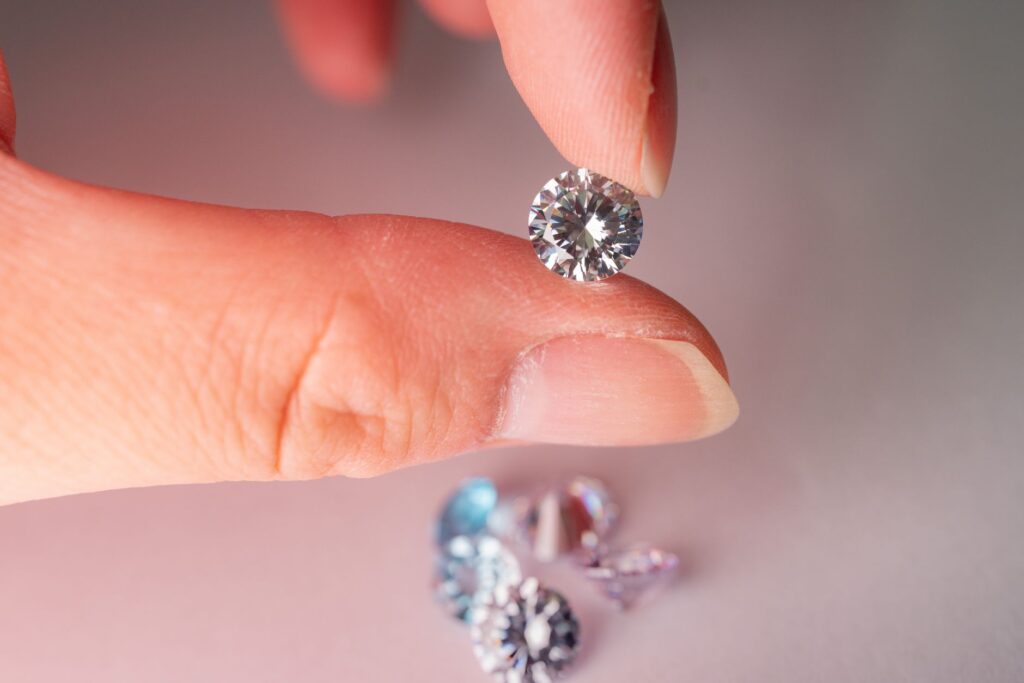
Choosing a diamond shape is not just about style. It also affects how large the stone looks, how much sparkle you see, how the diamond sits on the finger, and how practical it will be for everyday wear. For buyers with larger hands, those details matter even more because proportions that look balanced on a smaller hand can feel undersized or visually lost on a wider finger.
The Best Diamond Shapes for Large Hands are usually the ones that create enough visual presence without looking overly narrow or delicate. That often means shapes with a strong face-up size, an elongated silhouette, or a bold outline that holds its own on a larger finger. Round, oval, emerald, pear, marquise, radiant, and cushion shapes can all work well, but the best choice depends on the look you want and how much coverage you want across the finger.
There is no single correct answer. A diamond that looks elegant on one hand can feel too small or too slim on another. The goal is to match the shape to the proportions of the hand, the style of the ring, and the buyer’s priorities for sparkle, size, and comfort.
Quick Answer: What Are the Best Diamond Shapes for Large Hands?
If you want the short version, these shapes are often the most flattering for larger hands:
- Oval, for an elongated look with strong face-up size.
- Marquise, for maximum length and dramatic finger coverage.
- Pear, for a tapered shape that visually lengthens the hand.
- Emerald, for a clean, substantial look with elegant coverage.
- Radiant, for strong sparkle and a bold outline.
- Cushion, for a fuller, softer shape that can look well balanced on broader fingers.
- Round brilliant, especially when the buyer wants classic sparkle and a size that feels substantial.
In practical terms, larger hands usually benefit from diamonds that offer one or more of the following:
- more visible surface area
- an elongated shape that stretches across the finger
- a setting that adds presence, such as a wider band or side stones
- a carat weight that matches the scale of the hand
Lab grown diamonds can be especially useful here because they often allow buyers to choose a larger carat size or a higher-quality shape within a more manageable budget. That does not make them automatically better, but it does make them a practical option for shoppers who want stronger visual impact.
Why Diamond Shape Matters More on Larger Hands
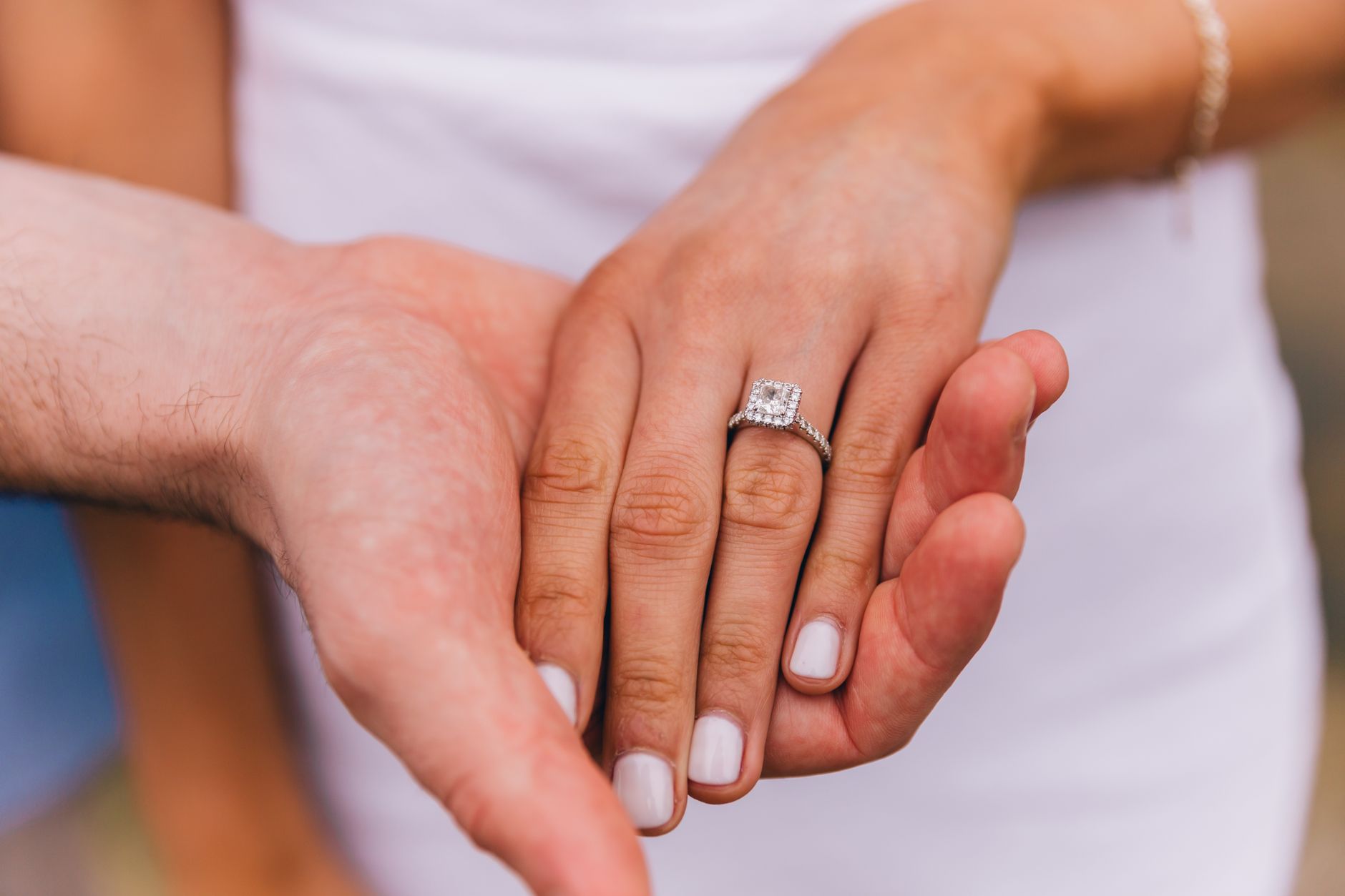
Hand size changes how a diamond looks in relation to the finger. On smaller hands, even a modest diamond can appear quite prominent. On larger hands, the same diamond may look smaller than expected because there is more visual space around it.
This is why shape becomes so important. A diamond with a narrow or compact outline may not provide enough coverage, while an elongated shape can make the ring feel more proportionate. The right shape helps the diamond look intentional rather than simply placed on the finger.
For example, a 1.50 carat round diamond can look very different on a narrow finger compared with a broader one. An oval or marquise of the same weight may stretch farther across the finger and create a more balanced appearance.
It is also worth remembering that carat weight is not the same as visible size. Two diamonds with the same carat weight can face up differently depending on shape, depth, and cut quality. This is one reason many buyers compare both diamond carat and dimensions before deciding.
How to Think About Proportion, Not Just Size
When buyers ask for the best diamond shapes for large hands, they are usually trying to solve a proportion problem. The question is not only, “What is the biggest diamond I can buy?” It is also, “What shape will look balanced and flattering on my finger?”
Three proportion-related factors matter most:
Face-up size
Face-up size is the amount of diamond visible from above. A diamond with a larger face-up area can look bigger even if the carat weight is the same as another stone. Shapes like oval, marquise, pear, and emerald often have an advantage here because they spread outward or lengthwise.
Length-to-width ratio
This refers to how long a diamond is compared with how wide it is. Elongated shapes generally create a lengthening effect on the finger, which can be helpful for broader hands. A ratio that is too extreme, however, may make the stone look thin rather than elegant.
Setting scale
The ring setting also affects how the diamond reads on the hand. A slim solitaire can look delicate, while a wider band or halo can create more visual balance. This is why shape selection and ring design should be considered together, not separately.
Best Diamond Shapes for Large Hands: Side-by-Side Comparison
The table below compares the most common shapes for larger hands. The “best” option depends on whether you want sparkle, coverage, a modern look, or a classic style.
| Shape | Visual Effect on Large Hands | Strengths | Potential Drawbacks | Best For |
|---|---|---|---|---|
| Round | Classic and balanced, but may need more carat weight to feel substantial | Maximum brilliance, timeless appeal | Can look smaller than elongated shapes at the same carat weight | Buyers who want sparkle and a traditional look |
| Oval | Elongates the finger and often looks larger than round | Strong face-up size, elegant shape, good sparkle | May show a bow tie effect if poorly cut | Buyers who want a flattering, versatile shape |
| Marquise | Creates the strongest lengthening effect and dramatic coverage | Looks large for its weight, unique silhouette | Points can be vulnerable to chipping | Buyers who want a distinctive, elongated look |
| Pear | Balances length and softness, good for broad fingers | Elegant outline, strong size appearance | Asymmetry needs careful setting and orientation | Buyers who like a softer, more feminine profile |
| Emerald | Offers broad coverage and a sophisticated, substantial presence | Clean lines, flattering step-cut look | Inclusions may be easier to see | Buyers who prefer elegance over maximum sparkle |
| Radiant | Strong, bold, and lively with good coverage | Excellent sparkle, durable corners | Can be less crisp in outline than step cuts | Buyers who want brilliance and a larger visual footprint |
| Cushion | Soft, rounded shape that can look full and balanced | Warm, romantic appearance, good spread in many cuts | Can appear smaller if cut deeply | Buyers who want a softer look with character |
Appearance and Visual Performance of Each Shape
Round brilliant
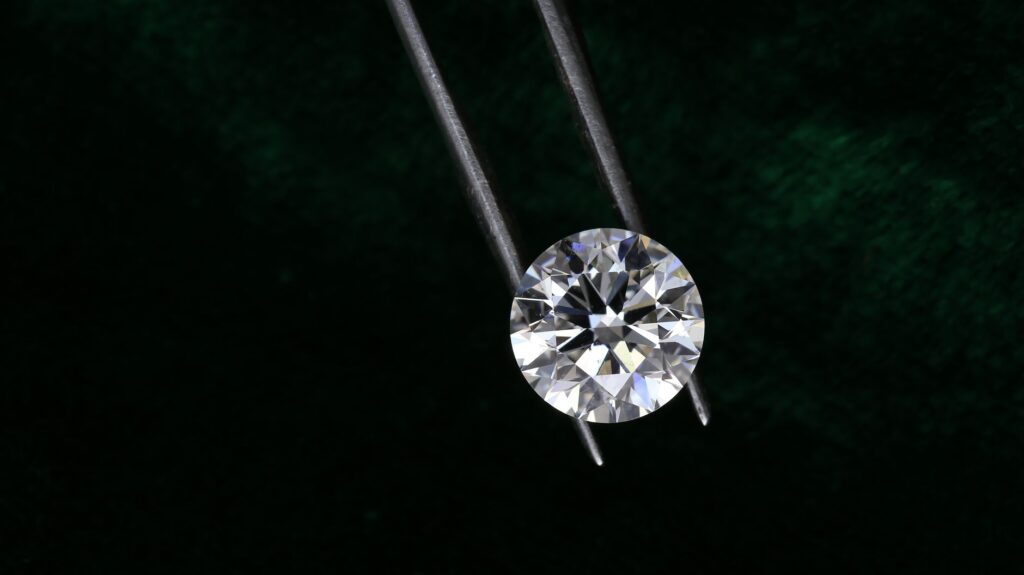
The round brilliant is the most recognizable diamond shape and remains popular for good reason. It delivers the strongest overall sparkle because its cut is designed to return light efficiently.
On larger hands, a round diamond can still look beautiful, but it often needs a bit more carat weight to feel proportionate. That is because round stones are compact and symmetrical, so they do not stretch across the finger the way elongated shapes do.
If you value sparkle above all else, round is still one of the safest choices. If your main concern is coverage, you may want to compare it with oval or radiant.
Oval
Oval diamonds are one of the most flattering shapes for larger hands because they create length without feeling too narrow. They also tend to look larger than a round diamond of the same carat weight because of their elongated outline.
The cut quality matters a lot with ovals. A well-proportioned oval can look elegant and bright, while a poorly cut one can show a dark area in the center known as a bow tie. This effect is common in elongated shapes and refers to a shadow across the middle of the stone.
For many buyers, oval offers a very good balance of size appearance, sparkle, and style flexibility. It can look modern in a simple solitaire or more classic in a halo setting.
Marquise
The marquise shape is one of the most dramatic options for larger hands. Its pointed ends create the strongest lengthening effect of any common diamond shape, which can make the finger look slimmer and longer.
Marquise diamonds often look very large for their carat weight because the spread is stretched over a long silhouette. This makes them appealing for shoppers who want maximum visual impact.
The trade-off is durability. The pointed ends can be more vulnerable to chipping, so a secure setting is important. Some buyers also find the shape more vintage or distinctive than they want for an everyday ring.
Pear
Pear-shaped diamonds combine the curve of an oval with one pointed end, creating a soft but lengthening effect. On larger hands, pear shapes often help the ring look more balanced and less compact.
They can be worn with the point up or down, although point-up is the traditional orientation. The shape is also popular because it has a slightly more individual look without being overly unconventional.
Like marquise, pear shapes can show a bow tie effect if the cut is not well executed. The pointed tip should also be protected by the setting to reduce the risk of damage.
Emerald
Emerald cuts are step-cut diamonds, which means their facets are arranged in long, open steps rather than the many small facets of a brilliant cut. This gives emerald shapes a clean, mirror-like look instead of intense sparkle.
On larger hands, emerald cuts can look especially elegant because they cover a good amount of finger space and have a strong, architectural outline. They also tend to suit broader fingers very well because the shape feels substantial rather than delicate.
The main consideration is clarity. Step cuts make internal features easier to see, so buyers often need to pay closer attention to clarity grades when comparing emerald diamonds. If you want to understand why cut structure affects visibility, our guides on diamond cut and diamond clarity are useful references.
Radiant
Radiant cuts combine a rectangular or square outline with brilliant-style faceting. The result is a diamond that delivers more sparkle than an emerald cut while still looking bold and substantial.
This shape works well for larger hands because it offers strong presence and often has a good spread. Radiants are also practical for daily wear because the corners are trimmed, which improves durability compared with sharp-pointed shapes.
Buyers often choose radiant when they want a stone that feels modern, lively, and visually generous without moving into a fully elongated shape like oval or marquise.
Cushion
Cushion diamonds have rounded corners and a soft outline, which gives them a romantic look. They can appear full and balanced on larger hands, especially when the stone has a good spread and is not cut too deeply.
There are different cushion styles, including ones that look more vintage and ones with stronger brilliance. The exact visual result depends on the facet pattern and proportions.
Cushion is a good option for buyers who want something softer than a princess or emerald shape but still want a shape with enough presence to hold its own on a wider hand.
Why Certain Shapes Look Better on Large Hands
Shape affects how the eye travels across the ring. Elongated shapes create a line that runs along the finger, which can visually lengthen the hand. Broader or more structured shapes can create a sense of balance and weight that looks intentional on larger fingers.
There are a few reasons this happens:
- Elongation draws the eye up and down the finger.
- Surface spread makes the diamond occupy more visible space.
- Outline thickness helps the ring avoid looking too narrow.
- Contrast with the setting changes how large the center stone appears.
This is why a shape that looks “small” in a display case may actually be very flattering on a large hand, while a shape that appears sizable on a smaller hand may look undersized in real wear.
Advantages of the Best Diamond Shapes for Large Hands
When selected thoughtfully, the best shapes for larger hands offer several practical benefits.
Better visual balance
A well-matched diamond balances the width of the finger and keeps the ring from feeling too petite. This is especially important for engagement rings, where the center stone is the main visual focus.
Stronger face-up appearance
Many of the best shapes for larger hands look bigger than round diamonds of the same weight. That can be helpful for buyers who want more visible size without relying only on carat weight.
More style flexibility
Shapes like oval, pear, and radiant can be styled in a wide range of settings. That makes them easier to adapt to classic, modern, or vintage-inspired rings.
Good use of budget
Because some shapes spread outward more efficiently, buyers can sometimes achieve a larger look at a lower carat weight. This can be especially useful in the lab grown diamond market, where a larger stone may be more accessible than a comparable natural diamond.
Disadvantages and Trade-Offs to Keep in Mind
No shape is perfect. The best diamond shapes for large hands also come with trade-offs that buyers should understand before making a decision.
Some shapes prioritize size over sparkle
Emerald, for example, offers elegance and coverage, but it does not sparkle the same way a round brilliant does. Buyers need to decide whether they value light performance or shape presence more.
Elongated shapes can show cut issues
Oval, pear, and marquise diamonds may show a bow tie effect if their proportions are not well balanced. This does not mean the shape is flawed, but it does mean cut quality matters more than buyers sometimes expect.
Pointed shapes need more protection
Marquise and pear diamonds have vulnerable tips. A protective setting is important for daily wear, especially if the ring will be worn often.
Size expectations can be unrealistic
Some shoppers focus too much on carat weight and not enough on shape and spread. On a larger hand, a diamond can be technically “large” and still look smaller than expected if the shape is compact or the setting is too minimal.
How the Best Shapes Compare for Sparkle, Fire, and Brilliance
These three terms are often used together, but they describe different aspects of how a diamond handles light.
- Brilliance is the white light returned to the eye.
- Fire is the colorful flashes of light.
- Scintillation is the sparkle you notice as the diamond moves.
Round brilliant diamonds usually have the strongest overall combination of brilliance and scintillation because they are cut to maximize light return. Oval, radiant, and cushion diamonds can also offer strong sparkle, though the pattern of light may look different. Emerald cuts, by contrast, trade sparkle for a more elegant, hall-of-mirrors effect.
| Shape | Brilliance | Fire | Scintillation | Visual Notes |
|---|---|---|---|---|
| Round | Very high | High | Very high | Most balanced overall sparkle |
| Oval | High | Moderate to high | High | Strong sparkle with elongated appearance |
| Marquise | Moderate to high | Moderate | Moderate to high | Large-looking shape with dramatic outline |
| Pear | High | Moderate to high | High | Elegant sparkle with a tapered silhouette |
| Emerald | Moderate | Low to moderate | Moderate | Clean flashes rather than intense sparkle |
| Radiant | Very high | High | Very high | Bold sparkle with a substantial outline |
| Cushion | High | Moderate to high | High | Soft shape with lively light performance |
For large hands, sparkle can help a ring feel more noticeable, but sparkle is not the only measure of a successful choice. A well-balanced emerald or pear can look more flattering than a brighter stone that feels too small or too busy in proportion.
Durability Considerations for Everyday Wear
Durability is especially important if the ring will be worn daily. While diamonds are hard, not all shapes are equally resistant to chipping because the outline of the stone influences where the vulnerable points are.
Shapes with pointed ends, such as marquise and pear, require extra care. A protective setting can help reduce risk, but buyers should still think about lifestyle and wear habits. If you use your hands a lot during the day, a more protected shape like round, oval, radiant, or cushion may feel more practical.
Emerald cuts have fewer vulnerable points, but their large open facets can make imperfections more visible. That does not affect durability directly, but it does affect how the stone looks over time if the clarity is low or the finish is not well maintained.
For buyers who want to understand how ring design affects longevity, learning about engagement ring settings and diamond jewelry care is just as important as choosing the shape itself.
Color and Clarity Visibility by Shape
Different shapes reveal color and clarity in different ways. This matters because a diamond that looks excellent in one shape may need a higher grade in another to look equally clean.
Color visibility
Round brilliant and radiant shapes tend to hide slight color better because their facet patterns create more sparkle and visual distraction. Emerald cuts, by contrast, can show color more easily because their broad step facets are more open.
For buyers choosing between shapes, this means emerald diamonds may benefit from a higher color grade if you want a bright white appearance. Ovals and pears often sit somewhere in the middle, with color visibility depending on the specific cut and setting.
Clarity visibility
Step cuts like emerald are generally less forgiving of inclusions because the open facets act like windows into the stone. Brilliant cuts such as round, oval, and radiant can mask minor inclusions more effectively.
This does not mean you must buy flawless diamonds. It means the same clarity grade may appear differently from one shape to another. Reviewing diamond certifications and clarity plots can help buyers make better comparisons.
How Lab Grown Diamonds Fit Into the Decision
Lab grown diamonds are often a practical choice for buyers who want a larger-looking ring on a real-world budget. Since large hands often benefit from more visible size, lab grown stones can make it easier to choose a shape with enough presence without compromising as much on cut or color.
That said, lab grown diamonds and natural diamonds should be compared honestly. Lab grown diamonds have the same basic crystal structure and look the same to the eye, but their long-term resale market is different, and buyers should not assume they will hold value in the same way as natural diamonds.
For shape selection, the main advantage is flexibility. A buyer may be able to choose an oval, radiant, or emerald in a size that feels proportionate on a larger hand while still staying within budget. This is especially relevant for shoppers comparing multiple lab grown diamonds and trying to balance carat, cut, and setting.
Popular Ring Styles That Work Well on Large Hands
The center stone is only part of the visual equation. The setting can either support the shape or make it feel too small.
Solitaire settings
A solitaire puts all the attention on the center stone. On large hands, this can look elegant if the diamond is large enough or elongated enough to create coverage. Oval, radiant, and round shapes are common in solitaires.
Halo settings
A halo adds a border of smaller diamonds around the center stone, which increases apparent size. This can be useful for buyers who want extra visual impact on broader fingers. However, halos also create a more decorative look, which may not suit every style.
Three-stone settings
Three-stone rings can work well for large hands because the additional stones add width across the finger. This can create a balanced look even when the center stone is not extremely large.
Wide bands
A slightly wider band can help a diamond feel more proportionate on a larger hand. This is especially helpful with shapes like emerald or round, which can otherwise appear modest if the setting is too thin.
Important Buying Considerations for Large Hands
When shopping for the best diamond shapes for large hands, focus on these practical points rather than carat weight alone.
Measure how the stone looks on the finger
The most reliable way to judge proportion is to see the diamond on the actual hand, or at least compare measurements carefully. A 1.50 carat oval and a 1.50 carat round may feel very different when worn.
Check the diamond dimensions
Length, width, and depth influence appearance. A diamond with excessive depth may hide weight in the pavilion rather than spreading it across the top, which reduces face-up size. This is one reason cut quality matters so much.
Review the length-to-width ratio
For oval, pear, marquise, and emerald shapes, ratio affects the final look. A ratio that is slightly elongated often flatters larger hands, but a shape that is too stretched can start to look slender or even unnatural.
Pay attention to the bow tie effect
In oval, pear, and marquise shapes, a bow tie can reduce even brightness in the center. Some amount of shadow is common, but an overly dark bow tie can distract from the stone’s beauty. This is one area where seeing photos or videos under real lighting is helpful.
Choose a setting that suits the shape
The setting should protect pointed ends, support the stone securely, and complement the scale of the hand. A large hand can usually handle a more substantial setting, which may help the diamond feel intentional rather than tiny.
Balance budget with visual impact
For many buyers, the decision comes down to visible size versus total cost. Lab grown diamonds can be a practical way to increase carat weight or improve quality while staying within budget, but the buyer should still prioritize cut and proportion over size alone.
Common Mistakes Buyers Make
Many ring shoppers make the same few mistakes when choosing a diamond for a larger hand. Avoiding them can save money and improve the final look.
Choosing by carat alone
Carat weight is only one part of the story. A compact diamond may weigh more but appear smaller than a well-proportioned elongated shape.
Ignoring finger proportions
What looks balanced on a petite hand may not look balanced on a broader one. Always consider the shape of the finger, not just the size of the stone.
Overlooking cut quality
Two diamonds with the same shape can look very different if one is cut well and the other is not. This is especially true for ovals, pears, and marquises, where visual performance depends heavily on proportions.
Not protecting pointed tips
Marquise and pear shapes need secure prongs or other protective design elements. Without them, the ring may be more vulnerable to damage.
Choosing a shape that feels trendy but not personal
Trends matter, but the ring should still suit the wearer’s style and daily life. A shape that photographs well may not be the most comfortable or practical everyday choice.
Which Shape Is Best for Which Type of Buyer?
Different buyers tend to prefer different shapes for different reasons.
- Round is best for buyers who want classic sparkle and easy styling.
- Oval is best for buyers who want a flattering shape with a larger appearance.
- Marquise is best for buyers who want dramatic length and strong finger coverage.
- Pear is best for buyers who want elegance with a soft, tapered outline.
- Emerald is best for buyers who want a refined, substantial look with less sparkle and more clarity of shape.
- Radiant is best for buyers who want bold brilliance with good durability.
- Cushion is best for buyers who want a softer, more romantic profile.
For many larger hands, oval and radiant end up being especially versatile because they combine a strong visual footprint with broad style compatibility. Still, the best shape is the one that fits the hand, the setting, and the buyer’s expectations.
Frequently Asked Questions
What diamond shape looks biggest on large hands?
Marquise and oval shapes often look largest for their carat weight because they have strong face-up spread. Pear can also appear large, especially in a setting that supports the tapered shape. The best answer depends on whether you want the biggest-looking stone or the most balanced look.
Is a round diamond too small for large hands?
Not necessarily. A round diamond can look beautiful on a larger hand, but it usually needs more carat weight or a thoughtful setting to feel proportionate. If sparkle is the priority, round remains a strong choice.
Do elongated shapes make fingers look slimmer?
Yes, many elongated shapes can create that effect. Oval, marquise, and pear all tend to lengthen the visual line of the finger, which can make the hand appear slimmer. The effect is subtle but noticeable.
Are emerald cuts good for large hands?
Yes, emerald cuts can be excellent for large hands because they have a broad, structured appearance. They are especially appealing to buyers who like a clean, elegant look. Just keep in mind that clarity and color become more visible in this shape.
Which shape is most durable for everyday wear?
Round, oval, radiant, and cushion shapes are generally practical for daily wear because they have fewer vulnerable points than pointed shapes. Marquise and pear can still work well, but they need secure settings and a bit more care.
Should I choose a lab grown diamond if I want a larger look?
Lab grown diamonds can be a practical option if your goal is more visible size within budget. They are especially useful when comparing larger carat weights or higher-quality shapes. Just remember that resale value and long-term market dynamics differ from natural diamonds.
Does the setting matter as much as the shape?
Yes. The setting strongly affects how large the diamond looks and how well it suits the hand. A well-chosen setting can make a moderate-sized diamond feel much more proportional on a larger finger.
Conclusion
The best diamond shapes for large hands are the ones that create balance, visual presence, and comfort. Oval, marquise, pear, emerald, radiant, cushion, and round diamonds can all work well, but each offers a different mix of sparkle, size appearance, durability, and style.
If you want maximum sparkle, round and radiant are strong contenders. If you want a shape that flatters and elongates the finger, oval, pear, and marquise are often excellent. If you prefer a more refined or architectural look, emerald can be a very good match. Cushion offers a softer alternative that still feels substantial.
For many buyers, especially those considering lab grown diamonds, the best approach is to compare shape, dimensions, and setting together rather than focusing on carat alone. That is the most reliable way to choose a diamond that looks proportionate on a larger hand and feels right for everyday wear.