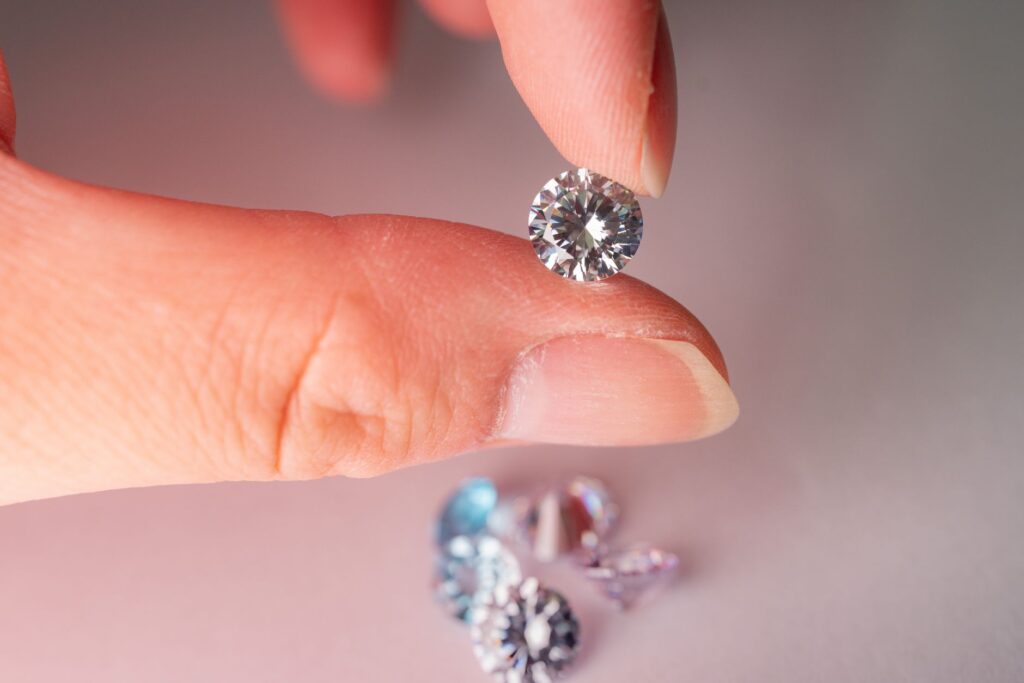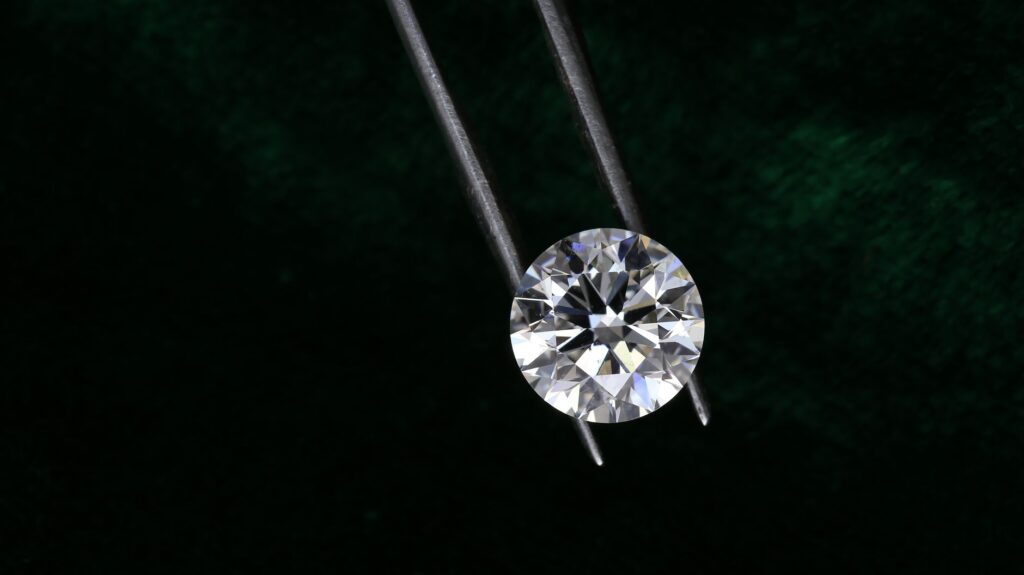
Oval lab grown diamonds have become one of the most talked-about diamond shapes in modern engagement ring shopping, and that popularity is not accidental. They combine a soft, elongated outline with strong brilliance, a flattering finger effect, and often a larger-looking appearance than many other shapes of the same carat weight. For buyers comparing diamond shapes, that combination can be very appealing.
At the same time, popularity does not always mean the shape is right for every buyer. Oval diamonds have their own strengths and trade-offs, including proportion differences, possible bow tie effects, and setting considerations. Understanding those details is the best way to decide whether an oval lab grown diamond fits your taste, budget, and daily wear needs.
Quick Answer: Why Are Oval Lab Grown Diamonds So Popular?
Oval lab grown diamonds are popular because they offer a lot of visual appeal for the price. Their elongated shape can make the stone look larger on the hand, and their brilliant-style faceting usually creates strong sparkle and fire. For many shoppers, that gives them a balanced mix of elegance, size perception, and value.
They are also versatile. Ovals work in many ring styles, from classic solitaires to vintage-inspired settings and halo designs. In the lab grown market, where buyers often want more carat weight or better overall quality within a budget, the oval shape can be especially attractive.
What Makes Oval Lab Grown Diamonds Stand Out
An oval diamond is an elongated version of the round brilliant shape. It typically has the same general brilliant-cut style, which means it is designed to return light well and produce lively sparkle. The main difference is its outline, which is stretched rather than perfectly round.
That shape changes how the diamond looks on the hand. Ovals can appear larger than round diamonds of the same weight because more of the stone’s surface area spreads lengthwise across the finger. Many buyers like that effect, especially when comparing diamonds in the 1 to 3 carat range and above.
With lab grown diamonds, this appeal becomes even stronger. Because lab grown diamonds usually cost less than natural diamonds of similar size and quality, buyers can often choose a better color grade, clarity grade, or larger oval for the same budget. That flexibility is a major reason oval lab grown diamonds have become so widely searched and purchased.
Understanding Oval Diamond Shape and Proportions
Not all oval diamonds look the same. Two ovals with the same carat weight can have noticeably different visual impressions depending on their length-to-width ratio, depth, and table size. These proportions affect how elegant, broad, narrow, balanced, or elongated the diamond appears.
Length-to-width ratio
The length-to-width ratio describes how long the diamond is compared with how wide it is. A lower ratio, such as around 1.30, produces a fuller, wider oval. A higher ratio, such as around 1.45 or 1.50, looks slimmer and more elongated.
Neither is inherently better. Some buyers prefer a softer, rounder-looking oval, while others want a more dramatic stretched look on the finger. The best ratio often depends on personal style and the shape of the hand.
Depth and face-up size
Depth affects how much of the diamond is visible from above. A well-proportioned oval can have excellent face-up size, which means it looks substantial when worn. However, if the diamond is too deep, some of its weight may be hidden in the body of the stone instead of showing on the surface.
This is one reason shape and cut quality matter so much. Two diamonds with the same carat weight can look different in real life, so shoppers should not rely on carat alone when comparing oval lab grown diamonds.
Bow tie effect
Many oval diamonds show a bow tie effect, which is a dark area across the center that can resemble a bow tie. This happens because of how light moves through the angled facets in elongated shapes. A mild bow tie is common, but a strong one can reduce the diamond’s brightness in the middle.
Buyers often notice the bow tie most under direct lighting or when viewing the diamond from certain angles. It is one of the most important visual factors to check when choosing an oval.
Why Oval Lab Grown Diamonds Look So Attractive
The popularity of oval lab grown diamonds is closely tied to appearance. The shape has several visual qualities that appeal to a wide range of buyers, especially those shopping for engagement rings.
They create a flattering finger effect
Oval diamonds tend to make fingers look longer and more slender because of their elongated shape. This is a style effect, not a change in size, but it can influence how the ring looks overall. Many buyers consider this one of the most practical benefits of the shape.
This finger-flattering effect is one reason ovals are frequently chosen for solitaire rings and minimal settings. The shape naturally draws the eye along the length of the finger.
They often look larger than round diamonds
For the same carat weight, an oval can often face up larger than a round diamond. That is because more of the stone’s surface area is spread out in an elongated outline. Buyers who want strong visual presence without moving into a significantly higher carat weight often gravitate toward ovals.
This is especially relevant in the lab grown market. Since lab grown diamonds already offer a pricing advantage, the oval shape can stretch that value even further.
They balance soft shape with strong sparkle
Ovals offer a softer outline than a round diamond, but they usually still have brilliant-style sparkle. That combination appeals to buyers who want something a little different from a round stone without giving up too much light performance.
In simple terms, the oval shape gives you an elegant outline and a lively center of brightness. That balance is difficult for many other shapes to match.
Appearance and Visual Performance
To understand why oval lab grown diamonds are popular, it helps to look at the visual traits buyers notice most: sparkle, brilliance, fire, and scintillation. These terms are related, but each describes a different part of how a diamond performs in light.
Brilliance
Brilliance is the white light a diamond reflects back to the eye. Oval diamonds usually offer strong brilliance because they are cut in a brilliant style with many angled facets. That facet pattern helps return light efficiently when the proportions are well balanced.
A bright oval can look lively and clean from a normal viewing distance, which is one reason it performs well in engagement rings. A poorly proportioned oval, however, can look uneven or dark in the middle if the bow tie is too strong.
Fire
Fire refers to the flashes of colored light you see when a diamond moves. Ovals can show attractive fire, though many buyers notice brilliance first. The exact balance between brilliance and fire depends on cut quality, lighting, and viewing angle.
Some people prefer the energetic sparkle of brilliant-style faceting. Others are more sensitive to strong fire in certain settings. Oval diamonds generally provide a pleasing middle ground.
Scintillation
Scintillation is the pattern of sparkle and contrast you see when a diamond moves. A good oval can create lively flashes across its surface, which makes the stone look animated rather than static. This matters because diamonds are rarely viewed still for long in real life.
Strong scintillation can make a diamond feel more vibrant. However, if a stone has uneven light return or a severe bow tie, the sparkle pattern may look less even.
Face-up brightness
Face-up brightness is the overall look of the diamond from above. Ovals can perform very well here, especially when cut proportions are balanced. Their shape lets them spread light across a broad surface area, which contributes to a bright appearance.
That said, face-up brightness varies noticeably from one oval to another. This is why it is useful to view the diamond in person or ask for high-quality photos and videos when shopping online.
Why Buyers Often Choose Oval Lab Grown Diamonds Over Other Shapes
Popularity usually comes from a mix of style, practicality, and value. Oval lab grown diamonds check several boxes at once, which helps explain their strong demand.
| Buyer Priority | Why Ovals Appeal |
|---|---|
| Wanting a larger look | Elongated shape often faces up larger than round diamonds of the same weight |
| Wanting strong sparkle | Brilliant-style faceting delivers lively light return |
| Wanting a flattering shape | Oval outline can make fingers look longer |
| Wanting versatility | Works well in modern, classic, and vintage-inspired settings |
| Wanting value in lab grown | Can maximize visible size and quality for the budget |
Advantages of Oval Lab Grown Diamonds
Oval lab grown diamonds have several clear advantages, especially for buyers who prioritize visual impact and practical value.
They often provide strong size appearance
Because the shape stretches lengthwise, an oval can look larger than a round diamond of the same carat weight. This is one of the biggest reasons buyers compare ovals with round brilliant diamonds when shopping for an engagement ring.
In a lab grown diamond, that effect can be even more appealing because buyers may be able to choose a larger overall stone within a set budget.
They suit many ring styles
Oval diamonds work in a wide range of settings. They can look elegant in a simple solitaire, more dramatic in a halo, and more vintage in a three-stone or bezel setting. Their versatility makes them attractive to shoppers who want a style that can adapt to different tastes over time.
This is also useful if you want to match a future wedding band. Many oval settings pair well with contoured or straight bands, depending on the ring design.
They are often a smart value choice
Compared with some other shapes, oval lab grown diamonds can offer a strong combination of size, sparkle, and affordability. Since lab grown diamonds are generally priced below natural diamonds of similar specifications, shoppers may be able to prioritize cut, color, and clarity more comfortably.
That does not mean every oval is a bargain. It means the shape can be a practical value choice when selected carefully.
They feel modern but still classic
Oval diamonds have become more visible in recent years, but the shape itself is not new. That gives them a useful middle position. They feel current without being so trend-driven that they quickly look dated.
For many buyers, that balance is a major plus when choosing an engagement ring meant for everyday wear.
Disadvantages and Trade-Offs
No diamond shape is perfect, and oval lab grown diamonds have some drawbacks buyers should understand before making a decision.
They can show a bow tie
The most common concern with oval diamonds is the bow tie effect. In some stones, the central dark area is minimal and does not distract from the overall look. In others, it can be obvious enough to affect brightness and visual appeal.
Because this issue varies from stone to stone, it is important to evaluate each diamond individually rather than assuming all ovals perform the same way.
Cut quality is harder to judge by numbers alone
Round diamonds have a more standardized cut grading system than oval diamonds. Ovals do not have a single universal cut grade that tells the whole story. That means measurements, photos, and light performance matter more when evaluating an oval.
For buyers who prefer simple grading rules, this can make oval shopping feel more complicated than shopping for a round diamond.
They can be more sensitive to proportions
Small changes in length-to-width ratio, depth, and facet arrangement can change how an oval looks. Some buyers love that individuality, while others prefer the predictability of a round diamond.
If proportions are not balanced, the stone may look too narrow, too stubby, or unevenly bright.
They may not suit every style preference
Although ovals are versatile, some buyers simply prefer the symmetry of a round diamond or the geometric look of a princess, emerald, or cushion shape. That is a matter of taste, not quality.
A diamond shape is partly about how it looks on the hand and partly about how it fits a person’s style. The best shape is the one that feels right to the wearer.
How Oval Lab Grown Diamonds Compare With Other Popular Shapes
Comparing oval lab grown diamonds with other shapes can make the reasons for their popularity easier to understand. The right choice depends on which characteristics matter most to the buyer.
| Shape | Appearance | Sparkle Style | Size Perception | Notes for Buyers |
|---|---|---|---|---|
| Oval | Elongated, soft, elegant | Strong brilliance and lively scintillation | Often looks larger than round at the same carat weight | Watch for bow tie and proportion balance |
| Round | Balanced and symmetrical | Usually the most consistent sparkle | Often faces up slightly smaller than oval | Classic choice with broad appeal |
| Emerald | Rectangular with step-cut facets | More mirror-like flashes, less sparkle | Can look large, but less brilliant than oval | Highlights clarity and color more strongly |
| Radiant | Rectangular or square with cropped corners | Very bright and lively | Often strong face-up spread | Good option if you want sparkle with a shaped outline |
| Pear | Teardrop with a pointed end | Similar brilliant sparkle, with more asymmetry | Often looks elongated and elegant | Pointed tip needs thoughtful setting protection |
| Cushion | Rounded square or rectangle | Soft sparkle, sometimes more romantic in feel | Can vary widely by proportion | Less elongated, more pillow-like look |
Oval vs round
Round diamonds are the benchmark for symmetry and light performance, which is why they remain so popular. However, many shoppers choose oval because it offers a similar sparkle style with a more elongated outline and stronger size impression.
If a buyer wants the safest choice for predictable performance, round is often easier to evaluate. If they want more visual length and a slightly more distinctive look, oval often becomes the stronger candidate.
Oval vs emerald
Emerald cuts have a very different visual personality. They are step-cut diamonds, which means they use long, linear facets rather than the numerous small facets found in brilliant cuts. As a result, emerald cuts flash more like mirrors and usually show less sparkle than oval diamonds.
Buyers who love the clean, elegant, architectural look of emerald cuts may find ovals too lively. Buyers who want brightness and movement usually prefer ovals.
Oval vs pear
Pear-shaped diamonds are also elongated, but they have a pointed end and a more asymmetric outline. Some buyers prefer the teardrop silhouette, while others feel the oval looks more balanced and easier to wear daily.
Ovals may also feel slightly less delicate at the tip because they do not have a point that needs extra protection in the setting.
Why Oval Lab Grown Diamonds Are Especially Popular in Engagement Rings
Engagement ring shopping often involves balancing style, budget, and long-term wearability. Oval lab grown diamonds fit well into that equation.
First, they are visually striking without being too unconventional. Second, they can provide strong finger coverage, which matters to many ring shoppers. Third, they work with a variety of setting styles, from minimal to elaborate.
In addition, lab grown diamonds let buyers often prioritize a larger or higher-quality oval without increasing cost as much as they might with a natural diamond. For couples who want to allocate more of the budget toward setting design or overall size, that can be a meaningful advantage.
Important Buying Considerations for Oval Lab Grown Diamonds
Choosing an oval diamond is not just about shape preference. A smart purchase requires looking at several practical details that affect appearance and value.
1. Review the proportions carefully
Two oval diamonds with the same carat weight can look quite different depending on their length-to-width ratio and depth. A very shallow or very deep oval may not look as visually appealing as one with balanced proportions.
Ask to see the measurements and compare how the shape appears in photos or videos. If shopping online, visual review is especially important because cut quality is not standardized in the same way as with round diamonds.
2. Pay attention to the bow tie
A small bow tie is common and not necessarily a problem. The concern is when the dark area is strong enough to interrupt the look of the stone. Good lighting and multiple viewing angles help you judge whether the bow tie is acceptable.
If possible, compare several oval diamonds side by side. The differences can be easier to spot when you see more than one option at once.
3. Choose the right color grade for the shape
Ovals can sometimes show color a little more than rounds, especially near the tips and edges. That does not mean they look yellow, but it does mean buyers should think carefully about color grade if they want a bright white appearance.
In lab grown diamonds, many buyers aim for a color grade that balances appearance and budget. For those comparing diamond color grades, it is useful to remember that setting metal can also affect how white the stone appears.
4. Consider clarity, but do not overpay unnecessarily
Clarity refers to internal features and surface marks. Because oval diamonds are brilliant cuts with lots of sparkle, many small inclusions are harder to notice than they would be in a step-cut shape. Still, inclusions near the center or near the tips can sometimes be visible depending on the diamond.
Buyers researching diamond clarity grades should focus on where inclusions are located, not just the grade number. In many cases, a well-chosen oval with a modest clarity grade can look excellent in real life.
5. Think about setting protection
An oval shape has no sharp points, which gives it an advantage in durability compared with some pointed shapes. That said, the setting still matters. Prongs should secure the diamond well, and the ring should be designed for regular wear.
For daily wear, many buyers prefer settings that protect the girdle, which is the diamond’s outer edge. This helps reduce the risk of damage over time.
6. Match the shape to the hand and ring style
Some oval diamonds look best in slim, elegant settings. Others work well in more substantial designs. The wearer’s hand shape and ring style preferences can change how the stone appears.
A longer, narrower oval may suit a delicate solitaire, while a fuller oval can look balanced in a halo or three-stone design. There is no single best formula.
How Oval Lab Grown Diamonds Compare on the Factors Buyers Care About Most
The table below breaks down the practical characteristics buyers often compare when researching shapes.
| Factor | Oval Lab Grown Diamonds | Why It Matters |
|---|---|---|
| Appearance | Elongated, soft, elegant | Creates a distinctive but widely appealing look |
| Sparkle | Usually strong and lively | Brilliant-style facets reflect light well |
| Fire | Good, though often secondary to brilliance | Produces colorful flashes when moved |
| Brilliance | High when proportions are balanced | Contributes to a bright, lively appearance |
| Scintillation | Often strong | Creates attractive sparkle pattern during movement |
| Face-up size | Often appears larger than round | Important for buyers who want visual spread |
| Durability | Generally good, with no sharp points | Suitable for regular wear when well set |
| Clarity visibility | Often forgiving because of sparkle | Small inclusions can be less noticeable |
| Color visibility | Can be moderately visible depending on grade | Color choice matters for a bright white look |
| Popularity | Very high in engagement rings | Strong consumer demand supports widespread design options |
| Value | Often strong in lab grown market | Lets buyers maximize size and quality for budget |
Current Shape Trends and Long-Term Appeal
Oval diamonds have been among the most visible shapes in recent engagement ring trends, but there is a difference between a trend and lasting appeal. Ovals have been popular for long enough to suggest they are more than a short-lived fashion.
The shape appeals to a broad range of buyers because it is elegant, flattering, and easy to style. Even if trends shift, those practical qualities are likely to keep ovals relevant.
That said, trend cycles still matter. Some buyers like the sense that their ring reflects contemporary taste. Others prefer a shape that has remained consistently popular for decades. Ovals sit comfortably between those two ideas.
Common Mistakes Buyers Make When Shopping for Oval Lab Grown Diamonds
Because oval diamonds look simple at first glance, buyers sometimes overlook details that make a major difference in quality and appearance.
Focusing only on carat weight
Carat weight tells you how much a diamond weighs, not how it looks. A well-cut oval with a slightly lower carat weight may appear more attractive than a heavier stone with poor proportions or a strong bow tie.
Buying by carat alone can lead to disappointment if the visible size does not match expectations.
Ignoring the bow tie effect
Some shoppers fall in love with the overall shape and color but overlook the center darkness until the diamond is seen in person. Since bow tie severity varies, it should always be checked carefully.
This is one of the clearest reasons to look at videos or photos from more than one angle.
Choosing an overly narrow or overly wide ratio
Personal taste matters, but proportions still affect beauty. A shape that is too narrow may feel stretched out, while one that is too wide may lose the graceful oval look.
It helps to compare several examples before deciding what ratio looks most balanced to your eye.
Overpaying for a clarity grade that is not visible to the eye
Because ovals are brilliant cuts, some inclusion visibility is reduced by sparkle. Buyers sometimes pay more for very high clarity grades even when a lower grade would look identical face up.
Understanding clarity grades helps avoid spending money on details that are not visible in normal wear.
Not considering the setting
Even a beautiful oval can look underwhelming in the wrong ring design. A setting that is too bulky may take away from the shape, while one that is too minimal may not provide the look a buyer wants.
The setting should support the shape, not fight it.
Who Oval Lab Grown Diamonds Are Best For
Oval lab grown diamonds are a strong option for buyers who want a larger visual look, lively sparkle, and a shape that flatters the hand. They are especially well suited to shoppers who like a modern but not overly trendy appearance.
They may be a good fit for:
- Buyers who want a diamond that looks larger on the finger
- Shoppers who prefer elongated shapes over round ones
- People looking for strong value in lab grown diamonds
- Anyone who wants a versatile shape that works in many ring styles
- Buyers who like a bright, brilliant-style sparkle pattern
They may be less ideal for buyers who want the most standardized light performance, the most symmetrical shape, or a cut style with a very predictable grading system. In those cases, round diamonds are often easier to evaluate.
Practical Examples of Buyer Preferences
To make the differences easier to understand, here are a few common shopping scenarios.
The buyer wants maximum finger coverage
An oval lab grown diamond is often a strong choice here because the elongated face-up shape can create a larger visual impression than a round diamond of the same weight. This can be especially appealing for buyers comparing several stone sizes in the same budget range.
The buyer wants classic sparkle but not a round shape
An oval can offer the brightness and lively movement of a brilliant cut while still looking different from the traditional round. For some buyers, that is the ideal middle ground between classic and distinctive.
The buyer is concerned about value
Because lab grown diamonds are generally more budget-friendly than natural diamonds, an oval shape can help stretch the budget further. Buyers may choose a larger or higher-quality stone without moving into a much higher price tier.
If price comparison is part of the decision, it can also help to review general diamond pricing guidance before narrowing shape choices.
The buyer wants a ring that feels elegant and current
Oval diamonds are popular enough to feel familiar, but not so common that they appear generic to every shopper. They can feel refined, fashionable, and wearable at the same time.
Frequently Asked Questions
Do oval lab grown diamonds sparkle as much as round diamonds?
They can sparkle very well, but round diamonds still tend to be the benchmark for overall light return and symmetry. Oval diamonds usually offer strong brilliance and scintillation, though the exact performance depends on the individual stone and its proportions.
Why do some oval diamonds have a dark center?
That dark area is usually the bow tie effect. It happens because of the way the diamond’s facets interact with light. A little bow tie is common in oval diamonds, but a strong one can make the stone look less bright in the center.
Are oval lab grown diamonds a good choice for everyday wear?
Yes, they can be very practical for everyday wear. The shape has no pointed corners, which reduces the risk of chipping compared with some other shapes. The quality of the setting still matters, though, so secure prongs and proper ring construction are important.
Do oval diamonds look bigger than round diamonds?
Often, yes. Ovals can face up larger because of their elongated shape, even when the carat weight is the same as a round diamond. This does not change the stone’s actual weight, but it can improve visual size.
What length-to-width ratio looks best in an oval diamond?
There is no single best ratio. Many buyers like ratios around the middle range because they look balanced and elegant, but personal preference matters. A lower ratio looks fuller, while a higher ratio looks more elongated.
Are oval lab grown diamonds cheaper than oval natural diamonds?
In most cases, yes. Lab grown diamonds generally cost less than natural diamonds of similar size and quality. That pricing difference is one reason oval lab grown diamonds are so popular with buyers who want more visible size or higher specifications within a fixed budget.
Should I choose a higher color grade in an oval?
That depends on your preference and the setting. Ovals can sometimes show color slightly more than rounds, so some buyers prefer a higher color grade for a brighter appearance. Others are comfortable with a slightly lower grade if the diamond still looks white to the eye.
Is oval the most popular lab grown diamond shape?
It is one of the most popular shapes, especially for engagement rings, but popularity can vary by market and time period. Oval remains a consistent favorite because it combines strong sparkle, flattering proportions, and a modern yet familiar look.
Conclusion
Oval lab grown diamonds are popular because they offer a practical combination of beauty and value. They often look larger than round diamonds of the same carat weight, provide strong brilliant-style sparkle, and create a flattering elongated look on the hand. For many buyers, that makes them one of the most appealing diamond shapes available.
Still, an oval diamond is not automatically the best choice for everyone. Buyers should pay attention to proportions, bow tie effect, clarity visibility, color grade, and setting design. Those details have a real impact on how the diamond looks and wears over time.
For shoppers comparing shapes, the best approach is to think about what matters most: maximum sparkle, finger coverage, a classic silhouette, or the most predictable evaluation process. Oval lab grown diamonds are often a strong fit for buyers who want a graceful shape with good size appearance and flexible styling options, especially when seeking a larger or higher-quality stone within a practical budget.