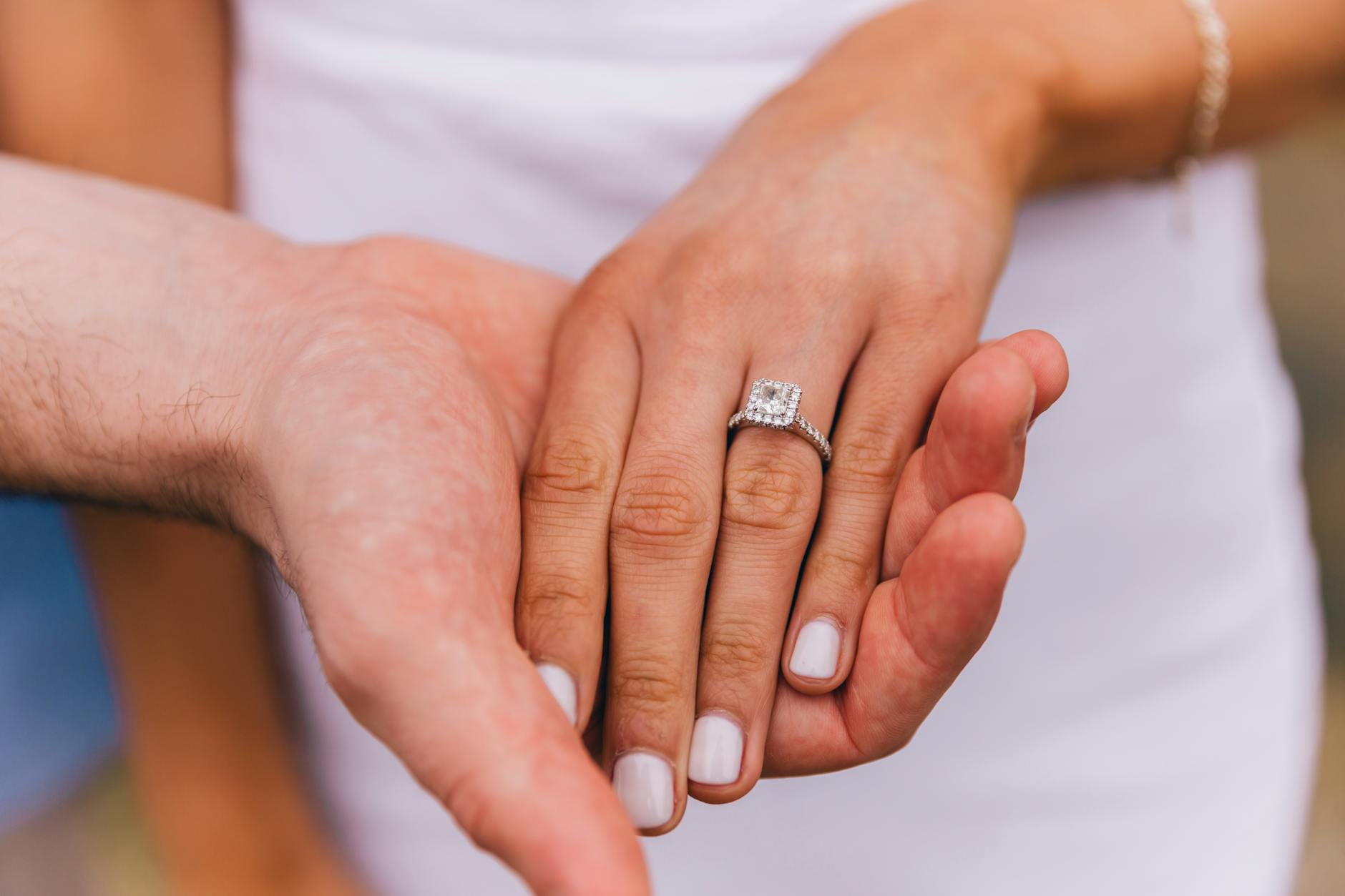
Choosing a diamond shape is one of the most personal parts of buying a ring, and it can have a bigger visual impact than many first-time buyers expect. If you have smaller hands, the shape you choose can affect how large the diamond looks, how balanced it feels on the finger, and even how comfortable the ring is for daily wear.
The Best Diamond Shapes for Small Hands are usually shapes that create length, reduce visual bulk, or offer a clean, balanced look without overwhelming the finger. That does not mean there is one perfect shape for everyone. The best choice depends on your hand proportions, ring style, budget, and whether you want the diamond to look larger, more delicate, or more traditional.
This guide explains which shapes tend to work well on smaller hands, why they work, and what buyers should consider before making a decision. It also compares shape performance in terms of face-up size, sparkle, durability, and style so you can make a confident choice whether you are buying a natural diamond or a lab grown diamond.
Quick Answer
If you have small hands, the diamond shapes that often look most flattering are oval, pear, marquise, round, emerald, and cushion, depending on the look you want. Elongated shapes such as oval, pear, and marquise can make fingers appear longer and slimmer. Round diamonds offer the most classic look and work well in many ring styles. Emerald and cushion cuts can look elegant and refined, especially in smaller, balanced settings.
The best shape is not just about size. It is also about how the diamond sits on the hand, how much sparkle you want, and whether you prefer a modern, vintage, or traditional style. For small hands, proportion matters more than carat weight alone.
What Makes a Diamond Shape Flattering on Small Hands?
When people talk about a diamond being flattering on a small hand, they usually mean it looks proportionate rather than oversized or bulky. A diamond that is too wide can make a small finger look crowded. A diamond with more length than width can create a slimming effect and visually stretch the hand.
Several factors influence this appearance:
- Face-up size, which is how large the diamond appears from above.
- Length-to-width ratio, especially for elongated shapes like oval, pear, and marquise.
- Setting style, since a delicate band can make the center stone look more balanced.
- Carat weight, though two diamonds with the same carat can look very different depending on shape and cut.
- Ring proportions, including prong style, halo size, and band thickness.
On smaller hands, the goal is usually visual balance. A well-proportioned diamond often looks more elegant than a larger stone that feels dominant on the finger.
Best Diamond Shapes for Small Hands
Oval
Oval diamonds are one of the most popular choices for small hands because they tend to look elongated and graceful. The shape can make the finger appear longer, and it often looks slightly larger than a round diamond of the same carat weight because of its stretched outline.
Oval diamonds also offer strong brilliance, which means they reflect light in a bright, lively way. For buyers who want a balance of size appearance and sparkle, oval is often a practical choice.
One thing to watch for is the bow tie effect, a dark area across the center of some oval diamonds. A well-cut oval minimizes this issue, but it is still worth examining the stone in person or in high-quality videos when possible.
Pear
Pear-shaped diamonds combine a rounded end and a pointed end, creating a graceful, tapered look. This shape can work especially well on small hands because it draws the eye along the length of the finger. It often appears refined and elegant, especially when worn with the point facing toward the fingertips.
Pear shapes can also look larger than their carat weight suggests because of their elongated outline. Like ovals, they may show a bow tie effect if the cut is not balanced, so proportions matter.
Some buyers prefer pear shapes because they feel distinctive without being overly trendy. Others choose them because they can be set in many styles, from solitaire to halo to east-west settings.
Marquise
Marquise diamonds are among the most lengthening shapes available. Their pointed ends and narrow profile can make fingers appear longer and slimmer, which is why they are often recommended for small hands.
Because marquise diamonds spread their weight efficiently across the surface, they can also look large relative to their carat weight. That makes them appealing for buyers who want visible size without moving too high in carat weight.
The trade-off is that the pointed ends can be vulnerable to chipping if the setting does not protect them well. A marquise should usually be set with secure prongs that cover the tips.
Round Brilliant
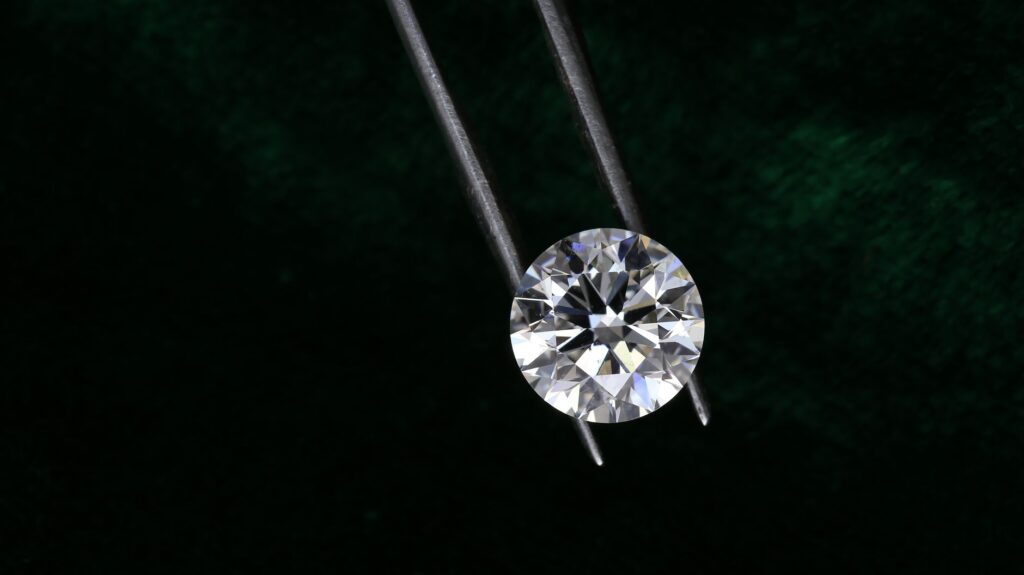
Round diamonds are a classic option and remain the most popular shape overall. While they do not create the same lengthening effect as oval or marquise shapes, they are versatile and visually balanced on many hand sizes.
On small hands, a round diamond can look especially neat and proportional when the carat size is chosen carefully. Its symmetrical shape tends to feel timeless and easy to wear, which is useful for buyers who want a traditional engagement ring.
Round diamonds are also known for having the strongest sparkle in most lighting conditions. If brilliance matters more to you than maximizing the illusion of length, round is still one of the best choices.
Emerald
Emerald cut diamonds have a rectangular shape with step-cut faceting. Instead of the bright, glittering appearance of brilliant cuts, they offer broad flashes of light and a more open view into the stone.
For small hands, an emerald cut can look elegant and refined, especially when the stone is not too wide. Its elongated shape can flatter the finger, while the step-cut style creates a sleek, polished appearance.
Emerald cuts do not hide inclusions as easily as brilliant shapes, so clarity becomes more important. Buyers often need to pay more attention to the diamond’s clarity grade and overall transparency.
Cushion
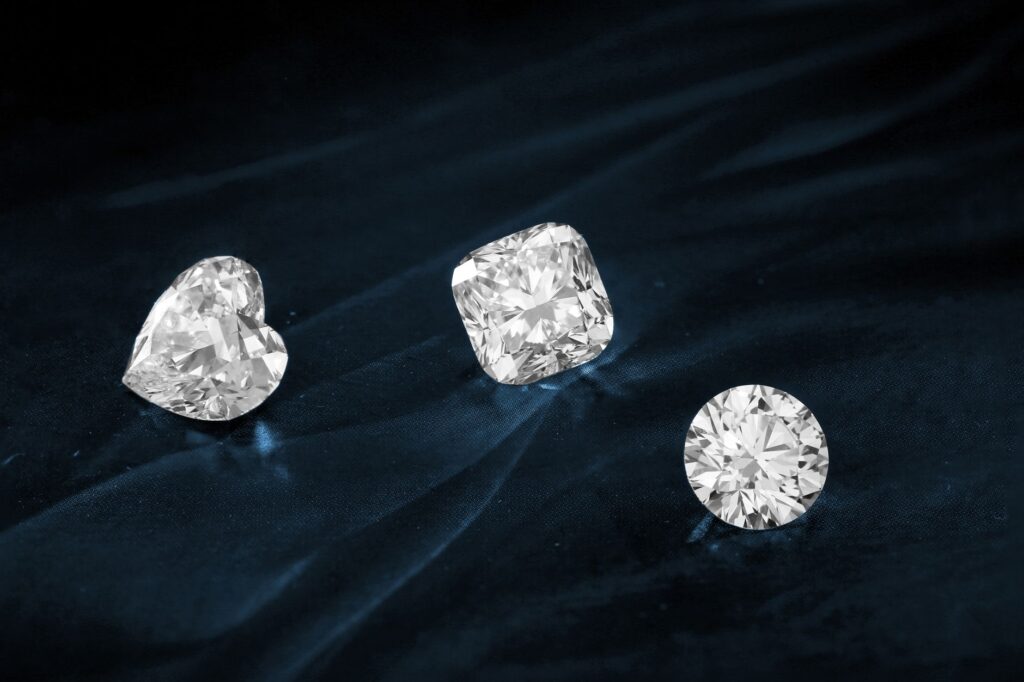
Cushion cuts have soft, rounded corners and a pillow-like shape. They are a good option for buyers who want a gentle, romantic look that does not feel harsh on a smaller hand.
Depending on the proportions, a cushion can look compact and balanced or slightly elongated. Elongated cushions can create a lengthening effect, while more square cushions feel softer and more traditional.
Cushion diamonds vary widely in their light performance. Some have a romantic, chunky sparkle, while others look more fiery and modern. Cut quality matters significantly in this shape.
Asscher
Asscher cuts are square step-cut diamonds with a vintage feel. They can work well on small hands if you want a more structured, architectural look without a large visual footprint.
Because Asscher cuts have a smaller face-up spread than many brilliant cuts, they may not look as large as their carat weight suggests. However, their symmetry and hall-of-mirrors effect can be appealing to buyers who value elegance over maximum size appearance.
This shape is less about making the finger look longer and more about creating a refined, intentional style.
Comparison Table: Shape Performance on Small Hands
| Shape | Visual Effect on Small Hands | Sparkle Style | Size Appearance | Durability Considerations | Best For |
|---|---|---|---|---|---|
| Oval | Lengthens the finger and looks graceful | Bright brilliance | Often looks larger than round | No sharp points, generally practical | Buyers who want a flattering, modern look |
| Pear | Elegant and slimming | Bright brilliance | Strong spread for the carat weight | Pointed tip needs protection | Buyers who want something distinctive |
| Marquise | Most lengthening effect | Good brilliance, less even in some stones | Looks very large face-up | Points are vulnerable | Buyers who want maximum visual length |
| Round | Balanced and classic | Strongest all-around sparkle | Can look slightly smaller than elongated shapes | Very durable | Buyers who want timeless appeal |
| Emerald | Elegant, structured, and sleek | Broad flashes of light | Less spread than brilliant shapes | Corners need protection | Buyers who prefer a refined, vintage look |
| Cushion | Soft and balanced | Varies by cut style | Can be strong in face-up presence | Rounded corners are practical | Buyers who want a romantic look |
| Asscher | Compact and sophisticated | Subtle, mirror-like flashes | Usually looks smaller than brilliant cuts | Square corners need care | Buyers who like vintage symmetry |
How Shape Affects Sparkle, Fire, and Brilliance
Many buyers focus on shape first, then wonder why two diamonds of the same size can look so different. The reason is that shape affects how light enters, reflects, and exits the stone.
Brilliance refers to the white light reflected back to the eye. Fire refers to colored flashes of light. Scintillation is the sparkle you see when the diamond moves.
Round brilliant diamonds generally produce the most consistent sparkle because their faceting pattern is designed to return light efficiently. Oval, pear, and marquise shapes can also be very bright, but they may have slightly less even light distribution or a visible bow tie depending on the cut.
Step cuts like emerald and Asscher show fewer small sparkles and more large flashes of light. This can make them look cleaner and more understated, but they will not have the same intense glitter as a round diamond.
For small hands, this matters because sparkle can influence how noticeable the diamond feels. A shape with strong brightness can stand out without needing a very large carat weight.
Why Elongated Shapes Often Work So Well
Oval, pear, and marquise diamonds are often recommended for small hands because they change the visual proportions of the finger. Rather than spreading out broadly across the width of the hand, they create a vertical line that makes the finger look longer.
This is a visual effect, not a change in actual hand shape. But in jewelry, that distinction still matters because the ring is seen from above and at angle throughout the day.
Elongated shapes also tend to maximize face-up size. This means you may get more visible surface area than you would from a round diamond of the same weight. For buyers comparing diamonds within a budget, that can make elongated shapes feel like a smart use of carat weight.
Advantages of Diamond Shapes That Suit Small Hands
They can create a more balanced look
A ring that suits the scale of the hand often looks more elegant than one that overwhelms it. Small hands usually benefit from diamonds that feel proportionate rather than oversized.
They can make the finger appear longer
Elongated shapes such as oval, pear, and marquise naturally guide the eye vertically. This can make the finger appear slimmer and longer, which many buyers find flattering.
They may look larger for the carat weight
Some shapes spread their weight across a wider face-up area. That means a 1.00 carat oval or marquise can appear larger than a 1.00 carat round diamond, depending on the cut proportions.
They offer style flexibility
Many of these shapes work in both modern and traditional settings. An oval solitaire feels different from a pear halo or an emerald bezel, but the underlying shape remains versatile.
Disadvantages and Trade-Offs
Some shapes show bow ties or uneven light performance
Elongated diamonds may show dark areas in the center if the cut is not optimized. This is especially important for ovals and pears. A strong bow tie can distract from the diamond’s beauty.
Sharp corners can increase the risk of damage
Marquise, pear, emerald, and Asscher shapes have pointed corners or tips that can be more vulnerable than rounded shapes. This does not mean they are fragile, but it does mean the setting should provide adequate protection.
Some shapes look smaller face-up than others
Round diamonds, step cuts, and some cushion cuts may not appear as large as elongated shapes of the same carat weight. Buyers who care most about visual size should compare dimensions, not just carat.
Clarity can be more noticeable in some shapes
Emerald and Asscher cuts have larger open facets that can make internal flaws easier to see. If you are shopping for a lab grown diamond or a natural diamond in these shapes, you may need to pay more attention to clarity grade than you would with a round brilliant.
Which Diamond Shape Is Best for Small Hands?
The best shape depends on the effect you want.
- For the most lengthening effect: marquise, oval, or pear.
- For classic sparkle and balance: round.
- For an elegant, refined look: emerald or Asscher.
- For soft romance with flexibility: cushion.
If your goal is to make the hand look slimmer or longer, elongated shapes are often the strongest choice. If your priority is sparkle and timelessness, round remains an excellent option. If you want a quieter, more sophisticated appearance, step-cut shapes may be more appropriate.
There is no requirement to choose a shape simply because your hands are small. The best diamond is the one that fits both your style and your proportions comfortably.
How Shape Compares on Finger Appearance
Different shapes influence the hand in different ways because of their outline and how much horizontal space they occupy.
| Shape | Finger Effect | General Visual Impression |
|---|---|---|
| Oval | Lengthens and softens | Modern, graceful, versatile |
| Pear | Lengthens with a distinctive taper | Elegant, slightly more unique |
| Marquise | Strongest elongating effect | Dramatic, vintage-inspired |
| Round | Balanced but not lengthening | Classic, familiar, symmetrical |
| Emerald | Can lengthen if rectangular | Clean, refined, architectural |
| Cushion | Softens the hand without much elongation | Romantic, approachable, timeless |
Finger appearance also depends on the ring setting. A slim band can make a diamond look more delicate, while a wide band can make the center stone feel smaller by comparison. The ring should be considered as a whole rather than as a center stone alone.
Important Buying Considerations for Small Hands
Think about face-up measurements, not only carat weight
Carat tells you how much a diamond weighs, not how big it looks. Two diamonds with the same carat can have very different dimensions depending on shape and cut. For small hands, a stone with more visible spread may feel more proportional than a heavier stone with a deeper profile.
This is especially relevant if you are comparing lab grown diamonds, since larger sizes may be more accessible within the budget. A buyer may be able to choose a larger elongated shape without sacrificing cut quality.
Pay attention to the length-to-width ratio
Length-to-width ratio helps you understand how stretched or compact a shape appears. Ovals, pears, and marquise diamonds all vary in ratio, and those differences affect how they look on the hand.
For example, a slightly elongated oval often looks elegant and balanced, while an extremely narrow one may feel too stretched. The same is true for pears and marquise stones. There is no single ideal number for every buyer, but proportions should feel intentional rather than accidental.
Choose the setting carefully
The setting can either support a shape or overpower it. For small hands, thinner bands, balanced prongs, and low to moderate profiles often look more refined than heavy settings.
If the center stone is elongated, a simple solitaire can emphasize length. If the shape is more compact, such as round or cushion, a delicate halo may increase visual size, but it also adds width, so it should be used thoughtfully.
Consider daily wear and comfort
Small hands sometimes pair best with rings that do not sit too high or too wide. Larger settings can feel top-heavy, especially if the wearer types often, works with their hands, or prefers a lower-profile ring.
Comfort is a practical issue, not just a style issue. A ring that feels awkward in daily wear is less likely to be enjoyed long term.
Do not ignore durability
Shapes with points require secure settings. Prongs should protect vulnerable tips, especially on marquise and pear diamonds. Emerald and Asscher cuts also need care at the corners.
For everyday wear, rounded shapes such as oval, round, and cushion are often easier to live with. That does not make pointed shapes a poor choice, but it does mean the setting and maintenance matter more.
How Lab Grown Diamonds Fit Into the Decision
Lab grown diamonds are often relevant when shoppers are choosing shapes for small hands because they can provide more size for the budget. If you want an elongated shape with strong face-up presence, lab grown options may let you consider a larger or higher-quality stone than a comparable natural diamond price might allow.
That said, the shape principles do not change. A well-cut lab grown oval still needs good proportions, a secure setting, and attention to bow tie appearance. A lab grown emerald still benefits from strong clarity and good transparency.
It is also important to understand that lab grown diamonds have different long-term resale dynamics than natural diamonds. They are valued for beauty and affordability rather than investment potential. Buyers should compare them based on visual quality, budget, and personal priorities, not just carat size.
Common Mistakes Buyers Make When Shopping for Small Hands
Choosing carat weight without considering proportion
Many buyers assume larger is always better. In reality, a diamond that is slightly smaller but better proportioned can look more elegant and balanced on a small hand.
Ignoring the setting
Even the best shape can look awkward if the band is too thick, the head is too tall, or the center stone is set too wide. Setting design is part of the overall visual result.
Overlooking shape-specific issues
Bow ties, pointed tips, and weak corner protection can all affect long-term satisfaction. These are not always obvious in product photos, which is why inspection and certification matter.
Assuming all diamonds of the same shape look similar
Cut quality varies widely. Two ovals can have very different brilliance, and two emerald cuts can differ greatly in transparency and corner symmetry. Shape is only the starting point.
Forgetting comfort
Small hands may be more sensitive to bulky settings. A ring that looks beautiful in a display case may feel large in practice. Comfort and proportion should be evaluated together.
How Shape Choice Relates to Diamond Quality Grades
Shape is only one part of the buying decision. For a complete understanding of a diamond, buyers should also learn about diamond cut grades, diamond color grades, and diamond clarity grades.
Cut quality is especially important for shapes that depend on brilliance, such as round, oval, and pear diamonds. Color can be more visible in step-cut shapes, especially emerald and Asscher. Clarity can be easier to see in open-facet designs because there is less visual masking.
For small hands, these trade-offs matter because a buyer may be choosing between size appearance and overall visual quality. Understanding the basics of diamond grading helps prevent disappointment later.
Shape Trends and Long-Term Appeal
Some shapes are consistently popular, while others move in and out of style. Round diamonds have the strongest long-term track record because they are classic and versatile. Oval diamonds have become especially popular in recent years because they combine elegance, size appearance, and a modern feel.
Pear and marquise shapes can feel a little more style-driven, but they also have long histories in fine jewelry. Emerald and Asscher cuts are often chosen by buyers who prefer vintage inspiration or understated sophistication. Cushion cuts sit somewhere in the middle because they can feel both traditional and current, depending on the faceting style.
If long-term appeal matters to you, it is usually wise to choose a shape that matches your personal style rather than chasing a short-term trend. A diamond ring should still feel right years later.
Practical Shape Examples for Small Hands
Here are a few realistic ways buyers often approach the decision:
- A buyer who wants a slim, elegant look: chooses an oval or pear with a thin band.
- A buyer who wants the biggest face-up appearance: considers a marquise or elongated oval.
- A buyer who wants timeless sparkle: chooses a round brilliant in a modest size.
- A buyer who likes refined, vintage style: chooses an emerald or Asscher cut with secure corner protection.
- A buyer who wants soft, romantic style: chooses a cushion cut with balanced proportions.
These are not strict rules. They are common patterns that help buyers narrow options based on appearance and wearability.
Frequently Asked Questions
What diamond shape makes small hands look slimmer?
Oval, pear, and marquise shapes are the most commonly recommended because they create a lengthening effect. They guide the eye vertically and can make the finger appear slimmer. The final result also depends on the ring setting and the diamond’s proportions.
Is a round diamond too small-looking on small hands?
Not necessarily. A round diamond can look beautifully balanced on a small hand, especially if the size is chosen carefully. It may not create the same lengthening effect as an oval or pear, but it often provides excellent sparkle and a classic appearance.
Do lab grown diamonds look different in certain shapes?
The shape itself looks the same whether the diamond is lab grown or natural. What matters is cut quality, proportions, color, and clarity. Lab grown diamonds can be a practical way to explore larger face-up shapes within a budget, but the same shape-specific buying rules still apply.
Which shape looks biggest on a small hand?
Marquise, oval, and pear shapes often look largest because they spread across more visible surface area. Marquise usually has the strongest size impression, but it can also appear more stylized. The biggest-looking shape is not always the most wearable, so comfort should still be part of the decision.
Are pointed diamond shapes too fragile for everyday wear?
Not if they are set properly. Pear, marquise, emerald, and Asscher cuts do have points or corners that need protection, but a secure setting can reduce risk significantly. Buyers who lead active lifestyles may prefer rounded shapes for simplicity.
What is the safest shape for small hands?
Round and oval diamonds are often considered among the safest because they have no sharp corners. Cushion cuts are also practical due to their rounded edges. Safety is only one part of the decision, but it matters for people who wear their rings every day.
Should I choose shape based on my finger size or my style?
Both matter. Small hands can benefit from certain proportions, but personal style should lead the decision. A flattering ring that does not match your taste is not a good long-term choice.
Conclusion
The best diamond shapes for small hands are the ones that create balance, suit the scale of the finger, and match the wearer’s style. Oval, pear, and marquise shapes are especially strong choices if you want a lengthening effect and a larger-looking face-up appearance. Round diamonds remain a dependable option for buyers who prioritize sparkle and timelessness. Emerald, cushion, and Asscher cuts can also work beautifully when the proportions and setting are chosen carefully.
The most important lesson is that shape should be evaluated alongside cut quality, face-up dimensions, setting style, and daily comfort. A small hand does not need a small or oversized diamond by default. It needs a diamond that feels proportionate and intentional.
For buyers comparing natural and lab grown diamonds, the same principles apply. Lab grown diamonds may open up more size and quality options for the budget, but shape, proportion, and craftsmanship still determine how well the ring looks on the hand. A careful comparison of diamond shape, grading, and setting design will lead to a more satisfying result than carat weight alone.