When shoppers ask which diamond shape is best for everyday wear, the most honest answer is that it depends on how the diamond will be worn, how active the wearer is, and what matters most to the buyer. Everyday wear is not just about style. It also involves comfort, durability, how often the diamond shows wear, and how well the shape fits a busy lifestyle.
For many people, this question comes up when choosing an engagement ring, but it also applies to anniversary rings, pendants, and diamond jewelry worn often. A diamond can look beautiful in a display case and still not be the most practical option for daily use. Shape affects more than appearance. It can influence how exposed the points are, how likely the diamond is to snag, how large it appears on the hand, and how easy it is to keep looking clean.
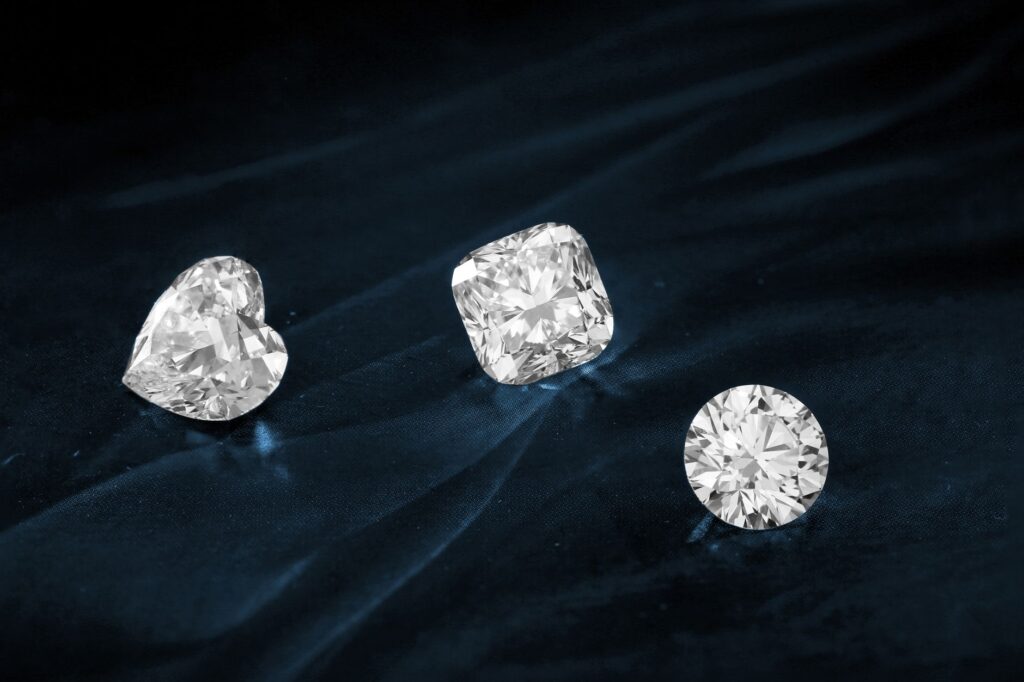
In general, the best diamond shapes for everyday wear are often round brilliant, oval, cushion, and radiant because they balance beauty with practicality. Shapes with sharp corners, such as princess, marquise, pear, and heart, can still work well for daily wear, but they usually require a little more attention to setting design and protection. The best choice is not always the most popular shape. It is the shape that fits the wearer’s routine, preferences, and level of maintenance.
Quick Answer
If you want the shortest practical answer to which diamond shape is best for everyday wear, the round brilliant is usually the safest all-around choice. It has no sharp corners, offers strong sparkle, hides minor wear well, and works in a wide range of settings. That said, oval, cushion, and radiant shapes are also strong everyday options because they combine good durability with a flattering look and often provide excellent face-up size for the carat weight.
If the wearer is very active or tends to bump jewelry often, the most practical choice is usually a shape with rounded edges or one that is protected by a secure setting. If style is the top priority, a more distinctive shape can still be a smart everyday option as long as the setting is designed to protect the stone. In other words, the shape matters, but the setting matters just as much.
What Everyday Wear Really Means for a Diamond
Everyday wear means the diamond will be exposed to regular use, not occasional special-occasion wear. That includes typing, lifting, commuting, caring for children, cooking, exercising, and general day-to-day movement. A diamond used this way needs to balance beauty with practical durability.
Diamonds are the hardest natural substance used in jewelry, but hardness is only part of the story. A diamond can resist scratching very well and still be vulnerable to chipping at thin points or corners. This is why shape and setting design matter so much for daily wear.
For buyers, the main questions are usually:
- Will the shape snag on clothing or hair?
- Are the corners or edges likely to chip?
- Does the shape look good after years of use?
- Will it show dirt or scratches more easily?
- How much maintenance will it need?
Those concerns matter whether you are shopping natural diamonds or lab grown diamonds. A lab grown diamond has the same physical properties as a mined diamond, so shape-related durability is still determined by the cut style, proportions, and setting.
Why Diamond Shape Affects Everyday Durability
Shape affects durability mainly because of the diamond’s outline. Round shapes distribute stress more evenly, while shapes with points concentrate stress at the corners. A corner is not automatically fragile, but it is more exposed and can be more vulnerable if the setting does not protect it well.
Some shapes also have thinner areas that can chip if struck. For example, the pointed ends of marquise and pear diamonds can be more exposed than the rounded edges of a round or cushion stone. The practical result is that a shape with sharp points often needs a stronger setting, such as prongs that cover and protect the corners.
Another factor is how the shape sits on the hand. A diamond that rises high above the finger is more likely to catch on sleeves, bags, or other objects. This is less about the outline itself and more about ring design, but the shape often influences the setting style, which then influences everyday comfort.
Best Diamond Shapes for Everyday Wear
Round Brilliant
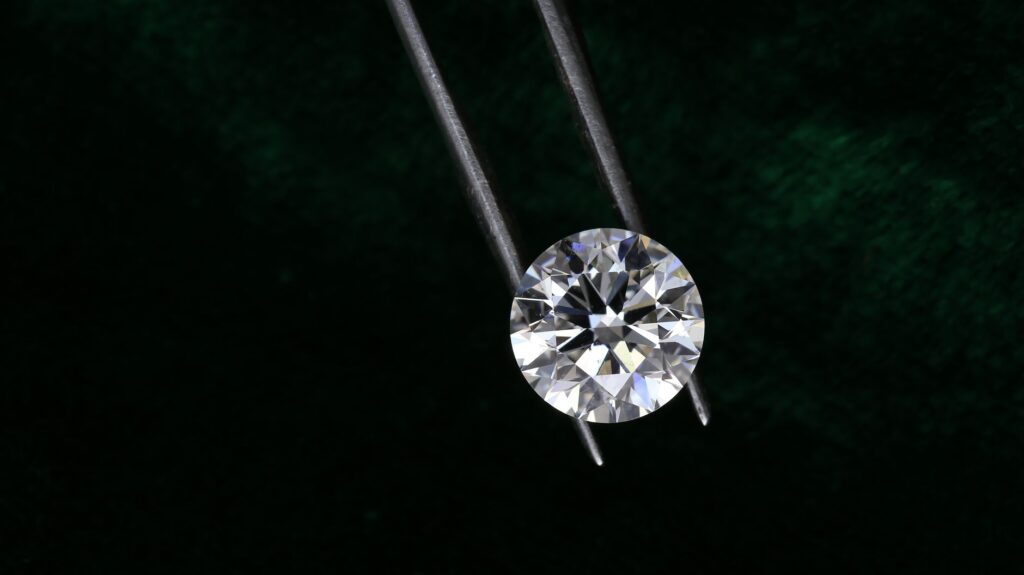
The round brilliant is usually considered the most practical everyday shape. It has no corners, which makes it less likely to chip than pointed shapes. It also tends to hide minor wear well because the symmetrical outline looks balanced even after years of use.
Round brilliants are also known for strong sparkle. That is because the cut style is designed to return light efficiently, which creates noticeable brilliance and fire. For many buyers, this means the diamond keeps looking lively even in varied lighting conditions, which is useful for daily wear.
The trade-off is that round diamonds often cost more per carat than fancy shapes of similar quality. That price difference reflects demand and cutting efficiency. In everyday use, however, many buyers find the durability and versatility worth the premium.
Oval
Oval diamonds are popular for everyday wear because they combine a flattering elongated shape with good durability. They do not have sharp corners, so they are generally easier to wear than pointed shapes. The elongated outline can also make the diamond look larger on the finger than a round diamond of the same carat weight.
One issue to consider is the bow tie effect, which is a dark area that can appear across the center of some oval stones. It happens because of how the diamond reflects light. A mild bow tie can be normal, but a strong one may reduce visual appeal. When choosing an oval for everyday wear, proportions matter a lot.
For many buyers, oval diamonds offer an appealing balance between classic and slightly distinctive. They suit people who want a graceful shape without the added fragility of sharp corners.
Cushion
Cushion diamonds have rounded corners and a soft square or rectangular outline. This makes them a practical option for daily use, especially for buyers who want a shape with a more vintage-inspired look. The rounded corners reduce the risk of chipping compared with more angular shapes.
Cushion cuts can vary widely in appearance. Some have broad, softer facets and a more romantic glow, while others are cut to look more brilliant and lively. Because of this, it is important to look closely at the actual stone rather than relying only on the shape name.
For everyday wear, cushion shapes are appealing because they are comfortable, less likely to snag than pointed shapes, and often look elegant in a wide range of settings.
Radiant
Radiant diamonds are another strong everyday option. They combine a rectangular or square outline with cropped corners, which improves durability compared with shapes that have sharp points. Their faceting style is designed for sparkle, so they can look lively even in lower light.
This shape is especially practical for buyers who want something that looks modern but still feels secure in a ring. Radiants often hide inclusions fairly well because of their busy facet pattern, which can be helpful if you are balancing size, clarity, and budget.
For daily wear, the cropped corners and strong brilliance make radiant diamonds a smart middle ground between durability and visual impact.
Shapes That Can Work for Everyday Wear With the Right Setting
Princess
Princess diamonds are popular because they offer a modern square look and strong sparkle. However, they have sharp corners, which are the most vulnerable part of the shape. That does not make them a poor choice, but it does mean they need a well-designed setting.
For everyday wear, a princess cut is usually best when the corners are protected by prongs or when the ring is made in a style that shields the edges. If the setting leaves the corners exposed, the risk of chipping increases.
Many buyers still choose princess cuts because they deliver a lot of visual impact. They are practical enough for daily wear, but they require a little more care than a round, oval, or cushion diamond.
Pear
Pear-shaped diamonds can be beautiful for everyday wear, but they need thoughtful setting design. The pointed end is more exposed than any rounded shape, which means it can be more vulnerable to damage if bumped.
Pear diamonds also need careful orientation. Some people love the teardrop look because it can make the finger appear longer and more elegant. That visual benefit is part of why the shape remains popular, but it comes with the need for a secure setting, often with a V-prong at the point.
If properly set, a pear diamond can be very wearable. The key is understanding that its elegance comes with a little more maintenance and protection than a round shape.
Marquise
Marquise diamonds create a dramatic elongated look and can make a stone appear larger than its carat weight suggests. That visual effect is one reason buyers like them. For daily wear, though, the two pointed ends need protection.
A marquise can snag more easily than rounded shapes, especially if the ring sits high or the points are left exposed. A secure setting with protective prongs can reduce the risk, but it is still a shape that benefits from mindful wear.
Marquise diamonds are best for buyers who love the style and are willing to choose a setting designed specifically for durability.
Heart
Heart-shaped diamonds are less common in everyday rings, but they can work when worn in pendants or in rings with protective settings. The cleft and points make them more vulnerable than rounded shapes, so they are usually not the first choice for someone who wants the lowest-maintenance option.
Because heart shapes are often chosen for symbolic reasons, buyers are usually prioritizing meaning and design over practicality. That can still be a valid choice, as long as expectations are realistic.
Comparison Table: Everyday Wear Pros and Cons by Shape
| Shape | Durability for Daily Wear | Sparkle | Snag Risk | Face-Up Size | Best For |
|---|---|---|---|---|---|
| Round Brilliant | Excellent | Very high | Low | Moderate | Most practical all-around use |
| Oval | Very good | High | Low to moderate | Often looks large for its weight | Flattering everyday style |
| Cushion | Very good | High to moderate | Low | Moderate | Soft, classic appearance |
| Radiant | Very good | High | Low | Often appears substantial | Modern look with strong sparkle |
| Princess | Good with secure setting | High | Moderate | Moderate | Sharp modern style |
| Pear | Good with secure setting | High | Moderate to high | Often looks elongated | Elegant, finger-lengthening look |
| Marquise | Good with secure setting | High | Moderate to high | Very large appearance | Statement look with visual length |
| Heart | Fair to good with secure setting | Moderate to high | Moderate | Varies | Symbolic or decorative use |
Appearance and Visual Performance
Sparkle, brilliance, and fire
When buyers talk about sparkle, they are usually mixing several visual effects. Brilliance is the white light returned by the diamond. Fire is the colored flashes of light created when the diamond splits light into spectral colors. Scintillation is the pattern of sparkle and contrast you see as the diamond moves.
Round brilliant diamonds generally lead in overall sparkle because their facet design is optimized for light return. That is one reason they remain so popular for engagement rings and everyday wear. Their balanced pattern also means they tend to look lively in different lighting conditions, including office lighting, natural light, and evening settings.
Fancy shapes such as oval, cushion, and radiant can also sparkle beautifully, but their performance varies more with proportions. A well-cut oval or radiant can be extremely attractive. A poorly cut one may show dull areas, uneven brightness, or a distracting bow tie.
This is why shape alone does not determine beauty. The cut quality, proportions, and symmetry all influence how the shape performs in real life. For buyers comparing options, learning about diamond cut grades is often just as important as choosing the shape itself.
Face-up size and perceived value
Face-up size means how large the diamond looks from above when it is set in jewelry. This is important for everyday wear because many buyers want a diamond that appears substantial without requiring a very high carat weight.
Elongated shapes such as oval, pear, and marquise often look larger than round diamonds of the same carat weight. That is because their surface area is spread across a longer outline. In practical terms, this can make them feel like a better size value, especially when compared with a round stone at similar quality.
However, face-up size is only one part of value. A diamond that looks larger but is less durable or has visible cut issues may not be the best choice for daily wear. The most useful comparison balances visual size with long-term practicality.
Finger appearance
Many buyers choose a diamond shape based on how it looks on the hand. Round shapes tend to look balanced and classic. Oval, pear, and marquise shapes often make the finger appear longer and slimmer. Square shapes like princess and cushion can look more compact and modern.
This effect is partly visual and partly related to ring design. A slim band can make almost any diamond shape look larger and more elegant, while a wide band can make the same stone appear smaller. Buyers often focus only on the diamond and forget that the ring setting also influences how the shape reads on the hand.
For everyday wear, finger appearance should be weighed against comfort. A shape that looks dramatic but catches on clothing may not be ideal if the wearer wants a low-maintenance ring.
Advantages of the Best Everyday Shapes
The best everyday diamond shapes tend to share a few practical advantages. They are usually easier to maintain, less prone to snagging, and more forgiving if the wearer is active. They also tend to remain visually appealing even as the jewelry is worn regularly over time.
Common advantages include:
- Lower risk of chipping when the shape has no sharp corners
- Better comfort for daily activities
- Strong sparkle in a range of lighting conditions
- Versatility with many setting styles
- Timeless appeal for long-term wear
Round brilliants lead in versatility, but other shapes can provide a more individualized look without sacrificing too much practicality. For buyers balancing budget and visual impact, lab grown diamonds can make it easier to choose a larger or higher-quality shape in the same price range, especially in popular cuts like oval, radiant, and cushion.
Disadvantages and Trade-Offs
No shape is perfect for every wearer. Even the safest everyday shapes have trade-offs. Round diamonds can cost more. Fancy shapes may show more variation in cut quality. Pointed shapes may need extra setting protection.
Some of the most common drawbacks are:
- Round brilliant: higher price per carat than many other shapes
- Oval: possible bow tie effect if proportions are not well balanced
- Cushion: some versions can appear softer or less bright depending on cut style
- Radiant: facet pattern can make it harder to judge clarity from photos alone
- Princess: corner vulnerability if the setting does not protect them
- Pear and marquise: more careful wear and setting design needed
These are not reasons to avoid a shape entirely. They are reasons to match the shape with the right ring design and the wearer’s lifestyle.
How Setting Design Changes Everyday Wear
The setting can make a dramatic difference in whether a shape is truly suitable for daily wear. A secure setting can protect corners, lower the profile, and reduce snagging. A poor setting can make even a durable shape feel inconvenient.
Why prongs matter
Prongs are the small metal claws that hold the diamond in place. Their placement matters. Corners on princess, pear, marquise, and heart shapes should usually be protected by prongs that cover the vulnerable tips. For round or oval shapes, prong placement is still important, but the risk is generally lower.
A setting that leaves points exposed may look delicate, but it can create avoidable risk in everyday wear. This is especially important for engagement rings that are worn continuously.
Low-profile vs high-profile settings
Low-profile settings keep the diamond closer to the finger. This usually improves comfort and reduces the chance of snagging. High-profile settings lift the stone more dramatically, which can enhance visibility, but they can also make the ring feel less practical for daily use.
For someone who works with their hands, low-profile settings are often the better choice regardless of shape. A round diamond in a low setting may be more wearable than a more fragile shape in a high setting.
Choosing by Lifestyle, Not Just Shape
The best shape for everyday wear depends on the wearer’s routine. Someone with an office job and occasional social events may have different needs than someone who cooks professionally, exercises frequently, or works in a hands-on environment.
Best for active lifestyles
Round brilliant is usually the most practical. Oval, cushion, and radiant are also strong choices if set securely and kept at a comfortable height. These shapes offer good protection and reduced snag risk.
Best for someone who wants a larger look
Oval, pear, and marquise often deliver more visible spread for the carat weight. For buyers comparing lab grown diamonds and natural diamonds, this is one reason elongated shapes are popular in lab grown engagement rings. The buyer may be able to choose a larger-looking stone within budget without sacrificing appearance.
Best for someone who wants the least maintenance
Round brilliant is still the easiest answer. Its lack of corners, strong sparkle, and broad compatibility with settings make it simple to wear regularly.
Best for someone who wants a distinctive style
Cushion, oval, radiant, pear, and marquise each offer a more individual look than round. The trade-off is that some of these shapes require a little more attention to proportions and protection.
Lab Grown Diamonds and Everyday Shape Choices
Lab grown diamonds are especially relevant in shape selection because they often allow buyers to prioritize size, cut quality, and style at a lower price point than a mined diamond of similar appearance. That can matter when choosing an everyday shape, since buyers may be able to select a shape with better proportions or a more secure setting without moving out of budget.
For example, a buyer might choose a well-cut oval or radiant lab grown diamond rather than settling for a smaller stone in a shape they do not love. This is a practical advantage, not a guarantee of better value in every sense. Lab grown diamonds generally have lower resale value than mined diamonds, so the decision should be based on wear, beauty, and budget rather than investment assumptions.
As with mined diamonds, certification matters. A grading report from a respected lab such as GIA or IGI can help buyers assess the stone’s cut, color, clarity, and measurements more confidently. That is especially useful when comparing shapes with more variable visual performance.
Important Buying Considerations for Everyday Wear
1. Prioritize cut quality
Cut quality affects how well the diamond returns light and how attractive it looks in daily use. A well-cut diamond generally appears brighter and more lively, even if the shape is simple. Poor cut quality can make a diamond look less impressive regardless of carat weight.
This is especially important for oval, cushion, radiant, pear, and marquise diamonds, where proportions can vary more widely than in round brilliants. Buyers should pay attention to measurements, not just the shape name.
2. Look at the setting as part of the purchase
A strong shape can be undermined by a weak setting. Make sure the setting protects vulnerable points, sits at a comfortable height, and feels appropriate for the wearer’s activities. For many everyday rings, the setting is just as important as the diamond itself.
3. Consider color and clarity in context
Some shapes show color or inclusions more easily than others. Round brilliant often hides small inclusions well because of its sparkle pattern. Step-cut shapes are not the main focus of this article, but in general, shapes with broader open facets can reveal clarity characteristics more readily.
For everyday wear, many buyers choose a balanced approach. They do not always need top clarity grades if the shape and setting make imperfections less visible. The right balance depends on the actual diamond and the buyer’s standards.
4. Think about maintenance
Every diamond needs occasional cleaning, but some shapes show dirt more quickly than others. Diamonds with deeper settings or more open surfaces can gather oils and residue. A clean diamond always looks better, and the difference is noticeable in shapes that rely on brilliance and contrast.
Before buying, it helps to think about whether the wearer will be willing to clean the ring regularly or prefer a shape that stays visually forgiving between cleanings.
5. Match the shape to the wearer’s habits
Someone who removes jewelry often may be able to wear a more delicate shape. Someone who forgets to take rings off may be better served by a simpler, more durable outline. The right answer is personal, but lifestyle should guide the decision more than trend.
Common Mistakes Buyers Make
One common mistake is choosing shape based only on appearance in a single photo. A diamond can look beautiful from one angle and still be less practical in real life. Buyers should look at videos, measurements, and setting style whenever possible.
Another mistake is assuming all shapes are equally durable because diamonds are hard. Hardness does not eliminate the risk of chipping at sharp points. This is why point protection matters in daily wear.
A third mistake is overpaying for carat weight while ignoring how the shape spreads across the finger. A smaller-looking diamond in one shape may be less satisfying than a well-proportioned diamond in another shape, especially for buyers who want daily visual impact.
Other common errors include:
- Ignoring the bow tie effect in oval and marquise shapes
- Choosing a high setting without considering comfort
- Overlooking color visibility in shapes with larger open areas
- Not checking how the diamond looks in natural light
- Assuming a more unusual shape automatically looks larger or better
Frequently Asked Questions
Is round brilliant the most durable diamond shape for everyday wear?
Round brilliant is generally one of the most durable and practical shapes because it has no corners. That does not mean it is indestructible, but it does reduce the risk of corner chipping compared with pointed shapes. Its combination of durability and strong sparkle is why it remains the most common everyday choice.
Are oval diamonds good for an engagement ring worn every day?
Yes, oval diamonds are a very popular choice for daily-wear engagement rings. They are flattering, have no sharp corners, and often look larger than their carat weight suggests. The main thing to watch for is the bow tie effect and a secure setting that keeps the stone well protected.
Which diamond shape scratches or chips the least?
Round diamonds are usually considered the least vulnerable to chips because their outline has no corners. However, all diamonds can scratch other materials very easily, and any shape can chip if struck hard enough in the wrong place. The setting and the wearer’s habits matter a great deal.
Is a princess cut too risky for everyday wear?
Not necessarily. Princess cuts can work well for everyday wear if the corners are protected and the setting is made for durability. The shape is not inherently unsuitable, but it does require more care than round, oval, cushion, or radiant shapes.
Do lab grown diamonds perform differently in everyday wear by shape?
No. Lab grown diamonds and mined diamonds have the same physical and optical properties when comparing equivalent quality. Shape, cut, setting, and maintenance affect everyday wear in the same way for both. The main differences are usually price, availability, and resale considerations.
What shape looks biggest for the money?
Elongated shapes such as oval, pear, and marquise often appear larger than round diamonds of the same carat weight because they spread across more visible surface area. That said, the perceived size advantage should be balanced against comfort, protection, and the possibility of shape-specific cut issues.
What is the safest shape for a person who wears jewelry constantly?
Round brilliant is usually the safest all-around option for constant wear. If the wearer wants something less traditional, oval, cushion, or radiant can also be good choices when paired with a secure, low-profile setting.
Conclusion
If you are trying to decide which diamond shape is best for everyday wear, the round brilliant is usually the most practical overall. It is durable, easy to maintain, and works well in a wide range of settings. That said, it is not the only good choice.
Oval, cushion, and radiant diamonds are excellent everyday options for many buyers because they combine style with practicality. Princess, pear, marquise, and heart shapes can also work, but they usually benefit from more thoughtful setting design and slightly more care.
The best decision is the one that fits the wearer’s routine, style preferences, and comfort level. For long-term satisfaction, consider the shape together with cut quality, setting security, and whether you prefer a classic look or something more distinctive. When those elements work together, everyday wear becomes much easier to enjoy.