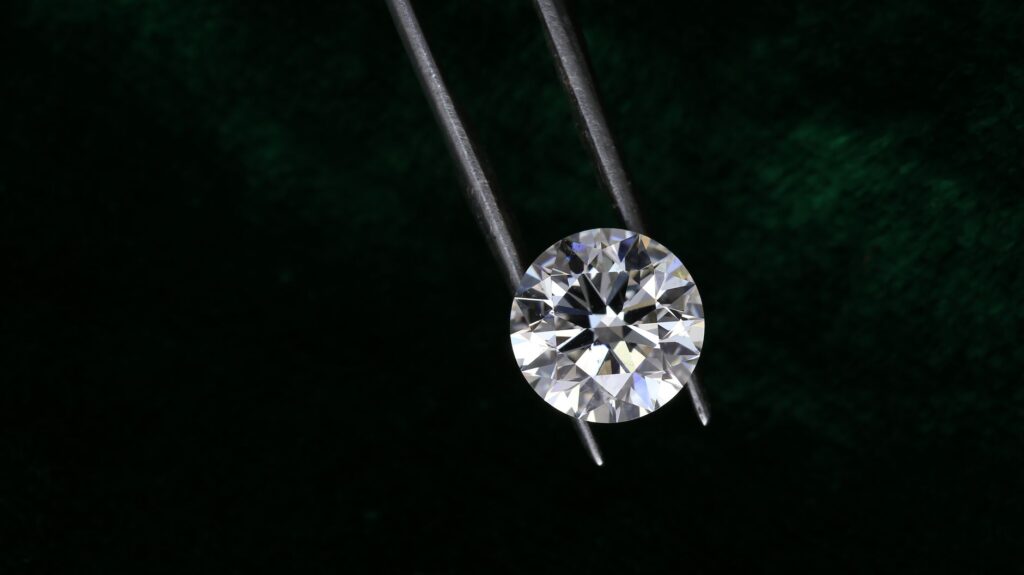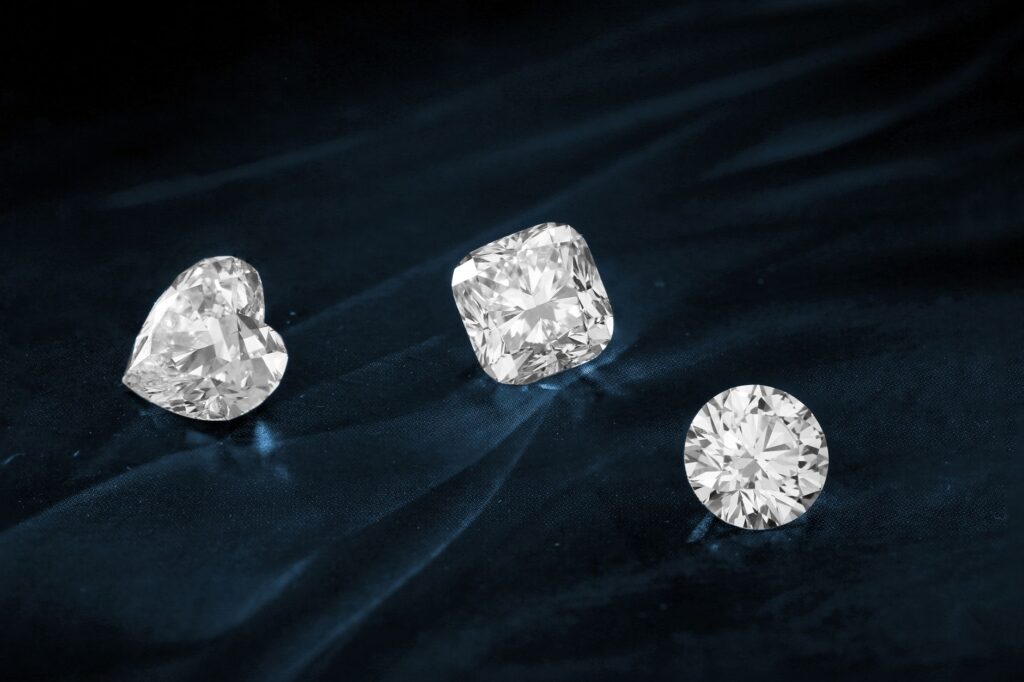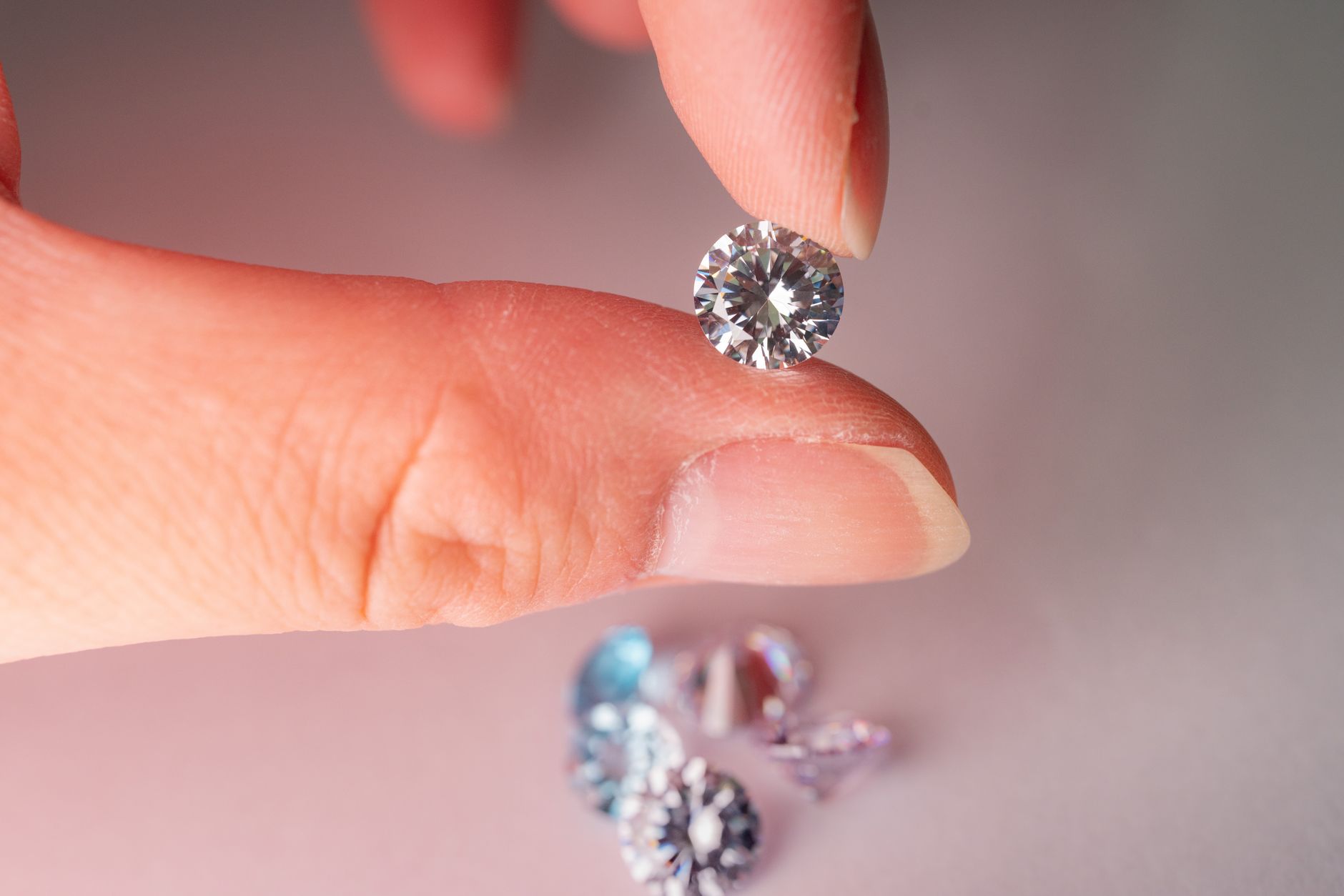
When shoppers compare Excellent Cut vs Ideal Cut Diamonds, they are usually asking a very practical question: which one will look better in real life, and is the extra precision worth paying for? The answer is not as simple as one grade always beating the other. In many cases, both can look beautiful, but the details behind the grade can matter more than buyers expect.
Cut is one of the most important quality factors in a diamond because it influences how well the stone handles light. A diamond with strong cut quality can appear brighter, livelier, and more balanced, even if it is smaller or has slightly lower clarity than another stone. For buyers, the key is understanding what these grades actually mean and what differences you are likely to notice in an engagement ring or other jewelry.
Quick Answer
Excellent Cut and Ideal Cut both refer to diamonds with very high cut quality, but they are not always identical terms. In many grading systems, Excellent is a formal lab grade, while Ideal is often a seller-used term that usually means the diamond has been selected for especially strong proportions, symmetry, and light performance.
In simple terms, a diamond labeled Ideal may be a very carefully chosen stone within the Excellent category, but the word itself is not always a standardized grading term. That means two diamonds can both be called “ideal” by different sellers and still look different. Buyers should focus less on the label and more on the underlying details, including cut grade, proportions, optical symmetry, and actual light return.
If you are choosing between the two, the better question is not “Which label is superior?” but “Which diamond performs better face-up, in my budget, and in the shape I want?” In many cases, an Excellent Cut diamond will look just as good as an Ideal Cut diamond, and sometimes better if the Ideal term is being used loosely.
What Does Diamond Cut Really Mean?
Cut does not mean the shape of the diamond, such as round, oval, or princess. It refers to how well the diamond has been fashioned from rough crystal into its final polished form. This includes the stone’s proportions, angles, symmetry, and polish, all of which influence how light moves through it.
For buyers, cut matters because it affects the diamond’s visual performance more than many other grading factors. A well-cut diamond tends to return more light to the eye, which creates brightness and sparkle. A poorly cut diamond can look dull, dark, or less lively even if it has strong color or clarity grades.
Cut Grade
Cut grade is the lab assessment of a diamond’s overall finish and light performance potential. For round brilliant diamonds, major labs such as GIA assign cut grades like Excellent, Very Good, Good, Fair, and Poor. Some other systems use different language, including Ideal, but the underlying purpose is similar: to describe how well the diamond should perform visually.
What buyers see is usually more important than the label itself. Two diamonds can share the same cut grade yet still look different because one may sit at the edge of the grade range, while another may have more precise proportions and better optical symmetry.
Ideal Cut
“Ideal cut” is commonly used to describe diamonds that are cut to very strict standards for brilliance and sparkle. In some contexts, it refers to a brand’s internal selection standard rather than an official lab grade. In others, it is used broadly to mean a diamond with top-tier proportions and visual performance.
This is why buyers should be cautious. The term can be useful, but it is not always standardized in the same way from one seller to another. If you are comparing Ideal Cut and Excellent Cut diamonds, ask what the seller means by Ideal and whether the stone has documented grading from a trusted lab.
Excellent Cut
Excellent is a formal top-tier cut grade used by grading labs such as GIA for round diamonds. It indicates that the diamond falls within a range expected to deliver strong light performance. It does not guarantee perfection, but it does mean the stone meets a high standard.
Most shoppers looking at Excellent Cut diamonds are already shopping near the top of the quality scale. Within that grade, though, performance can still vary. Some Excellent diamonds are exceptional, while others are simply very good and may have minor trade-offs in brilliance, contrast, or spread.
Excellent Cut vs Ideal Cut Diamonds: Side-by-Side Comparison
Because “Ideal” can be used differently depending on the seller or grading system, the comparison below focuses on the way buyers typically encounter these terms in the market.
| Factor | Excellent Cut | Ideal Cut |
|---|---|---|
| Meaning | Formal top-tier cut grade on major grading reports for round diamonds | Often a marketing or seller-selected term for especially strong cut performance |
| Standardization | Clearly defined by the grading lab | Can vary by retailer or branding |
| Appearance | Usually very bright and lively | Can be excellent, but depends on how the seller defines it |
| Sparkle and brilliance | Strong to excellent | Often strong to excellent, sometimes used to imply premium performance |
| Buyer confidence | Higher, because the grade is standardized | Depends on supporting documentation and seller transparency |
| Value | Often strong, especially if the stone is well chosen within the grade | Can be good, but premium pricing should be justified by real performance |
| Best for | Buyers who want a trusted, clear grading standard | Buyers who are comparing well-documented, carefully selected stones |
Why Cut Quality Matters So Much
Diamond beauty is mostly about light. When light enters the stone, it is reflected, refracted, and returned to the viewer’s eye. A good cut helps the diamond send back more light in a balanced way, which is what creates brightness and sparkle.
When the cut is off, light leaks out of the bottom or sides instead of returning to the eye. The result can be a diamond that looks smaller, flatter, or less lively than its measurements suggest. This is why a well-cut 1.5-carat diamond can sometimes look more impressive than a poorly cut 2-carat diamond.
Brightness, Fire, and Scintillation
These are the three main ways people describe a diamond’s visual performance.
- Brightness is the overall white light return you see from the diamond.
- Fire is the colored flashes of light caused by dispersion.
- Scintillation is the sparkle and contrast you notice as the diamond moves.
A very well-cut diamond tends to balance all three. A stone can be bright but not very fiery, or sparkly but not especially balanced. The best diamonds usually combine all of these effects in a way that looks lively without appearing overly busy or dull.
Light Leakage
Light leakage happens when light escapes through parts of the diamond instead of being reflected back to the eye. Buyers usually do not see the term itself in a store, but they often see the effect. A leaking diamond can show dark areas or a washed-out appearance under normal lighting.
Not all light leakage is obvious to the untrained eye, especially in bright showroom conditions. But it becomes more noticeable when comparing stones side by side or when viewing them in softer indoor light.
How Excellent and Ideal Cuts Affect Real-World Appearance
Most buyers do not inspect diamonds under laboratory lighting. They see them in jewelry stores, at home, in office lighting, and outdoors. That makes real-world appearance more important than technical perfection alone.
A diamond with top-tier cut quality will usually look more consistent across different environments. It will appear brighter in dim light, more lively in mixed light, and more balanced when the stone is moved. A weaker stone may still sparkle, but the pattern and intensity often look less refined.
What Buyers Actually Notice
In everyday viewing, shoppers usually notice the following differences first:
- Whether the diamond looks bright or dark
- Whether the sparkle looks crisp or muddy
- Whether the stone appears lively from different angles
- Whether the diamond seems to “turn off” in certain lighting
Most people do not notice precise percentages or angles with the naked eye. They notice the overall impression. That is why practical performance matters more than technical terminology alone.
Are the Differences Obvious?
Sometimes yes, sometimes no. Between a very well-cut Excellent diamond and a carefully selected Ideal diamond, the difference may be subtle and difficult to notice without expert comparison. Between a top-tier diamond and one that merely meets the lower end of a cut grade, the difference can be much easier to see.
In other words, the label itself is less important than how close the stone comes to the best-performing end of the spectrum. Experienced jewelers often judge the diamond by eye first, then use the grading report to confirm what they see.
How Symmetry and Polish Fit Into the Picture
Cut quality is not just about proportions. Two additional factors, symmetry and polish, also influence the final look of the diamond.
Symmetry
Symmetry refers to how precisely the facets are aligned and shaped relative to one another. Good symmetry helps the diamond reflect light in an organized way. Poor symmetry can disrupt the pattern and make the stone less balanced visually.
For most buyers, slight symmetry differences are not visible without magnification. However, in high-performing diamonds, especially round brilliants, precise symmetry can contribute to a cleaner, more intentional look. This matters more to buyers who want a refined appearance and are comparing close options.
Polish
Polish describes how smooth and well-finished the diamond’s facet surfaces are. Excellent polish allows light to travel cleanly through the stone’s surfaces. If polish is lower, microscopic surface marks can interfere with the way the diamond interacts with light.
To the average buyer, polish differences are rarely dramatic unless the quality is poor. In top-grade diamonds, polish is usually part of a broader commitment to fine craftsmanship rather than the main reason a stone looks better.
What About Hearts and Arrows?
Hearts and Arrows is a pattern seen in some precisely cut round brilliant diamonds when viewed with special tools. It indicates highly consistent facet alignment and strong optical symmetry. Many buyers hear the term and assume it means the diamond will automatically look better, but that is only partly true.
A Hearts and Arrows diamond can be very impressive, but the pattern itself is not the same as an official grading category. It is better understood as a sign of careful cutting. Buyers may value it because it often correlates with excellent optical precision, but the visual difference is usually more meaningful to enthusiasts than to casual viewers.
What Buyers Actually See
Most buyers do not see the hearts and arrows pattern in normal wear. They see the effect indirectly as a more balanced and precise sparkle pattern. If you are choosing between two diamonds with similar lab reports, the one with stronger optical symmetry may look more refined.
That said, a diamond does not need to be marketed as Hearts and Arrows to look beautiful. Many excellent stones perform beautifully without carrying that label.
Lab Grown Diamonds and Cut Quality
Cut quality matters just as much in lab grown diamonds as it does in natural diamonds. In fact, because lab grown diamonds often offer larger sizes at lower prices, buyers may be tempted to prioritize carat weight over cut. That is not always the best approach.
A well-cut lab grown diamond can look outstanding and deliver strong value. A larger lab grown diamond with poor cut can appear less attractive than a smaller one with better proportions and light return. Since lab grown diamonds already offer price advantages compared with many natural diamonds, many buyers focus on maximizing visual quality within budget.
Why Cut Matters Even More When Buying Lab Grown
Lab grown diamonds are frequently purchased for their size-to-budget advantage. But if the cut is weak, some of that advantage is lost because the diamond may not look as lively as expected. A poorly cut stone may also waste the visual potential that buyers often hope to get from a larger face-up spread.
For shoppers comparing lab grown options, cut should usually be one of the first filters, not the last. This is especially true when shopping for engagement rings, where everyday beauty matters more than raw size alone.
When Paying More Makes Sense
Paying more for a better cut can make sense when the difference is visible and meaningful. This is especially true when the upgrade improves brightness, sparkle, or the diamond’s apparent size face-up. A well-cut diamond often gives more visual return than spending the same amount on a higher carat weight with weaker performance.
There are also situations where paying extra for a particularly well-cut stone is worth it because the buyer values consistency across lighting conditions. Some people are sensitive to a diamond that looks dark in certain settings. Others want the most balanced sparkle pattern possible. For those buyers, a premium can be justified.
When the Premium May Not Be Worth It
If two diamonds both look very strong to your eye, the price difference may not be justified. This is often the case when comparing an excellent standard diamond with a seller-labeled ideal diamond that is not supported by clearly better performance data.
In many cases, the practical difference between top-tier stones can be small. Once you are already in the higher end of cut quality, other factors such as shape preference, budget, ring style, and color may matter more.
When Cut Differences Are Most Visible
Some cut differences are easiest to see in round brilliant diamonds because the round shape is designed to maximize sparkle and light return. For fancy shapes such as oval, radiant, emerald, pear, or marquise, cut quality still matters a great deal, but the grading systems and visual outcomes can be more varied.
Even within round diamonds, lighting matters. Bright showroom lights can make many stones look good, which sometimes hides differences. More controlled viewing conditions, such as indirect light or mixed indoor light, often reveal how well a diamond really performs.
Practical Viewing Conditions
If you are comparing Excellent Cut vs Ideal Cut Diamonds, try to observe them in a few different settings:
- Bright direct lighting
- Soft indoor lighting
- Near a window with natural light
- In motion, while rotating the stone
A diamond that still looks lively in all of those environments is usually a stronger buy than one that only looks impressive under one type of light.
Practical Buyer Scenarios
Scenario 1: A 1.5-carat diamond with strong cut versus a 2-carat diamond with weaker cut
Many buyers expect the larger stone to look more impressive, but that is not always how the eye sees it. If the 1.5-carat diamond has superior cut quality, it may appear brighter, more balanced, and even larger face-up because it reflects light better. The 2-carat diamond may have more physical weight, but if the proportions are off, it can look sleepy or uneven.
This is one of the clearest examples of why cut should not be ignored. A smaller diamond with better light return often creates a better everyday impression than a larger stone with poor performance.
Scenario 2: Excellent Cut versus Ideal Cut in everyday lighting
If both diamonds are truly top-tier, the difference may be subtle. The Ideal Cut stone may have slightly sharper contrast, a cleaner pattern, or more precise optical symmetry. The Excellent Cut diamond may look nearly identical, especially if it is near the top of the Excellent range.
For most buyers, this is where budget and documentation matter most. If the Ideal Cut command a premium but no meaningful visual improvement is visible, the extra cost may not be the best use of money.
Scenario 3: Higher clarity with weaker cut versus lower clarity with excellent cut
This is a very common trade-off. A diamond with higher clarity but weaker cut may be technically cleaner, yet less beautiful in normal wear. Meanwhile, a diamond with slightly lower clarity and excellent cut may look more vibrant and appealing because cut has such a strong influence on what the eye sees.
Many first-time buyers are surprised by this. In real-world viewing, excellent cut often contributes more to a diamond’s beauty than moving from a very clean clarity grade to a higher one that provides little visible benefit.
Advantages of Excellent Cut and Ideal Cut Diamonds
- Strong brightness and sparkle potential
- Better light return than average or poorly cut diamonds
- More attractive face-up appearance in everyday settings
- Often more forgiving when paired with different ring styles
- Can make the diamond look more lively than a larger but weaker stone
These advantages are why cut quality is so important in diamond buying. A well-cut stone tends to hold its visual appeal across a wider range of conditions, which usually leads to greater long-term satisfaction.
Disadvantages and Trade-Offs
- Top cut quality can increase price
- The term Ideal may not be standardized
- Minor differences between very good stones may be hard to detect without side-by-side comparison
- Some buyers may overpay for branding rather than visible performance
Another limitation is that cut quality does not solve every buying decision. A very well-cut diamond can still be too small, too warm in color for a particular buyer, or outside the budget. Cut matters greatly, but it should be considered alongside the full set of quality factors.
Common Buyer Mistakes
Prioritizing carat over cut
Size is easy to understand, which is why many shoppers focus on carat weight first. But a larger diamond with weak cut quality may look less attractive than a smaller, better-cut one. Face-up beauty is more important than weight alone.
Assuming all sparkly diamonds are equal
Not all sparkle is the same. Some diamonds show bright, balanced brilliance, while others flash inconsistently or appear dark in areas. Cut quality strongly influences the type of sparkle you see.
Overpaying for vague “Ideal” labels
If a seller uses the term ideal without clear proof of what it means, buyers can end up paying extra for marketing rather than measurable quality. Always ask for the grading report and any additional imaging or performance data.
Ignoring proportions and optical performance
Cut grade alone is useful, but it is not the whole story. Proportions, symmetry, and light return all shape the diamond’s appearance. A buyer who looks only at the headline grade may miss important differences.
Assuming visible differences are dramatic
At the top end of the cut spectrum, differences are often subtle. Buyers sometimes expect a dramatic leap between grades, but the improvement may be modest if both diamonds are already very well cut. Understanding this helps avoid overspending on a change you may barely notice.
How to Compare Diamonds More Smartly
The best approach is to compare diamonds using both documentation and visual inspection. Start with the grading report, then look at how the diamond performs in real light. If possible, compare stones side by side under the same conditions.
For round diamonds, look closely at the cut grade, table percentage, depth percentage, symmetry, and polish. For lab grown diamonds, also pay attention to the grading lab, because report consistency matters when comparing quality across sellers. If you are learning more about this area, a broader guide to diamond cut can help put the grading terms in context.
Helpful Questions to Ask
- Is Ideal a formal grade or a seller description?
- What grading lab issued the report?
- Are there photos, videos, or light performance images?
- How does the diamond look compared with others in the same price range?
- Does the stone appear bright and balanced in different lighting?
These questions help shift the conversation away from labels and toward actual performance.
What Matters Most for Long-Term Satisfaction
Most buyers are happiest when a diamond looks beautiful in daily life, not just on paper. That means cut quality should be evaluated as part of the whole experience. A diamond that delivers consistent brightness and sparkle tends to stay satisfying over time because it looks good in more situations.
This is especially important for engagement rings, which are worn frequently and seen in changing light conditions. If you are deciding between two otherwise similar stones, the one with stronger visual performance is often the safer choice. If you are still comparing ring options, related guides on diamond color, diamond clarity, and diamond carat can help you balance the full picture.
Frequently Asked Questions
Is Ideal Cut better than Excellent Cut?
Not automatically. Ideal is often a marketing or seller-specific term, while Excellent is a formal lab grade. An Ideal Cut diamond may be outstanding, but the term only has value if the seller can explain what makes it ideal and provide supporting documentation.
Can I see the difference between Excellent and Ideal with my eyes?
Sometimes, but not always. If both diamonds are near the top of their respective ranges, the difference may be subtle. In lower-quality stones, differences in brightness and sparkle are easier to notice.
Does cut matter more than clarity or color?
For many buyers, yes. Cut often has the strongest influence on how beautiful a diamond looks in everyday wear. A well-cut diamond can look more appealing than a higher clarity or better color stone with weaker cut quality.
Is an Excellent Cut diamond always a safe choice?
It is usually a strong starting point, but not a guarantee of best-in-class beauty. Within the Excellent range, performance can still vary. It is wise to look at proportions, symmetry, and actual viewing results rather than assuming every Excellent diamond looks the same.
Do lab grown diamonds need the same cut standards as natural diamonds?
Yes. Cut quality influences light performance regardless of how the diamond was formed. Lab grown diamonds can be exceptional when cut well, but they can also look flat or dull if the cut is weak.
Should I pay more for a Hearts and Arrows diamond?
Only if you value the extra precision and the diamond is otherwise a good fit. Hearts and Arrows can indicate excellent optical symmetry, but it does not automatically make a diamond better for every buyer. The most important question is whether the diamond looks better to you in normal viewing conditions.
What is the most important thing to check when comparing cut grades?
Look at how the diamond actually performs in light. The grade matters, but face-up brightness, sparkle, and balanced contrast are what you will see every day. If possible, use videos or view stones side by side.
Conclusion
When comparing Excellent Cut vs Ideal Cut Diamonds, the most important lesson is that the label alone does not tell the full story. Excellent is a standardized, reliable top-tier grade. Ideal may indicate especially strong performance, but it is often used inconsistently, so it should always be supported by clear documentation and visual evidence.
For most buyers, the smartest approach is to focus on how the diamond looks in real light, not just how it is described. A well-cut diamond usually delivers better brightness, sparkle, and overall beauty than a larger or higher-clarity stone with weaker cut quality. That makes cut one of the most practical quality factors to study when choosing a lab grown diamond or any other diamond meant to be worn and enjoyed every day.
If you want the most informed purchase, compare the report, the proportions, and the actual visual performance together. That approach gives you the best chance of choosing a diamond that looks good in the real world, not just on paper.