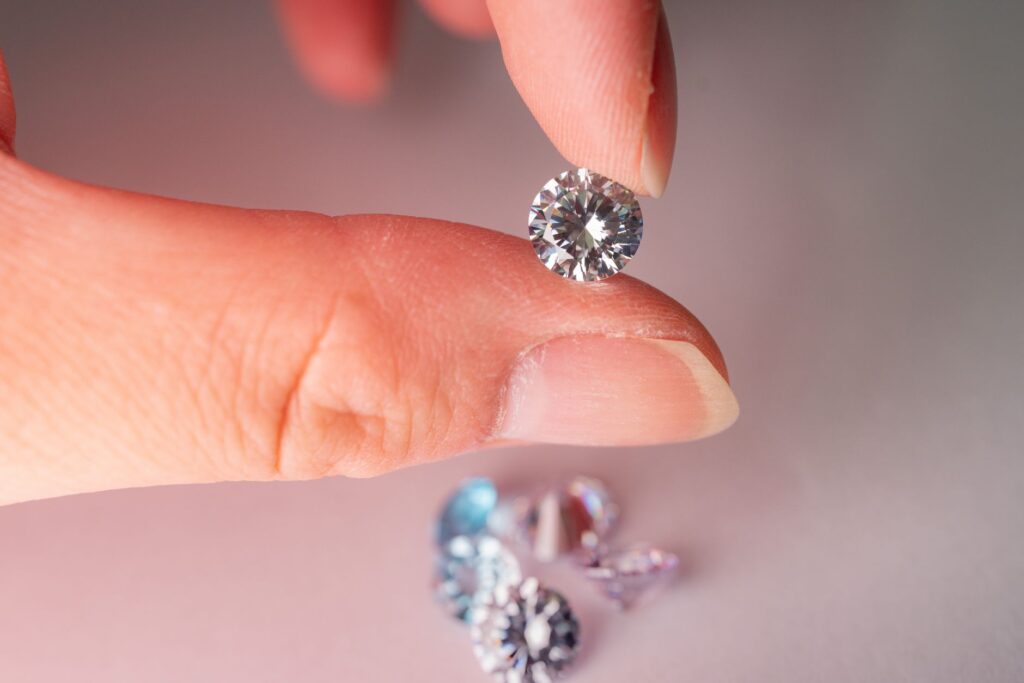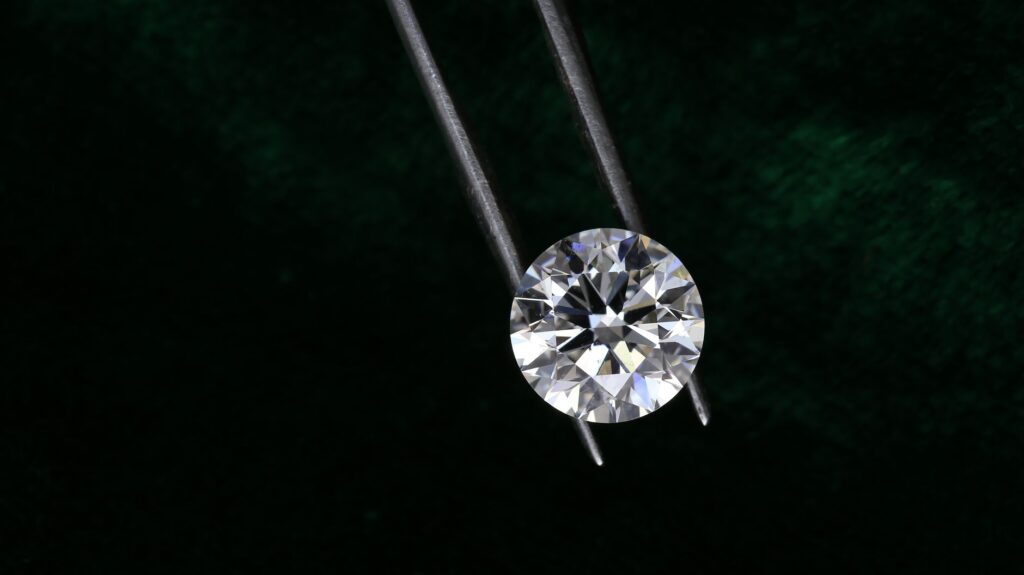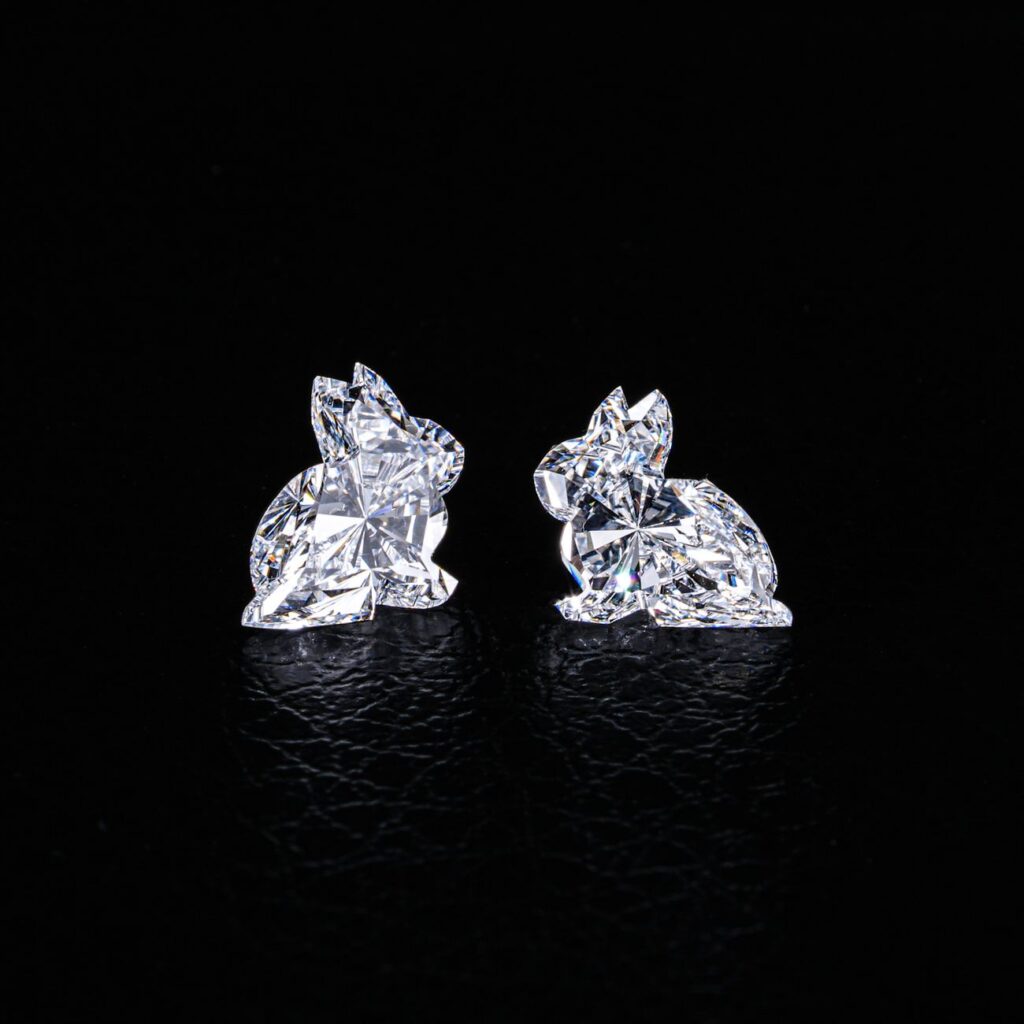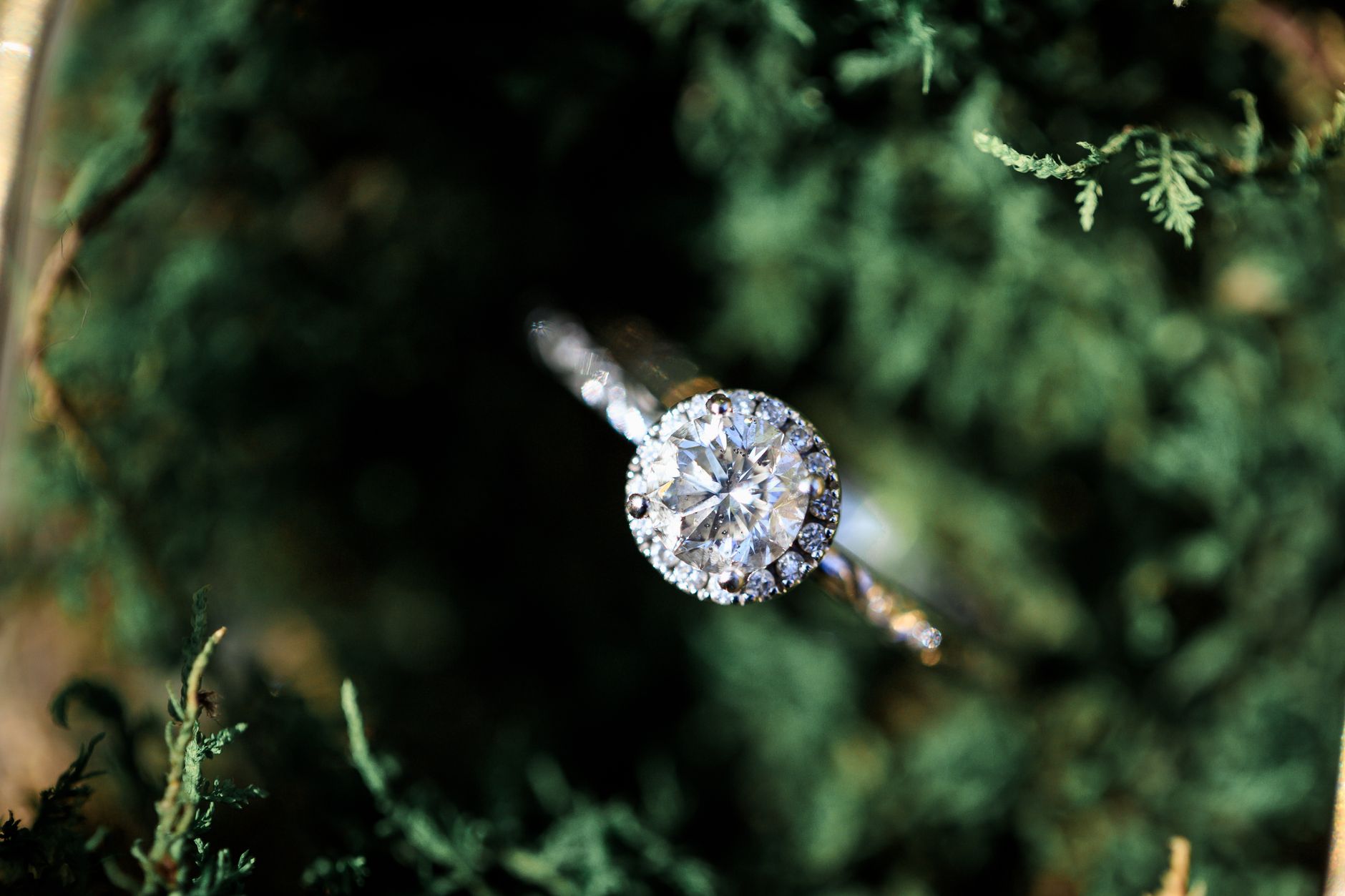
Diamond color affects appearance in a way that is often easier to understand in person than on paper. A grading report may show a letter, but what buyers actually care about is whether the diamond looks bright, white, or slightly warm once it is set in a ring and seen in everyday light.
The practical question is not simply which color grade is “best.” It is whether the difference between grades is visible, how much it changes the look of the diamond, and whether the extra cost produces a noticeable benefit. That balance becomes even more important with lab grown diamonds, where higher color grades are more common and price differences can still vary meaningfully.
Quick Answer
How Diamond Color Affects Appearance comes down to how much warmth or whiteness your eye can detect in the stone. Higher color grades usually look whiter, especially in larger diamonds and in white metal settings, while lower color grades may show a faint yellow or brown tint depending on the size, shape, and setting.
For most buyers, the difference between nearby color grades is subtle rather than dramatic. In many cases, you can save money by choosing a near-colorless grade that still looks bright and attractive face-up, especially in lab grown diamonds where excellent cut can make the stone appear very white even without paying for the highest color grade.
What Diamond Color Actually Means
Diamond color refers to the amount of body color in a diamond, usually described on the GIA scale from D to Z. D is colorless, meaning it has no measurable body color in the grading environment, while the scale gradually moves toward noticeable yellow or brown tones as you go down the alphabet.
That scale does not mean a lower grade is unattractive. It simply means the diamond has more visible warmth. In everyday jewelry use, the key issue is how much of that warmth you can actually see once the diamond is mounted, viewed from a normal distance, and compared against the metal around it.
How the Color Scale Is Grouped
The diamond color scale is commonly divided into a few practical groups:
- D to F: colorless
- G to J: near-colorless
- K to M: faint color
- N to Z: noticeable color
These groupings are useful because the visual differences between individual letters are not always obvious. A buyer usually experiences the scale in terms of broad appearance, not in precise one-letter increments.
Why Lab Grown Diamonds Often Get More Attention Around Color
Lab grown diamonds are often produced with fewer nitrogen-related impurities than many natural diamonds, which can make higher color grades more common. That is one reason shoppers often see a larger share of D, E, and F lab grown diamonds in the market.
Still, a high grade on paper does not automatically mean the diamond will look better in a ring. Cut quality, size, shape, setting style, and lighting all affect how color is perceived. In practice, an excellent G or H may look brighter and more appealing than a poorly cut D.
What This Color Actually Looks Like
When buyers talk about diamond color, they usually mean one of three things: whether the stone looks icy white, slightly warm, or visibly tinted. The experience is not the same across all grades, and it is rarely a simple yes-or-no question.
Color is also easier to see from the side than from the top. A diamond may look very white when viewed face-up, yet still show warmth through the pavilion or in side profile. That is why settings and viewing angle matter so much.
Colorless Diamonds: D, E, and F
Colorless diamonds are generally the whitest-looking diamonds on the grading scale. In face-up view, they usually appear crisp and bright, especially when the cut is strong and the setting does not add warmth.
That said, the difference between D, E, and F is usually very small to the naked eye. A trained grader using controlled lighting can tell them apart, but most consumers will not notice much difference once the stones are set in jewelry.
Near-Colorless Diamonds: G, H, I, and J
Near-colorless diamonds are often the sweet spot for value. Many of these diamonds still look white to most people, particularly in smaller sizes or in settings that do not emphasize color.
As you move from G to J, warmth becomes more likely to appear, especially in larger stones or in side-by-side comparisons with colorless diamonds. Even so, a well-cut H or I can still look very attractive and bright in normal wear.
Faint Color and Below: K to Z
Diamonds in the faint color range may start to show a soft yellow or brown tint, though the effect depends heavily on shape and setting. Some buyers enjoy the warmer look, especially in yellow gold, while others prefer a whiter appearance.
Below K, the tint becomes more visible to more people. These grades are usually chosen for budget reasons or for buyers who do not mind a warmer look. They are not automatically lower quality in a practical sense, but they do look different.
Can Most People See the Difference?
This is the most important question for nearly every diamond buyer. In many cases, the answer is that people can see the difference only under certain conditions, and not always in the way they expect.
The eye is much more sensitive to contrast than to grading labels. A diamond placed next to a much whiter stone may reveal color quickly, but the same diamond on its own may look perfectly white to a typical shopper.
Side-by-Side Visibility
Side-by-side comparisons are where color differences show up most clearly. A D and an H placed together may reveal that the H has a touch more warmth, even if both still look attractive.
That visual contrast is useful for education, but it can also mislead buyers. In real life, you usually do not wear two nearly identical diamonds next to each other. You wear one diamond, and what matters is how that single stone looks on your hand.
Everyday Visibility
In normal daily wear, many near-colorless diamonds appear white enough that most people never notice the grade. This is especially true in smaller carat sizes, where the diamond has less body depth and color is less apparent.
As diamond size increases, color becomes easier to detect. A 1.00 carat diamond and a 2.50 carat diamond of the same grade will not necessarily look the same, because larger stones generally make color more visible.
Professional vs Consumer Perception
Gemologists and jewelry professionals are trained to notice subtle differences in color, often under standardized lighting and against white backgrounds. Most consumers do not evaluate diamonds that way, and they usually respond to overall brightness rather than precise grade distinctions.
That gap is one reason buyers sometimes overpay for color grades they cannot meaningfully see. The grading system is useful, but it should not replace an honest visual assessment of the actual diamond.
Viewing Distance Matters
At arm’s length, many diamonds look brighter and whiter than they do under close inspection. That is because the eye focuses more on brilliance and sparkle than on tiny color shifts.
Close viewing, especially in a still comparison setting, makes body color easier to see. A buyer who expects to inspect a ring at 6 inches in harsh light is evaluating it differently than someone who will wear it in everyday life at normal distance.
How Diamond Color Looks in Different Metals
The ring metal can either hide or highlight diamond color. This is one of the easiest factors to overlook, yet it strongly affects how a diamond appears once it is set.
Choosing the right metal can help a diamond look whiter, or it can make a faint tint more noticeable. That means the same color grade can feel very different in platinum than in yellow gold.
White Gold and Platinum
White metals tend to emphasize whiteness. They provide a cool-toned backdrop that makes colorless and near-colorless diamonds look crisp and clean.
They can also make lower color grades look a little warmer by comparison, particularly in larger stones. If your goal is to maximize a bright white appearance, white gold and platinum usually work well with higher near-colorless and colorless grades.
Yellow Gold
Yellow gold naturally adds warmth to the overall look of the ring. Because of that, it can make a diamond with a slight yellow tint seem less noticeable.
This is one reason many buyers feel comfortable choosing G, H, I, or even J color in yellow gold. The metal color can visually absorb some of the warmth, making the diamond appear harmonious rather than tinted.
Rose Gold
Rose gold is similar to yellow gold in that it adds warmth, though in a softer, pinker way. It can be flattering with near-colorless diamonds and may reduce the appearance of slight warmth in the stone.
However, rose gold does not fully eliminate visible color. A diamond with more noticeable tint can still read warm, especially in larger sizes.
Practical Metal Choice by Color Grade
| Metal | How It Affects Appearance | Common Color Fit |
|---|---|---|
| Platinum | Shows whiteness clearly, may reveal warmth more easily | D to H often preferred, depending on size |
| White gold | Similar to platinum, slightly warmer look possible from alloy and plating wear | D to I often works well |
| Yellow gold | Adds warmth and can soften visible tint | G to J and sometimes lower can work well |
| Rose gold | Adds warmth with a pink tone, often forgiving of slight body color | G to J often a practical choice |
How Diamond Color Looks in Different Lighting
Lighting has a major effect on how diamond color appears. A stone that looks bright and white in one setting may look slightly warmer in another, even though the diamond itself has not changed.
This is why jewelry stores can be misleading if you only judge by display lighting. Good store lighting often emphasizes sparkle and masks subtle color, which is useful for selling jewelry but not always ideal for careful comparison.
Daylight
Daylight, especially indirect natural light, is one of the better ways to assess diamond color. It tends to reveal a more balanced view of the stone without the exaggeration of intense spotlighting.
In daylight, near-colorless diamonds may still look white, but some warmth becomes easier to see as you move lower on the scale. This is often the most practical environment for evaluating a diamond you plan to wear regularly.
Indoor Lighting
Typical indoor lighting can be warm or cool depending on the bulbs used. Warm bulbs may make even lower color grades seem softer and less yellow, while cool LEDs can make a diamond seem whiter.
Because home lighting varies so much, it is best not to judge a diamond color based on one room or one lamp. A diamond should look good in a range of conditions, not just in a single flattering setting.
Jewelry Store Lighting
Jewelry store lights are often designed to maximize brilliance and sparkle. They can make diamonds look more lively, but they may also hide some body color.
This is one reason a diamond that looks nearly identical to a higher-grade stone in the store may appear a bit warmer at home. Buyers should be aware that the store is not always representative of everyday viewing.
Warm Lighting vs Cool Lighting
Warm lighting tends to make diamonds appear slightly softer and less stark. This can be helpful for lower color grades because it reduces the contrast of subtle yellow tones.
Cool lighting, on the other hand, can make the same diamond seem brighter and more icy, but it can also make tiny differences in color more visible. Neither lighting type is “better,” but both influence perception.
How Shape Affects Color Visibility
Diamond shape matters because not all cuts hide color equally well. Some shapes reflect light in ways that make body color less noticeable, while others have larger open areas where color can be easier to see.
This is especially important for buyers comparing rounds with fancy shapes such as oval, pear, emerald, and cushion.
Round Brilliant Diamonds
Round brilliant diamonds are generally the most forgiving when it comes to color. Their facet pattern is designed to return a lot of light to the eye, which helps minimize visible warmth.
For that reason, buyers can often choose a slightly lower color grade in a round diamond without sacrificing a white appearance, especially in smaller to medium sizes.
Oval, Pear, and Marquise Diamonds
Elongated shapes can still look very white, but color may be more noticeable near the tips or around the outer edges. The effect varies by stone and setting.
These shapes can be excellent values in near-colorless grades, but buyers should inspect them carefully because body color is sometimes easier to see than in a round brilliant.
Emerald Cut Diamonds
Emerald cuts are among the least forgiving shapes for color. Their step-cut facets and open table create broad reflective windows, which can make color more visible.
Buyers who want an emerald cut often need to pay closer attention to color grade, especially in white metals. A higher color grade may be more worthwhile here than in a round brilliant.
Cushion and Asscher Cuts
Cushion cuts can vary widely. Some styles hide color fairly well, while others, especially more open or vintage-inspired cuts, may reveal more warmth.
Asscher cuts are step cuts like emeralds and often show color more readily. For both shapes, buyers should not assume that a grade that works in a round diamond will look the same.
Price Premium vs Visual Benefit
One of the biggest challenges in diamond buying is deciding whether the higher color grade is worth the extra cost. The answer depends on whether you will actually see a meaningful improvement.
Color pricing is not linear. In many cases, the jump from one grade to the next can add a noticeable premium even when the visual difference is very small.
Where Diminishing Returns Begin
The law of diminishing returns is especially relevant in diamond color. Once a diamond already looks white to the eye, paying more for a barely detectable improvement may not make practical sense.
This is why many informed buyers focus on the grades where the diamond still appears bright and attractive without paying for the top of the scale. For a lot of shoppers, that point is somewhere in the near-colorless range.
When the Premium May Be Worth It
Higher color grades can be worth paying for if the buyer is very sensitive to warmth, wants the absolute whitest appearance, or is selecting a larger stone where color is easier to see. They may also matter more in step-cut diamonds and in platinum settings.
In those cases, the extra cost is buying a real visual benefit, not just a better letter on the report. The key is whether that benefit matters to the person wearing the diamond.
When the Premium Is Harder to Justify
If a diamond already looks white in normal viewing conditions, a higher grade may not deliver enough visible improvement to justify the jump in price. This is especially true when the money could be used to improve cut quality, size, or overall craftsmanship.
For many buyers, a well-cut near-colorless diamond offers a better balance of appearance and value than a smaller or more expensive colorless stone.
If you’re deciding between these two ranges, our guide to Colorless vs. Near-Colorless Diamonds explains the visible differences and when paying for a higher color grade is worthwhile.
Lab Grown Diamond Context: Color and Value
In lab grown diamonds, color often becomes a strategic buying decision rather than a strict quality necessity. Because many lab grown diamonds are available in higher color grades, shoppers sometimes feel pressure to buy the highest letter simply because it is visible on the market.
That is not always the smartest approach. A lab grown diamond with excellent cut and a visually appealing near-colorless grade can look just as beautiful in a ring as a higher-priced colorless stone.
Why Higher Color Grades Are Common in Lab Grown Diamonds
The controlled growth process can produce diamonds with fewer color-causing impurities than some natural diamonds. As a result, D, E, and F grades are more common in lab grown supply than they are in many natural diamond categories.
This abundance can be helpful for shoppers, but it also creates a pricing trap. Just because a high color grade is available does not mean it is the best value.
Does Color Behave Differently in Lab Grown Diamonds?
No, color is perceived in the same general way in lab grown and natural diamonds. The eye does not distinguish the origin when judging whiteness or warmth in a finished stone.
What matters is the actual appearance of the diamond, not how it was created. The same color principles apply: cut, shape, metal, size, and lighting all influence what you see.
Is Upgrading Color Worth It in Lab Grown?
Sometimes yes, but not always. If the diamond is large, the setting is white metal, or the buyer is especially concerned with a crisp white appearance, a higher color grade may be useful.
In many cases, though, the visible difference between a high near-colorless and a colorless lab grown diamond is small. Buyers may get better overall value by prioritizing cut and choosing a color grade that still appears white in the setting they plan to wear.
Common Buyer Mistakes
Color is one of the easiest diamond factors to overthink and one of the easiest to misunderstand. The most common mistakes happen when buyers rely too heavily on the grading report and not enough on how the diamond actually looks.
Overpaying for Invisible Upgrades
Some buyers move from G to F, or from F to D, expecting a visible improvement that is hard to detect in real life. In many settings, the difference is so small that the money would have been better spent elsewhere.
This does not mean top color grades are unnecessary. It means the visual payoff should be evaluated honestly rather than assumed.
Ignoring Metal Color
A diamond that looks almost colorless in yellow gold may look slightly warmer in platinum, and a stone that seems white in a store may look different at home. Ignoring the metal choice can lead to disappointment or unnecessary spending.
Buyers should think about the complete ring, not just the loose diamond.
Assuming All Color Differences Are Obvious
Color differences are often subtle, especially in small to medium sizes and in brilliant cuts. Shoppers who expect a dramatic visible change from one letter to the next may be surprised by how close many grades appear.
It is more accurate to think in terms of “slightly whiter,” “still white,” or “noticeably warm” rather than expecting a dramatic transformation at every step.
Buying Based Only on the Grading Report
A grading report is useful, but it is not a substitute for seeing how the diamond looks in context. Two diamonds with the same color grade can appear different because of cut quality, fluorescence, shape, or setting.
For that reason, color should be considered alongside the rest of the stone, not in isolation.
How to Judge Color Like an Experienced Buyer
A practical color evaluation starts with appearance, not the letter. Ask whether the diamond looks bright, whether it reads as white from normal viewing distance, and whether any warmth is actually visible in the setting you want.
That approach is more useful than trying to chase the highest possible grade. It keeps attention on what matters most in everyday wear.
Use the Right Comparison
When comparing diamonds, try to compare stones of similar shape, size, and cut quality. Otherwise, a difference in sparkle may be mistaken for a difference in color.
If a diamond looks whiter partly because it reflects more light, that is a cut effect, not just a color effect. The best assessments separate those factors as much as possible.
Consider the Carat Size
Color is generally easier to detect in larger diamonds. A half-carat stone may show little to no visible warmth at a grade that would look slightly tinted in a two-carat diamond.
This is why color recommendations often shift as carat weight increases. The larger the diamond, the more careful buyers usually need to be about warmth.
Focus on Face-Up Appearance
Face-up appearance is how the diamond looks when worn normally, from the top view. This is the perspective that matters most for everyday beauty.
Side color can matter, but only if it is visible in the setting and bothers you personally. Many buyers are more sensitive to face-up warmth than to side-view tint.
Who Should Upgrade Color?
Some buyers do benefit from paying more for higher color. The decision makes the most sense when color is likely to be seen or when the buyer has a strong preference for a very white appearance.
If you’ve decided that a colorless diamond best matches your priorities, our guide to the Best Colorless Lab Grown Diamonds compares several excellent options worth considering.
It is also more justified when the overall purchase budget is already high enough that the color premium does not force compromises in other important areas.
Good Reasons to Choose a Higher Color Grade
- You want the whitest possible look in a platinum or white gold setting.
- You are buying a larger diamond where color is easier to see.
- You prefer emerald, Asscher, or other step-cut shapes that show color more readily.
- You are personally sensitive to even slight warmth.
- You are comparing two diamonds and the higher color grade also has strong cut quality and good overall value.
Who Can Save Money?
Many buyers can save money by choosing a lower color grade without giving up visible beauty. This is especially true when the diamond is well cut, not oversized, and set in a warm metal that complements the stone.
Saving on color can allow more budget for cut quality, size, or setting design, all of which can have a bigger effect on overall satisfaction.
Good Situations for a Lower Color Grade
- You are buying a round brilliant or another brilliant cut.
- The diamond will be set in yellow gold or rose gold.
- You want the best balance of size and appearance for your budget.
- You do not compare diamonds side by side very often.
- You are comfortable with a slightly warmer look if the diamond still appears attractive.
Color, Cut, and Clarity Work Together
Diamond color never exists alone. Cut can make a diamond look brighter and whiter because it returns more light to the eye, while poor cut can make even a high-color stone seem dull or less appealing.
Clarity also interacts with perception. Inclusions can distract from the overall beauty of the stone, while a clean-looking diamond with good brightness often appears more attractive regardless of whether the color grade is one step higher or lower.
For that reason, many educated buyers prioritize cut first, then color, then clarity, depending on shape and budget. That sequence often produces the most satisfying real-world result.
Frequently Asked Questions
Is there a visible difference between D and G color?
Sometimes, but not always. A D diamond is colorless and a G diamond is near-colorless, yet many buyers will not notice much difference once the stone is set and viewed normally. The difference is more likely to show in larger stones, step cuts, and white metal settings.
Will an H color diamond look yellow?
Usually no. In many settings, an H diamond still looks white to most people. It may show a slight warmth in direct comparison with a higher color diamond, but that does not mean it will look yellow in everyday wear.
What color diamond looks best in yellow gold?
Many G to J diamonds look very attractive in yellow gold because the metal’s warmth reduces the contrast of any slight tint. The best choice still depends on carat size, shape, and personal preference.
Do lab grown diamonds need higher color grades?
Not necessarily. Lab grown diamonds often come in higher color grades, but that does not mean every buyer should pay for D or E. A well-cut near-colorless lab grown diamond can look excellent and may offer better value.
Which diamond shape hides color best?
Round brilliant diamonds generally hide color better than step cuts like emerald or Asscher. Fancy shapes vary, but round brilliants are usually the most forgiving for buyers who want a whiter appearance at a lower color grade.
Does fluorescence affect how color looks?
It can, but not always in a predictable way. Some fluorescence may make a diamond look slightly whiter in certain lighting, while in other cases it has little visible effect. It should be considered as one factor among many, not as a simple fix for color.
Should I always buy the highest color I can afford?
No. The highest color grade is not always the best value. If a lower grade still looks white to the eye, it may be smarter to use the budget on cut quality, size, or a better setting.
How can I tell if a diamond color difference matters to me?
Compare similar stones side by side if possible, then look at them from normal viewing distance and in different lighting. Ask whether the warmth is actually noticeable or whether the diamond simply looks bright and attractive overall.
Conclusion
How Diamond Color Affects Appearance is best understood as a question of visible whiteness versus warmth. Higher grades usually look whiter, but the visual difference is often subtle once a diamond is mounted and worn in normal conditions.
For many buyers, near-colorless diamonds offer the strongest balance of beauty and value, especially in round brilliant lab grown diamonds where cut quality does a lot of the visual work. Higher color grades can be worthwhile for larger stones, step cuts, and buyers who are highly sensitive to warmth, but they are not automatically necessary for a beautiful result.
The most practical approach is to judge how the diamond actually looks in the metal and shape you want, not just how it reads on a grading report. When buyers focus on visible appearance, they are more likely to choose a diamond that looks good in everyday wear and fits the budget intelligently.