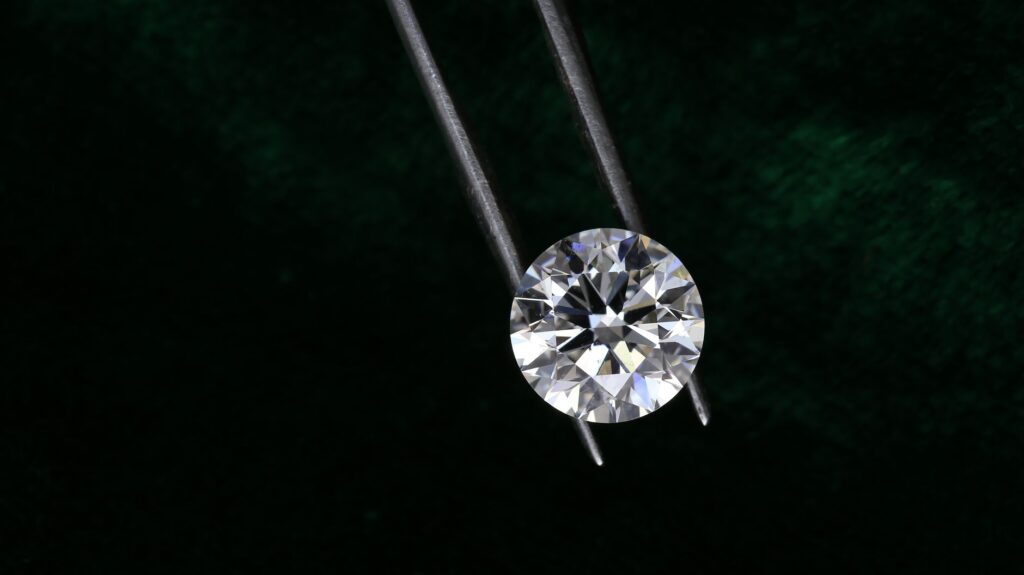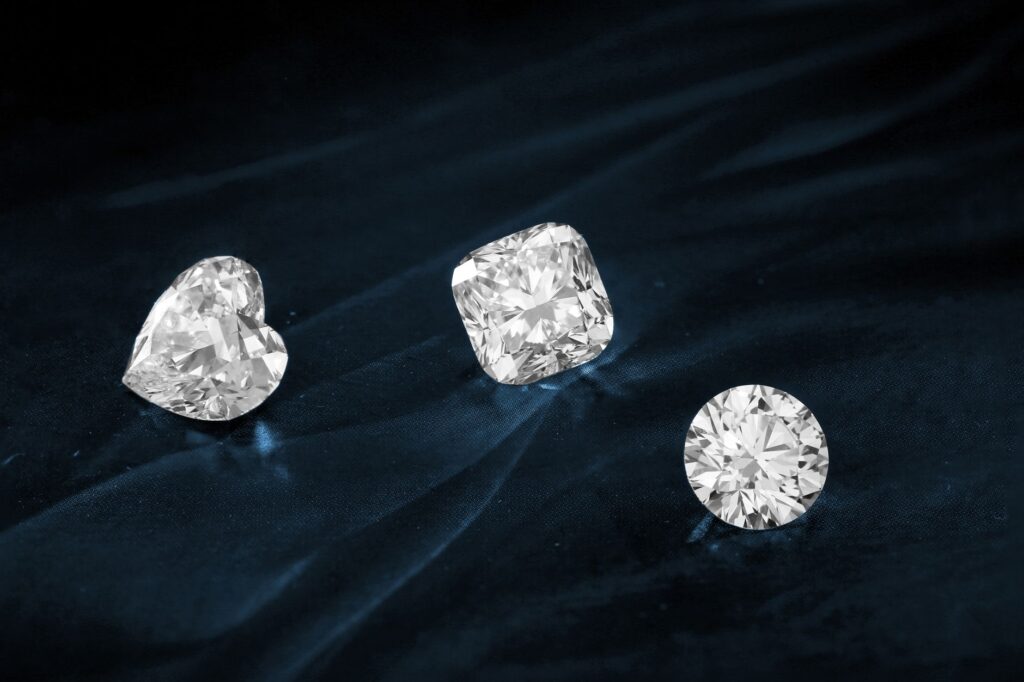
A radiant cut lab grown diamond combines the outline of an emerald cut with the sparkle style of a round brilliant. That pairing is what makes the shape appealing to many engagement ring shoppers. It offers a rectangular or square look, but with a much more lively face-up appearance than a traditional step-cut diamond.
If you are comparing diamond shapes, a radiant cut is often one of the most practical choices in the lab grown market. Lab grown diamonds make it easier to find radiant cuts in larger sizes and stronger color and clarity combinations without moving into very high price ranges. For buyers who want sparkle, shape presence, and good value, the radiant cut deserves a close look.
Quick Answer: What Is a Radiant Cut Lab Grown Diamond?
A radiant cut lab grown diamond is a lab created diamond shaped with cropped corners and either a rectangular or square outline. Its faceting pattern is designed to maximize brilliance, which means it tends to show strong sparkle and lively light return.
Unlike emerald cuts, which have long, mirror-like flashes, radiant cuts are a brilliant-cut shape. That means they use many smaller facets to produce more sparkle and to help mask minor inclusions better than some step-cut diamonds. In practical terms, many buyers like radiant cuts because they deliver a bold look with strong visual performance.
For shoppers who want a diamond that feels modern, eye-catching, and versatile, the radiant cut is often a smart middle ground. It is more distinctive than a round diamond, more sparkling than an emerald cut, and often more forgiving than other fancy shapes when it comes to clarity.
Understanding the Radiant Cut Shape
What makes a radiant cut different?
The radiant cut was designed to combine the shape appeal of other rectangular diamonds with the sparkle of a round brilliant. It usually has 70 or more facets, depending on the cutting style. Those facets help the diamond reflect light in a lively, mixed pattern.
The corners are trimmed rather than pointed. This gives the shape a more durable outline than some sharp-cornered diamonds and also creates a distinctive geometric look. Radiant cuts can be square or rectangular, and the ratio between length and width has a strong effect on the overall style.
That combination of structure and sparkle is what separates the radiant from many other fancy shapes. It is still a shaped diamond, so it has more personality than a round, but it is not as visually quiet as a step cut. Many buyers choose it because it feels balanced rather than extreme in either direction.
Is a radiant cut the same as an emerald cut?
No. This is a common point of confusion. Both shapes can look rectangular, but they perform differently. An emerald cut is a step-cut diamond, which means it has broad, open facets that create a hall-of-mirrors appearance. A radiant cut is a brilliant cut, so it usually sparkles more and hides small imperfections better.
If you are deciding between these shapes, the difference is not just visual style. It also affects how color, clarity, and cut quality are perceived, which can influence what grades make sense for your budget. For many buyers, the choice comes down to whether they prefer open elegance or energetic sparkle.
Square radiant vs rectangular radiant
Radiant cuts are available in both square and rectangular proportions. A square radiant usually looks more compact and centered on the finger. A rectangular radiant tends to look longer and can create a more elongated finger appearance.
Neither option is inherently better. The right choice depends on how you want the stone to read visually. Some people prefer the symmetry of a square outline, while others like the graceful spread of an elongated shape.
Key Characteristics of a Radiant Cut Lab Grown Diamond
Shape and outline
Radiant cuts can feel bold or refined depending on proportion. The trimmed corners soften the silhouette, which helps the diamond feel less fragile than shapes with pointed corners. That practical detail matters in daily wear, especially for an engagement ring that will be worn often.
Rectangular radiants are especially popular because they often create strong finger coverage. The look can be substantial without needing a dramatic increase in carat weight. In lab grown diamonds, that can be an attractive way to maximize appearance within a budget.
Faceting style
The faceting style is one of the main reasons buyers choose radiant cuts. The cut is engineered for brilliance, meaning it returns a lot of white light and sparkle. Some radiant cuts also show good fire, which is the colored flashes of light that appear when the diamond moves.
Because radiant cuts have many facets, they often create a busy, energetic sparkle pattern. This can be an advantage if you want a diamond that looks bright and active in different lighting conditions. It can also make the shape more forgiving when the diamond is not viewed under ideal lighting.
Face-up appearance
Face-up size refers to how large a diamond looks when viewed from above. Radiant cuts can face up well, especially in elongated proportions. A rectangular radiant often looks larger than a round diamond of the same carat weight because the shape spreads the weight across more surface area.
This does not mean every radiant cut will look larger than every round diamond. Proportions matter. A deeply cut radiant may hide more weight below the surface, while a shallower, well-proportioned radiant may look more substantial on the finger.
When buyers compare diamonds, this is where measurements become more useful than carat weight alone. Two diamonds can weigh the same but look noticeably different because one is designed for spread and the other is designed for depth. That is especially true for fancy shapes like radiants.
Color and clarity behavior
Radiant cuts can be forgiving of inclusions, especially compared with step cuts. Their mixed, brilliant-style faceting helps disguise small internal characteristics. For this reason, some shoppers can choose slightly lower clarity grades than they might consider in an emerald cut, while still getting a clean-looking diamond.
Color visibility depends on the exact stone and setting. In general, radiant cuts can show color more than some round brilliants, especially in larger sizes or in very elongated shapes. Many buyers aim for a near-colorless range when choosing a radiant cut, though the best choice depends on the setting metal and personal preference.
In lab grown diamonds, this flexibility can be useful. Because prices are generally lower than comparable natural diamonds, buyers can often prioritize the things that affect visible beauty most, such as cut, size, and overall eye-clean appearance.
Durability in everyday wear
The cropped corners of a radiant cut offer a practical advantage. Sharp corners are usually more vulnerable to chipping, especially in active daily wear. A radiant’s trimmed corners reduce that risk, which is one reason the shape works well for engagement rings.
That said, durability also depends on the setting. A well-made ring can protect the stone significantly better than a weak setting, even if the diamond shape itself is durable. Buyers should think about the ring as a whole rather than focusing on the center stone alone.
Appearance and Visual Performance
Sparkle
Sparkle is the radiant cut’s strongest visual trait. The combination of many facets and strong brilliance gives it a lively look that appeals to buyers who want noticeable light return. In most lighting, a well-cut radiant will look more dynamic than a step-cut shape.
The type of sparkle is worth noting. Radiant cuts usually produce a mix of small, bright flashes rather than broad, mirror-like reflections. Some buyers love that energetic look, while others prefer the calmer, more open appearance of an emerald cut.
Fire
Fire is the rainbow-like flash that appears when white light separates into spectral colors. Radiant cuts can show respectable fire, although the amount varies by cut quality and proportions. Because they are brilliant cuts, they often show a balanced combination of brilliance and fire.
Lab grown diamonds do not change the physics of how a radiant cut behaves. The shape and faceting design still determine the visual effect. What lab growth does change is access, since shoppers may find it easier to choose a radiant cut with excellent optical quality at a more approachable price.
Brilliance
Brilliance means the amount of white light a diamond reflects back to the eye. Radiant cuts are known for strong brilliance because their facet arrangement is designed to return light efficiently. This is one reason they often appear bright even in lower light environments.
If brilliance is your top priority, radiant cuts are often more visually exciting than emerald cuts and more shape-focused than round brilliants. They sit in a useful middle ground for buyers who want both style and sparkle.
Scintillation
Scintillation refers to the pattern of light and dark areas that appear as a diamond moves. Radiant cuts tend to have lively scintillation because of their many facets. When the stone moves, the sparkle pattern can appear active and dense.
For some shoppers, this busy sparkle is a major benefit. For others, it can feel less elegant or less geometric than the cleaner pattern of a step-cut diamond. This is largely a matter of taste, not quality.
Bow tie effect
Some elongated radiant cuts show a bow tie effect, which is a dark area across the center of the diamond that can appear in certain lighting. This happens when the cut does not return light evenly across the middle.
A subtle bow tie is common in many elongated fancy shapes, but a strong one can reduce visual appeal. When buying a radiant cut lab grown diamond, it is important to review images or videos rather than relying only on measurements. Two diamonds with the same carat weight can look very different if one has better proportions and light performance.
The best way to judge this is to look for consistent brightness across the face of the diamond. If the center appears noticeably dark in most viewing angles, the stone may not perform as well as the numbers on the report suggest.
Advantages of a Radiant Cut Lab Grown Diamond
Strong sparkle
The main advantage is obvious: radiant cuts are bright and lively. If you want a diamond that catches light easily, this shape delivers. It is often chosen by buyers who like a more energetic look than an emerald cut provides.
That sparkle can also make the stone feel more forgiving in everyday conditions. A radiant cut tends to look active in indoor light, natural light, and mixed lighting. For many buyers, that makes it a very practical shape for a ring worn often.
Good balance of style and practicality
The cropped corners make radiant cuts more practical for everyday wear than sharp-cornered fancy shapes. The outline feels distinctive, but not fragile-looking. That makes the shape suitable for many engagement ring settings, from simple solitaires to halo designs.
It is also a flexible shape stylistically. A radiant can look modern in a minimal setting, glamorous in a pavé design, or slightly vintage when paired with decorative details. That versatility helps explain why the shape remains popular across different tastes.
Often more forgiving of clarity
Because of the way the facets interact with light, radiant cuts can hide small inclusions fairly well. That can help buyers stretch their budget without sacrificing the look of the stone. In the lab grown market, this is particularly useful because many shoppers want a larger diamond and a better overall appearance at a reasonable price point.
This does not mean clarity should be ignored. It means buyers can often focus on eye-clean appearance rather than chasing a higher grade that may not change what they actually see.
Can look larger than some other shapes
Rectangular radiant cuts can offer strong face-up spread. This means a well-cut stone may look larger than its carat weight suggests. Buyers looking at engagement rings often care as much about visual size as they do about the number on the certificate.
Lab grown diamonds make that equation more favorable for many shoppers. If you want a diamond with more presence on the hand, a radiant cut can be a very efficient shape from a visual standpoint.
Works well in many settings
Radiant cuts are versatile. They can be set north-south in a classic orientation, east-west for a modern look, or paired with side stones. They also work in minimalist settings and more decorative designs, which gives buyers flexibility.
Because of the trimmed corners, they tend to sit comfortably in settings that would be riskier for more delicate cornered shapes. That practical detail matters if you want a ring that remains wearable for years without constant worry.
Disadvantages of a Radiant Cut Lab Grown Diamond
Can show color more than some round cuts
Radiant cuts may reveal more body color than round brilliants, especially in larger stones or stones with deeper color sensitivity. This does not mean they look yellow by default. It means buyers should think carefully about the color grade and the metal color of the setting.
For example, a white gold or platinum setting can make near-colorless choices look crisp. A yellow gold or rose gold setting can make a slightly lower color grade appear perfectly acceptable to many shoppers.
Cut quality is not always easy to judge from a grading report
Fancy shapes like radiants do not always have a universally accepted cut grade system the way round brilliants do. That makes visual inspection especially important. Measurements, images, and video matter more than a basic certificate description alone.
Two radiant cuts can have very different light performance even if they have similar carat, color, and clarity grades. This is why proportion data and actual visual review are important when comparing stones.
Can have uneven light performance if poorly cut
A poorly proportioned radiant may show dark zones, a strong bow tie, or areas that seem less lively. Because the shape is so dependent on facet alignment, cut quality has a major effect on appearance.
For buyers, this means the radiant cut rewards careful selection. It is not a shape to buy blindly based only on size or certificate grade.
Some buyers prefer a more classic or understated look
Radiant cuts are more brilliant and active than some shoppers want. If you like calm, elegant reflections and open clarity, an emerald cut may suit you better. The radiant is visually busier, which is part of its appeal, but not for everyone.
There is also a style consideration here. Radiant cuts tend to feel less minimal than step cuts, so they may not suit someone who wants a very restrained, architectural look.
Who a Radiant Cut Lab Grown Diamond Is Best For
A radiant cut lab grown diamond is a strong choice for buyers who want sparkle, shape, and value in one stone. It is especially appealing if you like rectangular diamonds but do not want the less sparkly, more transparent look of an emerald cut.
This shape often suits:
- Buyers who want a bright, lively diamond
- Shoppers who like rectangular or square outlines
- People who want a diamond that can hide small inclusions well
- Those looking for a practical engagement ring shape with good durability
- Buyers who want a noticeable size without stretching the budget too far
- Shoppers who prefer a modern look with strong visual presence
It may be less ideal for someone who prefers a restrained, architectural appearance. It is also not the easiest shape for buyers who want to judge quality by certificate alone, because visual differences between radiant cuts can be significant.
If you like a diamond that looks active in motion and substantial on the finger, the radiant cut is often a very satisfying choice. If you prefer quiet elegance, there may be better alternatives.
How Radiant Cuts Compare to Other Popular Diamond Shapes
Comparing radiant cuts to other shapes is helpful because the differences are often about personality as much as performance. The right choice depends on whether you value sparkle, shape, clarity behavior, or finger coverage most.
Radiant cut vs round brilliant
| Factor | Radiant Cut | Round Brilliant |
|---|---|---|
| Appearance | Rectangular or square with cropped corners | Classic round outline |
| Sparkle | Very strong, lively, slightly more geometric | Usually the benchmark for brilliance |
| Face-up size | Often efficient, especially in elongated shapes | Can appear slightly smaller for the same carat weight |
| Clarity visibility | Generally forgiving | Also forgiving, especially in well-cut stones |
| Style | Modern and distinctive | Classic and widely recognized |
Round brilliants are the most standardized shape for sparkle performance. Radiant cuts come close in liveliness but add a more unique outline. If you want the safest classic choice, round is usually the default. If you want a little more individuality, radiant is often the better fit.
Radiant cut vs emerald cut
| Factor | Radiant Cut | Emerald Cut |
|---|---|---|
| Appearance | Brilliant faceting with cropped corners | Open, step-cut facets with a mirror effect |
| Sparkle | Higher sparkle density | Less sparkle, more reflective flashes |
| Clarity visibility | More forgiving | Inclusions are often easier to see |
| Color visibility | Moderate | Color can be more noticeable in open facets |
| Style | More active and brilliant | More elegant and understated |
This is one of the most important comparisons for shoppers. Many people choose a radiant because they like the rectangular outline of an emerald cut but do not want the same level of openness or inclusion visibility. If you want glamour and brightness, radiant usually wins. If you want a calm, sophisticated look, emerald may be more appropriate.
Radiant cut vs cushion cut
| Factor | Radiant Cut | Cushion Cut |
|---|---|---|
| Shape | Rectangular or square with crisp corners | Square or rectangular with rounded corners |
| Sparkle | Sharp, lively brilliance | Can range from soft to very sparkly depending on style |
| Face-up look | More structured and geometric | Softer and more romantic |
| Bow tie risk | Possible in elongated stones | Also possible in some shapes |
Cushion cuts often feel more pillow-like and romantic, while radiants feel more crisp and modern. Buyers who want a diamond with a little softness in the outline may lean cushion. Buyers who prefer a sharper geometric frame often lean radiant.
There is also a difference in visual personality. Cushions can show a softer, more blended sparkle pattern, while radiants usually create a brighter and slightly more defined pattern of flashes. That difference can matter a lot once the stone is worn on the hand.
Radiant cut vs oval
Oval diamonds also offer finger lengthening, but their outline is softer and more continuous. Ovals often show a bow tie effect as well, though the character of that effect differs from radiants. Radiant cuts usually feel more angular and architectural, while ovals feel more fluid.
If your main goal is a diamond that flatters the finger, both shapes can work well. If your goal is crisp geometry plus sparkle, radiant has the advantage. If your goal is softer elegance, oval may be the better fit.
Radiant cut vs princess cut
Princess cuts are square with pointed corners, while radiant cuts have cropped corners. Princess cuts can look very sharp and modern, but the pointed corners are more exposed and usually require more protective setting choices. Radiant cuts tend to be a bit more forgiving in daily wear.
Both are brilliant-style shapes with good sparkle. The choice often comes down to whether you prefer the angular, edgy look of a princess cut or the softened geometry of a radiant cut.
Important Buying Considerations for a Radiant Cut Lab Grown Diamond
1. Prioritize cut quality and visual performance
For radiant cuts, the visual look matters more than a label alone. Since the shape does not have the same standardized cut grading as round diamonds, it is wise to compare actual images, 360-degree videos, and proportions when possible.
Look for even brightness across the face of the diamond. Avoid stones with obvious dark zones or a strong bow tie unless you have seen the diamond in person and are comfortable with the look.
2. Consider the length-to-width ratio
Length-to-width ratio affects whether a radiant looks square or elongated. A ratio close to 1.00 usually appears square. Ratios around 1.20 to 1.35 typically look pleasantly rectangular without becoming too narrow.
There is no universally correct ratio. The best choice depends on personal style and the type of ring setting. A more elongated radiant can make the finger look longer, while a square radiant can feel more compact and contemporary.
If you are shopping online, this is one of the easiest measurements to overlook. It can dramatically change the personality of the diamond even when the carat weight stays the same.
3. Watch the color grade carefully
Because radiants can show color more than some brilliant shapes, many buyers prefer near-colorless grades, especially for larger stones. The right range depends on the setting and on how sensitive you are to warmth.
If you are shopping with a white metal setting, you may want to stay a little higher in color. If you are using yellow or rose gold, a slightly lower color grade may still look excellent to the eye.
Lab grown diamonds can make this trade-off easier. A buyer may be able to choose a better color grade without giving up size or clarity in the way that might happen with a natural diamond budget.
4. Choose clarity with real-world viewing in mind
Radiant cuts can hide small inclusions well, which can help buyers find better value. Still, clarity should be assessed visually rather than by grade alone. An eye-clean stone matters more than a technically higher grade that does not change the visible appearance.
In lab grown diamonds, it is often possible to find clean-looking radiant cuts at very favorable price points. That can free up budget for a better cut, a larger size, or a stronger setting.
5. Check the setting for corner protection
Radiant cuts have cropped corners, which helps with durability, but they still deserve a setting that secures the stone well. A four-prong or bezel-inspired design can help protect the corners while keeping the shape visible.
If you wear jewelry daily, setting design matters as much as the diamond itself. Even a durable shape can suffer if it is not mounted securely.
6. Think about size and finger coverage
One reason buyers choose lab grown diamonds is the ability to increase size within budget. Radiant cuts can offer strong finger coverage, particularly in elongated proportions. That means you may get a larger-looking ring without moving into the same price range as a comparable natural diamond.
That said, bigger is not always better. A diamond that is too shallow or too deep can look less balanced. The goal is not just size, but proportion and visual harmony.
7. Pay attention to symmetry and outline
Fancy shapes can look off if the outline is uneven, even when the grading report looks strong. A radiant should have balanced corners and a straight, even silhouette. If one side looks heavier or the ends appear mismatched, the diamond may not have ideal symmetry.
This is another reason photos and videos are so important. A diamond that looks balanced from the top will usually feel more polished and intentional in a finished ring.
Common Mistakes Buyers Make When Choosing a Radiant Cut
Buying without seeing actual images
One of the most common mistakes is relying too heavily on the grading report. For radiant cuts, appearance differences can be significant. Photos and videos help reveal brightness, symmetry, and whether the stone has an obvious bow tie or dark center.
When possible, look at the stone in multiple lighting conditions. A radiant that looks good under one light may perform differently in another, and real-world sparkle should be part of the buying decision.
Ignoring proportions
Carat weight alone does not tell the whole story. A poorly proportioned radiant can hide weight in the depth, making it look smaller from the top. Length, width, and depth all influence how the diamond presents visually.
Buyers often focus on size first, but proportion affects whether that size actually appears attractive. A well-balanced radiant can look more impressive than a heavier stone with less efficient spread.
Choosing the wrong color for the setting
A color grade that looks fine in one setting may appear warmer in another. Buyers sometimes select a lower color diamond without considering that a white metal setting can make the warmth more noticeable. Matching the stone and metal thoughtfully usually produces a better result.
For a bright, icy appearance, higher color grades in white metals are often easier to work with. For warmer metals, there is usually a little more flexibility.
Overpaying for clarity you may not need
Because radiant cuts can mask small inclusions, some buyers spend more on clarity than the eye can justify. A well-chosen eye-clean stone is often a smarter balance than paying a premium for a higher grade that does not improve the visible appearance.
This is one of the areas where lab grown diamonds can be especially practical. The market often gives buyers more room to be selective without overextending their budget.
Overlooking the setting style
The setting can change the entire feel of a radiant cut. A slim solitaire emphasizes shape and size, while a halo can add sparkle and make the center stone appear larger. Choosing the wrong setting can make the diamond feel less balanced than it should.
Prong placement is also important. A setting that leaves the corners too exposed may reduce the practical benefits of the shape. Good design should support both appearance and daily wear.
Assuming all radiant cuts sparkle the same
Radiant cuts vary more than many buyers expect. Two stones with similar grading can have very different light return because of differences in depth, table size, facet alignment, or overall symmetry. One radiant may look bright and crisp, while another looks uneven or overly busy.
That is why a radiant cut should be selected carefully rather than chosen only by price. The least expensive option is not always the best value if the visual performance is weak.
How Lab Grown Diamonds Affect the Radiant Cut Buying Experience
Lab grown diamonds make the radiant cut especially attractive for value-focused shoppers. Because lab grown stones are typically priced lower than comparable natural diamonds, buyers may be able to choose a larger radiant cut, a better color grade, or a cleaner clarity grade within the same budget.
This is not a reason to assume all lab grown radiants are equal. Cut quality, proportions, and visual performance still matter. But the lab grown market does make it easier to prioritize the characteristics that are visible and meaningful in everyday wear.
There are also trade-offs to understand. Lab grown diamonds generally have lower resale value than natural diamonds, and that applies to radiant cuts as well. Buyers should think of lab grown diamond purchases primarily as jewelry purchases, not as financial investments.
For many consumers, that trade-off is acceptable because the purchase goal is personal use, not resale. If the priority is getting the best visible quality and size for the money, a lab grown radiant cut can be a very efficient choice.
Style Trends and Long-Term Appeal
Radiant cuts have remained popular because they fit multiple style preferences. They can look modern, glamorous, structured, or slightly vintage depending on the setting and the stone’s proportions. That flexibility helps the shape stay relevant over time.
At the same time, style trends can influence demand. Rectangular fancy shapes have been especially popular in recent years, and elongated radiants fit that trend well. However, a well-chosen radiant cut is not just a trend piece. Its combination of sparkle and shape gives it lasting appeal for many buyers.
If timelessness is important to you, think beyond fashion cycles and focus on proportions, craftsmanship, and setting design. Those elements have more impact on long-term satisfaction than whether a shape is currently trending.
It is also worth noting that shapes with strong visual contrast tend to age well when they are well made. A radiant cut is recognizable without being overly rare or overly flashy, which gives it a broad style range that can remain appealing for years.
Practical Examples of Buyer Scenarios
If you want maximum sparkle in a fancy shape
A radiant cut is often a strong fit. It gives you a distinctive outline and more brilliance than a step-cut diamond. It is a practical choice for buyers who want a lively look without choosing a round diamond.
If you want an emerald-cut look but less clarity sensitivity
A radiant cut is usually the better option. It keeps the rectangular silhouette but offers a more forgiving visual performance. That can help if you want a beautiful diamond without needing a very high clarity grade.
If you want a ring that looks larger on the finger
Consider an elongated radiant with a balanced length-to-width ratio. It can create the impression of more surface area and make the center stone feel substantial. This is one reason radiant cuts are often attractive in the lab grown market.
If you want a quieter, more elegant look
You may prefer an emerald cut or another step-cut shape. Radiants are beautiful, but they are not subtle. Their sparkle pattern is more active, which is a benefit for many buyers but not for everyone.
If you want a practical everyday ring
A radiant can be a good option because the trimmed corners add some protection and the faceting can keep the stone looking lively without requiring perfect conditions. For many shoppers, that combination makes it easy to live with day to day.
Frequently Asked Questions
Is a radiant cut lab grown diamond a good choice for an engagement ring?
Yes, for many buyers it is. Radiant cuts are durable enough for regular wear, especially when the setting protects the corners well. They also offer strong sparkle and a distinctive shape that works in many ring styles.
Does a radiant cut look bigger than a round diamond?
It can, especially in elongated proportions. Face-up size depends on the diamond’s measurements and cutting style, not only on carat weight. Some radiants spread very well, while others hide weight in the depth.
Are radiant cuts good at hiding inclusions?
Generally yes, they are more forgiving than step-cut shapes like emerald cuts. Their faceting pattern helps disguise small imperfections. Still, you should always review the stone visually and not rely only on a grade.
Do radiant cut diamonds look yellow?
They can show more color than some shapes, especially in larger sizes or lower color grades. That does not mean they automatically look yellow. The setting metal, lighting, and cut all influence how color appears.
What length-to-width ratio is best for a radiant cut?
There is no single best ratio. A square look usually falls near 1.00, while a rectangular look is often around 1.20 to 1.35. The right choice depends on your style and how you want the diamond to sit on the finger.
Is a bow tie effect a problem in radiant cuts?
A small bow tie can be normal in elongated fancy shapes, but a strong one can distract from the diamond’s brightness. It is best to compare real images or videos and choose a stone with even light return if possible.
How does a radiant cut compare with an emerald cut in the lab grown market?
Radiant cuts usually provide more sparkle and better hiding of inclusions. Emerald cuts usually offer a cleaner, more open look with less sparkle. The better choice depends on whether you prefer brilliance or architectural elegance.
Are lab grown radiant cut diamonds a better value than natural ones?
They are often a better value in terms of size and visible quality for the budget. However, lab grown diamonds generally do not hold resale value the same way natural diamonds may. The better value depends on whether you are prioritizing personal wear or long-term resale considerations.
Conclusion
A radiant cut lab grown diamond is a versatile choice for buyers who want a shape with strong sparkle, practical durability, and a modern rectangular or square outline. It bridges the gap between classic brilliance and fancy-shape style, which is why it appeals to so many engagement ring shoppers.
The most important thing to remember is that radiant cuts vary more visually than some other shapes. Cut quality, length-to-width ratio, color, clarity, and setting design all influence the final look. A well-chosen radiant can offer impressive brightness and a substantial face-up appearance, especially in the lab grown market where budget often stretches further.
If you are weighing your options, compare radiant cuts against round, emerald, cushion, and oval diamonds with the same care you would give any major jewelry purchase. Focus on how the diamond looks in real viewing conditions, not just on paper. That is the best way to find a shape that suits both your style and your practical needs.