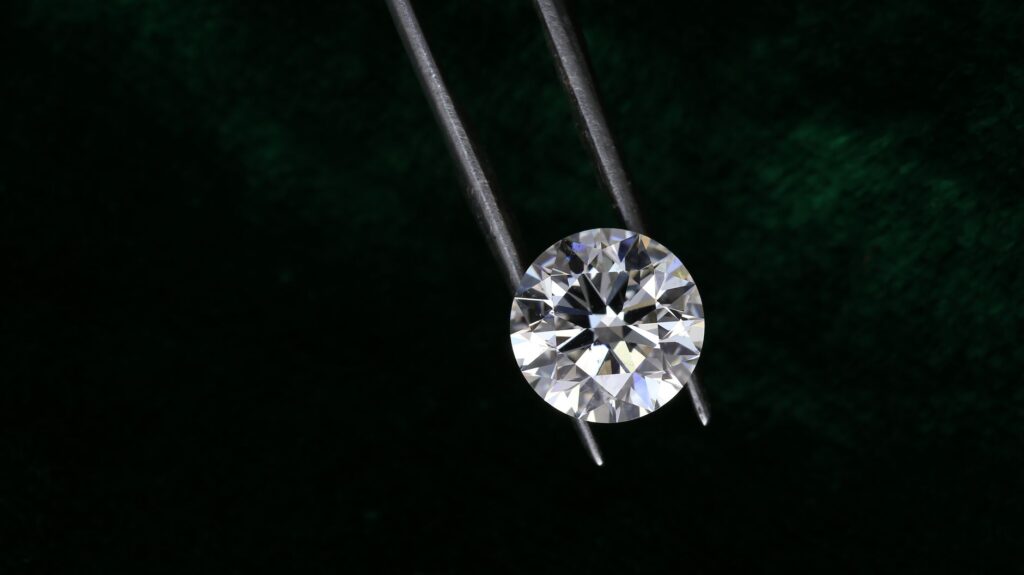
When shoppers ask What Is Crushed Ice Cushion Cut, they are usually trying to understand why some cushion-cut diamonds look soft and sparkly, while others look busy, watery, or filled with tiny flashes. In simple terms, a crushed ice cushion cut refers to a cushion-shaped diamond that has been faceted in a way that creates many small, scattered reflections instead of larger, distinct flashes of light. The effect can look delicate and glittery, but it is not the same as the broader, chunkier sparkle many people expect from a classic cushion cut.
This matters because cut style affects more than appearance. It can influence how large the diamond looks, how obvious inclusions are, how much color you see, and whether the stone feels lively or overly busy. For buyers comparing engagement rings or lab grown diamonds, understanding crushed ice versus other cushion styles can make a major difference in satisfaction.
Quick Answer
A crushed ice cushion cut is a cushion-shaped diamond with a faceting pattern that breaks light into many tiny reflections, creating a sparkling, fragmented look. The name comes from the visual effect, which can resemble crushed ice or tiny shards of light.
This style is common in both natural and lab grown diamonds, especially when shoppers want a cushion shape with extra brilliance and a softer, more blended pattern. It can be attractive, but it is not always the best choice for buyers who prefer strong fire, larger facet patterns, or a more classic cushion appearance.
Understanding the Crushed Ice Cushion Cut
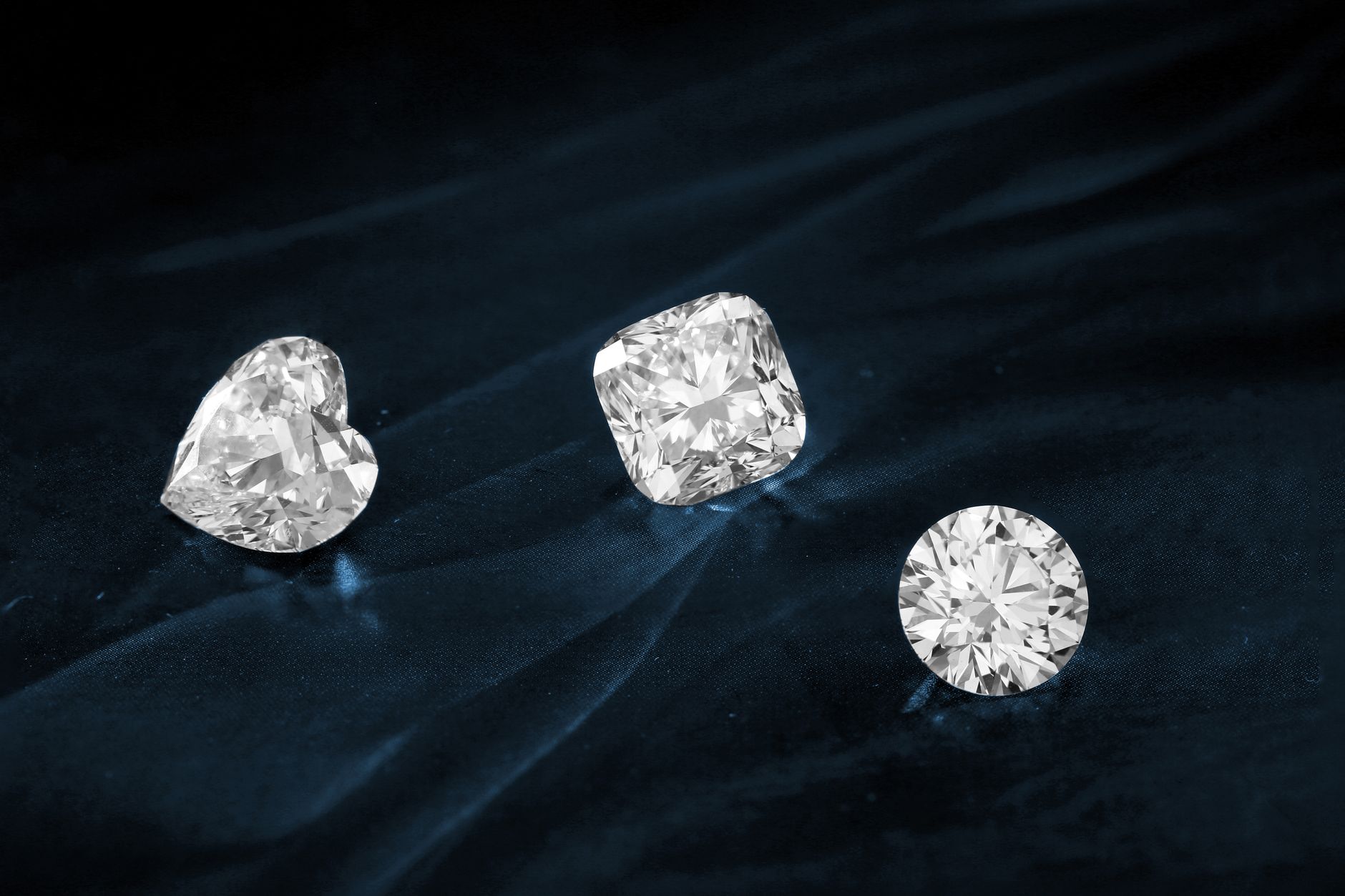
A cushion cut combines a square or rectangular outline with rounded corners. Within that outline, the internal faceting can vary a lot. Some cushion cuts have large, open facets that create chunky flashes of light, while others have a more densely faceted pattern that produces the crushed ice look.
The term crushed ice is not a formal grading category from major labs. It is a trade description used by jewelers and shoppers to describe the diamond’s visual pattern. That means two cushion diamonds can both be labeled “cushion cut” but look very different when viewed face up.
Why the name matters
Buyers often assume all cushion diamonds look similar. In reality, cut style affects how the stone performs in normal lighting. A crushed ice cushion can look lively and sparkly, but the sparkle tends to be more scattered and less structured than in a chunky cushion or a well-cut round brilliant.
For people browsing engagement rings, this difference can affect whether the diamond feels romantic and soft, bright and modern, or too busy for their taste. Understanding the visual style before you buy helps avoid disappointment after the ring is set.
How Crushed Ice Cushion Cuts Look
The easiest way to recognize a crushed ice cushion cut is by its interior pattern. Instead of large, obvious facet reflections, you usually see a fine mosaic of tiny bright and dark areas. The stone can appear almost like shattered glass or a cluster of tiny sparkles.
Some buyers like this look because it creates constant shimmer, especially in movement. Others feel it lacks the defined flashes and depth that make certain diamonds feel more dimensional. The preference is subjective, but it helps to know what you are looking at.
Common visual traits
- Many small facets that create a busy sparkle pattern
- Soft, rounded outline typical of cushion shapes
- Less obvious facet structure than chunky cushion cuts
- Scattered brilliance that can look bright in many lighting conditions
- Less distinct flashes compared with broader-facet cushions
How Crushed Ice Cushion Cuts Are Made
The crushed ice effect comes from the way the diamond is faceted. Facets are the tiny flat surfaces cut into the stone to reflect light. In crushed ice cushions, the faceting pattern usually includes many smaller facets arranged to break light into tiny reflections.
This is one reason the style can sometimes hide certain visual imperfections. Because the pattern is busy, the eye is less likely to lock onto a single inclusion or dark spot. That said, the same busy pattern can also make the diamond look less crisp or less structured if the cut quality is not strong.
Not all cushion cuts are crushed ice
It is important to separate shape from facet style. Cushion is the shape. Crushed ice is one faceting style within that shape. Other cushion diamonds may use a modified brilliant pattern that produces larger flashes or a more organized look.
When comparing cushion options, the question is not just “Do I want a cushion?” but also “Do I want a crushed ice look or a chunkier cushion look?” That distinction often matters more than shoppers expect.
Appearance and Visual Performance
Crushed ice cushion cuts are known for a sparkle pattern that looks active and lively. Because there are so many small facets, the stone can produce a glittering effect in bright lighting. However, the type of sparkle is different from the bold flashes of a round brilliant or the large, mirror-like flashes of some other cushion cuts.
In everyday wear, a crushed ice cushion may appear very bright but not always as sharply defined. Some stones can also show a slightly watery or glassy effect, depending on proportions and cut quality. That is why two diamonds with the same general description can look noticeably different side by side.
Sparkle, brilliance, and fire explained
Buyers often use the word sparkle as a catch-all, but diamond professionals break this down into a few parts:
- Brilliance is white light return. It is the overall brightness you see.
- Fire is colored flashes of light, often seen in stronger lighting.
- Scintillation is the pattern of light and dark flashes that appear as the diamond moves.
Crushed ice cushions often perform well in brilliance and scintillation, especially under spot lighting. Fire can be present, but it is usually less dramatic than in cuts with larger facets and more structured light return. The many small facets can also make the sparkle look more diffuse rather than bold.
Why the look changes in different lighting
Diamond appearance depends heavily on lighting. Under bright jewelry store lights, a crushed ice cushion may look very lively because the many tiny facets catch and scatter light easily. In softer daylight or home lighting, the same diamond may appear less dramatic and sometimes a bit more blended.
This is one reason buyers should view diamonds in more than one lighting environment whenever possible. A stone that looks exciting in a showroom can feel less special at home if the sparkle pattern is not what the buyer expected.
Advantages of Crushed Ice Cushion Cuts
Crushed ice cushion cuts can be a smart choice for certain buyers. They are not universally better or worse than other cushion styles. Their strengths depend on what matters most to you.
1. Bright, active sparkle
One of the main reasons people like crushed ice cushion diamonds is the constant shimmer. The faceting pattern creates many points of reflected light, which can make the stone appear lively in motion. For some buyers, this provides a glamorous look without the more structured geometry of a step cut.
2. Can soften the appearance of inclusions
The busy internal pattern may help mask small inclusions better than a simpler faceting style. This can be useful when choosing a lab grown diamond or a natural diamond where inclusion visibility is a consideration. That said, clarity still matters, especially in larger stones or higher magnifications.
3. Often appealing in larger carat sizes
As diamonds get larger, the crushed ice pattern can help create an impressive sparkle spread across the face of the stone. Some buyers also like how the rounded cushion shape looks a little softer and less angular than square cuts such as princess cuts.
4. Flexible style
Crushed ice cushions can work in many engagement ring settings, from simple solitaires to more detailed halos. They can look modern, romantic, or classic depending on the setting and the stone’s proportions. This versatility makes them popular among shoppers who want a cushion shape without a highly traditional look.
Disadvantages of Crushed Ice Cushion Cuts
Like any diamond style, crushed ice cushion cuts have trade-offs. Buyers should understand these before assuming the look will automatically be ideal.
1. Less defined facet pattern
Some buyers find crushed ice cushions too busy or too blended. If you prefer bold, readable flashes of light, you may feel that this style lacks structure. The sparkle can seem more fragmented and less elegant to some eyes.
2. Can appear watery or glassy
Depending on cut quality, a crushed ice cushion can sometimes look watery rather than crisp. This is not necessarily a defect, but it can make the diamond feel less lively in certain lighting. Proportions and symmetry influence this effect more than the shape alone.
3. Less fire than some alternative cushion cuts
Because the facets are smaller and more numerous, the stone may produce less dramatic colored flashes than a cushion with larger facets. If fire is one of your priorities, you may want to compare this style with a chunkier modified brilliant cushion or even a different shape entirely.
4. Quality is harder to judge from a grading report alone
Lab reports from major labs can confirm measurements, color, clarity, and other objective details, but they do not fully describe the visual pattern of crushed ice. Two diamonds with similar grades may look very different. This is why buyers should review magnified images, videos, and reputable documentation, especially when shopping online.
Who a Crushed Ice Cushion Cut Is Best For
This style suits buyers who like a sparkling, softly rounded diamond with a more blended look. It is often appealing to people who want a cushion shape but do not want the larger, chunkier flashes associated with other cushion faceting styles.
It may be a good fit if you:
- Prefer a lively, glittery appearance
- Like softer shapes with rounded corners
- Want a modern take on the cushion cut
- Are open to a more diffuse sparkle pattern
- Want a diamond that can hide small inclusions fairly well
It may be less suitable if you:
- Prefer bold, large flashes of light
- Want the most structured or crisp visual pattern
- Are especially sensitive to watery or glassy appearances
- Expect the diamond to look very different from a round brilliant in the way it performs
Crushed Ice Cushion Cut vs Other Popular Diamond Shapes
Comparing shapes is useful because many buyers are not choosing only between cushion cuts. They are also comparing how the diamond looks on the hand, how much sparkle it gives off, and how practical it is for daily wear. The table below gives a simplified comparison.
| Shape / Style | Visual Character | Sparkle Type | Face-Up Presence | Buyer Appeal |
|---|---|---|---|---|
| Crushed ice cushion | Soft outline, many tiny reflections | Fine, scattered sparkle | Can look slightly smaller than some elongated shapes of the same carat weight | Buyers who like a glittery, blended look |
| Chunky cushion | Soft outline with larger facet pattern | Bold flashes and more defined sparkle | Strong presence | Buyers who want a classic cushion look |
| Round brilliant | Very symmetrical, classic shape | High brilliance and strong fire | Often faces up bright and balanced | Buyers who want maximum light return |
| Oval | Elongated and elegant | Brilliant sparkle with some pattern variation | Often looks larger for its weight | Buyers who want finger coverage |
| Radiant | Rectangular or square with trimmed corners | High sparkle, often lively and energetic | Strong face-up brightness | Buyers who like modern brilliance |
Crushed ice cushion vs chunkier cushion
This is the comparison many buyers should focus on first. Both are cushion shapes, but they deliver very different personalities. Chunky cushions typically have larger facets and more distinct flashes, while crushed ice cushions have a denser, more fragmented look.
If you want to understand the visual difference, imagine the difference between broad brushstrokes and fine glitter. Neither is inherently better, but each creates a different mood. The best choice comes down to preference and how the diamond will be worn.
Crushed ice cushion vs oval
Oval diamonds often look larger per carat because their elongated shape spreads across more finger length. They also tend to have a smooth, elegant silhouette. Crushed ice cushions, by comparison, have a softer square-or-rectangular outline and usually a more compact face-up shape.
If finger coverage is important, an oval may feel more substantial. If you prefer the rounded corners and a softer outline, a cushion may suit you better. Shape preference often matters more than small performance differences.
Crushed ice cushion vs radiant
Radiants and crushed ice cushions can sometimes overlap visually because both may show active sparkle and a more modern look. However, radiants usually have a more rectangular outline and a more obviously brilliant-cut personality. Crushed ice cushions feel softer in shape and often more blended in their internal pattern.
For a buyer deciding between the two, the question is often whether they want sharper geometry or a gentler silhouette.
Important Buying Considerations
When buying a crushed ice cushion cut, you should pay attention to more than just the shape label. The diamond’s proportions, clarity, color, and visual balance all influence how the stone will look once it is set.
1. Check the length-to-width ratio
The length-to-width ratio tells you whether the cushion looks more square or more rectangular. A ratio close to 1.00 looks square, while a higher ratio creates an elongated shape. Neither is better, but the ratio affects the style of the ring and how it wears visually on the hand.
Many buyers like a slightly elongated cushion because it can make the finger look longer. A square cushion can feel more traditional and compact. If you are comparing several stones, the ratio is one of the first things to review.
2. Review magnified photos and videos
Because crushed ice is a visual style rather than a formal grading category, photos matter a lot. Look for images in multiple lighting conditions if possible. You want to see whether the diamond has pleasing brilliance or whether it looks overly dark, patchy, or watery.
For online shopping, video is especially important. A still image can make any diamond look impressive, but movement reveals how the stone actually handles light. This is one reason buyers should be cautious about purchasing a cushion diamond based on specs alone.
3. Pay attention to clarity
Crushed ice cushions can sometimes hide small inclusions better than simpler faceting styles, but that does not mean clarity is irrelevant. In larger sizes, or in lab grown diamonds where crystal growth features may be more noticeable, you still want a stone that looks clean to the eye.
For many buyers, a clarity grade in the eye-clean range is the practical goal. If you are learning about grading, a deeper look at diamond clarity grades can help you understand how inclusions affect appearance rather than just lab scores.
4. Don’t ignore color
Cushion shapes can show color a little differently than round brilliants. In a crushed ice cut, the busy sparkle pattern may either mask color slightly or make warmth more noticeable depending on the stone’s proportions and setting. This is especially important if you are choosing between near-colorless and colorless grades.
Shoppers exploring diamond color grades should remember that the setting metal also affects appearance. A yellow gold setting can make a warmer stone look whiter, while a white metal setting may highlight body color more clearly.
5. Consider carat weight and face-up size together
Carat measures weight, not visible size. A cushion diamond can appear smaller or larger depending on its proportions and the way it spreads across the finger. Since crushed ice cushions are often chosen for sparkle, buyers should think about how the diamond looks face up, not just what the certificate says.
If you are comparing stones in the same price range, a well-proportioned lab grown cushion may offer more visible size for your budget. That is one reason many buyers researching diamond pricing look at lab grown options alongside natural ones.
6. Evaluate the setting
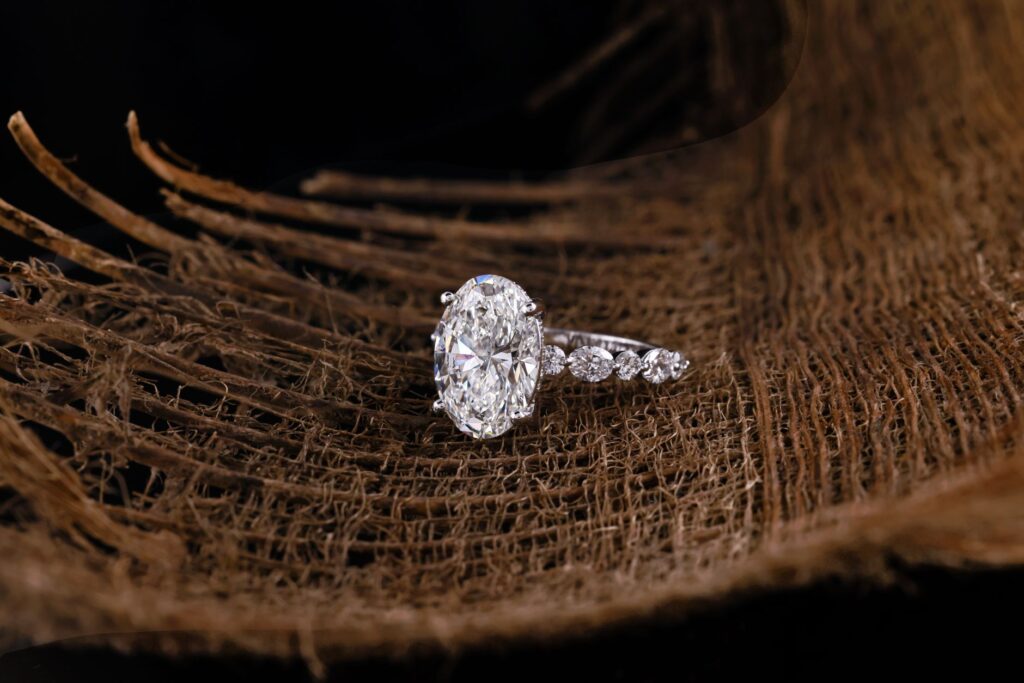
The setting can change how the diamond looks in daily wear. A halo setting can make a crushed ice cushion appear larger and more brilliant, while a solitaire can let the shape stand on its own. Prongs, bezel style, and band width also affect overall appearance.
For engagement rings, the setting should support the shape rather than overpower it. If you are still early in the buying process, reviewing general engagement rings guidance can help you think through the full design, not just the center stone.
How Lab Grown Diamonds Fit Into the Crushed Ice Cushion Cut
Crushed ice cushion cuts are common in lab grown diamonds because the shape is popular and the market offers a wide range of sizes and qualities. Lab grown stones may give buyers access to larger carat weights or higher grades within a set budget, which can be helpful if you want a cushion diamond with strong presence.
That said, the same visual rules still apply. A lab grown crushed ice cushion should still be evaluated by how it looks, not just by its growth method. Buyers should review the same factors they would consider in a natural stone, including cut proportions, clarity, color, and overall appeal.
For a broader understanding of how lab grown stones compare with mined diamonds, a related guide on lab grown diamonds can be helpful. The main practical differences usually involve price structure, availability, and resale considerations, not how a diamond shape itself appears.
Common Mistakes Buyers Make
Many buying problems with crushed ice cushion cuts come from assumptions. The shape sounds simple, but the visual results can vary a lot. Avoiding these mistakes can save frustration later.
1. Assuming all cushion cuts look the same
This is the most common mistake. A cushion shape can be cut with very different faceting patterns. If you do not confirm whether the diamond is crushed ice or chunky, you may end up with a look you did not intend.
2. Choosing by certificate alone
A grading report is important, but it does not tell the whole story. Two diamonds with similar grades can perform differently because faceting and proportions affect light return. Visual review matters a lot in cushion shapes.
3. Not comparing in real lighting
Store lighting can flatter many diamonds. If possible, compare a diamond under daylight, indoor ambient light, and brighter spot lighting. This gives a more realistic sense of how the stone will look in daily life.
4. Overlooking the ratio
Buyers often focus on carat and price while ignoring outline shape. A cushion that is too square or too elongated for your taste can bother you more than a slightly lower color or clarity grade ever would.
5. Expecting a crushed ice cushion to mimic a round brilliant
Round brilliants are designed for maximum light return in a highly structured pattern. Crushed ice cushions have a different personality. They can be beautiful, but they will not behave exactly like a round diamond.
Practical Examples of Buyer Preferences
Sometimes the easiest way to understand the difference is through real-world shopping scenarios.
Example 1: The buyer who wants maximum sparkle
A shopper wants a diamond that looks lively and bright from every angle. They like soft corners but do not want a traditional-looking cushion. In this case, a crushed ice cushion could be a good fit, especially if the stone is well-proportioned and the video shows consistent brilliance.
Example 2: The buyer who wants bold flashes
Another shopper likes the cushion shape but wants larger flashes of light that are easy to see. That buyer may be happier with a chunky cushion or another shape that offers stronger facet definition. A crushed ice look might feel too busy for them.
Example 3: The buyer prioritizing size for budget
A buyer working within a set budget wants the ring to look substantial. A lab grown crushed ice cushion may provide excellent visual presence at a lower price point than a larger natural diamond. However, the buyer should still compare shape proportions and not assume all larger stones look equally impressive.
Frequently Asked Questions
Is crushed ice cushion cut good for an engagement ring?
Yes, it can be a good choice for an engagement ring if you like the look. The rounded shape is wearable and the sparkle style can be attractive in many settings. The key is to make sure the faceting pattern matches your taste, because the crushed ice look is not for everyone.
Does crushed ice hide inclusions better?
Often, yes, at least visually. The busy pattern can make small inclusions less noticeable than in simpler cuts. Still, clarity matters, especially in larger stones or when you want the diamond to look clean in everyday viewing.
Is crushed ice the same as cushion cut?
No. Cushion cut is the shape, while crushed ice describes one faceting style within that shape. A cushion diamond can also have a chunkier or more structured faceting pattern that looks quite different.
Does crushed ice sparkle more than a regular cushion?
It depends on what you mean by sparkle. Crushed ice cushions often produce a lot of fine, glittering reflections, but chunkier cushions may show more distinct flashes and stronger visual contrast. One is not automatically better than the other.
Do crushed ice cushion diamonds look smaller?
They do not necessarily look smaller, but face-up appearance depends on proportions. Some cushion diamonds spread well across the finger, while others carry more weight in depth. Review measurements and not just carat weight if size appearance is important.
Are crushed ice cushions more affordable?
Not because of the faceting style alone. Price depends on carat, color, clarity, cut quality, brand, and whether the diamond is natural or lab grown. The crushed ice look itself does not automatically make a diamond cheaper or more expensive.
Can you get a crushed ice look in lab grown diamonds?
Yes. Many lab grown cushion diamonds show a crushed ice appearance. As with any diamond, the final look depends on the cutting style and proportions, not just the origin of the stone.
Conclusion
Crushed ice cushion cut refers to a cushion-shaped diamond with a faceting pattern that creates many tiny flashes of light. The result is a sparkling, softly blended look that appeals to some buyers and feels too busy to others. It is best understood as one style within the broader cushion category, not as a separate shape.
For buyers, the most important takeaway is that appearance matters as much as the grading report. A crushed ice cushion can be bright, lively, and attractive, but it should be evaluated carefully for ratio, face-up look, clarity, and color visibility. Comparing videos and images is especially useful.
If you prefer a softer shape with fine, active sparkle, a crushed ice cushion may be worth considering. If you want stronger facet definition or larger flashes, you may want to compare it with a chunkier cushion or another shape entirely. The best choice is the one that matches your visual preference, budget, and long-term comfort with the ring.