If you are asking which diamond shape has the most fire, the short answer is that round brilliant diamonds typically show the most fire. That is because their facet arrangement is designed to return light very efficiently, including the colorful flashes that gemologists call fire. For most buyers, though, the better question is not just which shape has the most fire, but which shape delivers the kind of sparkle they personally prefer in everyday wear.
Fire is only one part of a diamond’s visual performance. A shape can also excel in brilliance, which is the white light reflected back to your eye, and scintillation, which is the pattern of sparkle and contrast as the diamond moves. Some shapes emphasize fire more than others, while others create a different kind of visual appeal. Understanding these differences can help you choose a diamond shape that fits your style, budget, and setting.
Quick Answer: Which Diamond Shape Has the Most Fire?
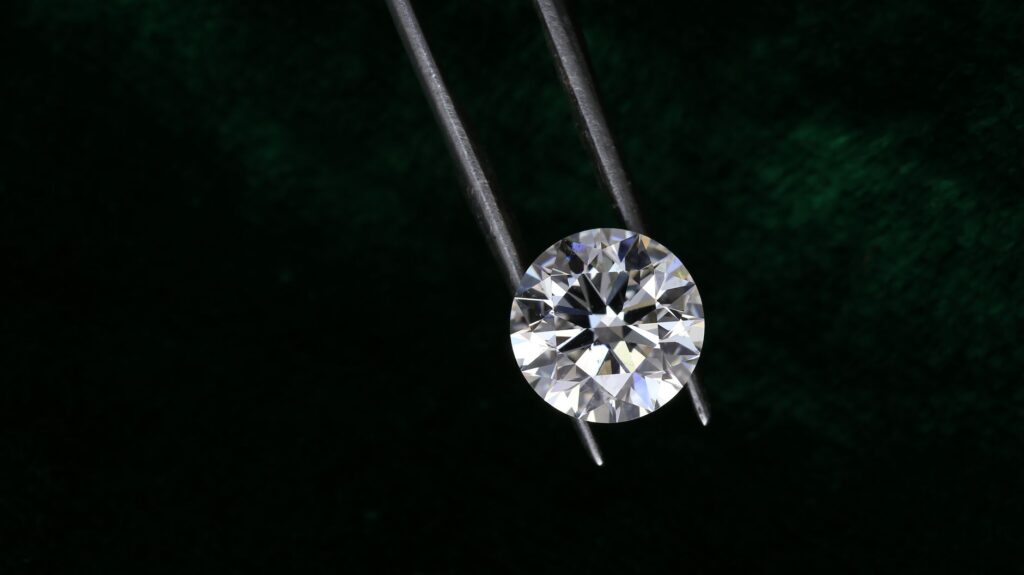
The round brilliant diamond has the most fire in most cases. Its symmetrical facet pattern is optimized for light return, and that usually creates the strongest combination of brilliance and fire. This is why round diamonds are often considered the benchmark for optical performance.
That said, some fancy shapes can also show noticeable fire, especially when cut well. Princess, cushion, radiant, and oval diamonds can produce attractive sparkle, but they do not usually match a well-cut round brilliant for consistent fire. Step-cut shapes like emerald and asscher generally show less fire because their faceting is designed more for clarity and broad flashes of light than for rainbow dispersion.
If you want the most colorful flashes, round brilliant is usually the safest choice. If you want a distinctive shape, you may accept a little less fire in exchange for a different visual style.
What Fire Means in a Diamond
In gemology, fire refers to the separation of white light into the colors of the spectrum, such as red, orange, yellow, green, and blue. This happens when light enters a diamond, bends, and splits as it exits. The effect is most visible under lighting that produces point-source reflections, like spotlights or sunlight.
Fire is different from brilliance. Brilliance is the return of white light, while fire is the rainbow-like color flashes. A diamond can be very brilliant without showing the strongest fire, and vice versa. Most consumers want a balance of both.
Fire is also different from scintillation. Scintillation is the sparkle pattern you notice when a diamond moves or when light and dark areas shift across the surface. Good scintillation gives a diamond lively movement, while fire gives it colorful flashes. A diamond’s cut quality strongly influences all three of these effects.
Why Round Brilliant Diamonds Usually Have the Most Fire
The round brilliant is the classic answer to which diamond shape has the most fire because of how it is engineered. It has 57 or 58 facets arranged in a way that maximizes light return. The proportions and symmetry of this shape give light multiple opportunities to enter, reflect, and exit in a controlled way.
In simple terms, the round brilliant is designed to be efficient. That efficiency helps it produce a strong balance of brightness and colored flashes. When the cut is excellent, the diamond can appear lively even in mixed lighting conditions.
This is one reason round diamonds remain the reference point in cut grading. If you want to understand more about how cut influences appearance, it helps to compare the round brilliant with other diamond shapes and with general diamond cut principles.
How Different Diamond Shapes Compare for Fire
Not all shapes handle light the same way. Shape affects how facets are arranged, which changes the balance of fire, brilliance, and scintillation. The table below gives a practical overview of how common diamond shapes tend to perform.
| Diamond Shape | Fire | Brilliance | Scintillation | Typical Visual Character |
|---|---|---|---|---|
| Round brilliant | Very high | Very high | Very high | Most balanced sparkle and strongest overall light performance |
| Cushion | High | Moderate to high | Moderate to high | Soft edges, romantic look, often noticeable color flashes |
| Princess | Moderate to high | High | High | Sharp, modern look with strong sparkle |
| Radiant | Moderate to high | High | High | Bright and energetic, combines brilliance with a rectangular shape |
| Oval | Moderate | High | High | Elongated look with lively sparkle, but fire can vary by cut |
| Pear | Moderate | High | Moderate to high | Elegant shape with asymmetry that can affect light behavior |
| Marquise | Moderate | Moderate to high | Moderate | Distinctive elongated shape, can show some brightness with less uniform fire |
| Emerald | Low | Moderate | Low to moderate | Elegant step-cut appearance with flashes rather than lots of sparkle |
| Asscher | Low to moderate | Moderate | Low to moderate | Vintage style, geometric mirror-like flashes |
This table is a general guide, not an absolute rule. Cut quality, proportions, and polish can change performance significantly. A well-cut oval can look more lively than a poorly cut round diamond, even if round diamonds are usually the shape with the most fire overall.
Key Characteristics That Affect Fire
Facet pattern
Facet pattern is the arrangement of flat surfaces on a diamond. More precisely, it is how the diamond is divided into sections that control light movement. Shapes with many facets and a brilliant-style cut often produce more fire because they split light more actively.
Round brilliant diamonds are the most efficient at this. Cushion, princess, and radiant cuts also use brilliant-style faceting, which is why they can display strong sparkle. Step-cut diamonds, such as emerald and asscher, use larger facets and broader reflections, so they usually create less fire and more clean flashes.
Proportions and symmetry
Proportions affect how light travels through the stone. If a diamond is too deep, too shallow, or unevenly proportioned, it can lose light or leak it from the bottom or sides. That can weaken fire and make the diamond look duller than it should.
Symmetry matters because uneven facet placement can disrupt the way light returns to your eye. This is especially noticeable in shapes like ovals, pears, and marquises, where even small proportion differences can create uneven brightness or a visible bow tie effect.
Cut style
Cut style is one of the most important factors in optical performance. A brilliant cut is designed for sparkle and fire. A step cut is designed for a more architectural, transparent look.
For buyers, this means the same shape can look very different depending on how it is cut. Two cushion diamonds may have very different personalities, for example. One may show bold flashes of color, while another may look softer and more muted.
Lighting environment
Fire is easiest to see under certain lighting conditions. Point-source light, such as spotlights, candles, or direct sunlight, tends to bring out color flashes. Broader lighting, like cloudy daylight or diffuse indoor light, may make the diamond look brighter overall but less fiery.
This is why a diamond can look dazzling in one store and less dramatic in another. The environment matters, so when evaluating diamond shapes, it helps to view them in different lighting if possible.
Appearance and Visual Performance by Shape
Round brilliant
Round brilliant diamonds usually offer the most balanced visual performance. They are bright, lively, and often show strong flashes of both white light and color. Their sparkle is uniform across the stone, which makes them especially appealing to buyers who want the most classic and predictable look.
The trade-off is that round diamonds are often the most expensive shape per carat because of demand and because more rough diamond is lost in cutting them. For many buyers, that extra cost is worth it for the optical performance.
Cushion cut
Cushion cuts can show beautiful fire, often with a softer, more romantic feel than a round brilliant. Their rounded corners and larger facets can create chunky flashes of color. Some buyers prefer that look because it feels less busy and more antique-inspired.
However, cushions vary a lot. Some lean toward a lively brilliant style, while others have a more vintage, larger-flash appearance. This variation is why cushion diamonds should be evaluated individually rather than by shape alone.
Princess cut
Princess diamonds are square and modern, with a strong sparkle pattern that can include noticeable fire. Their faceting creates a sharp, energetic look, and many buyers like them for their combination of brilliance and geometric style.
Princess cuts usually do not surpass round brilliants in fire, but they can be a practical choice for shoppers who want a contemporary shape and strong visual performance. They are also common in engagement rings and often offer good value relative to rounds.
Radiant cut
Radiant cuts are designed to be bright and lively. They blend the trimmed corners of an emerald shape with brilliant-style faceting, which often gives them strong sparkle and respectable fire. They can appear especially vivid in larger sizes.
Because radiant cuts are rectangular or square-ish, they can face up larger than a round diamond of the same carat weight. That can make them attractive for buyers who want a larger-looking stone without giving up too much sparkle.
Oval cut
Oval diamonds are popular because they combine strong brightness with an elongated shape that can flatter the finger. Their fire can be good, but it depends heavily on proportions. Some ovals display lively color flashes, while others appear flatter or have uneven light patterns.
One common issue with oval diamonds is the bow tie effect, a dark area across the center that can reduce apparent sparkle. A well-cut oval can minimize this issue, but buyers should inspect it carefully.
Pear cut
Pear-shaped diamonds have a distinctive teardrop outline and often show good brilliance with moderate fire. Their asymmetrical shape means light performance can vary from one side to the other if the cut is not well balanced.
Pear diamonds can also show a bow tie effect, especially in longer shapes. That does not make them undesirable, but it does mean buyers should check the stone in person or in high-quality videos when possible.
Emerald and asscher cuts
Emerald and asscher cuts are step cuts, not brilliant cuts. That means they use broad, parallel facets that create flashes and reflections rather than intense sparkle. As a result, they usually show less fire than brilliant-style shapes.
These shapes appeal to buyers who prefer elegance, clarity, and a more understated look. If your goal is maximum fire, they are generally not the best choice. If your goal is sophisticated geometry and a clean visual style, they may be ideal.
Fire Versus Brilliance: Why the Difference Matters
Some buyers focus only on fire, but in everyday viewing conditions, brilliance often has more visual impact. A diamond that returns a lot of white light can appear bright and lively even if its rainbow flashes are modest. This is why a shape with slightly less fire can still look impressive overall.
Round brilliants tend to excel at both. Fancy shapes can lean more toward one trait than another. For example, an emerald cut may look calm and elegant with limited fire, while a cushion cut may show softer, broader flashes that some people find more visually interesting than a round’s smaller, sharper sparkles.
The best shape for you depends on whether you value colorful flashes, bright white sparkle, or a specific style. In engagement ring shopping, that distinction matters because the stone’s personality affects the entire design.
Advantages of Round Brilliant Diamonds for Fire
There are several reasons round brilliants are the standard answer to which diamond shape has the most fire.
- Strong light return: The facet pattern is designed to reflect light efficiently.
- Balanced sparkle: They usually offer a strong mix of brilliance, fire, and scintillation.
- Predictable appearance: A well-cut round diamond tends to perform consistently.
- Timeless appeal: The shape has been popular for decades and remains widely accepted.
For buyers who want a classic engagement ring with minimal guesswork, the round brilliant is often the easiest shape to evaluate. This can be especially helpful when comparing options in lab grown diamonds, where a higher color or clarity grade may be more affordable and the cut can be prioritized more carefully.
Disadvantages of Choosing Round Brilliant Solely for Fire
Round brilliant diamonds are not the best choice for everyone. Their popularity means they often cost more than other shapes of similar carat weight and quality. If budget is important, another shape may give you a larger stone or more visible size for the same price.
Round diamonds can also look more common to some buyers. If you want a ring with a distinctive outline, a fancy shape may be more appealing even if it gives up some fire. In other words, round is the performance leader, but not automatically the best match for every style preference.
Who Should Choose a Shape With the Most Fire?
A diamond shape with high fire is usually best for buyers who want an eye-catching, lively ring with strong sparkle in different lighting conditions. That includes many first-time buyers who want a safe, classic choice, as well as shoppers who value traditional engagement ring styling.
Round brilliant diamonds are often a strong fit for people who want:
- the most balanced sparkle
- a classic and timeless look
- strong performance in everyday wear
- less uncertainty when comparing stones
Fancy shapes like cushion, princess, and radiant may be better for buyers who want a more personalized style but still want good sparkle. If your priority is a larger-looking stone for your budget, some elongated shapes can be appealing, especially when considering the price advantages sometimes found in lab grown diamonds.
How Fire Affects Face-Up Appearance
Fire contributes to a diamond’s overall liveliness, but face-up size also matters. Face-up size is how large the diamond appears when viewed from above. A shape can have strong fire but still appear smaller or larger depending on its outline and depth.
For example, an oval or marquise often faces up larger than a round diamond of the same carat weight. A round diamond may show more fire, while an elongated shape may create more visual spread. Buyers should think about both sparkle quality and visible size when comparing options.
This is especially important in engagement rings, where the center stone is often judged from a normal viewing distance rather than under ideal gem lab lighting.
Durability Considerations by Shape
Fire is not the only practical factor. Some shapes that show attractive sparkle also have design features that affect durability. For example, princess, pear, marquise, and heart shapes have pointed corners or tips that may be more exposed in daily wear.
Round brilliants are generally durable because they have no sharp points. That does not mean fancy shapes are fragile, but they may require more thoughtful setting choices. Prongs, bezels, and protective settings can help reduce the risk of chipping.
If you are choosing a diamond for everyday wear, durability is worth considering alongside sparkle. A shape with excellent fire is less useful if the setting leaves vulnerable corners unprotected.
How Lab Grown Diamonds Fit Into the Decision
Lab grown diamonds make shape selection more flexible for many buyers because they often allow a larger size or higher quality within the same budget. That can be useful if you want a round brilliant with excellent cut, color, and clarity, or if you want to compare round diamonds with fancy shapes without stretching the budget as far.
Because shape affects price, lab grown diamonds can make premium-performing shapes more accessible. For example, some buyers who might otherwise compromise on cut quality in a natural diamond may be able to choose a better-cut round brilliant in a lab grown option. Since cut has a strong effect on fire, that can make a meaningful difference in appearance.
At the same time, the same shape rules still apply. A lab grown oval can still show a bow tie. A lab grown emerald cut can still show less fire than a round brilliant. The growth method changes the diamond’s origin and price structure, but not the optical behavior caused by shape and cut.
Important Buying Considerations for Fire
Prioritize cut quality
If fire matters to you, cut quality should be one of your top priorities. A well-cut diamond can outperform a larger or higher-color stone that is cut poorly. That is especially true for round brilliants, where the cut grade strongly influences how much light the diamond returns.
For fancy shapes, cut is still critical, even if formal grading is less standardized. This is why videos, proportion details, and expert review matter when comparing diamonds online.
Look at the diamond in different lighting
Fire changes with light. A diamond that looks rich and colorful under spot lighting may appear calmer in a softer environment. Try to view diamonds in daylight, indoor light, and store lighting if possible.
This is one reason online photos alone can be misleading. Video helps, but it is still best to understand how a shape behaves in multiple conditions before making a decision.
Consider color and clarity needs by shape
Some shapes reveal body color more easily than others. Step-cut shapes like emerald and asscher often show color and clarity more clearly because of their open facet structure. Brilliant shapes can hide small inclusions better, but they may also reflect color differently depending on cut and size.
If you want fire, you may be leaning toward a round brilliant or another brilliant-style shape, which gives you some flexibility in clarity. That said, diamond color and clarity still matter, especially as size increases.
Check proportions, not just shape name
Two diamonds with the same shape name can look quite different. The ratio of length to width, depth percentage, and table size can all influence sparkle. This is particularly important for shapes like ovals, cushions, pears, and radiants.
If you are comparing stones online, use the measurements and images together. If you are shopping in person, ask to see how the diamond performs under different angles and lighting conditions.
Common Mistakes Buyers Make When Chasing Fire
One common mistake is assuming that a larger diamond automatically has more fire. Size can make sparkle more noticeable, but cut quality is usually more important than carat weight for actual light performance.
Another mistake is choosing a fancy shape based only on photos. Many shapes, especially ovals, pears, and cushions, can vary widely in light behavior. A pretty image does not always tell you how the diamond will perform in real life.
Buyers also sometimes confuse fire with overall sparkle. A diamond may show dramatic color flashes under specific light but still have weak brilliance. The best stones usually balance both.
Finally, some buyers focus so much on fire that they ignore setting design. The right setting can protect the stone, enhance its appearance, and influence how it catches light. This matters in engagement rings as much as in loose diamond selection.
Fire, Shape Trends, and Long-Term Appeal
Round brilliant diamonds have the strongest long-term appeal because they consistently perform well and remain widely popular. They are the most classic answer for buyers who want a shape that has looked desirable for generations and is likely to remain familiar in the future.
Fancy shapes can be more trend-sensitive. Oval, pear, cushion, and radiant diamonds have all had periods of strong popularity, partly because they offer a larger face-up look and a modern feel. That does not make them a poor choice. It just means buyers should think about whether they prefer something timeless or something more style-driven.
If you are shopping with long-term wear in mind, consider how the diamond will look not only today, but years from now. Shape trends can change, but a well-cut diamond with good proportions and strong performance tends to hold visual appeal.
Practical Examples of Shape Choice
If a buyer says, “I want the most colorful sparkle possible,” the round brilliant is usually the first shape to consider. It is the most reliable choice for strong fire and balanced brightness.
If another buyer says, “I want a softer, vintage-inspired look with some fire but not too much sparkle,” a cushion cut might be a better fit. It offers warmth and character without the sharpness of a round brilliant.
If a buyer says, “I want a modern ring and the largest-looking stone I can get for my budget,” a princess, oval, or radiant cut may be more appealing. These shapes can look impressive face-up and may offer better value depending on the exact stone and market conditions.
Frequently Asked Questions
Is fire more important than brilliance?
Not necessarily. Fire creates colorful flashes, but brilliance creates overall brightness. Most buyers prefer a balance of both. A diamond that is bright, lively, and well-cut usually looks better in everyday wear than one that only excels in one area.
Do lab grown diamonds have the same fire as natural diamonds?
Yes. Lab grown diamonds have the same physical and optical properties as natural diamonds. Shape, cut quality, and proportions affect fire in the same way, regardless of origin.
Why do some diamonds show more rainbow flashes than others?
That usually comes down to cut quality, facet arrangement, and lighting. Diamonds with stronger dispersion and better proportions tend to separate white light into more visible colors. Lighting with small, bright points also makes fire easier to see.
Can an oval or cushion ever look better than a round brilliant?
Yes, depending on personal preference. A well-cut oval or cushion may have a more distinctive appearance or a larger face-up look. While a round brilliant usually has more fire, some buyers prefer the style of a fancy shape even if the optical performance is slightly different.
Do step-cut diamonds look dull because they have less fire?
Not at all. Emerald and asscher cuts are valued for their clean lines, elegance, and mirror-like flashes. They are simply designed differently. Their beauty comes more from clarity and geometry than from intense sparkle.
Does a higher carat diamond always have more fire?
No. Carat weight affects size, not fire by itself. A larger diamond may show more visible sparkle, but the amount of fire depends more on cut quality and shape than on weight alone.
What should I prioritize if I want the most sparkle overall?
For the strongest combination of fire, brilliance, and scintillation, start with a well-cut round brilliant. Then balance that with the color, clarity, and size you want within your budget. If you want a different shape, focus on cut proportions and light performance videos.
Conclusion
If you are trying to determine which diamond shape has the most fire, the most reliable answer is the round brilliant. It is usually the strongest shape for colorful flashes because of its facet design and efficient light return. For many buyers, it is also the easiest shape to evaluate and the most balanced in overall sparkle.
Other shapes can still be beautiful and highly desirable. Cushion, princess, and radiant cuts can offer attractive fire, while ovals and pears may trade some fire for a more elongated look. Emerald and asscher cuts usually show less fire, but they appeal to buyers who value a more elegant, understated style.
The best choice depends on what matters most to you. If you want maximum fire and a classic appearance, round brilliant is the clear starting point. If you want a specific outline, larger face-up size, or a more distinctive design, compare shapes carefully and focus on cut quality, proportion, and real-world viewing conditions before making a decision.