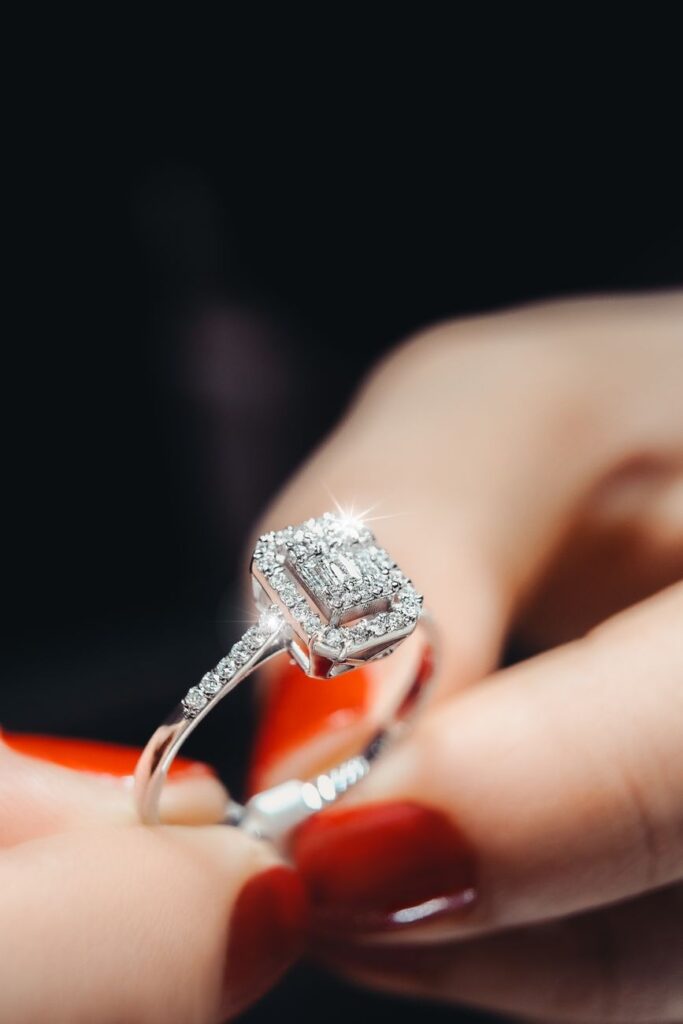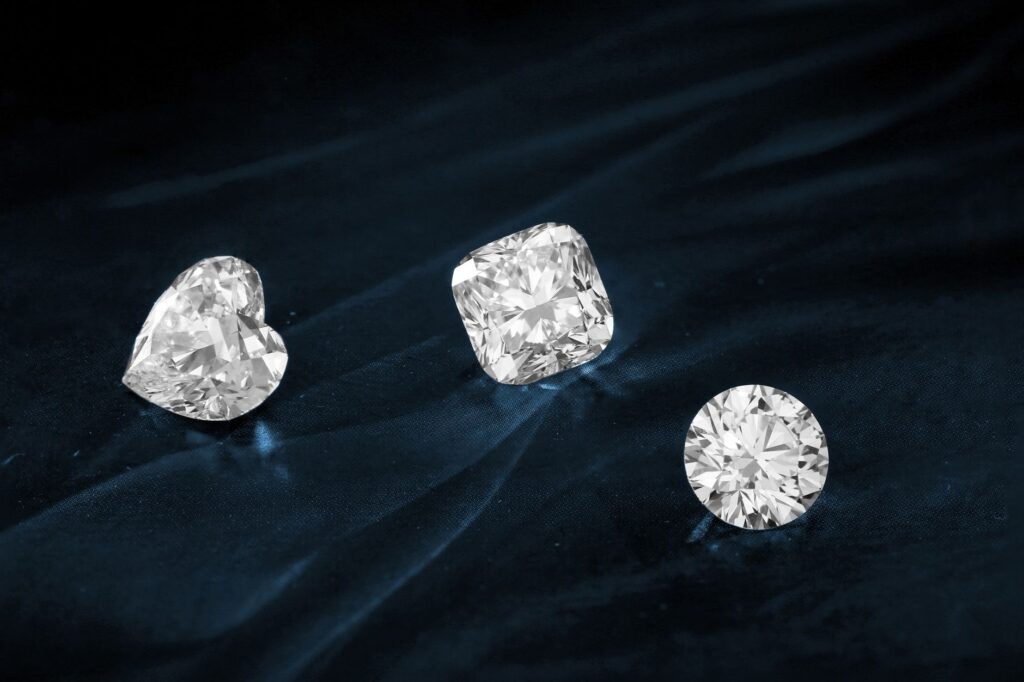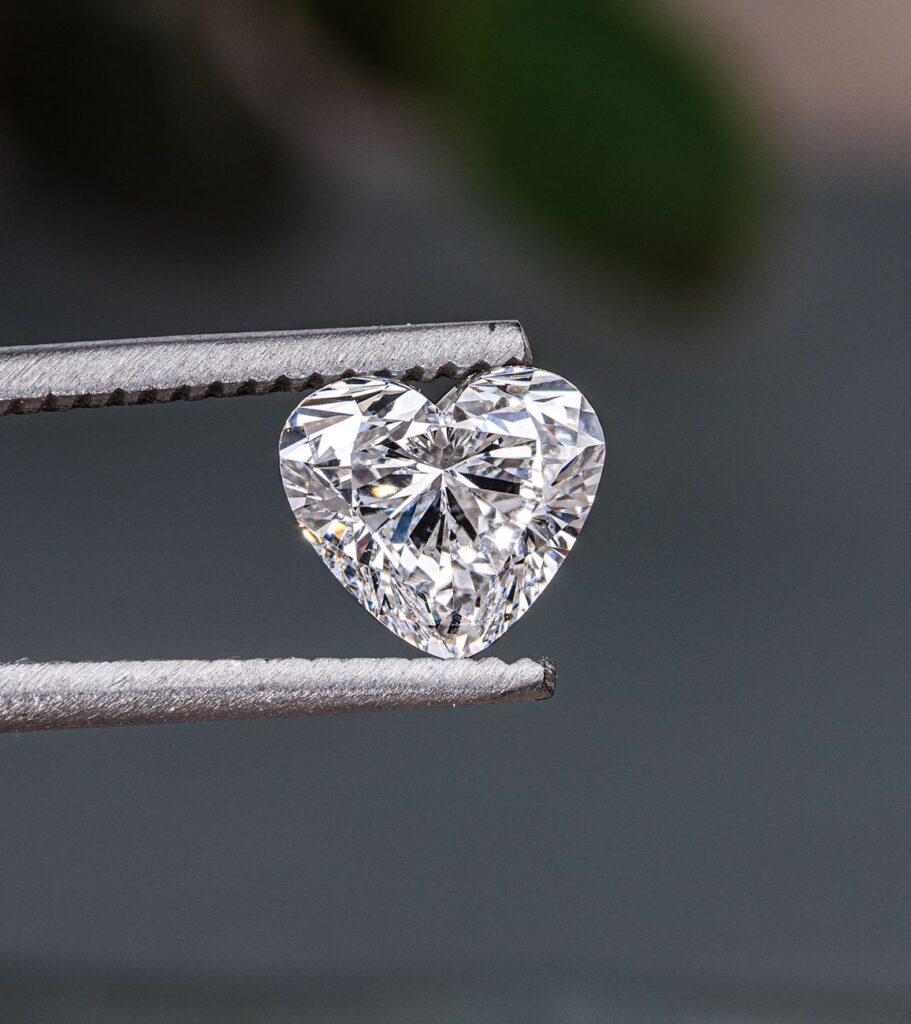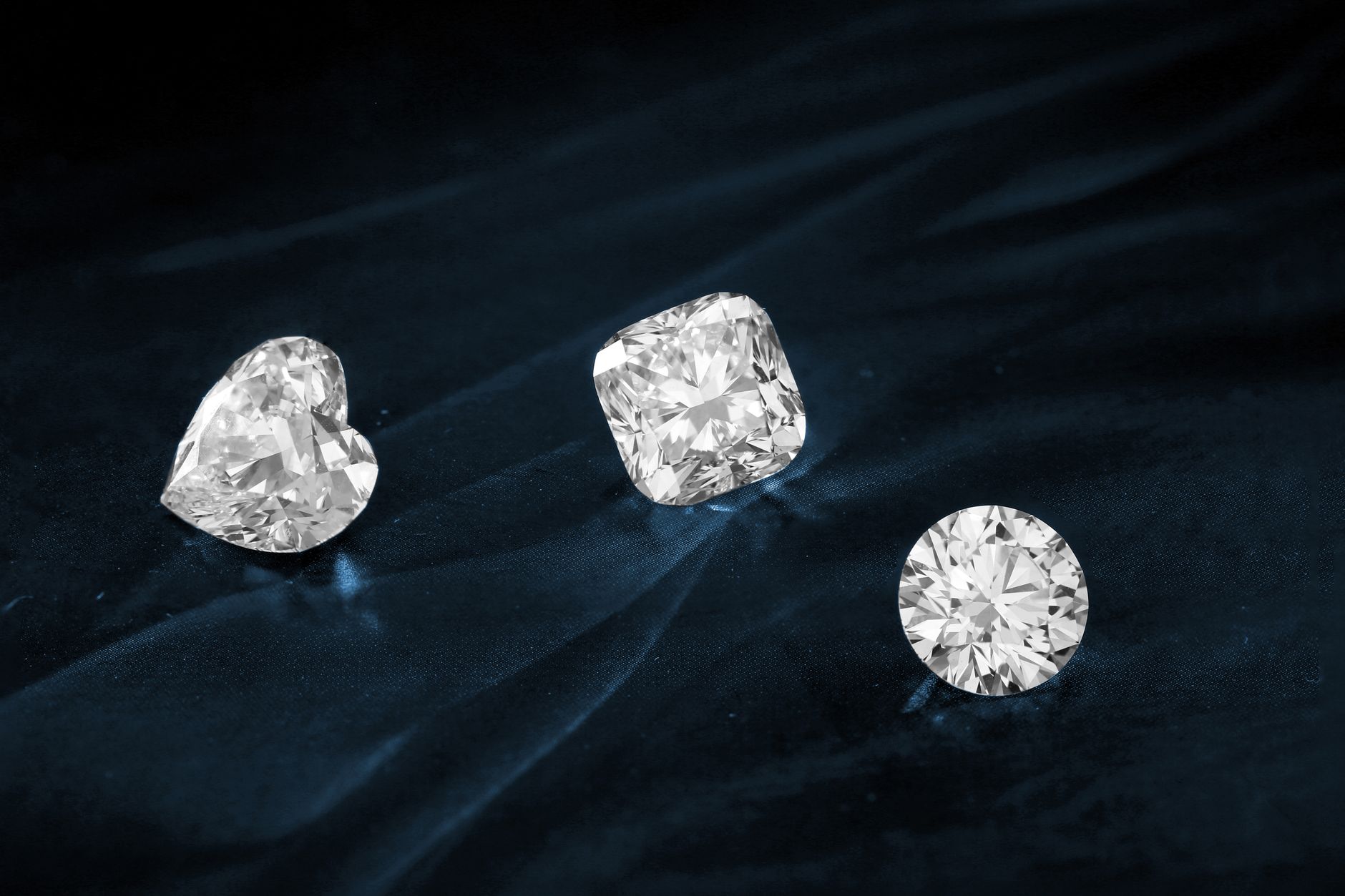
A super ideal cut diamond is a diamond that has been cut to very precise proportions and optical standards, usually with the goal of maximizing brightness, fire, and sparkle. For many shoppers, the phrase signals a diamond that is expected to perform at the top end of what the eye can see, especially in round brilliant diamonds where cut quality has the biggest impact on appearance.
In practical terms, a super ideal cut diamond is not just about a grading label. It is about how well the diamond handles light in real life. That includes how much light returns to the eye, how evenly it lights up across the face, and how much crisp sparkle you notice as the stone moves. For buyers comparing lab grown diamonds or natural diamonds, understanding this concept can make a major difference in value and satisfaction.
The term is widely used in the diamond trade, but it is not a single universal grading category. Different vendors and brands may use it slightly differently. That is why it is important to understand what is actually being promised, what is measurable, and what buyers are likely to see with their own eyes.
Quick Answer: What Is a Super Ideal Cut Diamond
A super ideal cut diamond is typically a diamond, most often a round brilliant, that has proportions, symmetry, and finish quality designed to optimize light performance beyond standard “Excellent” cut grading. In many cases, it refers to diamonds that meet stricter internal criteria than a laboratory’s top cut grade alone.
For buyers, the main idea is simple. A super ideal cut diamond is meant to look especially bright, lively, and balanced. In everyday viewing, that can mean stronger sparkle, cleaner contrast, and a more appealing face-up appearance than a diamond cut to looser top-grade standards.
However, the term does not guarantee perfection, and it does not mean every super ideal diamond will look dramatically different to every shopper. The visible difference is often subtle to moderate, depending on what it is being compared with and under what lighting conditions. The most noticeable improvements tend to come when comparing against diamonds with weaker proportions or less precise optical symmetry.
What the Term Really Means
“Super ideal cut” is a trade term, not a single universal grading term used consistently by every lab. Some sellers use it to describe diamonds with very precise proportions, tight symmetry, excellent polish, and strong light performance. Others use it more loosely as a marketing label for premium cut quality.
That is why the phrase should always be examined alongside the actual grading report and, when possible, light performance data. The important question is not just whether a diamond is called super ideal. It is whether its proportions, symmetry, and optical behavior support that claim.
How It Differs from a Standard Excellent Cut
Most reputable grading laboratories use broad cut grades such as Excellent, Very Good, Good, and so on. A diamond with an Excellent cut grade can still vary quite a bit within that range. Some Excellent diamonds are outstanding in real-world performance, while others are merely very good.
A super ideal cut diamond usually sits within a narrower, more selective range. It is often chosen because it falls into proportions that are known to produce very strong light return and a well-balanced mix of brightness, fire, and scintillation. In other words, it is often a subset of the best-performing Excellent cut diamonds.
Why the Term Is Used More Often for Round Brilliant Diamonds
Cut precision matters in all diamond shapes, but it is most straightforward to evaluate in round brilliant diamonds because they are designed specifically for maximum light performance. The round brilliant has standardized facets that can be measured and compared more easily than many fancy shapes.
For oval, cushion, pear, emerald, and other fancy shapes, cut quality still matters greatly, but the term super ideal is less standardized. Buyers should be cautious when they see it applied to fancy shapes unless the seller provides detailed performance information.
Understanding the Main Cut Factors
To understand what is a super ideal cut diamond, it helps to break down the main parts of cut quality. These include proportions, symmetry, polish, and optical performance. Each affects how the diamond handles light and how it looks to the eye.
Proportions
Proportions refer to the relationship between the diamond’s table size, depth, crown angle, pavilion angle, and other measurements. These numbers influence whether light enters the stone, bounces properly внутри the diamond, and returns to the viewer.
Buyers do not need to memorize every proportion. What matters is that certain proportion combinations tend to produce better visual performance. When the proportions are off, the diamond may look dull, have dark zones, or lose brightness when viewed from different angles.
Symmetry
Symmetry describes how precisely the facets are aligned and shaped relative to one another. Good symmetry helps the diamond reflect light evenly and can improve the crispness of its visual pattern.
In practical terms, better symmetry can contribute to a more balanced and orderly appearance. In some diamonds, particularly those with hearts and arrows precision, symmetry also supports a more consistent sparkle pattern.
Polish
Polish refers to the smoothness of the facet surfaces. A well-polished diamond has fewer microscopic surface marks that could interfere with light entering and exiting the stone.
For most buyers, polish differences are not as easy to notice as proportion differences, but they still matter. A diamond with excellent polish may have a cleaner overall look and can support stronger visual performance.
Optical Performance
Optical performance is the practical result of all the above factors working together. It is about how the diamond actually behaves in light, not just how it measures on paper.
This is one reason some buyers place extra value on super ideal cut diamonds. They are often selected for consistent and predictable optical behavior, which can be especially helpful when shopping online.
Why Super Ideal Cut Matters to Buyers
Cut is usually the most important factor in how beautiful a diamond looks. A diamond with exceptional color or clarity can still appear disappointing if the cut is weak. On the other hand, a well-cut diamond can look more lively and attractive than a larger diamond with poorer cut quality.
This is especially relevant for engagement ring shoppers and lab grown diamond buyers, because size and price often dominate the conversation. Many consumers naturally focus first on carat weight, but cut often has the greatest influence on what the diamond actually looks like in normal lighting.
Appearance Comes First
Most people do not examine diamonds under laboratory lighting. They see them in stores, at home, outdoors, in offices, or under restaurant lighting. In those settings, a super ideal cut diamond is more likely to maintain brightness and sparkle across different environments.
That does not mean every viewer will immediately recognize the difference. It does mean the diamond is more likely to look consistently attractive in day-to-day wear, which is often what buyers actually want.
It Can Improve Perceived Value
When a diamond performs well, it may appear larger, cleaner, or more vibrant than a diamond of similar size and grading that has weaker cut quality. This can make the purchase feel more satisfying, even if the diamond is not the largest option available.
For buyers trying to balance budget and beauty, that trade-off often matters more than chasing the highest carat weight alone.
It Helps Reduce Regret
Many diamond buyers later realize that the stone they were most drawn to was not the one with the biggest specifications, but the one that looked best in person. Strong cut quality helps reduce that mismatch between paper specs and real-world appearance.
That is one reason experienced jewelers often emphasize cut before color or clarity, especially for round brilliant diamonds.
How a Super Ideal Cut Diamond Affects Appearance
The most important question for most buyers is not what the diamond is called, but what it will look like. A super ideal cut diamond is typically valued because of how it handles light and motion, which shapes the way the stone appears to the eye.
Brightness and Light Return
Brightness refers to the white light reflected back to the viewer. Light return is the ability of the diamond to capture incoming light and send it back out through the top.
A super ideal cut diamond is usually designed to maximize this effect. The result is a diamond that can look lively and well-lit even in less-than-perfect conditions. This can be especially useful in indoor lighting where many diamonds appear less dynamic.
Fire
Fire is the colorful flashes of light, often seen as rainbow-like bursts when the diamond moves. Fire is influenced by the diamond’s proportions and facet relationships.
Super ideal cut diamonds often show strong, pleasing fire because the angles are optimized to break light into distinct flashes. Buyers who enjoy seeing colorful sparkles when the diamond moves may find this appealing.
Scintillation
Scintillation is the pattern of light and dark flashes that occur as the diamond moves. It is what gives a diamond a sense of life and sparkle, rather than a flat or glassy appearance.
In a well-cut diamond, scintillation tends to look crisp and lively. In a poorly cut diamond, the pattern can look uneven, muddy, or less defined. This is one of the biggest differences buyers may notice when comparing diamonds side by side.
Brilliance
Brilliance is the overall white sparkle and brightness of the diamond. While people often use “sparkle” as a general term, brilliance is more specifically about how much white light the diamond returns.
A super ideal cut diamond often shows strong brilliance because its geometry is designed to minimize wasted light. This contributes to a more vibrant face-up look, especially in round brilliant diamonds.
Face-Up Appearance
“Face-up” means how the diamond looks when viewed from the top, which is how it is normally seen in a ring. A super ideal cut diamond is often attractive because it can maximize the visible spread of brightness across the top surface.
Buyers sometimes assume a larger diamond always looks bigger. In reality, a well-cut diamond can appear more impressive than a larger one if poor proportions cause it to lose brightness or look smaller than expected for its carat weight.
What Buyers Actually Notice in Real Life
When shoppers compare diamonds, they often want to know whether super ideal cut is visibly better or just technically better. The answer is usually somewhere in between.
Compared with a weak or average cut diamond, the difference can be obvious. Compared with a very good or excellent diamond that already performs well, the difference may be more subtle and sometimes only noticeable side by side.
In Bright Store Lighting
Under strong jewelry-store lighting, many diamonds sparkle. This can make it hard to judge cut quality accurately because even average stones may appear lively.
A super ideal cut diamond will often still stand out by showing more balanced brightness and more defined contrast, but the difference may not be dramatic unless you compare it carefully against other stones.
In Everyday Lighting
Everyday lighting is where cut quality becomes more meaningful. In office light, indoor ambient light, or natural daylight, a super ideal cut diamond is more likely to keep its brightness and sparkle without looking flat.
This is often where buyers realize why cut matters so much. The diamond is not just performing under display lighting. It is performing in the environments where it will actually be worn.
At Normal Viewing Distances
Most people view diamonds at arm’s length or closer, not under magnification. That means the visible impact of a super ideal cut is mostly about overall presence, not microscopic details.
Small differences in table percentage or polish are less important to the average viewer than the combined result of all cut factors. That is why light performance matters more than simply reading numbers on a report.
Super Ideal Cut vs Excellent Cut
This is one of the most common comparisons buyers make, especially when shopping for lab grown diamonds. The answer depends on how strong the Excellent cut diamond is and how carefully the super ideal standard is defined.
| Feature | Super Ideal Cut | Standard Excellent Cut |
|---|---|---|
| Brightness | Typically very strong and even | Can range from very strong to merely good |
| Fire | Often strong and well balanced | Can be strong, but varies more |
| Scintillation | Usually crisp and patterned | May be crisp or may look less defined |
| Consistency | Often more tightly controlled | More variation within the grade |
| Price | Often higher | Often lower, though still variable |
The practical difference is this. A super ideal cut diamond is more likely to deliver a reliably strong visual result. A standard Excellent cut diamond may still look great, but it requires more careful screening because not every Excellent diamond performs at the same level.
For buyers on a budget, a well-chosen Excellent cut diamond can offer strong value. For buyers who want a more curated and predictable result, a super ideal cut diamond may justify its premium.
How It Affects Value
Value is not the same thing as price. A super ideal cut diamond may cost more, but that does not automatically mean it is overpriced. The real question is whether the visible improvement matters enough to you.
When Paying More Makes Sense
Paying more for a super ideal cut can make sense when cut quality is your top priority. This is common for buyers who want maximum beauty in everyday wear and prefer a diamond with more consistent light performance.
It may also make sense if you are buying a smaller diamond and want it to have the strongest possible face-up appearance. In that case, superior cut can help the diamond look more lively and attractive than a larger but weaker stone.
When the Premium May Be Harder to Justify
If your budget is tight, the premium for super ideal cut may be better spent on getting a good overall balance of size, color, and clarity. A very small improvement in light performance may not be the best use of funds if it forces you to compromise too much elsewhere.
Also, if you are comparing two diamonds that already both perform very well, the difference may be too subtle for some buyers to justify a major price gap.
Diminishing Returns
Like many aspects of diamond quality, cut quality has diminishing returns. The improvement from poor cut to very good cut is usually much easier to see than the improvement from very good to super ideal.
That is why experienced buyers often focus on avoiding weak cut diamonds first, then refining the choice among the best performers. It is usually more important to eliminate bad options than to obsess over tiny differences among top-tier stones.
Practical Examples Buyers Can Relate To
A Well-Cut 1.5-Carat Diamond Versus a Poorly Cut 2-Carat Diamond
This is a classic example of why cut matters. On paper, the 2-carat diamond is larger. In real life, a poorly cut 2-carat diamond may look less lively, less bright, and sometimes even smaller than expected because poor proportions reduce its visible presence.
The 1.5-carat well-cut diamond may appear more brilliant and polished to the eye. For many shoppers, especially in engagement rings, the better visual performance can matter more than the larger number on the certificate.
Excellent Cut Versus Very Good Cut in Everyday Lighting
In some cases, the difference between Excellent and Very Good can be modest. In others, it can be very noticeable. The key is that cut grade alone does not tell the whole story.
A strong Very Good cut diamond may still perform nicely, while a weaker Excellent may not. That is why light performance and actual viewing remain important. The best choice is often the diamond that looks best, not simply the one with the highest label.
Higher Clarity With Poor Cut Versus Lower Clarity With Excellent Cut
Many buyers overestimate how much clarity affects a diamond’s appearance from a normal viewing distance. Unless a diamond has visible inclusions, cut often has a much bigger impact on overall beauty.
A lower clarity diamond with excellent cut may look brighter, more eye-catching, and more satisfying than a higher clarity diamond with poor cut. This is one reason diamond consultants often advise buyers not to sacrifice cut for clarity unless there is a clear reason to do so.
Advantages of a Super Ideal Cut Diamond
A super ideal cut diamond can offer several practical benefits for buyers who care about appearance and performance.
- Stronger light performance, with better brightness and sparkle in many lighting conditions.
- More predictable beauty, especially when shopping online and relying on specifications.
- Crisper scintillation, which can make the diamond look more lively when moved.
- Better face-up presence, sometimes making the diamond appear more visually impressive.
- Reduced risk of disappointment, since tightly controlled cutting standards often lead to more consistent results.
These advantages are most meaningful for round brilliant diamonds. They are also especially helpful for shoppers who value visual performance over simply maximizing size.
Disadvantages and Trade-Offs
Super ideal cut diamonds are not automatically the best choice for everyone. There are real trade-offs to consider.
- Higher price than many standard Excellent cut diamonds.
- Less room in the budget for size, color, or clarity upgrades.
- Possible marketing ambiguity, since the term is not universally standardized.
- Not always a dramatic visual leap over other top-tier cut stones.
- Limited relevance outside round brilliants, since fancy shapes are evaluated differently.
For some buyers, these drawbacks are minor. For others, they matter a lot. The right answer depends on how you prioritize beauty, size, and budget.
Buying Considerations for Lab Grown Diamonds
Super ideal cut is especially relevant in the lab grown diamond market because lab grown stones often offer larger sizes or higher clarity at lower prices than natural diamonds. That can make cut quality one of the best places to focus your budget.
Since lab grown diamonds can be more affordable, many buyers use the savings to pursue stronger cut quality. In practice, that often means getting a better-looking diamond without moving too far outside budget.
Do Lab Grown Diamonds Benefit More from Super Ideal Cut?
Not inherently, but the value proposition can be attractive. Because lab grown diamonds often cost less than comparable natural diamonds, spending a bit more on precision cut can still fit within a reasonable budget.
That said, cut quality matters just as much in lab grown diamonds as it does in natural diamonds. A lab grown diamond is not automatically beautiful just because it is lab grown. It still needs strong proportions and light performance to look its best.
Certification Still Matters
Always review the grading report carefully. A super ideal description should be supported by actual data, not just a sales phrase.
For lab grown diamonds, also confirm the stone is properly identified as lab grown and that the report comes from a recognized grading laboratory. This helps you compare apples to apples when looking at cut, color, clarity, and carat weight.
Online Photos and Videos Can Help, but They Are Not Enough
Many buyers now shop online, and images are useful, but they have limits. Lighting, camera settings, and editing can all affect how sparkly a diamond appears on screen.
If available, look for videos in neutral lighting and pay attention to how evenly the diamond brightens and darkens as it moves. A well-cut diamond should generally look lively without appearing washed out or overly dark.
What to Look For Beyond the Label
If you are trying to determine whether a diamond is truly super ideal in performance, focus on evidence rather than marketing terms alone. The best approach is to combine report data with visual assessment whenever possible.
Look at the Grading Report
Check the diamond’s cut grade, symmetry, polish, and proportions. For round brilliant diamonds, the table and depth percentages, along with crown and pavilion angles, can provide helpful clues about performance.
But remember that measurements alone do not tell the whole story. Two diamonds with similar numbers can still look different because facet precision and optical behavior also matter.
Ask About Light Performance Data
Some sellers provide ASET, Ideal-Scope, or similar imaging. These tools can help show whether a diamond is returning light efficiently or leaking light in certain areas.
For buyers who are serious about cut, this information can be very useful. It helps move the conversation from labels to actual visual behavior.
Evaluate the Diamond in More Than One Lighting Condition
If possible, view the stone in daylight, indoor light, and lower-light conditions. A diamond that only looks impressive under intense jewelry-store spotlights may be less satisfying at home.
A strong performer should still show good presence in different environments. That consistency is one of the biggest benefits of a well-executed super ideal cut.
Common Buyer Mistakes
Many diamond shoppers make similar mistakes when learning about cut. Avoiding these can help you make a better purchase.
- Prioritizing carat over cut and ending up with a larger but less attractive diamond.
- Assuming all Excellent cuts look the same, when performance can vary widely.
- Overpaying for clarity while ignoring the cut quality that actually affects sparkle.
- Trusting a marketing term blindly without checking the actual grading report.
- Using magnified images as the only decision factor, instead of real-world appearance.
- Ignoring light leakage, which can make a diamond look weaker and less lively.
These mistakes are especially common among first-time buyers. A little understanding of cut quality can prevent a lot of regret later.
How Super Ideal Cut Relates to Other Diamond Terms
Buyers often encounter related terms while researching diamond cut. Understanding the differences can help you interpret seller descriptions more accurately.
Ideal Cut
Ideal cut generally refers to a very high standard of cut quality. In some contexts, it can mean the same thing as excellent performance, but the exact meaning may vary by seller or brand.
Super ideal usually implies an even narrower and more selective standard than a general ideal or excellent category.
Hearts and Arrows
Hearts and arrows is a visual pattern seen in some highly symmetrical round brilliant diamonds when viewed through special scopes. It indicates very precise facet alignment.
Not every super ideal diamond will show a perfect hearts and arrows pattern, but many do. For buyers, this is more of a sign of precision than a guarantee of beauty by itself.
Light Leakage
Light leakage happens when light escapes through the bottom or sides of the diamond instead of returning to the eye. Too much leakage can reduce brightness and make the stone look dull in places.
Well-cut diamonds typically minimize leakage. This is one of the reasons super ideal cut diamonds often appear more alive and even across the surface.
Optical Symmetry
Optical symmetry refers to the visual precision of the facet pattern and how well the diamond’s internal reflections line up. It can contribute to pattern crispness and the overall sense of order in the stone.
For many buyers, the benefit is subtle but real. It often shows up as a cleaner, more structured sparkle pattern.
Who Should Consider a Super Ideal Cut Diamond?
A super ideal cut diamond may be a good fit for buyers who care deeply about visual performance and want a stone that has been selected for very strong light behavior. It can also be appealing to online shoppers who want more confidence in what they are buying.
It may be less important for buyers whose top priority is size and who are comfortable with a broader range of cut quality, as long as the stone still looks pleasing in person. In that case, a well-screened Excellent cut diamond may offer stronger value.
For many consumers, the best choice is not about chasing the most prestigious label. It is about finding the diamond that looks best within the budget, with cut quality leading the way.
Frequently Asked Questions
Is a super ideal cut diamond always better than an excellent cut diamond?
Not always. A super ideal cut diamond is often more tightly controlled and may perform better, but some Excellent cut diamonds also look outstanding. The real difference depends on the actual proportions, symmetry, and light performance of the specific stone.
Can I see the difference with my naked eye?
Sometimes yes, sometimes only slightly. The difference is usually easiest to see when comparing a super ideal diamond to a weaker cut stone. Compared with a strong Excellent cut diamond, the improvement may be subtle and more noticeable in certain lighting than others.
Does super ideal cut matter more in round diamonds?
Yes. Round brilliant diamonds are the shape where cut precision is most standardized and most directly linked to sparkle and brightness. Fancy shapes still benefit from excellent cutting, but the term super ideal is less universally defined for them.
Is super ideal cut worth the extra cost?
It can be, if you value maximum light performance and consistent visual quality. If budget is limited, a carefully chosen Excellent cut diamond may deliver better overall value, especially if it allows you to improve carat, color, or clarity without sacrificing appearance too much.
Does super ideal cut help lab grown diamonds look more natural?
No. Cut quality affects beauty, not whether a diamond is lab grown or natural. A well-cut lab grown diamond can look beautiful, but its origin is still determined by how it was created, not by how it is cut.
Should I choose cut over carat weight?
In most cases, yes, at least to a point. Cut usually has a greater impact on how attractive the diamond looks than a small increase in carat weight. A slightly smaller well-cut diamond can often appear more brilliant and satisfying than a larger poorly cut one.
What paperwork should I ask for?
Ask for a grading report from a recognized laboratory, and if available, ask for light performance images or a video. This is especially helpful when a seller uses a term like super ideal, because you want to confirm that the diamond’s actual data supports the description.
Conclusion
A super ideal cut diamond is a diamond cut with very precise proportions, symmetry, and finishing standards to maximize real-world light performance. For buyers, the main benefits are stronger brightness, crisp sparkle, and a more consistent appearance in everyday lighting.
The term is useful, but it should not be accepted blindly. Because it is not a single universal grading category, the details behind the label matter more than the phrase itself. The most informed buyers look at the grading report, ask about light performance, and compare diamonds based on what they actually see.
If you are shopping for a diamond, especially a round brilliant lab grown diamond, cut quality deserves close attention. It often has a bigger impact on beauty than many first-time buyers realize, and it can make the difference between a diamond that looks merely good and one that looks genuinely impressive in daily wear.