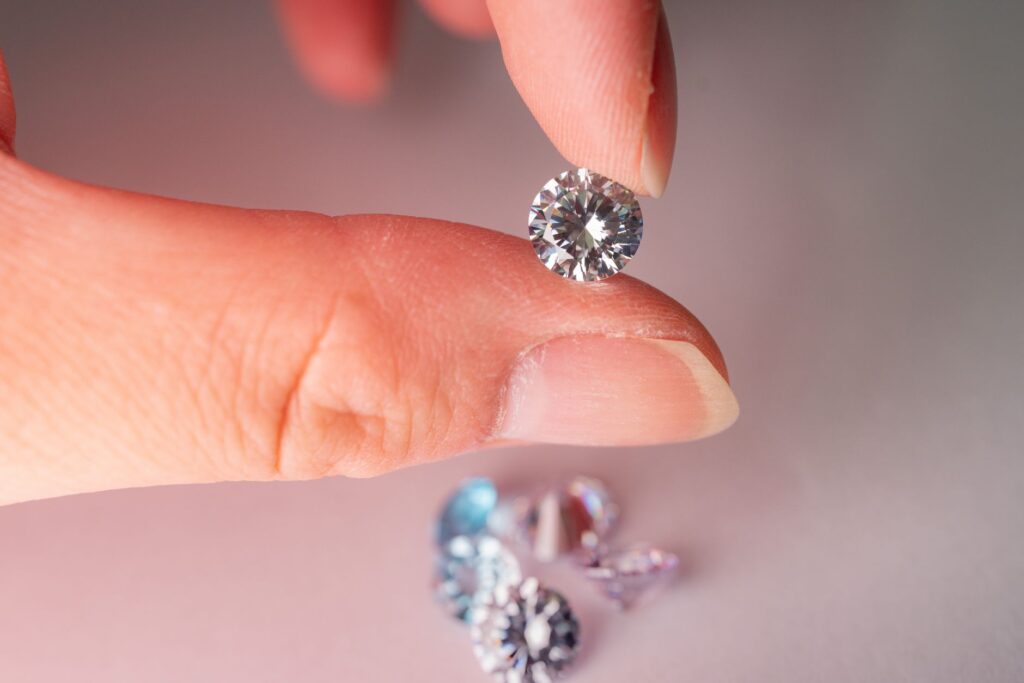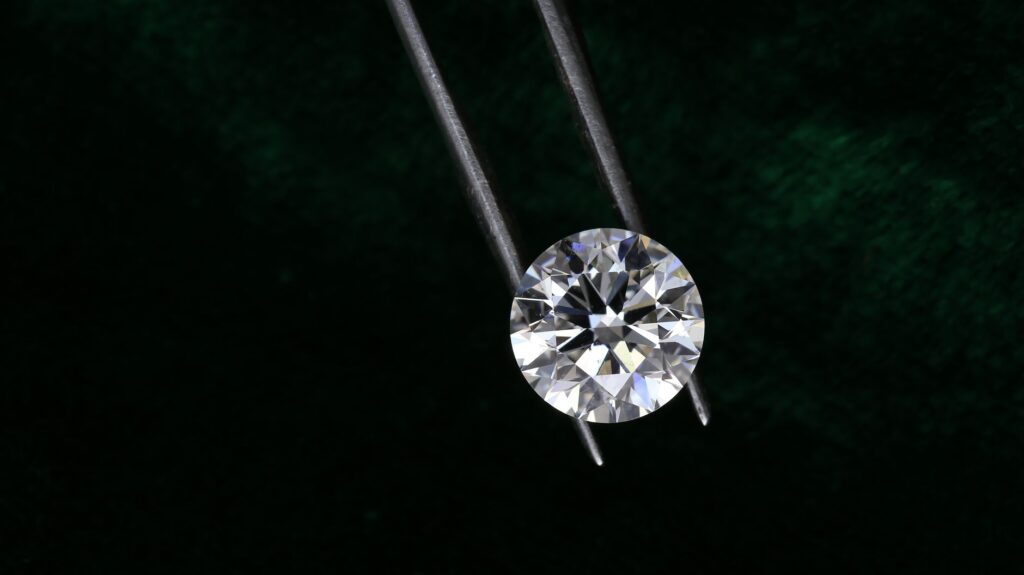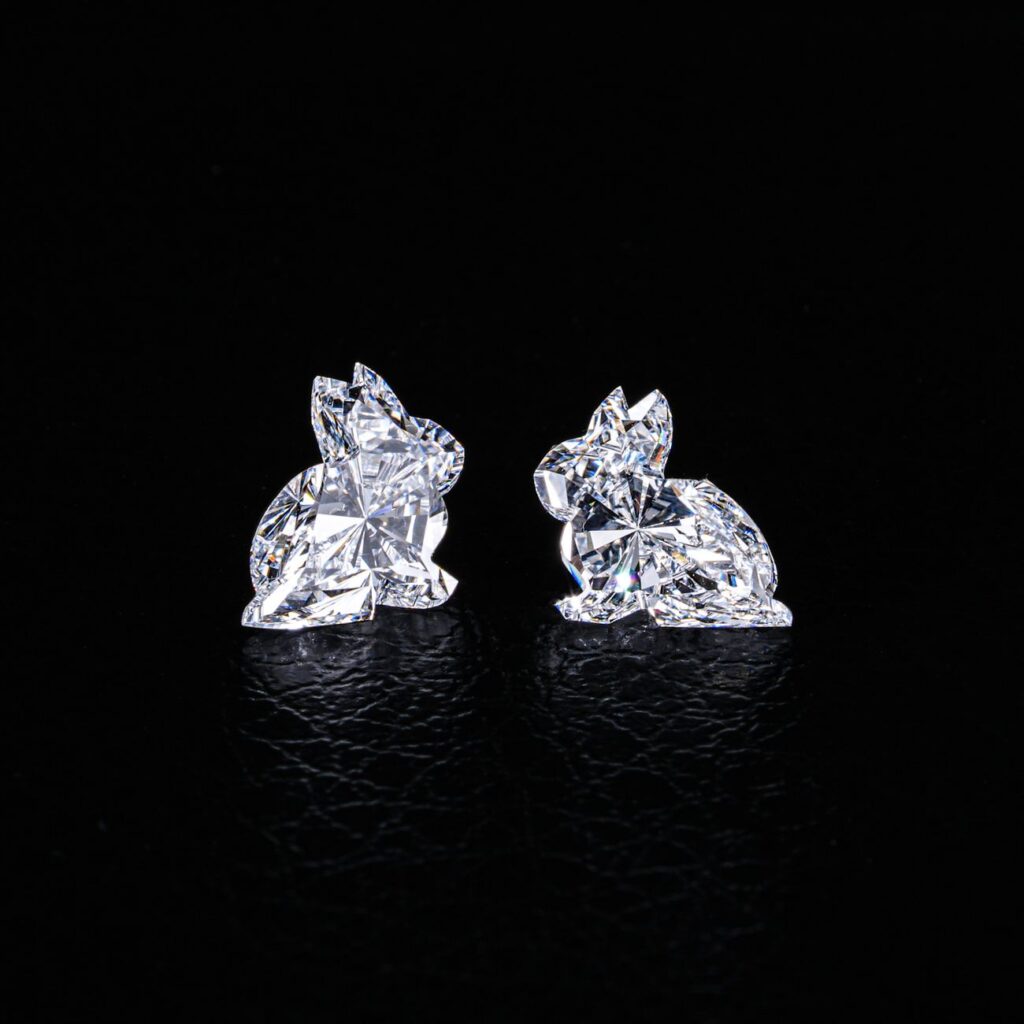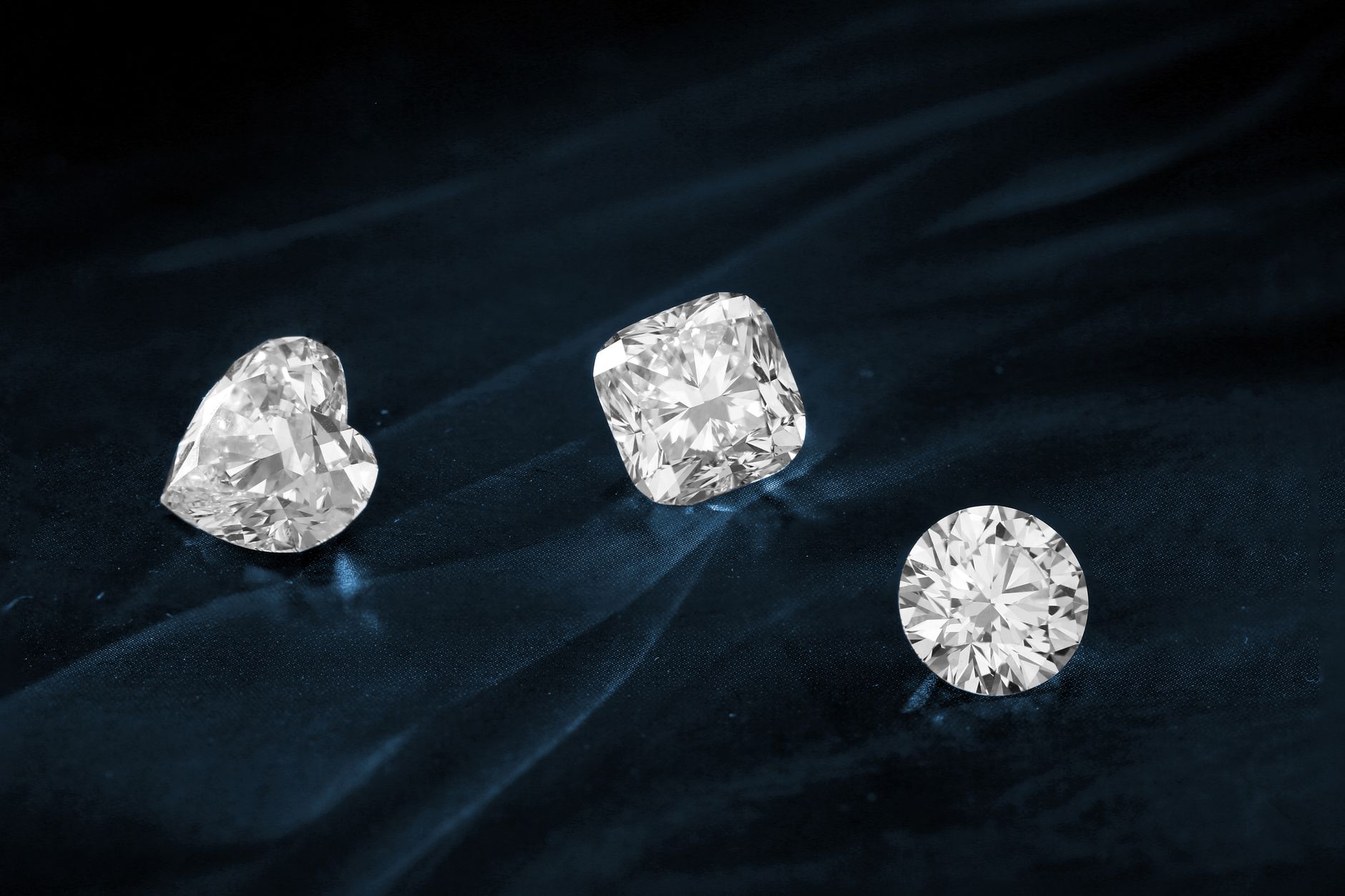
Diamond scintillation is one of the main reasons a well-cut diamond looks lively instead of flat. It refers to the flashes of light and dark you see as a diamond or the viewer moves. For many shoppers, scintillation is the difference between a diamond that looks merely bright and one that looks visually dynamic in everyday wear.
When people ask What Is Diamond Scintillation, they are usually trying to understand why some diamonds seem more “sparkly” than others even when the carat weight and color look similar on paper. The answer is closely tied to cut quality, facet arrangement, and how the stone handles light in motion. That makes scintillation an important topic for anyone comparing engagement rings, loose diamonds, or lab grown diamonds.
In practical terms, scintillation is not the same as overall brightness or rainbow flashes. It is the changing pattern of sparkle that gives a diamond life and contrast. If you are evaluating a diamond for real-world beauty, understanding scintillation can help you look beyond basic grading terms and focus on how the stone actually appears to the eye.
Quick Answer: What Is Diamond Scintillation?
Diamond scintillation is the visual effect created by flashes of light and areas of contrast that appear as a diamond moves. It is part of what most people think of as sparkle, but it is more specific than the general idea of sparkle. Scintillation is the motion-based pattern of bright flashes and dark facets that makes a diamond look lively.
A diamond with strong scintillation usually shows crisp, lively flashes when it is rotated, worn on the hand, or viewed under changing light. A diamond with weak scintillation may look dull, mushy, or too uniform, even if it has good color and clarity. For many buyers, scintillation is one of the clearest signs of good cut quality.
Scintillation matters because it affects what you see in normal daily life, not just under a jeweler’s spotlight. A well-cut diamond can often look more impressive than a larger stone with weaker cut proportions. That is especially important when shopping for an engagement ring, where the stone will be viewed in many lighting conditions over time.
Understanding Diamond Scintillation
What scintillation means in plain English
Think of scintillation as the “twinkle” or “flash pattern” of a diamond. When light hits a diamond, the facets act like tiny mirrors. As the diamond or your eyes move, some facets brighten while others darken, creating a pattern of flashes.
This changing pattern is what gives a diamond visual life. It is not one single sparkle, but a rhythm of light and contrast across the surface. Good scintillation feels crisp and balanced, while poor scintillation can look either too busy or too dead.
How scintillation differs from brilliance and fire
Buyers often hear the words brilliance, fire, and scintillation used together. They are related, but they are not the same thing. Understanding the difference helps when comparing diamonds side by side.
| Term | What it means | What buyers see |
|---|---|---|
| Brilliance | White light returned from the diamond | Overall brightness and whiteness |
| Fire | Dispersion of light into rainbow flashes | Colored sparkles in bright light |
| Scintillation | Flashes and contrast seen as the diamond moves | Twinkling, sparkle pattern, and visual liveliness |
A diamond can have strong brilliance but only average scintillation if the facets are too large or the pattern is too static. Another diamond may show good fire but still feel less lively if the cut does not create attractive contrast. In real buying situations, the best stones usually combine all three in a balanced way.
Why movement matters
Scintillation is most noticeable when a diamond is in motion or viewed from changing angles. That is why it matters so much in rings and other jewelry worn on the hand. A stone that looks fine straight on may reveal more personality when you tilt it under lighting.
In everyday use, buyers notice this effect when walking, gesturing, or turning their hand under indoor light. A diamond with strong scintillation tends to come alive as it moves. This is one reason cut quality often matters more to appearance than small differences in clarity grade.
Why Diamond Scintillation Matters to Buyers
It affects how lively a diamond looks
Most consumers do not buy a diamond based on technical measurements alone. They want a stone that looks beautiful in real life. Scintillation is one of the clearest indicators of that liveliness.
Without good scintillation, a diamond can look flat or overly uniform. With good scintillation, the eye sees a pleasing mix of bright reflections and contrast. That contrast helps the stone stand out, even at modest sizes.
It helps separate good cut from average cut
Scintillation is often where cut quality becomes obvious to the naked eye. Two diamonds with similar carat weight can look very different if one has better proportioning and facet alignment. The better-cut stone usually appears more dynamic and engaging.
Many first-time buyers assume that size alone creates visual impact. In practice, cut quality can have a bigger effect on perceived beauty than a small increase in carat weight. A well-cut 1.5-carat diamond may look more impressive than a poorly cut 2-carat diamond because the smaller stone returns light more efficiently.
It influences long-term satisfaction
Diamonds are often bought for years of wear, not just for the day of purchase. If a stone looks lively in multiple environments, buyers are more likely to remain happy with it over time. That is especially true for engagement rings, which are seen daily in a wide range of lighting conditions.
Scintillation also helps a diamond look attractive in motion, which is how jewelry is actually worn. A stone that looks good only in a still photo may not deliver the same experience on the hand. That is why buyers should think in terms of everyday appearance, not just showroom impressions.
How Diamond Scintillation Affects Appearance
Sparkle pattern
Scintillation is the pattern of sparkle a diamond creates as it moves. A good pattern is usually balanced, with bright flashes spread across the stone in a way that feels lively but not chaotic. The effect should draw the eye naturally.
If the pattern is too large and slow, the diamond may look sleepy or glassy. If the pattern is too small and busy, the stone can appear noisy or busy rather than elegant. The best pattern depends somewhat on shape and personal taste, but a well-cut round brilliant often produces the most familiar and balanced scintillation.
Brightness and contrast
One of the most important parts of scintillation is contrast. Diamonds need both light and dark areas to create visible sparkle. If every facet returns light in the same way, the stone may lose visual definition.
Good contrast helps the eye separate flashes, making the diamond look more crisp. This is why experienced jewelers often pay attention to the balance between bright reflections and darker facet areas. The dark areas are not necessarily flaws, they are part of the visual rhythm that creates sparkle.
Face-up appearance
“Face-up” appearance means how a diamond looks when viewed from the top, which is the normal viewing angle in a ring. Scintillation strongly affects face-up appearance because it determines how active the stone looks from that angle.
A diamond with excellent face-up performance can appear brighter and more attractive even if its measurements are not extreme. A poorly cut stone may have more visible body size on paper, but it can look less lively once mounted. That is one reason cut is so important in lab grown diamonds as well as natural ones.
Everyday lighting versus spotlight lighting
Diamonds often look best in jewelry store lighting because that lighting is designed to highlight sparkle. But shoppers do not live under spotlights. They wear diamonds in offices, cars, restaurants, homes, and outdoor settings.
Scintillation matters because it holds up in changing light. Some diamonds look great in a display case but less interesting in softer, more diffuse lighting. A diamond with strong scintillation should still show attractive flashes under a variety of conditions, though the intensity will naturally change with the environment.
What Creates Scintillation in a Diamond?
Facet arrangement
Facets are the flat polished surfaces that make up a diamond’s shape. Their arrangement controls how light enters, bounces, and exits the stone. The pattern of facets is a major driver of scintillation.
In a round brilliant diamond, the facet arrangement is designed to optimize light return and sparkle. In fancy shapes such as oval, pear, emerald, or cushion, the facet arrangement differs, so the scintillation pattern also changes. That is why two diamonds of different shapes can both be beautiful while sparkling in different ways.
Proportions
Proportions include measurements such as table size, depth percentage, crown angle, and pavilion angle. These numbers influence how light behaves inside the stone. While buyers do not need to memorize them, they should understand that proportions affect whether the diamond returns light efficiently or leaks it.
When proportions are balanced, the diamond tends to show stronger brilliance and more attractive scintillation. When proportions are off, light can escape through the bottom or sides instead of returning to the eye. The result may be a duller appearance or a less crisp flash pattern.
Symmetry and polish
Symmetry refers to how precisely the facets are aligned with one another. Polish refers to the smoothness and finish of the facet surfaces. Both affect the quality of reflected light and can influence how crisp the scintillation appears.
Good symmetry helps the facet pattern appear orderly and balanced. Good polish helps light reflect cleanly off the surfaces. These factors do not always create dramatic differences on their own, but they contribute to the overall sharpness of the visual result.
Cut quality as a whole
Scintillation is not controlled by one number alone. It is the combined result of proportions, facet arrangement, symmetry, polish, and the diamond’s shape. That is why cut quality is often the most important factor for appearance, especially in brilliant-cut stones.
For buyers comparing loose diamonds, the most useful question is not just “What is the grade?” but “How does the stone actually look?” A diamond with a top cut grade often gives a strong starting point, but visual inspection still matters. Even among well-graded stones, there can be subtle differences in liveliness.
How Scintillation Relates to Cut Grades
Diamond cut grade and visual performance
On grading reports for round brilliant diamonds, cut grade is one of the most important quality ratings. It reflects how well the diamond’s proportions and finish are expected to perform. In practical terms, better cut grades usually correlate with stronger scintillation and overall beauty.
That said, cut grade is still a category, not a guarantee of identical visual performance. Two diamonds with the same grade can look different depending on the exact facet pattern and proportion details. This is why many experienced buyers look beyond the summary grade and review the actual measurements and images when available.
Excellent, Very Good, and Good cut
For many buyers, the most relevant comparison is between Excellent and Very Good cut grades. In everyday viewing, the difference may be subtle or noticeable depending on the specific stone. Some Very Good stones perform nearly as well as Excellent stones, while others show weaker light return or less refined scintillation.
Good cut diamonds can still be attractive, but they are more likely to show visible trade-offs. Those trade-offs may include reduced brightness, a less crisp sparkle pattern, or a slightly sleepy look in certain lighting. For most buyers, the premium for higher cut quality is often justified because the difference affects what the eye sees.
Why two diamonds with the same grade can still look different
Cut grades are helpful, but they cannot capture every nuance. Small differences in facet precision, alignment, and internal light behavior can affect the look of the stone. This is especially true when comparing diamonds side by side.
In practice, one Excellent cut diamond may appear more lively than another because of its exact proportions or optical symmetry. That does not mean the grading system is useless. It means buyers should treat it as a strong filter, not the only decision-making tool.
Scintillation in Different Diamond Shapes
Round brilliant
Round brilliant diamonds are designed to maximize light return and sparkle. They often show the most balanced and predictable scintillation pattern. For this reason, many buyers consider rounds the safest choice when sparkle is the top priority.
In a round brilliant, scintillation tends to appear as small, frequent flashes that look crisp and lively. The pattern is usually symmetrical, which many shoppers find easy to evaluate. If you are studying diamond cut, round brilliants are the best place to start because the relationship between cut quality and sparkle is most standardized.
Oval, pear, and marquise
Elongated shapes can show beautiful scintillation, but their patterns may be less uniform than a round brilliant. Ovals, pears, and marquise diamonds can display broader flashes, sometimes with areas of contrast that make the shape feel elegant and distinctive.
These shapes may also show bow-tie effect, which is a darker area across the center that can influence appearance. A small amount of contrast is normal, but a strong bow-tie can reduce the perceived sparkle. Buyers should evaluate these shapes carefully in person or through high-quality videos when possible.
Cushion cut
Cushion cuts often have a softer, chunkier sparkle pattern than rounds. Some buyers like this because the flashes are broader and more romantic-looking. Others prefer the sharper, more frequent sparkle of a round brilliant.
Scintillation in cushion cuts can vary significantly depending on the facet style. Some appear more antique-like with larger flashes, while others are more brilliant and busy. This makes cushions a shape where visual inspection is especially important.
Emerald cut
Emerald cuts produce a very different kind of sparkle. Instead of many tiny flashes, they usually show long, elegant flashes and a more mirror-like appearance. Their scintillation is subtler, so buyers should not expect the same look as a round brilliant.
Some people love the calm, refined appearance of emerald cuts, while others find them less sparkly. This is not a matter of better or worse. It is a matter of style and expectations. Understanding scintillation helps prevent disappointment when comparing shape types.
Light Leakage and Why It Matters
What light leakage means
Light leakage happens when light enters a diamond but escapes through the bottom or sides instead of reflecting back to the eye. This reduces brightness and can weaken scintillation. In simple terms, it means the diamond is not using light efficiently.
Buyers usually cannot identify light leakage from a grading report alone. They see it as areas that look dull, dark, or less lively than expected. A diamond with significant leakage may still have nice color and clarity, but it will often look less impressive in person.
How leakage affects sparkle
When light leaks out, the stone has fewer bright reflections to create contrast. That can flatten the sparkle pattern and reduce the sense of movement. Instead of crisp flashes, the diamond may appear sleepy or washed out in some viewing angles.
Leakage is one reason a diamond with a lower carat weight but better cut can look more attractive. The well-cut stone returns light more effectively, so it may appear fuller and brighter on the finger. This is often more important than a modest increase in size.
Hearts and Arrows and Optical Precision
What hearts and arrows means
Hearts and arrows is a pattern associated with highly precise round brilliant diamonds. When viewed with special tools, the stone shows symmetrical hearts from the bottom and arrows from the top. This pattern indicates a very high level of optical precision.
Not every excellent diamond shows a true hearts and arrows pattern, and not every diamond with a hearts and arrows pattern has exactly the same visual look. Still, it is often a useful sign that the facet arrangement is highly controlled.
What buyers actually see
Most buyers do not evaluate hearts and arrows directly in everyday wear. What they may notice instead is a more orderly, balanced sparkle pattern. The stone often looks crisp and harmonious under different lighting conditions.
The practical value of hearts and arrows is mostly indirect. It suggests strong craftsmanship and careful light management, which can support better scintillation. For many buyers, this matters more as a quality signal than as a feature they will consciously observe every day.
How Scintillation Affects Value
When paying more makes sense
Paying more for better scintillation often makes sense when the diamond is intended for regular wear and visual impact matters. Since cut quality influences how attractive the diamond looks in real life, the premium can be worthwhile. This is especially true in engagement rings, where the diamond becomes part of a daily visual routine.
Higher cut quality may also help a diamond look larger and more impressive than a stone with poor light performance. In that sense, spending slightly less on carat weight and more on cut can produce a better result for many buyers. This is one of the most common and practical trade-offs in diamond shopping.
When diminishing returns begin
There is a point at which additional spending produces smaller visible gains. For example, moving from a very well-cut diamond to an even more precisely cut stone may yield only subtle improvements that are hard for most buyers to notice without side-by-side comparison. That is where personal preference and budget matter.
In contrast, moving from average cut to excellent cut can produce a very noticeable improvement. The visible benefit is usually greatest when you are moving out of lower-performing territory. Once you are already in a strong-performing range, extra spending becomes more about refinement than dramatic change.
Which factors usually have the biggest visual impact
For most buyers, the strongest value priorities are:
- Cut quality, because it most directly affects sparkle and brightness
- Carat weight, because it affects size perception
- Color, because it influences how white the diamond appears
- Clarity, because it affects inclusions that may be visible up close
Scintillation is part of the cut story, and it often has more visible impact than small differences in clarity. A well-cut diamond can make a slightly lower clarity grade look better than a poorly cut diamond with a higher clarity grade. Buyers often notice this once they compare stones in person.
Practical Buyer Examples
A well-cut 1.5-carat diamond versus a poorly cut 2-carat diamond
This is one of the most common real-world comparisons. On paper, the 2-carat diamond sounds more impressive because it is larger. But if its cut is weak, it may leak light and appear less lively than the 1.5-carat stone.
In actual viewing, many shoppers would prefer the smaller diamond if it looks brighter, crisper, and more balanced. The larger stone may still be attractive, but its size advantage can be reduced if the face-up appearance is dull. This is a strong example of why scintillation matters more than carat weight alone.
Excellent Cut versus Very Good Cut in everyday lighting
In a jewelry store with strong lighting, the difference between Excellent and Very Good may be subtle. Under softer office or home lighting, however, the better-cut diamond may look more consistent and lively. That is because good light performance shows up across a wider range of environments.
For many buyers, a well-chosen Very Good cut can still be a smart value option. But if sparkle is the top priority, an Excellent cut is often the safer choice. The key is to compare actual diamonds rather than relying only on the grade name.
Higher clarity with poor cut versus lower clarity with excellent cut
Buyers sometimes assume that a cleaner clarity grade automatically means a better-looking diamond. In reality, clarity matters only if inclusions are visible or distracting. A higher clarity diamond with weak cut can still look lifeless.
A lower clarity diamond with excellent cut may appear more beautiful because the strong light return draws attention away from minor inclusions. If the inclusion is not visible to the naked eye, the better-cut stone often delivers greater visual satisfaction. This trade-off is especially important for buyers working within a budget.
Advantages of Strong Diamond Scintillation
- It makes the diamond look lively and active in motion
- It improves the overall sparkle pattern, especially in everyday wear
- It can make a diamond look brighter and more attractive face-up
- It often signals good cut quality and careful craftsmanship
- It can help a diamond appear more impressive even without maximizing carat weight
For many shoppers, these benefits are visible without specialized equipment. That is one reason scintillation is such a practical concept. It connects gemology to the actual experience of wearing and viewing the diamond.
Limitations and Trade-Offs
Scintillation is partly subjective
Not every buyer prefers the same sparkle style. Some like small, frequent flashes. Others prefer broader, calmer flashes. Shape, facet style, and personal taste all influence what looks attractive.
This means scintillation is important, but it is not a universal ranking system. A diamond with a slightly different pattern may be beautiful without matching another person’s preference. That is especially true in fancy shapes, where visual character varies more widely.
Lighting conditions change the look
No diamond looks identical in every environment. Strong sunlight, warm indoor light, diffused daylight, and spotlighting each affect how scintillation appears. A diamond that looks exceptional in one setting may look more restrained in another.
Because of this, it is best to evaluate diamonds in multiple lights if possible. Videos, side-by-side comparisons, and inspection under mixed lighting can reveal more than a single showroom view. Buyers should avoid making decisions based only on dramatic retail lighting.
Higher performance may cost more
Better cut quality, stronger optical symmetry, and precise facet execution can add to the price. While the premium is often justified, it does mean buyers must balance beauty against budget. Not every shopper needs the most exacting level of performance to be happy.
Some buyers may prefer a slightly larger diamond with very good performance over a smaller diamond with top-tier precision. That can be a reasonable choice if the visual difference is acceptable to them. The best purchase is the one that matches both priorities and budget realistically.
Buying Considerations for Lab Grown Diamonds
Scintillation matters just as much in lab grown diamonds
Lab grown diamonds can have the same chemical and optical properties as natural diamonds, so cut quality affects them in the same way. A lab grown stone still needs good proportions and facet precision to deliver strong scintillation. Growth method does not replace cut quality.
Because lab grown diamonds often allow buyers to choose larger sizes for the same budget, cut becomes even more important. It is easy to get distracted by carat weight and overlook light performance. A well-cut lab grown diamond usually delivers much better value than a larger, weaker-cut one.
Certification still matters
If you are comparing lab grown diamonds, a reputable grading report helps verify cut grade, proportions, polish, and symmetry. This does not tell the whole visual story, but it provides a useful baseline. It also helps prevent confusion between stones that may look similar at first glance.
For more detail on grading documents, buyers often compare diamond certifications and learn how to interpret the information realistically. A report is most useful when paired with visual review, photos, or videos. That combination gives a better sense of actual scintillation than either source alone.
Do not assume all lab grown diamonds sparkle equally
One of the most common misconceptions is that all lab grown diamonds are visually identical because they are created with modern technology. In reality, cut quality still varies widely. Two lab grown diamonds of the same size and color can look very different.
If you are shopping for a lab grown engagement ring, use the same standards you would use for a natural diamond. Pay attention to cut, proportions, and light behavior. This approach helps you compare diamonds on actual beauty, not just category or origin.
Common Buyer Mistakes
Prioritizing carat over cut
This is probably the most common mistake. Buyers see a larger number and assume it means a better-looking diamond. But if the cut is weak, the stone may appear less brilliant and less lively than a smaller, better-cut option.
Scintillation is a useful reminder that appearance is not only about size. A diamond with stronger light performance often creates more visual impact than one that is simply bigger on paper.
Assuming all sparkle is the same
Many first-time buyers believe sparkle is one simple effect. In fact, sparkle includes brightness, fire, contrast, and scintillation. A diamond can be bright without being especially lively, or flashy without having balanced light return.
Learning to distinguish these effects helps buyers make better choices. It also makes side-by-side comparisons more meaningful. Once you see the differences, the technical terms start to make practical sense.
Overpaying for clarity that is not visible
Clarity has value, but it is easy to overspend on grades that look similar to the naked eye. If inclusions are tiny and not visible in normal viewing, better cut may offer more visible benefit than a higher clarity grade. That is especially true in stones where scintillation is weak and the eye is drawn to dullness instead.
When budget matters, visual performance should usually come before chasing a higher clarity label. This is one reason many experienced shoppers prioritize cut, then color and clarity in a balanced way.
Ignoring the shape-specific sparkle pattern
Not all diamond shapes are meant to sparkle in the same way. A round brilliant will look very different from an emerald cut, even at similar quality levels. Buyers sometimes misinterpret this difference as a flaw when it is really a shape characteristic.
Understanding shape-specific scintillation helps set realistic expectations. If you want intense sparkle, choose a shape known for it. If you prefer broader flashes or a quieter look, that preference is equally valid.
Buying based only on photos
Photos can be helpful, but they can also be misleading. Lighting, camera settings, and editing can exaggerate sparkle or hide weak performance. A diamond that looks great in one image may not be as strong in person.
Whenever possible, look for videos taken in neutral lighting and from multiple angles. That gives a better sense of real scintillation. It is especially important for comparing lab grown diamonds online, where the visual differences may be subtle in static images.
How to Evaluate Scintillation When Shopping
Look for movement, not just still images
Because scintillation depends on motion, videos are more useful than still photos. Watch how the diamond flashes as it rotates. Look for crisp, balanced light changes rather than one giant bright spot or a washed-out appearance.
If the diamond looks lively from multiple angles, that is a good sign. If it only looks good at one exact position, the performance may be more limited in normal wear. This practical check often reveals more than the grade summary alone.
Pay attention to contrast pattern
Good scintillation usually has a pleasing balance of light and dark. Too much darkness can make the diamond seem dull. Too little contrast can make it look flat or overly uniform.
Experienced jewelers often notice this balance quickly when comparing stones in person. They are not just looking for brightness, but for a pattern that feels crisp and coherent. That visual rhythm is part of what makes a diamond appealing from across a room.
Use grading reports as a starting point
Reports help narrow the field by showing cut grade, measurements, symmetry, and polish. These factors are useful, but they do not fully describe the look of the diamond. They are best used alongside visual evaluation.
If a diamond has strong technical information and the video looks lively, that is usually a reassuring combination. If the report looks good but the diamond appears flat, it is worth investigating further. Technical quality should support what the eye sees, not replace it.
Frequently Asked Questions
Is scintillation the same as sparkle?
Not exactly. Sparkle is the general term most people use, while scintillation refers more specifically to the flashes and contrast that appear when a diamond moves. It is one of the main components of sparkle.
Do lab grown diamonds have the same scintillation as natural diamonds?
They can, if the cut quality is similar. Scintillation depends on proportions, facet precision, and light behavior, not on whether a diamond is lab grown or natural. A well-cut lab grown diamond can be just as lively as a well-cut natural diamond.
Which cut grade is best for scintillation?
For round brilliant diamonds, higher cut grades generally give the best starting point for strong scintillation. Excellent cut is often the safest choice if sparkle is a priority. That said, some Very Good stones still perform very well, so it is wise to look at each diamond individually.
Can a diamond have too much scintillation?
What people usually mean is that the sparkle pattern may feel too busy or too small. This is not necessarily too much scintillation in a technical sense, but it may not match the buyer’s preference. Some people like a calmer, broader flash pattern instead.
Does scintillation matter more than color or clarity?
For many buyers, yes, especially when the goal is visual beauty in everyday wear. If a diamond is poorly cut, strong color or high clarity may not make it look impressive. Cut quality often has the biggest effect on how alive the stone appears.
Can I tell scintillation from a grading report alone?
Not fully. A report can tell you about cut grade, proportions, symmetry, and polish, which all influence scintillation. But the actual visual pattern is best judged with photos, videos, and in-person viewing when possible.
Are bigger diamonds always more scintillating?
No. Larger diamonds can show more visible flashes, but size alone does not guarantee better sparkle. A well-cut smaller diamond often appears more lively than a larger diamond with weak proportions or light leakage.
Should I choose the highest cut grade available?
Not automatically. The highest grade is often a strong choice, but budget, shape, and personal preference all matter. In some cases, a slightly lower grade with excellent visual performance may be the more practical purchase.
Conclusion
Diamond scintillation is the pattern of flashes and contrast that gives a diamond its sense of movement and life. It is one of the most important ways cut quality shows up in real-world appearance. For buyers, it helps explain why some diamonds look more vibrant even when the size or clarity difference seems small on paper.
If you are comparing diamonds, focus on how the stone looks in motion, not just the grade summary. Strong scintillation usually means better light behavior, better everyday beauty, and greater long-term satisfaction. That is especially true for engagement rings and lab grown diamonds, where buyers often want the best balance of appearance and value.
The most practical takeaway is simple. Prioritize cut quality, review the diamond in multiple lighting conditions, and do not assume a larger stone will look better if it does not return light well. When you understand scintillation, you are better equipped to choose a diamond that looks attractive in the real world, not just on a specification sheet.