When comparing Pear vs Heart Shape Diamonds, the most important thing to understand is that both are modified brilliant shapes designed to maximize sparkle, but they create very different visual impressions. A pear shape feels elegant, elongated, and versatile, while a heart shape is more symbolic, romantic, and intentionally expressive. For many buyers, the choice is less about which shape is objectively better and more about which one fits the wearer’s style, finger shape, and long-term comfort.
These two shapes also behave differently in real-world use. Pear diamonds tend to look larger for their carat weight and can flatter the hand, but they may show a bow tie effect if proportions are not balanced. Heart shape diamonds rely heavily on symmetry and outline quality, and because they are less common, they often require a more careful eye when shopping. The right choice depends on what matters most to you, whether that is classic appeal, visual size, uniqueness, or a clearly romantic design.
Quick Answer
If you want a diamond shape that is elegant, visually lengthening, and easier to style in many ring settings, pear shape diamonds are usually the more practical choice. If you want a more distinctive, symbolic shape with a clearly romantic look, heart shape diamonds offer a stronger emotional statement.
From a buying perspective, pear shapes are generally easier to find, easier to set, and often more forgiving in everyday styling. Heart shapes require more attention to proportions and symmetry, and their appeal is more niche. Both can work beautifully in lab grown diamonds, especially for buyers who want a larger size or a higher quality look within a defined budget.
What Makes Pear and Heart Shape Diamonds Different?
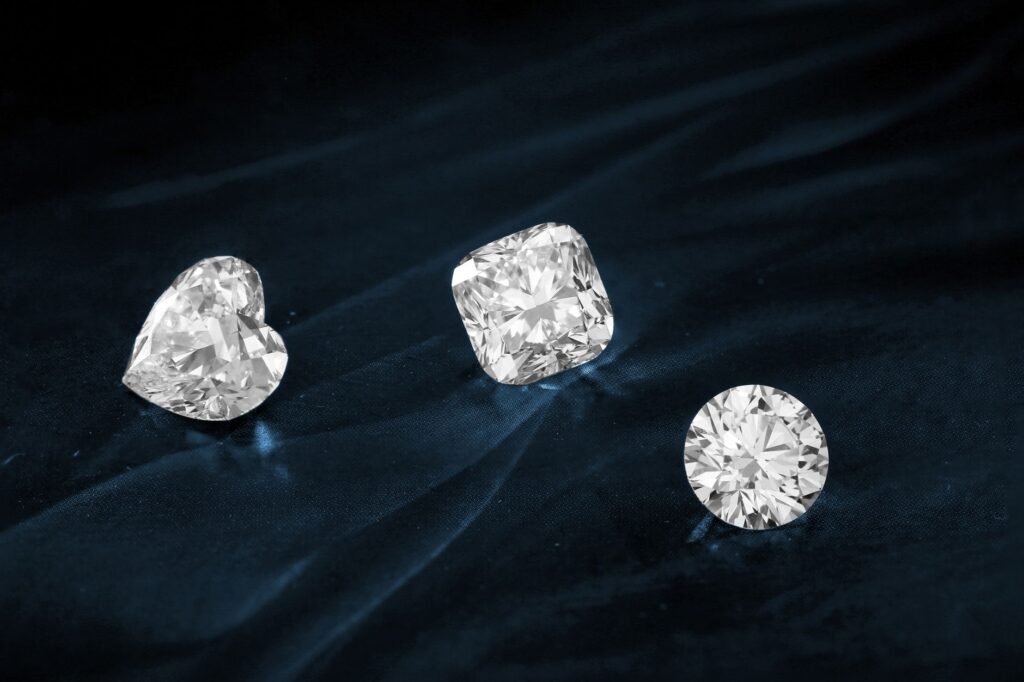
Although both shapes are cut from round rough and both are considered fancy shapes, their outlines create very different visual effects. A pear shape combines the rounded end of an oval with a pointed tip, creating a teardrop appearance. A heart shape is built from two rounded lobes at the top and a pointed bottom, creating a shape that is instantly recognizable as a symbol of love.
The difference is not just cosmetic. Shape affects how light moves through the diamond, how large it appears on the finger, how easy it is to spot imperfections, and how the setting must protect the pointed ends. In other words, shape influences both beauty and practicality.
Pear Shape Diamonds in Plain English
Pear diamonds are often described as teardrop-shaped. They have one rounded end and one pointed end, and they usually look best when worn with the pointed end facing outward or upward, depending on the ring design. Because of their elongated outline, they can make the finger look slimmer and can cover more surface area than a round diamond of the same carat weight.
Pear shapes are popular in engagement rings, pendants, and drop earrings because they feel elegant without being overly formal. They can also be styled in both classic and contemporary designs.
Heart Shape Diamonds in Plain English
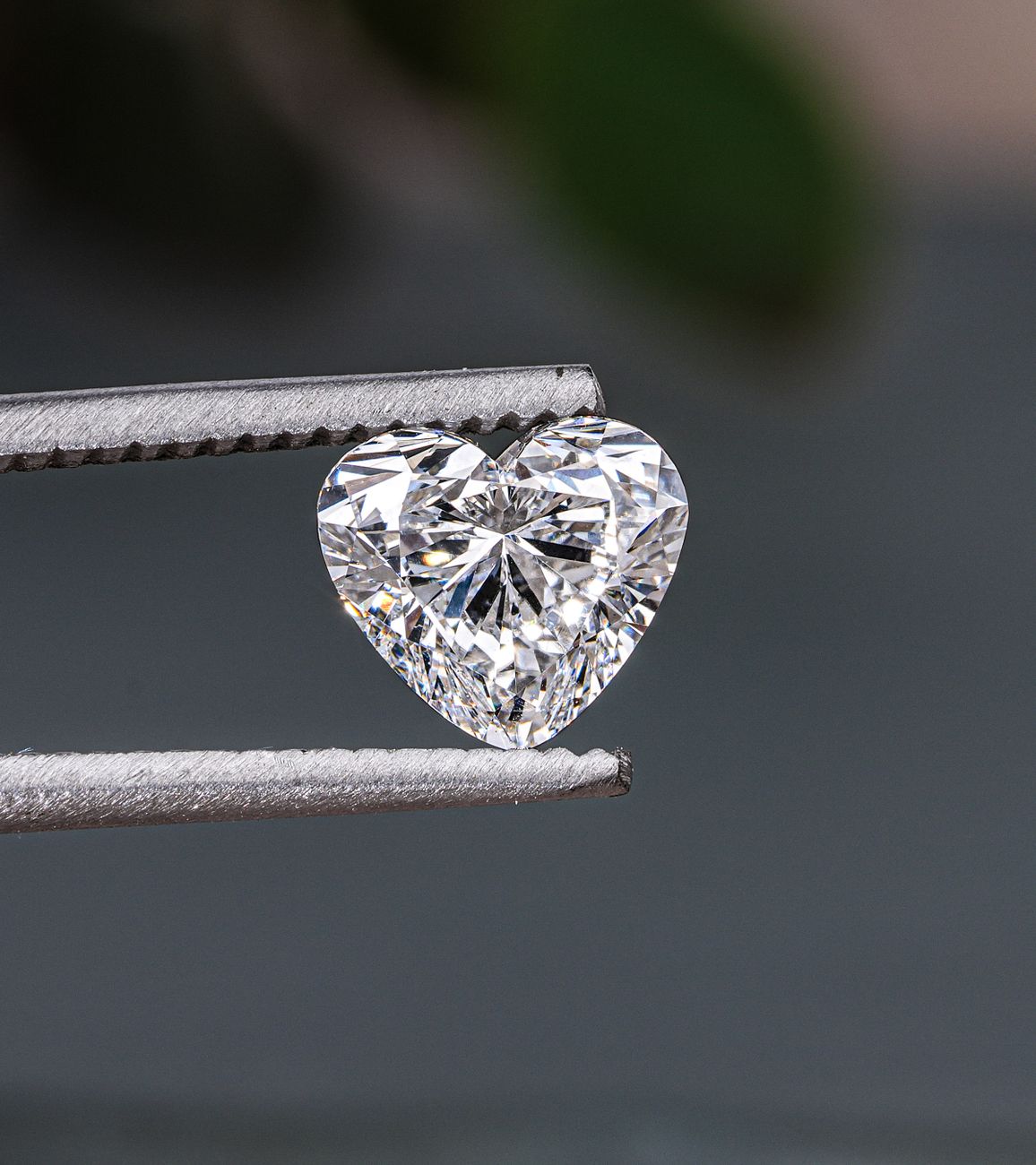
Heart diamonds are exactly what they sound like, diamonds cut into a heart outline. They are among the most expressive diamond shapes and are often chosen for sentimental reasons. The shape is less about subtle elegance and more about the symbolic message it sends.
Because the heart outline has two rounded curves and a defined cleft, symmetry matters a great deal. If the shape is uneven, the diamond can look lopsided, even if the carat weight is impressive. This is why heart shapes require more careful inspection than many buyers expect.
Side-by-Side Comparison: Pear vs Heart Shape Diamonds
The table below gives a practical comparison of the two shapes from a buyer’s perspective.
| Feature | Pear Shape Diamonds | Heart Shape Diamonds |
|---|---|---|
| Overall look | Elegant, elongated, versatile | Romantic, symbolic, distinctive |
| Sparkle style | Bright with strong brilliance, depending on proportions | Sparkly, but symmetry and cut quality affect appearance heavily |
| Face-up size | Often appears larger for its carat weight | Can look compact because width is spread into the heart outline |
| Finger effect | Creates a lengthening effect | Looks more decorative than elongating |
| Durability | Pointed tip needs protection | Pointed bottom and cleft need careful setting |
| Clarity visibility | Can hide some inclusions better than step cuts, but depends on placement | Moderate visibility, especially near the center and lobes |
| Color visibility | Color may show more near the pointed end in larger stones | Color can be noticeable in the broader body of the stone |
| Popularity | More common and broadly recognized | Less common, more niche |
| Style flexibility | Very versatile across settings and jewelry types | More specialized, best for sentimental or statement designs |
| Buying difficulty | Moderate | Higher, due to symmetry and outline sensitivity |
Appearance and Visual Performance
How Pear Diamonds Look on the Hand
Pear shape diamonds have a graceful silhouette that often flatters the hand. The elongated body draws the eye along the finger, which can make it appear longer and slimmer. This is one reason pear diamonds are frequently chosen for engagement rings.
Another practical benefit is perceived size. Because the diamond stretches lengthwise, a pear shape can face up larger than a round diamond of the same carat weight. For buyers comparing diamond shapes and trying to maximize visual presence, that difference can matter a lot.
That said, not all pears look the same. A narrower pear looks more elegant and lengthened, while a wider pear looks softer and more substantial. The best choice depends on your style preference and how the setting will frame the stone.
How Heart Diamonds Look on the Hand
Heart shape diamonds create an unmistakable focal point. They are not meant to blend in, and that is part of their appeal. On the hand, they read as decorative and personal rather than simply elegant.
Unlike a pear shape, a heart does not create as much of a finger-lengthening effect. Instead, it draws attention to the outline itself. That can be beautiful in a romantic or statement setting, but it is less subtle than many buyers expect.
Because the shape relies on the balance of the two lobes and the cleft, even small proportion differences can be easy to notice. A well-cut heart can look charming and balanced. A poorly proportioned one can appear uneven or generic.
Sparkle, Brilliance, and Fire
Both pear and heart shapes are modified brilliant cuts, which means they are designed to reflect lots of light and produce strong sparkle. In simple terms, brilliance is the return of white light, and fire is the rainbow-colored flashes you see when the diamond moves. Scintillation is the pattern of sparkle and contrast that appears as the stone shifts under light.
Pear diamonds often perform very well because their rounded sections can return light efficiently. That said, the pointed end and overall proportions can affect whether the stone looks lively or slightly dark in the center. A pear with good symmetry and balanced proportions usually offers pleasing brilliance.
Heart diamonds can also sparkle beautifully, but their light performance depends heavily on the exact cut. Because the shape has more complex curves, it can be harder for cutters to maintain even light return throughout the stone. This is why some heart shapes look bright and lively, while others can appear less uniform.
The Bow Tie Effect in Pear Shapes
One of the most important visual considerations in pear shape diamonds is the bow tie effect. This is a dark area across the center of the stone that resembles a bow tie. Nearly all elongated fancy shapes can show some version of this, and in pears it is especially worth checking.
A small amount of bow tie is normal in many fancy shapes. The problem arises when the dark area is heavy enough to distract from the diamond’s beauty. This usually happens when the proportions are not well balanced or when the stone is cut too shallow or too deep.
When shopping, look at the diamond in different lighting conditions. A pear that looks lively in one photo may show a much stronger bow tie in another environment. This is one reason videos and in-person inspection matter so much for fancy shapes.
Key Characteristics Buyers Should Understand
Shape Proportions Matter More Than Many People Think
For pear diamonds, the length-to-width ratio plays a major role in the stone’s personality. A lower ratio makes the pear look fuller and softer, while a higher ratio makes it look slimmer and more elongated. There is no single correct ratio, but many buyers prefer something in a visually balanced middle range.
For heart diamonds, proportions are even more visual. The lobes should look even, the cleft should be defined but not overly deep, and the point should feel centered. If the top curves are too flat or too bulky, the heart shape loses definition.
Symmetry Is Especially Important for Hearts
Symmetry in a heart diamond is easy to understand because the shape itself is so recognizable. If one side is larger than the other, buyers notice quickly. This makes hearts more sensitive to cutting quality than some other fancy shapes.
Pears also benefit from symmetry, but the shape allows a little more visual forgiveness. A pear can still look attractive even if it is not mathematically perfect, as long as the outline feels smooth and the pointed tip is well formed.
Durability and Daily Wear
Both shapes have pointed ends that deserve protection. In a pear shape, the tip is the main concern. In a heart shape, both the bottom point and the delicate cleft between the lobes need attention. A strong setting can help reduce the risk of chipping.
For daily wear, the setting is just as important as the diamond itself. A prong or bezel-style design can protect vulnerable points more effectively than an exposed setting. If you are choosing a ring meant for everyday use, ask how the stone will be secured.
For more detail on how cut affects resilience and visual performance, buyers often benefit from reading about diamond cut and diamond certifications alongside shape comparisons.
Advantages of Pear Shape Diamonds
They Often Look Larger for Their Carat Weight
Pear diamonds tend to have strong face-up presence. Because of their elongated outline, they can cover more visible surface area than a round diamond of the same weight. Buyers focused on visual size often find this appealing.
This is one reason pear shapes are popular in both natural and lab grown diamonds. A lab grown pear can offer substantial visual impact at a lower price point than many natural alternatives.
They Are More Versatile
Pear shapes work in a wide range of settings. They can look classic in a solitaire, modern in a bezel, vintage-inspired in a halo, or elegant in a three-stone ring. They also work well in necklaces and earrings.
That versatility makes pears easier to recommend to buyers who want something distinctive but not overly specialized. They are unusual enough to stand out, but familiar enough to remain broadly wearable.
They Can Flatter the Finger
The elongated form of a pear shape often creates a slimming effect on the finger. This is a practical styling benefit rather than just a visual preference. Many buyers choose pears specifically because they feel graceful on the hand.
This effect can be especially useful in engagement ring shopping, where buyers often want a shape that looks elegant from multiple angles.
Disadvantages of Pear Shape Diamonds
The Bow Tie Effect Can Be Noticeable
The biggest drawback is the possibility of a dark bow tie across the center. While not every pear has an obvious one, it is common enough that buyers should inspect carefully. Poor proportions can make the effect worse.
For this reason, a pear should usually be evaluated by video and not just by certificate data alone. A grading report does not tell you everything about how lively the diamond will look in person.
The Pointed End Needs Protection
The tip is more vulnerable to chips than a rounded edge. This is not a reason to avoid pear shapes, but it does mean the setting should be chosen with care. Daily wearers should prioritize settings that protect the tip.
Orientation Can Affect Appearance
Pear shapes can be worn in different directions depending on the design, but most ring buyers need to pay attention to how the stone sits. If the orientation is off, the shape may look unbalanced. This is especially important in asymmetrical or custom settings.
Advantages of Heart Shape Diamonds
They Have Immediate Symbolic Appeal
Heart shape diamonds communicate a romantic message very clearly. That can make them appealing for anniversary gifts, sentimental jewelry, or buyers who want the shape itself to carry meaning.
Unlike many other shapes, the heart does not need explanation. The design statement is obvious, which is part of why people choose it.
They Stand Out From Common Shapes
Because heart shapes are less common than rounds, ovals, pears, or emerald cuts, they can feel more personal and less conventional. Buyers who want a diamond that is less frequently seen often gravitate toward this shape.
This is especially true in lab grown diamond shopping, where buyers sometimes feel more freedom to choose a shape based on personality rather than only traditional resale-minded preferences.
They Can Be Beautiful in Pendants and Special Pieces
Heart diamonds are frequently used in pendants, earrings, and anniversary jewelry. In these applications, the shape often works better than in rings because the decorative outline can be appreciated without the practical concerns of daily wear to the same extent.
Disadvantages of Heart Shape Diamonds
They Are More Sensitive to Cut Quality
Heart diamonds need strong symmetry to look pleasing. Even slight differences in the size of the lobes or the placement of the point can affect the overall look. That means the visual standard for a good heart is high.
Buyers should not rely only on carat weight or general grade. Shape outline and actual appearance matter more than many people realize.
They Are Less Flexible in Design
A heart shape is more specific in its personality, which can limit setting choices. Not every ring style complements it equally well. If you want something that pairs easily with many design styles, a pear is usually simpler to work with.
They May Feel More Trend-Driven or Niche
Heart diamonds are meaningful, but they are not as universally worn as other fancy shapes. Some buyers love that uniqueness. Others worry the design may feel too specialized over time.
This is not a quality issue. It is a style consideration. Whether that matters depends on whether you prefer a bold personal statement or a shape with broader long-term flexibility.
Which Shape Is Best for Different Buyers?
Pear Shape May Be Better If You Want:
- An elongated look that flatters the finger
- A shape that often appears larger for its carat weight
- More versatility in ring settings and jewelry styles
- A balance between classic appeal and visual interest
- A shape that is easier to wear daily than a more niche outline
Heart Shape May Be Better If You Want:
- A diamond with obvious symbolic meaning
- A statement shape that feels romantic and distinctive
- A nontraditional choice for a meaningful gift
- Something that stands out from mainstream engagement ring shapes
- A design that makes the outline itself the main feature
How Pear and Heart Diamonds Compare to Other Popular Shapes
To understand these shapes more fully, it helps to compare them with other common fancy cuts. Buyers often move between pear, oval, round, marquise, emerald, and heart when narrowing options. The differences are not just visual. They affect price, face-up size, and the ease of finding a well-cut stone.
Pear vs Oval
Pear and oval diamonds are both elongated and face up large, but they create different impressions. Oval shapes usually look softer and more uniform, while pear shapes have a more directional appearance because of the pointed tip. Ovals may hide the bow tie effect more gracefully in some cases, but pears can look more distinctive.
If you are comparing the two, think about whether you want a shape that feels sleek and balanced or one that has a clear focal point.
Pear vs Marquise
Marquise diamonds are also elongated and can look very large for their weight, but they are more dramatic and angular. Pears feel softer because one end is rounded. Marquise shapes may create a stronger lengthening effect, but they can also be more prone to tip wear at both ends.
For buyers who want elegance with a little less drama, pear shapes are often easier to live with.
Pear vs Round Brilliant
Round brilliants are the benchmark for sparkle because their facet pattern is optimized for light return. Pears can sparkle beautifully, but rounds are usually more consistent and less likely to show shape-related issues like the bow tie effect.
Round diamonds also tend to be the safest choice for buyers who want maximum predictability. Pears offer more personality and often better size perception, but with slightly more variability.
Heart vs Oval
Heart shapes are more niche and more symbolic. Ovals are much more common and tend to be easier to style in engagement rings. If your goal is everyday wear and broad design flexibility, oval is usually simpler. If your goal is a clearly romantic shape, heart has the stronger message.
Heart vs Round Brilliant
Round diamonds are more efficient at delivering brilliance across the stone, while heart shapes are more about outline and symbolism. A round will usually look more uniform and traditional, while a heart will feel more personal. Buyers should not expect the same visual performance from the two shapes even if the carat weight is similar.
Important Buying Considerations
Look at the Diamond in Motion
Fancy shapes should be viewed in motion whenever possible. Still photos can hide the bow tie effect in pears or symmetry issues in hearts. Video under different lighting is much more useful.
This is especially true when buying diamonds online. A certificate tells you measurements and grades, but it cannot fully show how the shape actually appears.
Pay Attention to Proportions, Not Just Carat Weight
A larger carat weight does not guarantee a better-looking pear or heart. Two diamonds with the same weight can look very different if one is too deep or too shallow. Shape performance depends on how the weight is distributed.
For pears, focus on length-to-width ratio and the presence of bow tie. For hearts, focus on cleft definition, lobe balance, and point symmetry.
Check Color and Clarity in the Context of Shape
Some shapes make inclusions or color more visible than others. Pears can sometimes hide small inclusions better than step cuts, but their pointed tip can draw attention to certain areas. Hearts can reveal problems near the center if the stone is not well balanced.
If you are learning how grades affect appearance, it is useful to review diamond clarity grades and diamond color grades. The right grade depends on shape, size, and setting.
Choose the Right Setting
Settings are not just decorative. They help protect the diamond and shape its visual presentation. For pears, a setting that protects the tip is wise. For hearts, the setting should support the point and frame the cleft without hiding the outline.
A good setting can improve the overall look of either shape. A poor setting can make even a well-cut diamond seem less appealing.
Lab Grown Diamonds Can Change the Value Equation
For buyers comparing shapes in the lab grown market, the price difference can make larger stones more accessible. That means a well-cut pear or heart can sometimes be purchased in a larger size or higher color grade than would be practical in a natural diamond.
However, lab grown diamonds still need the same attention to shape quality, symmetry, and setting. Lower cost does not automatically make a diamond easier to choose. It simply gives buyers more flexibility within the budget.
Pricing Considerations: Pear vs Heart Shape Diamonds
Price is influenced by many factors, including cut quality, color, clarity, carat weight, and whether the diamond is natural or lab grown. Shape also matters because supply and demand affect pricing.
Pear diamonds are generally more common and often easier to source, which can make them more straightforward to price. Heart diamonds are more specialized and often require more careful cutting, so they may sometimes carry a premium relative to their availability and quality consistency.
In practical terms, a buyer looking at lab grown diamonds may find the shape premium less severe than in natural diamonds. That can make heart shapes more accessible, although the same quality concerns still apply. If pricing is a major factor, it is worth reviewing diamond pricing alongside shape comparisons.
Common Mistakes Buyers Make
Choosing a Pear Without Checking for Bow Tie
Many buyers focus only on size and shape outline. That can be a mistake. A pear with a strong bow tie may look less lively than a slightly smaller stone with better light performance.
Assuming All Heart Shapes Are Equal
Heart diamonds vary more than many buyers expect. Small differences in proportion can significantly change appearance. Two hearts of the same carat weight may look very different on the finger.
Buying from Photos Alone
Photos can flatten contrast, hide depth issues, and make a stone look more balanced than it really is. This is especially true for fancy shapes. Video, measurements, and reputable grading documentation all matter.
Ignoring the Setting
Some shoppers spend most of their attention on the diamond and overlook the setting. That is risky with pointed shapes. The wrong setting can leave the tip or point too exposed.
Overvaluing Carat Over Shape Performance
Carat weight is only one part of the decision. A pear or heart that is poorly proportioned can look less attractive than a smaller stone that has better symmetry and light return. Shape quality should always be weighed alongside size.
Frequently Asked Questions
Are pear diamonds more popular than heart diamonds?
Yes, pear diamonds are generally more popular and more widely used in engagement rings and other fine jewelry. Heart diamonds are much less common and are usually chosen for their symbolic meaning rather than broad trend appeal.
Which shape looks bigger, pear or heart?
Pear shapes often look bigger for their carat weight because of their elongated outline. Heart shapes can still look substantial, but the width of the lobes and the central cleft can make them appear less spread out face-up than a pear of similar weight.
Do pear diamonds always have a bow tie?
Not always, but many pear diamonds do show some degree of bow tie. The goal is to find one where the effect is minimal and does not distract from the stone’s overall sparkle.
Are heart-shaped diamonds harder to buy online?
They can be, because symmetry is so important and photos may not fully reveal uneven proportions. If shopping online, video and detailed measurements are especially helpful. A certificate alone is not enough to judge outline quality.
Which shape is better for an engagement ring?
That depends on the wearer’s style. Pear diamonds are usually the more versatile and practical choice for an engagement ring. Heart diamonds are better if the wearer wants a clearly romantic and distinctive look.
Do lab grown diamonds work well in pear and heart shapes?
Yes. Lab grown diamonds are available in both shapes and can be an excellent option for buyers who want more size or better quality within a budget. The same shape considerations still apply, including symmetry, bow tie, and setting protection.
Which shape is easier to maintain over time?
Pear shapes are usually easier to live with because they are more versatile and less dependent on exact symmetry. Heart shapes require more attention to protect the point and preserve the defined outline, especially in rings worn every day.
Conclusion
When comparing pear vs heart shape diamonds, the right choice depends on whether you value versatility or symbolism more highly. Pear diamonds are generally the more practical and widely appealing option. They often look larger for their carat weight, flatter the hand, and work in many settings.
Heart diamonds are more specialized, but they offer a strong emotional message and a distinctive look that some buyers genuinely prefer. They can be beautiful, but they require closer attention to symmetry and proportion than many people expect.
For buyers researching diamond shapes, the most useful approach is to compare actual stone appearance, not just shape names. Review proportions, inspect for bow tie or symmetry issues, and consider how the setting will protect the diamond in daily wear. If you are shopping in the lab grown market, you may also find more room to prioritize size and shape quality within your budget. Understanding those trade-offs will help you choose a diamond that looks right, feels right, and suits how it will actually be worn.