When shoppers ask Is Ideal Cut Worth It, they are really asking whether paying more for cut quality creates a difference they can actually see. In most cases, yes, it does. Ideal cut can improve brightness, sparkle, and the overall balance of a diamond’s appearance in a way that is easy to appreciate in everyday wear.
That said, ideal cut is not always the best answer for every buyer or every budget. Some shoppers would rather allocate more money to carat weight, or they may be comparing stones where the cut difference is smaller than the price difference suggests. The real question is not whether ideal cut is good. It is whether the improvement is meaningful enough for your priorities.
Quick Answer: Is Ideal Cut Worth It?
For most buyers, ideal cut is worth serious consideration, especially for a round brilliant diamond that will be worn often. Cut quality has the strongest influence on how much light the diamond returns to your eye, and that directly affects sparkle.
If two diamonds are similar in size, color, and clarity, the one with better cut usually looks brighter and more alive. That difference is often easier to notice than small changes in color or clarity, particularly in normal viewing conditions.
However, ideal cut is not automatically the best value in every purchase. If choosing it means giving up too much carat weight or stretching the budget uncomfortably, a very good cut from a trusted grading report may be the smarter compromise. The best diamond is the one that balances beauty, price, and personal priorities.
What Ideal Cut Means
In simple terms, ideal cut refers to a diamond that has been fashioned to reflect light efficiently and attractively. It is most commonly discussed with round brilliant diamonds, where cut has the biggest effect on how the stone looks. Depending on the laboratory, the term may appear as Ideal, Excellent, or part of a broader cut grade description.
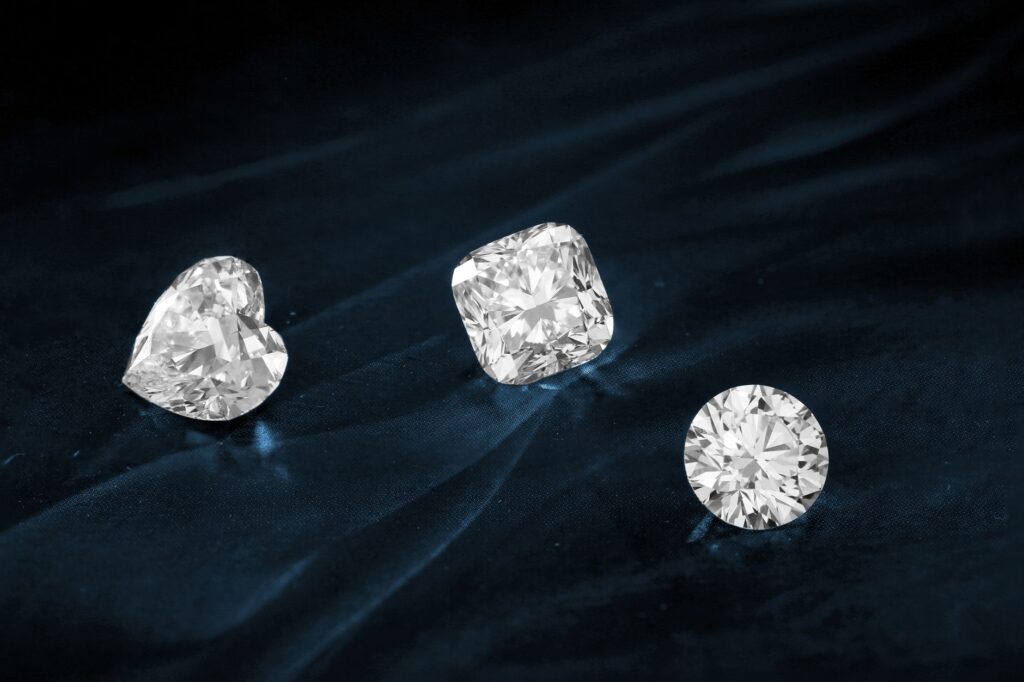
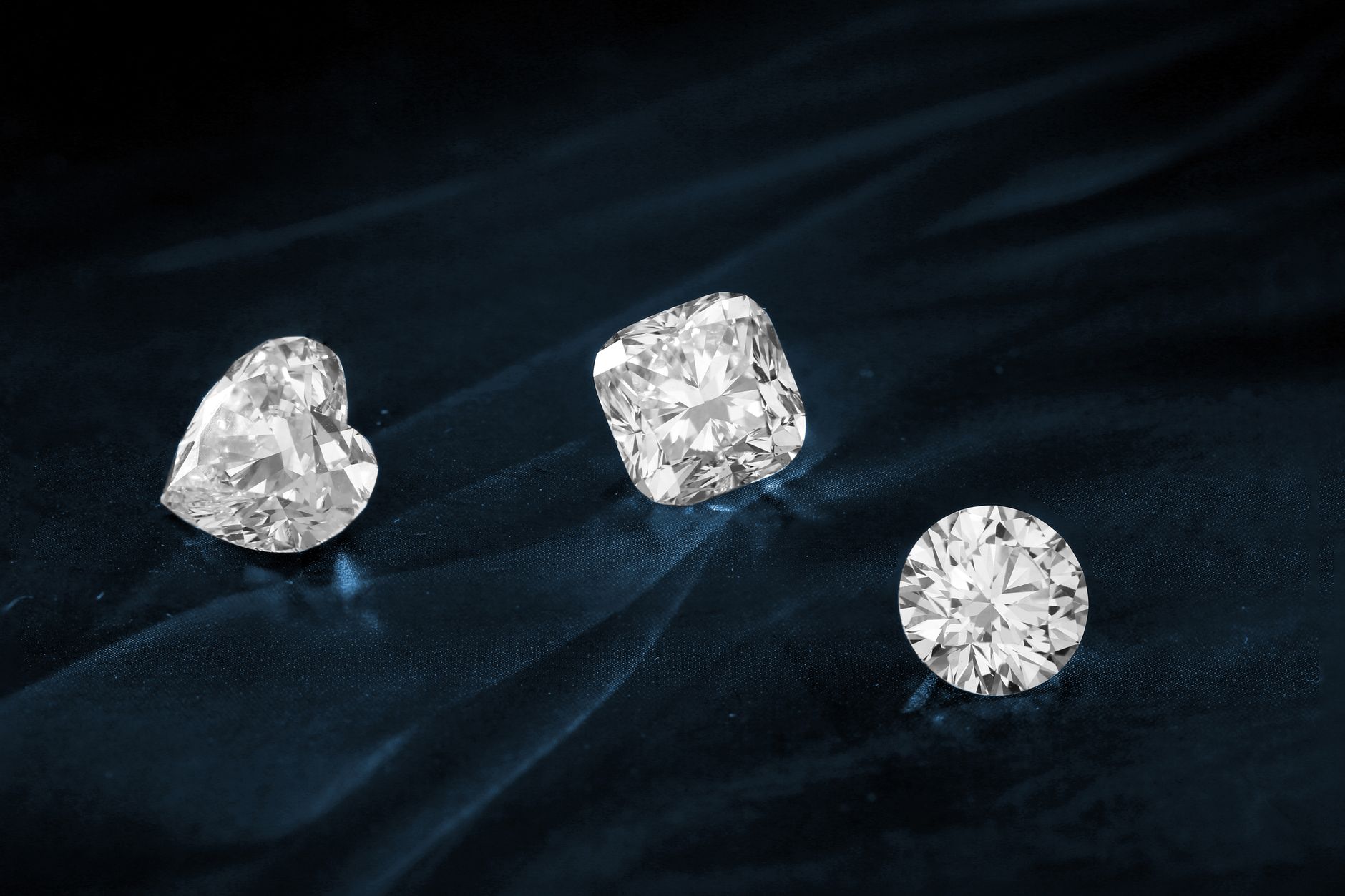
Cut is not the same thing as shape. Shape tells you whether a diamond is round, oval, cushion, princess, pear, or something else. Cut describes how well that shape has been made, including the angles, proportions, symmetry, and polish that influence light return.
What is included in cut quality?
When a diamond is graded for cut, the evaluation usually considers several things that affect appearance. These can include brightness, fire, scintillation, proportions, symmetry, and polish. Some grading systems also look at optical precision, which is how accurately the facets are aligned to control the path of light.
For buyers, the important point is simple. Cut is not just a technical label on a report. It is one of the best predictors of how attractive a diamond will look once it is set in jewelry and viewed in real life.
Ideal cut versus other cut grades
In many buying situations, an ideal or excellent cut diamond will look more appealing than a larger stone with weaker cut. That does not mean every ideal cut diamond looks identical, but it does mean the stone is more likely to perform well visually.
| Cut Quality | Typical Visual Result | Buyer Impact |
|---|---|---|
| Ideal / Excellent | Strong brightness, lively sparkle, balanced appearance | Usually the safest choice for visual beauty |
| Very Good | Often attractive, with some variation in performance | Can offer strong value when selected carefully |
| Good | May still look nice, but light return can be less efficient | Needs closer evaluation |
| Fair / Poor | May look dull, glassy, or uneven | Usually not ideal for buyers focused on beauty |
Why Cut Matters So Much
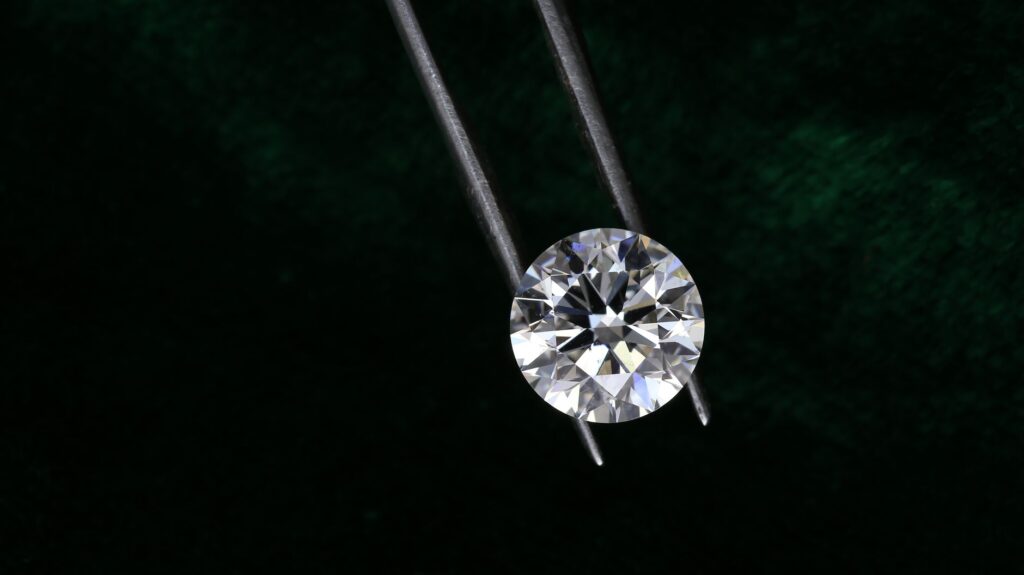
Cut matters because it controls how light behaves inside the diamond. A well-cut diamond lets light enter, bounce around in a controlled way, and return to the eye. When proportions are weak, light can escape through the bottom or sides instead of coming back to the viewer, which can make the stone look flat or sleepy.
This is why cut is often considered the most important of the 4Cs for appearance. Carat affects size, color affects tint, and clarity affects internal features, but cut affects how lively the diamond looks.
How cut affects light performance
Three terms are often used when discussing diamond sparkle:
- Brilliance, which is the white light returned by the diamond.
- Fire, which is the flashes of rainbow color created when light is dispersed.
- Scintillation, which is the sparkle and contrast you see as the diamond moves.
A well-cut diamond usually shows a better balance of all three. If one element is weak, the stone may still be attractive, but it often will not look as lively as a better-cut diamond of the same size and quality.
Why buyers notice cut so quickly
Many first-time buyers think cut differences are only obvious to trained gemologists. In practice, the eye often notices cut instinctively. A diamond with strong light return tends to look bright and animated right away, while a weaker cut can look less energetic even before you know why.
This is one reason jewelers often focus on cut early in the buying process. You may not be able to explain the optical reason, but you can usually see the result.
How Ideal Cut Affects Appearance
When shoppers ask whether ideal cut is worth it, they are usually talking about what the diamond looks like in normal life, not what the grading report says in theory. The practical answer is that ideal cut improves how a diamond performs under everyday lighting, including office lights, daylight, restaurant lighting, and home lighting.
In a well-cut diamond, the face-up appearance tends to be brighter and more even. The stone may show a stronger center, clearer contrast, and a more lively pattern of sparkle when it moves.
Brightness
Brightness refers to how much white light a diamond returns to the eye. A well-cut diamond can appear noticeably brighter than a diamond with weaker proportions, even if both diamonds have the same color grade. This can be especially important in larger stones, where light loss is easier to see.
Fire
Fire is the colorful flash that appears when a diamond breaks light into spectral colors. Ideal cut can help support this effect, although the amount of fire also depends on the shape of the stone and the lighting environment. In daylight, many diamonds show more brightness and contrast than rainbow flashes, while certain indoor lights can make fire more obvious.
Scintillation
Scintillation is the pattern of sparkle and dark contrast you see as the diamond moves. A well-cut diamond often shows crisp, lively scintillation instead of a dull or smeared look. This is one of the main reasons ideal cut stones feel more dynamic to the eye.
Face-up size and spread
Cut also affects how large a diamond appears from the top. A diamond with deep proportions may keep more weight in the bottom and look smaller than expected for its carat weight. An ideal cut diamond often has better spread, meaning more of its weight is visible when seen face-up.
This matters because two diamonds with the same carat weight can look different in actual size. If visible presence matters to you, cut quality can influence how much of that carat weight you really see.
What Buyers Actually Notice in Real Life
Most buyers do not examine diamonds under laboratory conditions. They see them in stores, at home, outdoors, and under ordinary lighting. In those settings, the difference between ideal cut and a lower cut grade can be subtle or obvious, depending on the stone.
Round brilliant diamonds show cut differences most clearly. Other shapes can still benefit from excellent cutting, but their ideal proportions are less standardized, so the visual differences can be harder to compare using a single grading label.
In everyday lighting
In normal indoor lighting, ideal cut often makes a strong first impression. The diamond tends to catch the eye more quickly and hold attention better. A stone with weaker cut may still sparkle, but the sparkle can look less even or less intense.
In natural daylight
Daylight often shows contrast and scintillation clearly. A well-cut diamond can look crisp and lively, while a poorly cut diamond may lose some of its brightness. This is why many buyers like to view stones near a window or in mixed light before deciding.
In photographs and video
Ideal cut also tends to photograph more consistently, although camera settings can exaggerate or reduce differences. If you are comparing diamonds online, cut quality is one of the most important features to review carefully because photos do not always reveal subtle performance issues, but they often expose broad differences in light return.
How Ideal Cut Affects Value
Value is where the decision becomes personal. Ideal cut almost always improves appearance, but whether it is worth the premium depends on what you would need to give up to get it.
In many cases, paying more for ideal cut makes sense because it improves the quality most people see first. But once a diamond is already very well cut, the improvement from one high grade to another may become smaller relative to the price increase.
When paying more makes sense
Ideal cut is usually worth the premium when:
- You want the best possible face-up appearance.
- You are buying a round brilliant diamond and want dependable performance.
- You care more about beauty than maximizing size on paper.
- You want a diamond that looks strong in different lighting conditions.
For many engagement ring buyers, this is a sensible place to spend money because cut has a direct effect on everyday enjoyment.
When the premium may matter less
The premium may be less compelling when:
- You would need to give up noticeable carat weight to afford it.
- The diamond is part of a design where the center stone is not the only visual focus.
- You are shopping a fancy shape where cut evaluation is less standardized.
- You are comparing two stones that already look excellent to the eye.
In these situations, a very good cut can be a practical compromise, especially if the savings can be used for a better setting, a larger size, or a more balanced combination of color and clarity.
Diminishing returns at the top end
There is also an important limit to keep in mind. Once a diamond is already cut well, moving from very good to ideal may improve performance, but the difference may not be dramatic enough for every buyer to justify a large price jump.
That does not mean ideal cut is overpriced. It means the value depends on your priorities. If you care deeply about visual performance, the premium may be worthwhile. If you are primarily focused on size or budget efficiency, a slightly lower grade may be the smarter use of funds.
Ideal Cut in Lab Grown Diamonds
Ideal cut is just as relevant in lab grown diamonds as it is in natural diamonds. The physics of light do not change based on origin. A well-cut lab grown diamond will still return light better than a poorly cut one.
Because lab grown diamonds often allow buyers to get more size for the same budget, cut can become even more important. A larger lab grown diamond with weak cut may look less appealing than a smaller stone with excellent cut.
Why ideal cut matters when size is a priority
Lab grown diamond shoppers often compare larger sizes because the price difference makes that possible. In that setting, a well-cut 1.5-carat diamond can be more visually satisfying than a poorly cut 2-carat diamond. The larger stone may sound more impressive, but if the light performance is weaker, the face-up result can be disappointing.
This is a common mistake: assuming bigger automatically means better. In practice, cut quality often determines whether the diamond looks crisp and bright or just large.
Certification still matters
Whether a diamond is natural or lab grown, the grading report matters. Not all laboratories use identical standards, and some reports are stricter than others. It helps to pay attention to the source of the grade instead of focusing only on the word Ideal.
If you are comparing lab grown diamond pricing, strong cut can be one of the most efficient ways to improve appearance without overspending on color or clarity upgrades that may not be visible to the naked eye.
Practical Examples Buyers Can Relate To
It is often easier to understand ideal cut through real-world comparisons than through definitions alone. The examples below reflect common buying situations.
Example 1: A well-cut 1.5-carat diamond versus a poorly cut 2-carat diamond
On paper, the 2-carat diamond may seem more impressive. In person, though, the 1.5-carat stone can easily look better if its cut is excellent and the 2-carat stone has weak proportions. The better-cut stone is likely to return more light, show more sparkle, and appear more lively.
For many buyers, this is the clearest example of why cut matters. A larger diamond is not automatically the better-looking diamond.
Example 2: Excellent cut versus very good cut in everyday lighting
The difference between excellent and very good cut can be subtle to moderate, depending on the specific stones. In a showroom with good lighting, you may notice that the excellent cut diamond looks a little brighter or more balanced. In a casual home setting, the difference may be smaller, but it can still be visible, especially when the stones are compared side by side.
If your budget is tight, a carefully chosen very good cut diamond can still offer strong value. If your goal is maximum visual performance, excellent or ideal cut is usually the safer choice.
Example 3: Higher clarity with weaker cut versus lower clarity with excellent cut
This comparison is common among first-time buyers who assume clarity is the best way to improve beauty. In many cases, a diamond with better cut and slightly lower clarity will look more attractive than a cleaner diamond with weak light return. Most people notice sparkle before they notice tiny internal characteristics.
If the inclusions are not visible without magnification, the extra cost for higher clarity may not be as noticeable as the improvement from better cut.
Advantages of Ideal Cut
Ideal cut offers several practical benefits for buyers who care about appearance and long-term satisfaction.
- Better light return, which often means more brightness and sparkle.
- Stronger face-up appearance, so the diamond looks lively from the top.
- More consistent performance across different lighting environments.
- Greater buyer confidence, since strong cut is easier to assess than some other quality factors.
- Usually better overall beauty than a diamond with similar color and clarity but weaker proportions.
For many buyers, these benefits matter more than small changes in paper specifications. A diamond is meant to be seen, and ideal cut generally helps the stone look its best where it counts.
Disadvantages and Trade-Offs
Ideal cut is not without trade-offs. The biggest issue is cost. A diamond with a top cut grade may cost more than a visually similar stone with a slightly lower grade, and that premium can force compromises elsewhere.
- Higher price compared with lower cut grades.
- Possible trade-off in size if you are working within a fixed budget.
- Not every “ideal” label means the same thing, since grading standards differ by laboratory.
- Less straightforward in some fancy shapes, where cut is harder to define consistently.
Another limitation is that ideal cut does not solve every problem. A well-cut diamond can still have noticeable color tint or visible inclusions, and it cannot fix poor workmanship in the setting. Cut improves beauty, but it is only one part of the full picture.
Buying Considerations: How to Decide if Ideal Cut Is Worth It
The best way to decide is to think about your priorities in order. If sparkle and overall beauty are your top concerns, ideal cut deserves serious attention. If maximizing size within a fixed budget matters more, you may need to balance cut against the other 4Cs.
1. Start with the diamond shape
Round brilliant diamonds usually benefit the most from ideal cut evaluation because the standards are well established and the sparkle pattern is highly sensitive to proportions. For other shapes, such as oval, pear, emerald, or cushion, cut quality is still important, but the ideal target can vary more from stone to stone.
If you are shopping a fancy shape, the value of an ideal-style cut depends heavily on how that specific shape handles light.
2. Review the grading report carefully
Look beyond the cut label itself. Check the laboratory, symmetry, and polish grades, and review images or light performance data if they are available. A stone with strong technical grades is generally a safer purchase than one that only looks good in a carefully staged photo.
For many buyers, understanding diamond certifications is just as important as learning the 4Cs, because the report is the foundation for comparing stones fairly.
3. Consider how the diamond will be worn
If the diamond is for an engagement ring or another daily-wear piece, ideal cut can be especially worthwhile because the stone will be seen often and in many different lighting conditions. For occasional-wear jewelry, the premium may feel less important.
4. Think about the full budget, not only the center stone
Sometimes buyers spend so much on carat weight that they have little left for a quality setting or a balanced design. In those cases, choosing a slightly smaller but better-cut diamond can produce a more attractive finished ring.
This is one reason many experienced shoppers put cut first, then refine color, clarity, and carat weight around it.
5. Judge the diamond in realistic lighting
Try not to rely only on magnified images or highly controlled showroom lighting. Ask how the diamond looks in normal indoor light and, if possible, in natural light. Ideal cut should still look strong outside the perfect display environment.
Common Buyer Mistakes
Many diamond buyers overspend in the wrong area or misunderstand what cut grades really mean. Avoiding a few common mistakes can make your budget go much further.
Prioritizing carat over cut
This is probably the most common mistake. A larger diamond with weak cut can look dull or less lively than a smaller ideal cut stone. If appearance matters most, cut should usually come before size.
Assuming all sparkle is the same
Not every diamond sparkles in the same way. Some have a bright, crisp pattern. Others look busy, dark, or less balanced. Buyers often notice that one stone seems to “pop” more than another, even when they cannot explain why. Cut is often the reason.
Overpaying for clarity that is not visible
It is easy to focus on clarity grades, but a diamond with small inclusions that cannot be seen without magnification may still look excellent if the cut is strong. Many shoppers can save money by choosing eye-clean clarity and putting more budget toward cut.
Misunderstanding the meaning of “ideal”
The word ideal sounds absolute, but it is still a grading term, not a guarantee that every diamond will look identical. Two ideal cut diamonds can have different proportions, personalities, or face-up patterns. Always evaluate the specific stone, not just the label.
Ignoring symmetry and polish
Symmetry refers to how precisely the facets align, and polish refers to how smooth the facet surfaces are. These are not just technical details. They can affect crispness, brightness, and the overall neatness of the diamond’s appearance, especially in good lighting.
How Symmetry, Polish, and Proportions Fit In
When buyers ask whether ideal cut is worth it, they are often asking about the combined effect of several smaller quality factors. Cut grade is influenced by proportions, symmetry, and polish, and each contributes to how the diamond handles light.
Symmetry
Symmetry describes how evenly the facets are arranged and aligned. Good symmetry helps the diamond reflect light in a more orderly pattern. In practical terms, buyers may notice a cleaner appearance and more balanced sparkle, though the difference is usually most visible when comparing stones side by side.
Polish
Polish is the smoothness of the facet surfaces. Better polish can help light move cleanly through the diamond and support crisp sparkle. Most buyers will not inspect polish on its own, but it contributes to the overall impression of quality.
Proportions
Proportions are the angles and relative measurements of the diamond’s facets and dimensions. They matter because they determine how much light is returned to the viewer versus lost through the bottom or sides. A diamond can have excellent clarity and still look disappointing if the proportions are poor.
For shoppers comparing stones online, this is one reason proportion data and grading reports matter. They help predict whether a diamond is likely to look lively in person.
How to Compare Ideal Cut Diamonds
If you are comparing two diamonds that both appear to be ideal or excellent cut, the rest of the quality mix often decides which one is the better purchase. That is where the buyer’s goals matter most.
| If You Care Most About | What to Focus On | Why It Matters |
|---|---|---|
| Sparkle and brightness | Cut quality, light return, symmetry | These drive visual performance |
| Budget efficiency | Balance cut with color and clarity | Helps avoid paying for upgrades you may not see |
| Size | Face-up spread, proportions, carat weight | Not all carat weight looks equally large |
| Everyday satisfaction | Real-world viewing, not just grading terms | Ensures the diamond looks good where it matters |
If the diamonds are otherwise similar, the one with stronger optical performance is usually the better buy. If one diamond is significantly larger or better balanced in price, it may still be the more practical choice.
Is Ideal Cut Worth It for Different Types of Buyers?
The answer depends on how you plan to use the diamond and what matters most to you.
For first-time engagement ring buyers
Ideal cut is often worth it because it reduces guesswork. If you are unfamiliar with diamond quality, choosing a well-cut stone can help ensure the ring looks attractive without needing to understand every technical detail. Many first-time buyers appreciate the confidence that comes with stronger cut quality.
For buyers on a strict budget
Ideal cut is still valuable, but it may not be the first place to stretch. If the budget is limited, it can make sense to choose an excellent or very good cut and keep the diamond eye-clean and balanced overall. The goal is not perfection on paper, but the best appearance for the money.
For buyers prioritizing size
If visible size is the top priority, ideal cut still matters because it helps the diamond look fuller and more brilliant. However, you may need to accept a slightly smaller carat weight to stay within budget. In many cases, that trade-off is worthwhile because the smaller well-cut diamond may look better overall.
For lab grown diamond shoppers
Ideal cut is often especially appealing in lab grown diamonds because the budget may allow more flexibility. Since the price per carat is lower than with natural diamonds, buyers can often afford a strong cut without giving up as much on size.
That said, lab grown buyers should still compare the individual stone, not just the grade. A well-cut lab grown diamond and a poorly cut lab grown diamond can look very different, even when both are certified.
Frequently Asked Questions
Does ideal cut always sparkle more?
Usually yes, but sparkle is not only about cut grade. Lighting, shape, proportions, and the setting can all affect how much sparkle you see. Still, cut is one of the strongest predictors of strong visual performance.
Can a very good cut look as good as ideal cut?
Sometimes it can, especially if the stone has favorable proportions and is viewed in less demanding lighting. In a side-by-side comparison, ideal cut often has the edge, but the difference may be modest enough that some buyers prefer the value of a very good cut.
Is ideal cut more important than color or clarity?
For appearance, cut is often the most important of the three. A well-cut diamond can look lively even if the color or clarity is not perfect. A poorly cut diamond can look disappointing even with strong color and clarity grades.
Do all diamond shapes need ideal cut?
No. Round brilliants are the most straightforward to assess by cut grade. Fancy shapes such as ovals, pears, and cushions still need careful evaluation, but the best cut style can vary more by shape and design.
How can I tell if a diamond’s cut is worth the price?
Compare it with other stones of similar size and quality in real or well-lit images, and read the grading report carefully. If the ideal cut diamond clearly looks brighter and more balanced, the premium is more likely to be justified.
Do lab grown diamonds benefit from ideal cut the same way natural diamonds do?
Yes. Light behavior is based on physical design, not whether the diamond was grown in a laboratory or formed underground. A strong cut improves appearance in both cases.
Can ideal cut hide other problems?
It can improve the overall look of a diamond, but it does not eliminate color tint, visible inclusions, or weak craftsmanship in other areas. It is important to evaluate the whole diamond rather than relying on cut alone.
Is ideal cut worth it if the diamond will be viewed from a distance?
Even from a distance, a well-cut diamond tends to catch light better and look more attractive. The closer and more often you view it, the more value you are likely to get from a strong cut grade.
Conclusion
So, is ideal cut worth it? For most diamond buyers, the answer is yes, especially if you want the best balance of sparkle, brightness, and overall beauty. Cut has a direct effect on what you actually see, and that makes it one of the most important quality factors in both natural and lab grown diamonds.
The best decision depends on your budget and priorities. If ideal cut allows you to keep a strong balance of size, color, and clarity, it is often a smart investment. If it forces too many compromises elsewhere, a carefully chosen lower grade may offer better overall value.
The most practical approach is to compare real diamonds side by side, review the grading report, and focus on how the stone looks in everyday lighting. When buyers do that, the value of cut becomes much easier to judge.