When people ask What Is a Needle Inclusion, they are usually trying to understand whether this type of clarity characteristic matters in a real diamond purchase. The short answer is that a needle is a very thin, long inclusion inside a diamond, often so fine that it is difficult or impossible to see without magnification. In many cases, it has little effect on how a diamond looks in everyday wear, but its importance depends on size, location, quantity, and whether it appears alone or as part of a larger internal pattern.
For buyers comparing lab grown diamonds or natural diamonds, understanding needle inclusions can help separate what is technically present from what is actually noticeable. A clarity report may list a needle, but that does not automatically mean the diamond will look flawed to the naked eye. In practical terms, the real question is whether the inclusion affects beauty, durability, or value enough to matter for your specific purchase.
Quick Answer
A needle inclusion is a long, slender internal feature in a diamond that looks like a tiny line under magnification. It is usually a clarity characteristic rather than something most people can see without help. In many diamonds, especially those with stronger clarity grades, a needle does not affect appearance in everyday viewing conditions.
What matters more is how the needle is positioned, whether it is numerous enough to form a visible pattern, and whether it occurs with other inclusions. A single small needle in an eye-clean diamond is often not a concern. A cluster of needles, or needles associated with clouds or reflective features, can have a greater impact on transparency and overall clarity appearance.
For most buyers, the presence of a needle should be evaluated in context rather than treated as a defect on its own. The key is not simply whether a needle exists, but whether it is visible, whether it affects durability, and whether it changes the diamond’s value compared with alternatives in the same price range.
Understanding What a Needle Inclusion Is
A needle inclusion is a thin, elongated internal imperfection in a diamond. It gets its name from its shape, which resembles a needle or tiny line. These inclusions are typically visible only under magnification and are commonly used by gemologists when identifying and grading diamonds.
Needles are different from more obvious clarity features such as chips or large feathers. They are usually narrow and subtle, which means they often do not draw attention in a finished diamond. In many lab grown diamonds and natural diamonds, needle inclusions are simply part of the stone’s internal growth structure.
How a needle looks under magnification
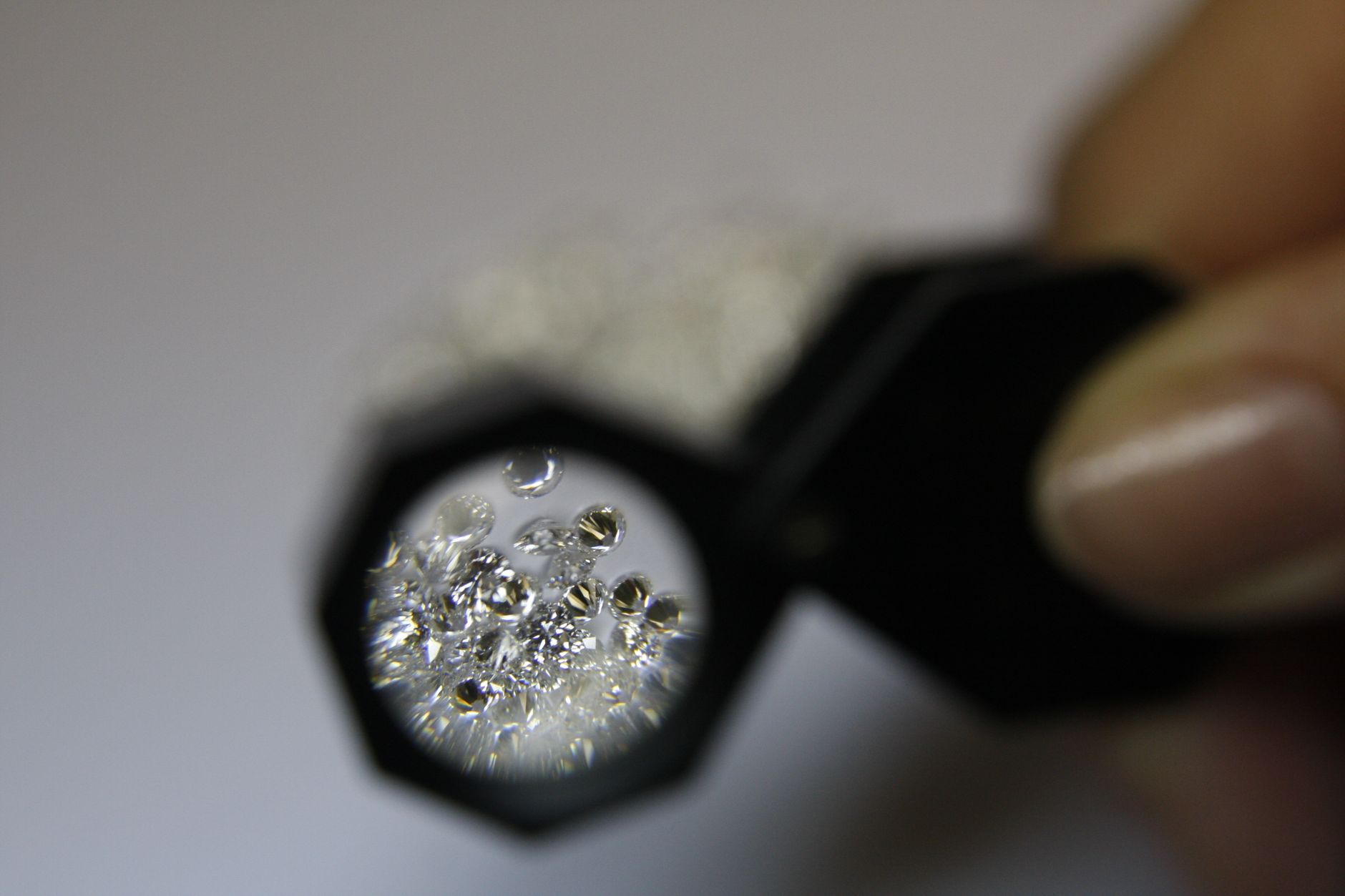
Under a jeweler’s loupe or microscope, a needle may appear as a straight or slightly curved fine line. It may be isolated, or it may appear with other small inclusions such as pinpoints or clouds. Sometimes a pattern of many needles can create a hazy or textured look, especially if the inclusions are dense enough to interrupt light return.
To a buyer viewing a loose diamond or a finished ring, this does not necessarily mean the stone will look visibly flawed. Most people do not inspect diamonds at magnification in everyday use. That is why clarity evaluation has to focus on real-world viewing, not just what appears on a report.
Why gemologists care about needles
Gemologists care about needles because they help identify a diamond and assess its clarity grade. The inclusion may also give clues about how the diamond formed. In lab grown diamonds, certain inclusion patterns can be useful for distinguishing growth methods and confirming laboratory characteristics.
For buyers, however, the main issue is not origin identification. It is whether the inclusion affects the diamond’s beauty, durability, or price in a meaningful way. A needle is often less concerning than more disruptive inclusion types, but the full clarity picture always matters.
Why Needle Inclusions Matter to Diamond Buyers
Needle inclusions matter because clarity can influence both appearance and pricing. Even when an inclusion is technically present, it may not be visible in everyday wear. If that is the case, paying a large premium for a cleaner clarity grade may not provide much practical benefit.
On the other hand, some buyers want extra peace of mind and prefer diamonds with fewer visible internal features. That preference is reasonable, especially for engagement rings and center stones viewed closely. The goal is not to eliminate every inclusion, but to choose one that matches your tolerance for visibility and your budget.
Needles also matter because they are sometimes part of larger clarity patterns. A few small needles may be harmless, while a dense group can lower transparency or create a faint haze. This is why buyers should look at the overall stone, not just the word “needle” on a grading report.
How Needle Inclusions Affect Appearance
In most cases, a single needle inclusion does not affect a diamond’s visible beauty. The inclusion may be present internally, but too small to notice without magnification. What buyers see in daily life is more often shaped by cut, color, and overall clarity distribution than by one isolated needle.
Still, there are situations where needles can affect appearance. If there are many of them, if they are grouped in one area, or if they combine with clouds or other inclusions, the stone may look less transparent. This is more likely in lower clarity grades, where multiple internal features can start to add up visually.
Can you actually see a needle?
Usually, no, not in everyday conditions. A well-positioned needle is often invisible to the naked eye, especially in standard ring viewing distance. Most buyers would only see it with magnification, good lighting, and a deliberate effort to inspect the diamond closely.
If a needle is large enough or located near the table, the top flat surface of the diamond, it may become more noticeable. This is still not common in higher clarity stones, but it is one reason why inclusion location matters as much as inclusion type.
Does a needle affect sparkle?
Usually not by itself. Sparkle is primarily influenced by cut quality, which controls how light enters and exits the diamond. A tiny needle does not automatically reduce brilliance.
However, if the needle is part of a dense cluster of inclusions or a cloud that creates haze, sparkle and brightness can be affected indirectly. In that case, the issue is less about the individual needle and more about the combined effect of the inclusions on transparency.
When a needle becomes more noticeable
A needle is more likely to matter when it is:
- large enough to be seen without magnification
- located near the center or table of the diamond
- numerous enough to form a pattern
- combined with clouds, twinning wisps, or other reflective inclusions
- present in a lower clarity grade where multiple features reduce transparency
In those cases, the buyer should review magnified images, ask for a clarity plot if available, and consider whether the inclusion affects the stone’s overall eye-clean appearance.
Needle Inclusions in Lab Grown Diamonds
Needle inclusions are especially relevant in lab grown diamonds because their internal growth characteristics can differ from those of natural diamonds. Depending on the growth process, lab grown diamonds may show patterns that include needles, pinpoints, or other fine internal features. These are not necessarily a sign of poor quality.
For buyers considering lab grown diamonds, the presence of needles should be interpreted carefully. Lab grown stones often offer strong value at higher visual quality levels, but clarity still varies from stone to stone. Some are exceptionally clean, while others may contain growth-related features that are only visible under magnification.
Do lab grown diamonds have more needle inclusions?
Not always, but certain growth and treatment patterns can make fine internal features more common or easier to detect. This does not mean the diamond is inferior. It means the stone formed under conditions that left identifiable growth characteristics.
What matters most is whether the inclusion is visible and whether it affects the face-up appearance of the diamond. A lab grown diamond with a small needle may still look extremely clean. A different lab grown diamond with multiple fine inclusions may not offer the same visual result, even if the reported grade appears similar.
Should lab grown buyers worry about needles?
Usually only if the diamond is already in a lower clarity range or if the inclusion pattern appears dense on inspection. Many lab grown diamonds are eye-clean in VS or even selected SI grades. In that context, a needle often has little practical importance.
Buyers should focus on the same core questions they would ask for any diamond: Is it eye-clean? Does the inclusion affect durability? Is the price fair for the clarity level? Those questions matter more than the inclusion label alone.
Needle Inclusions Compared With Other Common Inclusions
To understand a needle inclusion properly, it helps to compare it with other common clarity features. Some inclusions are more visible, some are more likely to affect durability, and some matter more because of where they appear in the diamond.
| Inclusion Type | What It Looks Like | Usually Visible? | Durability Concern? | Buyer Concern Level |
|---|---|---|---|---|
| Needle | Thin, long internal line | Usually no | Usually low | Low unless dense or centrally located |
| Pinpoint | Tiny dot or speck | Usually no | No | Low unless clustered heavily |
| Feather | Small internal fracture-like feature | Sometimes | Can be, depending on location | Moderate if near edge or large |
| Cloud | Group of tiny inclusions that can look hazy | Sometimes | Usually no, but can affect transparency | Moderate if dense |
| Crystal | Small mineral inclusion | Sometimes | Usually low | Low to moderate |
| Chip | Surface damage | Yes | Yes | High |
Compared with many other inclusions, a needle is often a relatively minor clarity feature. It tends to be less concerning than surface-reaching fractures or large chips. That said, a needle that is part of a larger internal structure can matter more than its name alone suggests.
What Clarity Grades Often Include Needle Inclusions
Needles can appear in a wide range of clarity grades, from higher grades such as VS or VVS to lower grades such as SI. Their presence alone does not determine the grade. Instead, grading depends on how many inclusions there are, how large they are, how visible they are, and where they are located.
A diamond may contain a tiny needle and still be graded quite highly if the inclusion is extremely subtle. Another diamond might have several small needles, plus other features, and receive a lower grade. The clarity grade reflects the overall picture, not one single inclusion type.
Needles in higher clarity diamonds
In higher clarity diamonds, needles are often microscopic and isolated. These diamonds are usually eye-clean, which means they do not show obvious inclusions to the naked eye. For buyers who value clarity but do not want to overpay for perfection that cannot be seen, this can be a sensible range to explore.
Higher clarity grades may offer peace of mind, but they do not automatically create a more beautiful diamond in day-to-day wear. If the inclusion is invisible in all normal viewing conditions, the extra cost may be more about grade prestige than practical appearance.
Needles in SI diamonds
In SI clarity grades, needles may still be invisible or only visible under magnification. The important distinction is whether the diamond remains eye-clean. Some SI diamonds are excellent values because they look clean while costing less than higher clarity stones.
Other SI diamonds may show inclusions more readily, especially if needles are accompanied by clouds or other internal features. That is why buyers should not assume all SI diamonds look the same. One SI1 may be far cleaner to the eye than another SI1 with a different inclusion pattern.
Visibility, Eye-Clean Appearance, and Everyday Wear
For most buyers, the most important question is simple: can the needle inclusion be seen without magnification? If the answer is no, the inclusion may have little practical effect on the diamond’s appearance. This is especially true in rings viewed at normal social distance.
Eye-clean does not mean inclusion-free. It means the diamond looks clean to the naked eye under ordinary viewing conditions. That is often the right standard for consumers because jewelry is worn in the real world, not examined under a microscope every day.
How viewing conditions change what you see
Lighting, distance, and motion all affect how visible an inclusion appears. A needle might be impossible to spot in most lighting, then visible for a moment when the diamond is held very close under bright white light. That does not necessarily make it a problem.
Buyers should think about how they will actually wear the diamond. Engagement rings are usually seen at arm’s length, on the hand, and in mixed lighting. A tiny inclusion that only shows up under close inspection may not matter much in real use.
Does a needle affect transparency?
Usually not if it is isolated and small. Transparency becomes more of a concern when many fine inclusions cluster together or when a clouded area creates a slightly milky look. In that situation, the issue is not the needle alone, but the combined effect of the inclusions on light travel through the stone.
A diamond with good transparency and a few minor needles can still look lively and bright. That is why two stones with the same clarity grade can look different in practice.
How Needle Inclusions Affect Value
Needle inclusions matter for value because clarity influences price, but not always in proportion to visible beauty. Buyers often pay more for cleaner grades even when the improvement is hard to see. Sometimes that premium is justified. Other times, it is not the most efficient use of budget.
If a diamond is eye-clean and the needles are not visible, paying significantly more for a higher clarity grade may deliver little practical benefit. Many experienced buyers focus instead on a balance of cut, color, carat, and clarity that produces the best overall appearance for the money.
When paying more makes sense
Upgrading for clarity may make sense if you want a diamond that looks exceptionally clean under close inspection, if you prefer extra reassurance, or if you are buying a larger stone where inclusions are easier to spot. Bigger diamonds can make small features more visible, so clarity can matter more as size increases.
It also can make sense if a needle is located near the center of the stone and is visible in the naked eye. In that case, a higher clarity grade may provide a genuine appearance improvement rather than just a better number on the report.
When the premium may not be worth it
If the diamond already looks eye-clean, and the needle is only visible under magnification, a premium for a higher grade may not be worthwhile. Many buyers would be better served by improving cut quality, choosing a more favorable shape, or allocating more budget to size or setting.
This is particularly true in lab grown diamonds, where the price gap between clarity grades can still matter even though the overall cost may be lower than natural diamonds. A well-selected VS or eye-clean SI diamond can offer a very strong value proposition.
Practical Examples Buyers Can Relate To
VS2 versus SI1 in normal viewing conditions
A VS2 diamond and an SI1 diamond may both look clean to the naked eye, depending on the individual stone. If the SI1 contains a small needle off to the side and no other distracting features, it may appear just as attractive as the VS2 in everyday wear.
The difference becomes meaningful only if the SI1’s needle is part of a larger inclusion pattern or is placed where it can be seen face-up. That is why experienced buyers often compare the actual stone, not just the clarity grade.
Eye-clean SI1 versus non-eye-clean SI1
These two diamonds can be very different. An eye-clean SI1 with a few tiny needles may offer excellent value. A non-eye-clean SI1 with a visible cluster of needles or related features may be less appealing, even if the report shows the same grade.
This is one of the most common clarity mistakes. Buyers assume a grade tells the whole story, but in reality, inclusion placement and type matter just as much as the label.
VVS clarity versus VS clarity for everyday wear
VVS diamonds contain extremely tiny inclusions that are very difficult to see even under magnification. VS diamonds also typically appear very clean to the naked eye. In many real-world purchases, the visible difference between VVS and VS is minimal or nonexistent.
If the goal is beauty in everyday wear, many buyers find that a well-cut VS diamond gives them the appearance they want without paying the extra premium for ultra-high clarity. That does not make VVS unnecessary for everyone, but it does mean the upgrade should be chosen deliberately rather than automatically.
Advantages of Needle Inclusions Being Present
It may sound unusual to talk about advantages, but from a buyer’s perspective, the presence of a small needle can sometimes coincide with better value. A diamond does not need to be internally flawless to be beautiful. In fact, many attractive diamonds contain tiny inclusions that have no visible impact.
One practical advantage is pricing. If a small needle keeps a diamond out of a higher clarity price bracket while remaining eye-clean, the buyer may get a better overall deal. Another advantage is that tiny needles often have little to no effect on durability when they are not near vulnerable edges or combined with other weaknesses.
Potential advantages for buyers
- May lower the price without affecting visible beauty
- Can still result in an eye-clean diamond
- Often has minimal effect on everyday appearance
- Can help buyers prioritize cut or size instead
Disadvantages and Trade-Offs
The main drawback of a needle inclusion is that it can contribute to a lower clarity grade, which may reduce value in the eyes of some buyers. Even when the inclusion is not visible, the stone may still be priced differently because of what the report shows.
There is also the possibility that a needle is not isolated. If it appears with other inclusions, the combined effect can become more noticeable. That is where buyers need to be careful not to focus too narrowly on one inclusion type.
Potential disadvantages
- Can lower the clarity grade and affect pricing
- May contribute to visible patterns when combined with other inclusions
- Can matter more in larger stones or very clean appearance goals
- May be misunderstood by buyers who only read the report label
Buying Considerations When a Diamond Has Needles
If you are evaluating a diamond with needle inclusions, start with the real-world question: is it eye-clean? If yes, the inclusion may not be a practical concern. If no, then the location, size, and number of needles deserve more attention.
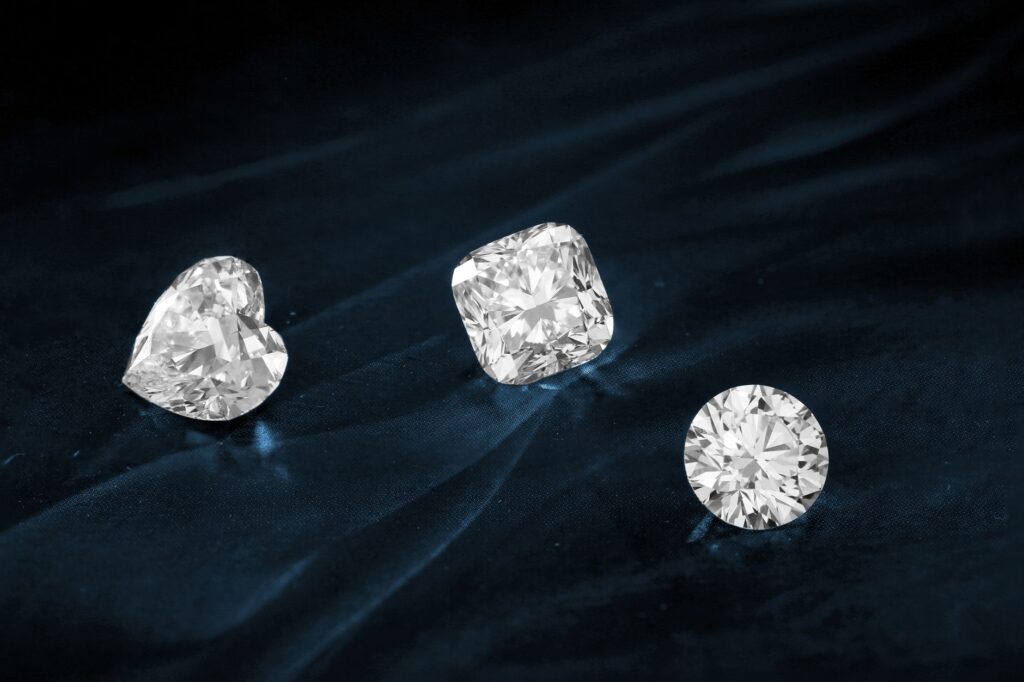
Buyers should also consider the diamond shape. Some shapes, such as round brilliant cuts, tend to mask inclusions better because of their pattern of sparkle. Step-cut shapes such as emerald cuts can make inclusions more noticeable because they have larger open facets and less pattern interruption.
Budget and trade-offs
A clarity premium should only be paid when it adds something visible or personally important. If a diamond with a tiny needle looks just as clean as a more expensive stone, the money may be better spent elsewhere. Many buyers find that cut quality has a bigger effect on appearance than moving from eye-clean clarity to ultra-high clarity.
Inclusion location matters
Needles near the edge of the diamond may be less visible than needles under the table. However, a needle near the edge is not automatically better if it is associated with a feather or another durability issue. The full picture matters, especially in a ring intended for daily wear.
Lab grown diamond considerations
Lab grown diamonds often present an excellent opportunity to prioritize visible quality. Because price differences between grades can be meaningful, buyers should pay close attention to whether a stone is actually eye-clean rather than simply high graded. A modest clarity grade with a minor needle may offer better value than chasing a top grade without a visible benefit.
Long-term satisfaction
Some buyers care most about never being able to spot an inclusion themselves, even under close inspection. Others are satisfied as long as the diamond looks beautiful at normal viewing distance. Knowing your own comfort level can prevent overpaying or second-guessing your choice later.
Common Buyer Mistakes With Needle Inclusions
One of the biggest mistakes is assuming that every inclusion listed on a report is equally important. A needle is not the same as a chip, and it is not automatically a problem just because it appears in the grading report. Buyers should judge the inclusion based on visibility and real-world impact.
Another common mistake is assuming all diamonds with the same clarity grade will look the same. They will not. Two SI1 diamonds can have very different appearance outcomes depending on the type and placement of their inclusions.
Frequent mistakes to avoid
- Overpaying for a clarity upgrade that is not visible
- Ignoring the location of the inclusion
- Assuming one needle automatically means poor quality
- Comparing only grade labels instead of actual images or videos
- Ignoring transparency or haze when needles appear with other features
Another mistake is failing to consider the shape of the diamond. Some cuts hide inclusions better than others. A buyer who evaluates a needle in one shape may not get the same result in another shape, even at the same clarity grade.
How to Evaluate a Diamond With a Needle Inclusion
When reviewing a diamond, start with magnified images or videos if they are available. Look for the needle’s position, size, and whether it is isolated or part of a cluster. Ask whether the diamond is eye-clean from a normal viewing distance and whether the inclusion affects the stone face-up.
If you are buying in person, view the diamond under both bright lighting and more natural conditions. Move it slightly and observe whether anything becomes distracting. If the inclusion disappears in normal wear conditions, it may not be a meaningful concern.
Questions worth asking
- Is the diamond eye-clean?
- Where is the needle located?
- Is it alone or part of a cluster?
- Does it affect transparency?
- Would an experienced jeweler consider the stone well-balanced for the price?
Frequently Asked Questions
Is a needle inclusion bad in a diamond?
Not necessarily. A needle is often a minor inclusion that has little effect on appearance. It becomes more relevant only if it is large, centrally located, or combined with other inclusions that reduce clarity.
Can you see a needle inclusion with the naked eye?
Usually no. Most needle inclusions are too small to see without magnification. If a needle is visible to the naked eye, it may be larger than average or part of a broader clarity issue.
Does a needle affect diamond durability?
Usually not by itself. Needles are generally not among the inclusions most associated with durability concerns. However, if a needle appears alongside a feather or near a vulnerable edge, it deserves more careful review.
Are needles common in lab grown diamonds?
They can be, depending on the growth characteristics of the stone. Lab grown diamonds may show fine internal features that are part of the growth process. The key question is still whether the diamond looks clean to the eye and performs well in daily wear.
Is it worth paying more to avoid a needle inclusion?
Only if the needle is actually visible or if you personally want a cleaner clarity grade for peace of mind. If the diamond is already eye-clean, the extra cost may not provide much practical benefit.
Does a needle lower diamond value?
It can, but value depends on the full clarity picture. A tiny needle in an eye-clean diamond may have little practical impact, while a dense pattern of needles can reduce appearance quality and affect price more noticeably.
Should I avoid SI diamonds because they may have needles?
No. SI diamonds can offer strong value, and many are eye-clean. The better approach is to inspect the actual stone rather than reject a whole clarity range based on the possibility of inclusions.
What matters more than a needle inclusion?
For most buyers, cut quality matters more because it strongly influences sparkle and overall beauty. Color and the visibility of inclusions also matter, but a well-cut diamond often has a bigger effect on how attractive the stone looks in real life.
Conclusion
A needle inclusion is a thin internal line in a diamond, usually visible only under magnification. On its own, it is often a minor clarity feature with little impact on everyday appearance. For most buyers, the most important question is not whether a needle exists, but whether it can actually be seen and whether it changes the diamond’s overall look or value.
In practical terms, an eye-clean diamond with a small needle may be an excellent value, especially if the stone has strong cut quality and a fair price. A larger or more noticeable needle, or a cluster of fine inclusions that affects transparency, deserves more caution. The best buying decisions come from judging the full stone, not just the report terminology.
If you are comparing diamonds, focus on visible performance, inclusion location, and whether the diamond looks clean in normal viewing conditions. That approach will usually lead to better value and greater long-term satisfaction than chasing the highest clarity grade alone.