When buyers ask What Is a Good Cut Diamond, they are usually trying to understand more than a grading term. They want to know which diamond will look bright, lively, and beautiful in real life, not just on a certificate. That is a practical question, because cut quality has a stronger effect on appearance than many first-time buyers realize.
Cut is the part of diamond quality that most directly influences how much light a diamond reflects back to the eye. A well-cut diamond can appear more brilliant, more balanced, and often even larger-looking than a poorly cut stone of the same carat weight. For shoppers comparing lab grown diamonds or natural diamonds, understanding cut can make a major difference in how much value they get for their budget.
Quick Answer
A good cut diamond is one that has proportions, symmetry, and finish that allow it to return light efficiently. In simple terms, it looks bright, sparkly, and visually balanced when viewed from the top. For round diamonds, this usually means an Excellent or sometimes Very Good cut grade, depending on the laboratory and the specific stone.
The most important idea is that cut affects what people actually see. A diamond with strong cut quality can look more brilliant and more lively than a larger diamond with weaker cut quality. In everyday lighting, that difference is often easier to notice than small differences in clarity or color.
For buyers, the practical takeaway is simple. If you want a diamond that looks impressive in real-world conditions, cut should usually be one of the top priorities on your diamond buying checklist.
What Diamond Cut Really Means
Diamond cut does not mean the diamond’s shape, such as round, oval, or pear. Instead, it refers to how well the diamond has been fashioned from rough stone into a finished gem. This includes the angles, proportions, symmetry, polish, and how effectively the diamond handles light.
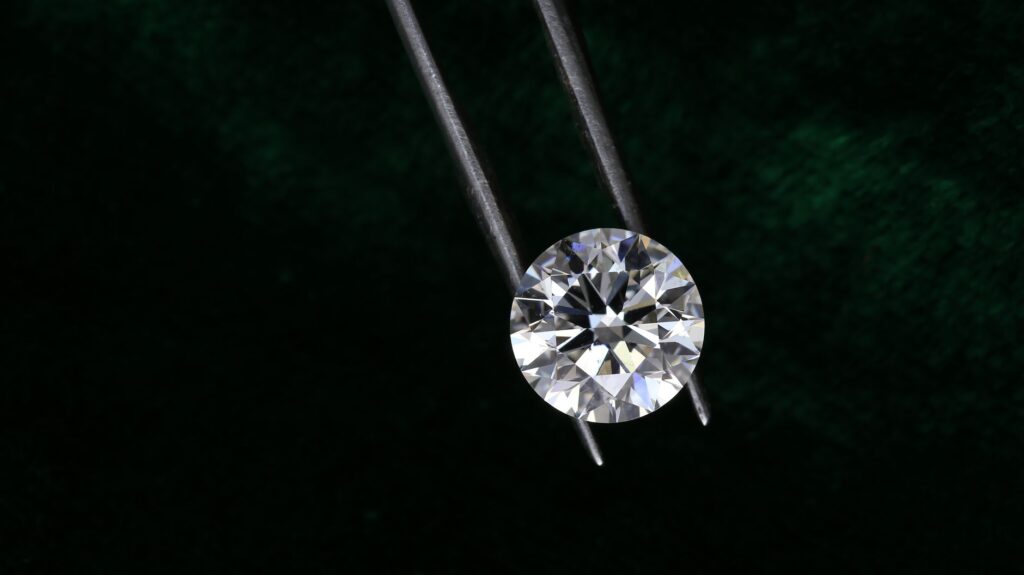
When a diamond is cut well, light enters the stone, reflects internally, and returns to the viewer’s eye. That is what creates brightness, sparkle, and the visual contrast people often describe as life or fire in a diamond. When the cut is poor, light may leak out of the bottom or sides instead of reflecting back.
Cut quality is especially important because even a diamond with high color and clarity can look dull if the cut is weak. On the other hand, a well-cut diamond can make modest grades in color or clarity less noticeable. This is one reason experienced jewelers often say cut is the most important quality factor for appearance.
Cut Is Not the Same as Shape
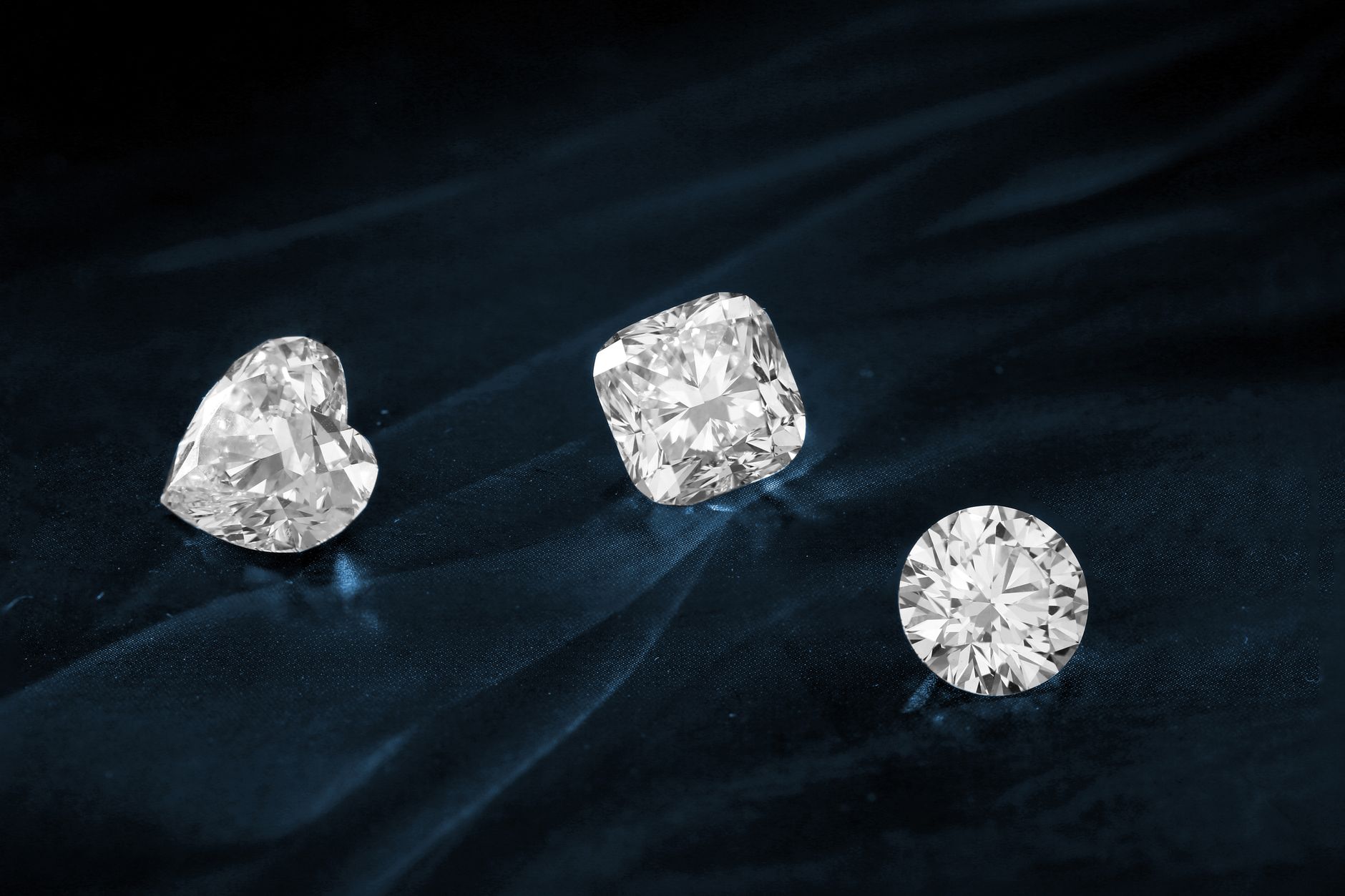
Many shoppers confuse cut with shape. Shape refers to the outline of the diamond, such as round brilliant, princess, cushion, oval, emerald, or pear. Cut refers to how well that shape has been executed.
Two round diamonds can both be round, but one can have much better cut quality than the other. The same is true for fancy shapes like ovals and cushions, where light performance can vary widely even within the same shape category.
Cut Is Not the Same as Carat
Carat is a measure of weight, not visual beauty. A heavier diamond is not automatically a better-looking diamond. In fact, a diamond with poor proportions can retain more weight in the wrong places and look less lively than a slightly smaller stone with a better cut.
For buyers trying to balance size and sparkle, this distinction matters. A well-cut diamond often gives a better face-up appearance than a larger but poorly cut alternative. That is particularly relevant in engagement ring shopping, where most people see the diamond from above most of the time.
The Main Parts of Cut Quality
Cut quality is made up of several related factors. Some are easy to see, while others are more technical and mostly matter because of their effect on light behavior. A buyer does not need to become a gemologist, but it helps to understand what each term means.
| Cut Factor | What It Means | Why It Matters | What Buyers Usually Notice |
|---|---|---|---|
| Proportions | The angles and relative measurements of the diamond | Affects light return and overall balance | Brightness, sparkle, and face-up beauty |
| Symmetry | How precisely the facets align with one another | Affects patterning and light behavior | Cleaner, more balanced appearance |
| Polish | How smooth and well-finished the facet surfaces are | Influences how cleanly light reflects | Overall crispness and brightness |
| Light Performance | How the diamond returns, splits, and reflects light | Determines sparkle and liveliness | Brilliance, fire, and scintillation |
| Hearts and Arrows | A pattern visible in very precisely cut round diamonds | Suggests strong optical symmetry | Usually a more uniform, refined appearance |
Proportions
Proportions describe the relationship between the table, depth, crown, pavilion, and other parts of the diamond. These details affect how light moves through the stone. A diamond with well-balanced proportions is more likely to look bright and lively.
Buyers do not usually inspect proportions directly with the naked eye, but they see the results. A diamond with good proportions can look more open and lively, while one with poor proportions may look dark, too deep, or overly spread out.
Symmetry
Symmetry refers to how precisely the facets line up with each other. In a symmetrical diamond, the pattern looks clean and intentional. In a diamond with weaker symmetry, facet alignment can be slightly uneven.
For most buyers, symmetry is partly a visual quality and partly a technical one. Minor symmetry differences are often subtle, but in high-performing round diamonds, better symmetry can contribute to a more organized sparkle pattern and a cleaner look.
Polish
Polish describes the smoothness and finish of the facet surfaces. A well-polished diamond reflects light more cleanly because the surfaces are properly finished. Poor polish can create tiny surface issues that reduce crispness.
Most buyers will not inspect polish under magnification, but its effect contributes to the diamond’s overall appearance. In well-cut stones, strong polish helps the diamond look more refined and sharp in reflected light.
Light Performance
Light performance is the practical result of all the cut factors working together. It describes how well a diamond reflects white light, colored light, and dark contrast back to the viewer. This is the part of cut quality most buyers care about, even if they do not use the term.
A diamond with strong light performance tends to look bright in many lighting environments. It usually shows a pleasing mix of brilliance, fire, and scintillation rather than looking flat or washed out.
Why Cut Matters More Than Many Buyers Expect
Cut matters because it changes the way a diamond looks every time someone wears it. This is not a niche grading detail that only gemologists care about. It is one of the clearest drivers of visual beauty in everyday use.
For many shoppers, the emotional goal is simple: they want the diamond to look beautiful, not just large or expensive. Cut quality helps deliver that experience. A diamond with an excellent cut often looks more alive under natural light, indoor light, and even office lighting where many poor diamonds appear flat.
Cut also affects how forgiving a diamond is when other quality factors are not perfect. For example, a diamond with strong cut can sometimes make a near-colorless grade look better and can make a slightly included stone less noticeable because the eye is drawn to sparkle instead of imperfections.
Appearance Is the Main Reason
Most people notice sparkle before they notice laboratory grades. Cut is the main reason some diamonds catch the eye immediately while others look ordinary. That is why cut is often the first quality factor experienced jewelers evaluate.
If you are comparing lab grown diamonds, cut remains just as important as it does with natural diamonds. Lab grown diamonds are not automatically better cut simply because they were created in a lab. Cut quality still depends on the cutter’s decisions and the finished proportions of the stone.
It Affects Value Perceived by Buyers
Value is not only about price. It is also about how much visual performance you get for that price. A diamond that appears bright and lively can feel like a stronger purchase than a larger stone that looks sleepy or dark.
This is especially important in engagement rings, where the diamond is often viewed from arm’s length in many lighting conditions. The buyer, and later the wearer, may notice cut quality every day long after the purchase date.
How Cut Affects Sparkle and Other Visual Qualities
People often use the word sparkle as a catch-all, but in diamond education it helps to break the effect into smaller parts. Cut influences several distinct visual qualities. Understanding them makes it easier to compare diamonds fairly.
Brilliance
Brilliance is the white light reflected back to the eye. It is one of the main reasons a diamond appears bright. Strong brilliance usually means the stone looks lively and luminous rather than dull.
A well-cut diamond tends to maximize brilliance because light is reflected back efficiently. A poorly cut diamond may leak light, which reduces the bright, full look buyers are hoping for.
Fire
Fire is the flashes of colored light that appear when a diamond disperses white light into spectral colors. People often notice it in direct light or when the diamond moves. Fire can be subtle or dramatic depending on the cut and lighting conditions.
Buyers sometimes assume bigger always means more fire, but that is not necessarily true. A well-cut smaller diamond can show more pleasing fire than a larger stone with weak proportions.
Scintillation
Scintillation is the pattern of sparkle and contrast you see as the diamond moves. It includes the flashes of light and the dark and light areas that create visual life. This is a major reason diamonds look more dynamic than other stones.
Cut quality strongly affects scintillation because it influences how facets turn light on and off as the diamond moves. A diamond with poor cut can look mushy or uneven, while a well-cut one tends to produce crisp, attractive flashes.
Brightness and Light Return
Brightness is the overall amount of visible light return. Light return is the technical way of describing how much light comes back to the viewer instead of escaping from the stone. Good light return generally means the diamond looks more vibrant.
Buyers often notice this in everyday settings. A diamond with strong light return tends to stay attractive in mixed lighting, not just under a jewelry store spotlight. That is one reason well-cut diamonds often age better visually in real life.
Face-Up Appearance
Face-up appearance is how a diamond looks from the top, which is the angle most people see in jewelry. Good cut can make a diamond appear larger, brighter, and more balanced from this view. Poor cut can make a diamond look smaller than expected or visually uneven.
This matters because many shoppers focus on carat weight and forget that visual size is not only about weight. A well-cut diamond often makes better use of its surface area, which can improve how large it looks on the hand.
What Is a Good Cut Diamond Grade?
For round brilliant diamonds, grading systems are usually the easiest starting point. The Gemological Institute of America, often called GIA, uses cut grades such as Excellent, Very Good, Good, Fair, and Poor for round diamonds. Other labs may use different systems, but the basic idea is similar.
In general, an Excellent round diamond is considered a strong cut choice, and a well-chosen Very Good diamond can also look attractive and offer better pricing. The exact stone matters, though, because a cut grade is still a category, not a guarantee that every diamond in it looks identical.
For fancy shapes, cut grading is less standardized than it is for round diamonds. That means buyers need to pay more attention to actual appearance, proportions, and light performance rather than relying on a single grade alone.
Excellent Cut
Excellent cut diamonds are generally the safest choice for buyers who want strong visual performance. These stones are designed to maximize brightness, sparkle, and overall balance. In most everyday conditions, the difference between an Excellent stone and lower grades can be noticeable.
That said, Excellent does not mean every stone is equally beautiful. Two diamonds with the same grade can still perform differently because of differences in proportions, optical precision, and the way the stone was finished.
Very Good Cut
Very Good cut diamonds can still be attractive, especially for buyers who want to balance performance and budget. In many cases, the difference from Excellent is subtle to the average buyer, especially without a side-by-side comparison.
This is one reason Very Good can be a practical sweet spot. If a specific diamond has appealing spread, color, and clarity, the savings may be worth considering. The key is to check the individual stone rather than assuming all Very Good diamonds look the same.
Good, Fair, and Poor Cut
As cut grades move lower, the chance of visible performance loss increases. Diamonds in these ranges may look less bright, less balanced, or less lively. Some may appear too deep, too shallow, or dark in areas where light should be returning.
For most buyers, especially those shopping for engagement rings, these lower grades are usually less desirable unless price is the overriding concern. Even then, it is important to compare the visual trade-offs carefully.
What Buyers Actually See in Real Life
Cut quality is most meaningful when translated into everyday viewing conditions. A diamond does not live in a grading report. It lives on a hand, under sunlight, office lighting, restaurant lighting, and indoor home lighting.
In those settings, a good cut diamond often shows a consistent pattern of brightness and sparkle. It tends to look alive from several angles instead of only flashing in direct spotlight. That is the practical difference many buyers remember after comparing diamonds in person.
In Natural Light
Natural light is one of the best places to judge diamond performance. A well-cut diamond usually shows attractive brightness and balanced flashes in sunlight or daylight near a window. Poorly cut diamonds may reveal dark zones or a less lively face-up appearance.
For buyers comparing lab grown diamonds, natural light can be especially useful because it reduces the effect of store lighting tricks. It helps you see whether the diamond truly has good light return or just looks bright in a display case.
In Indoor Lighting
Indoor lighting is where many diamonds spend most of their time. In this setting, a good cut diamond should still show sparkle, contrast, and life. If the cut is weak, the diamond may look less interesting under normal home or office lights.
This is why a diamond that looks impressive only in a jewelry store may disappoint later. Strong cut quality helps maintain visual appeal across different lighting environments, not just under controlled conditions.
At Arm’s Length
Most people view their diamond at arm’s length during daily wear. From this distance, obvious differences in cut can often be seen without magnification. A well-cut diamond generally has a more pleasing presence and a stronger overall return of light.
Small differences between excellent grades may be subtle, but the gap between strong and weak cut is often noticeable. That is one reason cut is such a practical buying consideration.
How Cut Affects Value
Value is where cut becomes especially important. Buyers often have a fixed budget, and cut quality helps determine how much visual beauty they receive for that budget. Spending more on cut can be worthwhile when it improves the diamond’s appearance in a way you will actually notice.
In many cases, prioritizing cut offers a better visible return than spending the same money on a slightly higher carat weight. A smaller diamond with better cut can look more impressive than a larger one with weak performance. This is particularly true when the larger stone has poor proportions or visible darkness.
When Paying More Makes Sense
Paying more for a better cut usually makes sense when the diamond is intended for daily wear and visual satisfaction matters most. If the stone will be seen often, strong cut quality can provide lasting value because it improves the diamond’s appearance every day.
It also makes sense when the buyer wants a diamond that will photograph well and look consistent across lighting conditions. Good cut is one of the few quality factors that usually rewards the wearer in a very visible way.
When the Premium May Be Too Much
There are cases where the premium for the absolute top cut tier may deliver diminishing returns. For example, the difference between a carefully chosen Very Good and an Excellent diamond may be subtle to many buyers. If the budget is tight, the savings might be better spent on a more favorable balance of carat, color, or setting style.
That does not mean cut should be ignored. It means buyers should compare the visual improvement against the price increase. In some cases, a modest step down in grade is acceptable if the stone still performs well to the eye.
Which Factors Usually Matter Most
If the goal is maximum visual impact, cut usually comes first, followed by carat, then color and clarity depending on the shape and buyer priorities. This order is not absolute, but it is a useful starting point. A beautifully cut diamond often looks more impressive than a larger stone with weak performance.
For lab grown diamonds, this is especially relevant because buyers often have more room in the budget to improve cut quality or choose a better visual combination of size and finish. The best value is often found by focusing on how the diamond actually looks, not just on the biggest number.
Practical Examples Buyers Can Relate To
Examples help turn grading language into real decisions. These are common scenarios buyers encounter when comparing diamonds online or in person.
A Well-Cut 1.5-Carat Diamond Versus a Poorly Cut 2-Carat Diamond
On paper, the 2-carat diamond sounds larger and more desirable. In person, that is not always how it works out. If the 2-carat stone has poor cut quality, it may look less bright, less balanced, and less attractive than the smaller diamond.
The 1.5-carat diamond with strong cut may show better sparkle and a cleaner face-up look. Many buyers are surprised that the smaller diamond can appear more impressive because it makes better use of its weight. This is one of the clearest examples of how cut can outweigh carat in real-world appearance.
Excellent Cut Versus Very Good Cut in Everyday Lighting
In side-by-side comparison, an Excellent cut diamond may show a little more brightness, sharper patterning, or more lively flashes. In isolated viewing, the difference is sometimes subtle. Many buyers will not spot it immediately without practice or a direct comparison.
That said, a truly well-chosen Very Good diamond can still look excellent to most people. The difference becomes more meaningful when the Very Good diamond has weaker proportions or less precise optical behavior. The takeaway is to compare actual stones, not just labels.
Higher Clarity With Poor Cut Versus Lower Clarity With Excellent Cut
A diamond with high clarity is not always the better-looking diamond if the cut is weak. A visually cleaner stone can still appear less impressive if it looks dark or lifeless. Meanwhile, a lower clarity diamond with strong cut can appear more beautiful because the eye is drawn to sparkle instead of inclusions.
For many buyers, this is a useful trade-off to understand. It often makes more sense to choose excellent cut and acceptable clarity than to pay heavily for clarity that does not significantly improve the face-up appearance.
Lab Grown Diamond Considerations
Cut quality matters just as much in lab grown diamonds as in natural diamonds. In some ways, it may matter even more to shoppers comparing value because lab grown diamonds are often chosen for their price advantage and larger size potential. If a lab grown diamond has poor cut, part of that value advantage can be lost visually.
One thing buyers should remember is that lab grown diamonds vary widely in cut quality. The fact that a diamond is lab created does not mean it was cut to an ideal standard. The same principles of light return, proportions, symmetry, and polish still apply.
Certification Still Matters
Lab grown diamonds should still come with a reliable grading report from a reputable laboratory. The report helps confirm the cut grade for round diamonds and lists the measurements and finish details that affect performance. This is especially important when buying online.
For fancy shapes, certificates are helpful but not enough on their own. Buyers should also look at images, videos, and, when possible, light performance information to understand how the diamond actually behaves.
Price Advantage Can Be Used Strategically
One of the biggest advantages of lab grown diamonds is that buyers may be able to afford stronger cut quality or a more appealing overall combination of features within the same budget. This can mean choosing a better-performing stone rather than simply choosing a larger one.
Still, a lower price does not automatically justify sacrificing cut. Since cut strongly affects beauty, the smartest use of budget often starts with quality of light return and then moves to size, color, and clarity.
Common Buyer Mistakes
Many diamond disappointments happen because buyers focus on the wrong priority. Cut is one of the easiest areas to misunderstand, especially if the shopper is new to diamond grading.
Prioritizing Carat Over Cut
Carat weight gets attention because it is easy to understand and easy to compare. But a larger diamond with poor cut can look less attractive than a smaller diamond with strong cut. Buyers who focus only on size often miss the fact that visual appeal depends heavily on light behavior.
This mistake is common when shopping online, where the number on the screen can be more persuasive than the stone’s actual appearance. Always consider how the diamond looks, not just how much it weighs.
Overpaying for Clarity That Is Hard to See
Some buyers spend extra to get a higher clarity grade when that money might improve cut instead. If an inclusion is not visible to the eye, but the diamond has weak light performance, the overall visual result may still be disappointing.
For many shoppers, especially in round brilliant lab grown diamonds, better cut delivers more visible beauty than an upgrade in clarity beyond what the eye can already see.
Ignoring Light Performance
Light performance is the heart of what makes a diamond attractive. Buyers who ignore it may end up with a diamond that looks fine on paper but less exciting in person. This is one of the biggest reasons to study the actual stone and not just the certificate.
If available, inspect videos in neutral lighting. Look for brightness, contrast, and whether the stone shows life across the entire face, not just flashes in one area.
Assuming All Diamonds Sparkle the Same
Not all diamonds perform equally. Two stones with similar color and clarity can look very different if one has far better cut quality. That difference is often obvious after a few seconds of side-by-side viewing.
Buyers sometimes discover this only after seeing a well-cut diamond next to a weaker one. Once seen, the difference is hard to ignore.
Relying on Grade Alone Without Viewing the Stone
A grade is helpful, but it is not the whole story. Especially for fancy shapes, a high-level grade does not replace visual evaluation. Even within the same category, diamonds can differ in brightness, contrast, and spread.
The most reliable approach is to use grading information as a filter, then review actual images or in-person comparisons before deciding.
How to Evaluate Whether a Diamond Has a Good Cut
Most buyers do not need to become experts in facet diagrams. A practical approach is usually enough. Start with the grade, then move to visual evidence and proportions.
1. Check the Cut Grade
For round diamonds, a strong cut grade is a useful starting point. Excellent is often the safest category, while Very Good can still be a smart value choice if the individual stone looks strong. Lower grades deserve more caution.
2. Review the Measurements
Measurements such as table percentage, depth percentage, crown angle, and pavilion angle can provide clues about performance. These numbers are not useful in isolation, but they help identify whether a diamond is likely to return light efficiently.
Buyers do not need to memorize ideal numbers for every shape. It is more useful to understand whether the proportions support good face-up beauty and whether the stone looks balanced.
3. Look at Images or Videos
Images and videos can reveal a lot more than a certificate. Look for a diamond that appears bright, even, and lively. If possible, watch how it behaves as it moves.
For lab grown diamonds sold online, this step is especially important because the visual presentation can vary from one stone to another even within the same certification category.
4. Compare in Similar Lighting
Lighting can influence how diamonds appear, so comparisons should be made in similar conditions whenever possible. A strong diamond should still look appealing outside of a perfect showroom setting. That is the real test most buyers care about.
5. Consider the Shape
Round brilliants are usually the most forgiving shape for cut quality because their faceting pattern is designed for strong light return. Fancy shapes, such as oval, cushion, emerald, and pear, can show more variation. Buyers of fancy shapes should be especially attentive to actual appearance.
Advantages of a Good Cut Diamond
A good cut diamond offers several practical benefits that buyers can appreciate immediately.
- Better sparkle in a wide range of lighting conditions
- Stronger brightness and more consistent light return
- More attractive face-up appearance from normal viewing distance
- Better visual value compared with larger but weaker-cut diamonds
- Greater flexibility when balancing color and clarity choices
These advantages are not theoretical. They affect how the diamond looks every day. That is why cut is often one of the most worthwhile quality factors to prioritize.
Limitations and Trade-Offs
Even a good cut diamond is not perfect in every respect, and buyers should understand the trade-offs. Excellent cut does not guarantee a huge diamond, a flawless diamond, or the lowest price. It simply improves the way the diamond handles light.
Another limitation is that grading categories can hide small variations. Two stones with the same grade may look different in person. That is why buyers should use the grade as a guide rather than the only decision tool.
There is also a point of diminishing returns. Paying more for the highest possible cut category may not matter much if the next tier down still looks excellent to the eye. This is especially true for shoppers trying to balance a real-world budget.
What Experienced Jewelers Often Notice
Experienced jewelers and diamond professionals often look at a diamond differently than a first-time buyer. They notice whether the stone has a clean, bright center, whether the contrast pattern is balanced, and whether the diamond seems to “turn on” visually when moved.
They also notice when a diamond has good spread for its carat weight. That means it uses its size efficiently from the top view. A well-cut diamond that faces up well can create a stronger impression than its carat weight alone would suggest.
Another common professional observation is that small differences in cut are less important than major ones. The biggest visible jumps usually happen when moving from poor to good or from good to very good. The difference between very good and excellent can be real, but it is often more subtle.
Frequently Asked Questions
Is Excellent cut always better than Very Good cut?
Not always. Excellent is generally the stronger category for light performance, but a well-chosen Very Good diamond can still look beautiful and may offer better value. The individual stone matters more than the label alone.
Can a good cut diamond look bigger?
It can appear bigger from the top if it has efficient proportions and strong spread. A poorly cut diamond may hide weight in depth rather than showing it face-up. That is one reason cut affects both beauty and apparent size.
Do lab grown diamonds need the same cut standards as natural diamonds?
Yes. The physics of light performance are the same. A lab grown diamond still needs good proportions, symmetry, and polish to look bright and lively.
What cut grade should I choose for an engagement ring?
For round diamonds, many buyers start with Excellent and then compare Very Good options if they want more value. For fancy shapes, it is better to look at images and light performance rather than rely only on a cut grade. The best choice depends on budget and how much visual perfection matters to you.
Does cut matter more than color or clarity?
For appearance, cut often matters more because it directly affects sparkle and brightness. Color and clarity still matter, but a diamond with weak cut can look less attractive even if those grades are strong. In many cases, good cut should be the first quality factor considered.
Can a diamond with lower clarity still look better if the cut is excellent?
Yes. If inclusions are not visible to the naked eye, an excellent cut can make the diamond appear more beautiful overall than a higher-clarity stone with poor light performance. This is a common and practical trade-off for many buyers.
Are cut grades the same for all diamond shapes?
No. Round diamonds have the most standardized cut grading. Fancy shapes such as oval, pear, emerald, and cushion require more visual judgment because grading systems are less consistent across shapes.
What is the easiest way to spot a poor cut?
Look for dullness, dark areas, uneven brightness, or a lack of life when the diamond moves. A poor-cut diamond may not sparkle evenly and can look less impressive than expected for its size. Comparing stones side by side makes these differences easier to see.
Conclusion
A good cut diamond is one that handles light well and looks bright, lively, and balanced in real-world conditions. For most buyers, that means prioritizing cut over minor differences in carat, color, or clarity. It is one of the most direct ways to improve how a diamond actually appears on the hand.
For round diamonds, Excellent cut is often the strongest starting point, while a carefully chosen Very Good diamond can still offer strong value. For fancy shapes and lab grown diamonds, looking beyond the certificate and evaluating actual appearance becomes even more important. The best decision is usually the one that combines solid cut quality with a budget and size that make sense for the wearer.
If you are comparing diamonds, focus on the visible outcome first. Ask whether the stone looks bright, clean, and lively from normal viewing distance. That practical approach will usually lead to a better long-term choice than chasing technical numbers alone.