Choosing between modern vs vintage diamond shapes is not just a matter of taste. It affects how a diamond looks on the hand, how much sparkle it gives off, how easily it shows color or inclusions, and how the finished ring feels overall. For buyers comparing engagement rings or other fine jewelry, the difference between modern and vintage-inspired shapes can be subtle in theory but very noticeable in real life.
In simple terms, modern diamond shapes usually refer to cuts with cleaner lines, more symmetry, and a contemporary look. Vintage diamond shapes often evoke earlier eras of jewelry design, with softer outlines, antique proportions, or shapes that feel romantic and less standardized. Neither style is automatically better. The right choice depends on the wearer’s taste, the ring design, and the practical trade-offs that matter most.
This guide explains the difference between modern and vintage diamond shapes, how they perform visually, which buyers each style suits best, and what to watch for when comparing options. If you are also learning about diamond shapes, diamond cut, or diamond pricing, the distinctions below will help you make a more informed decision.
Quick answer: what is the difference between modern and vintage diamond shapes?
Modern diamond shapes typically have a crisp, polished look with strong symmetry and predictable sparkle. Popular examples include round brilliant, oval, cushion with modified faceting, emerald cut, radiant cut, pear, marquise, and heart shapes in their more refined contemporary forms.
Vintage diamond shapes are either antique cuts from earlier eras or modern diamonds designed to look antique. These shapes often include old European cut, old mine cut, rose cut, and vintage-inspired cushion or oval styles with chunkier facets, softer outlines, and a more romantic feel.
The easiest way to think about it is this: modern shapes emphasize precision and brightness, while vintage shapes emphasize character and old-world charm. Both can be beautiful in lab grown diamonds and natural diamonds alike, but they create different visual experiences.
Understanding modern and vintage diamond shapes
What makes a diamond shape “modern”?
Modern shapes usually follow current cutting standards and buyer preferences. They are designed to maximize brightness, consistency, and a clean appearance under different lighting conditions. A modern round brilliant, for example, is engineered for strong sparkle because its facet pattern reflects light efficiently.
Modern shapes also tend to be more standardized. That means buyers usually have an easier time comparing one stone to another because the proportions are more predictable. This is especially helpful when shopping online or evaluating diamond certifications.
What makes a diamond shape “vintage”?
Vintage diamond shapes are tied to older cutting styles or to modern designs inspired by antique jewelry. These shapes often have a softer, less mechanically perfect appearance. Instead of emphasizing uniform brilliance, they may show broader flashes of light, a warmer glow, or a distinctive pattern that feels more handcrafted.
Older cuts were made before modern cutting technology and before today’s emphasis on maximum light return. As a result, many antique-style diamonds have unique proportions that make them look different from standard contemporary diamonds, even when the carat weight is similar.
Are vintage shapes the same as old diamonds?
No. A vintage-looking shape is not always an actual antique diamond. Many modern diamonds are cut to look vintage. For example, a newly created lab grown diamond can be fashioned into an old mine cut style or a cushion cut with antique-inspired facet patterns. This gives buyers access to vintage aesthetics without necessarily buying a period piece.
That distinction matters because an antique diamond may have different proportions, condition, and value considerations than a modern stone with a vintage style.
Side-by-side comparison of modern vs vintage diamond shapes
| Feature | Modern diamond shapes | Vintage diamond shapes |
|---|---|---|
| Overall look | Clean, precise, contemporary | Romantic, soft, antique-inspired |
| Sparkle style | More intense, consistent brilliance | Often broader flashes, softer glow, less uniform brilliance |
| Faceting pattern | Standardized, symmetrical, optimized for light return | Chunkier or less uniform, often inspired by older cutting styles |
| Color visibility | Can show color depending on shape, but often pairs well with higher color grades | Some antique cuts can make body color more noticeable |
| Clarity visibility | Varies by shape, but many modern brilliant cuts help hide small inclusions | Some antique shapes may reveal more because of larger facets or open tables |
| Face-up appearance | Usually designed for balanced, predictable size and symmetry | May look smaller or larger depending on proportions and cut style |
| Trend factor | Often aligns with current market preferences | More style-driven and personal, less dependent on trends |
| Best for | Buyers seeking brightness, versatility, and a modern look | Buyers seeking character, romance, and distinctive style |
Appearance: how modern and vintage shapes look on the hand
Modern shapes usually feel sharper and more defined
Modern diamond shapes often appear crisp and symmetrical. The edges, curves, or corners are typically refined to create a polished silhouette. This gives the ring a clean visual presence, which many buyers interpret as elegant, timeless, or contemporary.
In practical terms, a modern shape tends to look more “designed.” That can be appealing if you want a ring that feels current and easy to pair with a variety of settings, from solitaire engagement rings to halo styles.
Vintage shapes usually feel softer and more distinctive
Vintage diamond shapes often have a more romantic profile. Their outlines may be slightly irregular, more rounded, or more generously proportioned. Instead of looking highly engineered, they can feel artisanal and full of personality.
That softer look is one reason vintage-inspired diamonds appeal to buyers who want something different from the standard engagement ring. They often pair well with milgrain details, engraved bands, bezel settings, and heirloom-style designs.
Finger appearance matters too
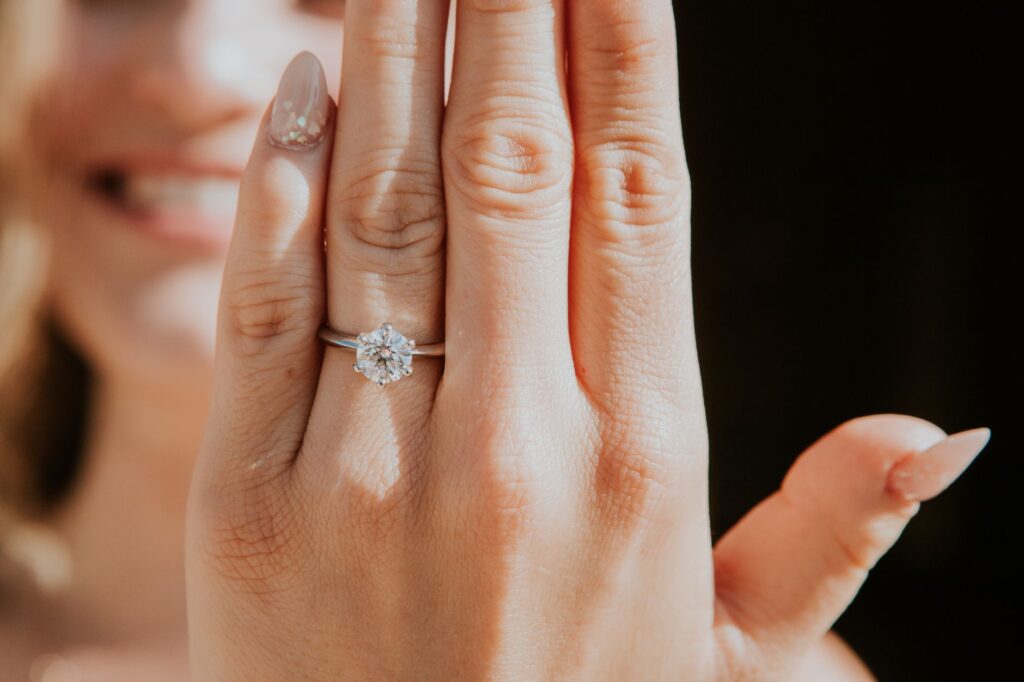
The shape of the diamond affects how the ring looks on the hand. Elongated shapes like oval, pear, and marquise can make fingers appear longer. Round shapes often feel balanced and classic. Cushions and emerald cuts create a broader, more relaxed profile.
With vintage shapes, the effect can be even more noticeable because the cut style changes how the stone spreads across the finger. A vintage cushion with a chunky facet pattern may look softer and more spacious than a modern cushion with tighter brilliance.
Sparkle, brilliance, fire, and scintillation
Buyers often use the word sparkle for everything, but there are several different effects at play. Understanding them makes it easier to compare modern and vintage diamond shapes accurately.
Brilliance: white light return
Brilliance is the amount of white light a diamond reflects back to the eye. Modern brilliant cuts are usually designed to maximize this effect. Round brilliants, many modern ovals, and radiant cuts often deliver strong brightness because their faceting pattern sends light back efficiently.
Vintage cuts may still be bright, but they often distribute light differently. Instead of a very even return, they can create a softer glow that some buyers find more romantic.
Fire: colored flashes of light
Fire refers to the rainbow flashes a diamond gives off when light is split into colors. Diamonds with larger facets, or more open facet structures, can sometimes show more obvious fire. This is one reason some antique-style cuts are loved for their lively, candlelight-friendly appearance.
Modern brilliants can also show fire, but the effect may be more balanced with brightness and sparkle rather than dominant on its own.
Scintillation: the sparkle you notice when the diamond moves
Scintillation is the pattern of light and dark flashes you see as the diamond moves. Modern shapes tend to show more rapid, crisp scintillation because the facets are arranged to create lots of small flashes. This is often perceived as “sparkly.”
Vintage shapes may show broader flashes and slower transitions between light and dark. Some people prefer this because it feels more dramatic and less busy. Others prefer the lively sparkle of modern styles.
Why the difference exists
The difference comes down to facet design and proportion. Modern cuts are generally optimized with today’s optical knowledge and precision tools, while vintage cuts often reflect older styles or antique aesthetics. The result is not simply more or less sparkle. It is a different type of light performance.
Popular modern shapes and how they compare to vintage styles
Round brilliant
The round brilliant is the most recognized modern diamond shape. It typically offers the strongest and most consistent sparkle, which is why it remains a default choice for many engagement rings. It is also very forgiving in different lighting conditions.
There is no true vintage equivalent in the same sense, although antique rounds such as old European cuts offer a similar outline with a very different visual character. Old European cuts tend to show broader flashes and a softer center compared with the more optimized modern round brilliant.
Oval
Modern ovals are popular because they look elongated, elegant, and often appear larger than a round diamond of the same carat weight. Many buyers also like the finger-flattering effect.
Vintage-style ovals exist too, but older or antique-inspired ovals may have chunkier facets, different proportions, or a more noticeable bow tie effect, which is the dark area sometimes visible across the center of the stone. In a modern oval, the cut is often refined to reduce that issue, although it cannot always be eliminated completely.
Cushion cut
Cushion is a shape that bridges modern and vintage style especially well. A modern cushion cut may have a tighter, brighter appearance, while a vintage cushion often has softer corners and larger facets that give it a romantic, antique look.
This shape is a good example of why comparisons are not always black and white. Two cushion diamonds can both be “cushion,” but one may feel sleek and contemporary while the other feels deeply vintage-inspired.
Emerald cut
Emerald cut is a step-cut shape, which means its facets are arranged in long, clean lines rather than numerous small triangles. Modern emerald cuts are valued for their elegance, transparency, and mirror-like flashes. They are less about sparkle density and more about clarity and sophistication.
Vintage emerald cuts may feel slightly less precise or may come from older cutting traditions, but the core appeal is similar. Because step cuts show more of the interior, they generally demand better clarity and color than many brilliant cuts.
Old mine cut and old European cut
These are classic vintage shapes. The old mine cut is often cushion-like with a high crown, small table, and rounded outline. The old European cut is an earlier predecessor to the modern round brilliant, but it usually has a larger culet, softer symmetry, and broader flashes of light.
Both styles are admired for their antique charm. They are less about precision and more about personality. Buyers often seek them for heirloom-style rings, restoration projects, or jewelry with historical character.
Advantages of modern diamond shapes
More predictable performance
Modern shapes usually provide more consistent results. Because they are cut with contemporary standards in mind, buyers can more easily compare stones using measurements, proportions, and certification data. This is especially useful if you are shopping online or comparing lab grown diamonds across several retailers.
Stronger brightness in many styles
Modern brilliant cuts are designed to maximize light return. If you want a diamond that looks lively in most lighting environments, modern shapes often make that easier to achieve. This matters for buyers who want a ring with obvious sparkle under everyday conditions.
Better availability and easier matching
Modern shapes are widely available, which can make it easier to match a center stone with a setting, side stones, or a wedding band. This is particularly helpful if you want a ring that is simple to replace, resize, or upgrade later.
Often easier to evaluate by certification
Modern diamonds are typically graded and categorized with familiar standards. If you understand diamond cut grades, diamond color grades, and diamond clarity grades, you can make more informed decisions about a modern shape than about many antique stones, where proportions may be less standardized.
Disadvantages of modern diamond shapes
Can feel less distinctive
Because modern shapes are so common, they may not stand out in the same way as a vintage-inspired stone. Some buyers want a ring that feels unique or heirloom-like, and a standard modern shape may not provide that emotional or stylistic difference.
May look more commercial than romantic
The cleaner and more precise the cut, the more contemporary the stone may feel. That can be an advantage for some people, but others prefer the warmth and character of antique-inspired shapes. The visual difference is subjective, yet it is important for long-term satisfaction.
Not all modern shapes are equally forgiving
Modern does not automatically mean ideal. Certain shapes, like oval and pear, can still show issues such as bow tie effects, uneven light return, or color visibility if proportions are off. That is why shape alone is not enough. Cut quality still matters.
Advantages of vintage diamond shapes
Distinctive character
Vintage shapes stand out because they do not look identical to every other diamond on the market. Their irregularities, broader facets, and antique-inspired proportions give them personality. For many buyers, this is the main reason to choose them.
Romantic and heirloom feel
Vintage styles often feel tied to family history, handcrafted jewelry, and older design traditions. That makes them appealing for buyers who want a ring that feels meaningful, not just visually attractive. They work especially well in settings that echo Art Deco, Edwardian, or Victorian design elements.
Can be flattering in unique ways
Some vintage shapes create a softer, more elegant outline on the hand than a strictly modern cut. A vintage cushion or old mine cut can appear gentle and warm, while an antique-inspired oval may look elongated without seeming too polished.
Often appealing in lab grown diamonds
Lab grown diamonds make vintage-inspired looks more accessible because buyers may be able to choose a larger size or a higher overall quality within a given budget. That can be useful if you want the style of an antique cut without the premium that a rare natural antique diamond may carry.
Disadvantages of vintage diamond shapes
Less consistency
Vintage cuts can be less predictable. If the stone is an actual antique, it may not follow current cutting standards, and its proportions may vary significantly from one diamond to another. That makes careful review essential.
Sometimes lower light efficiency
Because antique cuts were not designed using modern optical analysis, they may not return light as efficiently as contemporary shapes. Some buyers love this softer look, but others may find it less bright than expected, especially under overhead lighting.
Can reveal color or inclusions more easily in certain cases
Some vintage-inspired or antique step cuts have larger facet windows, which can make body color or inclusions more visible. This is not always a problem, but it does mean buyers may need to pay closer attention to diamond color and clarity than they would with a brilliant-cut modern shape.
May be harder to compare side by side
Because antique styles can vary so much, two vintage diamonds with the same shape name may look very different. That can make online comparison more challenging unless you review videos, measurements, and certification details carefully.
Who modern diamond shapes are best for
Modern diamond shapes are usually a strong fit for buyers who want clarity, brightness, and a straightforward shopping process. They also suit people who prefer a polished look that works across many ring styles.
Modern shapes may be especially good for:
- First-time diamond buyers who want predictable performance
- Shoppers comparing stones using grading reports and specifications
- People who prefer a brighter, more sparkly look
- Buyers who want a clean, contemporary engagement ring
- Those looking for easier matching with wedding bands and side stones
Who vintage diamond shapes are best for
Vintage shapes tend to suit buyers who value uniqueness, sentiment, and design character. They work well if you want the ring to feel less standard and more personal.
Vintage shapes may be especially good for:
- Buyers who love antique or heirloom-inspired jewelry
- People who prefer a softer, less uniform sparkle
- Shoppers looking for a distinctive engagement ring style
- Those who appreciate hand-crafted or historical design elements
- Buyers who want a stone that feels romantic rather than highly engineered
How modern vs vintage shapes compare in practical buying terms
Appearance in different lighting
Modern shapes usually look strongest in mixed lighting because they are built to reflect light efficiently. They often perform well in offices, restaurants, daylight, and indoor settings. Vintage shapes may appear especially beautiful in softer or lower lighting, where their broad flashes and antique character can feel more noticeable.
Face-up size
Face-up size is how large a diamond appears from above. Elongated shapes such as oval, pear, and marquise can appear larger than round stones of the same carat weight. However, the actual impression depends on proportions, depth, and how the shape is cut.
Vintage shapes sometimes look slightly smaller face-up if they have deeper proportions, while some modern shapes are cut to maximize spread. This is one reason it helps to compare millimeter measurements rather than relying on carat weight alone. If you want a deeper understanding of this topic, diamond carat is only one part of the picture.
Durability
Durability depends partly on shape. Shapes with pointed corners, such as marquise, pear, and princess, can be more vulnerable to chipping if not set properly. Rounded shapes like round brilliant and cushion are generally more forgiving.
Vintage shapes may have more delicate proportions or sharp features depending on the design. If you plan to wear the ring every day, a protective setting such as a bezel or six-prong setting can help reduce risk.
Clarity visibility
Modern brilliant cuts often help hide small inclusions because their many facets create strong sparkle and movement. Vintage cuts with broader facets or step-style structures can make inclusions more visible. That does not mean vintage shapes require flawless clarity, but it does mean you should be more thoughtful when choosing a grade.
If you are comparing lab grown diamonds, this can be especially helpful because lab grown stones often provide a larger size at a lower price, making it possible to spend more selectively on clarity or color where it matters most.
Color visibility
Some modern brilliant cuts hide color well, while step cuts and antique styles can show color more readily. This matters most in near-colorless and lower color grades. Buyers who want a crisp white appearance may need to pay closer attention to color in emerald cuts, old mine cuts, and some vintage-inspired cushions.
Popularity
Modern shapes are generally more popular because they are easier to shop, easier to compare, and often more aligned with current engagement ring trends. Vintage styles are less mainstream, but that is part of their appeal. They attract buyers who want their ring to feel personal and somewhat less common.
Long-term appeal
Modern shapes often age well because they are clean, versatile, and widely accepted. Vintage shapes can also age well, but their appeal is more style-specific. If you strongly prefer antique design now, the ring is likely to remain attractive to you later. If you are unsure, a more classic modern shape may feel safer over time.
How modern and vintage shapes compare by diamond type
Lab grown diamonds
Modern and vintage shapes both work well in lab grown diamonds. The major advantage of lab grown is flexibility. Buyers can often choose a larger stone or a more refined shape without moving into a much higher price range.
That can be especially useful for vintage-inspired cuts, where a larger face-up look or a higher clarity grade may improve the overall appearance. For buyers researching lab grown diamonds, shape preference may matter more than origin when choosing between modern and vintage styles.
Natural diamonds
Natural diamonds may carry more variation in vintage shapes, especially if you are looking at antique stones or reproduction styles. Some buyers value the history and rarity of an actual antique diamond, while others simply want the aesthetic. In either case, understanding the shape’s visual behavior is more important than focusing on the label alone.
Important buying considerations before choosing a shape
Look at the diamond in motion
Photos can be helpful, but video is better. Movement reveals how the diamond handles light, whether the sparkle looks lively or soft, and whether any center darkness or bow tie effect is noticeable. This is especially important for ovals, pears, marquise shapes, and vintage-style cuts.
Check measurements, not just carat weight
Two diamonds with the same carat weight can look very different. One may have a larger surface area and appear bigger, while another may have a deeper cut and look smaller. Always review millimeter dimensions, not just the carat figure.
Understand the setting style
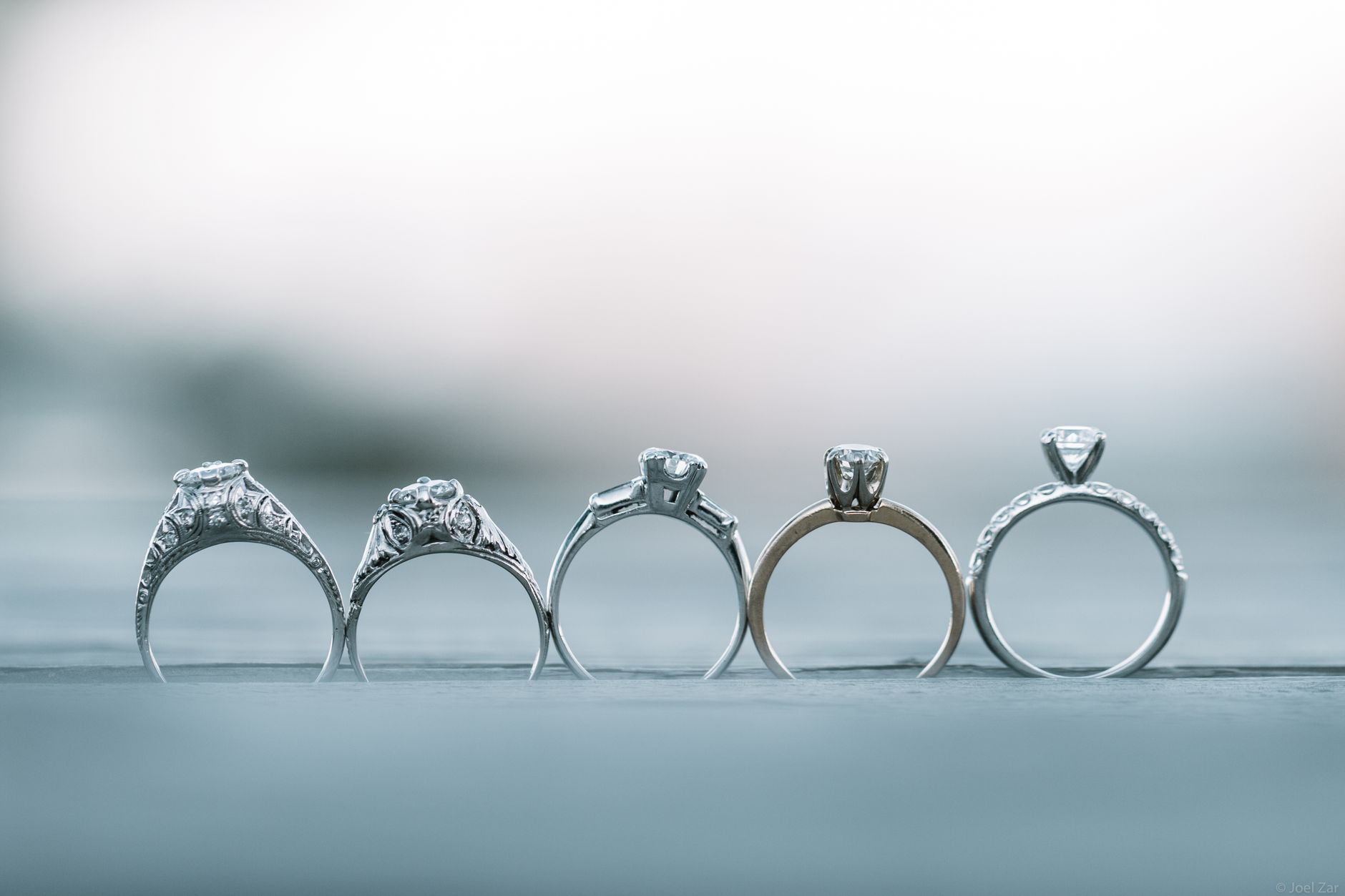
The ring setting can amplify either the modern or vintage feel. A solitaire setting with clean prongs usually enhances a modern shape. A halo, engraved band, or bezel setting can bring out vintage character. The setting matters almost as much as the diamond itself.
Balance shape with cut quality
Shape is only the starting point. A beautiful modern or vintage diamond can still underperform if the cut is weak. Pay attention to symmetry, polish, proportions, and how the stone looks in real lighting. If you are learning about diamond buying guides, this is one of the most important habits to develop.
Consider your daily wear habits
If you are active, travel often, or rarely take off your jewelry, a more durable and practical shape may be wise. If the ring is for occasional wear or for someone who enjoys distinctive design, a more delicate vintage-inspired shape may be perfectly suitable.
Common mistakes buyers make when comparing modern vs vintage diamond shapes
Assuming vintage always means better or more valuable
Vintage does not automatically mean superior. Some antique stones are beautiful, but others are cut in ways that reduce brightness or face-up size. Value depends on rarity, condition, craftsmanship, and buyer demand, not just age.
Choosing by shape name alone
A round is not always a round in the same optical sense, and a cushion can be modern or antique-inspired. Buyers often focus on the label instead of the actual look. Always compare the specific stone, not just the category.
Ignoring the bow tie effect
This issue is especially relevant in elongated shapes like oval, pear, and marquise. A bow tie is a dark band across the center of the stone caused by light leakage or the stone’s angle. It is not always a dealbreaker, but it should be evaluated carefully.
Overlooking clarity and color in step cuts
Emerald cuts and some vintage-style step cuts show the interior more clearly than brilliant cuts. If you choose one of these shapes, clarity and color grades often matter more than they do in a round brilliant.
Not considering the setting
Some buyers fall in love with a shape but choose a setting that works against it. A very modern diamond in a heavy antique setting can feel visually mixed. Likewise, a vintage-inspired stone in a minimal setting may lose some of its intended charm.
Style trends: are modern or vintage diamond shapes more popular in 2026?
Current buyer interest continues to favor both polished modern shapes and vintage-inspired looks, though for different reasons. Modern shapes remain popular because they are versatile, easy to wear, and widely available in lab grown diamonds. Vintage styles appeal to buyers who want a ring that feels personal and less conventional.
One noticeable trend is the blending of styles. Many shoppers want a modern diamond cut with vintage-inspired details, or a vintage-style diamond in a clean contemporary setting. This hybrid approach allows buyers to capture the best of both worlds without fully committing to one aesthetic.
How to decide between modern and vintage diamond shapes
If you are unsure, start with the visual question: Do you want brightness and precision, or character and softness? That one decision often clarifies the rest.
Modern shapes are usually better if you want strong sparkle, easier comparison shopping, and a clean look that works with many ring styles. Vintage shapes are often better if you want a more distinctive, romantic, or heirloom-inspired design.
Then consider the practical side. Think about finger appearance, durability, maintenance, and how the diamond will be worn every day. A buyer who loves the idea of an antique-style cushion but needs a very low-maintenance ring may need to balance romance with practicality.
Frequently asked questions
Are modern diamond shapes more valuable than vintage shapes?
Not necessarily. Value depends on many factors, including cut quality, size, clarity, color, rarity, condition, and market demand. Some antique diamonds can be highly valued because of their age or rarity, while many modern diamonds are valued for consistency and performance.
Do vintage diamond shapes sparkle less?
They do not always sparkle less, but they often sparkle differently. Vintage cuts may show broader flashes, softer brightness, and more visible fire rather than the sharp, rapid sparkle associated with modern brilliant cuts. Whether that is better is a matter of preference.
Which shape looks bigger: modern or vintage?
It depends on the cut proportions, not just whether the shape is modern or vintage. Elongated modern shapes can look large face-up, but a deep vintage cut may appear smaller even at the same carat weight. Millimeter measurements are the best way to compare visible size.
Are vintage-style diamonds harder to shop for?
Often, yes. Because vintage styles can vary more in proportion and light performance, buyers need to review photos, videos, and measurements more carefully. That said, many shoppers appreciate this uniqueness because it gives the ring more personality.
Which is better for an engagement ring, modern or vintage?
There is no universal winner. Modern shapes are usually better for buyers who want brightness and versatility. Vintage shapes are usually better for buyers who want a distinctive and romantic aesthetic. The best choice depends on the wearer’s style and daily lifestyle.
Do lab grown diamonds work better in modern or vintage shapes?
Lab grown diamonds work well in both. Modern shapes may offer the easiest path to a bright, polished look, while vintage shapes can be especially appealing if you want a larger or more character-rich design within a budget. The origin does not limit the shape style.
Should I choose a vintage shape if I want something unique?
It can be a good choice, but uniqueness should not be the only goal. Make sure the stone still performs well in terms of brightness, clarity, and durability. A truly good vintage-inspired diamond should be distinctive and practical, not just unusual.
Conclusion
Modern and vintage diamond shapes offer two different ways to express style. Modern shapes usually provide stronger brightness, cleaner symmetry, and easier shopping comparisons. Vintage shapes usually offer more character, a softer romantic look, and a sense of history or individuality.
The right choice depends on what matters most to you. If you want a diamond that feels crisp, versatile, and easy to evaluate, a modern shape may be the better fit. If you prefer a ring with antique charm, visible personality, and a less standard appearance, a vintage shape may be more satisfying.
For most buyers, the best approach is to compare the actual stone in real light, review the proportions carefully, and think about how the ring will be worn every day. That process usually reveals whether a modern or vintage diamond shape is the more practical and attractive choice.