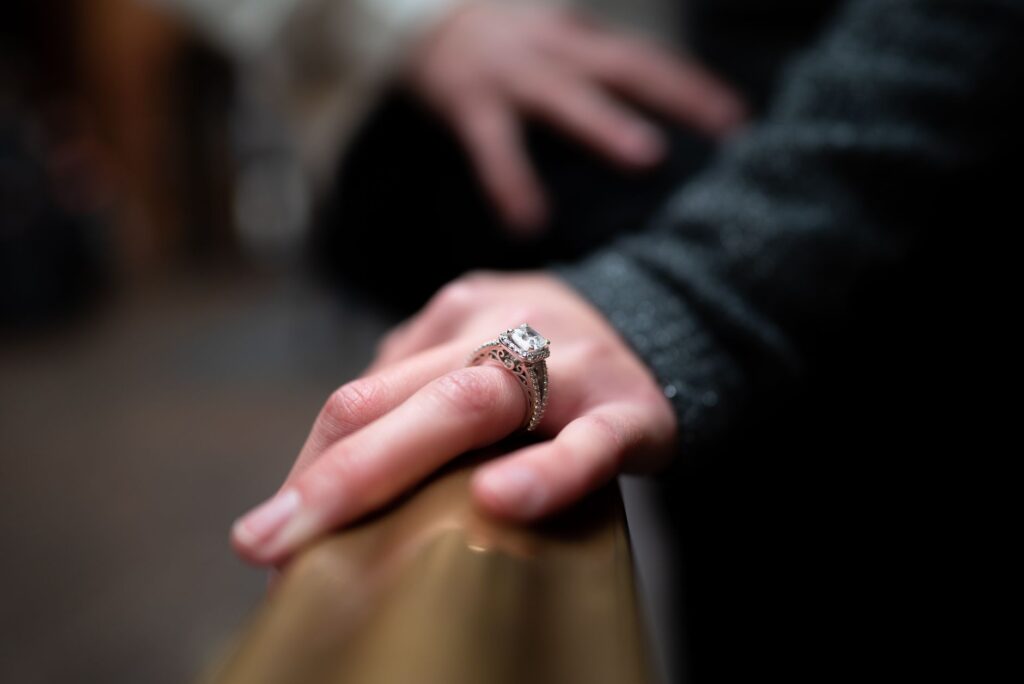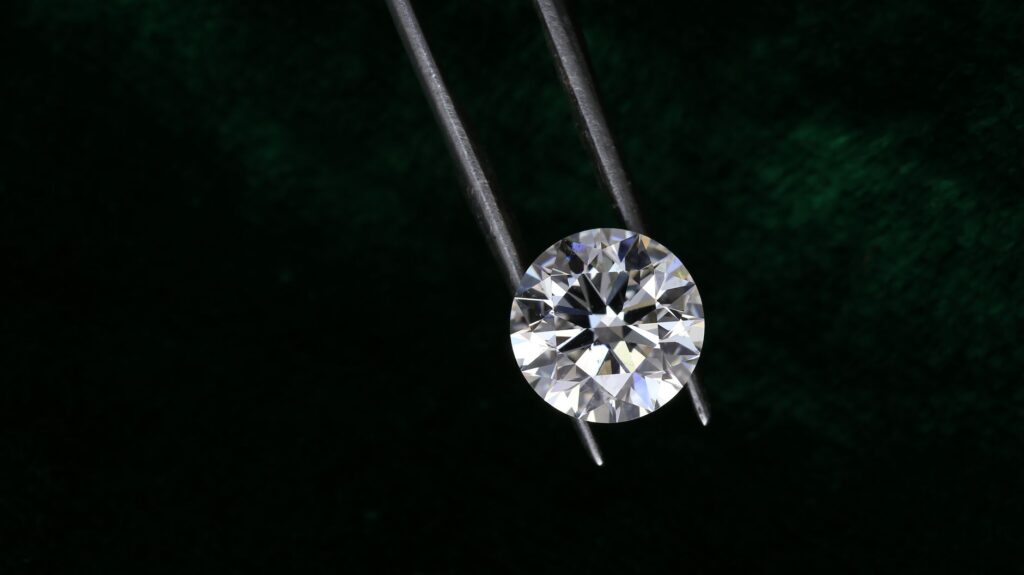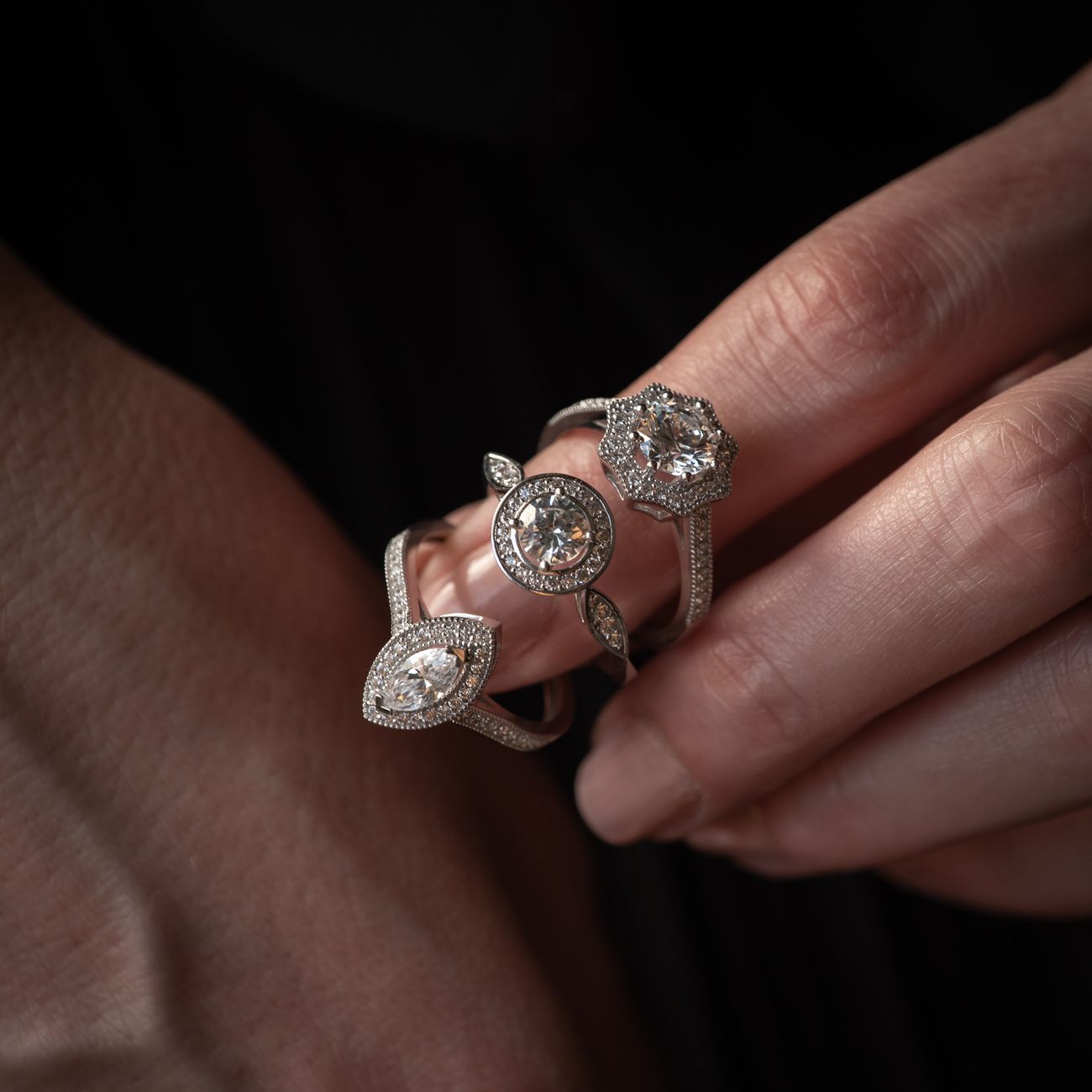
Vintage-inspired diamond designs have been getting noticeably more attention in recent years, especially among engagement ring shoppers who want something that feels distinctive without looking overly ornate. A big part of that interest comes from vintage diamond shapes making a comeback, as buyers move beyond the standard round brilliant and explore cuts that were especially popular in earlier eras of jewelry design.
This trend is not only about nostalgia. Many vintage diamond shapes offer a different visual experience, including a larger face-up appearance, softer sparkle patterns, and a more architectural look. For shoppers comparing natural and lab grown diamonds, these shapes can also be a practical way to prioritize size, style, or character, depending on the setting and budget.
Understanding why these shapes are returning requires more than just recognizing their names. It helps to know how they perform, what makes them look vintage, and what trade-offs come with their style. That is especially important if you are shopping for a ring that should feel both personal and wearable for years.
Quick Answer
Vintage diamond shapes are making a comeback because many buyers want rings that feel more individual, elegant, and design-driven than a standard modern round diamond. Shapes such as oval, cushion, emerald, marquise, asscher, pear, and radiant each bring a different balance of sparkle, finger coverage, and personality.
They are also benefiting from changes in buyer preferences. Today’s shoppers often want a ring that looks distinctive in photos, works well with a variety of settings, and reflects a more intentional design choice. At the same time, lab grown diamonds have made some of these shapes more accessible, especially in larger sizes and higher quality grades.
The best vintage-style shape depends on your priorities. If you want bright sparkle, radiant and cushion cuts are strong options. If you want a more refined antique feel, asscher and emerald cuts are often appealing. If you want maximum elongation on the finger, oval, pear, and marquise shapes stand out.
Why Vintage Diamond Shapes Are Back in Demand
Diamond shape trends tend to move in cycles. A shape that once felt old-fashioned can become fresh again when buyers start looking for alternatives to the most common styles. That is what has happened with many vintage-inspired shapes in both the natural and lab grown diamond markets.
Several forces are driving the comeback. First, buyers are more shape-conscious than they were a decade ago. Instead of asking only about carat weight and price, many now want to know how a diamond will look on the hand, how it will reflect light, and whether it matches a specific design aesthetic.
Second, vintage-inspired jewelry has become more visible through fashion, celebrity rings, and social media. That exposure has made older cuts feel less niche and more stylish. Third, lab grown diamonds have made larger and more distinctive shapes more attainable for everyday shoppers, which has expanded the market for these designs.
There is also a practical reason. Some vintage shapes offer strong visual impact for the price. A well-proportioned oval, marquise, or pear can face up larger than a round diamond of the same carat weight, which appeals to many buyers looking for presence without pushing size too high.
What Makes a Diamond Shape Feel Vintage?
“Vintage” does not always mean the diamond itself is old. In most cases, it refers to shapes, faceting styles, or proportions that were popular in earlier jewelry periods or that resemble antique designs. These shapes often have a softer, more distinctive appearance than modern, highly standardized round brilliants.
Several features can create a vintage look:
- Distinctive silhouettes, such as marquise, pear, or asscher
- Step-cut faceting, which creates broad flashes instead of intense glitter
- Rounded corners, often seen in cushion cuts
- Elongated forms, which were favored in many historical eras
- Symmetrical, geometric layouts that feel classic and architectural
It is important to separate shape from setting. A modern round diamond can be placed in an antique-style setting and look vintage overall. Likewise, a vintage shape in a sleek, minimal setting can appear more contemporary. Buyers often combine both approaches.
Most Popular Vintage Diamond Shapes Today
Some vintage-inspired shapes have become especially visible in engagement ring design. Each one has its own strengths, and none is automatically better than the others.
Oval
Oval diamonds are not antique in the strict historical sense, but they have become strongly associated with vintage-inspired styling. Their elongated shape flatters many hands and gives a graceful, soft appearance.
They tend to look larger than round diamonds of the same carat weight because they stretch farther across the finger. For many buyers, that face-up size is a major reason they are popular. The main trade-off is the possible bow tie effect, a dark area across the center that can appear in some ovals depending on proportions and light return.
Cushion
Cushion cuts are one of the clearest examples of a vintage shape making a comeback. Their rounded corners and pillow-like outline create a soft, romantic look that works especially well in both antique and modern settings.
There are different cushion styles. Some are more vintage-looking and have chunkier flashes of light, while others are cut more like modern brilliants and sparkle more intensely. Buyers should not assume all cushion cuts look the same, because facet pattern and proportions change the appearance significantly.
Emerald
Emerald cuts are known for their long, clean facets and elegant rectangular shape. Rather than producing a lot of glitter, they create broad flashes of light and a reflective, mirror-like effect.
This makes them feel refined and architectural. They are often chosen by buyers who want sophistication over maximum sparkle. Because step cuts are less forgiving, they also tend to show color and inclusions more easily than some brilliant cuts.
Asscher
Asscher cuts are a square variation of the emerald cut with cropped corners and a strong geometric look. They are closely associated with Art Deco design, which gives them a strong vintage identity.
Asschers are appealing for shoppers who want symmetry and structure. Like emerald cuts, they are step cuts, so they emphasize clarity and precision rather than intense sparkle. Their hall-of-mirrors effect can be beautiful, but only when the cut is well executed.
Pear
Pear-shaped diamonds combine rounded and pointed ends, creating a teardrop silhouette that feels elegant and distinctive. This shape has been used for many years and continues to appear in vintage-inspired and modern rings alike.
Pears can look very flattering on the hand because they elongate the finger. However, they also need balanced proportions to avoid looking too wide, too narrow, or lopsided. The pointed tip is more exposed than on some other shapes, so setting style matters for durability.
Marquise
Marquise diamonds have a long, narrow shape with pointed ends. They have a dramatic, old-world feel and can make a diamond look larger than its carat weight suggests.
This shape is especially strong in the vintage comeback conversation because it offers a look that is clearly different from modern mainstream styles. The main concerns are the pointed tips, which can be vulnerable, and the fact that poor proportions can make the stone appear too narrow or produce uneven light performance.
Radiant
Radiant cuts are a hybrid shape, combining a rectangular or square outline with brilliant-style faceting. They are not antique in the same way as asscher or emerald cuts, but they have become popular for buyers who want vintage influence with more sparkle.
Radiants work well for those who like a rectangular shape but do not want the more subdued look of a step cut. They often perform well in lab grown diamonds because shoppers can prioritize size and brightness without giving up too much budget on the shape itself.
Side-by-Side Comparison of Vintage-Inspired Shapes
The table below compares some of the most common vintage-inspired diamond shapes from a buyer’s perspective.
| Shape | Visual Style | Sparkle Type | Face-Up Size | Durability Notes | Best For |
|---|---|---|---|---|---|
| Oval | Soft, elegant, elongated | Bright brilliant sparkle | Looks large for its weight | Rounded edges are relatively practical | Buyers wanting elongation and versatility |
| Cushion | Romantic, soft, classic | Varies from chunky to lively sparkle | Moderate to strong, depending on cut | Rounded corners help with durability | Buyers wanting a softer antique feel |
| Emerald | Elegant, clean, architectural | Broad flashes of light | Usually shows size well | Step cuts may expose inclusions more clearly | Buyers who like understated sophistication |
| Asscher | Geometric, Art Deco, vintage | Mirror-like flashes | Can appear smaller face-up than brilliant cuts | Corners are protected when set well | Buyers drawn to symmetry and structure |
| Pear | Graceful, distinctive, elongated | Brilliant sparkle with directional variation | Often looks large for the weight | Pointed tip should be protected | Buyers wanting a feminine, elongated look |
| Marquise | Dramatic, regal, vintage-inspired | Brilliant sparkle with strong length | Maximizes spread | Points are vulnerable if not set securely | Buyers wanting maximum finger coverage |
| Radiant | Clean but lively, transitional | High sparkle from brilliant faceting | Generally strong visual presence | Cut corners improve practicality | Buyers wanting sparkle with a rectangular shape |
Appearance and Visual Performance
When buyers evaluate diamond shapes, they are usually reacting to three things at once: overall outline, light behavior, and how the stone looks on the hand. These factors matter just as much as carat weight, sometimes more.
Sparkle versus fire versus brilliance
Many people use “sparkle” as a general term, but in diamond education it helps to separate a few different effects. Brilliance refers to the white light a diamond returns. Fire means flashes of colored light. Scintillation describes the pattern of light and dark flashes as the diamond moves.
Brilliant-style cuts, such as oval, cushion, radiant, pear, and marquise, tend to create more sparkle because their faceting is designed to return light strongly. Step cuts, such as emerald and asscher, create larger flashes with less tiny glitter. That difference is one reason these shapes feel so different even when they share a similar outline.
The choice is not about better or worse. It is about whether you prefer a lively, high-contrast look or a more architectural, reflective one.
Face-up size and spread
Face-up size is how large the diamond appears when viewed from above. It can differ significantly from carat weight because shape affects how weight is distributed. A long diamond such as an oval or marquise often spreads more weight across the finger, which can make it look larger.
This matters to buyers who are trying to balance visual presence with budget. A 1.5 carat oval may appear larger than a 1.5 carat round, while an asscher cut may appear a bit smaller because more of its weight sits deeper in the stone.
If size perception is important, it is worth looking at measurements, not just carat weight. This is especially relevant when comparing natural and lab grown diamonds, where buyers often have more room to prioritize spread and shape at a given price point.
Finger appearance
Shape influences how a ring looks on the hand. Elongated shapes such as oval, pear, and marquise tend to lengthen the finger visually. Square or balanced shapes such as cushion and asscher often feel more compact and symmetrical.
Some buyers love the lengthening effect, while others prefer a centered, classic look. This is why trying on different shapes matters. A diamond that looks ideal in a photo may feel very different once it is on your hand.
Color visibility and clarity visibility
Step cuts generally reveal more about the diamond’s body color and internal features because their large, open facets do not hide much. That is why emerald and asscher cuts often benefit from higher clarity and color grades than some brilliant cuts, especially in larger stones.
Brilliant cuts can be more forgiving. Their faceting pattern produces more sparkle, which can help distract the eye from minor inclusions or slight color. This does not mean quality is less important, but it does affect how grades translate into visible performance.
Why proportions matter so much
With vintage-inspired shapes, small proportion differences can change the visual result a lot. Length-to-width ratio, depth percentage, table size, and corner shape all influence how the stone presents itself. That is why two diamonds with the same shape name can look noticeably different side by side.
For example, a slim oval can feel elegant and modern, while a wider oval may look softer and more traditional. A cushion with chunky facets can look vintage and romantic, while a more tightly faceted cushion can appear brighter and more modern. Shape labels do not tell the full story.
Advantages of Vintage Diamond Shapes
Vintage-inspired shapes appeal to buyers for several practical reasons, not just style preferences.
- Distinctive appearance. They stand out from the most common round brilliant engagement rings.
- Strong visual character. Each shape creates a different mood, from elegant to dramatic.
- Better perceived size in some cuts. Ovals, pears, and marquises can look larger than their carat weight.
- Potential for better budget allocation. Buyers may achieve a more distinctive look without moving into a much higher carat range.
- Flexibility in ring design. These shapes work well in solitaire, halo, three-stone, and antique-inspired settings.
- Strong style longevity. While trends shift, many vintage shapes have remained relevant for decades.
For many buyers, the biggest advantage is individuality. A shape that looks less common can make a ring feel more personal, even when the rest of the design is simple.
Disadvantages and Trade-Offs
Vintage diamond shapes also come with limitations, and buyers should understand them before making a decision.
- Cut quality is harder to judge. Some shapes, especially cushions and ovals, vary more widely in performance.
- Durability concerns. Pear and marquise tips can be more vulnerable to chipping if poorly protected.
- Inclusion and color visibility. Step cuts can reveal clarity and color more readily.
- Less standardized appearance. Two diamonds with the same shape and carat weight can look very different.
- Potential trend risk. Some highly popular styles may feel more fashion-driven over time.
The main point is that shape selection requires more visual review than a simple checklist. Buyers should compare photos, videos, and measurements carefully, especially if purchasing online.
How Vintage Shapes Compare to Round Brilliants
The round brilliant remains the benchmark for sparkle and consistency. It is the most optimized shape for light return and usually the easiest for buyers to understand because grading and proportion expectations are well established.
Vintage-inspired shapes differ in several important ways. They can be more distinctive and sometimes more flattering on the finger, but they may not deliver the same uniform brightness as a round. Some, like emerald and asscher, intentionally move away from the round brilliant’s sparkle pattern in favor of a cleaner, more elegant look.
| Feature | Vintage-Inspired Shapes | Round Brilliant |
|---|---|---|
| Sparkle style | Varies widely, from soft flashes to intense sparkle | Highly consistent, bright sparkle |
| Distinctiveness | Usually stronger | Very common |
| Face-up size | Often strong in elongated shapes | Moderate for the weight |
| Cut evaluation | Can be more shape-specific and nuanced | Usually easier to compare by standard metrics |
| Style versatility | Strong, but more personality-driven | Classic and broadly appealing |
If you want the most predictable light performance, round is still the safest option. If you want more personality or a specific vintage feel, one of the alternative shapes may be a better fit.
How These Shapes Perform in Lab Grown Diamonds
Vintage shapes are especially relevant in the lab grown market because buyers often use the lower price per carat to choose a more distinctive shape or a higher overall quality level. That can make shapes like oval, cushion, emerald, and radiant more accessible in larger sizes.
There is no inherent difference in shape behavior between lab grown and natural diamonds. A lab grown oval still behaves like an oval, and a lab grown emerald still behaves like an emerald. What changes is the budget flexibility, which can make it easier to prioritize cut quality, size, or setting design.
Some shoppers use that flexibility to choose a shape with stronger finger coverage, while others use it to select a higher clarity grade in a step cut. That said, the same buying discipline applies. A lower price does not remove the need to evaluate proportions, light performance, or certification.
For buyers comparing options, it is worth understanding broader topics such as diamond cut, diamond clarity, and diamond color before focusing too heavily on shape alone.
Important Buying Considerations
Shape is only one part of diamond selection. A beautiful outline can still disappoint if the proportions, clarity, or setting are not well matched.
Look at measurements, not just carat weight
Two diamonds with the same carat weight can look quite different in size. Length, width, and depth affect spread, and those measurements matter especially for elongated vintage shapes.
When comparing ovals, pears, marquises, and radiant cuts, ask how the stone measures face-up. This gives you a more realistic idea of how large it will appear on the hand.
Understand the bow tie effect
The bow tie effect is a dark band or shadow across the center of some elongated shapes, most commonly oval, pear, and marquise. It happens because the stone’s facets can create an area that does not return light evenly.
A small amount of contrast is normal, but a strong bow tie can reduce the visual appeal of the diamond. This is one reason why videos and high-quality images are helpful when shopping online.
Think about durability in daily wear
Not all shapes wear the same way. Pointed tips and corners are more exposed, which makes setting quality important. Protective prongs or bezels can help safeguard marquise and pear shapes, while rounded corners on cushion and oval shapes are generally more forgiving.
If the ring will be worn every day, especially during work or active routines, practicality should be part of the decision. A beautiful shape should also be comfortable and resilient enough for long-term wear.
Match the shape to the setting
Some shapes pair naturally with antique-inspired settings. Asscher and emerald cuts often look especially good in clean, structured mountings, while cushion and oval shapes may suit halo or solitaire designs. Pear and marquise diamonds can feel dramatic in east-west or north-south orientations depending on the look you want.
The setting does not just decorate the diamond. It influences appearance, protection, and how the shape reads from a distance.
Use the right clarity expectations
Step cuts often require more attention to clarity because their open facets show what is inside the stone more clearly. Brilliant shapes can be more forgiving, but that does not mean clarity can be ignored. It means buyers can sometimes balance quality grades more efficiently depending on the shape.
For step cuts, many buyers prefer eye-clean stones with well-controlled inclusions. This is a practical way to preserve the elegant open look without overpaying for unnecessary grades.
Consider length-to-width ratio
For oval, pear, marquise, and some radiant cuts, the length-to-width ratio has a major effect on style. A ratio that is too high can make the diamond look stretched, while a lower ratio can make it appear broad or compact.
There is no single perfect ratio. It depends on the look you want. Buyers who want a graceful and elongated appearance often prefer a higher ratio, while those who want a softer or more balanced look may prefer a slightly fuller shape.
Common Mistakes Buyers Make
Vintage-style shapes are attractive, but they can lead buyers into a few predictable mistakes if they are not careful.
- Choosing shape only by trend. A popular shape may not suit your hand, setting style, or daily lifestyle.
- Ignoring proportions. Especially in ovals, pears, and marquises, proportion changes the entire appearance.
- Assuming all vintage cuts sparkle the same. Step cuts and brilliant cuts perform very differently.
- Overlooking setting protection. Pointed tips need secure design choices.
- Focusing too much on carat weight. Spread and shape can matter more visually than weight alone.
- Skipping certification. A credible grading report matters for quality comparison, especially in lab grown diamonds.
These mistakes are easy to avoid when buyers compare several stones side by side rather than deciding from shape alone. A thoughtful comparison often reveals which shape actually suits the buyer’s taste and budget best.
Who Each Vintage Diamond Shape Is Best For
Different shapes appeal to different buyers. Thinking in terms of lifestyle and style preference is often more useful than trying to find a universal “best” shape.
Oval
Best for buyers who want a flattering elongated look, strong spread, and a versatile style that can feel both classic and current. Ovals are often a good fit for shoppers who want noticeable presence without a rigid or geometric look.
Cushion
Best for buyers who like softness, romantic styling, and a shape that can feel antique or modern depending on the cut and setting. Cushions are especially appealing if you want a shape with character but not sharp corners.
Emerald
Best for buyers who value clarity, elegance, and a more restrained visual effect. Emerald cuts suit people who appreciate clean design and do not need the highest level of sparkle.
Asscher
Best for buyers who like symmetry, Art Deco influence, and a square shape with strong vintage identity. Asschers often appeal to people who want a refined, somewhat formal appearance.
Pear
Best for buyers who want an elongated shape with a distinctive point and a graceful silhouette. Pears are especially good for people who like jewelry that feels less common and more expressive.
Marquise
Best for buyers who want dramatic finger coverage and a shape that immediately stands apart from standard engagement ring options. Marquise cuts suit confident, style-forward preferences and settings that protect the tips well.
Radiant
Best for buyers who want a rectangular shape but still want strong sparkle. Radiants are a practical compromise for shoppers who like some vintage influence without choosing a purely step-cut style.
Style Trends Versus Long-Term Appeal
Trend cycles matter, but they should not be the only factor in a diamond purchase. Some vintage-inspired shapes are currently experiencing a resurgence because they look different from the standard round solitaire and work well in modern editorial photography. That does not mean they will become outdated, but it does mean buyers should separate temporary popularity from lasting design value.
Shapes such as oval and cushion have proved especially resilient because they can adapt to many settings. Emerald and asscher cuts have a more niche appeal, but that can actually help them age well because their style is tied to established design traditions rather than short-lived trends.
For shoppers who want a ring with long-term appeal, the safest strategy is to choose a shape they genuinely like rather than the one that appears most often online. A vintage-inspired diamond should feel personal first and trend-aware second.
How to Shop Smart for Vintage-Inspired Shapes
When shopping for a vintage-style diamond, the best approach is to compare actual stones rather than relying on shape names alone. Two diamonds with the same label can look very different once proportions, faceting, and certification details are taken into account.
Here are a few practical steps that help:
- Review the diamond under multiple lighting conditions when possible.
- Check measurements, especially length-to-width ratio for elongated shapes.
- Ask whether the diamond is eye-clean at normal viewing distance.
- Consider how the shape will look in your chosen setting.
- Look at the certification report from a reputable lab.
- Compare the diamond’s face-up appearance, not just the number on the grading report.
That process is useful whether you are shopping for natural stones or lab grown diamonds. It is also a good reason to read a broader diamond buying guide before narrowing your shape choice.
Frequently Asked Questions
Are vintage diamond shapes actually old?
Not always. Some are historical cuts, while others are modern diamonds styled to resemble antique shapes. The term usually refers to the look and faceting style rather than the age of the diamond itself.
Do vintage shapes sparkle less than round diamonds?
Some do, and some do not. Brilliant-style vintage shapes like oval, cushion, pear, and radiant can sparkle very strongly. Step cuts like emerald and asscher sparkle differently, with broader flashes rather than intense glitter.
Which vintage shape looks biggest?
Elongated shapes such as marquise, oval, and pear often look largest for their carat weight because they spread across more surface area. However, exact dimensions and proportions matter more than shape name alone.
Are vintage-inspired shapes good for engagement rings?
Yes, many of them are excellent choices. The key is choosing a shape that fits your lifestyle, preferred look, and setting style. Some shapes are more durable and practical than others for daily wear.
Do lab grown diamonds look different in vintage shapes?
No, the shape itself behaves the same. The difference is mainly in price and budget flexibility. Lab grown diamonds may allow buyers to choose a larger or higher-quality vintage shape at a lower cost.
Which vintage shape is easiest to maintain?
Shapes with rounded edges, such as oval and cushion, are generally easier to live with than pointed shapes. Pear and marquise cuts need more attention to tip protection, especially in active daily wear.
Should I choose shape or cut quality first?
Both matter, but the answer depends on the shape. For shapes with strong light performance variation, such as oval and cushion, cut quality and proportions should be a major priority. For emerald and asscher cuts, precision and clarity are especially important because their style is less forgiving.
Is a vintage-inspired shape always more expensive?
Not necessarily. Pricing depends on shape, carat weight, cut quality, color, clarity, and market demand. Some vintage-inspired shapes can be more affordable than round brilliants, while others may command higher prices if they are especially well cut or in high demand.
Conclusion
Vintage diamond shapes are making a comeback because they offer something many buyers want right now: individuality, style, and a more intentional design language. Whether it is the elegance of an emerald cut, the softness of a cushion, the drama of a marquise, or the flattering spread of an oval, these shapes give shoppers more ways to express personal taste.
The best choice depends on how you want the diamond to look, how much sparkle you prefer, and how the ring will be worn every day. Elongated shapes can maximize finger coverage, step cuts can deliver a refined antique feel, and brilliant-style vintage cuts can balance personality with brightness.
For buyers comparing natural and lab grown diamonds, vintage-inspired shapes can be especially practical because the lower cost per carat may allow for better proportions, larger spread, or a more distinctive setting. The most important step is to compare actual stones carefully and choose a shape that fits both your style and your expectations for daily wear.