Diamond color is one of the easiest quality factors to misunderstand because the grading scale and the real-world appearance do not always line up. A diamond can have a technically better color grade and still look almost identical to a slightly lower grade once it is set in a ring. That is why How Diamond Cut Affects Color Appearance is such an important topic for buyers who want to balance beauty, value, and practicality.
Cut does more than influence sparkle. It also affects how much light enters the stone, how it bounces around inside, and how noticeable any natural body color becomes. In simple terms, a well-cut diamond can often look whiter than its grade suggests, while a poorly cut diamond can make color more noticeable than expected.
Quick answer: diamond cut can make a diamond appear whiter, warmer, or more or less colored depending on how efficiently it reflects light. Excellent cut often helps disguise faint color, especially in round diamonds, while shallow or deep cuts can make color easier to see. For most buyers, cut has a stronger impact on overall face-up beauty than small color differences within the near-colorless range.
Why Diamond Cut Changes Color Appearance
Diamond color is the natural body color of the stone, usually described on a grading scale from colorless to light yellow or brown. Cut does not change the diamond’s actual color grade. Instead, it changes how that color is perceived by the eye.
A well-cut diamond returns more light to the viewer. That brightness makes the stone look livelier and can reduce the visual impact of slight warmth. When light performance is weaker, more of the diamond’s internal body color may be visible, especially when the stone is viewed from the side or in less flattering lighting.
This is one reason shoppers sometimes see two diamonds with the same color grade look noticeably different. The grading report may match, but the cut quality can create a different visual result.
How Cut Influences What Your Eye Sees
The human eye does not judge diamond color in isolation. It reacts to brightness, contrast, and sparkle all at once. If a diamond is bright and lively, the eye tends to focus on the light return instead of subtle warmth.
If a diamond is dull, dark, or poorly proportioned, any body color becomes easier to notice. This is especially true in the center of the stone, where viewers often notice faint yellow or grayish tones more quickly.
Brightness can mask subtle color
Bright diamonds often look whiter because the eye reads them as more luminous. This is why an excellent-cut G color diamond can sometimes look very close to an E or F color diamond in everyday viewing. The improved light return helps reduce the visual importance of small grading differences.
Weak light return can make color more obvious
When a diamond does not return light well, it may appear darker or less lively. That reduced brightness can make warmth easier to spot. In practical terms, a poorly cut H color diamond may look less white than a well-cut G color diamond, even though the color grade is higher.
Facet pattern matters too
Cut quality is not only about proportions. Facet alignment and symmetry also affect how light moves through the stone. In round brilliant diamonds, ideal facet arrangement can help the diamond appear crisp and bright, which often makes faint color less noticeable. In shapes like oval, pear, or cushion, light behavior is more variable, so cut becomes even more important for color appearance.
Quick Guide: When Cut Makes Color Less Noticeable
| Situation | Effect on Color Appearance |
|---|---|
| Excellent or ideal cut | Color often looks less noticeable because brightness is stronger |
| Poor cut | Color can appear more visible because the diamond looks less lively |
| Round brilliant shape | Usually hides faint color better than many fancy shapes |
| Fancy shapes with large tables or shallow cuts | Color may be easier to see in some lighting |
| Large carat weight | Color is often easier to notice because the diamond has more body depth and visual surface area |
What Color Actually Looks Like in Real Life
Most buyers are not trying to identify a precise letter grade by eye. They want to know whether the diamond looks white, slightly warm, or obviously tinted. That is a more useful question.
In the higher color grades, diamonds usually appear icy or colorless when viewed face up. As you move lower on the scale, faint warmth can appear, especially toward the edges or when the diamond is compared side by side with a whiter stone. Cut influences how much of that warmth is visible.
Color is easiest to see in the wrong conditions
A diamond may look almost colorless in one lighting environment and noticeably warmer in another. Warm indoor lighting, direct side viewing, and comparison against very white materials can all make color more visible. Good cut helps, but it does not eliminate the natural body color of the stone.
Face-up view is not the whole story
Most consumers look at a diamond from the top, which is called the face-up view. This is the most important angle for judging everyday appearance. However, side views often show more color, especially in stones with lower color grades or weaker light performance.
That is why a diamond can look excellent in a ring and still show a little warmth when viewed from the side in strong daylight. This is normal and not necessarily a problem.
Colorless, Near-Colorless, and How Cut Changes the Look
Diamond color grades are usually grouped into categories rather than treated as equally spaced visual steps. The exact appearance depends on cut, shape, carat size, and setting. This matters because the same letter grade does not always look the same in different diamonds.
| Color Range | General Appearance | How Cut Affects It |
|---|---|---|
| D to F | Considered colorless | Cut still matters for brightness, but color differences are usually very subtle |
| G to J | Near-colorless | Well-cut stones can still appear white face up, especially in smaller sizes |
| K and below | Faint warmth becomes more noticeable | Cut can help reduce the visual impact, but it cannot fully hide stronger body color |
For many buyers, the most important decision is not whether a diamond is D or F. It is whether the diamond is well cut enough to look bright, balanced, and attractive in normal wear. That is especially true in lab grown diamonds, where color grades are often high and buyers may be deciding whether to pay extra for a small visual difference.
How Cut and Shape Work Together
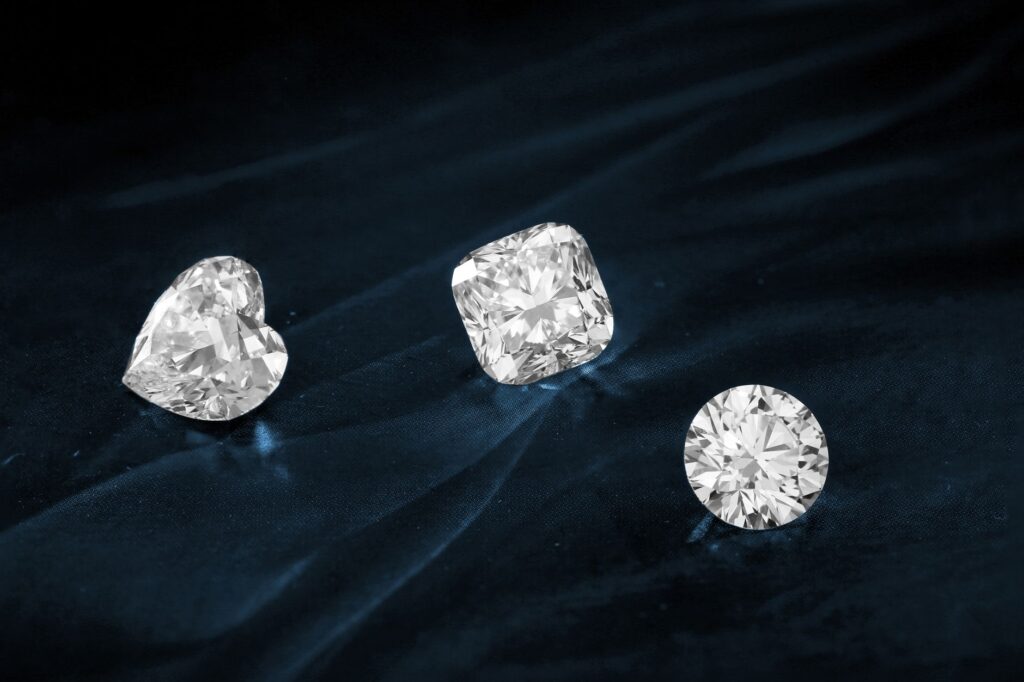
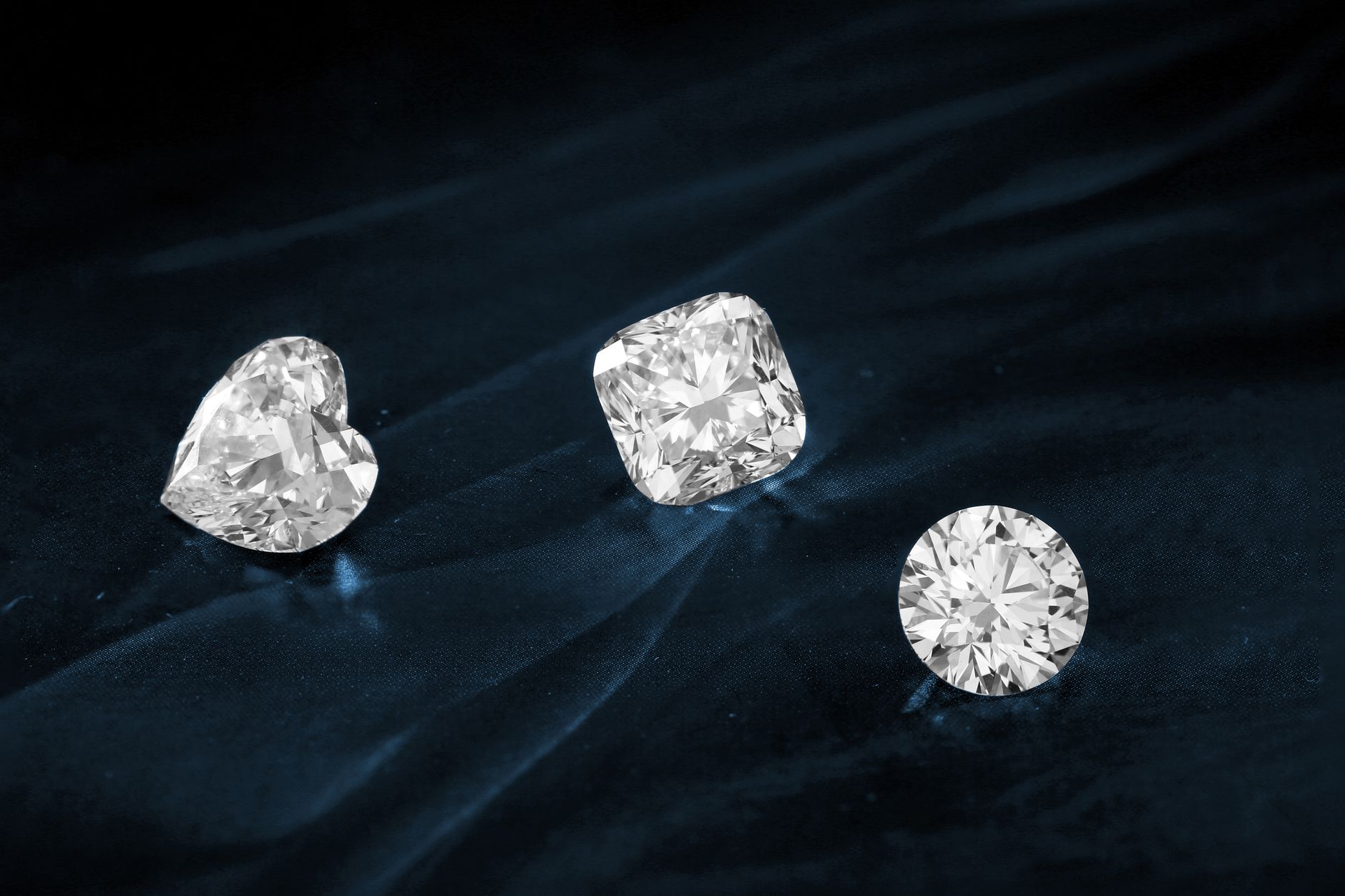
Cut does not affect every diamond shape in the same way. Round brilliant diamonds tend to be the most forgiving because their facet pattern is designed to maximize sparkle and brightness. Many fancy shapes, such as oval, pear, marquise, emerald, and cushion, can show color differently because their facet structures handle light in different ways.
This means two diamonds with the same color grade may not look equally white if they are different shapes. A well-cut round diamond may appear cleaner than a similarly graded oval or cushion diamond, especially in the near-colorless range.
Round brilliant diamonds
Round brilliants usually mask faint color more effectively than most other shapes. Their light return is typically stronger, so the eye focuses on brightness and scintillation rather than warmth. For buyers comparing color grades, this means cut quality can often allow a round diamond to face up whiter than expected.
Oval, pear, and marquise shapes
These elongated shapes can show color more readily in certain areas, particularly near the pointed ends or along the sides. A strong cut can help, but the shape itself may make slight warmth easier to notice than in a round diamond. Buyers should be careful about relying only on the color grade when comparing these shapes.
Cushion and emerald cuts
Cushion cuts can sometimes retain more visible warmth because of their larger facets and softer light return. Emerald cuts are a different case because they have a step-cut style that emphasizes clarity and transparency more than sparkle. In emerald cuts, color may be more visible because there is less brilliance to disguise it.
How Diamond Cut Affects Color in Different Metals
The ring metal changes how a diamond’s color is perceived. This is one of the most overlooked parts of color buying. A diamond that looks white in platinum may look slightly warmer in yellow gold, and cut can amplify or reduce that effect.
White gold and platinum
White metals tend to make color differences easier to judge because they do not add warmth around the stone. This can be helpful if you want the diamond to look crisp and bright. At the same time, a well-cut diamond often performs especially well in white metals because the overall look stays clean and luminous.
If the cut is weak, however, the diamond may appear less lively against a bright white setting. That can make lower color grades stand out more than they would in a warmer metal.
Yellow gold
Yellow gold can make near-colorless diamonds look whiter by contrast. The metal’s warmth can visually support the stone, making faint body color less noticeable. This is one reason buyers often feel comfortable choosing slightly lower color grades in yellow gold settings.
Cut still matters, though. A brilliant, well-proportioned diamond will usually look more balanced and attractive than a poorly cut stone, regardless of setting color.
Rose gold
Rose gold adds a soft warm tone that can blend with faint diamond warmth. Some buyers prefer this look because it makes near-colorless grades appear harmonious rather than stark. As with yellow gold, a well-cut diamond can look excellent here even if the color grade is not at the very top of the scale.
Lighting Conditions Can Change Color Perception
Diamond color is not fixed in the way a paint color is fixed. It changes with light source, angle, and surroundings. This is why a diamond may look beautiful in a showroom and slightly different at home.
Daylight
Natural daylight often reveals the most honest view of a diamond. It can make subtle color easier to notice, especially in larger stones or lower color grades. Excellent cut helps the diamond maintain brightness, which can reduce the visual impact of that color.
Indoor lighting
Indoor lighting varies widely. Cool white lighting can make diamonds seem cleaner and more colorless, while warm bulbs can bring out a soft yellow tone. A diamond with strong cut quality usually adapts better because it keeps its sparkle and brightness across different lighting types.
Jewelry store lighting
Store lighting is often designed to maximize sparkle. This can make many diamonds appear whiter and more brilliant than they may look in everyday settings. It is one reason buyers should not rely on one dramatic viewing environment when judging color.
Low light and warm light
In dim or warm lighting, a diamond with weaker cut may seem less bright and more colored. This is not necessarily a flaw in the diamond, but it does mean that color may become more visible when light performance drops. High cut quality helps keep the diamond attractive in these conditions.
Can Most People See the Difference?
For many diamonds, the answer is no, not easily. Color differences within the near-colorless range are often subtle in normal face-up viewing, especially once the diamond is mounted in a ring. Cut quality can make those differences even harder to spot.
In side-by-side comparisons, trained eyes may notice color distinctions more quickly. In everyday wear, most people are not comparing two diamonds under identical conditions, so the practical difference is often much smaller than the grading scale suggests.
Professional perception vs consumer perception
Gemologists, jewelers, and experienced buyers can notice subtle color differences more readily because they compare diamonds frequently. First-time buyers usually focus on overall beauty rather than grading nuance. That is why a better-cut diamond can be especially helpful for shoppers who care more about appearance than technical distinctions.
Viewing distance matters
At normal conversational distance, many color differences become less obvious. A diamond that looks slightly warmer under close inspection may still appear perfectly white from the distance at which people usually see a ring. Cut contributes to this by preserving the diamond’s brightness at a glance.
Side-by-side comparison is the most revealing test
Color differences are easiest to see when stones are placed next to each other against a neutral background. A slightly warmer diamond can suddenly look much more noticeable once it is compared with a higher-grade stone. If you are comparing stones in person, try to look at them both individually and side by side.
Price Premium vs Visual Benefit
One of the most important questions is whether paying more for a higher color grade is worth it. The answer depends on where you are in the color range and how strong the cut is.
In the colorless range, the visual difference between grades can be extremely small, while the price difference may still be significant. In the near-colorless range, a well-cut diamond can often look much whiter than buyers expect, which means the money spent on the highest color grade may not create a proportional visual benefit.
Diminishing returns are real
Each step up in color does not always create a noticeable improvement to the naked eye. The closer you get to the top of the scale, the smaller the visual change becomes. If the cut is already excellent, the money spent moving from, for example, F to D may have less practical impact than improving cut quality, carat weight, or setting style.
When the premium makes more sense
A higher color grade may be worthwhile if you want a very white appearance in a large diamond, a step-cut shape, or a platinum or white gold setting. It may also matter more if you are highly sensitive to subtle warmth or plan to compare the stone directly against top-color diamonds.
Lab Grown Diamonds and Color Appearance
Lab grown diamonds are especially relevant to this topic because they often achieve high color grades more frequently than many natural diamonds in comparable price ranges. That does not mean color no longer matters. It means buyers may have more room to evaluate whether the visual gain from a top color grade is worth the extra cost.
In lab grown diamonds, as in natural diamonds, cut still plays a major role in how white the stone appears. A well-cut lab grown diamond in a near-colorless grade can look very bright and attractive. In some cases, paying for the very highest color grade may produce only a subtle visual upgrade.
Why high color grades are common in lab grown diamonds
Lab growth environments can be controlled more closely than natural formation conditions. This often allows manufacturers to produce diamonds with less body color. As a result, many lab grown diamonds are available in D, E, and F color grades, making the question of whether the upgrade is visible even more important for buyers.
Does color behave differently in lab grown diamonds?
The visual behavior of color is fundamentally the same. Light return, shape, cut quality, and setting all affect appearance the same way they do in natural diamonds. The difference is mainly in market availability and pricing, not in the optical principles themselves.
Should lab grown buyers pay extra for top color?
Sometimes yes, but not always. If the diamond is already well cut and the buyer wants a crisp, icy look in a white metal, a top color grade can be appealing. If the diamond will be set in yellow or rose gold, or if the size is modest, a slightly lower color grade may look just as attractive in normal viewing.
Who Should Upgrade Color?
Some buyers will genuinely benefit from spending more on color, especially when cut is already strong and the rest of the diamond is large enough for subtle differences to be visible.
Consider a higher color grade if you:
- Want the whitest possible appearance in face-up view
- Are choosing a larger diamond where color is easier to notice
- Are buying a step-cut shape, such as emerald cut
- Plan to use platinum or white gold and prefer a very crisp look
- Enjoy comparing diamonds closely and care about fine color distinctions
A higher color grade may also make sense when:
The diamond cut is already excellent, the shape is less forgiving, and the stone will be seen frequently in bright or neutral lighting. In those situations, the extra cost can produce a visible benefit rather than just a paper upgrade.
Who Can Save Money on Color?
Plenty of buyers can choose a lower color grade without sacrificing beauty. In fact, they may get a better overall diamond by prioritizing cut and choosing a color grade that still looks white in the setting they want.
You may be able to save if you:
- Are choosing a round brilliant with excellent cut
- Plan to set the diamond in yellow or rose gold
- Prefer a ring that looks bright rather than technically top graded
- Want better value and are comfortable with a slight warmth that is not obvious face up
- Are shopping for a lab grown diamond where top color grades are common and expensive relative to visible gain
For many buyers, the smartest strategy is to choose the best cut you can afford and then evaluate whether the color grade still looks white in the intended setting. That approach usually produces a more attractive everyday result than simply chasing the highest grade on the report.
Common Buyer Mistakes
Color buying becomes much easier once you avoid a few common mistakes. These errors are usually about relying too heavily on the grading report and not enough on visual appearance.
Overpaying for invisible upgrades
One of the most common mistakes is paying extra for a color grade that does not create a noticeable difference once the diamond is mounted. This is especially easy to do in lab grown diamonds, where many stones already fall within high color ranges.
Ignoring cut quality
A poorly cut diamond can make color more visible than expected. Buyers sometimes focus on color alone and miss the fact that cut has a bigger effect on overall beauty. In many cases, better cut is the more meaningful upgrade.
Assuming every diamond of the same grade looks the same
Two diamonds with the same color grade can look different because of cut, shape, carat, fluorescence, and setting. The grading letter is only part of the picture. This is why in-person viewing, when possible, is so useful.
Choosing color without considering metal choice
A diamond in yellow gold does not need the same color strategy as a diamond in platinum. Metal choice changes how the diamond appears. Ignoring that relationship can lead to unnecessary spending on a higher grade.
Expecting the report to tell the whole story
Diamond grading reports are essential, but they do not show the full visual effect. A report tells you the grade. It does not tell you how strongly cut quality may help hide color or how the diamond will look in your chosen ring.
How to Evaluate Color More Effectively
There are a few practical ways to judge whether a diamond’s color is likely to bother you. The goal is not to become a gemologist. The goal is to make a confident decision based on visible results.
View the diamond face up first
Start with the top view, since that is how the stone will usually be seen in a ring. If the diamond looks white and balanced from this angle, minor side color may not matter much in daily wear.
Check it in different lighting
If possible, look at the diamond in both bright neutral light and warmer indoor light. This gives a better sense of how cut and color interact. A diamond that remains bright across lighting conditions is usually the better visual performer.
Compare against a reference stone
Color is much easier to judge when compared with another diamond of a known grade. Even a subtle difference can become clear when two stones are placed side by side. This can help you decide whether a higher color grade is visually worth the extra cost.
Pay attention to the setting color
The same stone can look different in platinum versus yellow gold. If you already know the ring metal, evaluate the diamond with that context in mind. This is especially important for buyers trying to decide between near-colorless grades.
Why Cut Can Matter More Than Color for Overall Beauty
Color is important, but it is only one part of the diamond’s appearance. Cut affects brightness, fire, contrast, and how lively the diamond looks from a normal viewing distance. Because the eye is drawn to sparkle and light return first, a strong cut can often make a diamond look better overall even if the color grade is not the highest.
This does not mean color never matters. It means that once a diamond is in a visually acceptable color range, further improvement may be less noticeable than improving cut. That is especially relevant for buyers trying to stay within budget.
Practical Buying Takeaways
If you want a simple way to think about how cut affects color appearance, use this framework: better cut usually makes a diamond look brighter and whiter, while weaker cut can make body color easier to notice. That effect is strongest when the color grade is already in the near-colorless range and the diamond is viewed in normal everyday conditions.
In practice, many buyers do well by prioritizing cut first, then choosing a color grade that looks white in the intended metal and setting. For round brilliant diamonds, this often means you do not need to pay for the highest color grade to get a beautiful result. For step cuts and larger stones, color may deserve more attention because warmth is easier to see.
Frequently Asked Questions
Does a better cut make a diamond colorless?
No. A better cut does not change the actual color grade. It only changes how visible that color is to the eye. A well-cut diamond can appear whiter, but it cannot turn a tinted diamond into a truly colorless one.
Why do two diamonds with the same color grade look different?
Cut quality, shape, carat size, setting, and lighting all affect appearance. A bright, well-cut diamond may look whiter than a duller stone with the same grade because the eye is drawn to light return more than to subtle body color.
Is color easier to see in larger diamonds?
Usually yes. As diamonds get larger, subtle color becomes easier to notice because there is more surface area and more depth through the stone. That is one reason cut and color need closer attention in larger stones.
Do round diamonds hide color better than fancy shapes?
In many cases, yes. Round brilliant diamonds typically return more light and can make faint color less noticeable. Some fancy shapes can still look excellent, but they may show warmth more easily depending on cut style and proportions.
Should I choose a higher color grade for a lab grown diamond?
Only if you will notice and value the visual difference. Lab grown diamonds often already offer high color grades at accessible prices, so the premium for the highest grade may not always provide a meaningful everyday benefit. Cut and setting often matter just as much.
Does yellow gold make diamond color less important?
It often makes near-colorless grades easier to live with because the metal’s warmth supports the stone visually. That does not eliminate color, but it can reduce the need to pay for the highest grade.
Can fluorescence affect how white a diamond looks?
It can, depending on strength and viewing conditions. Fluorescence can sometimes make a diamond appear slightly whiter in daylight, but it can also create visual effects that buyers may or may not prefer. It is best considered alongside cut and color rather than in isolation.
What is the best overall strategy for balancing cut and color?
For most buyers, the best strategy is to choose an excellent or very good cut, then select a color grade that still looks white in the intended setting. That approach usually gives the best balance of appearance and value without overpaying for subtle differences.
Conclusion
How Diamond Cut Affects Color Appearance is one of the most practical ideas in diamond buying because it explains why grading letters do not always match what your eye sees. A strong cut can make a diamond look brighter, livelier, and often whiter, while a weak cut can make color more noticeable than expected. This is true for both natural and lab grown diamonds.
For most buyers, the key lesson is simple. Do not judge color in isolation. Look at the diamond’s cut quality, shape, size, metal setting, and lighting conditions together. If you focus on visible beauty rather than the highest possible grade, you are more likely to choose a diamond that looks attractive in everyday wear and offers better value.