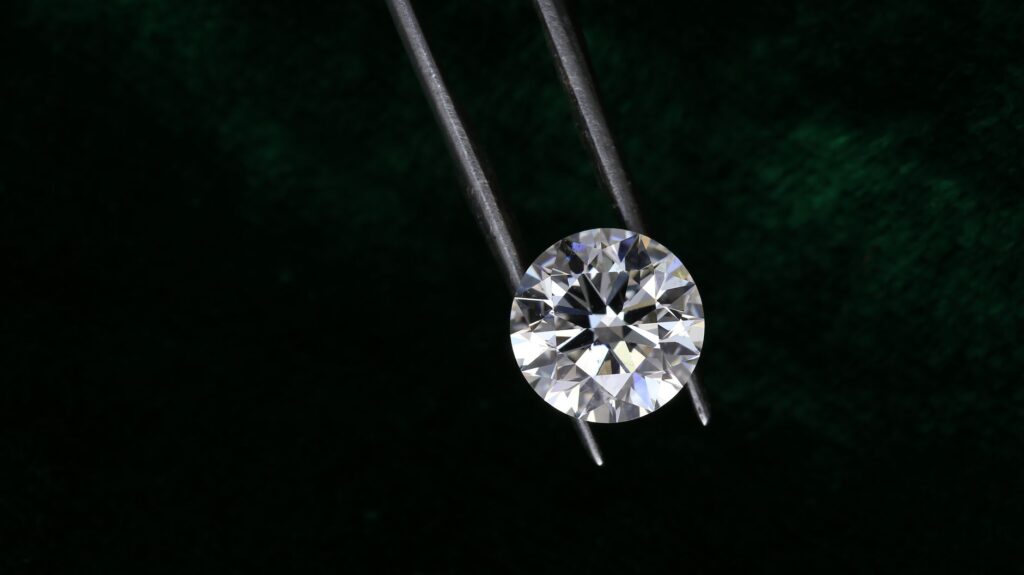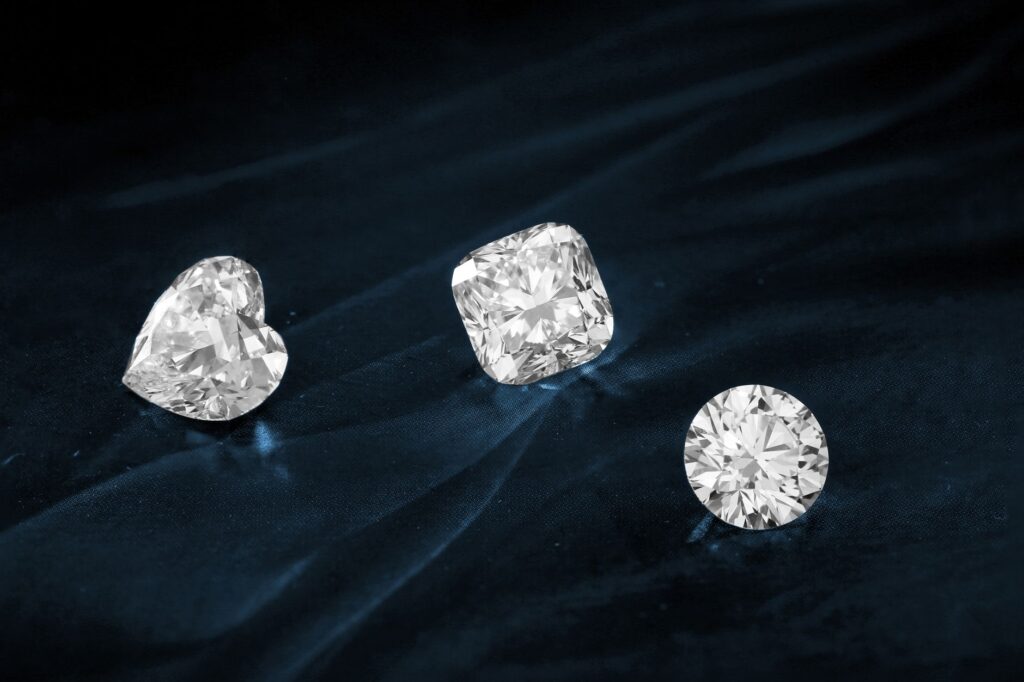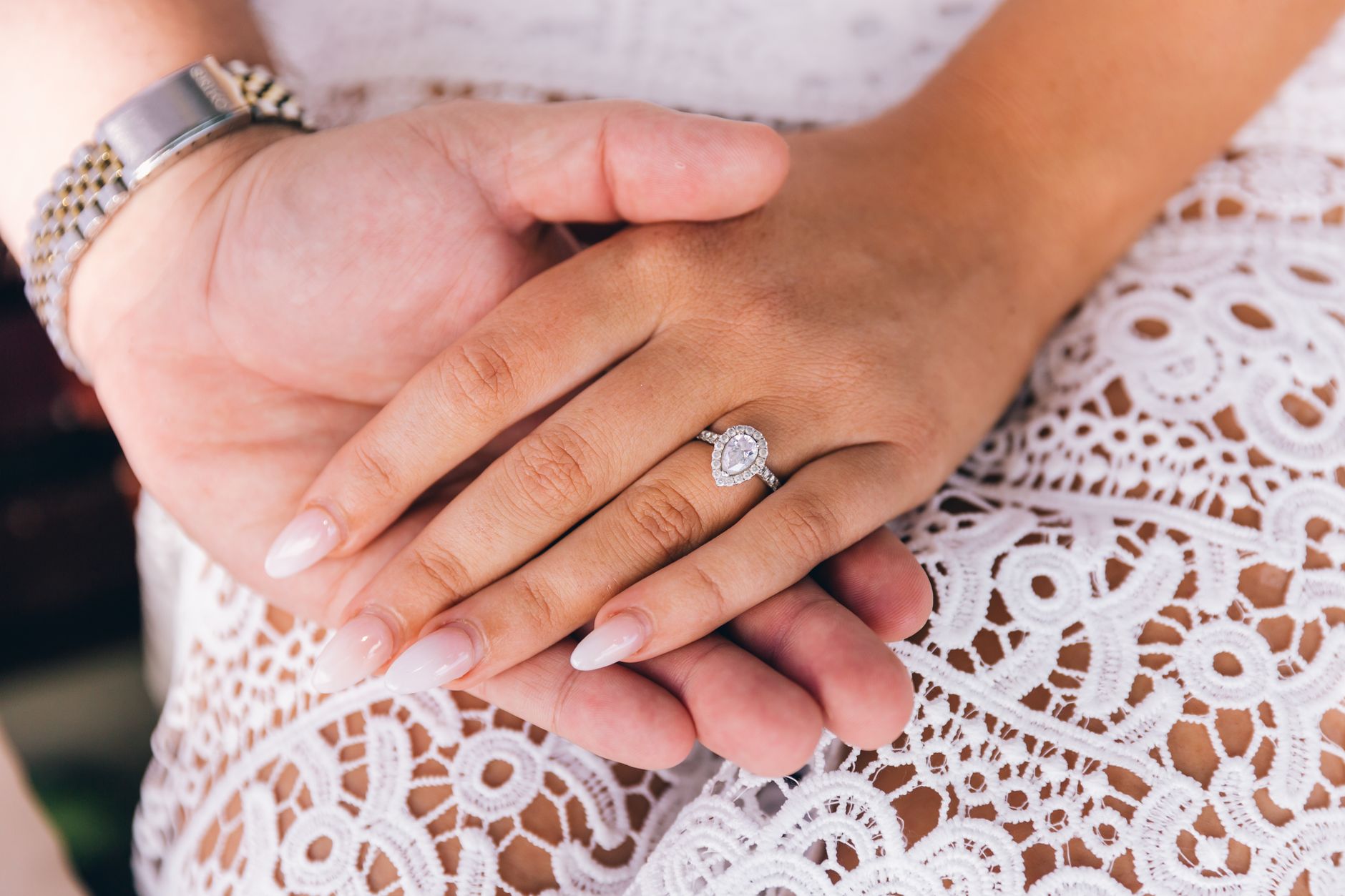
When shoppers ask about the Best Length to Width Ratio for Pear Diamonds, they are usually trying to answer a simpler question: what makes a pear diamond look balanced, elegant, and flattering on the hand? The answer depends on personal preference, but there are clear proportion ranges that tend to look best for most buyers. Length to width ratio affects how elongated the stone appears, how pointed or rounded the ends feel, and whether the diamond looks slim, classic, or fuller in shape.
Pear diamonds are popular because they combine the sparkle of a brilliant cut with a distinctive teardrop outline. They can look graceful in engagement rings, pendants, and earrings, and they often appear larger than some other shapes of the same carat weight. That said, pear diamonds are also more sensitive to proportion issues than round diamonds, so the ratio matters more than many first-time buyers expect.
This guide explains how length to width ratio works, what range is most commonly considered attractive, how the ratio affects appearance and performance, and how to evaluate a pear diamond beyond just the number on a grading report. It also covers practical buying considerations, common mistakes, and how pear diamonds compare with other shapes in real-world use.
Quick Answer
The best length to width ratio for pear diamonds is usually considered to be 1.45 to 1.60 for a balanced, traditional look. Many buyers find 1.50 to 1.55 especially appealing because it offers a pleasing teardrop shape without looking too long or too round.
That said, there is no single perfect ratio for every buyer. A lower ratio, such as 1.40, produces a fuller and slightly rounder pear. A higher ratio, such as 1.65 or above, creates a longer, slimmer look that can make the finger appear more elongated. The right choice depends on the ring style, finger shape, and personal taste.
What Length to Width Ratio Means
Length to width ratio compares the diamond’s length from point to end with its widest measurement across the middle. It is usually written as a decimal number, such as 1.50 or 1.60. A ratio of 1.50 means the diamond is 1.5 times longer than it is wide.
This measurement matters because pear diamonds are shaped diamonds, not round stones. With round diamonds, symmetry is mostly judged by cut quality. With pear diamonds, the proportions strongly influence how attractive the shape looks and how well it fits a ring design.
It is important to note that two pear diamonds with the same ratio can still look different. The outline, depth, girdle thickness, and placement of the shoulders near the rounded end all influence the final appearance. In other words, the ratio is a useful guide, but it is not the whole story.
Why Ratio Matters So Much in Pear Diamonds
Pear diamonds are visually directional stones. They have a pointed end and a rounded end, so the eye immediately notices the outline. If the ratio is too low, the stone can look chubby or squat. If it is too high, the stone may look overly narrow or stretched.
Because the shape is so recognizable, buyers often react more strongly to proportion differences in a pear than they would with a round or oval diamond. Small changes in ratio can change the feel of the entire ring. This is why shoppers comparing pear diamonds should think about both measurements and visual balance.
The ratio also influences how the diamond covers the finger. A longer pear can create a more elegant line down the hand, while a wider pear may look more substantial and delicate at the same time. Neither is automatically better, but each creates a different style effect.
Common Length to Width Ratio Ranges for Pear Diamonds
While personal taste always matters, certain ranges are commonly associated with specific looks. The table below gives a practical overview.
| Length to Width Ratio | Visual Effect | Best For |
|---|---|---|
| 1.35 to 1.44 | Shorter, fuller, more rounded pear | Buyers who want a softer, less elongated look |
| 1.45 to 1.49 | Balanced, slightly compact teardrop | Those who want classic proportions with a fuller presence |
| 1.50 to 1.55 | Most traditional and widely favored look | Buyers seeking a versatile, elegant pear shape |
| 1.56 to 1.65 | Longer, slimmer, more elongated pear | Those who want a graceful finger-lengthening effect |
| 1.66 and above | Very long and narrow appearance | Buyers who specifically prefer a dramatic elongated shape |
Most shoppers end up choosing somewhere between 1.45 and 1.60. That range tends to look natural in a wide variety of ring settings and hand shapes. It also aligns with what many people think of when they imagine a pear diamond.
What Makes a Pear Diamond Look Good?
The best-looking pear diamonds usually combine a pleasing ratio with good symmetry and a balanced outline. The point should be centered, the rounded end should have a smooth curve, and the two sides should mirror each other reasonably well.
Several factors influence how good a pear diamond looks face up, meaning from the top view when worn:
- Length to width ratio, which controls the overall shape.
- Symmetry, which affects whether the diamond looks balanced.
- Bow tie effect, a darker area across the center that can appear in many fancy shapes.
- Faceting pattern, which influences sparkle and patterning.
- Proportions, including depth and table size, which affect spread and brilliance.
A diamond can have an attractive ratio but still look awkward if the point is off-center or one side is noticeably wider than the other. Likewise, a stone with a slightly less common ratio can still look beautiful if the outline is well executed.
Symmetry and Shape Balance
In a pear diamond, symmetry matters because the shape has a clear axis. The rounded end and pointed end should feel naturally connected. If the diamond is lopsided, the eye notices it quickly.
High symmetry does not guarantee beauty, but poor symmetry can make the stone feel visually unsettled. Buyers looking at graded diamonds should pay attention to symmetry notes, photos, and videos when available, not just the ratio on paper.
The Bow Tie Effect
The bow tie effect is a darker area that can appear across the center of a pear diamond due to how light travels through the faceting pattern. A mild bow tie is common and not necessarily a problem. A very dark or obvious bow tie can make the stone look less lively in the center.
Shape proportions can influence how noticeable the bow tie is, but they do not determine it alone. Two pears with the same ratio may show very different results depending on the depth, cut style, and overall proportions. This is why viewing images or video is so important when choosing a pear diamond online.
Face-Up Size
Pear diamonds often face up larger than round diamonds of the same carat weight because their elongated shape spreads weight across more visible surface area. This can make them appealing to buyers who want a larger-looking stone without moving up significantly in carat weight.
However, very deep pears can hide weight below the girdle, which reduces face-up size. A well-proportioned pear with a favorable ratio often appears more efficient in how it uses carat weight than a poorly cut one.
Appearance: How Ratio Changes the Look
The ratio changes the entire personality of a pear diamond. At the lower end of the range, the stone looks shorter and fuller. At the higher end, it looks more slender and refined.
A shorter pear can feel a little more vintage or soft. A longer pear often looks more modern and elegant, especially in solitaire settings. The right choice depends on whether you want the ring to make a bolder shape statement or a more subtle one.
Finger shape also plays a role. On shorter fingers, a longer pear can create a lengthening effect. On longer fingers, a slightly fuller pear can prevent the stone from looking too narrow or stretched out.
How Setting Style Affects Perception
The same pear diamond can look different depending on the setting. A simple solitaire usually makes the shape and ratio stand out clearly. A halo setting can make the diamond look larger and sometimes visually shorten or soften the outline, depending on the design.
East-west settings, bezel settings, and three-stone designs can also change the visual balance. Because of this, buyers should think about the ratio in the context of the full ring, not just the loose stone.
Advantages of Pear Diamonds with a Good Ratio
Pear diamonds offer several advantages when the proportions are well chosen. The combination of brilliance, shape, and finger coverage makes them a versatile choice for many buyers.
- Elegant silhouette: The teardrop outline looks graceful and distinctive.
- Finger-lengthening effect: Longer ratios can make the finger appear slimmer and longer.
- Strong face-up presence: Pear diamonds often look large for their carat weight.
- Style flexibility: They work in modern, classic, and vintage-inspired settings.
- Distinctive appearance: They stand out without being as unconventional as some other fancy shapes.
For many buyers, the shape feels a little more personal than a round diamond, while still being recognizable and timeless enough for everyday wear. The ratio is part of what gives the stone that polished look.
Disadvantages and Trade-Offs
Pear diamonds are not the easiest shape to buy, especially if you are shopping online and comparing multiple stones. The ratio can look good on paper while the real diamond still has issues with symmetry or light performance.
- Bow tie risk: Many pears show some level of dark center area.
- Point vulnerability: The pointed end can chip more easily than rounded edges if left unprotected.
- Shape sensitivity: Small proportion differences can noticeably change the look.
- Greater variation: Two diamonds with the same ratio can appear quite different.
Because of these trade-offs, buyers should avoid relying on the ratio alone. A well-balanced pear with attractive sparkle is usually more important than chasing a specific decimal number.
Best Length to Width Ratio for Different Buyer Goals
The ideal ratio depends on what you want the diamond to do visually. Different ratios solve different style goals.
If You Want a Classic Pear Shape
Look for a ratio around 1.50 to 1.55. This range is often the most balanced and familiar. It gives the stone a recognizable teardrop outline without pushing the shape too far in either direction.
If You Want a Fuller, Softer Look
Choose something closer to 1.40 to 1.48. These pears tend to look a little wider and less stretched. They can be attractive in more compact ring designs and may suit buyers who prefer a softer outline.
If You Want a More Elongated, Elegant Look
Consider a ratio of 1.56 to 1.65. This creates a slim, graceful shape that can look especially flattering on the hand. It is a common choice for buyers who want a more dramatic finger-lengthening effect.
If You Want the Diamond to Look Bigger Face Up
Ratio helps, but it should be paired with shallow-to-moderate depth and a good spread. A pear that is too deep may look smaller than expected for its carat weight, even if the ratio is attractive.
How Pear Diamonds Compare to Other Popular Shapes
Understanding the ratio is easier when you compare pear diamonds with other shapes. Each shape has a different visual character and practical use in jewelry.
| Shape | Visual Character | Ratio Importance | Key Buying Consideration |
|---|---|---|---|
| Pear | Teardrop, elegant, directional | Very important | Symmetry and bow tie control |
| Oval | Soft, elongated, symmetrical | Important | Bow tie and overall spread |
| Round | Classic, balanced, highly sparkly | Not used the same way | Cut quality is the main focus |
| Cushion | Soft corners, pillow-like | Less central | Facet style and shape outline |
| Marquise | Very elongated, pointed ends | Very important | Tip protection and symmetry |
Pear diamonds often appeal to buyers who like the elongated elegance of an oval but want a more distinctive silhouette. Compared with a marquise, a pear generally feels softer and more balanced because only one end is pointed.
Pear vs Oval
Oval diamonds are symmetrical and usually easier to evaluate visually because both ends are rounded. Pear diamonds have more personality, but that pointed end introduces more proportion sensitivity. If you want a shape that feels slightly less common and more expressive, a pear may be the better choice.
Oval diamonds can sometimes appear a little more uniform across the center, while pears can show a more noticeable bow tie depending on the cut. This makes careful viewing especially important for pear buyers.
Pear vs Round
Round diamonds are the easiest shape to evaluate for sparkle and cut consistency. Pear diamonds offer more character and often better visual spread for their carat weight, but they require more judgment calls. If you want the safest and most standardized choice, round is simpler. If you want a distinctive silhouette, pear is more interesting.
Pear vs Marquise
Marquise diamonds are longer and more dramatic, but their two pointed ends can be less forgiving in daily wear. Pear diamonds retain elongation while reducing some of that sharpness. For many buyers, pear feels like a more versatile and softer alternative to marquise.
Lab Grown Pear Diamonds and Length to Width Ratio
Lab grown diamonds have made pear shapes more accessible, especially for buyers who want a larger carat size or a higher color grade within a given budget. The ratio issue is the same whether the stone is lab grown or natural. Shape, symmetry, and optical performance still matter in the same way.
One practical advantage of lab grown diamonds is that shoppers may have more flexibility to compare multiple pear diamonds side by side. That can make it easier to find a ratio and outline that looks right. It can also be easier to prioritize visual quality, such as avoiding a strong bow tie or choosing a better color grade.
Still, buyers should remember that lab grown diamonds have their own market considerations, including resale value and long-term pricing trends. If you are comparing lab grown and natural stones, use the same proportion standards for both. The shape criteria do not change.
Important Buying Considerations Beyond Ratio
Length to width ratio is only one part of choosing a pear diamond. The best purchase is usually the one that balances ratio with appearance, durability, and budget.
1. View Photos or Videos Whenever Possible
A grading report can tell you the measurements, but it cannot show how the stone performs in light. Videos and high-resolution images help you judge whether the pear looks balanced and whether the bow tie is distracting.
Two stones with identical ratios can look very different in real life. Online shoppers should not assume the ratio alone guarantees a beautiful shape.
2. Check the Point and the Rounded End
The point should be well defined but not fragile-looking. The rounded end should have a smooth, even curve rather than appearing flat or irregular. These details influence how polished the stone looks in a setting.
It is also worth checking whether the point is centered. A pear that leans to one side can look uneven even if the ratio is technically ideal.
3. Pay Attention to Depth and Spread
Depth affects how much of the diamond is hidden below the surface. A deep pear may carry weight that does not help its face-up size. A shallower pear can look larger, but if it is too shallow, light performance may suffer.
The ratio should be considered alongside depth and table size, not in isolation. These proportion choices shape how the diamond presents itself once mounted.
4. Think About Color and Clarity Visibility
Pear diamonds, especially in longer ratios, can sometimes show color more clearly near the pointed end or along the edges. Clarity inclusions can also be more noticeable in areas where light return is less even.
For this reason, many buyers prioritize a solid cut appearance and then adjust color and clarity based on the stone’s size and setting. If you are considering a lab grown pear, this is especially useful because you may be able to choose a higher color or clarity within budget.
5. Choose a Protective Setting
The pointed end of a pear diamond is more exposed than rounded edges on many other shapes. Settings with a protective prong or bezel-style support can help reduce the risk of chipping during everyday wear.
This matters even more for engagement rings, where the diamond is worn daily. A beautiful ratio is not worth much if the setting fails to protect the point properly.
Common Mistakes Buyers Make
Buying a pear diamond can be straightforward if you know what to look for, but several common mistakes lead to disappointment.
- Focusing only on ratio: A good number does not guarantee a good-looking diamond.
- Ignoring bow tie presence: A strong dark center can reduce visual appeal.
- Overlooking symmetry: A slightly off-center point can make the diamond look uneven.
- Choosing based on carat weight alone: Carat does not always equal face-up size.
- Not considering the setting: The right setting can improve both appearance and durability.
- Forgetting daily wear: Pear tips need protection, especially in rings worn every day.
Another frequent mistake is assuming that a pear diamond should always be as long as possible. In reality, many of the most attractive pears have moderate ratios that feel balanced and wearable, not extreme.
How the Best Ratio Affects Sparkle and Visual Performance
Ratio does not directly determine sparkle in the way cut quality does, but it influences how sparkle is distributed across the stone. A well-proportioned pear often shows bright light return across most of the face with a pleasing pattern of flashes.
When the proportions are off, sparkle can appear uneven. A very deep stone may look darker in the center, while a very shallow one may look flashy but less vibrant. This is why a balanced ratio often goes hand in hand with better visual performance, though it is not the only factor.
Pear diamonds are typically brilliant-cut stones, which means they are designed to reflect light with strong sparkle. That sparkle tends to be more dynamic than in step-cut shapes like emeralds, which have broader, mirror-like reflections instead of many small flashes.
Ratio, Finger Shape, and Ring Design
One reason the “best” length to width ratio is not universal is that hands and ring styles vary. A pear diamond that looks perfect on one person may seem too narrow or too short on another.
For shorter fingers, a longer pear can create a lengthening effect. For wider fingers, a slightly fuller pear may provide more visual balance. Ring width also matters because a thin band can make the diamond look larger and more elongated, while a wider band can make the shape feel more compact.
If you are considering a three-stone ring, side stones can change how long or wide the center pear appears. The same applies to halos, pavé bands, and bezel settings. Proportion is always partly a matter of context.
Current Style Trends in Pear Diamonds
Pear diamonds remain popular because they are distinctive without being overly experimental. Recent style preferences have leaned toward elongated fancy shapes, but many buyers still prefer ratios that stay within a traditional range rather than moving to extremes.
In current engagement ring design, pears are often used in solitaire settings, east-west settings, and mixed-shape vintage-inspired rings. Elongated pears can create a more fashion-forward look, while moderately balanced pears continue to feel timeless.
For long-term appeal, many buyers choose ratios that are visually elegant but not too trend-driven. That is one reason the 1.50 to 1.55 range remains so widely discussed.
Practical Examples of Choosing a Ratio
Imagine two pear diamonds with the same carat weight. One has a 1.42 ratio and the other a 1.62 ratio. The 1.42 stone may appear fuller and more compact, which can suit a smaller hand or a vintage-inspired ring. The 1.62 stone may look longer and slimmer, which can create a more dramatic line on the finger.
Neither diamond is automatically better. The first may feel more substantial and soft. The second may feel more elegant and elongated. The decision comes down to how you want the ring to read visually.
Now imagine a third pear with a 1.52 ratio, excellent symmetry, and a mild bow tie. For many buyers, this may be the most balanced choice because it sits in the classic range while still delivering attractive sparkle. It is often the kind of stone that looks good in many different settings.
Frequently Asked Questions
What is the ideal length to width ratio for a pear diamond?
For most buyers, the ideal ratio is usually between 1.45 and 1.60. A range around 1.50 to 1.55 is often considered the most balanced and classic.
Do pear diamonds look bigger than round diamonds?
They often can. Pear diamonds usually face up larger because their elongated shape spreads across more visible surface area. The actual result depends on depth and proportions, not carat weight alone.
Is a longer pear diamond better?
Not necessarily. A longer pear can look elegant and slimming, but if it becomes too narrow it may feel less balanced. The best ratio is the one that matches your style and the setting design.
Does ratio affect sparkle in a pear diamond?
Indirectly, yes. Ratio influences how the facets are arranged across the stone, which affects light return and how even the sparkle appears. However, sparkle also depends on depth, cut quality, and the presence of a bow tie.
What ratio should I avoid in a pear diamond?
There is no absolute ratio to avoid, but extremely short or extremely long pears can be harder to style and evaluate. Very low ratios may look too round, while very high ratios may look narrow or stretched. Visual preference matters more than a strict rule.
Do lab grown pear diamonds follow the same ratio guidelines?
Yes. The same proportion standards apply to both lab grown and natural pear diamonds. The main difference is pricing and market dynamics, not the shape principles themselves.
Should I choose ratio or cut quality first?
Choose a visually appealing ratio first, then evaluate symmetry, bow tie, and overall cut performance. A great ratio with poor light behavior will still look disappointing, while a slightly less perfect ratio can still be beautiful if the rest of the diamond is well balanced.
Can a pear diamond’s ratio change how it looks on my hand?
Absolutely. A longer pear can elongate the finger, while a fuller pear can look softer and more compact. The best choice often depends on finger length, ring width, and the overall design of the setting.
Conclusion
The Best Length to Width Ratio for Pear Diamonds is usually found in the 1.45 to 1.60 range, with many buyers favoring 1.50 to 1.55 for a balanced and classic look. That range tends to produce a shape that feels elegant, flattering, and versatile in a wide variety of ring styles.
Still, ratio should never be the only factor. Symmetry, bow tie visibility, face-up spread, depth, and setting design all influence how a pear diamond looks in real life. A diamond with an appealing ratio and strong visual performance will usually be more satisfying than one chosen only because it fits a formula.
For buyers comparing pear diamonds, the most practical approach is to use ratio as a starting point, then evaluate the actual appearance carefully. That is the best way to choose a pear diamond that looks balanced on paper and even better on the hand.