Lab grown diamond color is one of the easiest places to spend too much money, because the grading scale can look more precise than it actually appears to the eye. A diamond that grades D versus F may sound meaningfully different on paper, but in a finished ring the visual difference is often subtle, especially once the stone is mounted and viewed in normal lighting.
That does not mean color grades are unimportant. It means buyers need to understand how lab grown diamond color is graded, how that grade translates into real appearance, and when a higher color grade is truly worth the extra cost. For most shoppers, the best choice is not the highest grade available, but the one that looks white enough in the setting and lighting they will actually wear.
Quick Answer
Lab grown diamond color is graded on the same general color scale used for natural diamonds, from D for the most colorless to Z for noticeably tinted stones. The most useful thing to know is that small grade differences often produce very small visual differences, especially in mounted diamonds and especially once you move into the colorless and near-colorless range.
In practical terms, many buyers can choose a lab grown diamond in the G to H range, and sometimes even lower depending on the shape and metal color, without seeing an obvious tint. Higher grades like D, E, and F can look excellent, but the price premium may not deliver a noticeable everyday benefit for most people.
How Lab Grown Diamond Color Is Graded
Diamond color grading measures how much body color a diamond shows when viewed under controlled lighting against a white background. The less color a diamond shows, the higher the grade. In the standard grading system, colorless grades are D, E, and F, while G through J are usually called near-colorless.
This scale is based on comparison, not on a simple visual label like “white” or “yellow.” A trained grader compares the diamond to master stones under standardized conditions. That is important because a diamond’s apparent color can change depending on the lighting, the setting, and even the shape of the stone.
Lab grown diamonds are graded on the same color logic as mined diamonds. The grading principles do not change just because the diamond was grown in a lab. What does change is the market: lab grown diamonds often offer higher color grades at lower prices, which gives buyers more room to prioritize appearance rather than rarity.
Color Grade vs Color Appearance
A grading report tells you how a diamond ranks on a scale. It does not fully tell you how the stone will look once it is set in a ring. A diamond may carry a lower color grade and still appear bright and white in everyday wear, while another diamond with a higher grade may not look dramatically different to most observers.
This gap between grading language and real-world appearance is one of the most important things to understand when buying lab grown diamonds. The grade is useful, but it is not the whole story.
What Lab Grown Diamond Color Actually Looks Like
When buyers talk about diamond color, they usually mean whether the stone looks icy white or slightly warm. In the colorless range, the differences are often very subtle. A D color diamond is the closest to completely colorless, while E and F may have tiny traces of warmth that are usually difficult to spot without comparison.
In the near-colorless range, G and H diamonds often still look white to most buyers, especially once mounted. I and J can begin to show a faint warmth in some conditions, but that warmth is not always obvious and can even be less noticeable in yellow gold or rose gold settings.
Once you move further down the scale, color becomes more visible. K and below may show a noticeable yellow or brown tint, depending on the stone and the lighting. That does not automatically make them unattractive, but it does mean color becomes a more important part of the diamond’s appearance.
How the Shape Affects Perceived Color
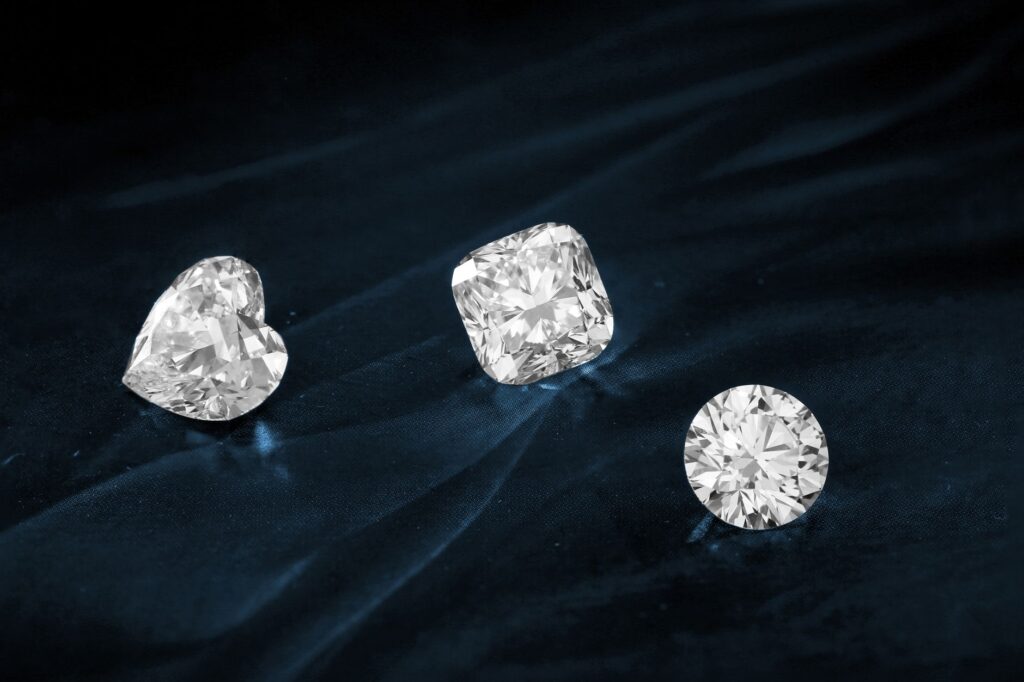
Some diamond shapes hide color better than others. Round brilliant diamonds are especially good at masking subtle color because their faceting pattern creates strong sparkle and light return. Shapes like oval, pear, cushion, marquise, and radiant can show color a bit more readily in the body of the stone, especially near the edges or tips.
This matters because the same color grade can look different depending on shape. A G color round brilliant may appear very white, while a G color oval might show slightly more warmth. That does not mean one is better overall, only that shape should be considered when judging color visibility.
Can Most People See the Difference?
For most buyers, the answer is: not very easily in normal wear, especially within the colorless and near-colorless ranges. Side-by-side comparisons under controlled lighting can reveal differences, but everyday viewing is very different from a grading lab or a jewelry display case.
The average person usually sees sparkle, size, and overall brightness before they notice a slight difference in body color. If a diamond is well cut, it can appear lively and white even at a grade where a grader would still see subtle warmth. Cut quality often has a bigger impact on visual beauty than tiny color changes.
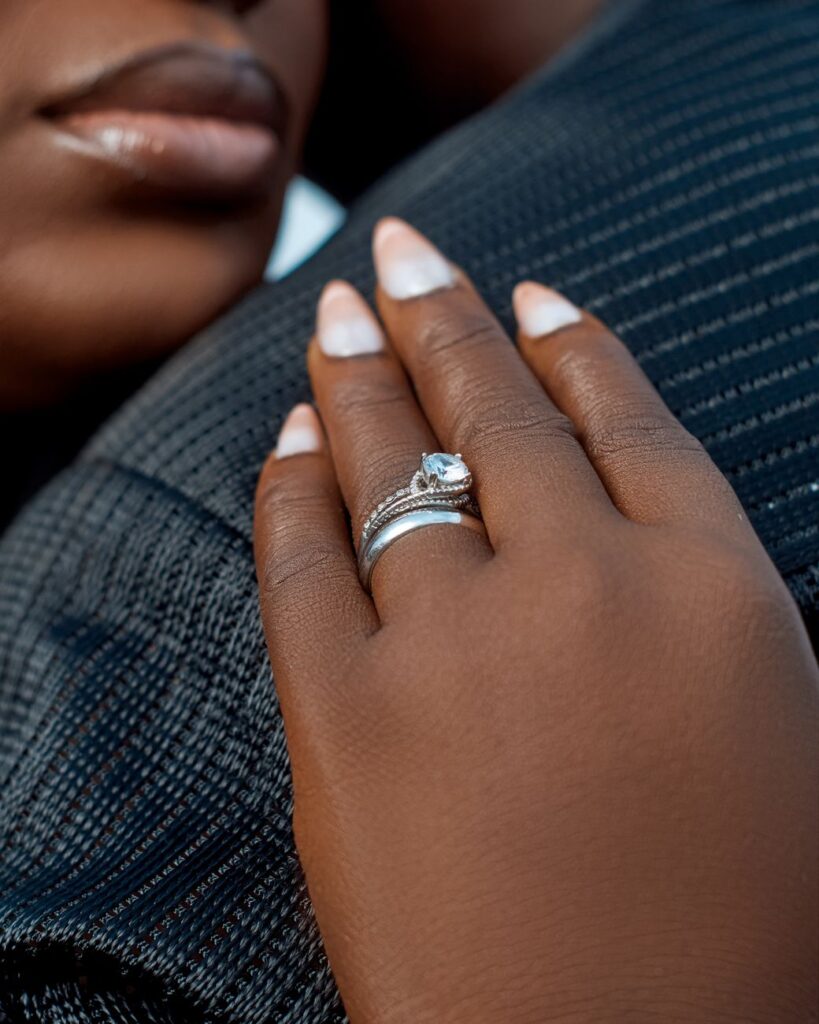
Professional graders and trained jewelers are more likely to notice these differences than consumers. Even then, the difference may be visible only when the stones are compared directly. A single diamond worn on the hand is a different experience from a matched set of stones on a white tray.
Everyday Visibility vs Side-by-Side Comparison
| Viewing Scenario | How Visible Color Differences Usually Are |
|---|---|
| Single diamond on the hand | Often subtle or not noticeable in the colorless and near-colorless range |
| Two diamonds compared side by side | More likely to see differences, especially in controlled lighting |
| Jewelry store spotlighting | Differences can be exaggerated or minimized depending on the light |
| Daily indoor and outdoor wear | Many buyers will not notice small grade gaps once the diamond is mounted |
Why Lab Grown Diamonds Often Offer Higher Color Grades
Lab grown diamonds are created through high-pressure high-temperature or chemical vapor deposition methods, and both processes can produce stones with excellent color. In today’s market, it is common to find lab grown diamonds in D, E, F, and G grades more frequently than many buyers would expect in natural diamonds at similar sizes and budgets.
This does not mean every lab grown diamond is colorless. It means the technology often allows manufacturers to produce high-color material more efficiently, which affects market availability. For shoppers, this can be a benefit because it widens the range of attractive options at a given price.
Still, the same buying principle applies: a higher grade is not automatically better value if the visual difference is minimal. In many cases, paying a large premium for D or E may be less practical than choosing a slightly lower grade and using the savings for better cut, larger carat weight, or a better setting.
How the Same Color Grade Can Look Different in Different Metals
The metal color around the diamond changes how the diamond is perceived. This is one of the most overlooked parts of diamond color buying. A diamond does not sit in isolation. It is constantly influenced by the setting around it.
White Gold and Platinum
White gold and platinum tend to emphasize the diamond’s brightness and make color differences easier to compare. Because the metal is cool-toned, buyers often prefer a higher color grade in these settings, especially for larger stones or shapes that reveal more body color.
That said, a G or H lab grown diamond can still look very white in white gold or platinum, particularly if the cut is strong. For many buyers, this is the sweet spot between appearance and price.
Yellow Gold
Yellow gold can make slight body color less obvious because the metal itself has a warm tone. This means a near-colorless diamond may still appear white enough in a yellow gold setting, even if the same diamond might look slightly warmer in platinum.
As a result, buyers choosing yellow gold often have more flexibility on color grade. If the goal is a clean, attractive look rather than a strict colorless appearance, a slightly lower grade may be perfectly appropriate.
Rose Gold
Rose gold can also soften the appearance of slight color. The warm metal tone blends with the diamond’s edge color in a way that can make subtle warmth less noticeable. This does not remove all color, but it can make a lower color grade more visually acceptable to some buyers.
For buyers who prefer rose gold, the color grade can often be balanced more freely against size and cut, since the setting itself helps mask minor warmth.
How Lighting Changes Diamond Color
Lighting has a major effect on how diamonds are seen. A diamond can appear crisp and white in one environment and slightly warmer in another. This is one reason why grading reports should not be read as exact predictions of appearance.
Daylight
Natural daylight is one of the most revealing lighting environments. It tends to show color more honestly than intense jewelry store lighting. In daylight, some lower color grades may show a little warmth, especially in larger stones or in open settings.
At the same time, daylight also shows the diamond’s overall brightness and sparkle. A well-cut diamond can still look beautiful even if it is not at the very top of the color scale.
Indoor Lighting
Standard indoor lighting can make many diamonds appear whiter than they really are, especially when the light is warm or mixed. This is why a diamond that looks nearly identical to a higher-color stone in a showroom may appear a bit different at home.
It is helpful to think about where the ring will actually be worn. If the diamond will mostly be seen indoors, slight color differences may matter less than they do in direct daylight.
Jewelry Store Lighting
Jewelry store lighting is designed to create sparkle and visual impact. It can make diamonds look brighter, more reflective, and sometimes more colorless than they appear in ordinary environments. This can work both ways: it may flatter lower color grades, but it can also encourage buyers to overpay for a grade they would not distinguish later.
Warm and Cool Lighting
Warm lighting can make diamonds appear slightly more yellow or cream-toned, while cool lighting can make them seem whiter and more icy. Because buyers encounter both types of lighting in real life, it is useful to judge a diamond in more than one setting when possible.
Price Premium vs Visual Benefit
Color grades near the top of the scale often carry a price premium, but the practical visual benefit can be small. This is where buyers should think carefully about diminishing returns. A jump from J to H may be more noticeable than a jump from F to D, depending on the diamond and the viewer.
In lab grown diamonds, this matters even more because the category already offers strong value. Once a diamond looks white enough to the eye, additional spending on microscopic improvements in color may not be the best use of budget.
The key question is not “What is the highest color grade I can buy?” It is “At what point does the diamond already look white enough for my standards?” That answer depends on shape, size, setting metal, and personal preference.
When Paying More May Be Worth It
There are situations where a higher color grade makes sense. Buyers may want a higher grade if they are choosing:
- a larger stone, where color is easier to see
- a shape that tends to reveal more body color, such as oval or pear
- a platinum or white gold setting
- a strongly color-sensitive buyer
- a ring intended to have a very bright, icy appearance
In these cases, moving up in color can improve confidence, even if the change is subtle. The point is not that higher is always better, but that higher can matter more in certain designs and viewing preferences.
When Saving Money Makes More Sense
Buyers can often save money by choosing a slightly lower color grade when:
- the stone will be in yellow or rose gold
- the shape is good at hiding color, such as round brilliant
- the diamond is small enough that color is less obvious
- the priority is overall size or cut quality
- the buyer does not compare diamonds side by side very often
For many shoppers, the savings from stepping down a color grade or two can be put toward a better cut or a more flattering ring design, both of which may have a bigger impact on daily appearance.
Common Buyer Mistakes
Color grading is an area where buyers can overthink some details and overlook others. A few common mistakes show up repeatedly in diamond shopping, especially in lab grown diamonds where the price differences between grades can still feel meaningful.
Overpaying for Invisible Upgrades
One of the most common mistakes is paying extra for a color upgrade that is hard to see once the diamond is mounted. A D color diamond may sound superior to a G color diamond, but in normal wear the difference may be tiny. The extra cost may not create a noticeable visual payoff.
Ignoring Metal Color
Some buyers focus only on the grading report and forget that the setting affects appearance. A diamond chosen for yellow gold does not need the same color priority as one chosen for platinum. Matching the grade to the metal color can create better value.
Assuming All Color Differences Are Easy to See
It is common to assume that any grade difference automatically means an obvious visual difference. That is not true in the colorless and near-colorless range. In many cases, cut quality, lighting, and shape will matter more than a one-grade difference.
Buying From the Report Alone
A report is essential, but it is not enough on its own. It tells you what the diamond is graded to be, not always how it will appear in your chosen setting. Practical buying means using the report as one tool, not the only tool.
Typical Lab Grown Diamond Color Ranges and What They Mean
Because lab grown diamonds often offer excellent color at accessible prices, shoppers frequently compare a few narrow ranges. Understanding what those ranges mean in everyday terms can simplify the decision.
| Color Range | Typical Appearance | Buyer Takeaway |
|---|---|---|
| D to F | Colorless, very white, minimal visible warmth | Great if you want the top color range, but often a premium choice |
| G to H | Still appears white to most buyers, subtle warmth may be present in some conditions | Often the best balance of appearance and value |
| I to J | Near-colorless with possible faint warmth, more noticeable in certain settings or shapes | Can be a smart value choice, especially in yellow or rose gold |
| K and below | More visible warmth or tint | Requires more careful evaluation if the goal is a white look |
Which Grades Usually Offer the Best Value?
For many lab grown diamond buyers, the best value is often in the G to H range, with some flexibility into I or J depending on the ring design. These grades frequently look white enough in real life while avoiding the higher premiums attached to the top colorless grades.
That said, value is not universal. A buyer choosing a larger center stone or a platinum setting may reasonably prefer higher color. Another buyer in yellow gold may find that an H or I looks excellent and frees budget for a better cut or larger size.
The best value is usually the grade that disappears visually in your setting and lighting while leaving room in the budget for the factors you will notice more often.
How Cut Influences Color Visibility
Cut has a strong effect on how color is perceived. A diamond with excellent cut returns more light to the eye, which can reduce the impression of body color. This is especially true for round brilliant diamonds, where sparkle and brightness can make the stone appear whiter than a poorly cut diamond of the same color grade.
By contrast, a diamond with weaker cut can look duller and may allow more color to show. That means a higher color grade in a mediocre cut may not look as appealing as a slightly lower color grade with better cut quality.
This is why color should never be chosen in isolation. A balanced diamond often looks better than a technically higher color grade paired with weaker performance.
Does Color Matter More in Lab Grown Diamonds?
Color matters the same way in lab grown diamonds and natural diamonds from a visual standpoint, but the buying psychology can be different. Because lab grown diamonds usually cost less, buyers may be tempted to pursue higher grades simply because they seem more attainable. In some cases that is reasonable. In others, it leads to unnecessary spending on subtle differences.
Another reason color gets extra attention in lab grown diamonds is that the category often features very clean, bright-looking stones. That can make buyers expect a top color grade, even when a slightly lower grade would look equally attractive in a finished ring.
The practical question remains the same: does the grade produce a visible improvement that matters to you in real life? If not, the money may be better spent elsewhere.
Buying Guidance by Metal Color and Setting Style
A simple way to narrow color choices is to match the grade to the setting. This approach helps prevent overbuying in situations where the setting already masks slight warmth.
| Setting Type | Color Guidance |
|---|---|
| Platinum | Higher grades can be more noticeable, especially in larger stones |
| White gold | G to H often works well, with higher grades preferred by more color-sensitive buyers |
| Yellow gold | Near-colorless grades may still look very white, offering strong value |
| Rose gold | Warm metal tones can make slightly lower grades look more harmonious |
| Halo or heavily accented settings | Center-stone color may be less noticeable, depending on the design |
Frequently Asked Questions
Is D color always better than G color in lab grown diamonds?
D color is technically higher on the grading scale, but it is not always visibly better in everyday wear. In many rings, especially once mounted, the difference between D and G can be very subtle. Whether it is worth the extra cost depends on the setting, shape, and your personal sensitivity to color.
Will a G color lab grown diamond look yellow?
Usually, no. A G color diamond is still in the colorless or near-colorless boundary and often appears white to most buyers. Some tiny warmth may be visible in certain conditions, but it typically does not read as yellow in normal wear.
What color is best for a lab grown diamond in white gold?
Many buyers choose G or H in white gold because these grades often look white while offering better value than higher colorless grades. If you are especially color-sensitive or buying a larger stone, you may prefer moving higher. The best choice depends on the complete ring design.
Does yellow gold make a lower color diamond look better?
Yes, yellow gold can help mask slight warmth in the diamond and make lower color grades appear more harmonious. This is one reason near-colorless diamonds can be a smart value choice in yellow gold settings.
Can I see the difference between E and F color?
Sometimes, but usually only in side-by-side comparisons under controlled lighting. In normal wear, the difference is often very subtle. Most buyers would not spot it quickly without direct comparison.
Should I pay more for color or cut?
In most cases, cut deserves equal or greater attention because it has a bigger effect on sparkle and overall beauty. A well-cut diamond often looks better than a higher color diamond with weaker light performance. If the budget is limited, cut is usually the better place to protect.
Are lab grown diamonds usually better color than natural diamonds?
Lab grown diamonds are often available in higher color grades more frequently and at lower prices, but that does not mean every lab grown diamond is colorless or that every natural diamond is tinted. Both types follow the same grading logic. The market availability is different, not the color scale itself.
Does a larger diamond show more color?
Often, yes. As carat weight increases, body color can become more noticeable, especially in larger face-up stones and in shapes that reveal more of the diamond’s body. That is one reason some buyers prefer higher color grades for larger center stones.
Practical Buying Takeaways
If you are evaluating how lab grown diamond color is graded, the most important thing to remember is that the grade is only part of the story. Colorless grades sound impressive, but the visual improvement over a well-chosen near-colorless diamond may be very small in real-world wear.
For many shoppers, the smartest approach is to focus on the full appearance of the ring. That means considering the diamond shape, the setting metal, the cut quality, and the lighting where the ring will be worn most often. Color matters, but it should be judged in context.
As a general guide, buyers who want the best value often find the sweet spot in the G to H range, while those who want a very icy appearance or are especially sensitive to color may prefer D to F. If the setting is yellow gold or rose gold, slightly lower grades can still look attractive and white enough for many people.
The best decision is usually the one that balances appearance, budget, and long-term satisfaction. When the color is white enough to your eye, paying more for an invisible upgrade rarely changes the way the diamond looks on the hand.