When people ask, are cushion cut diamonds timeless, they are usually asking a larger question than style alone. They want to know whether a cushion cut will still look appropriate years from now, whether it fits different ring styles, and whether it is a wise choice compared with other diamond shapes.
The short answer is yes, cushion cut diamonds can be timeless, but not in the same way as every other shape. Their appeal comes from a long history, a soft and romantic outline, and a style that can look both vintage and modern depending on the setting and proportions. At the same time, cushion cuts are not all identical, and some versions feel more classic than others.
For buyers comparing diamond shapes, especially in the lab grown diamond market, the real question is not simply whether cushion cuts are timeless. It is whether their look, sparkle pattern, and overall feel match the kind of ring you want to wear for many years. That depends on shape proportions, cut quality, personal style, and how you want the diamond to perform in everyday light.
Quick Answer: Are Cushion Cut Diamonds Timeless?
Cushion cut diamonds are widely considered timeless because they have been popular for more than a century and still remain a common choice for engagement rings and fine jewelry today. Their rounded corners and pillow-like shape give them a softer look than square shapes with sharp edges, which helps them feel classic rather than trendy.
That said, timeless does not mean identical across every ring. A cushion cut with a chunky antique-style facet pattern may feel vintage and elegant, while a cushion with a crushed ice look may appear more contemporary. Both can be attractive, but they create different visual impressions.
If you want a shape that has lasted through changing fashion trends, cushion cut diamonds have a strong case. If you want the most brilliant or most modern-looking diamond, you may also want to compare them with round, oval, or radiant cuts before making a decision.
What Makes a Cushion Cut Diamond Feel Timeless?
A diamond shape feels timeless when it continues to look attractive across different decades, fashion cycles, and jewelry styles. Cushion cuts have done that because they combine familiar geometry with a softer outline. They are neither overly geometric nor overly experimental, which makes them adaptable.
The shape also works well in both antique-inspired settings and minimal modern settings. A cushion cut can look appropriate in a halo ring, a solitaire, a three-stone design, or a vintage mounting with milgrain and filigree details. That flexibility is one reason many buyers view it as a safe long-term style choice.
Another reason cushion cuts feel enduring is that they have historical roots. The modern cushion shape evolved from older diamond cuts that were common before today’s precision-cut round brilliants became dominant. Many consumers associate that history with craftsmanship and permanence.
Understanding the Cushion Cut Shape
A cushion cut diamond combines a square or rectangular outline with rounded corners and softened sides. The result resembles a pillow, which is where the name comes from. It is one of the easiest shapes to recognize because it sits between a square and a round diamond in overall feel.
Cushion cuts come in more than one style. That matters because buyers often hear the term as if it describes one fixed appearance, but the visual result can vary significantly.
Common Cushion Cut Styles
| Style | Visual Look | Buyer Impression |
|---|---|---|
| Classic cushion | Rounded square outline with broader facets | Soft, traditional, and often vintage-inspired |
| Modified cushion | More intricate facet arrangement, often with a brighter sparkle pattern | More modern, lively, and sometimes more commercial in appearance |
| Antique-style cushion | Chunkier facets and a slower, larger flash pattern | Historic, romantic, and distinctive |
| Crushed ice cushion | Small, fragmented facet reflections | Busy sparkle, often with a more contemporary feel |
These differences are important because two cushion cuts with the same carat weight can look very different. One may seem more elegant and subdued, while another may appear bright and intricate. If you are trying to decide whether cushion cuts are timeless, the specific style of cushion matters as much as the shape itself.
Key Characteristics of Cushion Cut Diamonds
Cushion cuts are defined by a few traits that affect their look and wearability. Understanding these characteristics helps explain why they have remained popular for so long.
1. Rounded Corners
The rounded corners are one of the most recognizable features of the cushion cut. They give the diamond a softer profile and can make the stone feel less rigid than a princess cut or asscher cut. This softer outline is one reason the shape is often described as romantic or classic.
2. Square or Rectangular Outline
Many cushion cuts are squarish, but some are slightly elongated. A longer cushion can look more elegant on the finger and may create the impression of a larger stone from above. A more square cushion tends to look balanced and traditional.
3. Facet Pattern
Facets are the flat polished surfaces that reflect light. Cushion cuts may have larger facets or a more fragmented pattern depending on the cut style. Larger facets often create bold flashes of light, while smaller facets can create a more continuous sparkle.
4. Softer Shape Perception
Because the corners are rounded and the outline is less angular, cushion cuts tend to feel softer than many other square shapes. This can make them appealing for buyers who want a shape that feels refined without looking too sharp or geometric.
Appearance and Visual Performance
Timelessness is not only about shape history. It is also about how the diamond looks in daily wear. Cushion cuts can be visually appealing in many lighting conditions, but their sparkle and light pattern differ from other popular shapes such as round, oval, radiant, and princess.
Sparkle and Light Return
Cushion cuts are generally known for a warm, elegant sparkle rather than the intense pattern you see in round brilliant diamonds. Their light return depends heavily on the specific cut style. Some cushions show broad flashes, while others produce a more broken-up sparkle effect.
This variation matters because not every buyer wants the same kind of brilliance. A round diamond may deliver the most consistent light performance, but a cushion cut can offer a softer, more romantic glow that many people find more enduring in style.
Fire, Brilliance, and Scintillation
Three words often come up when discussing diamond performance: brilliance, fire, and scintillation. Brilliance is the return of white light. Fire refers to flashes of colored light. Scintillation is the sparkle you see when the diamond or light source moves.
Cushion cuts can display all three, but the balance between them depends on cut style and proportions. A well-cut cushion may show attractive fire, especially in larger facet versions, while a crushed ice cushion may produce more overall sparkle but less distinct flashing. The best choice depends on whether you prefer bold flashes or finer sparkle texture.
Face-Up Appearance
Face-up size is how large the diamond looks when viewed from above. Cushion cuts can look a bit smaller than some elongated shapes of the same carat weight, especially if the depth is high or the stone is cut to retain more weight below the girdle. This is not a flaw, but it is something buyers should understand.
In practice, the face-up look of a cushion cut depends on proportions, not only carat weight. Two one-carat cushion cuts can look different in size if one is deeper or more square than the other. This is why reading the certificate and looking at millimeter measurements is so important, especially in lab grown diamonds where buyers often compare many stones online.
Length-to-Width Ratio
The length-to-width ratio describes how square or rectangular the diamond appears. A ratio close to 1.00 means the stone looks square. A higher ratio, such as 1.10 or 1.20, means the diamond looks more elongated.
Many buyers find elongated cushion cuts more flattering on the finger because they create a lengthening effect. Square cushions, on the other hand, often feel more traditional. Neither is better universally. The ratio simply changes the visual impression.
Advantages of Cushion Cut Diamonds
Cushion cuts remain popular for good reasons. They offer several practical and aesthetic advantages that help explain why many buyers still find them timeless.
1. Classic, Recognizable Shape
The cushion shape has been part of diamond jewelry for generations. That long-standing presence helps it avoid feeling overly tied to a single trend cycle. Even when fashion changes, the shape usually remains acceptable in both vintage and modern jewelry styles.
2. Soft and Flattering Outline
The rounded corners make cushion cuts feel less harsh than square shapes with sharp corners. For many buyers, this creates a more wearable and graceful appearance. It can also reduce the visual severity of the diamond, especially in rings designed for everyday wear.
3. Works Well in Many Settings
Cushion cuts are versatile. They look good in solitaire, halo, vintage, and three-stone settings. This adaptability contributes to their timeless reputation because a shape that works across many design styles is less likely to feel dated.
4. Strong Option in Lab Grown Diamonds
In the lab grown diamond market, cushion cuts can be especially attractive because buyers may be able to choose a larger carat size or higher quality within the same budget. That does not make the shape inherently better, but it does make it easier for some shoppers to find a cushion cut with appealing size and clarity.
5. Distinct From More Common Shapes
Round diamonds are still the most classic choice overall, but cushion cuts offer a more individual look without being too unconventional. If you want something recognizable but not overly common, a cushion cut can feel like a thoughtful middle ground.
Disadvantages of Cushion Cut Diamonds
No diamond shape is perfect, and cushion cuts have trade-offs that buyers should understand before deciding whether they are timeless for their own needs.
1. Less Face-Up Spread Than Some Shapes
Depending on the cut, a cushion diamond may not look as large face-up as an oval or marquise of the same carat weight. Buyers focused on visible size may want to compare measurements carefully rather than relying on carat weight alone.
2. Sparkle Pattern Varies Widely
Unlike round brilliants, cushion cuts are not visually uniform from one stone to the next. Some have broad, elegant flashes. Others have a more fragmented sparkle pattern. That means buyers need to evaluate each stone individually rather than assuming all cushion cuts look the same.
3. Can Look Smaller or Deeper If Proportions Are Off
If a cushion cut is too deep, too shallow, or poorly proportioned, it may look less attractive and less efficient in its use of weight. This is especially important when buying online. A certificate can provide measurements, but images and videos are often just as important.
4. Not Everyone Prefers the Soft Shape
Some buyers like crisp geometric forms. For them, a cushion cut may feel too soft or too traditional. In that case, a princess, radiant, or emerald cut may better fit their style.
5. Antique-Style Cushions Are More Variable
Historic or antique-style cushion cuts can be beautiful, but they are less standardized than modern round brilliants. That means the buyer needs to pay more attention to visual appearance, especially if shopping for a lab grown diamond where the priority is often maximizing beauty and value rather than matching a very specific historic stone.
Who Cushion Cut Diamonds Are Best For
Cushion cuts are a strong choice for buyers who want a shape with a classic foundation and a softer personality. They tend to suit people who appreciate traditional jewelry but do not necessarily want the exact same look as everyone else.
Good Fit For
- Buyers who want a soft, romantic shape
- People who like vintage-inspired or transitional styles
- Shoppers comparing engagement rings and want a shape that works in many settings
- Buyers who prefer a slightly less common look than round or oval diamonds
- Lab grown diamond shoppers who want a larger stone without moving into overly trend-driven styling
May Not Be Ideal For
- Buyers who want the strongest possible brilliance pattern
- People who prefer very crisp or architectural shapes
- Shoppers who want the largest visual spread for the carat weight
- Buyers who want a completely standardized sparkle appearance
For engagement ring shoppers, this often comes down to whether the ring should feel classic and versatile or modern and highly specific. A cushion cut can do both, but it usually leans toward the former.
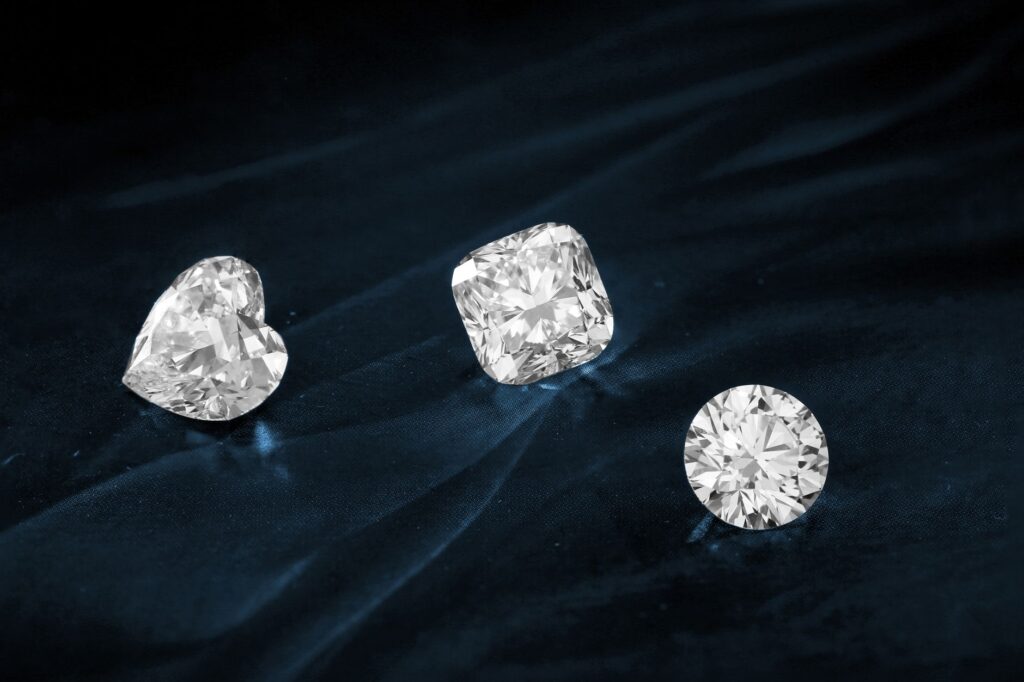
How Cushion Cuts Compare With Other Popular Diamond Shapes
To understand whether cushion cuts are timeless, it helps to compare them with other shapes people commonly consider. Each shape has a different visual personality and buying logic.
| Shape | Overall Style | Sparkle Pattern | Timeless Appeal | Key Trade-Off |
|---|---|---|---|---|
| Round | Most classic and balanced | Strong, consistent brilliance | Very high | Often highest price per carat |
| Cushion | Soft, romantic, classic | Varies by cut style | High | Less standardized appearance |
| Oval | Elegant and modern-classic | Brilliant with elongation | High | Can show bow tie effect |
| Princess | Sharp, geometric, contemporary | Bright with lively sparkle | Moderate to high | Pointed corners need protection |
| Emerald | Refined, understated, vintage-luxe | Step-cut flashes rather than intense sparkle | High | Clarity and color show more easily |
| Radiant | Modern and bright | Highly brilliant, energetic sparkle | Moderate | Less traditionally classic in feel |
Cushion vs Round Brilliant
Round diamonds are the most universally classic shape. If someone asks what shape is most timeless overall, round still leads because its symmetry, light performance, and long history make it widely accepted in nearly every setting.
Cushion cuts are more character-driven. They are timeless in a softer, more romantic way, but they do not deliver the same uniform brilliance as round brilliants. Buyers who want the most predictable sparkle usually prefer round, while buyers who want a softer shape with history may prefer cushion.
Cushion vs Oval
Oval diamonds have become extremely popular because they look elongated, elegant, and often appear larger than their carat weight suggests. They are classic enough to avoid looking overly trendy, but still feel contemporary.
Cushion cuts are less elongated and usually feel more grounded. If you want finger coverage and a flattering lengthening effect, oval may be stronger. If you want a more balanced, pillow-like form with a gentler outline, cushion may be the better fit.
Cushion vs Princess
Princess cuts have a sharper, more angular profile. They can feel modern and bold, but the pointed corners are less protected and the style can feel more specific to certain design eras. Cushion cuts are softer and more adaptable across generations of jewelry design.
Because princess cuts have a more geometric look, some buyers see them as less timeless than cushions. Others value the clean lines and strong symmetry. This is mostly a style preference, not a quality issue.
Cushion vs Emerald
Emerald cuts are timeless in a different way. They are known for long, elegant lines and a more understated sparkle pattern. They show clarity more readily and appeal to buyers who prefer a refined, less flashy appearance.
Cushion cuts are more playful and sparkly by comparison. If you want a softer, more luminous look, cushion may suit you better. If you want a sleek, architectural appearance, emerald is the stronger option.
How Proportions Affect Cushion Cut Appearance
One reason cushion cuts are difficult to generalize about is that proportions change the appearance more than buyers often expect. Two diamonds with the same shape label can differ in how bright, large, and balanced they look.
Depth
Depth is how tall the diamond is from top to bottom. A cushion with too much depth can hide weight below the surface, which may reduce face-up size. A very shallow cushion can look large for its weight, but it may sacrifice visual balance or performance if cut poorly.
Table Size
The table is the flat top facet of the diamond. Table size influences how the stone reflects light and how open or compact it appears. In cushion cuts, table size interacts with facet style, so it should not be judged in isolation.
Ratio and Outline
As mentioned earlier, the length-to-width ratio affects whether the stone feels square or elongated. More elongated cushions can appear larger and more elegant on the finger, while square cushions feel more traditional. Many buyers find a slightly elongated cushion to be a versatile compromise.
Facet Style
The facet arrangement is one of the biggest reasons cushion cuts vary so much. Large, antique-style facets create broader flashes of light. Smaller, modified facets can create more sparkle texture. Neither is automatically better. The right choice depends on whether you want dramatic flashes or a more uniform glittering effect.
Why Cushion Cuts Can Be a Smart Choice in Lab Grown Diamonds
Lab grown diamonds have made shape selection more flexible for many buyers, and cushion cuts are a strong example of that. Since lab grown diamonds often cost less than natural diamonds of similar size and quality, buyers may have more room to prioritize the exact shape, proportions, and visual style they want.
That can matter for cushion cuts because the shape is so dependent on individual appearance. A buyer can focus on choosing a cushion with the right outline, sparkle pattern, and size instead of making too many compromises to fit a strict budget. This is especially useful if the goal is to choose a diamond that feels timeless and personal rather than simply conventional.
Still, the same buying principles apply. A certificate, video, and clear measurements matter just as much with lab grown diamonds. If you are comparing options, related topics such as diamond cut grades, diamond clarity grades, and diamond color grades are worth reviewing because they help explain why one cushion looks better than another even when the price is similar.
Important Buying Considerations for Cushion Cut Diamonds
If you are shopping for a cushion cut, the best purchase is usually the one that balances shape preference, quality, and price. A timeless appearance comes from more than the shape name.
1. Look at the Shape First, Then the Specs
Many diamond shoppers start with carat, but for cushion cuts, the shape’s actual look should come first. One cushion may have a beautiful outline but be slightly deep. Another may have a great size spread but a less appealing facet pattern. Visual performance should guide the decision.
2. Pay Attention to the Cut Style
Because cushion cuts vary, the cut style affects the final look more than it does in some other shapes. Ask whether the stone has a classic, modified, antique, or crushed ice appearance. If possible, compare videos under different lighting conditions.
3. Check the Measurements, Not Only the Carat Weight
Cushion cuts can be deceptive if you only focus on carat weight. Millimeter dimensions tell you how large the stone actually looks. This is especially important when comparing two diamonds with similar prices but different depths.
4. Think About Setting Style
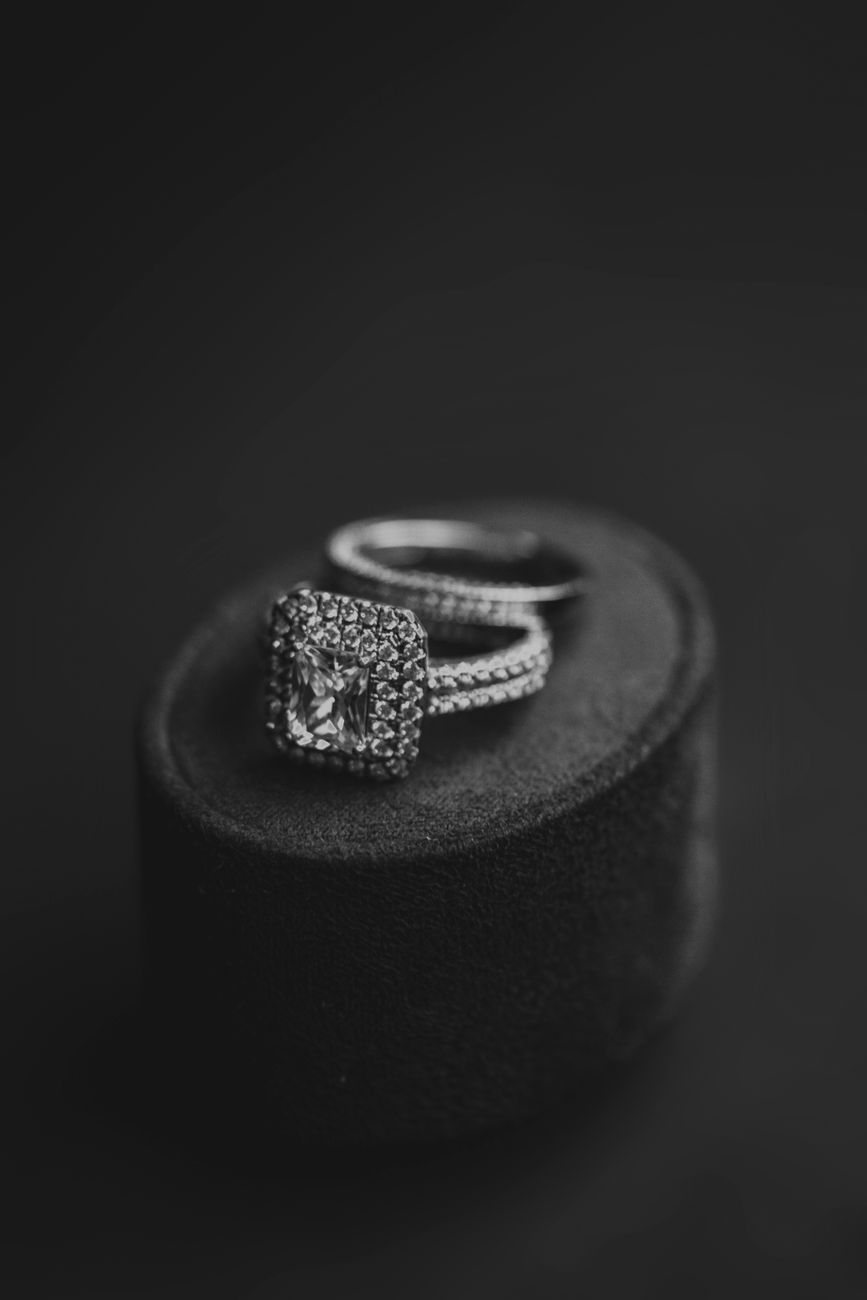
The setting strongly influences whether a cushion cut feels timeless. A simple solitaire often emphasizes the shape itself and creates a clean, enduring look. A halo setting can add size and sparkle, while a vintage-inspired setting can reinforce the classic feel. Choosing the right setting is part of preserving the shape’s timelessness.
5. Balance Color and Clarity Based on the Cut Style
Cushion cuts can vary in how much they reveal body color or inclusions. In many cases, buyers can make practical decisions about color and clarity based on the size, setting, and facet pattern. A cushion with a busy sparkle pattern may hide inclusions more easily than a step-cut shape, but a larger or cleaner stone may still be desirable if budget allows.
6. Review Certification Carefully
Certification is especially useful when buying online. Reports from reputable grading labs help confirm measurements, color, clarity, and other important details. If you are comparing cushion cuts, certificates can support the decision, but they should not replace visual inspection.
Common Mistakes Buyers Make With Cushion Cut Diamonds
Many cushion cut disappointments come from expectations that do not match the stone’s actual appearance. Avoiding a few common mistakes can improve the buying experience significantly.
Assuming All Cushion Cuts Look the Same
This is one of the biggest mistakes. Cushion cuts can look dramatically different depending on facet structure and proportions. If you are buying based on an image alone without understanding the cut style, you may end up with a diamond that feels different in person than expected.
Choosing Carat Weight Before Shape Quality
A larger cushion is not necessarily a better cushion. If the stone has poor proportions, the added weight may not translate into a better visual result. A slightly smaller cushion with a more attractive outline can look more elegant and timeless.
Ignoring the Setting
The setting can either support or distract from the shape. A setting that is too ornate may make the diamond feel busy, while a clean design may let the cushion shape age more gracefully over time. Many buyers should consider the ring as a whole rather than the diamond in isolation.
Overlooking the Difference Between Classic and Crushed Ice Cushions
Some buyers love the broader flashes of a classic cushion and are disappointed by the more fragmented appearance of a crushed ice version. Others feel exactly the opposite. It helps to know which visual style you prefer before committing.
Not Comparing Multiple Stones
Since cushion cuts vary so much, looking at only one example can lead to a narrow view of the shape. Comparing several stones side by side can make it much easier to see which one feels timeless to you personally.
Are Cushion Cut Diamonds Still in Style?
Yes, cushion cut diamonds are still in style, but their appeal is not based on trend alone. They remain common because they bridge traditional and modern taste fairly well. That helps them stay relevant even as fashion cycles change.
Some shapes become popular because of short-term celebrity or social media influence. Cushion cuts have broader staying power because their style is not heavily dependent on a single trend. They can look appropriate in classic, romantic, minimalist, or vintage-inspired jewelry.
That said, market preferences do shift. In recent years, many buyers have favored elongated shapes such as oval and elongated cushion because they create a more noticeable finger-lengthening effect. Still, the cushion silhouette itself has remained durable, which supports the argument that it is timeless rather than merely fashionable.
Frequently Asked Questions
Are cushion cut diamonds timeless or trendy?
Cushion cut diamonds are generally considered timeless, though some specific versions of the shape may feel more current than others. The overall shape has a long history and continues to work in many ring styles, which helps it remain relevant over time.
Do cushion cuts sparkle as much as round diamonds?
Usually no, not in the same way. Round diamonds are designed for strong, uniform brilliance. Cushion cuts can still sparkle beautifully, but their light pattern is often softer and more varied depending on the facet arrangement.
Do cushion cut diamonds look bigger than other shapes?
Not always. Some elongated cushion cuts can look larger face-up than squarer or deeper cushions, but the effect depends on proportions. Compared with shapes like oval or marquise, cushion cuts may appear less elongated and therefore less large for the same carat weight.
Is a cushion cut a good choice for an engagement ring?
Yes. Cushion cuts are a very common engagement ring choice because they combine a soft shape with a classic reputation. They work well in many settings and can suit both traditional and more personalized ring designs.
Are lab grown cushion cut diamonds a good value?
They can be, especially for buyers who want a larger or higher-quality stone within a set budget. The value depends on the individual diamond’s cut, proportions, color, clarity, and certification, not just on whether it is lab grown.
What is the difference between a classic cushion and a crushed ice cushion?
A classic cushion usually has larger, more distinct flashes of light. A crushed ice cushion has a more fragmented sparkle pattern that can look busier. Some buyers like the delicate glitter of crushed ice, while others prefer the more defined flashes of a classic cushion.
Does a cushion cut hide flaws well?
It can, depending on the facet style and size of the diamond. The more active sparkle pattern in some cushion cuts may help reduce the visibility of small inclusions, but buyers should still evaluate clarity carefully rather than assuming the shape hides everything.
Conclusion
Cushion cut diamonds can absolutely be timeless, especially for buyers who appreciate a soft shape, a romantic feel, and a style that works across different settings. Their staying power comes from a combination of history, versatility, and a look that feels classic without being overly rigid.
At the same time, cushion cuts are not one uniform category. Some feel vintage and elegant, while others look more modern or visually busy. That means the best cushion cut is the one whose proportions, facet style, and overall appearance match your personal taste and your practical buying goals.
If you are deciding whether cushion cuts are right for you, compare the stone visually, not just by carat weight or price. Review measurements, look closely at the sparkle pattern, and consider how the diamond will look in the setting you plan to wear. For many buyers, that careful approach is what makes a cushion cut feel timeless in the first place.