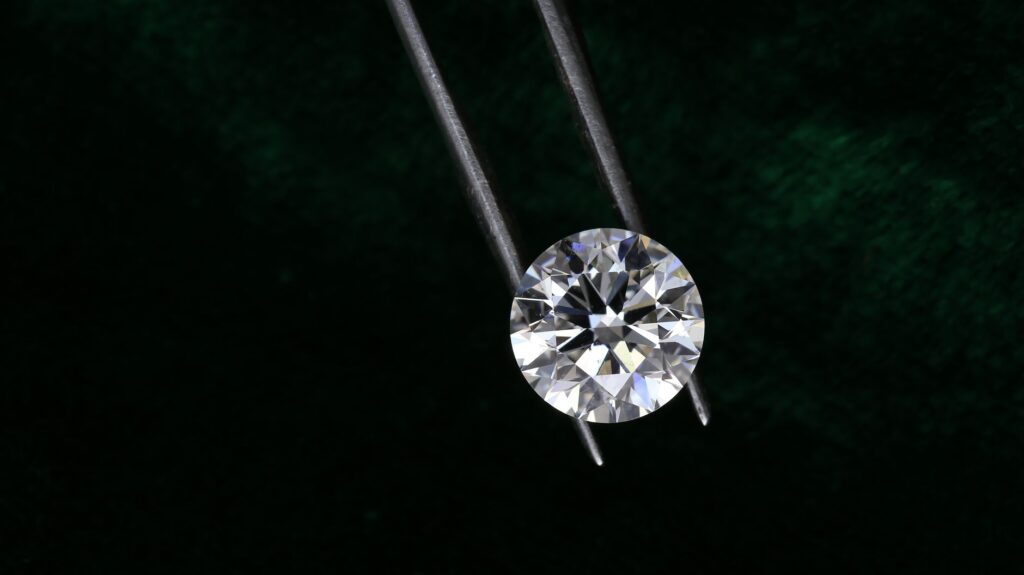
Cut grade is one of the most misunderstood parts of diamond shopping. A lab grown diamond can have a strong report on paper and still look average in person if the cut is off, while a slightly smaller stone with better proportions can appear brighter and more lively. That is why buyers asking are lab grown diamond cut grades reliable are really asking whether the grade is a good predictor of real-world beauty.
In most cases, the answer is yes, especially for round brilliant lab grown diamonds graded by respected laboratories. But reliability has limits. Cut grade is a helpful tool for comparing diamonds, not a perfect measure of sparkle in every viewing situation.
The most useful way to think about cut grade is this: it tells you how likely a diamond is to perform well with light. It does not tell you everything about appearance, and it is less predictive for some shapes than others. Understanding that distinction can save buyers from overpaying for size, clarity, or color when cut quality is what most affects the stone’s beauty.
Quick Answer
Yes, lab grown diamond cut grades are generally reliable for round brilliant diamonds, especially when the grading report comes from a respected laboratory. A better cut grade usually means better light return, stronger sparkle, and a more attractive face-up appearance.
That said, the grade is not a guarantee of perfection. Two diamonds with the same cut grade can still look a little different because of variations in proportions, symmetry, polish, and optical patterning. The grade is a strong starting point, but it should not be used in isolation.
For fancy shapes such as oval, cushion, pear, emerald, and marquise, cut grading is often less standardized. In those cases, buyers need to pay more attention to actual images, proportions, and how the diamond handles light in real viewing conditions.
What a Diamond Cut Grade Actually Tells You
A diamond cut grade is a laboratory judgment about how well a diamond’s proportions and finish work together to reflect light. In practical terms, it is an estimate of how bright, lively, and well balanced the diamond is likely to look.
For a round brilliant diamond, grading laboratories consider measurements such as table size, depth, crown angle, pavilion angle, girdle thickness, symmetry, and polish. The final grade is not based on one number alone. It is an overall assessment of how those factors interact.
That matters because buyers often assume “cut” means only how neatly the diamond was shaped. In reality, the cut grade is closer to a prediction of visual performance. It helps answer a more useful question: how well will this diamond handle light when it is worn on a hand, seen across a room, or viewed in normal indoor lighting?
What Cut Grade Measures Well
- How efficiently the diamond returns light to the eye
- How balanced the stone’s proportions are
- How likely the diamond is to show strong brilliance and sparkle
- Whether the finishing work appears consistent and precise
What Cut Grade Does Not Measure Perfectly
- How the diamond will look under every lighting condition
- Subtle differences in patterning or visual character
- Whether one diamond with the same grade looks slightly more appealing than another
- The cut quality of fancy shapes with the same level of predictability as round brilliants
Why Cut Matters So Much in Lab Grown Diamonds
Lab grown diamonds and natural diamonds have the same basic crystal structure, so cut affects them in the same way. A lab grown diamond does not sparkle more simply because it was created in a lab. Its beauty still depends heavily on how well it was cut.
This is especially important because lab grown diamonds are often priced more accessibly than natural diamonds. That price difference can tempt buyers to focus on carat size first. But a larger lab grown diamond with weak cut can look less impressive than a slightly smaller one with better proportions and stronger light return.
In other words, a diamond’s face-up beauty is not determined by size alone. Cut is one of the most visible quality factors, and it often has a bigger effect on everyday appearance than many first-time buyers expect.
How Reliable Cut Grades Are by Diamond Shape
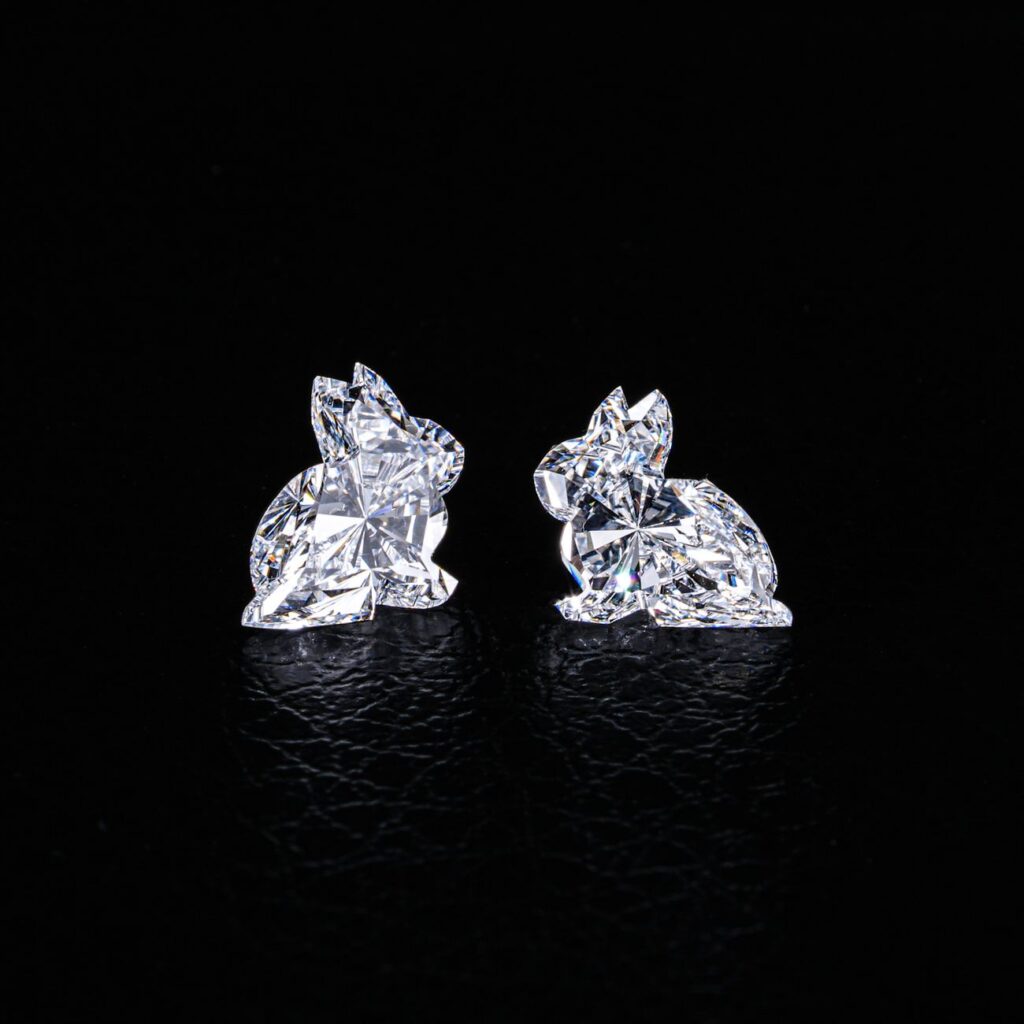
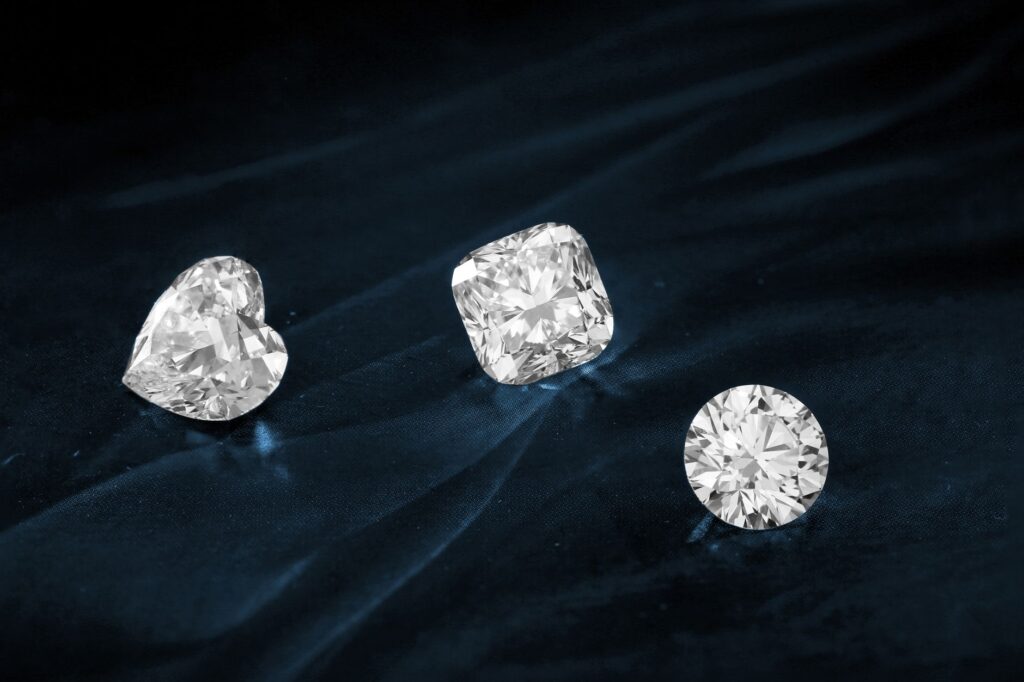
The reliability of a cut grade depends heavily on diamond shape. Round brilliant diamonds have the most established and consistent cut grading systems. Other shapes are more difficult to grade consistently because there is no single universal formula that predicts beauty as well.
This is one of the most important things to understand when shopping for lab grown diamonds. A cut grade is very helpful for a round brilliant. It is less predictive for fancy shapes, even when the report is from a respected lab.
| Diamond Shape | How Reliable Cut Grades Are | Buyer Impact |
|---|---|---|
| Round brilliant | High | Very useful for predicting sparkle and overall appearance |
| Princess | Moderate | Helpful, but visual inspection still matters |
| Oval | Limited | Proportions and bow-tie effect matter a lot |
| Cushion | Limited | Style variations make grades less predictive |
| Pear, marquise, heart | Limited | Shape preference and visual symmetry become more important |
| Emerald | Limited | Step-cut appearance depends heavily on clarity and proportions |
What Buyers Actually See in a Well-Cut Diamond
Most buyers do not evaluate diamonds in a gem lab. They see them in stores, online videos, office lighting, sunlight, or everyday indoor settings. That is why the practical value of cut grade comes down to what the eye can notice in normal use.
A well-cut diamond usually looks brighter, more even, and more lively across its surface. It returns more light to the viewer instead of letting too much light escape through the bottom or sides. The result is a diamond that tends to look more animated as it moves.
A poorly cut diamond can look dull, washed out, or uneven. It may still be acceptable by a report, but in real life it often lacks the sparkle and balance buyers expect when they imagine a beautiful diamond.
Visual Features Strong Cut Can Improve
- Brilliance, or the white light return that makes a diamond look bright
- Fire, the colored flashes created when light splits inside the diamond
- Scintillation, the sparkle pattern seen as the diamond moves
- Face-up appearance, the way the diamond looks from above when worn
- Balance of light and dark areas, which helps the diamond look orderly rather than patchy
Cut, Brilliance, Fire, and Scintillation Explained Simply
These terms are often used together, but they are not the same thing. Knowing the difference makes it easier to understand why cut grades matter and what they can realistically tell you.
Brilliance
Brilliance is the white light returning from the diamond to your eye. A diamond with strong brilliance looks bright and lively. In practical shopping terms, this is often the first thing people notice when comparing a well-cut diamond with a weaker one.
Fire
Fire is the flash of color you may see when light splits inside the diamond. It tends to be more noticeable in direct sunlight or strong spot lighting. A well-cut diamond usually shows fire in a balanced way, without sacrificing brightness.
Scintillation
Scintillation is the pattern of sparkle and contrast that appears as the diamond moves. A diamond with good scintillation does not just look bright when still, it looks active and interesting as it shifts in light.
Light Return
Light return is the diamond’s ability to reflect light back to the viewer instead of leaking it away. This is one of the most important reasons cut grades matter. Better light return usually means a more attractive diamond in everyday viewing.
How Cut Grade Is Determined for Round Brilliant Diamonds
For round brilliant diamonds, grading laboratories use a combination of measurements and visual assessment to estimate performance. The process is not based on a single number. It is based on how several proportions work together.
The most common factors include table percentage, depth percentage, crown angle, pavilion angle, polish, symmetry, and girdle thickness. These terms sound technical, but the buyer-level takeaway is straightforward: they influence how light enters the diamond, bounces inside it, and exits back to your eye.
Because the cut grade is an overall judgment, two diamonds with very similar measurements can still receive the same grade while looking a little different. That is why the grade is useful, but not exact in the way a measuring tool is exact.
Table Percentage
The table is the flat top surface of the diamond. Table percentage compares that top surface to the overall width of the stone. A table that is too large or too small can affect the balance of brilliance and fire.
What buyers actually see is not the percentage itself, but the resulting look. An overly large table can make a diamond look flatter, while a balanced table often supports a more pleasing light pattern.
Depth Percentage
Depth measures how tall the diamond is relative to its width. If a diamond is too deep, it may hide weight in the bottom and look smaller than expected. If it is too shallow, it can leak light and appear less lively.
This matters because a diamond should not only weigh well on paper. It should also face up nicely when worn.
Crown and Pavilion Angles
The crown is the upper portion of the diamond above the girdle, and the pavilion is the lower portion below it. Their angles strongly influence light performance. When they work well together, light is reflected efficiently and the diamond tends to look brighter and more balanced.
This is one reason diamonds with similar carat weights can look noticeably different. The measurements may be close, but the optics are not always equally effective.
Polish
Polish refers to how smooth and refined the diamond’s surface is after cutting. A well-polished diamond allows light to enter and exit more cleanly. Poor polish can create small disruptions in appearance, although these are usually subtle unless the finish is noticeably weak.
Symmetry
Symmetry describes how accurately the diamond’s facets line up with one another. Good symmetry helps the stone’s reflections appear orderly and balanced. Poor symmetry can affect the pattern of sparkle and, in some cases, the overall face-up appearance.
Are Cut Grades Reliable for Lab Grown Diamonds Specifically?
In general, yes. Lab grown diamonds follow the same optical rules as mined diamonds. If they are cut well, they perform well. If they are cut poorly, the problems are usually visible no matter where the diamond came from.
What makes lab grown diamonds different is not the physics of cut, but the way buyers shop for them. Because the price per carat is often lower than for natural diamonds, shoppers can be tempted to prioritize size. That can make cut grade even more important, since a larger but weakly cut lab grown diamond may underperform visually.
There is also a practical market issue. Some lab grown diamonds are cut to maximize carat weight rather than beauty. That can leave the stone too deep, too shallow, or less efficient with light. The result may be a diamond that sounds impressive on paper but looks less balanced in person.
What Grading Labs Are Most Useful?
Cut grades are only as useful as the laboratory assigning them. A well-known lab with consistent standards gives buyers more confidence than a vague seller description or an internal “ideal” label that is not independently verified.
For buyers comparing lab grown diamonds, the safest approach is to prioritize reports from respected grading laboratories. These reports are more likely to use consistent criteria and more transparent terminology. That does not make them perfect, but it does make them far more trustworthy than marketing language alone.
It also helps to remember that not every lab uses the same strictness. Two diamonds labeled with similar cut terms from different sources may not perform identically. The report matters, but the source of the report matters too.
When Cut Grades Are Most Trustworthy
Cut grades are most useful when several conditions are true at the same time:
- The diamond is a round brilliant
- The report comes from a respected laboratory
- The stone includes full grading details rather than vague wording
- The proportions and finish fall within a range known to perform well
- You use the cut grade together with other data, not as the only factor
In that situation, the cut grade is a very strong filter. It helps buyers avoid many diamonds that are technically acceptable but visually less attractive.
When Cut Grades Need More Caution
Cut grades become less dependable when the diamond is a fancy shape, when the grading report is incomplete, or when the seller uses broad language instead of precise measurements. Buyers should also be cautious when a diamond seems unusually large for its carat weight, because hidden depth or a broad spread can distort the visual result.
In those cases, actual imaging becomes more important. High-resolution photos, video, and proportion details can tell you more than a broad grade alone. For fancy shapes, a diamond can still be beautiful even if the grading system is less predictive, but you need to inspect it more carefully.
Cut Grade Versus Actual Beauty
One of the biggest misunderstandings is assuming the top cut grade guarantees the most beautiful diamond. That is not always true. A high grade strongly suggests strong performance, but the final look also depends on the individual stone.
For example, two Excellent cut round lab grown diamonds can both look attractive, yet one may have slightly stronger contrast, a sharper sparkle pattern, or a more pleasing spread. That does not mean the grading system failed. It means grading systems group diamonds into ranges rather than ranking every stone by beauty one by one.
In practical terms, cut grade is a strong predictor of beauty, not a perfect promise. It is still one of the most useful tools buyers have.
How Cut Grade Affects Value
Cut quality often offers one of the best visual returns for the money. Paying a little more for a better cut can produce a noticeable improvement in appearance. Paying more for a larger stone with weak cut may not deliver the same visual payoff.
That does not mean the highest cut grade is always the best value at any price. The right choice depends on budget, shape, and the other quality factors involved. But if you are deciding where to spend a little extra, cut is often one of the most defensible places.
When Paying More for Cut Makes Sense
- You want the diamond to look bright and lively in everyday wear
- You are comparing stones with similar color and clarity
- You are buying a round brilliant and want strong sparkle
- You want a better chance of long-term satisfaction
When the Premium May Be Less Important
- You are buying a fancy shape where cut grades are less predictive
- Your budget is tight and a small cut improvement requires a large sacrifice elsewhere
- You can inspect the stone carefully using photos, videos, or in person viewing
- The difference is between two already strong diamonds and the visual gap is minimal
Excellent Cut Versus Very Good Cut in Everyday Life
Many buyers want to know whether they really need the highest cut grade or whether one step down is enough. For round brilliant diamonds, both Excellent and Very Good can be reasonable options, but they are not always equally strong in visual performance.
In everyday lighting, the difference may be subtle to moderate rather than dramatic. A top Excellent cut diamond can show more brightness consistency or a crisper sparkle pattern, while a Very Good stone may still look attractive if its proportions are well balanced.
For many shoppers, the decision comes down to budget and how closely the stones are compared. If the price difference is significant, a carefully chosen Very Good cut diamond may offer good value. If the premium is modest, the higher grade can be worth it for added confidence.
| Comparison | Excellent Cut | Very Good Cut |
|---|---|---|
| Sparkle | Usually strongest and most balanced | Often very good, sometimes slightly less crisp |
| Brightness | Typically very efficient light return | Can still be bright, but with more variation |
| Buyer confidence | High | Good, but more dependent on the individual stone |
| Value | Often worth it if the premium is reasonable | Can be a smart value option |
Examples of How Cut Can Change the Way a Diamond Looks
A Well-Cut 1.5-Carat Diamond Versus a Poorly Cut 2-Carat Diamond
This is one of the clearest examples of why carat weight is not the whole story. A well-cut 1.5-carat diamond can look brighter, more balanced, and more beautiful than a 2-carat diamond with weak proportions or poor light return.
The 2-carat stone may weigh more, but if it hides weight in depth or leaks light, it may not face up as impressively as expected. Buyers often notice this once the two are compared side by side. The smaller well-cut diamond can appear more lively and sometimes even look larger than expected because of its better spread.
Higher Clarity With Poor Cut Versus Lower Clarity With Excellent Cut
Another common comparison involves clarity. A diamond with very high clarity and weak cut may still look disappointing because it lacks brightness and sparkle. A diamond with slightly lower clarity but excellent cut can often look more beautiful overall, especially if the inclusions are not visible to the naked eye.
This is why cut is so influential. It affects the first thing most people notice, which is the diamond’s liveliness. Clarity matters, but it often has less impact on everyday appearance than cut does.
Excellent Cut Versus a Diamond That Looks Larger on Paper
Some diamonds are cut in a way that makes them look bigger by diameter, but the trade-off can be weaker sparkle or less depth of brilliance. Buyers sometimes prefer the larger-looking number without realizing the stone may not have the same visual quality.
A diamond that looks a touch smaller on paper but performs better with light often looks more impressive when worn. This is one of the more important trade-offs to understand when comparing lab grown diamonds online.
Advantages of Reliable Cut Grades
There are several reasons buyers trust cut grades, particularly for round brilliant lab grown diamonds.
- They simplify comparison between many diamonds quickly
- They predict beauty well for round brilliant shapes
- They help protect against poor performers that may look flat or dull
- They support smarter budget decisions by reducing guesswork
- They are especially useful online when you cannot inspect the diamond in person
Limitations of Cut Grades
Cut grades are useful, but they are not perfect. The main limitations are straightforward.
- They are strongest for round brilliant diamonds, not all shapes
- They do not capture every visual nuance
- Two diamonds with the same grade can still differ in appearance
- They do not replace actual viewing, photos, or video
- They can be influenced by the laboratory’s standards and grading approach
This is why experienced buyers and jewelers usually look at the report, the proportions, and the stone itself. Cut grade is an excellent starting point, but not the whole evaluation.
How Lab Grown Diamond Buyers Should Use Cut Grades
If you are shopping for a lab grown diamond, use cut grade as a filter before getting lost in details. Start by narrowing your search to well-graded stones, then compare the actual specifications and visual data. This reduces the chance of overpaying for size, color, or clarity when the diamond’s light performance is weak.
For a round brilliant, a strong cut grade should usually be near the top of your list. Then look at symmetry, polish, and proportions. If the stone has excellent finish characteristics and sensible measurements, that is a positive sign. Still, it is wise to confirm the visual result through imaging or video when possible.
For fancy shapes, use cut grade more cautiously. Prioritize visual symmetry, strong brightness, and the absence of obvious light loss in the center or edges. A detailed image or video can reveal more than a general grade alone.
Practical Shopping Checklist
- Confirm the diamond shape
- Check the laboratory grading report
- Review the cut grade carefully
- Look at symmetry and polish
- Consider the proportion set if available
- Use video or images when shopping online
- Compare the diamond against similar stones, not just the grade label
Common Buyer Mistakes
Prioritizing Carat Over Cut
It is easy to focus on size first, especially with lab grown diamonds where larger carat weights are often more accessible. But a bigger diamond with weak cut can look less impressive than a smaller one that is better made. Buyers usually notice the difference once the stones are compared in person.
Assuming All Sparkle Is the Same
Not all sparkle looks equal. Some diamonds produce broad, bright flashes, while others look broken up or dull. Cut quality strongly affects this difference, and many first-time buyers are surprised by how obvious it can be.
Overpaying for Clarity When Cut Is Weak
High clarity is desirable, but it does not fix poor light performance. If a diamond looks lifeless, a better clarity grade will not solve that problem. In most cases, cut should be protected before chasing small clarity upgrades.
Trusting the Grade Without Looking at the Stone
Cut grade is useful, but visual confirmation still matters. This is especially true for fancy shapes and diamonds near the edge of a grading category. Images, videos, and detailed report data help confirm what the grade suggests.
Ignoring Lab Standards
Not all reports carry the same weight. A cut grade from a respected laboratory is far more useful than vague seller language or internal labels that are not independently verified. Buyers should always know who issued the report.
How Certification Affects Confidence in Cut Grades
Certification matters because it affects how much trust you can place in the grade. A detailed report from a well-known laboratory gives you more confidence that the cut grade was assigned using consistent criteria. This is especially valuable when comparing lab grown diamonds online.
If the report includes measurements and finish notes, those details can help you interpret the cut grade more intelligently. They do not replace seeing the stone, but they make the grade much more useful.
For buyers who want a deeper understanding of how reports work, it also helps to learn about diamond certification standards and how laboratories evaluate quality factors differently.
What Experienced Buyers and Jewelers Often Look For
People with more diamond experience usually look beyond the cut grade headline. They want to know whether the diamond actually performs well under different lighting conditions. That means checking proportions, watching how the stone returns light, and looking for visual balance.
Experienced jewelers also know that some diamonds with strong grades can still differ subtly. They may prefer stones with consistent brightness across the face and a pleasing pattern of contrast rather than simply chasing the highest label.
In other words, better buyers use the grade as a tool, not a substitute for judgment. That approach usually leads to better satisfaction over time.
What Matters Most When Comparing Lab Grown Diamonds
Cut is one of the most important quality factors, but it works best when viewed alongside the other major grading categories. A diamond that looks impressive is usually the result of several factors working together, not one grade standing alone.
- Cut, which strongly influences brightness and sparkle
- Color, which affects how white or tinted the stone appears
- Clarity, which affects visible inclusions and overall cleanliness
- Carat, which affects size and price
- Shape, which affects style and how the diamond handles light
For many buyers, cut has the most immediate visual impact. A lab grown diamond with a strong cut grade often looks more beautiful than a slightly larger diamond with weaker performance, especially in common everyday lighting.
Frequently Asked Questions
Are lab grown diamond cut grades the same as natural diamond cut grades?
Yes, the same basic optical principles apply. A diamond is a diamond from a light performance standpoint, whether it was grown in the earth or in a lab. Cut grade still reflects how well the stone handles light.
Can a lab grown diamond with a lower cut grade still look good?
Yes, especially if the difference is small and the individual stone has solid proportions. But lower grades increase the chance of weaker sparkle or less balanced appearance. It is wise to inspect the diamond carefully before buying.
Is Excellent cut always worth paying extra for?
Not always, but it is often a strong choice for round brilliant diamonds. If the premium is modest, many buyers find it worthwhile. If the price jump is large, a carefully selected Very Good stone may offer better overall value.
Do cut grades matter as much for oval or cushion lab grown diamonds?
Usually not as much, because those shapes do not use the same standardized cut system as round diamonds. You should pay closer attention to visual appearance, symmetry, and light patterns.
Can a diamond with excellent cut still look dull?
In some lighting conditions, any diamond can look less lively. Also, a poor photo or dim environment may hide a diamond’s best qualities. Still, an excellent cut diamond is much more likely to perform well overall than a weakly cut one.
Should I prioritize cut over color and clarity in a lab grown diamond?
For many buyers, yes, especially once you have reached a reasonable baseline in color and clarity. Cut has a stronger effect on everyday beauty than small upgrades in the other grades. The best balance still depends on budget and shape.
Do cut grades tell me everything about sparkle?
No. They tell you a lot, but not everything. Sparkle also depends on the stone’s proportions, patterning, and the lighting around it. That is why images and videos are helpful.
Are lab grown diamonds more likely to have reliable cut grades because they are newer?
Not necessarily. The reliability of the grade depends more on the laboratory and the shape of the diamond than on whether the stone is lab grown or natural. The same grading principles apply to both.
Conclusion
So, are lab grown diamond cut grades reliable? Yes, especially for round brilliant diamonds from respected grading laboratories. They are one of the best tools buyers have for predicting sparkle, brightness, and overall visual appeal. For many shoppers, cut matters more than small differences in color or clarity.
At the same time, cut grade is not a perfect guarantee. It is most reliable for round brilliant diamonds, less predictive for fancy shapes, and most useful when combined with proportions, symmetry, polish, and actual visual inspection. A strong cut grade should guide your search, not replace it.
If you want the most practical approach, start with a trustworthy grading report, then compare how the diamond actually looks in real-world light. That is the best way to judge whether the stone delivers the beauty, sparkle, and value you want in a lab grown diamond.