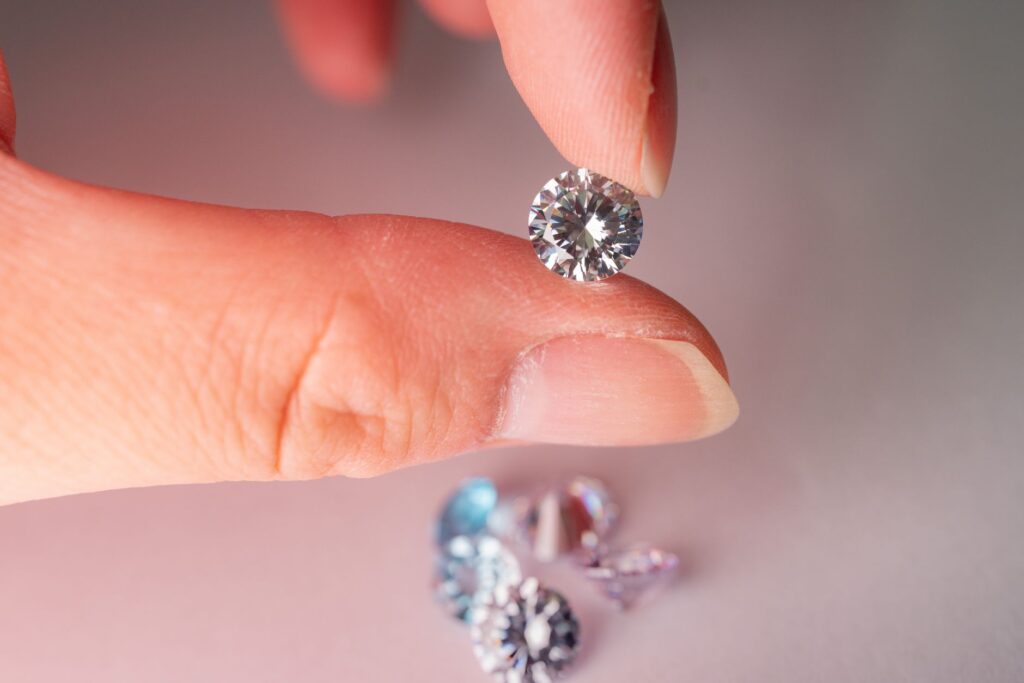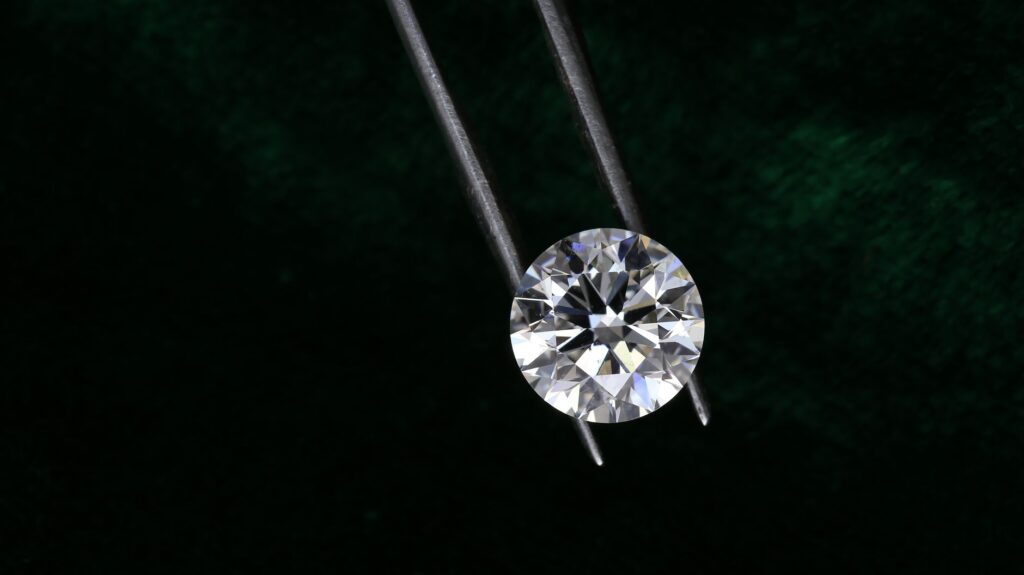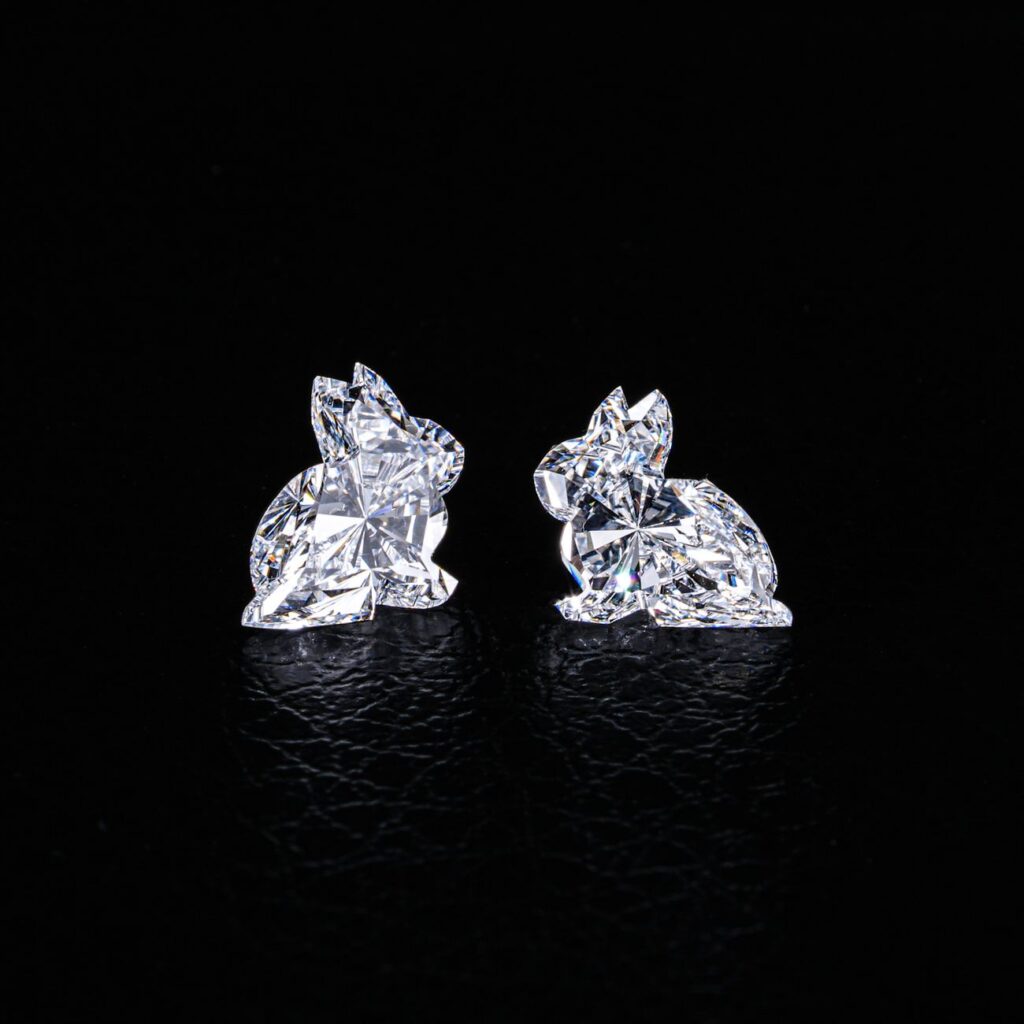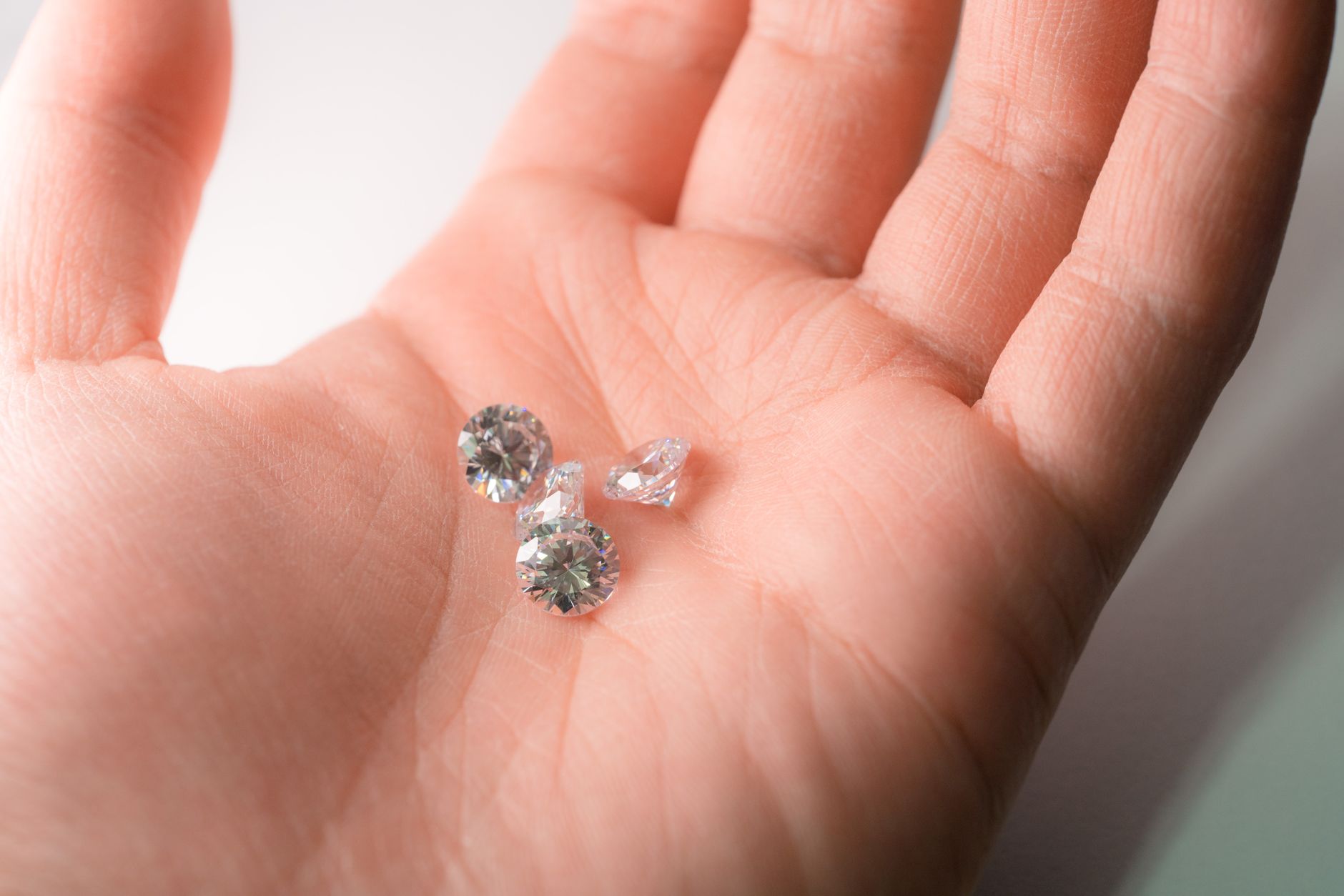
When shoppers ask Are Lab Grown Diamonds More Flawless, the short answer is that they are often available in very high clarity grades, but that does not mean every lab grown diamond is visually flawless. Lab grown diamonds can be produced with fewer natural growth-related inclusions than many mined diamonds, yet they still commonly contain internal features and, in some cases, surface blemishes. In other words, they can be exceptionally clean, but “more flawless” is not the same as “always flawless.”
For buyers, the practical question is not whether a diamond sounds perfect on paper. It is whether the clarity difference can actually be seen in everyday wear and whether paying extra for a higher grade meaningfully improves appearance. That is especially important with lab grown diamonds, where many stones in the market are graded VS, VVS, or even higher, and the premium for top clarity can be significant without changing how the diamond looks to the eye.
Understanding clarity helps you avoid overpaying for a detail that may never be visible once the diamond is set in a ring. It also helps you spot when a lower clarity grade is still a smart choice because the inclusion is small, off to the side, or hidden by the cut. For anyone comparing lab grown diamond clarity grades, the best buying decisions usually come from balancing what the report says with what you can realistically see.
Quick Answer
Lab grown diamonds are often very clean, and many are graded at the higher end of the clarity scale. Because they are created in controlled environments, some lab grown diamonds develop fewer of the random internal characteristics seen in many natural diamonds. That is one reason shoppers often find a lot of VS and VVS lab grown stones on the market.
Still, lab grown diamonds are not automatically flawless. They can contain inclusions such as crystals, pinpoints, clouds, or growth patterns, and they may also have minor surface blemishes. The clarity grade depends on what an experienced grader sees under magnification, not on whether the diamond was lab created or mined.
For most buyers, the more useful question is whether the diamond is eye-clean, meaning it looks free of visible flaws to the naked eye in normal viewing conditions. In many cases, an eye-clean VS2 or SI1 lab grown diamond offers better value than paying substantially more for VVS or internally flawless grades.
What Diamond Clarity Actually Means
Diamond clarity is a measure of how many internal inclusions and external blemishes a diamond has, and how visible those features are. Inclusions are inside the diamond. Blemishes are on the surface. Both can affect how clean a diamond looks, although many are only visible under magnification.
The clarity scale commonly used in diamond grading includes FL, IF, VVS1, VVS2, VS1, VS2, SI1, SI2, and I1. FL means flawless, and IF means internally flawless. These are very rare top grades. As the grades go down, inclusions become easier to detect under magnification and, eventually, sometimes with the naked eye.
What matters most to buyers is not the label alone, but the practical result. Two diamonds with the same grade can look different if the inclusions are located in different places or have different types. That is why clarity should always be considered together with cut, shape, size, and setting.
Flawless, Internally Flawless, and Near-Flawless Grades
FL means no inclusions or blemishes are visible under 10x magnification. IF means no internal inclusions are visible under 10x, though minor surface marks may still exist. Both are top-tier grades and are often chosen for rarity or collector interest rather than practical visual benefit.
VVS1 and VVS2 mean very, very slightly included. The inclusions are extremely difficult to see even for trained graders. Most consumers cannot see a difference between VVS and VS in real-world viewing unless they are comparing stones closely and know exactly where to look.
VS1 and VS2 mean very slightly included. These diamonds are often eye-clean, especially when the inclusion is tiny or off-center. For many buyers, VS clarity is the sweet spot between appearance and value.
SI1 and SI2 mean slightly included. Some SI1 diamonds are still eye-clean, while others are not. SI2 stones are more likely to show inclusions without magnification, although this varies by shape, size, and inclusion type.
I1 diamonds usually have inclusions that are visible to the naked eye. They can still be acceptable in some budget-focused purchases, but most engagement ring shoppers should inspect them carefully.
Why Lab Grown Diamonds Often Look Cleaner
Lab grown diamonds are created through controlled processes, either High Pressure High Temperature, often called HPHT, or Chemical Vapor Deposition, known as CVD. These methods can produce diamonds with fewer random internal features than some mined diamonds, especially in the lower and middle clarity ranges.
That does not mean every lab grown diamond starts at a higher clarity level. It means the production environment can reduce some of the geological randomness that often leads to inclusions in natural diamonds. As a result, the market tends to include a large number of lab grown diamonds in VS and VVS ranges.
There is also an important nuance. Some lab grown diamonds may contain growth-related features, strain patterns, or tiny clouds that are not uncommon in lab creation. These are not necessarily visible, but they do mean “lab grown” does not equal “perfect.”
In practice, many lab grown diamonds appear extremely clean to the eye. That is one of the reasons they are popular with engagement ring buyers who want a larger-looking stone or higher apparent quality within a given budget. Even so, clarity grading still matters because two stones that both look clean may be priced differently based on the report.
What Buyers Actually See in Real Life
Under magnification, graders can identify tiny features that consumers will never notice in daily wear. In real life, what matters is whether those features are visible from a normal distance, usually about 6 to 12 inches from the eye, and whether they stand out once the diamond is mounted in a ring.
Many inclusions are so small that they disappear in ordinary viewing conditions. A diamond can have a clarity characteristic on paper and still look completely clean in a necklace, an engagement ring, or even a close-up photo, depending on the size and placement of the inclusion.
Lighting also plays a role. Bright store lighting can make some inclusions easier to detect, while softer indoor lighting may hide them. Reflections, sparkle, and setting style can all influence whether a flaw is noticeable.
For that reason, clarity is best understood as a visibility question, not just a grading question. The key issue is not whether a feature exists, but whether it affects the way the diamond appears when worn.
Common Inclusions in Lab Grown Diamonds
Different inclusions have different levels of importance. Some are harmless cosmetic features that only matter under magnification. Others may affect transparency, appearance, or durability depending on size and location.
| Inclusion Type | What It Is | Usually Visible? | Durability Concern? | Buyer Concern Level |
|---|---|---|---|---|
| Crystal | A tiny mineral or diamond-like inclusion inside the stone | Usually only under magnification, sometimes visible if large or dark | Usually low | Low to moderate |
| Feather | A small internal fracture that looks like a feather | Usually only under magnification unless large | Can matter if it reaches the surface or is near a vulnerable point | Moderate |
| Cloud | A group of tiny pinpoints that creates a hazy area | Sometimes, if dense enough | Usually low | Moderate |
| Needle | A very thin, elongated inclusion | Usually only under magnification | Usually low | Low |
| Pinpoint | A tiny dot-like inclusion | Usually not visible to the naked eye | Low | Low |
| Twinning Wisp | A growth-related pattern or series of wispy internal features | Usually only under magnification | Low | Low to moderate |
| Knot | A crystal that reaches the surface | Sometimes visible | Can be a concern depending on location | Moderate |
| Cavity | A small opening or indentation in the surface | Sometimes visible | Can be a concern if exposed | Moderate to high |
| Chip | A small break or missing piece on the surface | Usually visible | Yes, especially if near edges or corners | High |
Feathers
A feather is a small internal fracture that often looks wispy or feather-like under magnification. Many feathers are harmless and remain completely invisible to the naked eye. The main concern is location, because a feather near the girdle, corner, or surface can be more vulnerable to impact.
For buyers, a small feather is not automatically a problem. The key question is whether it is large, near a stress point, or likely to affect durability in everyday wear. In many cases, a feather is more of a grading note than a practical issue.
Crystals and Pinpoints
Crystals are tiny mineral or diamond-like features trapped inside the stone. Pinpoints are even smaller dot-like inclusions. Both are common and often harmless, especially when they are small and scattered rather than grouped in a dark cluster.
These inclusions are frequently invisible in a finished ring. If they are dark, concentrated, or located near the table, they may be easier to spot. Otherwise, they usually matter more to the grading report than to the eye.
Clouds and Twinning Wisps
A cloud is a cluster of tiny inclusions that can sometimes create a slightly hazy area. A twinning wisp is a growth-related internal feature that may appear as a wispy, streak-like pattern. In lab grown diamonds, these features can be part of the growth process and are not always a concern.
They deserve attention when they affect transparency. A dense cloud can make a diamond look less crisp or less lively, even if the official clarity grade is still fairly high. Most buyers, however, will not notice minor clouds unless they are large or centrally located.
Surface Features Like Knots, Cavities, and Chips
Surface-reaching inclusions need a little more caution than purely internal ones. A knot is a crystal that breaks the surface. A cavity is a tiny hole or indentation. A chip is a missing piece on the surface, often along an edge or facet junction.
These features are more relevant because they can be seen more easily and, in some cases, may pose a durability concern. A small chip on a girdle or corner is more important than a tiny pinpoint deep inside the diamond. Buyers should pay close attention to surface-related issues on any stone, especially if the diamond is already set or has a delicate shape.
Eye-Clean Is Often More Important Than the Grade Label
“Eye-clean” means the diamond looks free of visible inclusions to the naked eye under normal viewing conditions. That is one of the most useful concepts for shoppers because it translates grading language into real-world appearance.
A VS2 diamond can be eye-clean. So can many SI1 diamonds. On the other hand, some higher-graded diamonds may still have a visible inclusion if the feature is dark, centrally located, or large enough to stand out.
This is why two diamonds with different clarity grades can feel more similar in person than the report suggests. Many experienced buyers and jewelers focus on eye-clean appearance first, then look at the grade to judge whether the price is reasonable.
Eye-clean does not mean identical to flawless. It simply means the visible effect is minimal or nonexistent in normal wear. For most consumers, that is the level of clarity that matters most.
How Clarity Affects Appearance
Clarity affects appearance in three main ways. First, it can influence whether you can spot an inclusion. Second, it can affect how transparent or crisp the diamond looks. Third, it can subtly affect the overall impression of brightness and cleanliness.
Small inclusions buried deep inside the stone are often hidden by sparkle and facet reflections. In a well-cut diamond, the eye tends to notice scintillation and brightness before it notices tiny internal features. That is one reason cut and clarity should always be evaluated together.
Appearance is also shape-dependent. Round brilliant diamonds tend to hide inclusions more easily than step cuts such as emerald cuts or Asscher cuts. Step cuts have larger open facets, so inclusions and transparency issues are often easier to see.
Lab grown diamonds are no exception. A lab grown emerald cut with an inclusion near the center may show more visibly than a round brilliant with the same clarity grade. Buyers should always consider the shape when judging how much clarity really matters.
Why Shape Changes Visibility
Different shapes handle light differently. Brilliant cuts, such as round and oval, use more facet activity to disguise minor imperfections. Step cuts have fewer, larger windows into the stone, which makes clarity more noticeable.
That means a VS2 round brilliant may look completely clean, while a VS2 emerald cut might show an inclusion more easily. The grade alone does not tell the whole story. The cut style is part of the visibility equation.
This is one reason buyers comparing diamond shapes should also compare clarity carefully. A shape that shows more clearly may require a slightly higher clarity grade to achieve the same eye-clean result.
Transparency Versus Sparkle
Clarity and sparkle are related, but they are not the same thing. Sparkle comes mainly from cut quality and how well the diamond returns light. Clarity affects whether inclusions interrupt that clean look or create a hazy area.
A diamond with high clarity but poor cut may still look dull. A diamond with slightly lower clarity but excellent cut may appear brighter and more attractive overall. For many buyers, cut has a greater visual impact than moving from VS to VVS clarity.
That is why clarity upgrades should be considered only after cut quality has been addressed. In practical buying terms, it is usually better to choose a well-cut eye-clean diamond than a very high-clarity diamond with mediocre light performance.
How Clarity Affects Value
Clarity affects value because higher grades usually cost more. The price difference can be substantial even when the visible difference is very small or nonexistent. This is especially true when moving from VS to VVS or from IF to FL.
For many buyers, the extra cost is not justified by a meaningful visual improvement. The diamond may be technically cleaner, but unless the stone is viewed under magnification, the benefit may be hard to appreciate. That is why clarity is often one of the easiest places to overspend.
Lab grown diamonds make this trade-off even more important. Because lab grown diamonds can already offer strong value compared with mined diamonds, paying a premium for a grade that looks the same to the eye can reduce the overall value advantage.
When Paying More Makes Sense
Paying more for clarity can make sense in certain situations. If the diamond is a step cut, very large, or has an inclusion in the center that is visible without magnification, moving up a grade may improve the look. If you want a truly top-tier grading report for personal reasons, a higher grade may also matter to you.
Some buyers also prefer higher clarity for peace of mind. Even if the inclusion is not visible, knowing the stone is exceptionally clean can be part of the purchase satisfaction. That is a personal preference, not a universal requirement.
What matters is whether the premium creates a real benefit. If the upgrade only changes the report and not the appearance, many buyers will get more practical value elsewhere, such as better cut quality or a larger carat weight.
When the Premium Is Hard to Justify
The premium is often hard to justify when comparing an eye-clean VS2 to a VVS1 or IF stone. In those cases, the visual difference is usually minimal, while the price difference can be noticeable. Many experienced buyers would rather keep the savings or put them toward better overall proportions.
The same logic applies to many SI1 diamonds that are still eye-clean. If the inclusion is tiny, off to the side, or hidden by a prong, the lower grade can be a smart value choice. The report should inform the decision, not override the actual appearance.
Buyers should be especially cautious when a seller uses high clarity as a selling point without showing whether the stone actually needs it. High clarity sounds impressive, but what matters is whether that cleanliness changes the diamond in a way you can see and appreciate.
Lab Grown Diamond Clarity Versus Natural Diamond Clarity
Lab grown and natural diamonds are graded on the same clarity scale. That means the labels themselves mean the same thing. An SI1 lab grown diamond and an SI1 natural diamond are both graded with the same basic principle in mind, even if the specific inclusions may differ.
The difference is that lab grown diamonds often appear in higher clarity grades more frequently. Natural diamonds formed over billions of years under geological conditions that often created more internal features. Lab grown diamonds formed in controlled conditions, which can reduce some of that random inclusion pattern.
As a result, shoppers may notice that lab grown inventory includes a higher proportion of VS and VVS options. That does not make them inherently more flawless in every case. It means the market distribution often leans cleaner because of how the diamonds are produced and selected.
For buyers, this can create a useful opportunity. If the market already offers a large number of high-clarity lab grown diamonds, you may not need to pay a big premium to get a stone that looks very clean. This is one reason clarity shopping for lab grown diamonds can feel different from shopping for natural diamonds.
Practical Examples Buyers Commonly Run Into
VS2 Versus SI1 in Normal Viewing Conditions
One of the most common comparisons is VS2 versus SI1. In real life, an eye-clean SI1 can look very similar to a VS2 once it is set in jewelry. If the SI1 has a tiny inclusion near the edge, the practical difference may be negligible.
However, not all SI1 diamonds are eye-clean. Some have darker or more central inclusions that become noticeable at normal viewing distance. That is why SI1 should always be evaluated individually rather than assumed to be good or bad based on grade alone.
If both stones look clean to the eye, the better value is often the one with the lower price, not the higher label. A well-chosen SI1 can be a particularly smart choice in lab grown diamonds because many buyers can save money without giving up visual quality.
Eye-Clean SI1 Versus Non-Eye-Clean SI1
Two SI1 diamonds can look very different. An eye-clean SI1 may appear nearly flawless once mounted, while a non-eye-clean SI1 may show a noticeable dark crystal or cloud under normal lighting. The difference is not the grade, but the specific inclusion type, size, and placement.
This is an important buying lesson. The grade tells you the general range, but not every detail of how the diamond will look. It is entirely possible for one SI1 to be a great value and another SI1 to be a poor fit for a buyer who wants a clean appearance.
For that reason, clarity reports should be read alongside magnified images, videos, and trusted seller notes. The report is a starting point, not the final word.
VVS Versus VS for Everyday Wear
VVS diamonds are very, very slightly included, while VS diamonds are very slightly included. In everyday wear, many buyers cannot tell the difference without magnification. Once the diamond is mounted and worn at normal distance, the visual distinction is often minimal.
That makes VS a strong value point for many buyers. It frequently delivers an appearance that feels highly clean without the extra cost of VVS. If a buyer is not collecting rare grades or insisting on a premium report, VS often makes more practical sense.
VVS may still appeal to buyers who want the top tier without going all the way to flawless or internally flawless. But from a strictly visual standpoint, the improvement over a good VS diamond is often hard to see.
Round Brilliant Versus Emerald Cut
A round brilliant tends to hide inclusions better because its facet pattern creates more visual activity. An emerald cut has larger, open facets and a “window-like” appearance, so clarity matters more. This is why buyers often need to be more careful with emerald cuts and other step cuts.
A VS2 round brilliant may be completely eye-clean, while an emerald cut may need VS1 or better to look equally clean. Some SI1 emerald cuts can still work, but they require closer inspection. Shape changes the clarity threshold.
For lab grown diamonds, this is especially relevant because many shoppers choose larger stones and elegant step cuts. Bigger open facets can make inclusions easier to notice, so the safest buying approach is to evaluate the actual stone, not just the grade.
Advantages of Lab Grown Diamonds for Clarity Shoppers
One advantage of lab grown diamonds is the availability of high clarity at competitive prices. Buyers can often find stones that are VS or VVS without paying the same premium they might expect in the natural diamond market. This can make it easier to find a stone that looks very clean within budget.
Another advantage is consistency. Because lab grown diamonds are created in controlled conditions, buyers may see fewer highly included stones in mainstream inventory. That can simplify the search if your priority is a clean-looking diamond rather than chasing rarity.
Lab grown diamonds can also offer strong visual value. If you are not specifically paying for top-tier rarity, you may be able to allocate more budget toward cut quality, size, or setting design while still getting a diamond that looks impressive and clean.
For clarity-focused buyers, that combination can be practical. It does not mean every lab grown diamond is superior. It means the category often gives shoppers more flexibility when balancing clarity against other priorities.
Disadvantages and Limitations to Keep in Mind
One limitation is that lab grown diamonds are not automatically flawless just because they are lab created. Buyers sometimes assume the technology guarantees perfection, but that is not true. The diamond still needs to be evaluated individually.
Another limitation is that clarity grade inflation can tempt buyers into overpaying. Because many lab grown diamonds already score highly on the clarity scale, it is easy to become focused on the top labels rather than the actual appearance. That can lead to paying more for a difference that is hard to see.
Resale value is another practical consideration. Clarity alone does not ensure strong resale performance, and lab grown diamonds in general should be evaluated more for personal use value than for investment potential. Buyers should not assume that a higher clarity grade will significantly improve future resale outcomes.
Finally, some inclusion types deserve closer attention than the grade number suggests. A diamond with a visible feather near a corner, or a cloud that affects transparency, may be less desirable than a lower-graded stone that looks cleaner. The label cannot replace careful inspection.
Buying Considerations That Matter Most
Budget Allocation
If your budget is limited, clarity is usually not the first place to spend extra money. In most cases, cut quality has a bigger effect on beauty than moving from a clean VS2 to a VVS1. For many lab grown diamonds, the best value comes from choosing a stone that is clean to the eye and then prioritizing cut, shape, and size.
If the diamond is already eye-clean, spending more for a higher clarity grade may reduce overall value. That money might produce more visible improvement if used for a better cut or slightly larger carat weight. Buyers often notice those differences more quickly than subtle clarity upgrades.
Inclusion Placement
Where an inclusion sits matters as much as what it is. A tiny inclusion near the edge may disappear once prongs cover it. A similar inclusion in the center table area can be easier to spot.
This is why a magnified image or video is so helpful. The report alone does not show placement clearly enough for most buyers. If clarity is important to you, look closely at where the inclusion appears and imagine how the setting will affect visibility.
Lab Grown Specific Considerations
Lab grown diamonds are often sold with very clean reports, so the buyer’s challenge is not just finding a good grade. It is choosing the best value among many good grades. That makes careful comparison especially important.
Some lab grown diamonds may display growth-related features or strain patterns that are not common talking points for casual shoppers. These features are usually not visible, but they are part of why experienced buyers still review the actual stone rather than assuming all lab grown diamonds are identical in clarity behavior.
If you are comparing several lab grown diamonds, pay close attention to whether the stone is truly eye-clean in the shape and size you want. A real-world visual check is more useful than chasing the highest clarity grade available.
Durability and Everyday Wear
Clarity is also tied to durability in limited but important ways. Most internal inclusions do not weaken a diamond enough to worry about in daily wear. However, surface-reaching inclusions such as feathers, cavities, knots, and chips deserve more scrutiny.
For rings worn every day, especially engagement rings, durability matters. If an inclusion sits near a point, corner, or edge, it may be more vulnerable to wear or impact. This is one reason setting style and prong placement matter as much as the clarity grade.
In practical terms, most buyers should not fear every inclusion. They should simply learn which types are harmless cosmetic details and which ones warrant a closer look because of location or exposure.
Common Buyer Mistakes
- Overpaying for invisible improvements. Many buyers move from VS to VVS without seeing any real-world benefit.
- Ignoring inclusion type. Not all inclusions are equally important. A small pinpoint is very different from a surface-reaching chip.
- Assuming all SI1 diamonds look the same. Some are eye-clean and excellent value. Others are not.
- Buying based only on the clarity grade. The report matters, but placement, shape, and cut also influence visibility.
- Forgetting about the setting. A smart setting can hide edge inclusions, while an open setting may reveal them.
- Prioritizing top clarity over cut. A well-cut eye-clean diamond is often more attractive than a cleaner stone with weaker light performance.
Frequently Asked Questions
Are lab grown diamonds more flawless than natural diamonds?
They are often available in higher clarity grades and may appear cleaner on average, but they are not automatically flawless. Lab grown diamonds still contain inclusions and blemishes, just like natural diamonds. The difference is that the market often has more very clean options available.
Can I see inclusions in a lab grown diamond without magnification?
Sometimes, but not always. Many VS and some SI1 lab grown diamonds are eye-clean, meaning you will not see inclusions in normal wear. Visibility depends on the size, type, and placement of the inclusion, as well as the diamond’s shape and cut.
Is VVS worth it for a lab grown diamond?
It can be if you value a top clarity grade for personal reasons. From a visual standpoint, though, many buyers do not notice a meaningful difference between VVS and a good VS diamond. For practical value, eye-clean VS often makes more sense.
What clarity is best for a lab grown engagement ring?
There is no single best grade for everyone. Many shoppers find that VS2 or SI1 offers the best balance of appearance and price, provided the diamond is eye-clean. Step cuts and larger stones may require a closer look at the specific stone.
Do inclusions affect durability?
Most inclusions do not create a durability issue. The main exceptions are certain surface-reaching features, such as feathers, cavities, knots, or chips, especially if they are near vulnerable areas. That is why inclusion type and location matter.
Should I avoid SI1 lab grown diamonds?
No. An SI1 lab grown diamond can be an excellent choice if it is eye-clean and well-cut. Some SI1 stones offer outstanding value. The key is to inspect the specific diamond rather than rejecting the entire grade.
Does a higher clarity grade mean better sparkle?
Not necessarily. Sparkle is driven mostly by cut quality. Higher clarity can help a diamond look cleaner, but it does not automatically make it brighter or more lively. A well-cut eye-clean diamond usually outperforms a poorly cut higher-clarity stone in appearance.
How can I tell if a diamond is eye-clean?
Look at it from a normal viewing distance, not only under magnification. Examine the center of the stone, check it in different lighting, and consider how it will look once set. If possible, review magnified video and ask whether the stone is eye-clean face-up in real-life viewing conditions.
Conclusion
Lab grown diamonds are often very clean and can be available in higher clarity grades more frequently than many natural diamonds. That is one reason they appeal to buyers who want a bright, attractive stone without paying for rarity alone. But they are not inherently flawless, and the most useful standard is still whether the diamond looks clean to the eye.
For most shoppers, the best value is not necessarily the highest clarity grade. It is the diamond that appears clean in normal wear, has no obvious durability concerns, and leaves room in the budget for better cut, a preferred shape, or a more suitable size. An eye-clean VS or SI1 lab grown diamond can often be a smarter purchase than a pricier VVS stone with little visible advantage.
If you are comparing lab grown diamonds, focus on the actual inclusion type, its placement, and how the stone looks in everyday viewing conditions. That approach gives you a clearer answer than the grade label alone and leads to a more confident buying decision.