Cushion cut diamonds have become one of the most discussed diamond shapes in both natural and lab grown markets. They combine a soft square or rectangular outline with rounded corners, which gives them a look that many buyers find balanced, classic, and slightly romantic. For shoppers comparing diamond shapes, cushion cuts often stand out because they can offer a substantial face-up appearance and a distinctive sparkle pattern without feeling overly geometric.
If you are trying to understand Why Cushion Cut Diamonds Are Popular, the short answer is that they sit in a useful middle ground. They are recognizable without being as common as round brilliants, they tend to work well in many ring styles, and they can offer strong value depending on the exact cut quality and proportions. Their popularity also comes from flexibility, since cushion cuts can look vintage-inspired, modern, delicate, or bold depending on the setting and shape ratio.
That said, cushion cuts are not all the same. Their appeal depends heavily on the way the diamond is cut, how much light it returns, and whether the buyer prefers a soft, pillowy shape or a more elongated outline. Understanding those differences can help you decide whether this shape fits your style, budget, and expectations for sparkle.
Quick Answer: Why Cushion Cut Diamonds Are Popular
Cushion cut diamonds are popular because they offer a blend of softness, sparkle, and versatility. Their rounded corners make them comfortable in everyday jewelry, while their square or rectangular outline gives them a distinctive look that feels both classic and current. Many buyers also appreciate that cushion cuts can appear larger than some other shapes of the same carat weight, especially in elongated versions.
In the lab grown diamond market, cushion cuts are especially appealing because buyers can often choose a larger stone or a better color and clarity grade for the same budget compared with many natural diamonds. This makes cushion cuts a practical option for engagement rings, anniversary rings, and statement jewelry. Still, the exact visual result depends on the cut style, since some cushions sparkle more like round brilliants while others have a softer, antique-like appearance.
What Is a Cushion Cut Diamond?
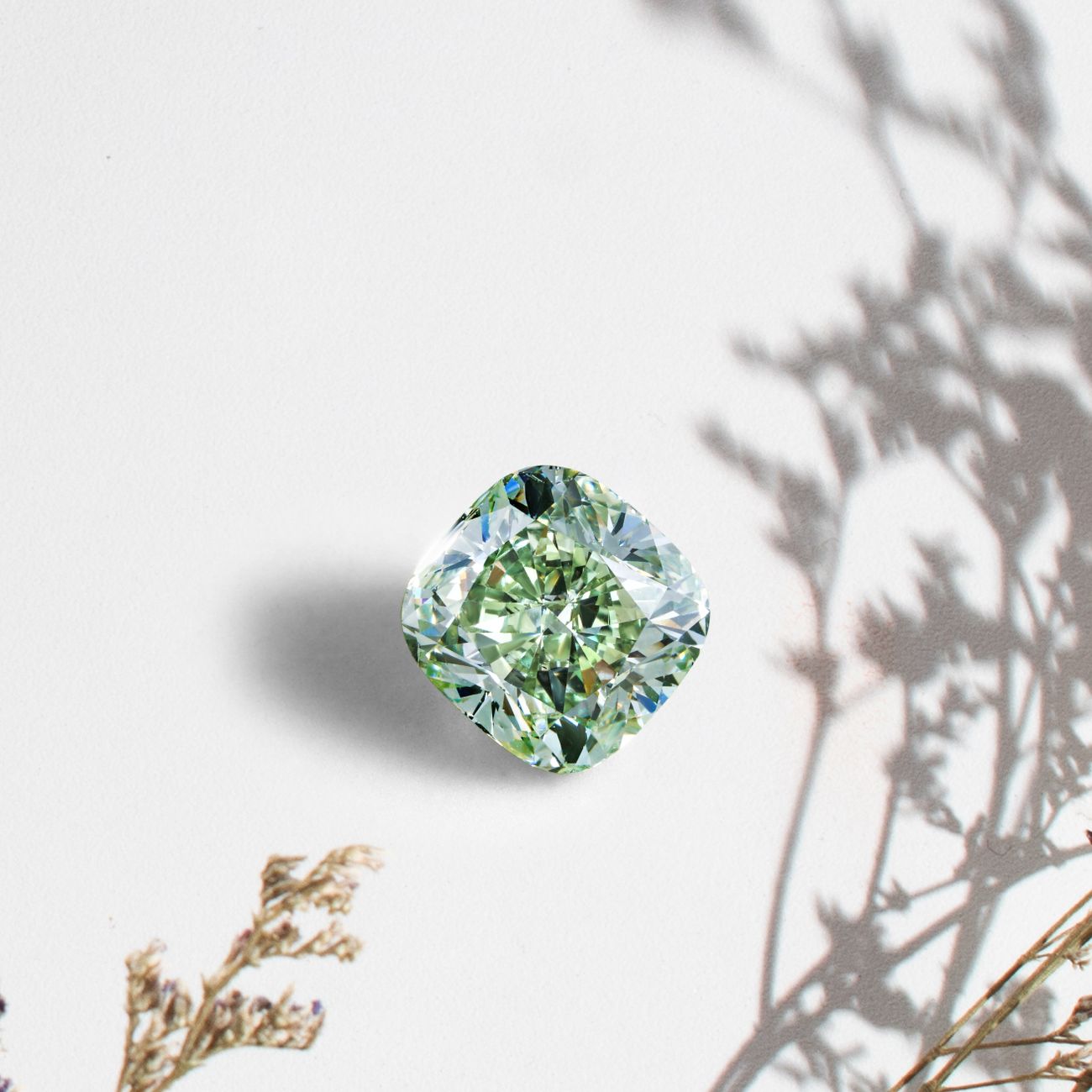
A cushion cut diamond is a diamond shape with rounded corners and curved sides, usually forming a square or rectangular outline. The shape resembles a pillow, which is where the name comes from. It is one of the older diamond styles, but modern cutting methods have given it a wide range of looks.
Some cushion cuts are designed to maximize brilliance, which means they return a lot of white light and sparkle. Others have a more vintage character, with larger facets and a softer, more romantic look. This variety is one reason the shape remains popular among buyers who want something different from the standard round brilliant.
The main cushion cut styles
Not all cushion cuts look identical. The two broad styles buyers usually encounter are:
- Cushion brilliant, which usually has more sparkle and a brighter, more modern look.
- Cushion modified or antique-style cushion, which may have larger facets and a more noticeable pattern of light and dark areas.
Some cushion cuts also have a more square outline, while others are elongated. That difference affects how large the diamond appears on the hand and how the setting shapes the overall look of the ring.
Why Cushion Cut Diamonds Are Popular With Buyers
The popularity of cushion cuts is not based on one feature alone. It is the result of several practical advantages that appeal to different types of shoppers. Buyers often choose this shape when they want a diamond that feels elegant, distinctive, and easy to wear.
They offer a softer look than square shapes
Many buyers like the cushion cut because it has corners that are rounded rather than sharp. That makes the shape feel less rigid than a princess cut or a square emerald cut. It can also make the ring easier to wear daily, since rounded corners are less prone to catching on clothing or feeling visually harsh.
They work in both modern and vintage-inspired designs
Cushion cuts are highly adaptable. In a simple solitaire, they can feel clean and contemporary. In a halo, pavé, or antique-style setting, they can look more traditional or romantic. This flexibility makes them a practical choice for shoppers who want a shape that works across different design styles.
They can look large for their carat weight
Some cushion cuts, especially elongated ones, have a generous face-up appearance. Face-up size refers to how large the diamond looks when viewed from above. Because cushion cuts do not always carry as much weight in the depth of the stone as some other shapes, they can sometimes look slightly larger than expected for the same carat weight.
They suit many hand shapes and ring styles
The shape can be flattering on a wide range of finger lengths. Elongated cushions can visually lengthen the finger, while square cushions can create a balanced, centered look. That versatility helps explain why cushion cuts remain common in engagement rings and other fine jewelry.
Appearance and Visual Performance
Cushion cut diamonds are valued for their soft outline and their distinctive light performance. Their appearance can vary more than many shoppers realize, so it helps to understand the visual traits that matter most.
Brilliance: bright white light return
Brilliance is the white sparkle a diamond gives off when light enters and reflects back to the eye. Many cushion brilliant cuts are designed to enhance this effect. A well-cut cushion brilliant can look lively and bright, especially in natural daylight or strong indoor lighting.
The amount of brilliance depends on facet arrangement, proportions, and cut precision. A cushion with good symmetry and balanced depth tends to return light more evenly, which helps the stone look lively instead of dull or sleepy.
Fire: flashes of colored light
Fire refers to the rainbow flashes you see when a diamond disperses white light into spectral colors. Cushion cuts can show attractive fire, especially in lower lighting or candlelight. Some buyers love this because it gives the diamond a more romantic appearance.
Stones with larger facets may produce broader flashes rather than tiny sparkles. That can make the diamond feel more dramatic, although the visual result depends on the exact style of cushion cut.
Scintillation: how the sparkle moves
Scintillation is the sparkle pattern created by movement and changing light. It includes the contrast between bright and dark areas as the diamond moves. Cushion cuts can produce either a lively, busy sparkle pattern or a softer, more subtle one depending on how they are cut.
This is one reason buyers should not judge cushions by shape alone. Two cushion cuts with the same outline can look very different because one may have a crisper, more brilliant style while another has a vintage-style facet pattern.
Face-up size and visual spread
Face-up size matters because it affects how large the diamond looks on the finger. Some cushion cuts have a deeper pavilion, which is the lower part of the diamond below the girdle. More depth can mean less visible spread for the weight.
Elongated cushions often appear larger than square cushions of the same carat weight because the outline extends farther along the finger. Buyers who want a bigger visual presence often find this appealing, especially in lab grown diamonds where budget may allow for a larger stone.
Length-to-width ratio
Length-to-width ratio describes whether a cushion looks more square or more rectangular. A ratio close to 1.00 appears square, while a higher ratio looks elongated. There is no single ideal ratio, but many buyers have a preference based on hand shape and setting style.
A square cushion often feels classic and balanced. An elongated cushion can look elegant and may make the finger appear longer. The best choice is usually the one that suits the wearer’s style rather than a number alone.
Advantages of Cushion Cut Diamonds
Cushion cuts have several practical strengths that keep them relevant in modern diamond shopping. These advantages are especially important for buyers comparing them with round, oval, emerald, princess, or radiant cuts.
1. Soft, appealing shape
The rounded corners and softened outline make the shape easy on the eye. It feels less sharp than square cuts with pointed corners, which can be attractive for people who prefer a more romantic or feminine appearance.
2. Strong versatility
Cushion cuts work in many settings, including solitaire, halo, three-stone, bezel, vintage-inspired, and modern minimal styles. That makes them one of the more flexible options in diamond jewelry.
3. Wide range of looks
Because cushion cuts come in different facet styles, they can suit different preferences. Buyers who want bright sparkle can choose a brilliant-style cushion, while those who like antique character can choose a softer, more facet-driven look.
4. Good option for larger-looking diamonds
Elongated cushions can create a strong visual spread. For shoppers focused on appearance per carat, that can be a meaningful benefit. It is one reason the shape is often considered when looking at diamond pricing and value.
5. Works well in lab grown diamonds
In lab grown diamonds, cushion cuts can be especially appealing because the buyer may be able to prioritize size, color, or clarity while staying within budget. This can be useful for shoppers who want a larger center stone without sacrificing too much on appearance.
Disadvantages of Cushion Cut Diamonds
Like every shape, cushion cuts have trade-offs. Buyers should understand them before deciding that the shape is the right fit.
1. Less standardized appearance
Cushion cuts vary more than many other shapes. That means two diamonds with the same name can look noticeably different. Some people enjoy that variety, but others may find it harder to shop confidently without seeing the stone in person or using high-quality videos.
2. Sparkle style is not always uniform
Some cushions have excellent brilliance, while others show larger contrast patterns or softer sparkle. If a buyer expects the same type of light return as a round brilliant, the cushion may feel different. This is not necessarily a flaw, but it is an important distinction.
3. Depth can reduce apparent size
Some cushion cuts carry extra depth, which can make the diamond face up smaller than expected. That is why two diamonds with the same carat weight may look different on the hand. Buyers who care about visual size should compare measurements, not just carat weight.
4. Cut quality matters a lot
There is no universal cut grade system for cushion cuts as strict as the one used for round brilliants. That means the buyer needs to pay more attention to proportions, visual performance, and vendor images. For a first-time buyer, this can feel more complicated than shopping a round brilliant.
Who Cushion Cut Diamonds Are Best For
Cushion cuts are a good choice for buyers who want a shape with personality but not one that feels overly trendy or extreme. They often suit people who prefer soft edges, balanced proportions, and a diamond that can work in both classic and contemporary designs.
They are often a good fit for:
- Buyers who want a softer alternative to a princess cut
- People who like vintage-inspired or romantic ring styles
- Shoppers who want flexibility in setting design
- Buyers considering an elongated shape for finger coverage
- Lab grown diamond shoppers looking for better size or quality value
They may be less ideal for buyers who want extremely consistent, standardized sparkle or who prefer the crisp geometry of a princess or emerald cut. That does not make cushion cuts better or worse. It simply means their visual personality is different.
How Cushion Cuts Compare to Other Popular Diamond Shapes
Comparing cushion cuts with other shapes helps explain why they remain popular. The differences are not only about appearance. They also affect sparkle, clarity visibility, color visibility, and how the diamond wears in daily life.
Cushion cut vs round brilliant
| Feature | Cushion Cut | Round Brilliant |
|---|---|---|
| Appearance | Soft square or rectangular shape with rounded corners | Perfectly circular shape |
| Sparkle | Can be bright, but varies by facet style | Typically the most consistent brilliance and sparkle |
| Face-up size | Can look large, especially in elongated versions | Efficient spread, but round outline uses more visible area differently |
| Color visibility | Often forgiving, though styles with larger facets may show tint more easily | Can also be forgiving, especially in smaller sizes |
| Popularity | Popular, but less common than round | Most popular and traditional choice |
Round brilliant diamonds remain the benchmark for sparkle because their facet pattern is engineered for maximum light return. Cushion cuts can still sparkle beautifully, but the effect is usually different. Buyers who want the most predictable brilliance often choose round, while buyers who want a softer outline and more character may prefer cushion.
Cushion cut vs princess cut
Princess cuts and cushion cuts are both square-leaning shapes, but they feel very different. Princess cuts have sharp corners and a more angular appearance. Cushion cuts have rounded corners and a softer outline, which can make them feel less geometric and sometimes easier to wear in certain settings.
Princess cuts can look modern and bold, while cushion cuts often feel warmer and more romantic. Durability is also worth considering. The pointed corners of a princess cut can be more vulnerable to chipping than the rounded corners of a cushion cut, especially in rings worn every day.
Cushion cut vs oval cut
Oval and elongated cushion cuts are sometimes compared because both can lengthen the finger and create a flattering spread. Oval diamonds usually have a more continuous outline and may show a bow tie effect, which is a dark area across the center caused by how light enters and exits the stone.
Cushion cuts can also show uneven light performance, but the look is different because of the rounded corners and facet structure. Buyers who like elongation but want a softer, less slender shape often lean toward cushion. Buyers who want a sleek and lengthening shape often prefer oval.
Cushion cut vs radiant cut
Radiant cuts share some visual similarities with cushions because both can have brilliant-style sparkle and a square or rectangular outline. The difference is that radiants usually have cropped corners and more angular edges, which creates a sharper look. Cushions appear softer and more rounded.
Radiant cuts often show a more fragmented, lively sparkle pattern, while cushions can range from fiery and chunky to bright and balanced. If you are comparing these shapes, the choice often comes down to whether you prefer a more crisp geometry or a softer profile.
Cushion cut vs emerald cut
Emerald cuts are step cuts, meaning they use long, parallel facets that create broad flashes rather than a lot of tiny sparkle. Cushion cuts are usually brilliant cuts, so they tend to sparkle more. That makes them better for buyers who want more visible fire and scintillation.
Emerald cuts can look elegant and sophisticated, but they tend to reveal clarity more easily because the large open facets show what is inside the stone. Cushion cuts are generally more forgiving, though clarity still matters. If sparkle is the priority, cushion often has the advantage.
Cushion cut vs pear and marquise shapes
Pear and marquise shapes are more dramatic and directional, meaning they strongly influence how the diamond looks on the hand. Cushion cuts feel more centered and symmetrical. Buyers who prefer a balanced, grounded shape often find cushions easier to pair with a variety of ring designs.
Pear and marquise diamonds can create excellent finger lengthening, but they also come with more pointed ends that need protection in a setting. Cushion cuts are usually simpler to protect and can feel a bit more practical for everyday wear.
Important Buying Considerations for Cushion Cut Diamonds
Choosing a cushion cut well requires more than picking a size and a price point. Shape, proportions, and light performance all matter. The following considerations are particularly useful for first-time buyers.
Cut quality and facet style
Because cushion cuts are less standardized than round brilliants, cut quality must be judged more visually. Look closely at how the stone handles light. Does it appear bright across the center, or does it have dull areas? Are the sparkle patterns even, or does one side appear noticeably darker?
In many cases, vendor videos and in-person viewing are more helpful than a laboratory report alone. This is especially true when shopping lab grown diamonds, where pricing may allow you to compare several stones more easily.
Color grade
Color visibility depends on the cut style, size, and setting. Cushion cuts can be somewhat forgiving, but some facet patterns show tint more easily than others. For white metal settings, many buyers aim for near-colorless grades if they want a cleaner look. In yellow or rose gold settings, a slightly lower color grade may still look attractive because the metal color can reduce contrast.
For more detail, readers often review diamond color grades before choosing a stone.
Clarity grade
Clarity refers to the internal and external characteristics in a diamond. Cushion cuts can hide small inclusions fairly well in some cases, especially when the sparkle is active. But larger or centrally placed inclusions may still be visible, particularly in cleaner, brighter stones.
For cushion cuts, many buyers look for a clarity grade that balances value and visual cleanliness rather than chasing the highest grade available. A practical understanding of diamond clarity grades can help avoid overpaying for characteristics that do not affect appearance much.
Carat weight versus dimensions
Carat weight tells you how much a diamond weighs, not how large it looks. This matters because cushion cuts can vary in depth. Two diamonds with the same carat weight may have different face-up measurements and different visual presence on the finger.
Ask for the length, width, and depth measurements when comparing stones. This is especially important if you want a larger-looking diamond or if you are comparing a cushion with other shapes.
Ratio and personal preference
For square cushions, the goal is usually a balanced and even outline. For elongated cushions, the ratio becomes a style decision. Some buyers like a subtle elongation, while others prefer a more dramatic rectangular shape. There is no single best ratio, only what looks best to you and fits your ring design.
Setting choice
The setting can make a cushion cut look more modern, more vintage, or more substantial. A halo can increase perceived size, while a solitaire emphasizes the shape itself. Prongs can also affect how visible the corners are. Since the corners are rounded rather than pointed, cushion cuts are often a bit easier to secure in many settings than square shapes with sharp corners.
Lab grown diamond considerations
Lab grown diamonds are a practical option for many cushion cut shoppers because they can make it easier to prioritize size and overall appearance within a budget. This is particularly helpful if you want a larger cushion with strong color and clarity grades.
At the same time, buyers should understand that resale value for lab grown diamonds is usually different from natural diamonds. That does not reduce their visual quality, but it does matter if long-term resale is an important factor in the purchase decision. A balanced approach is to buy based on the diamond’s appearance, certification, and intended use rather than assuming value retention will mirror natural stones.
Common Mistakes Buyers Make When Choosing a Cushion Cut
Cushion cuts can be a smart purchase, but several avoidable mistakes can lead to disappointment. These issues usually happen when buyers focus too much on one specification and too little on the diamond’s actual appearance.
1. Choosing by carat weight alone
Carat weight is only one part of the story. A deeply cut cushion can hide weight in the lower portion of the stone, making it look smaller than expected. Always compare measurements and visual spread, not just the number on the certificate.
2. Ignoring facet style
Some buyers assume all cushion cuts sparkle the same way. In reality, the facet style can completely change the look. A bright, modern cushion brilliant and a softer antique-style cushion may both be beautiful, but they do not satisfy the same taste.
3. Overlooking the setting
The setting can either enhance or weaken the cushion shape. If the goal is to emphasize the outline, a simple setting may work best. If the goal is a more glamorous or larger-looking ring, a halo or side stones may be more suitable.
4. Buying without checking videos or viewing images
Since cushion cuts vary so much, still photos are often not enough. Videos, magnified images, and light performance images can reveal whether the diamond has strong brightness, good symmetry, and appealing contrast.
5. Expecting every cushion to look vintage
Not every cushion has an old-world appearance. Many modern cushions have crisp, bright sparkle and a clean silhouette. If you want an antique look, make sure you are shopping for that specifically rather than assuming every cushion will deliver it.
Comparing Cushion Cuts in Natural and Lab Grown Diamonds
Cushion cuts are available in both natural and lab grown diamonds, and the shape behaves similarly in both categories from a visual standpoint. The difference is mostly in price structure, market availability, and how buyers think about value.
Lab grown cushion cuts may allow shoppers to choose a larger size or a higher quality diamond for the same budget. That can be useful when the goal is to maximize visible size or choose a cleaner-looking stone. For buyers who care most about the physical appearance of the ring, this can be a strong advantage.
Natural cushion cuts may appeal more to buyers who prioritize traditional diamond formation or long-term market conventions. However, they often come with a higher price for the same carat, color, and clarity combination. The right choice depends on what matters most to the buyer, not on shape alone.
How Cushion Cut Popularity Has Changed Over Time
Cushion cuts are not a passing trend, but their style has evolved. Older cushion cuts often had chunkier facets and a more antique profile. Modern cutting trends have brought more symmetry, brighter sparkle, and a wider range of rectangular proportions.
The rise of social media and online diamond shopping has also increased interest in shapes with strong visual character. Buyers now have more access to comparison videos and shape education, which makes them more aware of differences within the cushion category. That broader knowledge has helped the shape remain relevant rather than becoming overly niche.
In the current market, elongated cushion cuts have gained attention because they can look elegant and substantial in photographs and in person. Still, the square cushion remains a classic choice for buyers who prefer balance and a more traditional outline.
Should You Choose a Cushion Cut Diamond?
A cushion cut may be a strong choice if you want a diamond that balances sparkle, softness, and individuality. It is especially appealing if you like a shape that works in many settings and can feel either vintage or contemporary depending on the design.
If your top priority is maximum predictable brilliance, a round brilliant may still be the easier choice. If you prefer a sharper geometric shape, a princess or radiant cut may suit you better. But if you want a softer outline with plenty of visual character, cushion cuts remain one of the most versatile options.
For many buyers, the real appeal comes down to how the shape feels on the hand. Cushion cuts often appear elegant without feeling overly formal, and that broad usability is a major reason they continue to be popular.
Frequently Asked Questions
Are cushion cut diamonds more sparkly than other shapes?
They can be, but it depends on the specific cut style. Cushion brilliant cuts are usually designed for stronger sparkle, while antique-style cushions may have a softer, chunkier light pattern. Round brilliants are still the standard for the most consistent sparkle.
Do cushion cuts look bigger than round diamonds?
Not always. Some elongated cushions can look large for their carat weight because of their shape and spread, but round diamonds are also efficient in how they use their weight. The actual face-up size depends on proportions, not just shape.
Are cushion cut diamonds good for engagement rings?
Yes. Cushion cuts are a common engagement ring choice because they are versatile, comfortable, and work in many settings. Their rounded corners also make them a practical option for daily wear.
Do cushion cuts show flaws easily?
They can hide small inclusions fairly well in some cases, but it depends on the cut and where the inclusion sits. Brighter, more open styles may reveal more than darker or busier facet patterns. Clarity should still be chosen carefully, especially in larger stones.
What is the best length-to-width ratio for a cushion cut?
There is no single best ratio. A ratio near 1.00 looks square, while a higher ratio looks more elongated. The right choice depends on personal taste, finger shape, and the style of ring you want.
Are cushion cuts a good value in lab grown diamonds?
They can be. Lab grown cushion cuts often let buyers get more visible size or a higher color and clarity grade within the same budget. That said, buyers should still evaluate cut quality, certification, and overall appearance carefully.
Do cushion cuts hold their value?
Like most diamonds, resale value is influenced by market demand, size, quality, and whether the diamond is natural or lab grown. Cushion cuts are popular enough to remain desirable, but buyers should not assume strong resale value. It is usually better to buy based on personal use and appearance.
Conclusion
Cushion cut diamonds remain popular because they offer a useful combination of softness, sparkle, and versatility. Their rounded corners, adaptable proportions, and range of facet styles make them appealing to many types of buyers, from first-time engagement ring shoppers to people comparing lab grown and natural diamonds.
The main reason to choose a cushion cut is not simply that it is fashionable. It is because the shape can look romantic, balanced, and distinctive while still fitting comfortably into a wide range of ring designs. The main trade-off is that cushion cuts vary more than some other shapes, so careful comparison matters.
If you are deciding whether a cushion cut is right for you, focus on how the diamond looks face-up, how it handles light, and whether the style matches your everyday preferences. That approach will usually lead to a better purchase than chasing carat weight or shape labels alone. For buyers who value flexibility and a softer profile, cushion cuts continue to be one of the most practical and attractive diamond shape choices.