Oval diamonds continue to be one of the most talked-about diamond shapes in engagement rings, and that remains true in 2026. They offer a mix of elegance, finger coverage, and modern appeal that still resonates with a wide range of buyers.
If you are asking, are oval diamonds still popular, the short answer is yes. They remain one of the most sought-after fancy shapes, especially for engagement rings, and they continue to perform strongly in both natural and lab grown diamond markets.
Quick Answer: Are Oval Diamonds Still Popular?
Oval diamonds are still popular because they offer a look that many buyers find flattering, versatile, and timeless enough to avoid feeling overly trendy. Their elongated shape can make a stone look larger on the finger than a round diamond of the same carat weight, which is one reason they remain attractive to shoppers comparing shapes and budgets.
That said, popularity does not mean every oval is automatically a good choice. The shape has a few buying considerations, including the bow tie effect, length-to-width ratio, and how color and clarity appear in the stone. Understanding those details matters more than following trends alone.
Why Oval Diamonds Continue to Appeal
Oval diamonds sit in a useful middle ground. They have the brilliance of a round diamond, but their elongated outline creates a more distinctive look. For many buyers, that combination feels fresh without being too unusual.
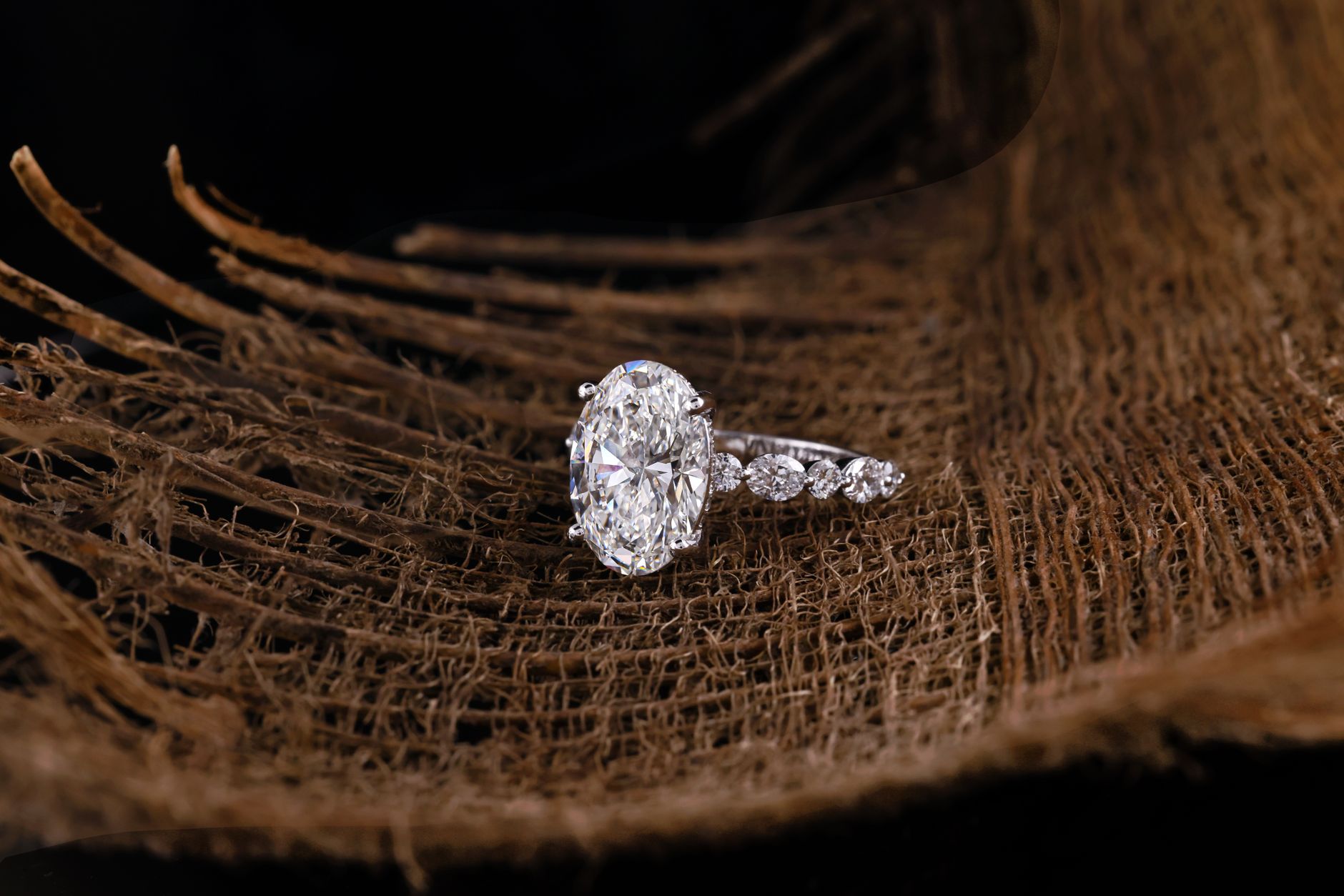
Another reason they remain popular is versatility. Oval diamonds can work in solitaire settings, halo designs, three-stone rings, and east-west styles. They also tend to suit a wide range of hand shapes and ring styles, which helps explain why they continue to show up in engagement ring searches and custom ring requests.
Visual Advantages That Keep Ovals in Demand
Oval diamonds are often chosen for practical visual reasons rather than just style preference. The shape can create the impression of a larger diamond because it spreads weight across a longer surface area. In simple terms, the diamond may cover more finger space than another shape of the same carat weight.
They can also make fingers appear longer and slimmer. This is not a universal rule, but the elongated shape often creates that effect when viewed on the hand. For many shoppers, that is a meaningful factor when selecting an engagement ring.
Understanding Oval Diamond Shape and Proportions
An oval diamond is a modified brilliant cut with a rounded outline and an elongated shape. It is designed to reflect light in a way that produces strong sparkle, similar to a round brilliant, while offering a more stretched appearance.
Not all oval diamonds look the same. Two stones with the same carat weight can appear quite different depending on their proportions. That is why shape selection is not only about whether you want an oval, but also about which oval you want.
Length-to-Width Ratio
One of the most important measurements for oval diamonds is the length-to-width ratio. This tells you how elongated the stone looks. A lower ratio produces a rounder oval, while a higher ratio creates a longer, narrower silhouette.
Many buyers prefer ratios in the range of about 1.35 to 1.50, though personal taste matters more than a fixed rule. A ratio around 1.30 may look soft and balanced, while ratios above 1.55 can look more slender and dramatic.
| Length-to-Width Ratio | General Look | Buyer Impression |
|---|---|---|
| 1.20 to 1.30 | Shorter, fuller oval | Soft and rounded |
| 1.35 to 1.50 | Classic balanced oval | Most common and versatile |
| 1.55 and above | Long, narrow oval | More elongated and stylized |
Face-Up Size
Face-up size refers to how large the diamond appears when viewed from the top. Ovals often excel here because their shape stretches out more than a round diamond of the same weight. This is especially relevant for buyers who want a visually substantial center stone without increasing carat weight too aggressively.
For shoppers comparing lab grown diamonds and natural diamonds, this can be a helpful advantage. Lab grown options often make it easier to get a larger oval with strong overall quality at a lower price point, though buyers still need to pay attention to cut quality and proportions.
Appearance and Visual Performance
Oval diamonds are valued for their brightness and graceful silhouette. As a brilliant-cut shape, they tend to reflect light strongly, which gives them lively sparkle in everyday wear. They are not the same as step cuts like emerald cuts, which have larger mirror-like flashes and a more structured look.
The oval’s appearance depends heavily on cutting precision. A well-cut oval can look bright, lively, and elegant. A poorly cut oval can show uneven light return or a noticeable dark area across the center, commonly called the bow tie effect.
What Is the Bow Tie Effect?
The bow tie effect is a dark shadow across the center of some elongated diamonds, including ovals. It gets its name because the shape resembles a bow tie when seen from above. Nearly all ovals have some degree of it, but in well-cut stones it is often subtle and does not distract from the overall beauty.
The effect happens because of how light enters and exits the stone. If proportions or facet alignment are off, certain areas may not reflect light back to the eye as effectively. When shopping, it is best to evaluate the diamond in different lighting rather than relying only on photos.
Sparkle, Brilliance, and Fire
These terms are often used interchangeably, but they mean different things. Brilliance refers to white light return. Fire refers to flashes of color. Sparkle is the overall visual effect created when the stone moves and light interacts with the facets.
Oval diamonds generally offer strong brilliance because they are brilliant cuts. Their facet pattern is designed to return light efficiently, which is why many buyers find them lively and attractive. Fire is also present, though typically less obviously segmented than in some other fancy shapes.
Scintillation refers to the pattern of bright and dark flashes when the diamond moves. In ovals, this can be especially appealing because the elongated shape creates dynamic light behavior across the stone. That said, scintillation quality varies depending on cut precision, not just the fact that the diamond is an oval.
Advantages of Oval Diamonds
Oval diamonds continue to appeal because they offer a combination of aesthetic and practical benefits. For many buyers, these advantages make them one of the most flexible diamond shapes available.
1. They Often Look Larger Than Their Carat Weight Suggests
Because ovals spread out more than round diamonds, they often appear larger face-up. This does not mean they have more actual material, but visual impact matters to many buyers. If size perception is important, oval diamonds can be a smart shape to consider.
2. They Can Be Very Flattering on the Hand
The elongated outline can create the impression of a longer finger. Buyers who prefer a slender, graceful look often gravitate toward ovals for this reason. The shape is also relatively easy to wear with a variety of ring settings.
3. They Offer Strong Brilliance
As a brilliant-cut shape, ovals tend to have lively sparkle. This is a major reason they remain popular compared with more subdued shapes. Many buyers want something that feels elegant but still delivers visible light performance in everyday conditions.
4. They Work Well in Many Settings
Oval diamonds are adaptable. They can be set vertically for a classic appearance or horizontally in east-west settings for a more contemporary style. They also pair well with side stones, halos, and vintage-inspired designs.
5. They Can Be a Good Value Choice in Some Cases
Compared with round diamonds, ovals may sometimes offer more perceived size for the money. In the lab grown diamond market, this can be especially appealing because buyers may be able to choose a larger or higher-quality oval within a defined budget. Still, value depends on cut, color, clarity, and certification, not shape alone.
Disadvantages and Trade-Offs
No diamond shape is perfect, and oval diamonds have a few trade-offs that buyers should understand before making a decision. These are not deal-breakers for most shoppers, but they can matter depending on expectations.
1. The Bow Tie Effect Can Be Noticeable
Some ovals show a dark central area that can reduce the diamond’s beauty if it is too strong. This is one of the most common concerns buyers have with the shape. A careful visual review is essential because photographs can minimize or exaggerate the issue depending on lighting.
2. Shape Variation Is Common
Unlike some standardized cuts, ovals can vary widely in outline and facet pattern. One may look balanced and elegant, while another may look too narrow, too short, or uneven. Buyers need to judge each stone individually rather than relying on shape alone.
3. Clarity and Color Can Be More Noticeable in Some Stones
Because ovals have a larger open surface than some other shapes, certain inclusions can be easier to spot. Color can also show more readily in the tips or along the edges, particularly in larger stones or lower color grades. That does not mean ovals require top grades across the board, but the shape does benefit from thoughtful selection.
4. They Are Still a Popular Choice, Which Can Feel Less Distinctive
Popularity is often a benefit, but it can also make a shape feel less unique. If a buyer wants a look that stands apart from common engagement ring styles, an oval may not feel as original as a marquise, pear, or Asscher cut. Personal style should guide the choice, not popularity alone.
Who Oval Diamonds Are Best For
Oval diamonds are a strong fit for buyers who want a balance of sparkle, elegance, and visual size. They tend to work especially well for people who like a refined but not overly formal look.
They may be a good match for:
- Buyers who want a flattering, elongated shape
- People who prefer a diamond that looks larger face-up
- Shoppers who like classic sparkle but want something less common than round
- Those considering a lab grown diamond and aiming for maximum visual impact within budget
- Buyers who want flexibility in setting styles
Oval diamonds may be less ideal for buyers who want the most symmetry-controlled shape possible or who are highly sensitive to bow tie visibility. Those shoppers might prefer a round brilliant, emerald cut, or cushion depending on their priorities.
How Oval Diamonds Compare to Other Popular Diamond Shapes
Comparing shapes is one of the best ways to understand why ovals remain popular. The right choice depends on how you weigh sparkle, appearance, size perception, and style preference.
| Shape | Appearance | Sparkle | Size Perception | Common Buying Notes |
|---|---|---|---|---|
| Oval | Elongated, elegant, soft outline | High brilliance, lively movement | Often looks larger face-up | Watch for bow tie and proportions |
| Round | Classic, symmetrical, traditional | Highest overall sparkle in most cases | Smaller face-up than oval at same weight | Usually the easiest shape to evaluate |
| Pear | Teardrop shape with a pointed end | Strong sparkle, more directional look | Can appear large | Tip protection and symmetry matter |
| Marquise | Long, pointed, dramatic | Good sparkle, very elongated | Excellent finger-lengthening effect | Can feel more trend-driven |
| Emerald | Rectangular, step-cut, elegant | Less sparkle, more mirror flashes | Can look large face-up | Clarity is often more visible |
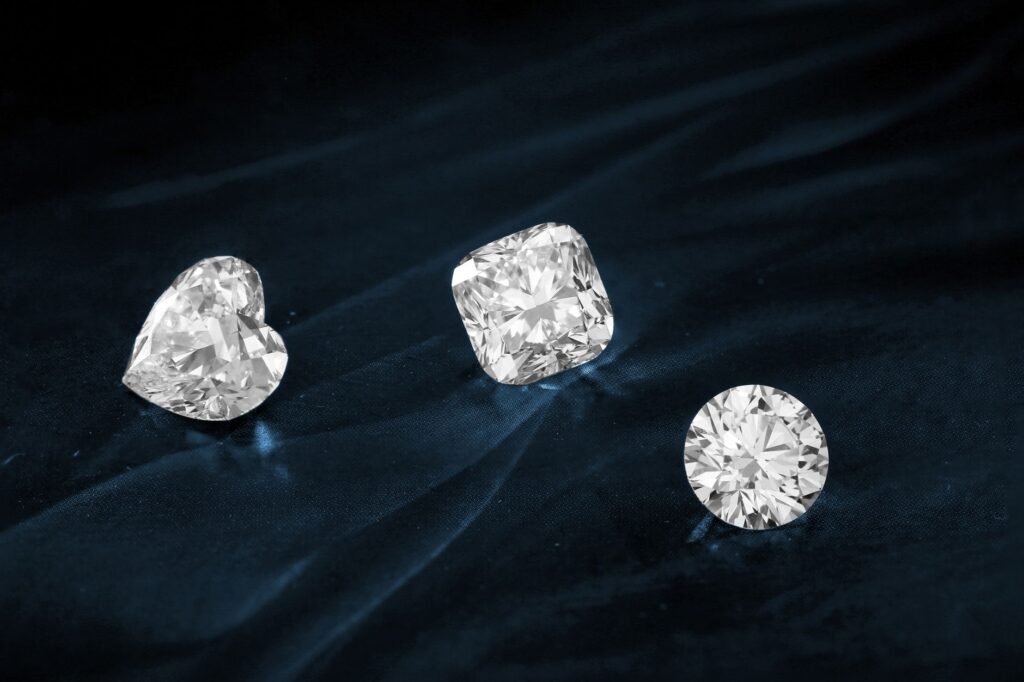
| Cushion | Rounded square or rectangular form | Varies widely by cut style | Moderate visual spread | Can look softer and more vintage |
Oval vs Round Brilliant
Round brilliant diamonds are still the benchmark for sparkle and precision. They tend to offer the most consistent light performance because their shape is highly standardized. If a buyer wants the safest all-around choice for brilliance and symmetry, round is often the reference point.
Oval diamonds, however, offer more finger coverage and a more distinctive outline. They can be a better choice for buyers who want a large-looking center stone without moving to a more unconventional shape. The trade-off is that oval quality can vary more from stone to stone.
Oval vs Pear
Pear shapes are also elongated, but they have a pointed end that gives them a different personality. Some buyers like the teardrop effect because it feels more unique. Others prefer oval because it has no point to orient or protect.
From a wearability standpoint, ovals can feel more straightforward in daily use. Pears require more attention to orientation and tip protection, especially in rings worn often.
Oval vs Emerald
Emerald cuts and ovals are often compared by buyers who want either elegance with sparkle or elegance with structure. Emerald cuts emphasize clarity and shape more than brilliance. Ovals emphasize sparkle and movement.
If you are trying to decide between them, think about whether you prefer a bright, lively stone or a clean, architectural one. They serve different style goals rather than one simply replacing the other.
Important Buying Considerations for Oval Diamonds
When shopping for an oval, the smartest approach is to look beyond carat weight and focus on the factors that affect how the stone actually appears. Shape quality has a direct impact on beauty, and that is especially true for elongated cuts.
Cut Quality Matters More Than Many Buyers Realize
For oval diamonds, cut quality is not just about a grading label. It is about how the stone handles light, how symmetrical it looks, and whether the outline feels pleasing. Unlike round diamonds, ovals do not have one universally standardized cut grade used across the market, so visual review is especially important.
Look for even brightness, balanced ends, and a pleasing outline. If possible, compare several stones side by side or review high-quality imagery and video from a reputable seller.
Color Grade Considerations
Oval diamonds can show color more easily than some round diamonds, especially near the tips and edges. Buyers who want a white-looking stone often choose a higher color grade, such as G or better in many settings, though the best choice depends on metal color and personal sensitivity to warmth.
In yellow or rose gold settings, slightly warmer grades may appear more white than expected because the metal color influences perception. This is one reason diamond color should be evaluated in context, not in isolation.
Clarity Grade Considerations
Clarity refers to internal features called inclusions and external features called blemishes. Oval diamonds can sometimes hide small inclusions well, but large or centrally located ones may still be visible because of the stone’s open table area.
Many buyers can find good value in the VS range or even select SI clarity grades if the inclusions are not visible to the naked eye. For a lab grown oval, this can sometimes allow a larger stone without sacrificing appearance, though each diamond should still be reviewed individually.
Lab Grown vs Natural Oval Diamonds
Oval is a shape, not a diamond origin category. You can buy it in both natural and lab grown form, and the shape behaves the same visually. The difference is in how the diamond was created and how it is priced.
Lab grown oval diamonds often allow buyers to prioritize size and higher color or clarity within a fixed budget. Natural oval diamonds may appeal to buyers who place higher value on rarity and traditional market perception. Resale expectations, certification, and budget should all be considered before deciding between them.
Certification and Transparency
Because oval quality can vary, certification matters. A report from a reputable laboratory helps confirm the diamond’s color, clarity, measurements, and other key details. For buyers comparing options, this is especially important when shopping online or evaluating lab grown diamonds.
Certifications do not tell the full visual story, but they provide an objective starting point. They are especially helpful when comparing oval diamonds that may look similar at first glance but differ in proportions or grading accuracy.
Current Style Trends for Oval Diamonds in 2026
Oval diamonds continue to be widely used in engagement rings in 2026, but the style of ring surrounding them has evolved. Buyers are increasingly interested in settings that make the shape feel customized rather than generic.
Popular directions include minimalist solitaires, hidden halo settings, east-west mountings, and three-stone rings with tapered side stones. Many buyers also pair ovals with slender bands to emphasize the elongated center stone.
At the same time, some shoppers are seeking less common shapes to avoid trend saturation. That does not diminish oval demand, but it does mean buyers should choose based on long-term taste rather than current social media exposure alone.
Timeless vs Trend-Driven Appeal
Oval diamonds sit in an interesting category. They are trendy enough to feel current, but established enough to remain relevant beyond a short fashion cycle. This is one reason they are still popular rather than merely popular for a moment.
If long-term appeal matters, ask whether you like the shape itself or just how it appears in current ring designs. The shape should still feel right to you if styling trends shift in the future.
Common Mistakes Buyers Make When Choosing an Oval Diamond
Many first-time buyers focus on carat size alone. That can lead to disappointment if the oval has poor proportions or a prominent bow tie. A larger-looking diamond is not always a better-looking diamond.
Ignoring the Bow Tie Effect
A little bow tie is common. A heavy bow tie that looks like a dark band across the center is not ideal for most buyers. This is one of the most important visual issues to check in person or through strong video footage.
Choosing a Ratio Without Seeing the Shape
Length-to-width ratio is helpful, but it should not be treated as the only measure of beauty. Two ovals with the same ratio may still look different because of facet pattern, outline, and symmetry. Use the ratio as a guide, not a final verdict.
Overlooking Color in Larger Stones
As ovals get larger, color may become more noticeable. Buyers sometimes assume a shape that looks white in a small size will look the same at higher carat weights. That is not always true, especially in lab grown diamonds where buyers often choose larger sizes and may start noticing warmth more easily.
Not Comparing Stones Side by Side
Oval diamonds can vary enough that one may look much better than another, even if the grading report is similar. Side-by-side comparison is often the best way to evaluate light performance, outline, and visual balance. This is true whether the stone is natural or lab grown.
How to Evaluate an Oval Diamond Before Buying
If you are shopping for an oval diamond, a practical evaluation process helps reduce guesswork. Start with the basics, then move to visual performance.
- Review the certification and confirm the basic grading details.
- Check the measurements and length-to-width ratio.
- Examine video or in-person imagery for symmetry and bow tie visibility.
- Assess whether the color looks appropriate for the setting and stone size.
- Look at the diamond in different lighting, not just one bright studio setup.
Buyers comparing diamonds on price alone may miss these visual differences. In many cases, a slightly smaller oval with better proportions will look more appealing than a larger one with poor light return.
Are Oval Diamonds a Good Choice for Engagement Rings?
Yes, oval diamonds remain a strong engagement ring choice because they combine beauty, flexibility, and broad consumer appeal. They are popular enough to be familiar, but not so common that they feel generic to everyone.
They also work well with many ring design preferences. A simple solitaire keeps the focus on the shape, while accent stones can add detail and make the center stone appear even larger. For buyers who value adaptability, that is a major advantage.
Still, the best engagement ring shape is the one that matches the wearer’s taste and lifestyle. If the wearer prefers geometric precision or vintage character, another shape may be a better fit. Popularity should support the decision, not drive it completely.
Frequently Asked Questions
Do oval diamonds go out of style?
Oval diamonds have remained popular long enough to suggest staying power rather than a short-lived trend. Their shape is familiar, flattering, and versatile, which helps them remain relevant even as ring styles change. That said, no shape is immune to changing fashion preferences, so personal taste still matters most.
Why do some oval diamonds look better than others?
Oval diamonds can vary widely in proportions, symmetry, and facet quality. Some have a balanced outline and subtle bow tie, while others appear too narrow, too short, or uneven. Because of that variation, two ovals with similar specifications can look very different in real life.
Are oval diamonds cheaper than round diamonds?
They often are, though the difference depends on market conditions, quality, and size. Round diamonds usually carry stronger pricing because they are the most established and standardized shape. Oval diamonds can sometimes provide more visible size for the same budget, which is one reason they are appealing to many buyers.
Do oval diamonds sparkle as much as round diamonds?
They can sparkle a great deal, but round brilliant diamonds typically deliver the most consistent light performance. Ovals are brilliant cuts, so they still offer strong brightness and lively movement. The main difference is that oval sparkle can vary more from stone to stone depending on the cut.
What is the best length-to-width ratio for an oval diamond?
There is no single best ratio for everyone. Many buyers prefer something in the 1.35 to 1.50 range because it tends to look balanced and classic. A lower ratio looks fuller, while a higher ratio looks slimmer and more elongated.
Are oval diamonds good in lab grown form?
Yes. Oval lab grown diamonds are a practical option for buyers who want a larger-looking stone, stronger color and clarity grades, or better overall specs within a certain budget. The same shape considerations still apply, including bow tie effect, proportions, and face-up appearance.
Are oval diamonds durable for everyday wear?
They are generally durable enough for everyday wear, especially because they do not have pointed corners like a marquise or princess cut. As with any engagement ring, durability also depends on setting style, metal choice, and how the ring is worn and maintained. Regular jewelry care helps preserve both the diamond and the mounting.
Conclusion
Oval diamonds are still popular because they deliver a strong mix of sparkle, visual size, and flattering shape. They continue to appeal to buyers who want something elegant and recognizable, but not as common as a round diamond.
At the same time, oval diamonds require thoughtful evaluation. Proportions, bow tie visibility, color, and clarity all affect how the stone looks in real life, and those details matter more than popularity alone.
For buyers comparing shapes, an oval diamond is often a strong choice if you want a bright, elongated center stone with broad styling flexibility. For the best result, focus on the individual diamond, not just the shape category, and use certification, proportions, and visual performance to guide the final decision.