Choosing a diamond shape is about more than personal taste. For buyers with smaller hands, the right shape can change how large the diamond appears, how balanced the ring looks, and how comfortable it feels in daily wear. That is why the Best Diamond Shapes for Petite Hands is such a useful topic for engagement ring shoppers and anyone comparing diamond styles.
There is no single shape that works for every petite hand. Hand size, finger length, ring style, and even setting design all affect the final look. Still, some diamond shapes tend to flatter smaller hands more consistently because they create a lengthening effect, offer strong finger coverage, or look proportional without overwhelming the hand.
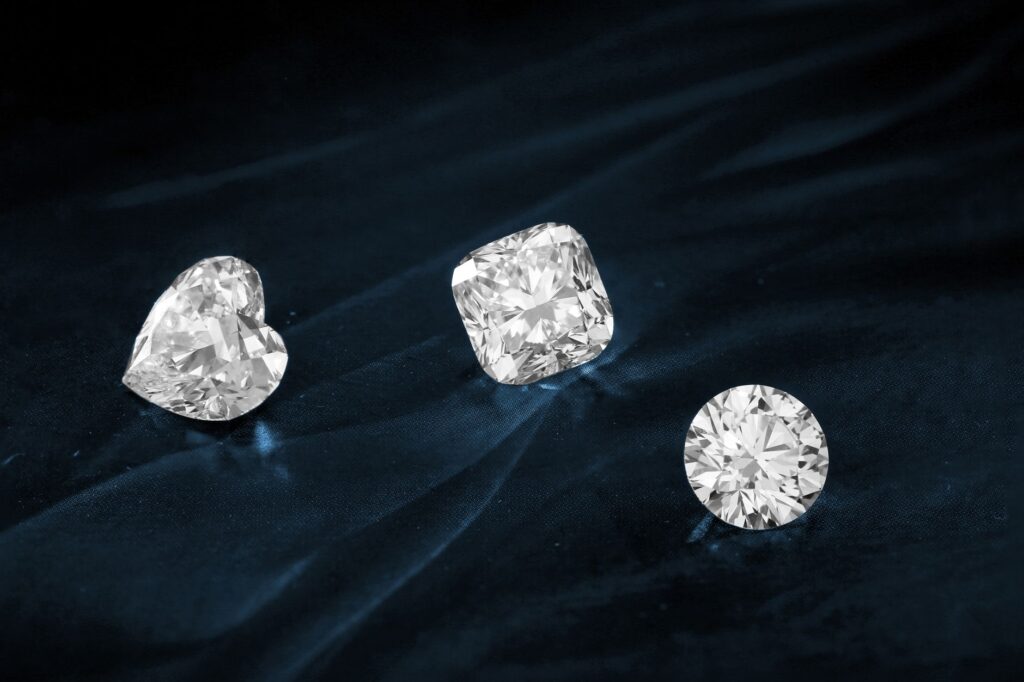
In most cases, buyers with petite hands benefit from shapes that either visually elongate the finger or create an elegant presence without appearing too wide. That often includes oval, pear, marquise, emerald, and certain elongated cushion or radiant cuts. Round diamonds can also work very well, especially when the goal is a classic look with balanced sparkle.
Quick Answer: Which Diamond Shapes Suit Petite Hands Best?
The best diamond shapes for petite hands are usually oval, pear, marquise, elongated cushion, emerald, and round. These shapes tend to either lengthen the appearance of the finger or provide strong visual impact in a compact, proportional way.
If you want a quick rule of thumb, look for shapes that are slightly elongated rather than very wide. A diamond that follows the line of the finger often makes a petite hand look longer and more refined. Shapes with sharp width across the finger, such as some square cuts, can still work, but proportion becomes more important.
The best shape also depends on your priorities. If you want maximum sparkle, round brilliant and oval are common choices. If you want a sleek, elegant look, emerald and marquise may be better fits. If you want a shape that looks larger for its weight, pear, marquise, and oval are often worth considering, including in the lab grown diamond market where buyers may be able to choose a larger center stone for the same budget.
What Makes a Diamond Shape Flattering on Petite Hands?
Petite hands are usually defined by shorter fingers, narrower palms, or a smaller overall hand frame. In this context, “flattering” means the diamond shape creates visual balance rather than overpowering the hand. The best shapes usually do one of two things: they elongate the finger line, or they provide a refined presence that does not spread too wide across the finger.
Several visual factors influence this effect. The first is the diamond’s overall outline, meaning whether it appears round, square, or elongated. The second is how much of the diamond’s spread sits across the finger. The third is the setting, because a delicate shank, low-profile mounting, or slim halo can make the entire ring look more proportional.
Another important idea is face-up size, which is how large the diamond looks from the top once it is set in a ring. Some shapes spread more visually than others for the same carat weight. That matters a lot for petite hands, because a diamond that faces up larger can look more impressive without needing to be physically bulky.
Best Diamond Shapes for Petite Hands: Side-by-Side Comparison
The table below gives a practical overview of how common diamond shapes typically behave on petite hands.
| Shape | Effect on Petite Hands | Sparkle Style | Finger Appearance | Best For |
|---|---|---|---|---|
| Oval | Elongating and balanced | Bright, sparkly brilliance | Makes fingers look longer | Buyers who want a classic but slightly softer look |
| Pear | Very elongating and distinctive | High brilliance with directional shape | Creates a slimming effect | Buyers who like a graceful, unique silhouette |
| Marquise | Strongest lengthening effect | Bright brilliance, less common look | Visually lengthens the finger the most | Buyers who want dramatic elongation |
| Round | Balanced and proportional | Excellent sparkle | Works well on most hands | Buyers who want timeless appeal |
| Emerald | Elegant and refined, less spread across the finger | Subtle, mirror-like flashes | Can look sleek and lengthening | Buyers who prefer a sophisticated, understated style |
| Elongated Cushion | Soft and proportionate | Brilliant sparkle with a softer outline | Can flatter short fingers without looking too angular | Buyers who want a romantic shape |
| Radiant | Compact or elongated depending on ratio | Strong sparkle with crisp edges | Can suit petite hands when well proportioned | Buyers who want a lively look and good brightness |
| Princess | Square shape can look broader on small fingers | Very sparkly | May feel wider than elongated cuts | Buyers who like a modern square profile |
Oval Diamonds on Petite Hands
Oval diamonds are one of the most popular choices for petite hands because they combine sparkle with an elongated outline. The shape naturally follows the finger line, which often makes the hand appear longer and slimmer. This is one reason oval is frequently recommended in engagement ring shape guides.
Another advantage is that oval diamonds usually face up larger than some other shapes of the same carat weight. Since the outline is stretched, more of the diamond is visible from above. For buyers working within a budget, especially those considering lab grown diamonds, an oval can offer strong visual presence without needing a dramatically higher carat weight.
There are trade-offs. Some oval diamonds show a bow tie effect, which is a dark area across the center caused by the way light enters and exits the stone. A slight bow tie is common, but a strong one can reduce visual beauty. Proportions matter here, so shoppers should review videos and not rely only on measurements.
Why Oval Works Well
- Creates a lengthening effect on the finger
- Looks graceful rather than bulky
- Often offers strong face-up size
- Combines well with many ring settings
Pear Diamonds on Petite Hands
Pear shapes, sometimes called teardrop shapes, are another strong option for petite hands. The pointed end and rounded end create a naturally lengthening effect, especially when the point faces toward the fingertip. This can make the finger appear more slender and refined.
Pear diamonds also have a unique personality. They can look classic in a solitaire, delicate in a halo, or modern in an east-west setting. Because the silhouette is asymmetrical, pear shapes can feel more distinctive than oval or round while still remaining elegant.
Buyers should pay close attention to symmetry and the bow tie effect. The rounded end should feel balanced, and the point should not look too narrow or fragile. For daily wear, many people also choose protective prongs for the pointed tip, since that area is more vulnerable to chipping than a rounded edge.
Why Pear Works Well
- Creates a slimming, elongating appearance
- Offers a distinctive look without being overly trendy
- Can face up large for its carat weight
- Works well in both classic and modern settings
Marquise Diamonds on Petite Hands
Marquise diamonds are one of the strongest shapes for visually lengthening the finger. Their long, narrow silhouette creates a dramatic line across the hand, which often looks elegant on petite fingers. If the goal is maximum elongation, marquise is difficult to beat.
This shape can also make a diamond appear larger than its carat weight suggests because the outline covers a lot of surface area. That can be appealing for buyers who want impact without a heavy-looking stone. In a lab grown diamond, this may allow a shopper to select a more elongated and visually substantial stone for a lower price than a comparable natural diamond.
However, marquise diamonds are not for everyone. They tend to look more fashion-forward and less traditional than round or oval. They also have pointed ends, so durability matters. Careful setting design is important to protect the tips from chips.
Why Marquise Works Well
- Offers the strongest finger-lengthening effect
- Provides excellent visual spread
- Can look elegant and dramatic on smaller hands
- Stands out from more common shapes
Emerald-Cut Diamonds on Petite Hands
Emerald cuts are not known for intense sparkle in the same way as brilliant cuts, but they can be very flattering on petite hands. The long rectangular shape creates clean lines that can make the finger appear longer. For buyers who prefer an elegant, architectural look, emerald cut is a strong choice.
The appeal of emerald cut diamonds lies in their step-cut faceting. Instead of many tiny flashes, the stone shows broad flashes of light and open “hall of mirrors” reflections. This means the shape can appear sophisticated and calm rather than fiery. On petite hands, that understated look can feel balanced and refined.
Emerald cuts do require careful quality selection. Because the facets are open, inclusions and color are often easier to see. Buyers usually need to pay more attention to clarity and color than they might with some other shapes. This is especially relevant when comparing lab grown diamond options, where higher clarity grades may be more accessible within budget.
Why Emerald Cut Works Well
- Creates a long, elegant visual line
- Looks refined rather than bulky
- Provides a sophisticated alternative to brilliant cuts
- Pairs well with slim ring designs
Round Diamonds on Petite Hands
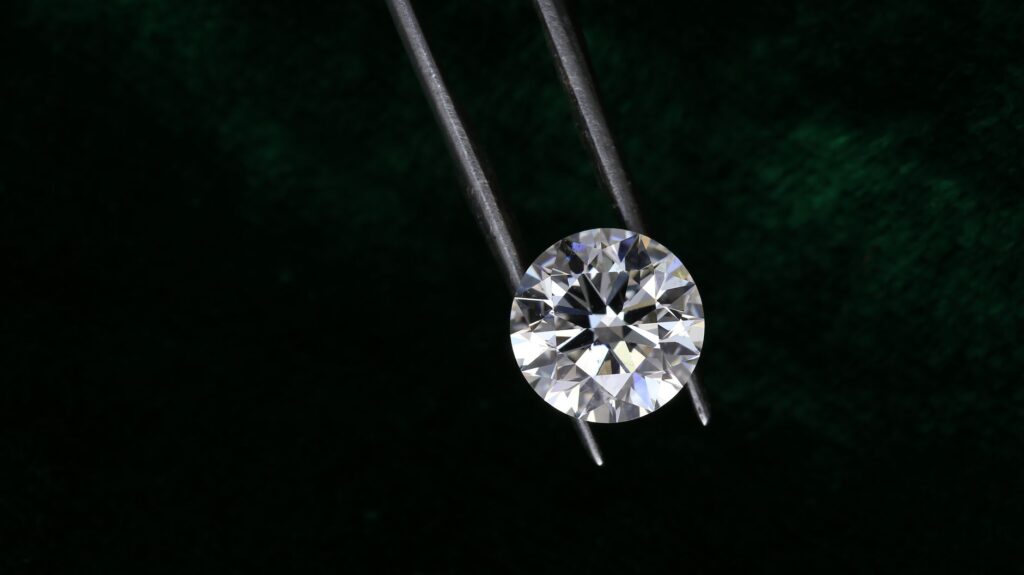
Round diamonds are the most classic and widely recognized shape. While they do not elongate the finger as much as oval or marquise, they still work beautifully on petite hands because they offer balanced proportions and exceptional sparkle. A well-proportioned round diamond rarely looks awkward.
Round brilliants are popular for a reason. Their facet structure is designed to return light efficiently, which produces strong brilliance and scintillation. On smaller hands, this can create a polished, timeless look without overwhelming the finger.
Another practical advantage is versatility. Round diamonds suit nearly every setting style, from simple solitaires to halos and three-stone rings. If a buyer wants a shape that is safe, classic, and easy to wear long term, round remains one of the strongest options.
Why Round Works Well
- Delivers the strongest traditional sparkle
- Feels balanced on small hands
- Matches many engagement ring designs
- Has enduring popularity and broad appeal
Elongated Cushion Diamonds on Petite Hands
Cushion cut diamonds have softened corners and a romantic shape. When the cushion is elongated rather than square, it often works very well on petite hands. The length helps visually extend the finger, while the rounded corners keep the look gentle and feminine for many buyers.
Cushion cuts come in different faceting styles, which affect sparkle. Some look more antique and pillowy, while others are brighter and more modern. This means two cushion diamonds of the same shape can look noticeably different, so shoppers should compare images and videos carefully.
For petite hands, the elongated cushion is often more flattering than a short, square cushion because it avoids adding too much width across the finger. The softer outline can also be a comfortable choice for daily wear.
Why Elongated Cushion Works Well
- Balances softness with a lengthening shape
- Can look romantic and elegant
- Often feels less angular than other elongated cuts
- Can suit petite hands without appearing harsh
Radiant Diamonds on Petite Hands
Radiant cuts combine a rectangular or square shape with brilliant-style faceting. This gives them a lively sparkle that many buyers love. On petite hands, an elongated radiant can work especially well because it offers finger lengthening without the sharper outline of a marquise or emerald cut.
Radiant diamonds are also known for being lively in motion. The small facets produce lots of flash, which can make the diamond appear energetic and bright. A well-cut radiant can look substantial while still staying proportionate on a smaller hand.
One advantage of radiant cuts is that they can hide minor inclusions better than step cuts because of their faceting pattern. That can give shoppers some flexibility with clarity, especially when comparing different price points. However, proportions still matter, and some radiants may appear too square or too wide for very petite hands.
Why Radiant Works Well
- Offers strong sparkle with a modern look
- Can be flattering when elongated
- Often hides inclusions well
- Works in both classic and contemporary settings
Princess Cuts on Petite Hands
Princess cuts are square and sharply angular, which gives them a modern feel. They can work on petite hands, but they are less naturally lengthening than oval, pear, or marquise. Because they spread across the finger more evenly, they may look broader on a small hand if the stone is large or the setting is heavy.
That does not mean princess cuts are a poor choice. Many buyers love their geometric style and high sparkle. The key is proportion. A smaller or well-balanced princess cut can look neat and elegant on a petite finger, especially in a slim setting.
Princess cuts also have corner vulnerability. The pointed corners need protection, so the setting should be designed carefully. For daily wear, this is an important practical consideration, particularly for people who use their hands often.
Why Princess Can Work, With Caveats
- Offers a crisp, modern appearance
- Can look clean and structured on small hands
- Needs protective setting choices
- May appear wider than elongated shapes
How Shape Affects Sparkle, Brilliance, and Visual Performance
Diamond shape does more than change the outline. It also affects how the diamond handles light, which in turn influences sparkle, brilliance, and fire. Understanding these differences helps buyers choose a shape that looks good on the hand and matches their style preferences.
Brilliance refers to white light return. Fire is the colored flashes of light you see when a diamond moves. Scintillation is the sparkle and contrast pattern created when the diamond and viewer move. These terms are related, but they are not the same thing.
Round brilliant diamonds usually produce the strongest overall sparkle because the cutting style is optimized for light return. Ovals, pears, and radiants can also be very sparkly, though each may show different patterns of light and shadow. Emerald cuts generally show less sparkle but more mirror-like flashes, which some buyers prefer for their elegant appearance.
Shape and Light Performance at a Glance
| Shape | Brilliance | Fire | Scintillation | Visual Style |
|---|---|---|---|---|
| Round | Excellent | Strong | Very strong | Classic and lively |
| Oval | Excellent | Strong | Strong | Soft, elongated brilliance |
| Pear | Very good | Good | Strong | Graceful and directional |
| Marquise | Very good | Good | Moderate to strong | Dramatic and elongated |
| Emerald | Moderate | Moderate | Subtle | Sleek and sophisticated |
| Elongated Cushion | Very good | Good | Strong | Romantic and soft |
| Radiant | Excellent | Good | Strong | Bright and energetic |
Face-Up Size and Why It Matters on Petite Hands
Face-up size is one of the most important practical factors for petite-hand buyers. A diamond with a larger face-up spread can look more impressive at the same carat weight. That matters because carat weight alone does not tell the full story of visual size.
Elongated shapes often look larger than round or square shapes of the same weight because they distribute that weight over a longer outline. This is one reason oval, pear, marquise, and elongated cushion cuts are frequently recommended. They can create the illusion of a larger center stone without requiring a dramatic increase in carat weight.
This also connects to budget planning. In the lab grown diamond market, buyers often compare a round diamond with an elongated shape to see how much visual size and quality they can get for the same budget. Since lab grown diamonds often cost less than natural diamonds of similar quality, some shoppers use the savings to choose a larger or better-proportioned elongated cut.
Durability Considerations for Petite Hands
Shape affects durability as well as appearance. This is especially important for engagement rings, which are worn daily. Some shapes have pointed edges or corners that need more protection, while others have smoother outlines that are naturally easier to wear.
Round, oval, and cushion shapes are generally considered safer from a durability standpoint because they do not have sharp corners. Pear and marquise shapes have pointed tips that should be protected by prongs. Princess and radiant cuts with square outlines have corners that can be vulnerable if the setting is not well designed.
For petite hands, durability is especially important because a smaller hand may not benefit from an oversized stone if that size makes the ring more exposed or harder to wear. A well-proportioned ring with a secure setting is usually a better long-term choice than a larger shape that sits awkwardly or feels fragile.
Durability Ranking, Generally Speaking
- More durable shapes: round, oval, cushion
- Moderate care needed: emerald, radiant
- More protection needed: pear, marquise, princess
This ranking is not absolute. A well-made setting can greatly improve the daily wearability of any shape. The best choice depends on how active the wearer is and how much maintenance they are comfortable with.
Best Settings for Petite Hands
The setting can make as much difference as the shape itself. A petite hand can be overwhelmed by a heavy, wide ring band, even if the diamond shape is flattering. For that reason, many buyers choose slim, delicate settings that support the stone without adding too much visual weight.
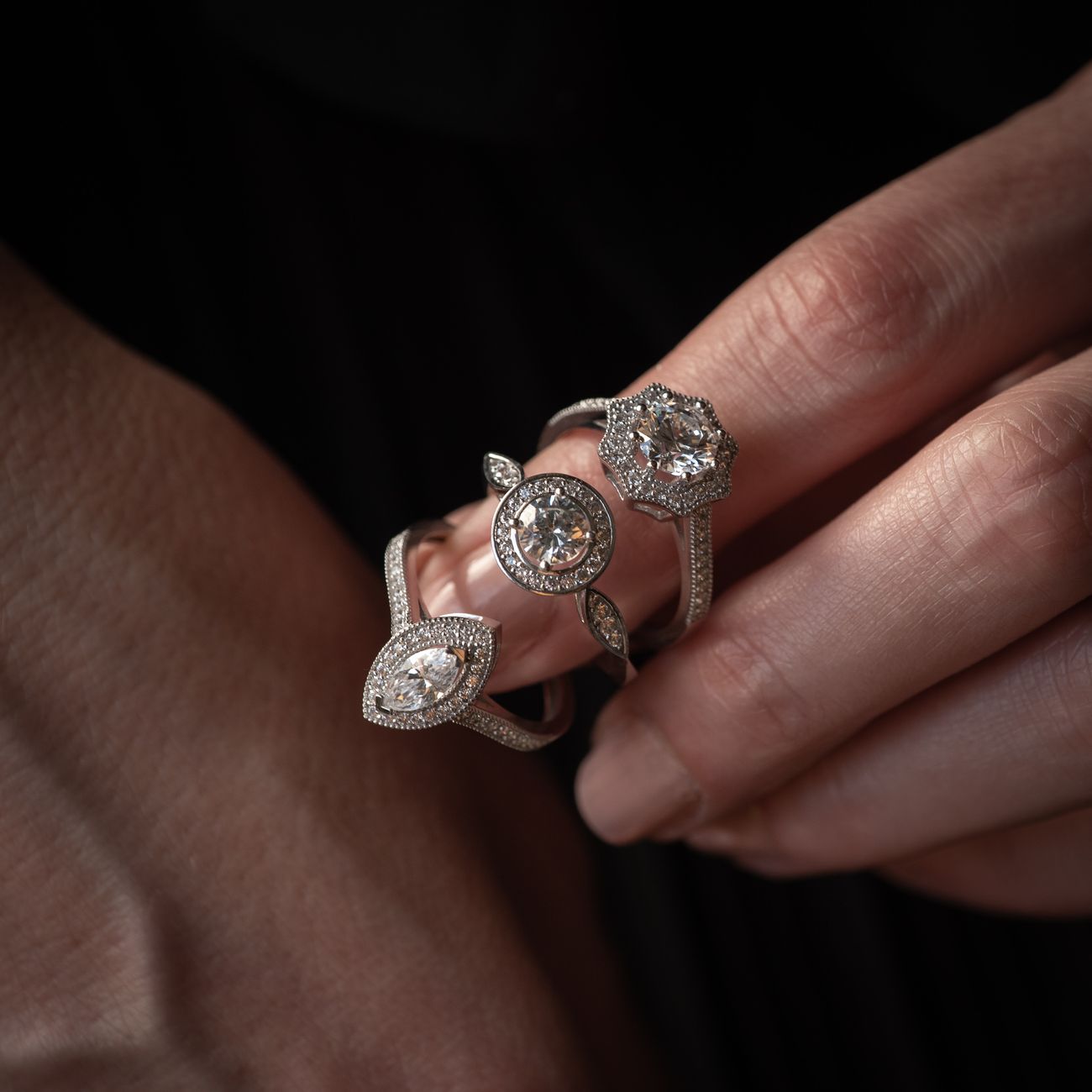
Popular setting styles for petite hands include the classic solitaire, thin pavé bands, hidden halos, and tapered shoulders. These designs keep the ring balanced and allow the diamond shape to remain the focal point. A setting with a small profile can also make the finger appear longer.
Halo settings can work too, but they should be used carefully. A halo adds visual size, which can be helpful if the center stone is modest. However, on very petite hands, an oversized halo can make the ring look too wide. Proportion matters more than ring size alone.
Setting Features to Look For
- Thin band that does not overpower the finger
- Low or medium profile for comfort
- Prong placement that protects tips and corners
- Balanced head size relative to the finger width
How Length-to-Width Ratio Changes the Look
For elongated shapes, the length-to-width ratio plays a major role. This ratio compares how long the diamond is to how wide it is. It helps determine whether the shape looks slim, balanced, or too stretched out.
For example, an oval with a ratio around 1.35 to 1.50 is often seen as balanced, though personal preference matters. A pear diamond with a moderate ratio may look elegant and proportionate, while a very high ratio may appear narrow. Marquise and emerald cuts also vary widely, so shoppers should not rely on shape name alone.
On petite hands, ratio can change whether a diamond feels flattering or overwhelming. A slightly elongated stone often looks graceful, while an overly narrow stone may draw too much attention or appear less substantial. This is why it is useful to compare measurements, not just carat weight or shape category.
Color and Clarity Considerations by Shape
Shape also affects how visible color and clarity inclusions are. This matters because some shapes hide imperfections better than others. Buyers who understand this can make better choices and avoid paying for quality features they will not actually see.
Round, oval, pear, and radiant cuts often do a good job of hiding minor inclusions because their faceting patterns create more sparkle and movement. Emerald cuts are more transparent, so inclusions may be easier to see. Color can also show more clearly in step cuts and in shapes with broad, open facets.
For petite hands, this does not mean you need the highest grades across the board. It means the shape should guide your priorities. A shopper choosing an emerald cut may want a higher clarity grade, while someone choosing a brilliant cut might focus more on cut quality and overall appearance.
Practical Quality Guidance
- Round, oval, radiant: often more forgiving with clarity
- Emerald: usually needs stronger clarity and color attention
- Pear and marquise: pay attention to symmetry and tip protection
- Princess: inspect corners and setting security carefully
How Petite Hands Affect Shape Selection in Real Life
One common mistake is assuming that petite hands automatically need a small diamond. That is not always true. A petite hand can wear a larger center stone if the proportions are balanced and the setting is thoughtful. The goal is not simply to choose the smallest diamond, but to choose the shape and design that look intentional.
For example, a 1.50 carat oval on a narrow band may look elegant and proportionate on a petite hand. A 1.00 carat round on a wide band may look less refined, even though the carat weight is lower. This shows why finger coverage, setting width, and shape all need to be considered together.
Hand shape also matters. Short fingers may benefit most from elongated shapes. Narrow but longer fingers may be able to wear almost any shape comfortably, including round or princess. The right choice depends on the whole hand, not just one dimension.
Popular Shape Trends and Long-Term Appeal
Shape trends change over time, but some styles have stronger long-term appeal than others. Round diamonds remain the most timeless because they have broad consumer acceptance and a classic look. Oval diamonds have become especially popular in recent years because they offer a modern, flattering silhouette with a lot of visual size.
Pear and marquise shapes tend to feel more distinctive, which can be appealing if you want a ring that stands out. Emerald cuts often attract buyers who like quiet elegance and a less sparkly, more sophisticated appearance. Elongated cushion and radiant cuts are also gaining attention because they blend softness with a contemporary profile.
If long-term appeal matters to you, think about whether you want a shape that is broadly loved or one that feels more personal and style-driven. Both are valid choices. A more trend-forward shape can still age well if it suits the wearer and is well proportioned.
How Lab Grown Diamonds Fit Into This Decision
Lab grown diamonds are especially relevant when selecting shapes for petite hands because they often allow buyers to compare larger sizes, better clarity, or more specialized proportions within the same budget. That can be useful when shopping for elongated shapes, where visual spread plays a major role in appearance.
This does not mean lab grown diamonds are automatically the better choice. They typically offer strong value at the time of purchase, but resale value can be different from natural diamonds. Buyers should understand that trade-off before deciding. Certification still matters, whether the diamond is lab grown or natural, because cut, color, clarity, and proportions all affect the final appearance.
For shape selection, lab grown diamonds can make it easier to prioritize what matters most visually. A shopper might choose an oval with excellent clarity or a larger emerald cut than they could otherwise afford. That flexibility can be useful, especially for petite hands where proportion and face-up presence are so important.
Common Mistakes Buyers Make
Buyers often focus too much on carat weight and not enough on shape proportions. A diamond can be technically larger but still look less flattering if it is too wide, too deep, or poorly set. For petite hands, proportion is usually more important than size alone.
Another common mistake is choosing a shape from photos without checking how it behaves in real life. Ovals can show bow ties. Pears can need tip protection. Emerald cuts can reveal inclusions more easily. These details matter, and they are easier to judge from videos, measurements, and certification reports than from a simple product image.
A third mistake is using a setting that is too wide or bulky for a small hand. Even a flattering diamond shape can look heavy if the band is thick or the head is oversized. The ring should work as a complete design, not as separate parts.
What to Avoid
- Choosing carat weight before considering shape and ratio
- Ignoring the setting’s width and profile
- Buying an elongated shape without checking for bow tie appearance
- Assuming all shapes hide clarity and color equally well
- Overlooking tip and corner protection on vulnerable shapes
How to Choose the Best Diamond Shape for Your Petite Hand
The best choice depends on your style preferences and how you want the ring to look on the hand. If your main goal is finger-lengthening, oval, pear, and marquise are the strongest candidates. If you want timeless sparkle with balanced proportions, round remains a reliable option. If you prefer refined elegance, emerald or elongated cushion may be the right fit.
It also helps to think about daily wear. Someone with an active lifestyle may prefer round, oval, or cushion shapes because they are easier to live with and less likely to catch on clothing. Someone who values style individuality may feel more drawn to pear or marquise. Neither approach is right or wrong.
One practical way to shop is to start with the silhouette you like most, then compare a few stones in that shape side by side. Look at how each one sits on the finger, how much of the finger it covers, and whether the setting feels balanced. That approach is more useful than relying on carat alone.
Frequently Asked Questions
What diamond shape makes petite fingers look longer?
Oval, pear, marquise, and elongated emerald cuts are the most effective at making petite fingers look longer. They create a vertical line that visually stretches the hand. Among these, marquise usually creates the strongest lengthening effect.
Are round diamonds good for petite hands?
Yes. Round diamonds do not lengthen the finger as much as elongated shapes, but they are balanced, timeless, and very sparkly. They often look polished and proportional on smaller hands, especially with a slim setting.
Which shape looks biggest on a petite hand?
That depends on face-up spread, but oval, pear, and marquise often look largest for their carat weight because of their elongated outlines. A well-proportioned radiant or cushion can also appear substantial. The setting and ratio matter just as much as the shape name.
Do petite hands need smaller carat sizes?
Not necessarily. Petite hands can wear larger stones if the shape and setting are balanced. The issue is usually proportion, not size alone. A thoughtfully designed 1.50 carat ring can look elegant on a petite hand, while a poorly designed smaller ring may look bulky.
Is a halo setting good for petite hands?
A halo can work well if it is subtle and proportionate. It adds visual size, which may be useful for smaller center stones. However, a large halo can overwhelm a petite hand, so the design should stay delicate rather than oversized.
Which shape is most durable for everyday wear?
Round diamonds are generally the most durable because they have no corners. Oval and cushion cuts are also practical for daily wear. Shapes with points or corners, like pear, marquise, and princess, need more careful setting design and more attention during wear.
Do lab grown diamonds make shape choice easier for petite hands?
They can. Because lab grown diamonds often cost less than natural diamonds of similar appearance, buyers may have more room to prioritize the exact shape, ratio, and quality they want. That can be helpful when shopping for elongated shapes or better clarity in shapes with open facets.
Conclusion
The best diamond shapes for petite hands are the ones that create balance, refinement, and a flattering visual line. In practice, oval, pear, marquise, emerald, elongated cushion, and round are the most common options worth considering. Each one offers a different mix of sparkle, face-up size, and finger-lengthening effect.
If you want the most elongating look, start with oval, pear, or marquise. If you want timeless sparkle and broad appeal, round is still an excellent choice. If you prefer elegant, understated styling, emerald or elongated cushion may suit you better. The right setting, ratio, and stone proportions matter just as much as the shape itself.
For petite hands, the smartest buying approach is to look beyond carat weight and focus on how the ring will actually appear on the hand. Compare shapes in real photos and videos, pay attention to length-to-width ratio, and consider how the design will wear over time. That is the most reliable way to choose a diamond shape that feels proportional, flattering, and practical for everyday use.