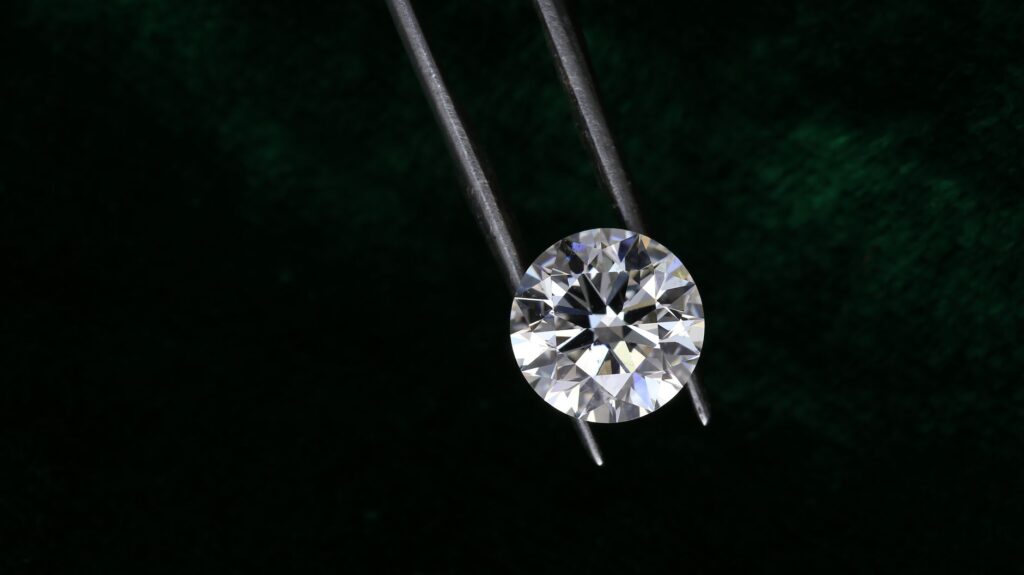
Diamond prices do not rise in a smooth, even line. A stone that weighs 0.99 carat can cost meaningfully less than a visually similar diamond that weighs 1.00 carat. The same pattern often appears at 0.50, 0.75, 1.50, 2.00, and other benchmark weights. That gap surprises buyers because the visible size difference is usually much smaller than the price difference.
Understanding why diamond prices jump at magic sizes can help you avoid paying extra for a number on a grading report when the diamond will not look noticeably larger once it is set in a ring. This matters for both natural and lab grown diamonds, although the pricing pattern and the size of the premium can differ between the two categories.
For shoppers focused on value, the key question is not just carat weight. It is how much larger the diamond actually looks, how much finger coverage it provides, and whether the budget increase creates a meaningful visual benefit.
Quick Answer
Diamond prices jump at magic sizes because buyers strongly prefer round-number carat weights such as 0.50, 1.00, 1.50, and 2.00 carats. These weights are psychological pricing thresholds. Demand is higher, supply is tighter, and cutters often sacrifice extra rough material to reach those benchmark sizes, especially in natural diamonds. As a result, the price per carat can rise sharply right at those weight marks.
From a buyer’s perspective, the important takeaway is simple. A diamond just below a magic size, such as 0.90 instead of 1.00 carat or 1.80 instead of 2.00 carats, often looks very similar face-up while costing less. In many cases, that is where the strongest value is found.
Understanding the Carat Concept
What diamond carat actually means
Carat is a unit of weight, not a direct measurement of visible size. One carat equals 0.2 grams. Two diamonds with the same carat weight can look different in size if they have different shapes, different proportions, or different cutting styles.
This is one reason diamond shopping can feel confusing. Buyers often assume a higher carat number automatically means a much larger look. In reality, visible spread can vary quite a bit.
What face-up size means
Face-up size is the size a diamond appears when viewed from the top, which is how it is normally seen in a ring. For a round diamond, this is usually discussed in millimeters across the top. For fancy shapes such as oval, emerald, pear, or cushion, face-up dimensions include length and width.
Face-up size matters because it is what the eye notices first. A diamond can weigh more because it is deeper, not because it looks larger from above. That means a heavier stone is not always a bigger-looking stone.
What a magic size diamond is
A magic size diamond is a stone that hits a popular benchmark weight. Common examples include:
- 0.50 carat
- 0.75 carat
- 1.00 carat
- 1.50 carat
- 2.00 carats
- 3.00 carats
These sizes are considered desirable because they are easy to understand, easy to compare, and widely used in jewelry marketing and consumer conversations. Saying “one carat” carries more psychological appeal than saying “0.93 carat,” even if the visual difference is small.
Why Diamond Prices Jump at Magic Sizes
Psychological demand is stronger at round numbers
Round numbers feel important to buyers. A 1 carat diamond is often seen as a milestone purchase. A 2 carat diamond may be viewed as a major upgrade. These perceptions create concentrated demand at specific weights.
That higher demand supports higher prices. This is similar to how certain home sizes, car trims, or watch sizes attract more buyers simply because they fit familiar mental categories.
Supply is tighter at exact benchmark weights
Natural rough diamonds are not formed in neat, market-friendly sizes. Cutters work with what nature provides. Reaching a finished weight of exactly 1.00 or 2.00 carats may require careful planning, and not every piece of rough can yield that outcome efficiently.
As a result, the inventory of well-cut diamonds that land on a benchmark weight can be more limited than consumer demand would suggest. Limited supply plus strong demand is a classic recipe for price jumps.
Cutters may retain extra weight to hit the threshold
Sometimes a diamond is cut to preserve carat weight rather than maximize beauty. For example, a stone might be left slightly deep to cross the 1.00 carat line instead of finishing at 0.96 or 0.97 carat with a better spread.
This matters because the buyer may pay the premium for the magic size without receiving a proportional increase in visible size. In some cases, the below-threshold diamond can actually face up larger if it is cut better.
Price per carat increases in tiers
Diamonds are not priced only by total weight. They are often priced by price per carat, and that figure can increase when a stone enters a new weight category. A 0.99 carat diamond and a 1.00 carat diamond may belong to different pricing brackets even though the actual weight difference is tiny.
This step-like pricing structure is one of the clearest reasons prices jump at magic sizes instead of rising gradually.
Lab grown diamonds show the pattern too, but differently
Lab grown diamonds also tend to have benchmark-price behavior, but the premium is often less extreme than in natural diamonds. Production is more flexible than geological supply, and larger lab grown diamonds are generally more accessible within a given budget.
Still, consumer psychology remains the same. A 2.00 carat lab grown diamond may carry a stronger premium than a 1.90 carat stone, even when they look similar in a ring.
What Buyers Usually Expect
Expectation: a full-carat diamond looks much bigger than a near-carat diamond
This is one of the most common assumptions. Buyers often picture a 1.00 carat diamond as a meaningful visual step up from a 0.90 or 0.95 carat diamond. In reality, the visible difference is usually subtle, especially once the stone is mounted and seen in everyday conditions.
The weight difference exists on paper, but not all of it translates into obvious top-view size.
Expectation: higher carat always means more finger coverage
Not necessarily. If a heavier diamond carries more of its weight in depth, the top dimensions may not increase as much as expected. Two stones with the same weight can have different spreads, and a well-cut diamond just under a magic size can sometimes cover the finger as well as, or better than, a heavier but deeper stone.
Expectation: milestone sizes are always worth paying for
They are worth it for some buyers, but not for everyone. If the personal importance of saying “one carat” or “two carats” matters a great deal, then the premium may be reasonable for that buyer. If visual value is the main goal, the just-below option is often more efficient.
What It Actually Looks Like
Small carat differences can produce tiny millimeter differences
The eye sees millimeters, not carats. A round diamond around 0.90 carat may measure roughly 6.2 mm, while a round 1.00 carat may measure around 6.4 to 6.5 mm if well cut. That is a real difference, but it is not dramatic.
Once the stone is set, viewed on a hand, and seen from normal distance, that gap can be difficult for non-experts to notice without side-by-side comparison.
Finger size changes the impression of size
The same diamond can look larger on a size 4 finger than on a size 8 finger. Finger width affects perceived finger coverage, which is one reason online carat expectations can feel inconsistent. A 1 carat diamond may appear substantial on a smaller hand and more moderate on a larger one.
This is especially relevant when deciding whether to pay for a magic size premium. On some hands, the visual difference may be even less noticeable.
Shape can matter more than the carat threshold
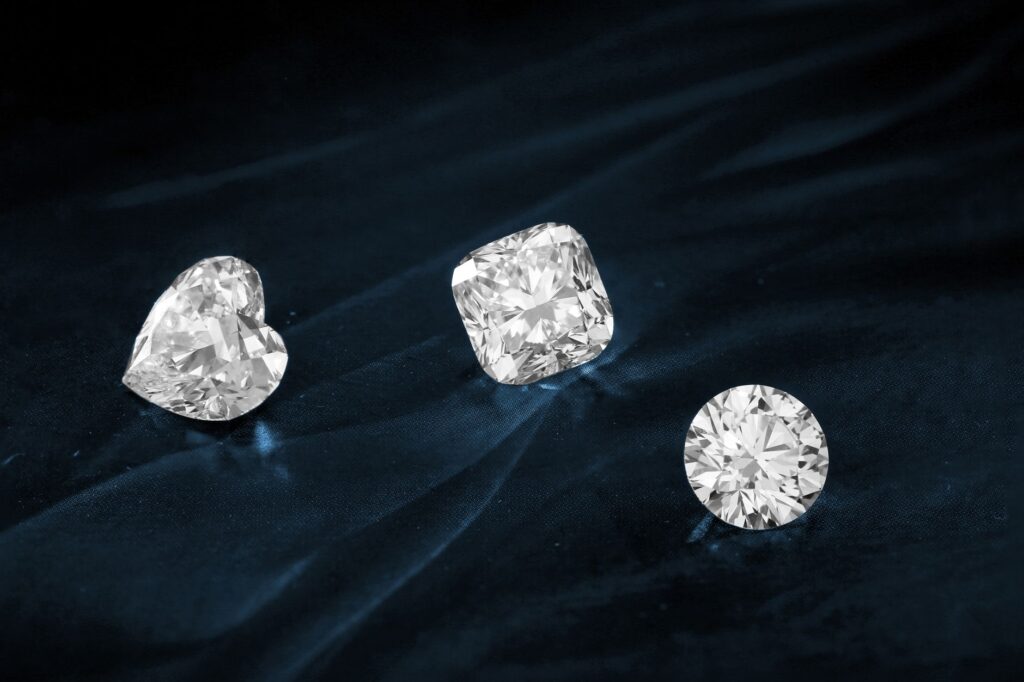
A 1.00 carat oval, pear, marquise, or emerald cut often looks larger face-up than a 1.00 carat round diamond because elongated or broad-spread shapes can cover more area. Buyers chasing size appearance alone sometimes get more visible impact by changing shape rather than crossing a magic weight threshold.
Settings also influence what the eye reads as size
A halo setting, thin band, bright metal, minimal prongs, or elongated orientation can all make a center stone appear larger. A thick band, bulky prongs, or heavy design can make the same stone look smaller.
This means the visible benefit of crossing from 0.90 to 1.00 carat may be less important than the setting style chosen.
Factors That Change Apparent Size
Shape
Different diamond shapes distribute weight differently. Round diamonds usually face up smaller than elongated fancy shapes of the same carat weight. Ovals, pears, and marquises often appear larger because their length creates more finger coverage. Emerald cuts can also look broad, though their step-cut faceting creates a different type of visual presence than brilliant cuts.
Cut quality
Cut quality affects both sparkle and spread. A well-cut round diamond balances brightness, fire, scintillation, and face-up size. A poorly cut stone may hide weight in depth or have a thick girdle, which can reduce visible size for its carat weight.
This is a critical point. Paying for a magic size while accepting weaker cut quality can be a poor trade if visual beauty is the goal.
Depth percentage
Depth percentage describes how tall the diamond is relative to its width. A deeper stone can weigh more without looking wider from the top. In practical terms, some diamonds carry “hidden weight” where the eye cannot benefit from it.
Length-to-width ratio
For shapes like oval, emerald, pear, radiant, and marquise, the length-to-width ratio affects how large and elegant the stone appears. An elongated shape can seem bigger because it stretches across more of the finger, even if total carat weight is unchanged.
Setting style
The ring setting can change apparent size significantly. Common examples include:
- Halo settings create a larger overall look by surrounding the center stone with smaller diamonds.
- Thin bands make the center diamond stand out more.
- Bezel settings can make the outline feel cleaner, though they can also visually frame the stone more tightly.
- Three-stone rings increase presence across the finger even when the center stone is below a magic size.
Color and clarity choices
Color and clarity do not directly change millimeter size, but they affect visual impact and budget allocation. Choosing a slightly lower color or clarity grade can free enough budget to buy a larger diamond without a large visible sacrifice, especially in shapes and settings that hide minor inclusions or warmth well.
Real-World Size Examples
0.90 carat vs 1.00 carat round diamond
This is one of the classic examples of why diamond prices jump at magic sizes. A well-cut 0.90 carat round may measure around 6.1 to 6.3 mm. A well-cut 1.00 carat round may measure around 6.4 to 6.5 mm.
That difference is visible side by side, but modest in everyday wear. The price difference, however, can be substantial. For value-focused buyers, 0.90 to 0.95 carat is often a strong range.
1.80 carat vs 2.00 carat round diamond
The 2 carat mark carries major prestige in the market, so pricing often jumps sharply. Yet visually, a 1.80 carat and a 2.00 carat round can appear surprisingly close, especially once mounted.
The buyer paying for 2.00 carats may be paying partly for the status and benchmark appeal, not just for a larger face-up look.
1 carat on a size 4 finger vs a size 7 finger
On a size 4 finger, a 1 carat round can look prominent and cover a meaningful portion of the finger width. On a size 7 finger, the same stone may look balanced but less dominant. This does not change the diamond itself, but it changes how “big” it feels in real life.
This is why shoppers should think in terms of proportions, not just carat numbers.
2 carat oval vs 2 carat round
A 2 carat oval often appears larger than a 2 carat round because of its elongated silhouette and greater visual spread. Someone who wants a bigger look may get more visible impact from shape selection than from paying the premium to move from 1.90 to 2.00 carats in a round.
0.70 carat well cut vs 0.75 carat deep cut
A well-cut 0.70 carat stone can sometimes look close in size to a deeply cut 0.75 carat stone. This shows why measurements and proportions matter. The magic size does not guarantee better visual performance.
Price vs Visual Benefit
Price jumps are often larger than size jumps
The core issue with magic sizes is that price increases are often disproportionate to visual size increases. Once a diamond crosses a benchmark weight, the cost may rise much faster than the actual millimeter spread.
That does not make the premium irrational. It reflects market demand. But it does mean buyers should decide whether they are paying for appearance, psychology, or both.
Diminishing returns become more noticeable at larger sizes
As diamonds get larger, every additional jump in carat weight becomes more expensive. The visible increase is real, but the cost per added millimeter can become steep. The premium for moving from 0.90 to 1.00 carat may feel significant. The premium from 1.80 to 2.00 or 2.80 to 3.00 can be even more dramatic.
Below-threshold diamonds often offer strong value
Diamonds just below magic sizes are often called “shy” stones in trade language. Examples include 0.48, 0.70, 0.90, 1.40, and 1.90 carats. These can represent good value because they avoid some of the sharpest pricing cliffs while delivering a very similar face-up look.
Natural vs lab grown price dynamics
In natural diamonds, the premium at magic sizes can be especially pronounced due to both rarity and market demand. In lab grown diamonds, the premium may still exist but tends to be driven more by consumer preference than geological scarcity.
For buyers prioritizing visible size on a fixed budget, lab grown diamonds can make it easier to step into larger carat weights without sacrificing cut quality. Even so, the same value logic applies. A 1.90 carat lab grown diamond may be a smarter visual buy than a 2.00 carat stone if the appearance is nearly identical.
Comparison table: magic size premiums vs visual gain
| Comparison | Typical Visual Difference | Typical Pricing Behavior | Value Perspective |
|---|---|---|---|
| 0.90 vs 1.00 carat round | Small face-up increase | Often sharp jump at 1.00 | 0.90 to 0.95 often offers better value |
| 1.40 vs 1.50 carat round | Modest visible increase | Noticeable jump at 1.50 | 1.40 to 1.45 can be efficient |
| 1.80 vs 2.00 carat round | Visible but not dramatic | Often very strong jump at 2.00 | 1.80 to 1.90 is frequently a strong compromise |
| 2.80 vs 3.00 carat round | Moderate increase | Large premium at 3.00 | Below-threshold option may save significantly |
Who Should Size Up
Buyers who care about milestone numbers
For some people, the benchmark itself matters. A 1 carat or 2 carat diamond may hold symbolic value, gift significance, or personal satisfaction. In that case, the extra cost may be justified because the number is part of the purchase goal.
Buyers with larger fingers seeking more presence
On broader fingers, a slightly larger diamond can make a noticeable difference in finger coverage. Whether that means crossing a magic size depends on the specific stone and shape, but some buyers may reasonably prefer a bigger center stone for balance.
Buyers choosing shapes that already maximize spread
If a buyer wants a very specific look, such as a substantial round solitaire, stepping up may be the clearest route. Round diamonds generally face up smaller than many fancy shapes, so the path to more visible size may involve both a weight increase and careful cut selection.
Lab grown buyers prioritizing maximum size within a comfortable budget
Because lab grown diamonds can reduce the cost of larger sizes, some buyers may decide that reaching 2.00 or 3.00 carats is worth it. The same value analysis still applies, but the budget trade-off may feel less severe than with natural diamonds.
Who Can Save Money
Buyers focused mainly on visible appearance
If the goal is how the diamond looks rather than what the grading report says, just-under sizes are often the better buy. A well-cut 0.92 carat or 1.85 carat diamond may satisfy the eye without carrying the full benchmark premium.
Buyers open to elongated shapes
Choosing an oval, pear, marquise, or emerald cut can create a larger face-up appearance at the same weight. This can be more effective than paying extra to cross a carat threshold in a round diamond.
Buyers willing to prioritize cut over weight
A beautifully cut diamond often looks more impressive than a heavier stone with poor spread or weak light performance. Saving money by staying below a magic size can leave room for stronger cut quality, which usually improves the overall visual result.
Buyers using size-enhancing settings
Halo settings, thin bands, and thoughtful design can increase visual impact. For these buyers, paying a premium to hit a benchmark carat weight is often unnecessary.
Common Buyer Mistakes
Chasing the carat number instead of the look
This is the most common mistake behind overpaying. Buyers understandably focus on round numbers because they are familiar, but the visual result depends on much more than the carat figure alone.
Ignoring millimeter measurements
Measurements are essential. Two diamonds close in carat weight can have different spreads. Always compare the actual dimensions, not just the weight.
Accepting poor cut to reach a magic size
A 1.00 carat diamond with weak proportions may not outperform a 0.93 carat diamond with excellent cut. Paying for the benchmark while compromising light performance is often a poor trade.
Forgetting finger size and setting style
How large a diamond looks depends on the hand and the ring design. Buying decisions made from carat charts alone can lead to unrealistic expectations.
Assuming all price jumps reflect visible rarity
Some of the premium reflects market psychology, not an equally dramatic increase in what the eye sees. That does not make the price “wrong,” but it should inform the decision.
Comparing different shapes by carat alone
A 1 carat round and a 1 carat oval do not usually look the same size. Shape strongly influences apparent size, so cross-shape comparisons need dimension and spread context.
How to Shop Smart Around Magic Sizes
Look slightly below the target weight
If you like the idea of a 1 carat diamond, compare stones in the 0.90 to 0.99 range. If you want 2 carats, compare 1.80 to 1.99. In many cases, the savings are greater than the visible sacrifice.
Compare diameter or face-up measurements first
For rounds, diameter is one of the quickest ways to understand visible size. For fancy shapes, compare length and width. This gives a clearer real-world picture than carat alone.
Protect cut quality
Do not let the benchmark weight push you into a poorly cut stone. Strong cut quality often contributes more to overall beauty and perceived presence than a small jump in weight.
Consider shape as a size tool
If visible size matters most, shape selection may be the better lever. An elongated shape can create a larger look without forcing a jump to a more expensive weight category.
Evaluate the full ring, not just the center stone
Band width, prong style, halo design, and side stones all affect the final appearance. The center diamond exists within a visual system, not in isolation.
Frequently Asked Questions
Why is a 1 carat diamond so much more expensive than a 0.90 carat diamond?
The 1 carat mark is a major market benchmark. Demand is stronger, pricing moves into a higher bracket, and buyers often pay a premium for hitting the full-carat threshold. The visible size difference is usually much smaller than the price difference.
Do magic size premiums apply to lab grown diamonds too?
Yes, often they do, although the premiums can be less extreme than in natural diamonds. Consumer preference for round-number carat weights still affects pricing, even when supply conditions are different.
Will people notice the difference between 0.95 and 1.00 carat?
Usually not without close comparison. Side by side, trained eyes may notice a slight size difference. In daily wear, most people will not identify that distinction accurately.
Is it better to buy a diamond just under a magic size?
For many value-focused buyers, yes. A diamond just under a benchmark can offer nearly the same appearance for less money. The key is to make sure cut quality and measurements are strong.
Which magic sizes usually have the biggest price jumps?
Common major thresholds include 0.50, 1.00, 1.50, 2.00, and 3.00 carats. The size of the premium depends on shape, quality grades, market conditions, and whether the diamond is natural or lab grown.
Can a smaller diamond look bigger than a heavier one?
Yes. A well-cut diamond with better spread can face up larger than a heavier diamond with excess depth or a thick girdle. This is why dimensions matter so much.
Should I ever pay the premium for an exact carat weight?
Yes, if the benchmark itself is personally important to you, or if the specific diamond also delivers strong cut, proportions, and overall appearance. The premium is not automatically a mistake. It simply should be a deliberate choice.
What would an experienced buyer usually prioritize?
An experienced buyer often prioritizes face-up size, cut quality, and total visual performance over the round-number carat label. That frequently leads to considering stones just below magic sizes.
Conclusion
Why diamond prices jump at magic sizes comes down to a mix of psychology, supply, and pricing structure. Buyers want round-number milestone weights. The market knows this. As a result, diamonds at 0.50, 1.00, 1.50, 2.00, and similar marks often carry premiums that exceed their visible size advantage.
For practical shopping, the most useful approach is to separate the number from the look. Compare face-up measurements, not just carat weight. Pay attention to cut quality, shape, depth, and setting style. Consider finger size and real-world finger coverage. A diamond just below a magic size often delivers a very similar appearance with better budget efficiency.
That does not mean benchmark sizes are always the wrong choice. For some buyers, the milestone itself matters. The important thing is understanding what you are paying for. Once that is clear, it becomes much easier to choose between a full benchmark weight and a near-size alternative with confidence.