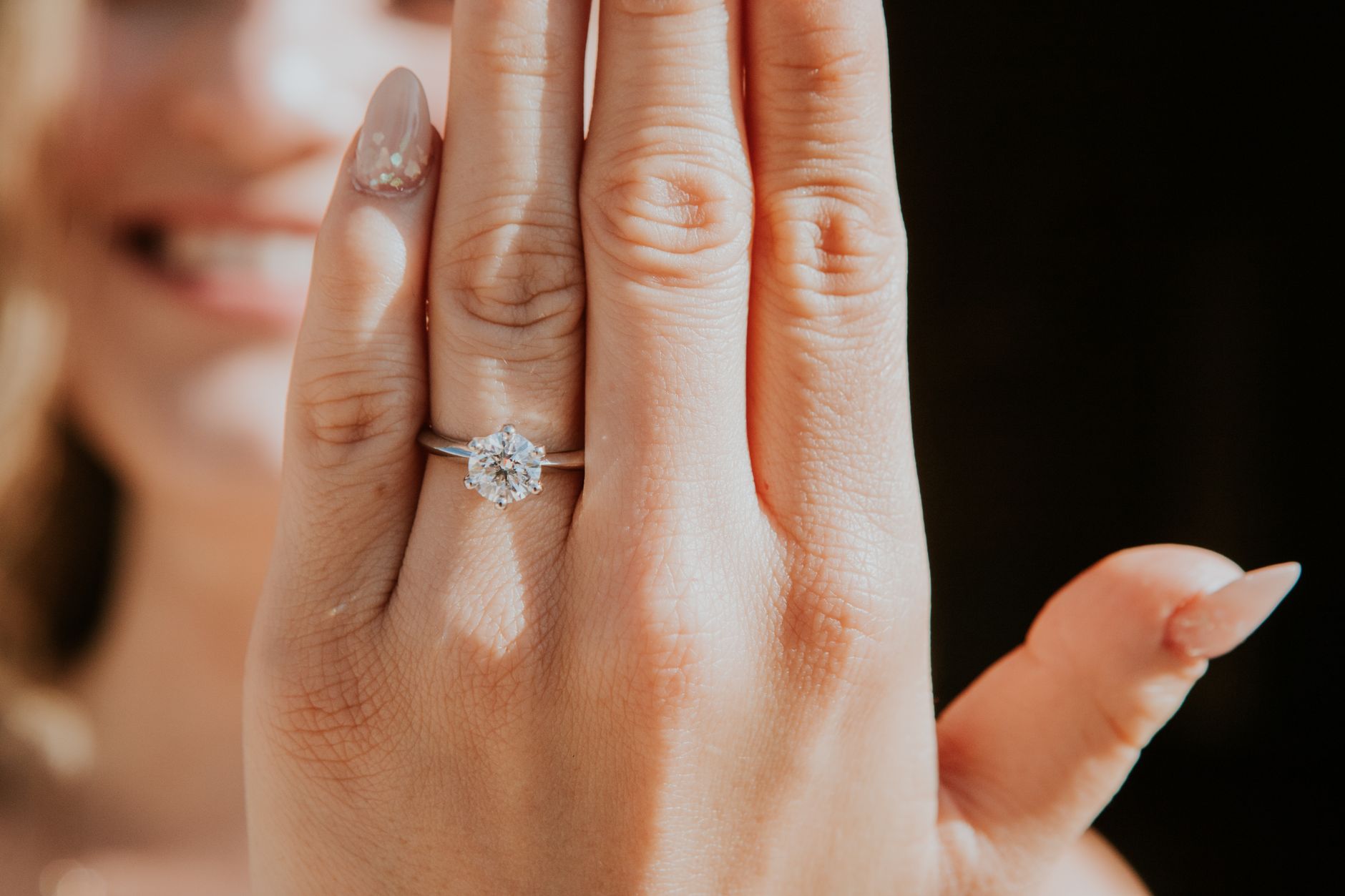
If you have wide fingers, the shape of your diamond can make a noticeable difference in how balanced the ring looks on your hand. Some shapes create a longer, slimmer visual line, while others look more compact or substantial across the finger. That does not mean one shape is universally better, but it does mean proportions matter more than many buyers expect.
When people search for the Best Diamond Shapes for Wide Fingers, they are usually trying to solve a practical style question: how do I make the ring feel balanced, elegant, and comfortable on my hand? The answer depends on finger width, ring width, diamond proportions, and personal style. In many cases, elongated diamond shapes create the most flattering visual effect, but the right choice is not only about appearance. It also involves sparkle pattern, durability, setting style, and budget.
Quick Answer
The best diamond shapes for wide fingers are usually elongated shapes such as oval, pear, marquise, emerald cut, elongated cushion, and radiant cut. These shapes tend to create the illusion of length, which can make the finger appear slimmer and more proportioned.
If you prefer a fuller, more classic look, round brilliant and princess cut diamonds can still work well. The key is choosing the right face-up size, setting style, and band width so the diamond looks balanced on your hand rather than too small or too wide.
Why Diamond Shape Matters on Wide Fingers
Diamond shape affects how the eye reads proportion. On wider fingers, a short or very compact shape can look smaller than expected because it does not create much vertical visual length. An elongated shape, by contrast, draws the eye up and down the finger, which can create a slimming effect.
This is especially important in engagement rings, where the diamond is usually the center of attention. A shape that looks ideal in a display case may appear very different once worn on the hand. That is why finger shape should be part of the buying decision, not an afterthought.
Other factors also matter. Ring size, band thickness, setting height, and the diamond’s length-to-width ratio all influence how the stone looks. The best result usually comes from matching the shape to both the wearer’s hand and the overall ring design.
What Makes a Shape Flattering on Wide Fingers?
When buyers describe a ring as flattering, they are usually reacting to visual balance. On wide fingers, a flattering diamond shape often does one or more of the following:
- Creates length along the finger
- Prevents the diamond from looking overly squat or wide
- Balances the width of the band with the center stone
- Appears large enough relative to the hand
- Feels proportional from top view and side view
Shape alone does not determine the final look. A 1.50-carat oval and a 1.50-carat round can wear very differently depending on cut quality and measurements. This is especially true with lab grown diamonds, where many buyers are choosing larger center stones and comparing shapes more closely to find the best visual result for the budget.
Best Diamond Shapes for Wide Fingers
Oval
Oval diamonds are one of the most popular choices for wide fingers because they create a long, elegant outline. Their elongated form tends to make the finger look slimmer and can also give the diamond a larger face-up appearance than a round diamond of the same carat weight.
Oval diamonds are brilliant cuts, so they usually offer strong sparkle. One thing to watch for is the bow tie effect, which is a darker area across the center of some elongated shapes. A subtle bow tie is common, but a pronounced one can reduce visual appeal. This is why proportions matter so much when comparing oval diamonds.
Best for buyers who want a mix of sparkle, elegance, and visual length.
Pear
Pear-shaped diamonds combine a rounded end with a tapered point. This shape can be very flattering on wide fingers because the taper creates a natural lengthening effect. It also has a distinctive look that feels softer than a marquise while still appearing elongated.
The main consideration with pear shapes is orientation. They are usually worn with the point facing toward the nail, which helps create the intended lengthening effect. Like ovals, pears can show a bow tie, so buyers should examine the diamond in person or request clear video images when shopping online.
Best for buyers who want an elegant, slightly unique shape with strong finger-lengthening appeal.
Marquise
Marquise diamonds have one of the strongest lengthening effects of any shape. Their pointed ends and narrow center create a dramatic vertical line, which can be especially helpful on wider fingers. They also tend to look large for their carat weight because they cover a lot of surface area.
However, marquise shapes have a more dramatic style and are not for everyone. The pointed ends can also be more vulnerable to chipping, so the setting should protect them well. A well-made setting is important for daily wear, especially in an engagement ring.
Best for buyers who want a bold, elongated look and are comfortable with a more distinctive style.
Emerald Cut
Emerald cut diamonds are rectangular step-cut stones, meaning their facets are arranged in long, clean steps rather than many small reflective facets. This gives them a sleek, refined appearance rather than the glittery sparkle of brilliant cuts. On wide fingers, their long rectangular outline can look elegant and balanced.
Emerald cuts do not hide imperfections as well as brilliant shapes. Because of the large open table and step-cut structure, clarity is more visible. Buyers usually need to pay closer attention to diamond clarity when choosing an emerald cut, including lab grown diamonds. The benefit is a sophisticated, timeless appearance that many buyers find appealing.
Best for buyers who like a clean, architectural look and want an elongated shape with understated elegance.
Radiant Cut
Radiant cuts combine the outline of a rectangular or square shape with a brilliant-style faceting pattern. This gives them a lively sparkle and a more substantial appearance. Elongated radiant cuts are often a strong choice for wide fingers because they offer length without looking too delicate.
Compared with emerald cuts, radiants usually hide inclusions and color better because of their faceting style. They can be a practical choice for buyers who want a bright diamond with strong durability and less need for extremely high clarity grades.
Best for buyers who want sparkle, structure, and a flattering elongated shape.
Elongated Cushion
Cushion cuts have rounded corners and a softer square or rectangular outline. The elongated version is especially useful on wider fingers because it creates more length than a standard square cushion. The shape feels romantic and classic, but with a softer geometry than an emerald cut.
Some elongated cushions have a chunky sparkle pattern, while others appear more crushed ice in style. That difference changes the visual texture of the diamond, so it is worth comparing stones carefully. As with other fancy shapes, proportions and length-to-width ratio make a big difference in how the diamond wears on the hand.
Best for buyers who want softness, warmth, and a shape that feels both classic and slightly modern.
Round Brilliant
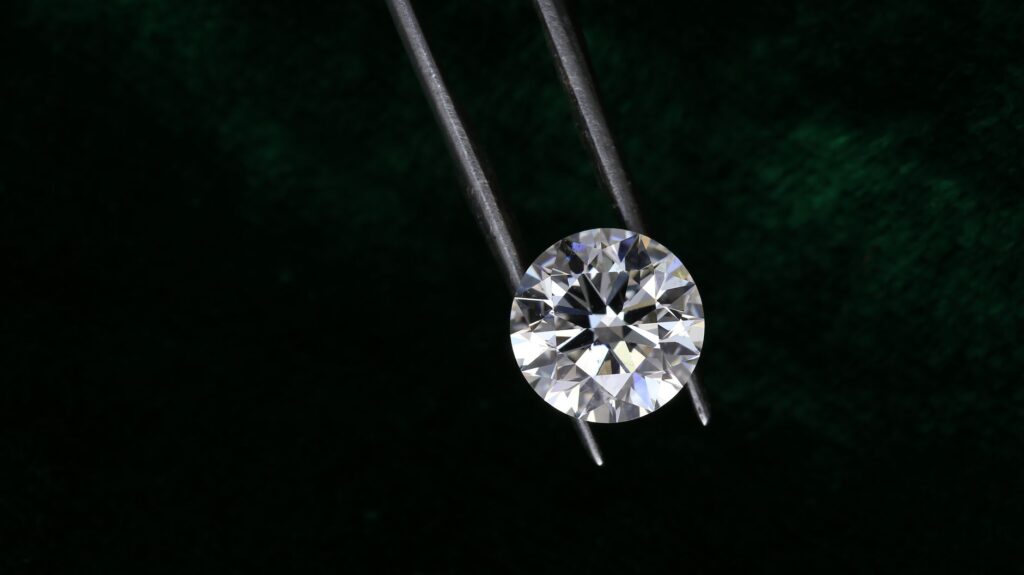
Round diamonds are not elongated, so they do not create the same slimming effect as ovals or pears. Even so, they remain one of the best options for wide fingers if the buyer wants maximum sparkle and timeless appeal. A round diamond can look very balanced when paired with the right band width and setting style.
Round brilliants usually offer the strongest light performance of any shape, with excellent brilliance and fire when cut well. If your goal is not to elongate the finger but to maximize sparkle and classic style, round may still be the best fit.
Best for buyers who prioritize sparkle and timelessness over finger-lengthening effect.
Princess Cut
Princess cuts are square, modern, and often chosen for their crisp look. They do not create the same lengthening effect as rectangular shapes, but they can look substantial on wider fingers because of their shape and strong sparkle. They also work well in many settings, especially those with a slightly wider band.
One practical advantage is that princess cuts often offer strong visual presence for the price. In some cases, they can appear larger than expected because of their shape. Their corners are also pointed, so the setting should protect them to reduce the risk of chipping.
Best for buyers who want a contemporary square look with strong brilliance.
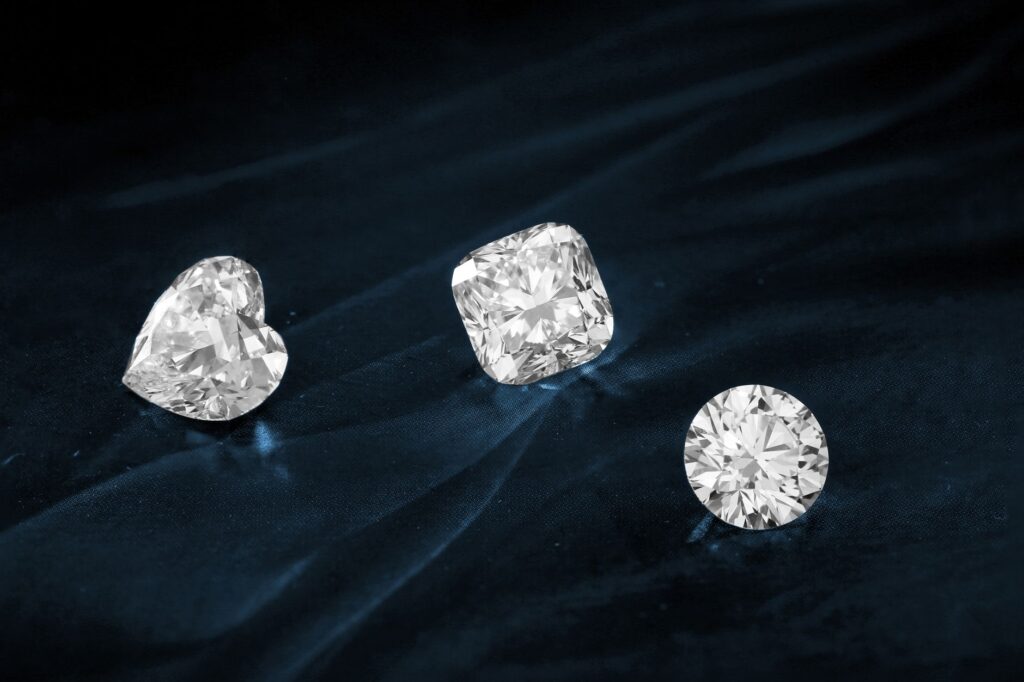
Side-by-Side Comparison of Popular Diamond Shapes
The table below compares the shapes most often considered among the Best Diamond Shapes for Wide Fingers.
| Shape | Finger-Lengthening Effect | Sparkle Style | Face-Up Size | Durability Notes | Best Overall For |
|---|---|---|---|---|---|
| Oval | Strong | Bright, balanced brilliance | Large for weight | Generally durable; watch for bow tie | Elegant, flattering everyday wear |
| Pear | Strong | Brilliant with a soft outline | Large for weight | Pointed tip needs protection | Unique, graceful look |
| Marquise | Very strong | Bright with dramatic outline | Very large for weight | Tip protection is important | Bold, elongated appearance |
| Emerald Cut | Strong | Clean, mirror-like flashes | Large visually, less sparkle-dense | Corners need protection | Refined, architectural style |
| Radiant Cut | Strong | High brilliance and fire | Generous face-up size | Usually durable and practical | Sparkle with elongated shape |
| Elongated Cushion | Moderate to strong | Soft or lively, depending on cut | Good face-up presence | Rounded corners improve durability | Soft, romantic style |
| Round Brilliant | Low | Excellent brilliance and fire | Good, but not elongated | Very durable overall | Classic sparkle-first buyers |
| Princess Cut | Low to moderate | Sharp brilliance | Strong presence | Corner protection needed | Modern square style |
How Sparkle and Shape Affect the Look on Wide Fingers
Shape is only part of the equation. The way a diamond returns light also affects how it looks on the hand. This is where terms like brilliance, fire, and scintillation become useful.
Brilliance is the white light reflected from the diamond. Fire is the colorful dispersion of light. Scintillation is the sparkle and pattern of flashes you see as the diamond moves.
Round brilliant diamonds usually excel in all three because their facet arrangement is designed to maximize light return. Ovals, pears, and radiants also perform well, though their elongated outlines can introduce bow tie effects or different light patterns. Emerald cuts offer a more subdued style, with broad flashes instead of intense sparkle.
For wide fingers, the best-looking shape is often one that balances visual length with enough sparkle to keep the ring from seeming flat or heavy. This is why many buyers gravitate toward oval and radiant cuts. They offer a good mix of finger-flattering shape and strong visual life.
Length-to-Width Ratio: Why It Matters
The length-to-width ratio compares how long a diamond is versus how wide it is. This matters most for shapes like oval, pear, marquise, emerald, radiant, and elongated cushion. A ratio that is too short may make the stone look chunky, while a ratio that is too long can look narrow or stylized.
There is no single ideal ratio for every buyer. Still, general ranges often help:
- Oval: about 1.35 to 1.50 for a balanced elongated look
- Pear: about 1.45 to 1.65 for a graceful shape
- Marquise: about 1.75 to 2.10 for a classic elongated appearance
- Emerald: about 1.30 to 1.50 for a rectangular look
- Radiant: about 1.20 to 1.40 for elongated versions
- Elongated cushion: about 1.10 to 1.25 or higher, depending on style
These are not rules, but they are useful starting points. On wider fingers, a slightly more elongated ratio is often helpful because it strengthens the lengthening effect. That said, the best ratio depends on the hand, the setting, and the buyer’s style preferences.
Face-Up Size and Why It Can Matter More Than Carat Weight
Face-up size is the amount of the diamond you see when looking at it from above. Two diamonds with the same carat weight can look noticeably different in size depending on shape and proportions. This is one reason shape selection can be just as important as carat weight.
Elongated shapes often appear larger than round or square stones of the same weight because they spread the weight across a longer surface area. That can be helpful for wide fingers, where a diamond that looks too small may feel visually out of proportion. Buyers comparing diamond shapes should always check millimeter measurements, not just carat weight.
This is especially relevant in the lab grown diamond market. Many buyers choose lab grown diamonds because they can often afford a larger face-up size at a given budget. That advantage can make elongated shapes even more appealing, since larger visual spread can better balance a wider hand.
Advantages of the Best Shapes for Wide Fingers
There are several reasons elongated and balanced shapes often work well on wider hands.
- They create visual length. This can help the ring feel more proportional.
- They often look larger than their carat weight suggests. That can improve visual impact.
- They can soften the appearance of a broad finger. This is a style preference, not a rule, but many buyers like the effect.
- They offer flexibility in setting design. Solitaire, halo, and three-stone styles can all work well.
- They pair well with modern ring trends. Elongated shapes remain popular in engagement ring design.
For many buyers, these advantages make the ring feel more balanced and intentional. A diamond that complements the hand often looks better in everyday wear than a stone chosen only because it is popular in photos.
Disadvantages and Trade-Offs to Consider
Every shape has trade-offs. The shapes that flatter wide fingers often come with practical concerns that buyers should understand before choosing one.
- Bow tie effect. Ovals, pears, and marquise cuts can show dark areas in the center.
- More visible imperfections in step cuts. Emerald cuts reveal clarity more easily.
- Corner vulnerability. Pears, marquise, princess, and emerald cuts need careful setting protection.
- Style specificity. Some elongated shapes feel more fashion-forward and less classic than round diamonds.
- Setting balance. A shape may look great alone but feel off if the band is too thin or too wide.
These concerns do not mean the shape is a poor choice. They simply show why shoppers should evaluate the diamond as a whole, not just the outline. A well-cut oval or emerald can look beautiful on wide fingers, but a poorly proportioned one may not deliver the expected effect.
Who Each Shape Is Best For
If you want a slimming visual effect
Oval, pear, and marquise are usually the strongest options. They create length and usually make the center stone feel more prominent across the hand. Marquise is the most dramatic, while oval is often the easiest for everyday wear.
If you want sparkle and elegance
Oval and radiant are often top choices. They combine elongated outlines with strong light performance, which is appealing for buyers who want both style and brilliance. Elongated cushion can also work well if you prefer a softer, more romantic look.
If you want a refined and understated appearance
Emerald cut is often the best fit. It has strong visual presence without relying on intense sparkle. On wide fingers, the rectangular shape can look balanced and sophisticated.
If you want a classic, timeless option
Round brilliant remains a strong choice. It may not lengthen the finger, but it delivers dependable sparkle and has broad long-term appeal. Princess cut can also work well for buyers who want a more contemporary square look.
How Different Settings Change the Look on Wide Fingers
The setting can help the diamond look more balanced on a wider hand. In some cases, the setting matters almost as much as the shape itself.
Solitaire settings
Solitaire settings keep the attention on the diamond and are often a good choice for elongated shapes. Because there are fewer design elements competing for attention, the ring can look clean and proportional.
Halo settings
A halo adds a frame of smaller diamonds around the center stone. This can increase the visible size of the ring and make a diamond feel more substantial on a wider finger. It can be especially useful if you want a smaller center stone to appear more prominent.
Three-stone settings
Three-stone rings can add width and balance. They work well when the center stone is elongated, since the side stones can complement the shape without making the ring feel too narrow.
Cathedral and bezel settings
Cathedral settings add height and structure, while bezel settings wrap metal around the diamond edges for protection. Bezel settings can be especially helpful for pointed shapes such as pear and marquise because they reduce the risk of damage.
Color and Clarity Considerations by Shape
Shape affects how easily a diamond shows color and inclusions. This is one reason buyers should not choose shape without thinking about the rest of the diamond grades.
Brilliant cuts such as oval, radiant, pear, round, and princess tend to hide small inclusions better because the many facets break up the view. They can also make near-colorless stones look bright and lively.
Step cuts such as emerald cut show clarity more easily because their larger open facets act almost like windows. For that reason, buyers often need higher clarity grades for emerald cuts than for brilliant cuts. Color may also be easier to notice in step cuts, especially in larger stones or warmer metal settings.
For many shoppers, this is where lab grown diamonds can be useful. Lab grown options often allow buyers to prioritize higher color and clarity without moving far beyond budget. That flexibility can make it easier to choose a flattering shape and still maintain visual quality.
Durability and Everyday Wear
Durability matters, especially for engagement rings worn every day. Wide fingers do not automatically require a different durability strategy, but the chosen shape and setting should still fit the wearer’s lifestyle.
Round brilliant and oval are generally practical because they do not have sharp corners that are easily damaged. Pear, marquise, princess, and emerald cuts need more protection at the tips or corners. That usually means choosing a setting that shields vulnerable points and checking the ring occasionally for wear.
If the ring will be worn daily during work, travel, or active use, durability should carry real weight in the decision. A beautiful shape is only a good choice if it also fits the way the person will actually wear the ring.
Current Shape Trends and Long-Term Appeal
Elongated shapes remain especially popular in modern engagement rings. Oval, pear, and radiant cuts are frequently chosen because they feel elegant and current without looking too unusual. Many buyers like that these shapes create visual length while also appearing larger on the hand.
Emerald cut has also stayed relevant because of its clean, refined style. It tends to appeal to buyers who like a more tailored, less sparkly look. Round brilliant remains the most classic choice and continues to hold broad appeal because it is so familiar and versatile.
When considering long-term appeal, it helps to separate trend from personal style. A shape that is fashionable now may still age well, but the best choice is one that fits the wearer’s taste and hand shape rather than one that simply photographs well.
Important Buying Considerations Before You Choose a Shape
If you are shopping for wide fingers, focus on the following practical points before making a final decision.
Measure the ring finger visually, not just by size
Finger width, knuckle shape, and hand proportions all affect how a diamond looks. Two people with the same ring size can wear the same diamond very differently. Photos and measurements are useful, but seeing the stone on a hand similar to yours is even better.
Check the millimeter dimensions
Carat weight tells you how much a diamond weighs. Millimeter dimensions tell you how much space it occupies visually. For wide fingers, dimensions often matter more than weight alone because the face-up look determines whether the ring feels balanced.
Look closely at the length-to-width ratio
Ratio helps you avoid a stone that looks too square or too narrow. If your goal is visual length, this detail is especially important for ovals, pears, emerald cuts, and radiants.
Inspect the bow tie on elongated brilliant cuts
Not every oval or pear has a distracting bow tie, but some do. Always compare actual stones rather than relying only on shape names. A well-cut stone with a slight bow tie may still look excellent, but a heavy dark band can reduce sparkle and appeal.
Match the band width to the center stone
A wider finger often looks best with a ring that has some visual presence in the band as well. An extremely thin band can make a center stone look disproportionately large or small depending on the design. A balanced band helps the whole ring feel intentional.
Think about metal color
Metal color can influence the diamond’s look. White metals often give a clean, modern appearance, while yellow or rose gold can soften the overall effect. In some cases, metal choice also affects how much warmth is visible in a diamond, particularly with step cuts and lower color grades.
Common Mistakes Buyers Make
Shoppers researching the best shapes for wide fingers often make a few predictable mistakes. Avoiding them can make the buying process much easier.
- Choosing by carat only. A well-proportioned 1.50-carat oval can look better than a less balanced 1.75-carat stone.
- Ignoring length-to-width ratio. Two ovals can look very different depending on the ratio.
- Not checking the bow tie. This is one of the most common reasons buyers feel disappointed after purchase.
- Buying a shape that is too narrow for the hand. The diamond may look elegant but not substantial enough.
- Overlooking setting protection. Tip-heavy shapes need settings that support their vulnerability.
- Assuming every shape suits every finger equally. Visual balance varies from hand to hand.
These mistakes are easy to make because diamond shopping often focuses on the stone in isolation. In practice, the ring is a combination of shape, size, proportions, setting, and wearability.
How Lab Grown Diamonds Fit Into the Decision
Lab grown diamonds are especially relevant for buyers comparing shapes for wide fingers. Because lab grown options often cost less than natural diamonds of similar size and quality, they can make larger elongated shapes more attainable within a budget.
That can matter in practical ways. A buyer may be able to choose a larger oval, radiant, or marquise without sacrificing as much on cut quality, color, or clarity. This can improve the visual effect on a wider finger, where size and face-up presence play a meaningful role.
There are trade-offs to keep in mind, though. Lab grown diamonds typically have lower resale value than natural diamonds, and buyers should still pay attention to certification and quality. If you are comparing lab grown diamond shapes, the same shape principles apply, but your budget may allow you to optimize proportion and appearance more easily.
Frequently Asked Questions
What diamond shape makes wide fingers look slimmer?
Oval, pear, and marquise are usually the most effective shapes for creating a slimming visual effect. They draw the eye vertically, which helps lengthen the appearance of the finger.
Is a round diamond a bad choice for wide fingers?
No. Round diamonds do not elongate the finger, but they can still look very balanced and timeless. If sparkle is your top priority, round is still one of the strongest options.
Do lab grown diamonds work better in certain shapes for wide fingers?
Lab grown diamonds work well in any shape, but they can be especially useful in elongated shapes because the budget may allow for a larger face-up size. That can improve proportion on wider hands.
Which shape looks the biggest on the finger?
Marquise and oval often look largest for their carat weight because they spread across more surface area. Elongated radiant and pear cuts can also appear very substantial.
Are emerald cuts good for wide fingers even though they are not very sparkly?
Yes, if you like a clean and elegant look. Emerald cuts are less about intense sparkle and more about shape, clarity, and sophistication. Their rectangular outline can be very flattering on wider fingers.
Should I choose a larger diamond or a longer diamond shape?
Often, a longer shape gives more visual improvement than simply increasing carat weight. A well-proportioned oval or pear may create better finger balance than a heavier but shorter stone.
What ring setting is best for wide fingers?
There is no single best setting, but solitaire, halo, and three-stone designs often work well. The most important factor is making sure the setting complements the diamond’s outline and supports the wearer’s lifestyle.
Conclusion
The best diamond shapes for wide fingers are usually the shapes that create visual length and balance, especially oval, pear, marquise, emerald cut, radiant, and elongated cushion. Round and princess cuts can also be excellent choices if sparkle, symmetry, or a classic look matters more than finger-lengthening effect.
The right decision depends on more than shape alone. Face-up size, length-to-width ratio, sparkle style, durability, clarity visibility, and setting design all affect how the ring will look and wear in real life. For many buyers, especially those comparing lab grown diamonds, elongated shapes offer a practical way to achieve a balanced look without giving up size or quality.
If you are shopping for a ring on a wider finger, focus on proportion first and trend second. A shape that fits the hand well will usually feel more comfortable, look more intentional, and remain satisfying over time.