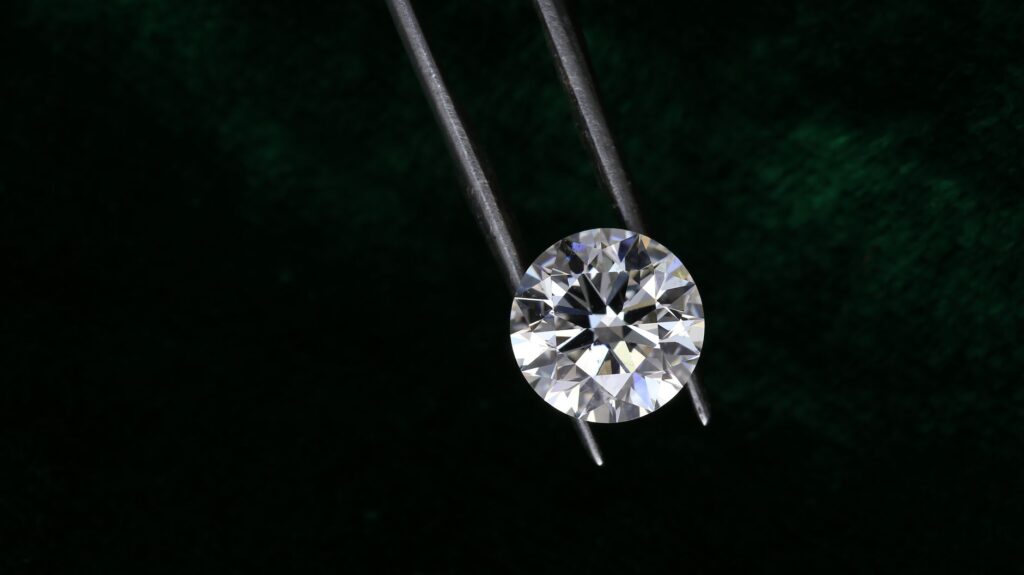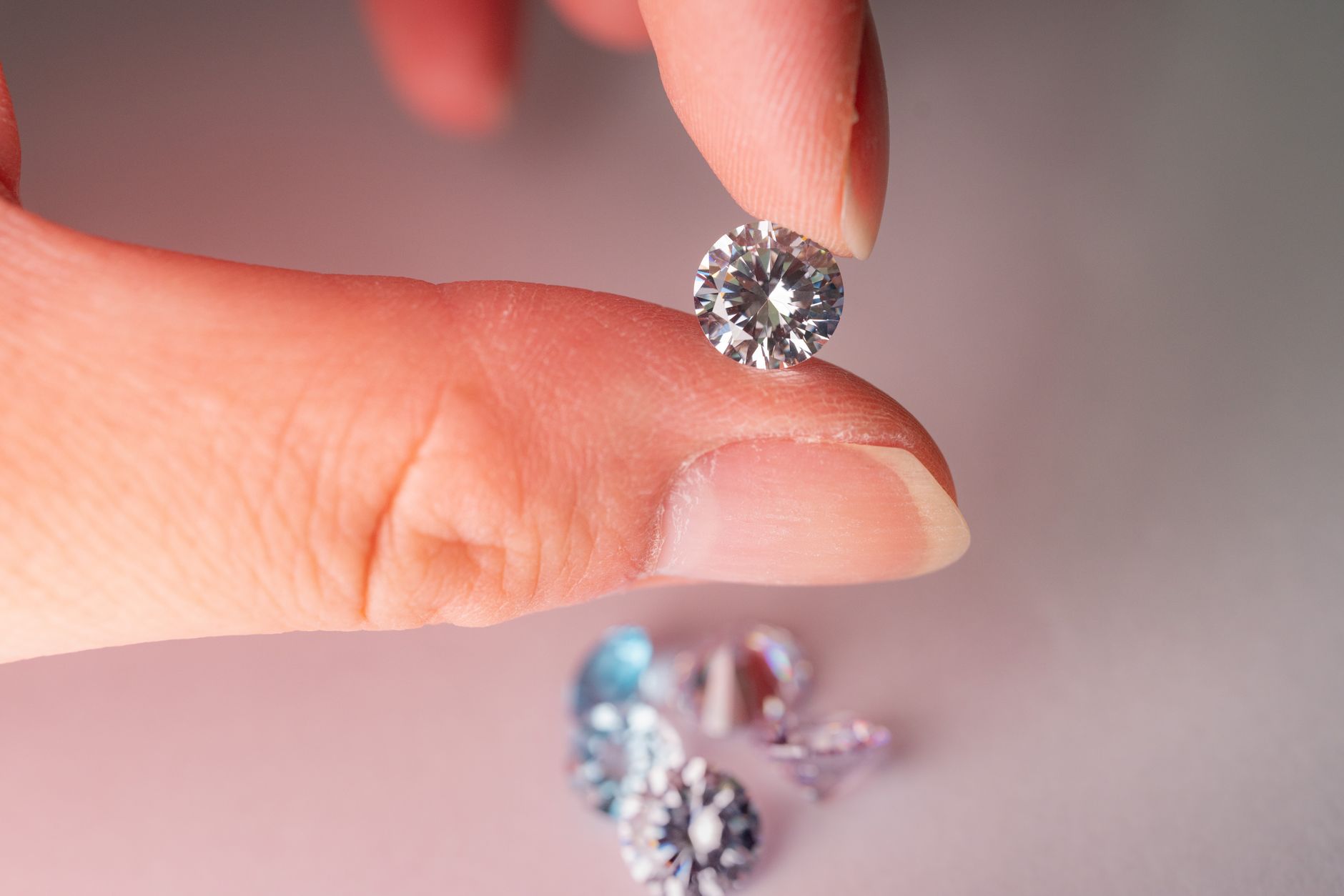
Yes, a shallow diamond can look larger because more of its weight is spread across the face-up surface. To the eye, that often means a wider outline and a bigger appearance on the finger, even when the carat weight stays the same.
But larger-looking does not always mean better-looking. If a diamond is too shallow, it may lose brightness, sparkle, or contrast because light escapes instead of reflecting back to the viewer. For buyers, the real question is not only whether a shallow diamond looks larger, but whether it still looks attractive in everyday lighting.
This trade-off matters in both natural and lab grown diamonds. Cut quality affects how much visual impact you get from your budget, and it can make a smaller diamond look more impressive than a larger one with weak proportions. Understanding that balance helps buyers judge size, beauty, and value more realistically.
Quick Answer: Can a Shallow Diamond Look Larger?
Yes. A shallow diamond often looks larger from the top because its visible diameter may be wider relative to its carat weight. That is the main reason some buyers are drawn to shallow stones when they compare millimeters instead of carat weight alone.
However, there is a point where extra spread starts to cost too much in optical performance. If a diamond is too shallow, it can look flat, watery, or less lively. The stone may appear larger on paper or in a quick glance, but less attractive in real life.
The practical answer is simple. A shallow diamond can look larger, but it does not automatically look better. The best choice depends on whether you value face-up size more than sparkle, brightness, and overall cut quality.
What Does It Mean for a Diamond to Be Shallow?
A diamond’s depth is the distance from the top of the stone to the bottom, usually expressed as a percentage of the diamond’s width. When a diamond is described as shallow, it means the stone is flatter than the proportions typically preferred for that shape.
In plain terms, more of the diamond’s weight sits near the top and middle rather than extending downward. That can make the stone spread out more across the finger, which creates a larger face-up look.
Depth is only one part of the story. Table size, crown angle, pavilion angle, symmetry, and polish also affect how a diamond handles light. A shallow stone may look broad and impressive at first glance, but if the angles are off, the diamond can lose beauty.
Shallow vs. Well-Proportioned Diamonds
A well-proportioned diamond aims to balance spread with light performance. It usually looks bright, lively, and well-structured in a range of lighting conditions.
A shallow diamond may trade some of that performance for extra visible size. For some buyers, that trade-off is acceptable. For others, it becomes obvious once the diamond is viewed in different lighting conditions.
| Feature | Shallow Diamond | Well-Proportioned Diamond |
|---|---|---|
| Face-up size | Often looks larger for its carat weight | Usually a little smaller than an overly shallow stone |
| Brightness | Can be reduced if proportions are too shallow | Usually stronger and more even |
| Sparkle | May look less balanced or less crisp | Usually more lively and dynamic |
| Light leakage risk | Can be higher if angles are not well balanced | Generally lower when proportions are good |
| Buyer appeal | Useful when maximum spread is the priority | Better for buyers prioritizing beauty and performance |
Why a Shallow Diamond Can Look Larger
What buyers notice first is usually face-up appearance, not hidden weight. Face-up appearance is how large the diamond looks when viewed from above, which is the normal viewing angle in a ring.
Because a shallow diamond has less depth, more of its carat weight is distributed horizontally. That can make the stone measure larger in millimeters than a deeper diamond of the same weight. Since most people judge size visually, the shallow stone may seem bigger even if the carat weight is identical.
This is why two diamonds with the same carat weight can look noticeably different in person. One may look compact and concentrated, while the shallower stone spreads farther across the finger.
Spread Matters, But So Does Proportion
Spread can be a real advantage, especially if a buyer wants the largest visible size possible within a budget. This is one reason millimeter measurements are so important when comparing diamonds.
Still, spread alone does not guarantee a beautiful diamond. If the stone becomes too flat, the benefit of extra width may be offset by weaker light return, duller areas, or an overly glassy appearance. In that case, the diamond may look larger but feel less impressive overall.
How Cut Affects What Buyers Actually See
Cut quality affects much more than shape. It influences how a diamond returns light, which is the main reason it sparkles. A well-cut diamond creates a stronger combination of brightness, fire, and contrast.
When cut is compromised, a diamond may still be large, colorless, and clear, but it can look lifeless. This is one of the biggest surprises for first-time buyers. A larger stone does not always create the best visual result if the light performance is weak.
Brightness
Brightness is the amount of white light a diamond returns to the eye. A shallow diamond can sometimes still look bright if its proportions are balanced, but overly shallow stones may show uneven brightness or a washed-out center.
Buyers usually notice brightness quickly. If a diamond looks gray, flat, or less lively in normal indoor lighting, the proportions may be part of the reason.
Sparkle and Scintillation
Sparkle is the overall effect of flashes of light. Scintillation is the pattern of light and dark areas that changes as the diamond moves. Together, they give a diamond its lively appearance.
A shallow diamond may produce sparkle that looks broader but less refined. In some cases, the flashes seem less crisp, or the pattern appears uneven. That difference is often easier to see in person than in a still photo.
Fire
Fire refers to the colored flashes created when white light breaks into spectral colors. A shallow diamond can still show fire, but if the proportions are not balanced, the overall effect may be less attractive than in a better-cut stone.
Fire is most visible under spot lighting or sunlight. A diamond that looks active in store lighting may not perform as well in more ordinary lighting conditions, so buyers should not rely on one setting alone.
Light Leakage
Light leakage happens when light passes through the diamond instead of reflecting back to the viewer. It is a common concern in shallow stones if the pavilion and other angles are not working together properly.
What buyers see can vary. Sometimes leakage appears as a dull area, a see-through zone, or a loss of contrast in the middle of the diamond. In other cases, it is subtle unless the stone is compared directly with a better-cut diamond.
Can a Shallow Diamond Look Larger in Every Shape?
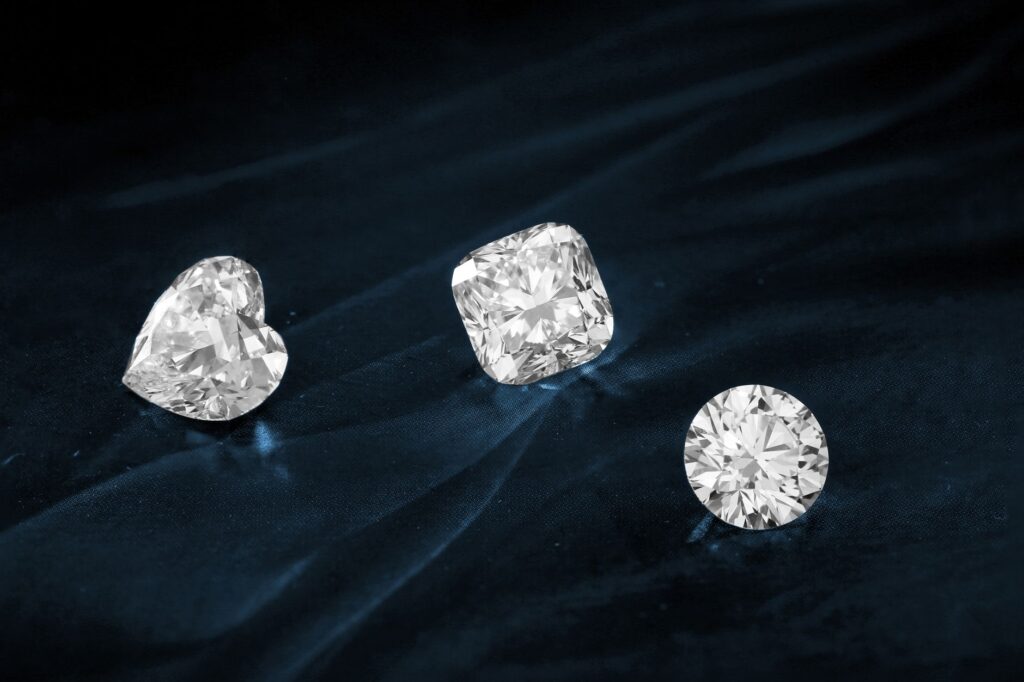
No, and the effect varies by shape. Round brilliants are more standardized, so shallow proportions can be easier to evaluate against known cut standards. Fancy shapes such as oval, pear, marquise, cushion, and emerald can also show a size benefit from spread, but they react differently to changes in depth.
Some shapes naturally face up larger than others for the same carat weight. Elongated shapes like oval, pear, and marquise often appear larger because of their outline. A shallow version may amplify that effect, but it can also increase the risk of windowing or transparency in the center.
For round diamonds, shallowness often affects brightness and sparkle pattern more directly. For fancy shapes, the challenge is usually balancing visible size with even light return and a visually pleasing outline.
Round Diamonds
Round diamonds are the most closely studied shape for optical performance. A shallow round can look wide, but if the proportions move too far away from ideal ranges, the diamond may lose the symmetrical sparkle pattern buyers expect.
Because round brilliants are so dependent on light return, many buyers are cautious about sacrificing cut quality just to gain a small amount of spread.
Oval, Pear, and Marquise Shapes
These shapes often look large because their outlines are elongated. A shallow cut may make that effect more noticeable, but it can also make the center look less dense or more transparent.
Buyers should pay close attention to the middle of the stone and to the ends. Some shallow fancy shapes can look attractive in photos yet less balanced in person.
Cushion and Emerald Shapes
Cushion cuts and emerald cuts show different light patterns than rounds. A shallow cushion may appear broader, while a shallow emerald cut can risk a larger window-like look.
These shapes are especially dependent on personal preference. Some buyers like a larger face-up look more than intense brilliance, but it is still important to understand the trade-offs before choosing a shallow stone.
What Is the Difference Between Looking Larger and Being Better Cut?
This is one of the most important ideas for diamond buyers. A diamond can appear larger because it spreads across more surface area, but that does not mean it has superior quality.
Better cut means the diamond is more likely to reflect light in an attractive way. That improves brightness, contrast, and the lively sparkle most people want. In many cases, a slightly smaller but better-cut stone will be more pleasing to the eye than a shallow stone that simply looks bigger.
Think of it as a trade-off between footprint and performance. A larger-looking diamond may get attention first, but a well-cut diamond often holds attention longer because it looks more vibrant from different angles and in different lighting conditions.
How Shallow Diamonds Affect Value
Value depends on what you want the diamond to do. If your main goal is visible size, a shallow diamond may give you more spread for the same carat weight. That can feel efficient from a budget standpoint.
But if the shallowness reduces beauty, the value may be weaker than it first appears. A diamond’s value is not just about how much finger coverage it gives. It is also about how it looks in real life and whether it remains attractive in ordinary lighting.
When Paying More Makes Sense
Paying more for better cut often makes sense when the visual difference is noticeable. That is especially true for buyers who want strong sparkle, reliable brightness, and a diamond that performs well in a range of lighting conditions.
This matters a lot in engagement rings, where the diamond is worn frequently and seen up close. If cut quality is too low, the stone may look less attractive every day, not just in a special display setting.
When a Shallow Diamond May Be Worth Considering
A shallow diamond may be worth considering if size is your top priority and the stone still looks balanced enough to you. Some buyers are comfortable accepting a modest reduction in optical quality in exchange for a larger-looking diamond.
This works best when the shallow proportions are only moderate. A stone that is too shallow can create obvious visual compromises that outweigh the benefit of extra spread.
Practical Examples Buyers Can Relate To
A Well-Cut 1.5-Carat Diamond vs. a Poorly Cut 2-Carat Diamond
This comparison comes up often. On paper, the 2-carat diamond sounds more impressive. In person, though, the well-cut 1.5-carat diamond may look brighter, more lively, and more refined.
The 2-carat stone may face up slightly larger, but if it is shallow or otherwise poorly cut, the extra size may not feel worth the compromise. Many buyers are surprised to learn that the smaller stone has stronger visual presence because it handles light better.
Excellent Cut vs. Very Good Cut in Everyday Lighting
In standard indoor lighting, many buyers can notice a difference when they compare stones directly. An excellent-cut diamond often looks more crisp and balanced, while a very good cut may still perform well but with slightly less precision in sparkle or brightness.
The difference is usually subtle rather than dramatic. That is why experienced buyers often use a combination of cut grade, proportions, and actual photos or video rather than relying on one number alone.
Higher Clarity with Poor Cut vs. Lower Clarity with Excellent Cut
This comparison often surprises first-time buyers. A diamond with a higher clarity grade but weak cut can still look less attractive than a lower-clarity diamond with excellent cut.
Why? Because most clarity differences are visible only at close range, while cut affects the diamond’s overall light performance every time it is viewed. Buyers usually notice sparkle and brightness from a distance long before they notice microscopic inclusions.
What Makes a Diamond Look Too Shallow?
Not every shallow diamond is a problem. The issue is when the proportions move far enough away from balanced cutting that the diamond begins to lose optical performance. The degree matters as much as the fact that the diamond is shallow.
Some warning signs are easy to spot, while others are more subtle. Buyers should look for a diamond that seems flat, overly transparent, or lacking in depth when viewed face up and at an angle. A stone can still have attractive spread and be acceptable if it maintains good brightness and contrast.
Visual Signs to Watch For
- A washed-out or see-through center
- Less brightness than expected for the size
- Uneven sparkle across the surface
- Weak contrast when the stone moves
- A glassy or watery look instead of crisp brilliance
These signs are not always obvious in a listing photo. If possible, compare videos, measurements, and grading information together. For buyers of lab grown diamonds, where value comparisons are often detailed, this step is especially important.
How Certification Helps Buyers Evaluate Cut
Certification gives you an independent assessment of the diamond’s measured characteristics. For round diamonds, grading reports from respected labs can help identify whether a stone falls into a narrow cut range or has proportions that may be less ideal.
That said, a report does not tell the whole story. Cut grade is useful, but buyers should also pay attention to how the diamond actually looks. A stone can receive a favorable grade and still appeal differently depending on shape, setting, and personal preference.
Why Reports Matter More for Some Shapes Than Others
Round diamonds are more standardized, so cut grading is more straightforward. For many fancy shapes, there is less uniform grading, which means buyers need to rely more on dimensions, photos, and light performance images.
This is why understanding diamond certifications matters. A grading report can confirm basic facts, but it should not replace visual review.
Lab Grown Diamond Considerations
Lab grown diamonds follow the same optical rules as mined diamonds. A shallow lab grown diamond can look larger for its weight for the same reason a shallow natural diamond can: the visible spread is greater relative to the depth.
Because lab grown diamonds are often purchased with strong attention to size and budget efficiency, buyers sometimes compare millimeter spread very closely. That makes it especially important to balance visible size with light performance.
Lab grown diamonds also vary in cut quality just like natural diamonds do. A larger-looking lab grown diamond is not necessarily the better choice if the cutting compromises make it look less lively. The same evaluation standards apply whether you are comparing lab grown diamonds or natural ones.
Why Buyers of Lab Grown Diamonds Often Compare Millimeters Closely
Lab grown diamonds usually offer more carat weight for the budget, so many buyers focus on face-up size as much as price. Shallow stones can seem appealing because they stretch that budget further in visible coverage.
Still, the best value is not always the stone with the widest measurements. It is the one that looks balanced, bright, and attractive in real life while fitting your budget and style preferences.
Advantages of a Shallow Diamond
A shallow diamond can have real benefits when chosen carefully. The main advantage is a larger face-up appearance, which can make the diamond look more substantial on the hand.
Another possible benefit is budget efficiency if you prioritize visible size over ideal proportions. Some buyers also prefer the look of a flatter stone in certain settings, especially when they want a low-profile ring.
- Larger face-up spread for the same carat weight
- Can appear bigger on the finger
- May suit buyers who care most about visible size
- Can work well with some low-profile settings
Disadvantages of a Shallow Diamond
The biggest drawback is the risk of reduced light performance. If the diamond is too shallow, it may not return light as effectively, which can weaken brilliance and sparkle.
Another limitation is that the size advantage can be partly cosmetic. The stone may look larger from above, but it may not feel more impressive overall if brightness and contrast are compromised.
- Risk of light leakage and reduced brightness
- May look glassy or watery
- Can reduce sparkle quality
- Face-up size may not equal better beauty
Buying Considerations: What Should You Prioritize?
For most buyers, the best approach is to decide how much weight you place on appearance versus spread. If you want the strongest overall visual impact, cut quality should come first. If you want the largest-looking stone within a budget, a moderately shallow diamond may be worth exploring, but only if the visual trade-off is acceptable.
It is also wise to compare stones in millimeters, not just carat weight. Carat weight tells you how much the diamond weighs. Millimeter measurements tell you how much space it may cover on the finger.
Budget
Budget often drives the trade-off. A buyer who wants to stay within a strict price range may accept slightly shallower proportions to gain visible spread.
That can be reasonable, but it should be an informed decision. If the diamond is noticeably underperforming, spending a little less on size and more on cut can be the better long-term choice.
Visual Performance
If sparkle, brightness, and beauty matter most, prioritize cut quality. A diamond that performs well in mixed lighting tends to be more satisfying over time than one that simply looks broad in a single viewing angle.
This is one reason buyers researching diamond color and diamond clarity should still put cut first. Color and clarity matter, but cut shapes the overall impression more strongly.
Setting Style
The ring setting can affect how large the diamond appears. A thin band, halo, or elongated setting can make a diamond look larger, which may reduce the need to rely on a shallow cut for spread.
Buyers should consider the ring as a whole. Sometimes a thoughtful setting choice gives the illusion of size without sacrificing as much optical performance.
Long-Term Satisfaction
Think about how you want the diamond to look in everyday life, not just in the store. A diamond that seems slightly smaller on paper but looks alive in varied lighting often provides more lasting satisfaction.
This is especially important for engagement rings, because the stone will be viewed often and from many angles. Long-term satisfaction usually depends more on beauty than on millimeters alone.
Common Buyer Mistakes
One of the most common mistakes is focusing too heavily on carat weight. Bigger is not always better if cut quality is weak. A poorly proportioned stone can look less attractive than a smaller but better-cut alternative.
Another mistake is assuming all diamonds sparkle equally. In reality, cut quality strongly affects how much life the diamond shows. Two diamonds with the same color and clarity can look very different if their proportions are not similar.
- Prioritizing carat weight over cut quality
- Ignoring millimeter measurements
- Overpaying for clarity that is not visibly helpful
- Assuming a shallow diamond is automatically a good value
- Buying from photos alone without checking performance
Buyers also sometimes underestimate how much lighting changes appearance. A shallow diamond may look acceptable under one light source and less impressive under another. That is why real-world viewing matters so much.
What Experienced Jewelers Often Look For
Experienced jewelers rarely judge a diamond by one factor alone. They look at spread, proportions, symmetry, brightness, and the actual visual result. A good jeweler knows that a diamond’s value to a buyer depends on how it looks in a ring, not just on paper.
When evaluating shallow stones, many professionals check whether the face-up appearance is genuinely attractive or merely large. They also look for signs of light leakage, overly flat faceting, or a lack of depth that makes the diamond seem less lively.
This practical approach is useful for buyers, too. If a diamond looks impressive in a report but less impressive in person, trust the visual evidence.
How to Compare Diamonds the Smart Way
If you are deciding between two diamonds, compare them in this order: cut quality, visible size, shape appeal, color, clarity, and price. That order works well because cut has a direct effect on beauty, while many other factors are more subtle to the eye.
Also compare actual measurements. A diamond with slightly smaller carat weight but larger millimeter dimensions may give you the size look you want without the drawbacks of an overly shallow cut.
If possible, view the diamond in more than one lighting condition. Store lighting can make many stones look better than they do in everyday environments. The goal is to find a stone that stays attractive at home, outdoors, and in office lighting, not only under spotlighting.
Frequently Asked Questions
Does a shallow diamond always look bigger?
Not always, but it often can. A shallow diamond usually spreads more across the top, so it may appear larger face-up than a deeper diamond of the same carat weight. The result depends on the shape and how extreme the shallowness is.
Is a shallow diamond bad?
Not necessarily. A mildly shallow diamond can be fine if it still has good brightness and sparkle. It becomes a concern when the proportions are so shallow that the diamond loses light performance or shows obvious windowing.
Will a shallow diamond sparkle less?
It can. Sparkle depends on how well the diamond handles light, and overly shallow proportions may reduce that performance. Some shallow diamonds still sparkle nicely, but the risk of reduced brilliance is higher.
Is a larger-looking diamond always a better buy?
No. Buyers often prefer a diamond that looks bright and lively over one that merely looks large. Face-up size matters, but it should not come at the expense of overall beauty.
How can I tell if a shallow diamond is too shallow?
Look for a flat, watery, or see-through appearance, especially in the center. If the diamond seems less bright or less balanced than expected, the proportions may be too shallow. Side-by-side comparison with a better-cut diamond is often the easiest way to tell.
Do lab grown diamonds have the same issues with shallow cuts?
Yes. Lab grown diamonds follow the same optical rules as natural diamonds. A shallow lab grown diamond can look larger, but it can also have the same trade-offs in brightness and light return.
Should I choose a slightly smaller well-cut diamond over a larger shallow one?
In many cases, yes, if beauty is your top priority. A well-cut diamond usually provides stronger sparkle and a more balanced appearance. If visible size matters more to you, a shallow diamond may still be worth considering, but only if the performance remains acceptable.
What is more important, millimeter size or cut grade?
Both matter, but cut grade usually has a bigger effect on how beautiful the diamond looks. Millimeter size affects spread, while cut grade affects brightness, sparkle, and contrast. The best diamonds balance both.
Conclusion
A shallow diamond can look larger because it spreads more across the top, giving it greater face-up size for its carat weight. But the size advantage is only part of the story. If the diamond is too shallow, it may lose brightness, sparkle, and overall visual appeal.
For most buyers, the smartest approach is to balance spread with light performance. A slightly smaller diamond with better cut often looks more beautiful in daily wear than a larger-looking diamond that performs poorly. That is especially true when comparing round diamonds and high-value lab grown diamonds, where the visual payoff of good cut can be very noticeable.
If you are evaluating diamonds, focus on what you will actually see in person. Compare millimeter measurements, cut quality, and real-world appearance together. That is the most reliable way to choose a diamond that looks good, feels proportionate, and delivers lasting satisfaction.