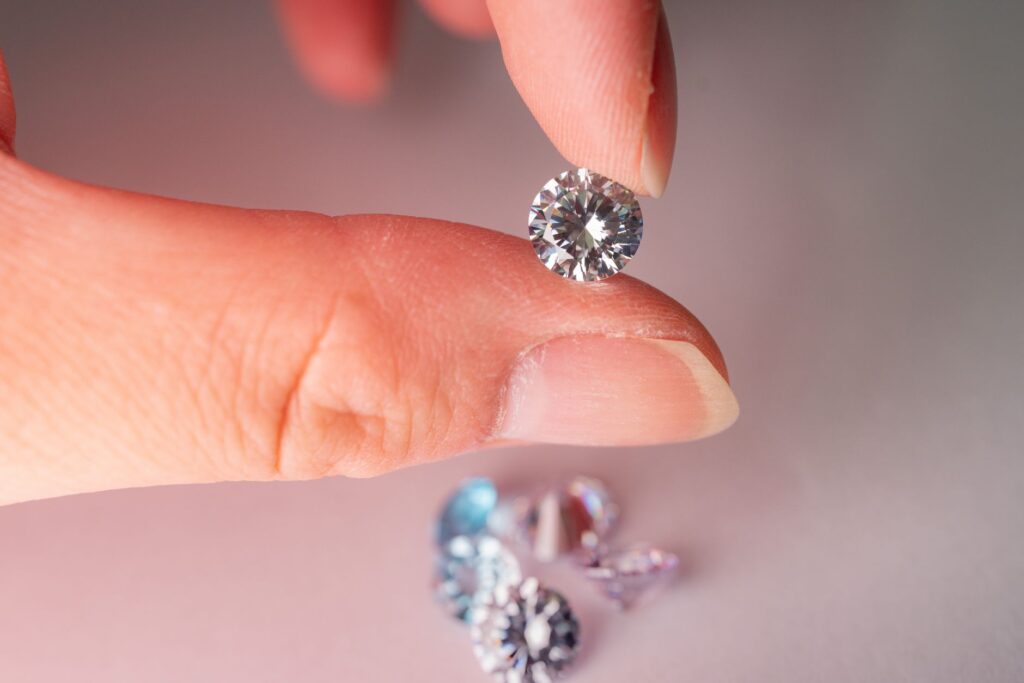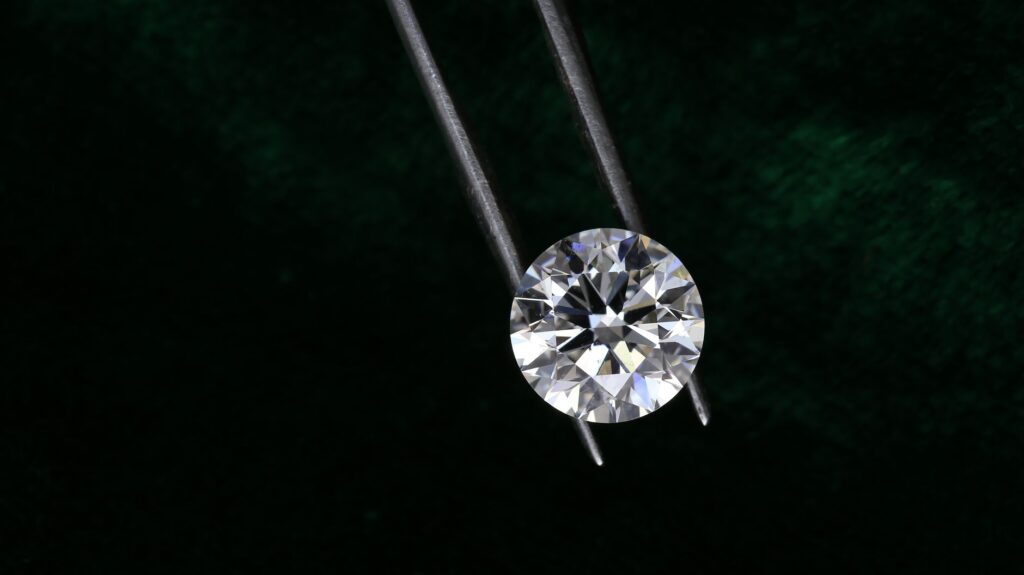
A 3 carat diamond sits in a range where expectations and reality can separate quickly. On paper, 3 carats sounds dramatically larger than 2 carats. In person, it is certainly substantial, but what you actually see depends on more than the number on the grading report. Shape, cut quality, finger size, and setting design all influence whether that 3 carat look feels balanced, oversized, elegant, or surprisingly manageable.
This is where lab grown diamonds change the conversation. For buyers who want a visibly large diamond without moving into extremely high natural diamond pricing, the question becomes very practical: can lab grown diamonds make 3 carats affordable? In many cases, yes. But affordability still depends on what you mean by affordable, what quality level you expect, and whether you are comparing smart buying choices or idealized marketing examples.
Quick Answer
Yes, lab grown diamonds can make 3 carats far more affordable than natural diamonds. A 3 carat lab grown diamond often costs a small fraction of what a natural 3 carat diamond would cost, which puts this size within reach for buyers who would otherwise be limited to a much smaller stone.
That said, affordability is not the same as cheap. A well-cut 3 carat lab grown diamond with strong color and clarity grades is still a significant purchase. Price also varies widely based on shape, cut quality, certification, and whether the stone has visual issues that are not obvious from the grading report alone.
The practical takeaway is simple. Lab grown diamonds often make the look of a 3 carat diamond attainable at a much lower budget level, but buyers still need to pay close attention to proportions, measurements, and overall visual performance to make sure they are getting real value.
Understanding the Carat Concept
What diamond carat actually means
Carat is a unit of weight, not a direct measurement of visible size. One carat equals 0.2 grams. A 3 carat diamond weighs three times as much as a 1 carat diamond, but it does not look three times as wide when viewed from the top.
This distinction matters because buyers often assume carat tells them exactly how large a diamond will appear. It does not. The face-up dimensions, meaning the length and width you see when the diamond is set and worn, are what determine how big it looks.
What face-up size means
Face-up size refers to how large the diamond appears from above. This is the view most people notice in daily wear. Two diamonds with the same carat weight can have slightly different face-up sizes if one is cut deeper or shallower than the other.
For example, a deep-cut round diamond can hide more weight in its height rather than its width. That means you may be paying for carat weight that is less visible once the diamond is set.
Why 3 carats feels like a major threshold
Three carats is often treated as a landmark size because it gives a clearly large look in most shapes. It usually offers obvious finger coverage and stronger presence across the room than 1 or 2 carats. In natural diamonds, this size also carries a major price jump, which historically placed it out of reach for many buyers.
Lab grown diamonds have changed that. They do not make 3 carats automatically inexpensive, but they often bring it into a budget range that more buyers can realistically consider.
What Buyers Usually Expect
Expecting the carat number to tell the whole story
One common assumption is that all 3 carat diamonds will look roughly the same size. In practice, a 3 carat round, a 3 carat oval, and a 3 carat cushion can have very different visual footprints. Even within the same shape, proportions matter.
That is why measurements in millimeters are so important. A grading report may say 3.00 carats, but the length and width tell you much more about real-world appearance.
Assuming 3 carats will look enormous on everyone
A 3 carat diamond is large, but how large it looks depends heavily on finger size and setting style. On a size 4 finger, it can appear very prominent. On a size 8 finger, it may still look impressive but less oversized than expected.
Finger coverage changes the visual impression. The same diamond can feel bold on one hand and balanced on another.
Believing lab grown means all large diamonds are cheap
Lab grown pricing is lower than natural pricing, but that does not mean every 3 carat stone is a bargain. Better cut quality, stronger color grades, higher clarity, and reputable certification all affect price. Some lower-priced stones are cheaper for a reason, such as weak cut performance, less desirable proportions, or visible tint and inclusions.
Affordability should be measured against quality, not against the lowest listing price available.
What It Actually Looks Like
Typical visual size of a 3 carat diamond
The exact appearance depends on shape, but a well-cut 3 carat round diamond usually measures around 9.2 to 9.4 mm in diameter. That gives it a broad, unmistakably substantial look. On most hands, it looks noticeably larger than the classic 1 to 1.5 carat range that many buyers are used to seeing.
Fancy shapes such as oval, pear, marquise, and emerald can appear even larger because their elongated outlines spread weight across more visible surface area. That means a 3 carat oval may look longer and cover more finger length than a 3 carat round, even though both weigh the same.
Finger coverage in practical terms
Three carats generally offers strong finger coverage, especially in elongated shapes. On smaller ring sizes, the stone may span a large percentage of the finger’s visible width. On medium and larger ring sizes, it still tends to stand out clearly.
Buyers often notice this first in side-to-side coverage. A diamond does not need to look tall or long to seem large. If it occupies a lot of visible finger width, it will read as substantial.
How noticeable the jump is from 2 carats to 3 carats
The jump from 2 carats to 3 carats is visible, but not in a simple one-to-one way. A 3 carat round does not look 50 percent wider than a 2 carat round. Diameter increases more gradually than weight does. Still, face-up area increases enough that most people will see a meaningful difference side by side.
Without direct comparison, the effect depends more on overall presence. A 3 carat diamond has a stronger visual impact than a 2 carat diamond, but the increase may feel more refined than dramatic to some buyers.
Factors That Change Apparent Size
Shape
Shape is one of the biggest reasons identical carat weights can look different.
| Shape | Typical visual effect at 3 carats | Practical takeaway |
|---|---|---|
| Round | Balanced and classic, but usually looks smaller face-up than elongated shapes | Best for buyers who prioritize symmetry and traditional sparkle |
| Oval | Often appears larger and longer than round | Strong choice for maximizing visible size |
| Emerald | Can look large due to spread and long outline, but shows inclusions more easily | Good for buyers who want a clean, elegant look |
| Pear | Elongated and flattering on the finger | Can create strong finger-lengthening effect |
| Marquise | Often looks largest for the weight because of length | Maximizes visual size but has a more distinctive style |
| Cushion | May face up smaller than oval or emerald due to rounded square shape | Choose measurements carefully |
| Princess | Often looks somewhat compact for its weight | Can be less size-efficient visually |
Cut quality
Cut quality affects both sparkle and apparent size. A diamond that is cut too deep may carry extra weight in the body rather than across the visible top. This can make a 3 carat stone look smaller than it should.
Cut also matters because light performance influences visual presence. A bright, lively diamond often appears more impressive than a dull one of similar dimensions.
Depth and proportions
Depth percentage describes how tall the diamond is relative to its width. Table percentage refers to the width of the top facet relative to the overall width. These measurements help explain whether the stone is hiding weight or spreading it effectively.
For buyers, the practical point is not to memorize every ideal range. It is to understand that two 3 carat diamonds can differ in millimeter dimensions, and those differences affect how large the stone appears once worn.
Setting design
The ring setting can either emphasize or soften the look of a 3 carat center stone. A thin band usually makes the center look larger. A wide band can make the diamond feel slightly more integrated and less dominant.
Halo settings add surrounding sparkle and can make the overall ring look larger than a solitaire. Prong style, bezel setting, and side stones also influence how much of the diamond’s edge remains visible.
Color and clarity visual impact
Color and clarity do not directly change size, but they affect the overall impression. In a very large diamond, warmth in color may be easier to notice, especially in certain shapes and metal colors. Clarity features may also be easier to spot because the stone has more visible surface area.
This matters with 3 carat lab grown diamonds because buyers sometimes focus so strongly on size that they choose grades that look less attractive in person than expected.
Real-World Size Examples
3 carat round on a size 4 finger
On a size 4 finger, a well-cut 3 carat round often looks very prominent. The diamond may cover a large portion of the finger’s width and create a distinctly bold look. For some buyers, this is exactly the goal. For others, it can feel more statement-like than expected for everyday wear.
3 carat round on a size 7 finger
On a size 7 finger, the same diamond still looks substantial but often appears more balanced. It remains clearly large, yet the overall proportion may feel easier to wear daily. This is a good example of why online photos without finger-size context can be misleading.
3 carat oval vs 3 carat round
A 3 carat oval usually appears larger than a 3 carat round in face-up size because the elongated shape spreads across more visible length. It also tends to create a finger-lengthening effect that makes the ring look more expansive overall.
The trade-off is that ovals can show a bow-tie effect, which is a dark area across the center of the stone caused by light obstruction. A well-selected oval can still be an excellent size-value choice, but it should be evaluated carefully.
2.5 carat vs 3 carat
The difference between 2.5 and 3 carats is meaningful, but not always dramatic from a normal viewing distance. In some shapes, especially elongated ones, a well-cut 2.5 carat diamond can deliver a very similar visual impression for less money.
This is especially relevant in lab grown diamonds, where buyers may have the budget flexibility to compare multiple size options rather than automatically aiming for a round number.
3 carat cushion vs 3 carat emerald
A 3 carat cushion may appear more compact, especially if it has a deeper make or softer corners. A 3 carat emerald cut often looks larger across the finger due to its long rectangular outline. However, emerald cut facets are more transparent and can make inclusions and color easier to see.
That means visible size is only part of the decision. The shape that looks larger is not always the one that looks better to every buyer.
Can Lab Grown Diamonds Make 3 Carats Affordable in Real Terms?
Why lab grown changes the budget equation
Natural diamond prices rise steeply as carat weight increases, especially around larger milestone sizes. A well-cut natural 3 carat diamond with strong color and clarity can cost many times more than a comparable lab grown diamond.
Lab grown diamonds are real diamonds with the same basic chemical and physical properties as natural diamonds. They differ in origin, not in hardness or essential composition. Because they are produced in controlled conditions rather than mined, their market prices are typically much lower.
This lower pricing is exactly why the question matters. For buyers focused on face-up size, a 3 carat lab grown diamond may cost closer to what a much smaller natural diamond would cost.
What affordable usually means in this category
Affordable is relative. For one buyer, affordable may mean keeping the total ring budget under a few thousand dollars. For another, it may mean accessing a luxury-sized diamond without entering five-figure or very high five-figure natural diamond territory.
In practical terms, lab grown diamonds often make 3 carats more budget-efficient, not universally low-cost. You can still spend substantially more for better cut, better color, premium shapes, branded settings, and higher clarity grades.
Why prices vary so much within lab grown 3 carat diamonds
Buyers are often surprised by the spread in pricing among stones with the same carat weight. Several factors explain it:
- Cut precision: Better-proportioned diamonds usually command more.
- Shape: Round brilliants often cost more than many fancy shapes.
- Color grade: Higher color grades, such as D through F, often cost more.
- Clarity grade: Cleaner stones generally cost more, especially in transparent shapes like emerald cuts.
- Certification: Reports from respected labs add confidence and can affect pricing.
- Growth method and quality issues: Some stones may have strain, haziness, tint, or weaker optical performance despite acceptable paper grades.
This is why asking only whether lab grown can make 3 carats affordable is not enough. A better question is whether lab grown can make a good-looking 3 carat diamond affordable relative to your budget. Often the answer is yes, but careful selection matters.
Price vs Visual Benefit
How visual size increases compared with cost
As diamonds get larger, the price increase rarely matches a simple visual increase. Moving from 2 to 3 carats produces a noticeable difference, but not one that is proportional to the jump in weight. This is true in both natural and lab grown diamonds, although lab grown pricing softens the financial impact.
That means the visual benefit of upgrading should be judged by measurements and appearance, not just by the carat milestone itself.
| Upgrade | Visible size difference | Typical value question |
|---|---|---|
| 2.0 to 2.5 carats | Noticeable, often elegant and balanced | Is the extra spread worth the price increase? |
| 2.5 to 3.0 carats | Noticeable, stronger visual presence | Do you want the milestone number or the additional coverage? |
| 3.0 to 3.5 carats | Visible side by side, less dramatic alone | Would cut or setting upgrades matter more? |
Where lab grown offers the strongest visual value
Lab grown diamonds are especially effective for buyers who care most about visible size and want to avoid the steep premiums associated with large natural diamonds. In that sense, lab grown often delivers strong visual value at 3 carats.
However, there is still a point of diminishing returns. If the budget increase from 2.5 to 3 carats forces you into a weaker cut, lower color, or less attractive shape ratio, the larger number may not produce the better-looking diamond.
Would an experienced buyer always choose 3 carats?
Not necessarily. An experienced buyer often prioritizes the best overall visual package for the budget. That could be a beautifully cut 2.7 carat oval, a well-proportioned 2.8 carat round, or a crisp 3 carat emerald cut depending on personal style and quality preferences.
The smartest purchase is not always the largest available stone. It is the one that gives the most satisfying appearance without sacrificing too much in cut, color, clarity, or wearability.
Who Should Size Up to 3 Carats
Buyers who strongly prioritize visible size
If finger coverage and presence are top priorities, 3 carats can be a logical step. Lab grown diamonds make this size much more realistic for buyers whose budget would not support it in natural.
Buyers with larger finger sizes
On larger fingers, a 3 carat diamond can look proportionate rather than overpowering. Buyers who feel that 1.5 to 2 carats gets visually lost on their hand may find that 3 carats creates the balance they want.
Buyers choosing elongated shapes for impact
A 3 carat oval, pear, or marquise can create a long, expansive appearance that suits buyers who want strong visual presence. In lab grown form, these sizes may fall into budgets that were once limited to much smaller natural stones.
Buyers comfortable with lower resale expectations
Lab grown diamonds generally do not hold resale value the way some buyers hope. Anyone choosing a 3 carat lab grown diamond should do so primarily for personal enjoyment, appearance, and budget efficiency rather than investment expectations.
Who Can Save Money Without Sacrificing Much Visual Impact
Buyers open to slightly under 3 carats
A 2.70, 2.80, or 2.90 carat diamond can look extremely similar to a 3.00 carat diamond, especially once set. In some cases, you may save money while giving up very little visible size.
This approach can be especially useful if it allows you to improve cut quality or choose a better color grade.
Buyers willing to choose a size-efficient shape
Shapes such as oval, pear, and marquise often appear larger for their weight than round or cushion cuts. A 2.5 to 2.8 carat elongated shape may deliver the kind of finger coverage some buyers expect from a 3 carat round.
Buyers who value balance over maximum spread
Some buyers discover that once they try rings on, they prefer a slightly smaller diamond that feels easier to wear every day. A 2 to 2.5 carat lab grown diamond can still look impressive while reducing both cost and maintenance concerns related to a very large center stone.
Buyers prioritizing cut over milestone weight
A smaller diamond with stronger brilliance often makes a better impression than a larger diamond with mediocre light return. If the budget is limited, choosing excellent cut quality can be more rewarding than stretching to reach 3 carats at any cost.
Common Buyer Mistakes
Chasing the number 3.00 instead of the look
Round numbers have strong appeal, but a diamond just under 3 carats may provide nearly the same appearance for less. The visible difference is often small, especially without direct comparison.
Ignoring millimeter measurements
Carat weight alone does not tell you how large the diamond looks. Always compare length and width. A poorly proportioned 3 carat diamond may face up smaller than a better-cut stone of slightly lower weight.
Overlooking cut quality in lab grown diamonds
Because lab grown pricing makes larger sizes more accessible, some buyers focus on size first and ask questions about cut later. This is backwards. Cut quality affects brightness, scintillation, and even perceived size.
Assuming higher clarity is always necessary at 3 carats
Clarity matters, but not every buyer needs very high clarity grades. The goal is usually an eye-clean diamond, meaning inclusions are not visible without magnification in normal viewing conditions. Paying for microscopic perfection that you cannot see may not improve real-world appearance.
Going too low on color in the wrong shape
Larger diamonds can reveal color more readily, especially in shapes with broad, open facets such as emerald and Asscher cuts. A color grade that looks acceptable in a smaller round may be more noticeable at 3 carats in a step-cut shape.
Forgetting about setting and lifestyle
A 3 carat diamond sits higher in many settings and can feel more exposed during daily wear. Buyers should think about comfort, security, and how often the ring will be worn in active settings.
How to Judge Whether a 3 Carat Lab Grown Diamond Is Actually Worth It
Start with measurements, not just carat
Look at the actual dimensions in millimeters. For round diamonds, compare diameter ranges. For fancy shapes, compare length, width, and length-to-width ratio to understand the outline.
Check certification carefully
A grading report from a respected lab helps confirm the stated quality characteristics. Certification does not guarantee beauty, but it gives a more reliable starting point for comparing stones.
Evaluate the shape-specific risks
Each shape has its own common issues. Ovals and pears may show bow-tie effects. Emerald cuts can reveal inclusions and color more easily. Cushions can face up smaller than expected. Understanding these trade-offs helps you judge whether the size is truly delivering value.
Think about total ring budget
The center diamond is only part of the cost. Setting style, metal choice, side stones, and long-term maintenance all matter. A 3 carat lab grown diamond may fit the center-stone budget, but the full ring should still be comfortable financially.
Be realistic about resale
Buyers should not choose a 3 carat lab grown diamond based on expectations of future value retention. The main benefits are appearance, access to larger size, and lower upfront cost compared with natural diamonds.
Frequently Asked Questions
Do lab grown 3 carat diamonds look different from natural 3 carat diamonds?
Not in normal appearance based solely on origin. Lab grown and natural diamonds have the same basic material properties. What people notice visually is usually shape, cut, color, clarity, and overall quality, not whether the diamond was lab grown or mined.
Is a 3 carat lab grown diamond too big for everyday wear?
That depends on finger size, setting style, and personal taste. For some buyers, 3 carats feels perfectly wearable. For others, it feels more like a statement size. Lower-profile settings and secure prongs can help make larger diamonds more practical.
Will most people notice the difference between 2.5 and 3 carats?
Side by side, yes, many people will notice some difference. Worn alone in everyday life, the difference is often less dramatic than buyers expect. Shape and setting can influence the impression as much as the added weight.
What shape makes a 3 carat diamond look the largest?
Marquise, oval, and pear shapes often look larger for their weight than round or cushion cuts because of their elongated outlines. However, the best choice also depends on style preference and whether you are comfortable with the visual characteristics of those shapes.
Should I buy a 2.9 carat instead of a 3 carat?
It is often worth considering. A 2.9 carat diamond can look extremely close to a 3 carat diamond, especially if cut well. If the savings improve cut, color, clarity, or setting quality, it may be the more balanced choice.
Are 3 carat lab grown diamonds durable?
Yes. Lab grown diamonds have the same hardness and general durability as natural diamonds. Size does not make the diamond itself softer, though a larger stone can be more exposed in certain settings and may require thoughtful design for everyday wear.
Can I go lower in color or clarity to afford 3 carats?
Sometimes, but it should be done carefully. A modest compromise can be sensible if the diamond still looks bright and eye-clean. Going too low can be more noticeable in large stones, especially in step cuts or shapes that show body color more readily.
Is a 3 carat lab grown diamond a good value?
It can be excellent value for buyers who prioritize visible size and are comfortable with the lower resale expectations of lab grown diamonds. The key is choosing good cut quality and avoiding stones that are large on paper but less impressive in person.
Conclusion
Lab grown diamonds have made the idea of owning a 3 carat diamond far more realistic than it was for previous generations of buyers. In that sense, yes, lab grown diamonds can make 3 carats affordable. They often allow buyers to reach a size that would be far less attainable in natural diamonds.
Still, the smartest decision goes beyond the headline carat number. A 3 carat diamond’s real appeal comes from how it looks on the hand, how well it is cut, how efficiently it uses its weight, and whether the quality holds up in daily viewing. Measurements, shape, proportions, finger size, and setting design all influence whether the diamond actually delivers the visual impact you expect.
For some buyers, 3 carats is the right destination. For others, a slightly smaller, better-cut, or more size-efficient lab grown diamond will offer better overall value. The most practical approach is to judge the diamond by its face-up appearance and total quality, not just by the milestone printed on the grading report.