A diamond’s cut can change how large, bright, and lively it looks in everyday wear. For many buyers, that means a well-cut diamond can appear more impressive than a larger stone with weaker proportions, even when the certificate tells a different story on paper.
This is especially important for lab grown diamonds, where shoppers often compare several stones with similar color, clarity, and price. In those comparisons, cut quality is often the factor that most strongly influences what people actually notice once the diamond is set in a ring and viewed in normal lighting.
If you are asking, Can a Well Cut Diamond Look More Expensive, the short answer is yes. A well-cut diamond can absolutely look more expensive because it usually reflects light better, faces up brighter, and appears more balanced than a poorly cut diamond of the same size or even a larger one.
That does not mean cut is the only thing that matters. Carat weight, shape, color, clarity, and setting design all play a role. But when buyers notice a diamond that “pops,” cut quality is usually one of the main reasons.
Quick Answer
Yes, a well-cut diamond can look more expensive because cut affects how much light the diamond returns to the eye. When a diamond is cut well, it tends to look brighter, sharper, and more vibrant, which creates a stronger visual impression.
In practical terms, this means a well-cut 1.5-carat diamond may look more eye-catching than a poorly cut 2-carat diamond. The larger stone might have more weight on paper, but the better-cut diamond often looks more lively and attractive in real-world lighting.
This effect is easy to miss if you only compare carat weight or read the grading report. It becomes obvious when two diamonds are seen side by side, especially in natural light, office lighting, or under store spotlights where sparkle differences are easier to notice.
What Makes a Diamond Look Expensive?
When people say a diamond looks expensive, they usually mean it appears bright, crisp, and full of life. The stone may seem to “light up” the hand more than expected. That impression comes from a mix of several visual factors, but cut is one of the biggest drivers.
A diamond can look expensive for reasons such as:
- Strong brightness, meaning the stone returns a lot of white light to the eye
- Good sparkle, so the flashes of light appear sharp and frequent
- Balanced proportions, which help the diamond face up well
- Clean outline and symmetry, which give the diamond a polished, intentional look
- Appropriate size for the setting, which can make the stone feel substantial without looking awkward
None of these traits alone guarantees a luxury appearance. But when they work together, the diamond tends to look more refined. Buyers often interpret that refinement as higher value, even if they cannot explain exactly why.
How Diamond Cut Changes What You Actually See
Diamond cut is not just about shape, such as round, oval, or princess. In buying terms, cut refers to how well the diamond’s facets are arranged and finished so they can handle light effectively.
A well-cut diamond does a better job of taking in light and sending it back to the viewer. A poorly cut diamond may leak light through the bottom or sides, or create dull areas where light is not returning efficiently. That difference can make the same diamond look either lively or flat.
Brightness
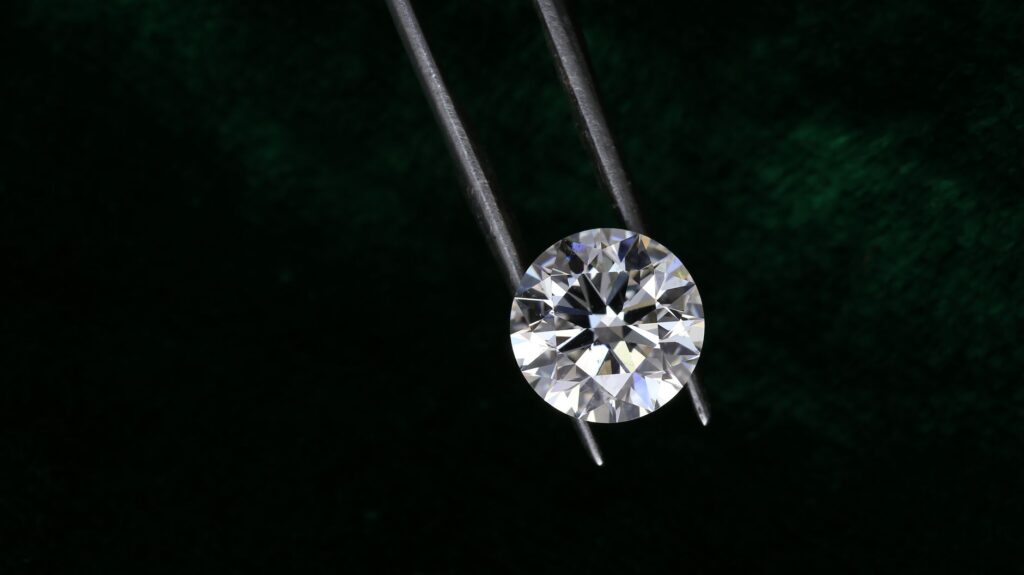
Brightness is the amount of white light a diamond returns to the eye. A bright diamond tends to look crisp and lively, especially in normal indoor lighting.
Buyers usually notice brightness first because it affects the diamond’s overall presence. A bright diamond often looks more expensive simply because it stands out more clearly on the hand.
Fire
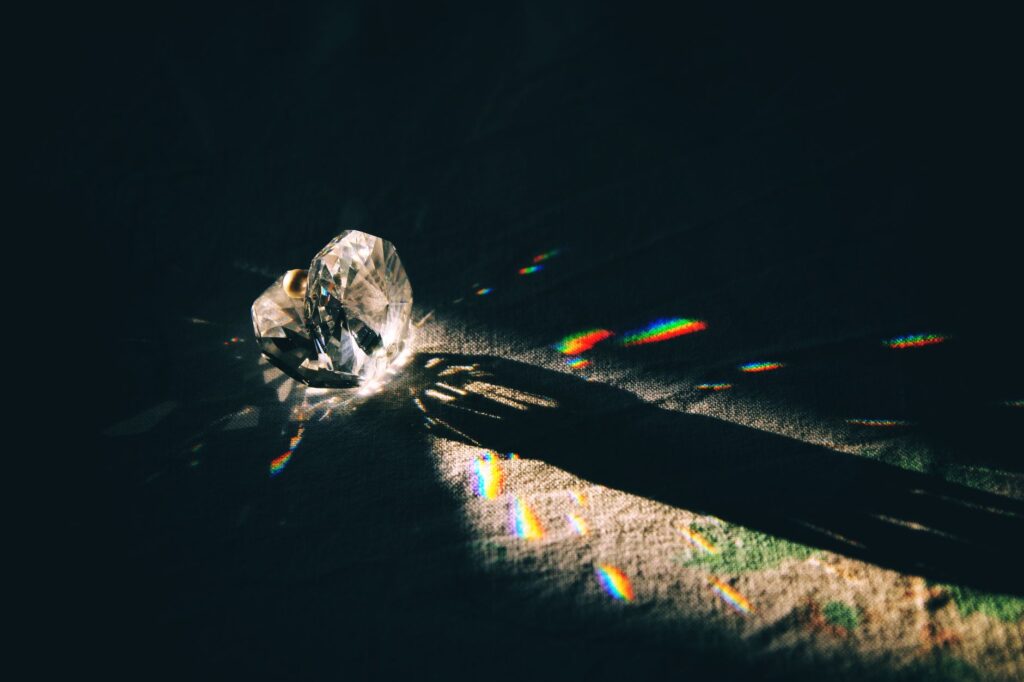
Fire refers to the colored flashes of light a diamond produces when it disperses white light into rainbow-like colors. It is easiest to see when the diamond moves under direct light.
Some buyers love strong fire, while others prefer a more balanced look. In either case, a well-cut diamond usually shows fire more effectively because the facets are angled in a way that encourages light performance.
Scintillation
Scintillation is the pattern of sparkle and contrast you see as the diamond moves. It includes the on-and-off flashes of light and dark that make a diamond appear lively.
A diamond with good scintillation tends to look sharper and more active. This is one reason a well-cut stone can seem more expensive than a larger diamond that looks glassy or sleepy.
Light Return
Light return is how much light makes its way back to your eye after entering the diamond. It is one of the most important reasons cut quality matters.
When light return is strong, the diamond looks fuller, brighter, and more vibrant. When it is weak, the stone may appear muted, even if it is technically large or high in clarity.
Why a Well Cut Diamond Can Look More Expensive
A diamond that handles light well usually looks more intentional and refined. It does not just look “sparkly” in a general sense. It looks as though its shape, proportions, and facet pattern were carefully designed to create a strong visual effect.
That effect can raise the perceived value of the stone. Many buyers instinctively associate brightness and symmetry with quality, even if they do not know the technical reasons behind the look.
In practical shopping terms, this means a buyer may often prefer a smaller or lower-color diamond that is well cut over a larger but duller one. The well-cut stone often looks more polished, and that is usually what people mean when they say it appears more expensive.
What Is Diamond Cut?
Diamond cut is the craftsmanship behind a diamond’s proportions, facet arrangement, and finish. It is one of the most important quality factors because it controls how the diamond interacts with light.
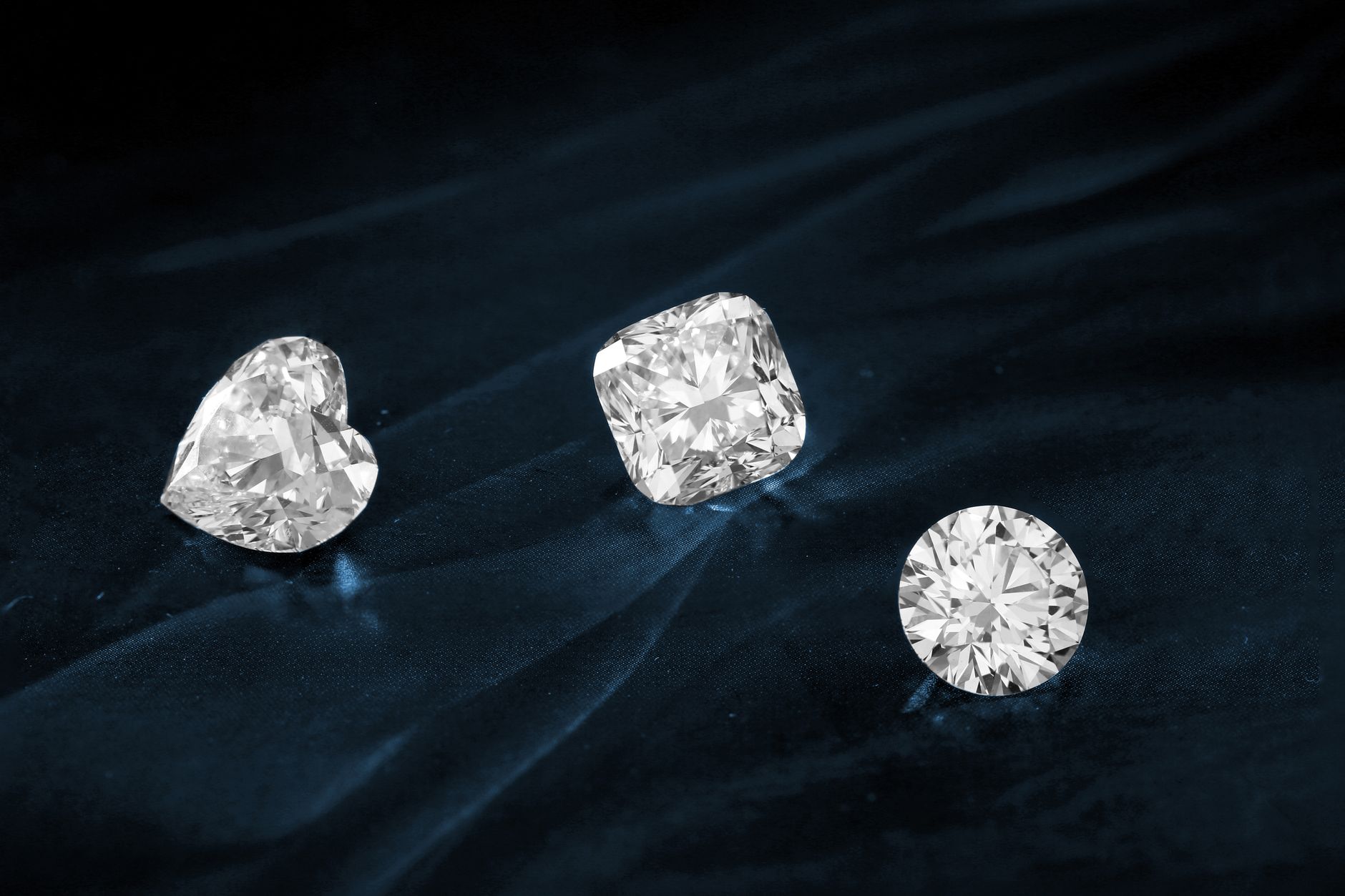
People sometimes confuse cut with shape. Shape refers to the outline of the stone, such as round, oval, cushion, or emerald. Cut refers to how well the stone is built, regardless of shape.
For round brilliant diamonds, cut grading is more standardized and easier to compare. For fancy shapes like oval or pear, cut is still crucial, but grading is less uniform and buyers must rely more on visual assessment and proportions.
Cut Grade
Cut grade is a lab assessment of how a diamond’s proportions and finish affect its light performance. For round diamonds, major grading labs often assign grades such as Excellent, Very Good, Good, Fair, or Poor.
What buyers actually see is not the grade itself, but the results of that grade. A higher cut grade usually means better brightness, better sparkle, and a more balanced face-up look, although not every diamond with a top grade performs identically.
Symmetry
Symmetry describes how precisely the facets and shape align with one another. Good symmetry helps a diamond look orderly and well proportioned.
Buyers may notice symmetry through the crispness of the outline and the evenness of sparkle patterns. Very minor symmetry differences are often hard for ordinary buyers to see, but stronger symmetry issues can affect overall appearance.
Polish
Polish refers to how smooth and well finished the diamond’s facet surfaces are after cutting. A well-polished diamond allows light to travel cleanly across the facets.
In real-world viewing, polish problems are usually subtle unless they are significant. For most buyers, polish matters less than overall cut quality, but it still contributes to the stone’s refined look.
Proportions
Proportions are the relationships between the diamond’s dimensions, including table size, depth, crown height, and pavilion angle. These factors influence how the diamond handles light and how large it appears for its weight.
Good proportions help a diamond face up well, meaning it looks attractive from the top view. This is one reason two diamonds with the same carat weight can look quite different in size and sparkle.
Why Buyers Should Care About Cut Quality
Cut quality matters because it affects nearly every aspect of a diamond’s visual performance. It can influence how bright the stone looks, how much sparkle it shows, and how large it seems once mounted in a ring.
For most shoppers, that makes cut one of the most practical buying considerations. A diamond with excellent cut often gives more visible beauty per dollar than a diamond with weaker cut but larger size or higher color.
This is especially useful for engagement ring buyers, who often want the diamond to look impressive in everyday wear rather than just on a certificate. A stone that performs well in normal conditions tends to provide better long-term satisfaction.
How Cut Affects Sparkle, Brilliance, and Fire
People often use the word sparkle as if it means one thing, but in diamond buying it really covers several effects. Understanding the difference helps buyers compare stones more accurately.
| Term | What it means | What buyers notice |
|---|---|---|
| Brilliance | White light reflected back to the eye | Brightness, liveliness, overall glow |
| Fire | Colored flashes caused by light dispersion | Rainbow flashes under direct light |
| Scintillation | Pattern of light and dark as the stone moves | Dynamic sparkle and contrast |
| Light return | How efficiently the diamond sends light back | Overall brightness and presence |
A well-cut diamond usually performs well across all four. That balanced performance is what creates the expensive-looking effect many shoppers are trying to achieve.
By contrast, a poorly cut diamond may show less brilliance, less fire, and weaker scintillation. Even if it has good color or clarity on paper, it can appear less lively in person.
Real-World Visibility: What Most Buyers Can Actually Notice
Not every cut difference is equally visible. Some are obvious to almost anyone, while others require a trained eye or side-by-side comparison.
Here is a practical way to think about it:
- Easy to notice: obvious dullness, windowing, uneven sparkle, or a diamond that looks lifeless compared with another
- Moderately noticeable: differences between Excellent and Very Good cut, especially in direct comparison
- Harder to notice: small differences in symmetry or polish that do not materially affect light performance
In many stores, diamonds are shown under strong lighting that flatters most stones. That can make cut differences seem smaller than they really are. In everyday environments, though, the better-cut diamond often keeps its brightness more consistently.
Can a Well Cut Diamond Look Bigger Too?
Yes, sometimes a well-cut diamond can appear larger than a poorly cut diamond of the same carat weight. This happens because better proportions can improve the way the diamond faces up from the top view.
A poorly cut diamond may hide weight in the depth, which means more of its carat weight is tucked away where you cannot easily see it. A well-cut diamond distributes that weight more efficiently, often giving the impression of a fuller face-up size.
This is one reason a smart comparison is not just about carat weight. Buyers often get better visual value from a diamond that looks larger and brighter rather than one that simply weighs more.
Comparison: Well Cut Diamond vs Poorly Cut Diamond
| Feature | Well Cut Diamond | Poorly Cut Diamond |
|---|---|---|
| Sparkle | Sharp, lively, and balanced | May look weak, uneven, or flat |
| Brightness | Strong light return | Can look dull or dark in areas |
| Fire | More visible colored flashes | Often reduced or less distinct |
| Scintillation | Distinct flashes of light and contrast | May look sleepy or broken up |
| Face-up appearance | Often looks more complete and polished | May waste weight and look less impressive |
| Perceived value | Often appears more expensive | Can look cheaper than expected |
For most buyers, the difference is not abstract. It is visible in how the diamond behaves on the hand. That is why a diamond with better cut often gives a stronger impression than a larger diamond with poor proportions.
Comparison: Excellent Cut vs Very Good Cut
Many buyers compare Excellent and Very Good cut grades, especially for round diamonds. In real-world viewing, the difference is often subtle, but it can still matter depending on the exact stone.
| Aspect | Excellent Cut | Very Good Cut |
|---|---|---|
| Visual brightness | Usually strongest and most consistent | Often very good, but may be slightly less lively |
| Sparkle pattern | Typically more balanced | Can still be strong, but varies more by stone |
| Noticeability | Easy to appreciate in side-by-side comparison | May look nearly identical without direct comparison |
| Price | Usually higher | Often lower, with potential value savings |
| Best for | Buyers prioritizing top visual performance | Buyers seeking value and still strong appearance |
For many shoppers, Very Good can be a smart value choice if the diamond still performs well visually. For others, the peace of mind that comes with Excellent is worth the premium. The right answer depends on budget, the exact diamond, and how carefully you are comparing stones.
Comparison: Higher Clarity with Weak Cut vs Lower Clarity with Excellent Cut
This is a common buying question, especially for engagement rings. The answer usually depends on whether the clarity differences are actually visible to the naked eye.
| Scenario | Likely Appearance | Practical Takeaway |
|---|---|---|
| Higher clarity, weak cut | May look cleaner on paper but less lively in person | Can disappoint visually if the cut is dull |
| Lower clarity, excellent cut | Often brighter and more attractive overall | Can be the better-looking option if inclusions are not visible |
Many buyers are surprised to learn that a diamond with slightly lower clarity can still look better if the inclusions are small and the cut is excellent. Since sparkle draws the eye, a lively diamond often masks minor clarity characteristics more effectively than a dull one.
This is one reason diamond education should focus on face-up beauty, not just grading categories. A well-cut stone can make the whole ring feel more expensive and more refined.
Lab Grown Diamond Considerations
Cut is especially important when shopping for lab grown diamonds. Since lab grown diamonds often offer strong value in carat size and quality, many buyers compare several options with similar color and clarity grades.
In that context, cut becomes one of the best ways to separate diamonds that merely look good on paper from those that look truly impressive in person. A top-performing lab grown diamond does not need to be the largest stone in the case to stand out.
There is also an important value point here. Because lab grown diamonds are often more affordable than natural diamonds of similar size, buyers may be able to prioritize cut quality without moving far outside budget. That can be a meaningful advantage for people who want maximum visual impact.
At the same time, lab grown diamonds still need the same careful review of cut, proportions, and overall finish. Lower price does not guarantee good visual performance, and not every lab grown diamond is cut equally well.
How Light Conditions Change the Impression
A diamond does not look the same in every setting. The kind of lighting you are under can change whether cut differences seem dramatic or subtle.
Store Lighting
Jewelry stores often use strong spotlights that create attractive sparkle on many stones. This can make diamonds look brilliant in general, even when cut quality is not ideal.
Because of that, store lighting alone is not enough to judge a diamond. A buyer should also look at the stone in softer indoor light and, if possible, in natural daylight.
Office and Home Lighting
In everyday indoor lighting, the strengths of a well-cut diamond often become more obvious. Brightness, contrast, and clean sparkle patterns are easier to appreciate when the lighting is less aggressive.
This is where a well-cut diamond often looks more expensive. It keeps its visual appeal even when the environment is less favorable.
Outdoor Light
Natural light can reveal both the benefits and limitations of a diamond. A well-cut stone may flash beautifully, while a weakly cut diamond may show dark areas or washed-out sparkle.
Some buyers prefer to review diamonds outdoors or by a window because it gives a more realistic sense of how the stone behaves in real life.
What Experienced Jewelers Often Look For
Experienced jewelers usually look beyond carat weight and basic grading labels. They pay attention to how the diamond actually performs face-up, because that is what customers will notice most.
Common things experienced professionals consider include:
- How evenly the diamond returns light
- Whether the stone shows dark zones or windowing
- How balanced the sparkle appears across the face
- Whether the outline looks proportionate for the shape
- How much visible size the diamond shows relative to its weight
These are practical observations, not just theoretical ones. The best-looking diamond is often the one that performs well in the hand, not necessarily the one with the highest number on a report.
Advantages of Choosing a Well Cut Diamond
A well-cut diamond offers several buyer-friendly benefits. Most of them are visual, but they also affect how satisfied someone feels after the purchase.
- Better sparkle and brightness, which makes the diamond easier to notice
- More balanced appearance, especially in everyday wear
- Stronger perceived value, since the stone often looks more refined
- Potentially better face-up size, depending on proportions
- Greater long-term satisfaction, because the diamond continues to look attractive in many settings
For many buyers, these benefits matter more than a small increase in carat weight or a minor improvement in paper grades. A diamond that looks lively every day often feels like a smarter choice.
Disadvantages and Trade-Offs
Well-cut diamonds are not without trade-offs. The most common one is price. Better cut quality often costs more, especially when the diamond also has strong color and clarity grades.
There is also a point of diminishing returns. Once a diamond is already performing very well, paying extra for a tiny improvement may not create a noticeable visual difference for most buyers.
Another consideration is that cut quality alone does not solve everything. A diamond can have excellent cut and still not meet a buyer’s expectations if the color, clarity, shape, or size is not right for the person wearing it.
When Paying More for Cut Makes Sense
Paying more for cut makes the most sense when you care about how the diamond looks in everyday life. If you want strong sparkle, better brightness, and a stone that feels visually polished, cut is usually worth prioritizing.
It also makes sense when comparing diamonds of similar price. In that situation, choosing the better-cut stone is often the more efficient use of budget because the visual payoff is easier to see.
For buyers considering a lab grown diamond, paying more for cut can be especially sensible if it allows you to choose a diamond with stronger visual impact rather than simply a larger number on the report.
When the Premium May Not Be Justified
There are cases where paying a large premium for the top cut grade may not be necessary. For example, a Very Good cut diamond with strong proportions and no obvious light leakage may already look excellent to the naked eye.
This is where buyer priorities matter. If you are most concerned with budget and still want a beautiful diamond, you may not need to insist on the highest grade in every category.
The key is to compare actual appearance, not just labels. A slightly lower grade can still be a smart purchase if the diamond performs well visually and frees up budget for a better size, setting, or overall ring design.
Common Buyer Mistakes
Many first-time buyers overfocus on a single number and miss the bigger picture. That often leads to disappointment or poor value.
- Prioritizing carat over cut: a larger diamond can look less impressive if the cut is weak
- Overpaying for clarity: if the inclusions are not visible, sparkle may matter more
- Ignoring light performance: a diamond should be judged by how it looks, not just its report
- Assuming all diamonds sparkle the same: cut quality creates major differences in appearance
- Relying only on store lighting: some diamonds look much less impressive in normal light
Another common mistake is assuming a higher grade automatically means a better-looking stone. Grading is useful, but it should support visual evaluation, not replace it.
Buying Considerations for Lab Grown and Natural Diamonds
The cut principles are the same for both lab grown and natural diamonds. Light performance, proportions, symmetry, and finish all affect appearance in similar ways.
The main difference is how buyers allocate budget. Lab grown diamonds often allow more room to focus on cut because the price per carat is usually lower than that of natural diamonds. Natural diamond buyers may need to balance cut with total budget more carefully.
In both cases, look for credible certifications and pay attention to the actual look of the stone. If possible, review images, videos, or light performance data, but keep in mind that any media is a guide rather than a perfect substitute for seeing the diamond in person.
How Settings Can Enhance the Effect
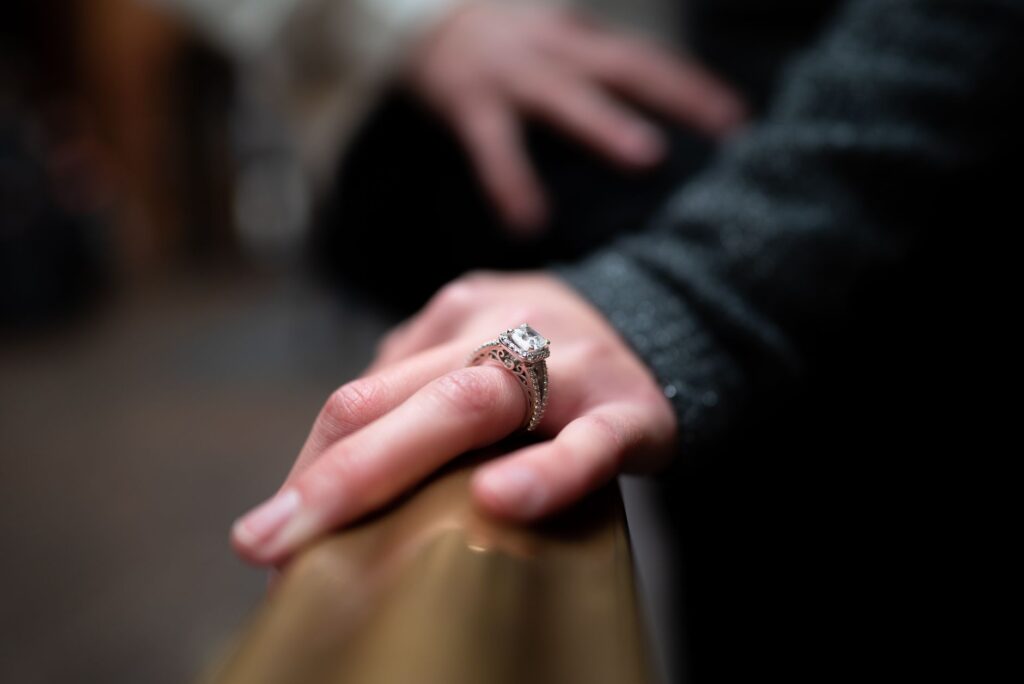
The ring setting can make a diamond look more or less expensive too. A well-designed setting can support the stone’s brightness and help the diamond stand out on the hand.
For example, a thin, clean setting may allow more light around the diamond, which can improve visual openness. A heavy or overly busy setting can sometimes reduce the sense of refinement, even if the diamond itself is cut well.
That said, the setting cannot fix a poorly cut diamond. It can complement a good stone, but it cannot create strong light performance where the cut does not support it.
Frequently Asked Questions
Does a well cut diamond always look more expensive?
Usually, yes, but not in every situation. A well-cut diamond often looks brighter, livelier, and more refined, which creates a more expensive impression. However, size, color, clarity, and setting design also affect the final look.
Is cut more important than carat?
For appearance, cut is often more important than carat. A smaller diamond with excellent cut can look more attractive than a larger diamond with poor cut. Carat matters for size, but cut strongly affects how that size is presented.
Can two diamonds with the same cut grade look different?
Yes. Cut grades are helpful, but they do not guarantee identical visual performance. Two diamonds can share the same grade and still differ in brightness, contrast, and face-up beauty because of subtle variations in proportions and facet alignment.
Is Excellent cut always worth the extra money?
Not always, but often it is. For buyers who want the strongest visual performance, Excellent cut is usually a safe choice. For value-focused shoppers, a carefully chosen Very Good diamond may still perform beautifully.
Do lab grown diamonds need better cut than natural diamonds?
They do not need different cut standards, but cut is especially important because many lab grown buyers compare diamonds with similar color and clarity. A strong cut can make a lab grown diamond look more impressive and help maximize value.
Can a poorly cut diamond still sparkle?
Yes, but usually not as well as a well-cut diamond. Some poorly cut diamonds still show sparkle, especially under strong lighting, but they often lack the consistent brightness and balance that make a stone look truly lively.
What is the easiest way to spot a well-cut diamond?
Look for even brightness, sharp sparkle, and a lively look from different angles. If a diamond stays attractive in normal lighting and does not show obvious dark or dull areas, that is often a good sign.
Should I choose a slightly smaller diamond if it has a better cut?
In many cases, yes. A slightly smaller diamond with stronger cut quality may look more impressive than a larger diamond that performs poorly. This is especially true when the size difference is modest and the visual improvement is clear.
Conclusion
A well cut diamond can absolutely look more expensive because cut has such a strong effect on brightness, sparkle, and overall visual presence. In many real-world comparisons, a diamond with superior cut quality looks more polished and attractive than a larger or higher-graded diamond with weaker proportions.
For buyers, the most useful takeaway is simple. Do not judge a diamond by carat weight alone, and do not assume all sparkle is the same. Cut quality often makes the biggest difference in how impressive a diamond looks once it is on the hand.
If you are comparing diamonds, focus on how the stone performs in normal light, how balanced it looks face-up, and whether its appearance justifies the price. That approach leads to better decisions, stronger value, and a diamond that is more likely to remain satisfying over time.