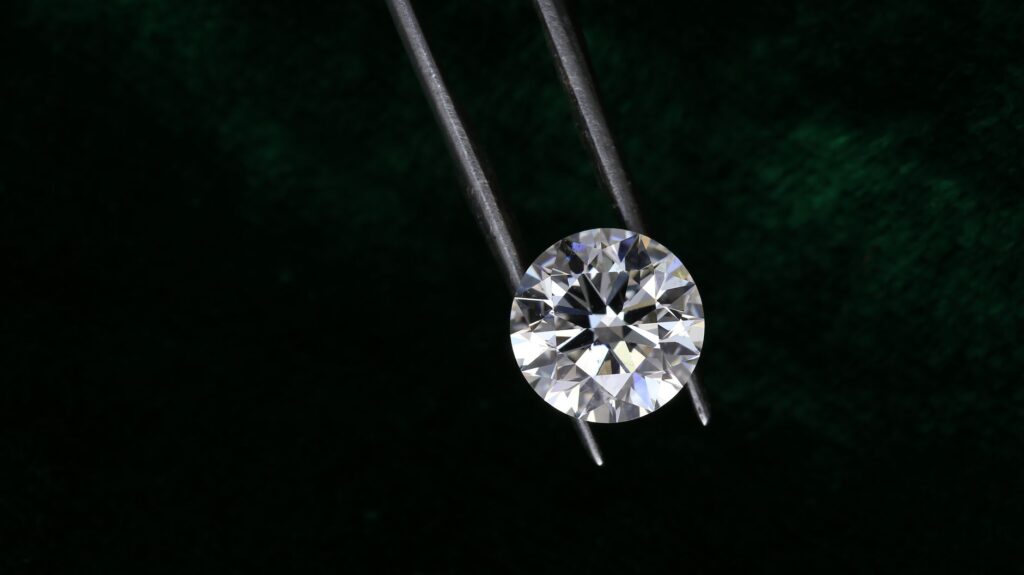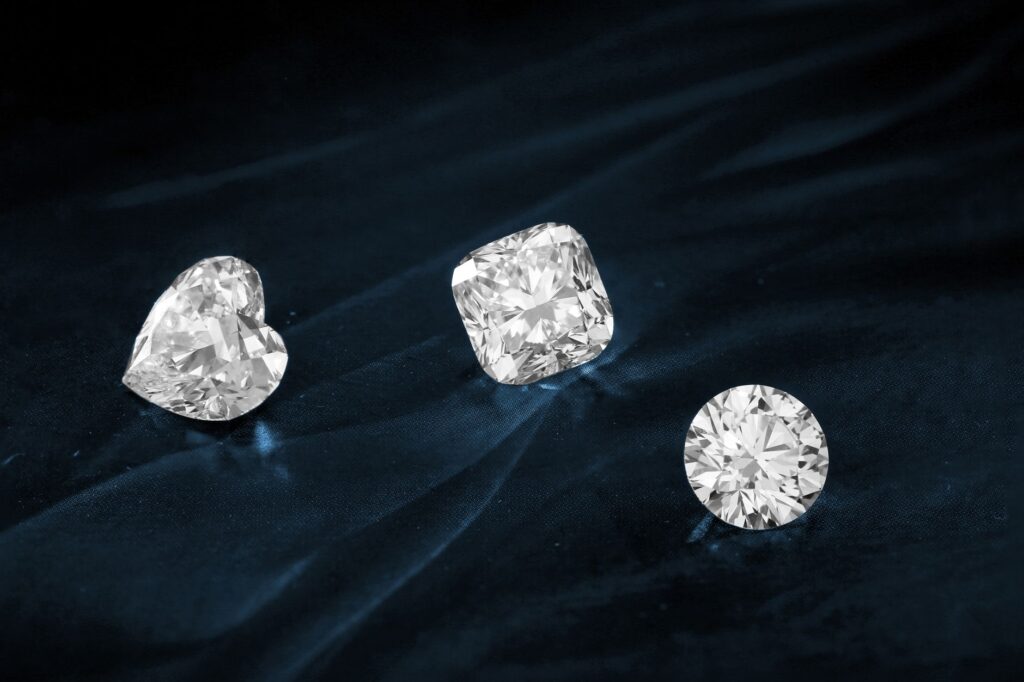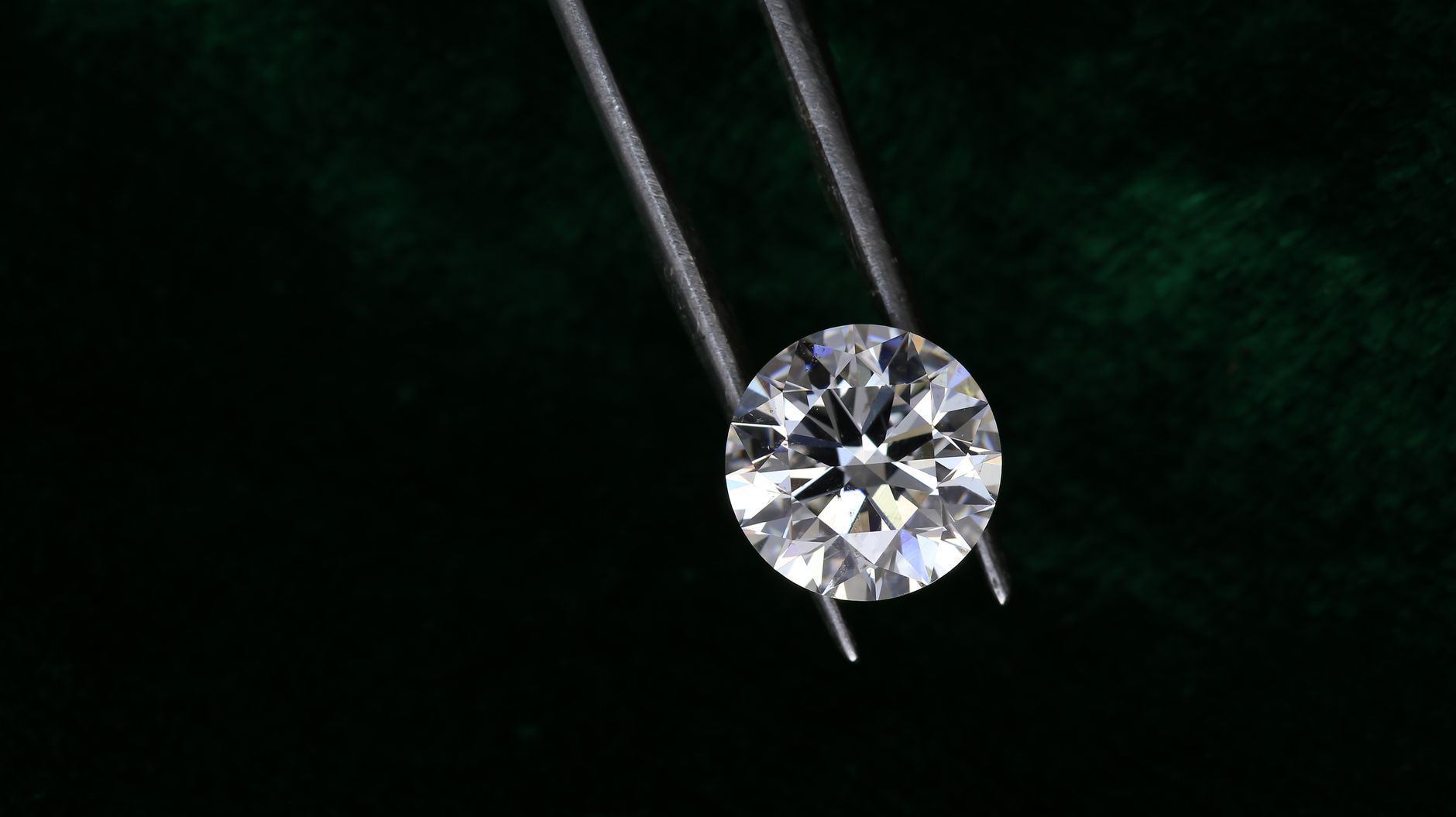
When shoppers ask, do oval diamonds sparkle more than round diamonds, the short answer is usually no, at least not in the most technical sense. Round brilliant diamonds are specifically engineered to maximize light return, which is why they are still considered the benchmark for sparkle. Oval diamonds can still look very bright and lively, but their sparkle behaves a little differently because of their elongated shape and proportion choices.
For many buyers, the more useful question is not simply which shape sparkles more, but which one looks brighter, faces up larger, hides inclusions better, or suits the hand more attractively. That is where oval diamonds can be especially appealing. They may not outperform a well-cut round diamond in pure optical performance, but they often offer a different visual effect that many people prefer in engagement rings and other diamond jewelry.
Quick Answer
Round diamonds usually sparkle more than oval diamonds when both are well cut, because the round brilliant cut has the most efficient facet arrangement for brightness, fire, and scintillation. Oval diamonds can still sparkle beautifully, and in some lighting they may appear more dynamic or elongated, but they are more likely to show uneven light patterns such as a bow tie effect if proportions are not well balanced.
If you want the strongest, most consistent sparkle, a round diamond is typically the better choice. If you want a larger-looking stone with a softer, more elongated shape and still want plenty of brilliance, an oval diamond can be an excellent option.
What Sparkle Actually Means in a Diamond
Before comparing shapes, it helps to define what people mean by sparkle. In everyday conversation, sparkle is often used as a catch-all term, but in gemology it usually includes three visual effects: brilliance, fire, and scintillation.
Brilliance
Brilliance is the white light returned from a diamond. A diamond with strong brilliance looks bright and lively, especially in indoor lighting or soft daylight. Round diamonds generally excel here because their facet pattern is designed to reflect light efficiently back to the viewer.
Fire
Fire is the colored flashes of light a diamond produces when light is split into spectral colors. This tends to be more noticeable in certain lighting environments, such as spotlights or direct sunlight. Round diamonds typically show balanced fire, while oval diamonds can show lovely flashes too, although the distribution may be less uniform.
Scintillation
Scintillation is the pattern of sparkle and contrast you see when the diamond moves. This is what makes a diamond seem to flash on and off as it catches the light. Both round and oval diamonds can have strong scintillation, but the round shape usually delivers a more even and predictable pattern.
Why Round Diamonds Usually Sparkle More
The round brilliant cut is the most studied and optimized diamond shape. Its 57 or 58 facets are arranged to maximize light return, which means more light enters the diamond and is reflected back to the eye. That is one reason round diamonds are often the standard used when comparing diamond cut quality.
Because the shape is symmetrical from every angle, round diamonds also tend to produce a very balanced mix of brightness, fire, and scintillation. This balance is why a well-cut round diamond often looks “sparkly” even to people who do not know anything about diamond grading.
Round diamonds also do not have the same length-related light challenges that elongated shapes do. Since the stone is circular, light tends to move through it more evenly. That makes it easier to achieve consistent brightness across the whole face of the diamond.
Why Oval Diamonds Can Still Look Very Sparkly
Oval diamonds use a modified brilliant cut, which means they are designed to reflect light well, even though they are not as mathematically optimized as round brilliants. A well-cut oval can still show strong brightness and plenty of sparkle. In many settings, especially on the hand, it can appear lively and eye-catching.
The elongated shape can also create a different visual impression. Instead of a circular burst of sparkle, oval diamonds often produce a longer, more flowing pattern of light. Some buyers like this because it can look elegant and slightly more distinctive than a round stone.
That said, oval diamonds are more sensitive to proportion and cut quality. Two oval diamonds with the same carat weight can look noticeably different, and one may sparkle much better than the other depending on how it was cut.
Round vs Oval Diamond Sparkle: Side-by-Side Comparison
| Feature | Round Diamond | Oval Diamond |
|---|---|---|
| Overall sparkle | Usually the strongest and most consistent | Strong, but more dependent on cut quality |
| Brilliance | Very high, with even light return | High, but may show slight variation across the shape |
| Fire | Balanced and often very noticeable | Can be good, but usually a little less uniform |
| Scintillation | Sharp and evenly distributed | Can be lively, but pattern depends heavily on proportions |
| Face-up appearance | Classic circular look | Elongated look, often appears larger on the finger |
| Common issue | Less shape-related sparkle loss | May show a bow tie effect |
Understanding the Bow Tie Effect in Oval Diamonds
One of the biggest reasons oval diamonds do not always sparkle as evenly as rounds is the bow tie effect. This is a darker area that can appear across the center of the stone, shaped somewhat like a bow tie or horizontal shadow.
The bow tie effect happens because of how light moves through an elongated diamond. Some light escapes instead of reflecting back to the viewer, creating a contrast zone. A small amount of contrast can be normal, but if the bow tie is very dark or very obvious, it can reduce the diamond’s overall brightness.
This is why two oval diamonds of the same color, clarity, and carat weight can look very different. One may appear bright and balanced, while another looks less lively in the center. When buying an oval diamond, viewing it in different lighting is especially important.
How Shape Affects Light Performance
Diamond sparkle is not only about facet count. Shape changes how light travels inside the stone, how much of that light returns to the eye, and how the eye perceives brightness from different angles.
Round shapes and symmetry
Round diamonds are symmetrical in every direction, which helps create even light return. The shape allows for a highly efficient relationship between crown, pavilion, and facet angles. This is one reason round diamonds have remained the benchmark for sparkle in both natural and lab grown diamonds.
Oval shapes and elongation
Oval diamonds are stretched versions of round-style faceting. That elongation can create a flattering look on the finger and can make the stone appear larger than a round diamond of the same carat weight. However, the elongated outline can also make light behavior less uniform, especially near the ends of the diamond.
Facet pattern matters
Two oval diamonds can have different numbers or arrangements of facets depending on the cutting style. Subtle changes in facet structure affect how the diamond handles light. This is why buyers should not rely on shape alone. Cut quality still matters enormously.
Appearance: Which Shape Looks Brighter to the Eye?
If brightness is your main concern, round diamonds usually win. They tend to look more consistently illuminated across the whole surface. When people say a diamond “pops,” they are often responding to the strong, even brightness of a round brilliant.
Oval diamonds can still look bright, but the brightness may be slightly more concentrated in some areas than others. This can create a soft, graceful look rather than the uniform brilliance of a round. For many buyers, that difference is part of the appeal.
In practical terms, a well-cut oval may appear more elegant and larger, while a round diamond may appear more scintillating and intense. The better shape depends on what visual effect you value more.
Face-Up Size: Why Ovals Often Look Larger
One of the biggest advantages of oval diamonds is that they often appear larger than round diamonds of the same carat weight. This is because of their elongated shape and larger visible surface area, known as face-up size.
For buyers comparing diamonds on a budget, this can be a major benefit. A 1.00 carat oval may cover more of the finger than a 1.00 carat round. That does not mean it weighs more, only that it may look bigger when viewed from above.
In lab grown diamonds especially, buyers often consider oval shapes because they can stretch the budget further visually. If size perception matters and you still want a bright stone, ovals can be a practical choice.
How Round and Oval Diamonds Compare on Other Visual Factors
| Visual Factor | Round Diamond | Oval Diamond |
|---|---|---|
| Brightness | Usually stronger and more even | Usually very good, but more variable |
| Fire | Often more balanced | Present, but may be less uniform |
| Scintillation pattern | Predictable and symmetrical | More elongated and shape-dependent |
| Visual size | Appears true to carat weight | Often looks larger face-up |
| Center darkness risk | Lower | Higher due to bow tie potential |
Advantages of Oval Diamonds
Oval diamonds have several advantages that make them popular, even though they do not usually outperform rounds in sparkle.
They often look larger than rounds
Because of the elongated silhouette, oval diamonds can give more visual spread for the same carat weight. This can be appealing for buyers who want a larger look without moving to a higher carat size.
They create a flattering finger appearance
The length of an oval diamond can make the finger appear longer and slimmer. Many buyers find this particularly attractive in engagement ring settings, especially on shorter fingers or wider ring designs.
They offer a softer, more distinctive shape
Oval diamonds retain the brilliance of a round-style cut but with a different outline. That makes them a good middle ground for buyers who want sparkle but do not want the most common round shape.
They can be cost-efficient visually
In many cases, oval diamonds may cost less per carat than round diamonds with similar quality. Pricing depends on demand, cut, and overall quality, but ovals can sometimes provide a larger-looking diamond for less money.
Disadvantages of Oval Diamonds
Oval diamonds also come with trade-offs that buyers should understand before making a purchase.
They are more prone to the bow tie effect
This is the most common visual concern with oval diamonds. A noticeable bow tie can reduce the diamond’s brightness and make the center appear darker than the rest of the stone.
Cut quality is harder to judge
Because oval diamonds are less standardized than round brilliants, two stones with the same basic grades can look quite different. Buyers need to pay closer attention to actual appearance, not just specifications on paper.
They may not sparkle as evenly as rounds
Even a well-cut oval may not have the same consistent light return as a round diamond. Some people prefer the softer pattern, but others notice the difference immediately.
End points can be more vulnerable
Oval shapes have curved ends rather than pointed corners, which helps with durability compared with shapes like marquise or pear. Still, the ends can be areas where the setting matters, especially in everyday wear.
Who Oval Diamonds Are Best For
Oval diamonds are often a strong choice for buyers who want a diamond that feels elegant, flattering, and slightly less traditional than a round brilliant. They are also well suited to people who want a larger-looking stone without increasing carat weight too much.
They may be especially appealing if you value one or more of the following:
- A diamond that looks long and graceful on the finger
- Good brilliance with a softer shape than a round
- Better face-up size for the carat weight
- A style that feels modern but still classic
- Flexibility in ring design, including solitaires and halo settings
Oval diamonds are also popular in the lab grown diamond market because buyers often look for maximum visual size and strong appearance value. A well-chosen oval can be a smart way to balance look, budget, and ring style.
Who Round Diamonds Are Best For
Round diamonds remain the best choice for buyers who want the strongest and most predictable sparkle. If your top priority is brightness, fire, and scintillation, round brilliants are difficult to beat.
They are also a good option for buyers who prefer a timeless, universally recognized look. Round diamonds tend to fit almost any setting style and remain the most popular choice for engagement rings.
If you care more about pure light performance than shape uniqueness, the round diamond is usually the safest choice.
How Oval Diamonds Compare with Other Popular Shapes
Understanding the round versus oval question becomes easier when you compare ovals with other shapes too. Different shapes trade off sparkle, size appearance, and style in different ways.
| Shape | Sparkle Style | Appearance | Main Buyer Appeal |
|---|---|---|---|
| Round | Most intense and even | Classic and symmetrical | Maximum brilliance and timeless style |
| Oval | Bright, elongated, sometimes slightly uneven | Elegant and larger-looking | Size appearance and soft shape |
| Princess | Sharp sparkle with a square outline | Modern and geometric | Clean lines and strong brilliance |
| Cushion | Soft sparkle with larger facet flashes | Rounded corners, vintage feel | Romantic style and softness |
| Emerald | Less sparkle, more mirror-like flashes | Elegant and elongated | Clarity and sophistication |
Oval vs round
Round diamonds usually win on sparkle consistency. Ovals often win on face-up size and finger coverage. Buyers deciding between the two should think about whether they want maximum brilliance or a more elongated, distinctive look.
Oval vs cushion
Cushion diamonds typically show broader flashes of light and a softer appearance. Ovals tend to look more elongated and often brighter in a different way. If you want a romantic feel, cushion may appeal more. If you want length and size perception, oval often has the edge.
Oval vs emerald
Emerald cuts are not designed for the same kind of sparkle. They emphasize clean reflections and clarity rather than brilliance. An oval diamond will usually look much livelier than an emerald cut, especially in low light.
Important Buying Considerations for Oval Diamonds
If you are shopping for an oval diamond, especially a lab grown oval diamond, there are a few details that matter more than they do for a round stone.
Proportions and length-to-width ratio
The length-to-width ratio affects how stretched or compact an oval looks. A lower ratio creates a wider, fuller oval. A higher ratio looks longer and narrower. Neither is automatically better, but the ratio strongly affects style and finger coverage.
Many buyers prefer ratios somewhere around 1.30 to 1.50, though personal taste plays a big role. A ratio that looks balanced on one hand may look too narrow or too wide on another.
Watch for the bow tie effect
Always look at oval diamonds in person or through high-quality videos when possible. The bow tie effect is not something you can fully judge from a grading report alone. You want a stone with strong brightness and minimal distracting darkness across the center.
Consider cut quality beyond basic grades
Unlike round diamonds, oval diamonds often do not have the same kind of standardized cut grading. That means visual assessment matters even more. Two ovals with similar color, clarity, and carat can look very different depending on facet arrangement and proportions.
Color and clarity expectations
Because oval diamonds have a larger visible surface area, color can sometimes be easier to notice than in some other shapes, especially in stones with very open or shallow appearances. Clarity can also be easier to see near the center if inclusions are not well placed.
For many buyers, a near-colorless grade and a clarity grade that balances appearance with budget is a sensible approach. If you are comparing options, it can help to understand diamond color grades and diamond clarity grades in the context of the specific shape you want.
Setting matters
The setting can influence how an oval diamond looks. A delicate solitaire may emphasize the shape, while a halo can make the center stone appear larger and add more surrounding sparkle. Prongs can also affect how much of the oval outline is visible.
For round diamonds, the setting matters too, but oval diamonds are often more visually dependent on the design around them.
How Lab Grown Diamonds Fit Into the Oval vs Round Decision
Lab grown diamonds make the round versus oval comparison even more interesting because buyers often have more room in the budget to prioritize appearance. For example, someone choosing a lab grown oval diamond may be able to select a larger carat size, a higher color grade, or better clarity than they could in a natural diamond at the same price.
That does not change the basic optical truth that round diamonds usually sparkle more. It does, however, give buyers more flexibility to choose the shape that best fits their preferences. In the lab grown market, oval diamonds are especially popular with people who want a substantial look without giving up brightness entirely.
It is still important to compare actual stones carefully. A poorly proportioned oval lab grown diamond will not outperform a well-cut round, even if the specifications look impressive on paper.
Common Mistakes Buyers Make When Comparing Oval and Round Diamonds
Assuming all sparkle is the same
Not all sparkle looks identical. Round diamonds usually have more even brilliance and scintillation, while ovals may have a softer, more stretched appearance. Buyers sometimes assume shape is only about aesthetics, but it also changes light behavior.
Choosing by carat weight alone
Carat is weight, not visual size. An oval may face up larger than a round of the same carat weight, but that depends on cut proportions. Buyers should compare face-up dimensions, not just carat numbers.
Ignoring the bow tie effect
This is one of the most common oval diamond mistakes. A stone can look attractive in a listing photo and still show a pronounced dark center in real life. Always ask to see the diamond in multiple lighting conditions if possible.
Focusing only on certification and not appearance
Certification is important, especially for lab grown diamonds and any major purchase, but a report does not show everything. The actual look of the diamond is what matters in daily wear. For oval shapes, visual inspection is especially important.
Not considering how the shape suits the hand
Round diamonds may appeal to buyers who want balance and classic styling. Oval diamonds may be better for those who like length and a more elongated look. The best shape is often the one that fits the wearer’s hand and style, not just the one with the highest sparkle score.
How to Evaluate an Oval Diamond for Sparkle
If you are shopping for an oval diamond, use a practical approach rather than relying on a single metric. Look for a diamond that appears bright from the center to the edges, with minimal distracting darkness.
Pay attention to these points:
- Does the center stay bright, or does it look shadowy?
- Are the ends balanced, or do they appear too dark?
- Does the diamond sparkle evenly when moved?
- Does the oval look pleasing on the finger, not just in a tray?
- Does the setting enhance the shape without overpowering it?
If you are shopping online, compare videos from more than one angle. Ask for natural lighting views if possible. Oval diamonds can look very different depending on where the lighting comes from.
How to Evaluate a Round Diamond for Sparkle
Round diamonds are easier to assess in a general sense because their shape is more standardized. Still, cut quality matters a great deal. A poorly cut round diamond will not perform nearly as well as a high-quality one.
For round diamonds, look for:
- Strong brightness across the whole face
- Even sparkle with no dead areas
- Balanced fire and contrast
- Good performance in both indoor and outdoor light
Because round diamonds are the benchmark for cut performance, many shoppers use them when comparing lab grown diamond quality as well. If a round diamond does not look lively, that is often a sign to keep looking.
Do Oval Diamonds Sparkle More Than Round Diamonds in Certain Lighting?
In some lighting situations, an oval diamond may appear to have more visible flashes because its elongated shape can catch light in a broader pattern. That does not mean it sparkles more overall than a round diamond. It means the sparkle pattern is different.
In bright, diffused light, round diamonds usually show the more consistent and intense return of light. In mixed lighting, some oval diamonds can look especially lively, while others may show more contrast or shadow depending on proportions.
This is why online photos can be misleading. A diamond that looks very bright in one video may not look the same in another environment. Shape, proportions, and lighting all interact.
Long-Term Appeal and Style Trends
Round diamonds have the strongest long-term stability in both style and market recognition. They have remained popular for decades and are unlikely to feel dated. If you want a choice that is widely understood and consistently appealing, round is hard to beat.
Oval diamonds have been especially popular in recent years because they look elegant, modern, and often larger than rounds of the same weight. Their popularity has held well, but style preference can shift over time more noticeably than with rounds.
If long-term appeal matters most, round diamonds offer the safest classic option. If you value a more distinctive shape and like the way ovals lengthen the finger, an oval can still be a strong long-term choice.
Frequently Asked Questions
Do oval diamonds sparkle as much as round diamonds?
Usually not. Round diamonds are typically more sparkly because their facet pattern is optimized for light return. Oval diamonds can still sparkle beautifully, but their brilliance is more dependent on cut quality and proportions.
Why do oval diamonds sometimes look dark in the center?
That is often the bow tie effect. It happens when light does not reflect evenly through the elongated shape, creating a darker band across the middle. Some bow tie is normal, but a strong one can reduce the diamond’s beauty.
Do oval diamonds look bigger than round diamonds?
Often yes, at least face-up. The elongated shape can make an oval appear larger than a round diamond of the same carat weight. The exact difference depends on the stone’s proportions and dimensions.
Are oval diamonds a good choice for engagement rings?
Yes, for many buyers. They combine a bright appearance with a flattering shape and often look substantial on the hand. They are especially appealing to people who want something a little different from a classic round diamond.
Which diamond shape is best if I want the most sparkle?
Round brilliant diamonds are usually the best choice for maximum sparkle. If you want a shape that looks bright but also elongated and distinctive, oval is a strong alternative.
Do lab grown oval diamonds and natural oval diamonds sparkle differently?
No, the growth method does not determine sparkle in the way shape and cut do. A lab grown oval diamond and a natural oval diamond with similar cut quality can look very similar. What matters most is the faceting, proportions, and overall finish.
Should I prioritize color or sparkle when choosing an oval diamond?
For most buyers, sparkle and overall visual balance matter more than chasing a very high color grade. That said, color is still important, especially in larger stones where body color can be easier to see. The best balance depends on your budget and the specific diamond.
Conclusion
So, do oval diamonds sparkle more than round diamonds? In most cases, no. Round diamonds usually deliver the strongest and most consistent sparkle because their cut is specifically engineered for maximum light return. Oval diamonds can still be beautiful, bright, and lively, but their sparkle pattern is more shape-dependent and more vulnerable to issues like the bow tie effect.
The better choice depends on what matters most to you. If you want the most reliable brilliance and a timeless look, a round diamond is usually the answer. If you want a diamond that looks larger, feels elegant on the finger, and still offers plenty of brightness, an oval diamond may be the better fit.
For buyers comparing engagement rings, lab grown diamonds, or different diamond shapes, the most practical approach is to look beyond carat weight and compare how each diamond actually performs in light. Shape affects appearance, sparkle, and overall style, and understanding those trade-offs makes it much easier to choose a diamond that feels right for everyday wear.