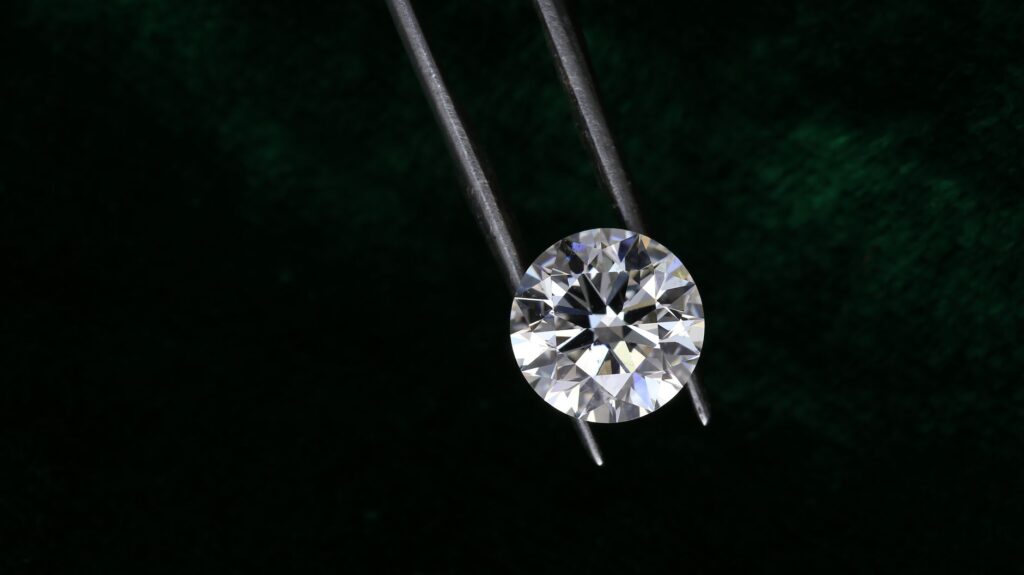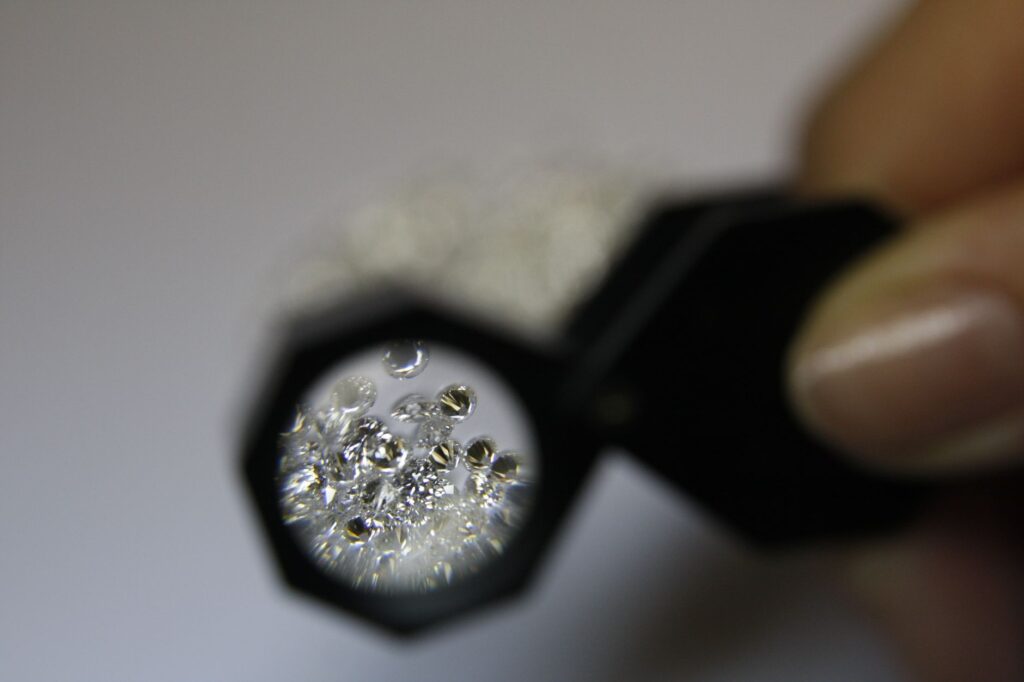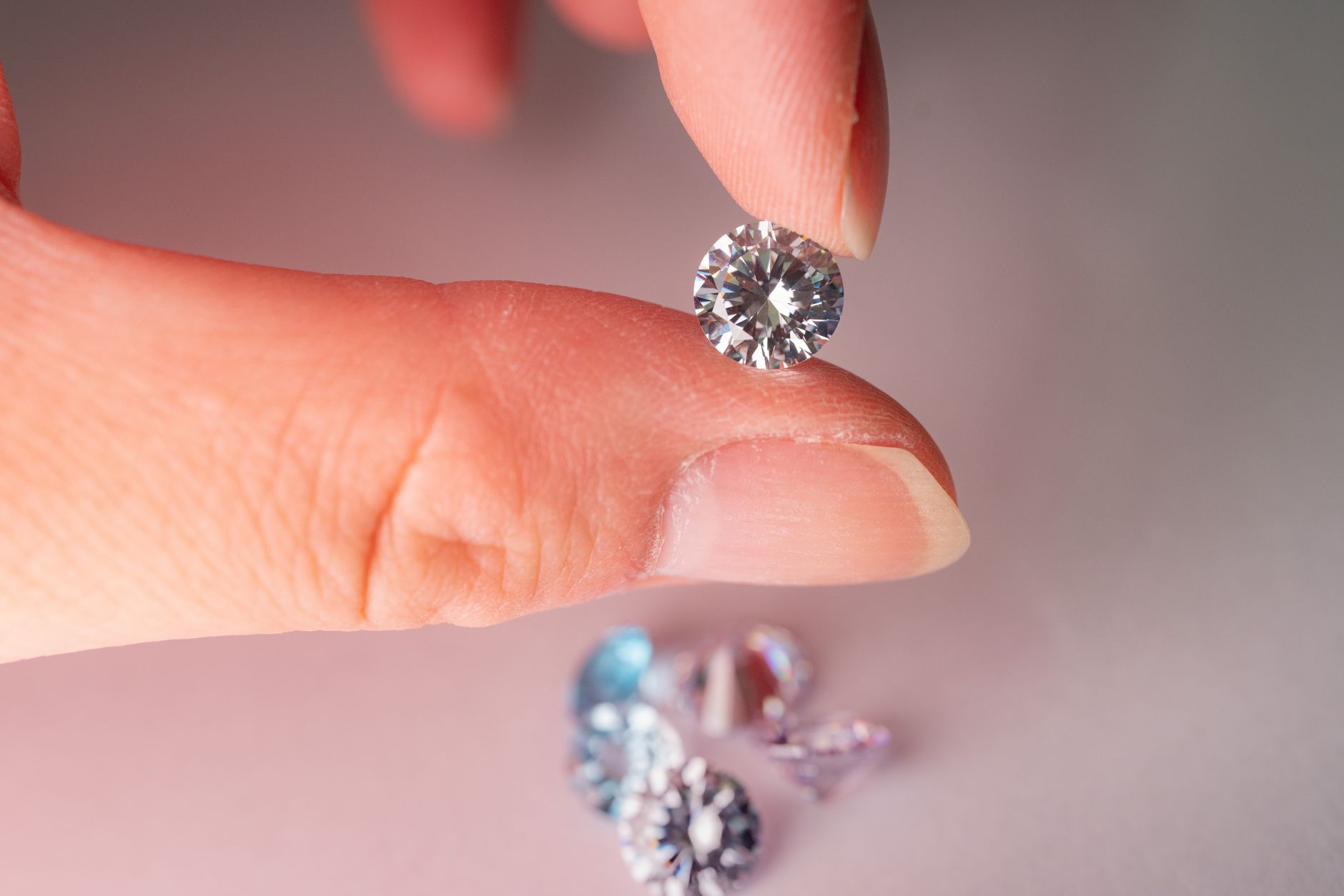
When shoppers ask is Excellent Cut worth it, they are usually trying to answer a more practical question: will I actually see a difference, and is it worth paying more for? In many cases, the answer is yes, especially if you care about sparkle, brightness, and overall visual beauty. But the value of an Excellent cut diamond depends on the shape, the grading report, the size of the stone, and how much room you have in your budget.
Cut is one of the most important quality factors in a diamond because it affects how well the stone handles light. A diamond with strong cut quality can look brighter, livelier, and more attractive than a larger diamond with weaker proportions. For buyers comparing lab grown diamonds or natural diamonds, cut often has the biggest impact on what you see in everyday life.
The short version is this: Excellent cut is usually worth it if you want the best possible visual performance and are willing to pay a premium for it. In some cases, a Very Good cut diamond can still look excellent to the eye and offer better value. The key is understanding what cut grades do, what they do not guarantee, and how to judge whether the premium makes sense for your purchase.
Quick Answer: Is Excellent Cut Worth It?
Yes, Excellent cut is often worth it because it usually delivers stronger light performance, which means more sparkle, better brightness, and a more appealing face-up look. For round brilliant diamonds especially, the difference between Excellent and lower cut grades can be noticeable in everyday viewing.
That said, Excellent cut is not always the best use of your money if the price increase forces you to give up too much in carat, color, or clarity. A well-balanced diamond with Very Good cut can sometimes be a smarter purchase, especially if the optical differences are subtle and the savings are meaningful.
If you are buying a diamond for an engagement ring, the best answer depends on your priorities. If visual beauty matters most, Excellent cut is usually a strong choice. If budget efficiency matters more, you may find a very attractive stone just below the top grade, especially when you compare the diamond in person or review a detailed grading report from a trusted laboratory such as GIA or AGS.
What Diamond Cut Actually Means
Many buyers assume cut refers only to shape, but that is not correct. In diamond grading, cut is about how well a diamond’s proportions, angles, symmetry, and polish work together to return light to the viewer’s eye. That light behavior is what creates brilliance, fire, and scintillation.
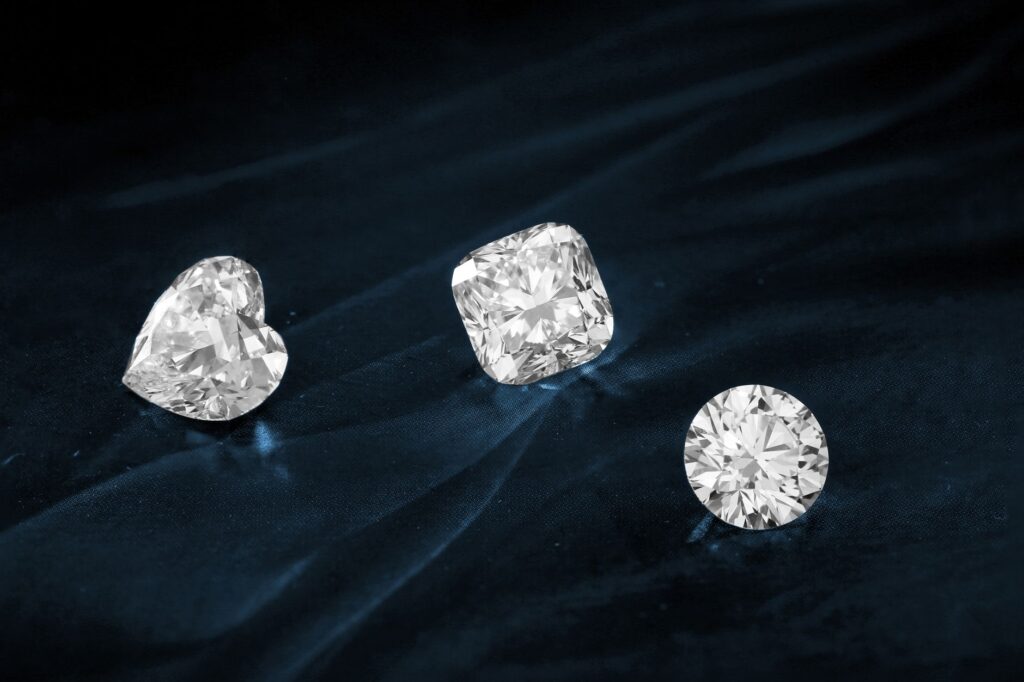
Shape is the outline of the diamond, such as round, oval, princess, cushion, or emerald. Cut quality is about how well that shape has been fashioned. A round diamond can have Excellent cut or poor cut, and the difference will affect how the stone looks even though the shape stays the same.
Cut Versus Shape
Shape is a matter of style and preference. Cut is a matter of performance. A round diamond and an oval diamond are different shapes, but within each shape, cut quality determines how much light the stone returns and how lively it appears.
This is why two diamonds with the same carat weight can look very different. One may appear bright and lively, while another may look dull or sleepy because too much light escapes through the bottom or sides.
What Makes Up Cut Quality
Several factors influence cut quality:
- Proportions, including table size, depth, and facet angles
- Symmetry, meaning how precisely the facets line up
- Polish, meaning how smooth the facet surfaces are
- Light performance, meaning how efficiently the diamond returns light
Each factor matters, but not in the same way for every diamond shape. Round brilliant diamonds have the most standardized cut grading, while fancy shapes such as ovals and cushions often require more careful visual evaluation because grading systems are less uniform.
Why Cut Matters More Than Many First-Time Buyers Realize
Cut affects the first thing most people notice in a diamond: how beautiful it looks in real life. Carat weight tells you how much the diamond weighs, but cut tells you how well that weight has been used. A diamond can be heavy and still look underwhelming if too much of that weight is hidden in the depth instead of showing face-up.
For many buyers, cut is the quality factor that changes the stone from simply being a diamond to being a visually impressive one. This is especially important in engagement rings, where the diamond is meant to be viewed under different lighting conditions over many years.
It also matters for value. A diamond with strong cut quality can appear larger and brighter than a poorly cut stone of the same size. That means cut influences both beauty and the practical impression of size, which can make it one of the smartest places to focus your budget.
How Excellent Cut Affects What You Actually See
Buyers often want to know what cut grade means in practical terms. The answer is simple: a better cut usually means a diamond that looks more alive. It reflects more light back to the eye, creates crisper sparkle, and tends to look more attractive from more viewing angles.
The differences are not always dramatic in a single online photo, but they can be noticeable in person, especially compared side by side. In daily wear, the change often shows up as a diamond that seems brighter in low or mixed light and more dynamic when it moves.
Brilliance
Brilliance is the white light returned by the diamond. An Excellent cut diamond usually has stronger brilliance because its facets are arranged to redirect more light back upward rather than letting it leak out.
In plain English, this means the diamond can look brighter and more vibrant. Buyers often notice this most when they compare stones on a white background or in store lighting.
Fire
Fire is the colored flashes of light you see when a diamond moves. It comes from the way the stone splits white light into spectral colors. Excellent cut can enhance fire, but the effect depends on the diamond’s facet arrangement and the lighting environment.
Fire is often more noticeable in spots of direct light, such as sunlight or jewelry store spotlights. Some buyers love it, while others focus more on brightness and overall sparkle.
Scintillation
Scintillation is the pattern of sparkle and contrast you see as the diamond moves. It includes the flashes of light and dark that make the stone look lively rather than flat.
A well-cut diamond usually has more attractive scintillation because its facets create a balanced pattern of brightness and contrast. This is one reason an Excellent cut diamond can look more dynamic even if it is not much larger than another stone.
Light Return
Light return is one of the most important performance concepts in diamond cut. It describes how much light enters the diamond and comes back to the viewer. Good light return makes the stone appear bright and lively.
Poor light return can create areas that look dark, gray, or washed out. Those effects are not always obvious in a grading report, which is why cut quality matters so much to the real-world appearance of the stone.
Face-Up Appearance
Face-up appearance refers to how the diamond looks when viewed from above, which is how most people see it in a ring. Excellent cut can improve face-up appearance by making the diamond appear brighter, cleaner, and sometimes even larger than a poorly cut stone of the same weight.
This is one of the biggest reasons many buyers prioritize cut. The diamond’s face-up look is what matters most in daily wear.
How Excellent Cut Is Graded
Cut grading depends on the laboratory and the diamond shape. For round brilliant diamonds, major labs like GIA and AGS have the most established systems. These systems look at proportions, symmetry, polish, and overall optical behavior to assign a cut grade.
Not every laboratory uses exactly the same standards, so two reports with similar words may not mean exactly the same thing. That is why it is important to understand the source of the grade and not rely only on the word “Excellent” without checking the full report.
Symmetry
Symmetry describes how precisely the facets align with one another. Good symmetry supports balanced light return and helps the diamond’s pattern look orderly and crisp.
For most buyers, minor symmetry differences are hard to notice without magnification, but they can still affect performance and overall appearance. Very poor symmetry can also create visual imbalance in the stone.
Polish
Polish refers to how smooth and well-finished the facet surfaces are. A good polish helps light pass through and reflect cleanly.
Fine polish differences are often subtle to the naked eye, but they matter in high-quality diamonds because they contribute to the overall sharpness and cleanliness of the appearance.
Table Percentage and Depth Percentage
The table is the large flat top facet of a diamond. Depth is the distance from the top to the bottom of the stone. These measurements influence how the diamond handles light and how large it looks face-up.
There is no single perfect number for every diamond, because the right combination depends on the shape and facet design. Still, extreme proportions can reduce brilliance or make the diamond look smaller than expected for its carat weight.
Optical Symmetry and Hearts and Arrows
Optical symmetry describes how precisely the light pattern is organized inside the diamond. Hearts and Arrows is a visual pattern seen in some round brilliant diamonds with highly precise cutting.
For buyers, Hearts and Arrows can indicate very careful craftsmanship, but it is not the only path to an attractive diamond. Some diamonds with Excellent cut are not Hearts and Arrows stones, and some buyers may never need that level of precision to be happy with the appearance.
What Buyers Actually Notice in Everyday Lighting
One of the biggest mistakes shoppers make is judging cut only in ideal jewelry store lighting. Diamonds are worn in many environments, including offices, restaurants, cars, outdoors, and homes with mixed lighting. A diamond that performs well in more than one setting often provides the most satisfaction over time.
Excellent cut tends to show its advantages most clearly in everyday life because it helps the diamond remain bright and lively under a wider range of conditions. That said, even a superbly cut diamond will not sparkle constantly in the same way. Sparkle changes with motion, lighting, and viewing angle.
In Bright Store Lighting
In strong spotlights, many diamonds can look impressive. The difference between Excellent and Very Good may be harder to see here because the lighting is already flattering.
What often stands out is contrast and crispness. Better cut can give the stone a more structured sparkle pattern rather than a washed-out flash of light.
In Natural Daylight
Daylight can be very revealing. A well-cut diamond usually appears bright and balanced, while a weaker cut may reveal dull zones or uneven brightness.
This is one reason many experienced shoppers like to view diamonds near a window or in indirect daylight when possible.
In Low Light
In low light, a diamond with excellent light return may still seem lively, while a weaker cut can lose much of its life and look flat. This difference is especially important for people who expect to wear the ring in evening settings or dim indoor environments.
From a Distance
From across a room, viewers usually notice overall brightness and sparkle before they notice detail. Excellent cut can help a diamond hold its presence from a distance, which is one reason it often looks more impressive than its grading report alone suggests.
Is Excellent Cut Worth the Higher Price?
In many cases, yes, but the answer depends on how much extra you are paying and what you would give up to get it. If the premium is modest, Excellent cut is often an easy recommendation because cut has such a strong influence on beauty.
If the price gap is large, the decision becomes more nuanced. Some buyers may get more visual satisfaction by choosing a stone with Very Good cut and putting the savings toward a better color grade, a cleaner clarity grade, or a slightly larger carat size.
When Paying More Makes Sense
Paying for Excellent cut makes the most sense when:
- You want the strongest possible sparkle and brightness
- You are buying a round brilliant diamond and want top optical performance
- The premium does not force major compromises elsewhere
- You want a ring that looks consistently attractive in different lighting conditions
- You care about long-term satisfaction more than squeezing every dollar of size out of the budget
When the Premium May Not Be Worth It
The premium may be harder to justify when:
- The price jump is large relative to the size of the diamond
- You cannot see the difference without magnification or side-by-side comparison
- The budget would be better spent on a more important visible factor for that specific diamond
- You are shopping a fancy shape where the cut grade system is less predictive of visual performance
This is why many buyers compare a few diamonds rather than shopping by grade alone. The best value often comes from balancing all the 4Cs, not chasing one grade at the expense of everything else.
Excellent Cut Versus Very Good Cut
For many round diamonds, the real buying decision is not Excellent versus poor. It is Excellent versus Very Good. That comparison matters because Very Good can still look beautiful, especially if the diamond has favorable proportions and a trustworthy grading report.
The difference is often subtle rather than dramatic, but subtle does not mean irrelevant. In a side-by-side comparison, an Excellent cut diamond may appear brighter, more crisp, or more balanced. In a single-stone view, the distinction may be harder to notice unless you know what to look for.
| Feature | Excellent Cut | Very Good Cut |
|---|---|---|
| Brightness | Usually strongest | Often very good, but may be slightly less lively |
| Sparkle pattern | Often crisp and balanced | Can still be attractive, sometimes a little less precise |
| Visibility of difference | Sometimes obvious side by side | May be hard to spot alone |
| Price | Typically higher | Often better value |
| Best for | Buyers prioritizing performance | Buyers seeking balance and savings |
In everyday terms, Very Good can be a smart middle ground. Excellent cut is usually the safer choice if you want to minimize compromise, but Very Good may offer the better overall purchase when budget matters more than absolute top performance.
Excellent Cut Versus Carat Weight
One of the most common buyer questions is whether they should choose a larger diamond with slightly weaker cut or a smaller diamond with Excellent cut. The answer depends on what matters more to you visually.
A well-cut 1.5-carat diamond can often look more impressive than a poorly cut 2-carat diamond because the smaller stone may return more light and appear more vibrant. The 2-carat diamond may have more size on paper, but if the cut is weak, it can look dull or less lively than expected.
This is especially important for buyers who are focused on face-up presence. Cut quality can influence how big a diamond appears, not just how much it sparkles.
Practical Takeaway
If two diamonds are close in size, the better cut often provides the more attractive visual result. A larger diamond only has an advantage if it still performs well optically. Otherwise, size may be less satisfying in real-world wear than buyers expect.
Excellent Cut Versus Higher Clarity
Many first-time buyers assume clarity is the key to beauty. In reality, clarity matters, but cut often has a larger effect on what the diamond looks like from a normal viewing distance.
A diamond with lower clarity but Excellent cut can look more beautiful than a higher-clarity diamond with weak cut. That is because sparkle and brightness can hide many minor imperfections, while poor cut makes the stone look flat no matter how clean it is on paper.
For example, an eye-clean VS2 or SI1 diamond with top cut can be a more attractive purchase than a VVS stone with mediocre proportions. Buyers sometimes overpay for clarity they cannot see while ignoring cut, which is usually the bigger visual factor.
Lab Grown Diamonds and Excellent Cut
Cut quality matters just as much for lab grown diamonds as it does for natural diamonds. In fact, because lab grown diamonds often offer more size and quality for the price, many buyers use that flexibility to prioritize Excellent cut and maximize visible performance.
Lab grown diamonds are not automatically better cut than natural diamonds. They still vary widely in proportions, symmetry, polish, and light behavior. A lab grown diamond with Excellent cut can look outstanding, while another lab grown diamond with a weaker cut can still look underwhelming.
One thing buyers should keep in mind is that lab grown diamonds are often available in a wide range of price points, which can make Excellent cut easier to reach. However, it is still important to review the full grading report and compare stones visually when possible.
What to Check on a Lab Grown Diamond Report
- The lab that issued the report
- The cut grade, if available
- Proportions such as table and depth
- Polish and symmetry grades
- Any comments related to clouds, strain, or other features that may affect appearance
If you are researching lab grown diamonds, cut should still be near the top of your checklist. Price differences in lab grown stones can make it tempting to focus on carat weight alone, but that often leads to less attractive results.
Different Diamond Shapes and Cut Worthiness
Excellent cut is most standardized and most meaningful in round brilliant diamonds. For fancy shapes, the idea of “worth it” becomes more dependent on visual judgment because grading systems are less definitive.
Round Brilliant
This is where Excellent cut usually matters most. Round brilliant diamonds are engineered for maximum light return, so the difference between a top cut and a weaker cut is often clear.
For buyers comparing round stones, Excellent cut is frequently worth a premium because it strongly influences sparkle and brightness.
Oval, Cushion, Pear, and Radiant
These shapes can be beautiful with Excellent or near-Excellent performance, but the grading label alone may not tell the whole story. Bow-tie effects, brightness zones, and facet pattern differences can be important.
For these shapes, it is often better to view the stone, review videos, and study proportions rather than rely on a single grade. In other words, the value of “Excellent” can vary more by shape.
Emerald and Asscher
Step-cut diamonds like emerald and Asscher prioritize clarity of lines, mirror-like flashes, and elegant symmetry rather than intense sparkle. Cut still matters, but the visual goals are different.
For these shapes, buyers should focus on transparency, facet alignment, and overall proportion rather than expecting the same sparkle style as a round brilliant.
Practical Buyer Scenarios
Real buying decisions are easier to understand with examples. The following scenarios show how cut quality can affect what you actually end up seeing.
A Well-Cut 1.5-Carat Diamond Versus a Poorly Cut 2-Carat Diamond
On paper, the 2-carat stone sounds more impressive. In person, the 1.5-carat diamond may look brighter, livelier, and even more substantial if it has better face-up spread and stronger light return.
This is a classic example of why carat alone is not enough. A diamond that handles light well can appear more desirable than a larger one that wastes weight in the wrong places.
Excellent Cut Versus Very Good Cut in Everyday Lighting
In a jewelry store under bright spotlights, the difference may be subtle. At home, outdoors, or in a restaurant, the Excellent cut diamond may hold its brightness more consistently and show a slightly more polished overall look.
Many buyers would not call the Very Good diamond unattractive. The point is that Excellent often gives you a little more visual confidence across different conditions.
Higher Clarity With Poor Cut Versus Lower Clarity With Excellent Cut
A higher-clarity diamond can be very clean, but if it has weak cut, its lack of sparkle may make it look less appealing than a lower-clarity diamond with excellent light performance. For many buyers, the eye is drawn to brightness first and imperfections second.
This is why cut can be the better place to spend money before chasing very high clarity grades.
Advantages of Choosing Excellent Cut
Excellent cut offers several practical benefits that matter to everyday buyers.
- Better sparkle and brightness, especially in round brilliant diamonds
- More consistent visual appeal in different lighting conditions
- Stronger face-up beauty, which is what most people notice first
- Potentially better value perception because the stone looks lively and well-finished
- Reduced risk of disappointment for buyers who want the safest choice visually
For many engagement ring shoppers, these advantages are meaningful because the diamond will be viewed often and from many angles. Small improvements in light performance can add up over years of wear.
Disadvantages and Trade-Offs
Excellent cut is not a universal answer, and it does come with trade-offs.
- Higher price compared with lower cut grades
- Potential budget squeeze, which may force you to reduce carat, color, or clarity
- Not always visibly dramatic if you are comparing stones in isolation or under flattering lighting
- Less predictive value for some fancy shapes, where grading alone does not tell the whole story
These trade-offs matter because the best diamond is not always the top-graded diamond. It is the diamond that gives you the best combination of beauty, confidence, and budget balance.
Buying Considerations Before You Decide
If you are wondering whether Excellent cut is worth it for your purchase, it helps to think through a few practical questions. These questions are often more useful than chasing the highest grade automatically.
What Is Your Budget Really Buying?
If Excellent cut adds only a small amount to the price, it is often worth it. If it costs so much that you have to drop significantly in size or move to a weaker color or clarity grade, the trade-off deserves careful thought.
Sometimes the ideal purchase is not the top cut grade on paper, but the stone that looks best within your budget range.
How Will the Diamond Be Viewed?
If the diamond will be worn daily and seen in a wide range of environments, strong cut quality becomes more valuable. If it is for occasional wear or a setting that disguises some size and detail, the premium may be less critical.
For engagement rings, daily visibility usually makes cut especially important.
What Does the Certification Actually Say?
Always check the grading report carefully. For a round diamond, cut grade, symmetry, and polish can all inform the final purchase decision. For fancy shapes, proportions and visual inspection become even more important.
If you are comparing certified diamonds, the report is a starting point, not the whole story. It helps narrow the field, but it does not replace actual viewing when possible.
Are You Buying Natural or Lab Grown?
The cut principles are the same for both. The difference is that lab grown diamonds may give you more room to prioritize top cut without exceeding your budget. That can make Excellent cut a more accessible choice.
If you are comparing diamond cut factors across both diamond types, the visual priorities remain the same: brightness, sparkle, and balanced performance matter more than origin when you are looking at the stone face-up.
Common Buyer Mistakes
Many diamond shoppers make the same mistakes when evaluating cut. Avoiding these can help you spend your budget more wisely.
Prioritizing Carat Over Cut
A larger diamond is not automatically more beautiful. If the cut is weak, the extra weight may not translate into a better-looking stone.
Overpaying for Clarity You Cannot See
High clarity may sound appealing, but it often matters less visually than cut. Many buyers can safely choose a cleaner-but-not-perfect clarity grade and put more of the budget into cut quality.
Ignoring Light Performance
Some buyers look only at the certificate and forget that diamonds are optical objects. Light return, contrast, and sparkle pattern are what make the stone visually appealing.
Assuming All Excellent Cut Diamonds Look the Same
Excellent is a strong grade, but not every Excellent cut diamond performs identically. Proportions, optical symmetry, and shape-specific behavior still matter.
Trusting Photos Alone
Photos can be helpful, but they can also be misleading because lighting, camera settings, and background can exaggerate or hide differences. Videos and grading reports are usually more informative than still images alone.
How to Judge Whether Excellent Cut Is Worth the Extra Money
A good way to decide is to ask three questions. First, can you see the difference? Second, does the premium affect other important quality factors? Third, will you care about the difference long term?
If the answer to the first question is yes, Excellent cut is usually easier to justify. If the answer to the second question is that you are losing too much carat or color, a slightly lower cut grade may be smarter. If the answer to the third question is yes because you want the diamond to look its best every day, Excellent cut becomes even more compelling.
For many shoppers, the ideal compromise is a stone with top or near-top cut, eye-clean clarity, and a color grade that looks pleasing in the chosen metal. That approach often delivers the most satisfying result in real-world wear.
Frequently Asked Questions
Does Excellent cut always mean the diamond will sparkle the most?
Usually, but not always in a way that is dramatic to every viewer. Excellent cut strongly supports sparkle, but shape, lighting, and facet design also affect the result. Some Very Good diamonds can still look impressive.
Is Excellent cut worth it for lab grown diamonds?
Often yes, because cut is still a major driver of beauty. Lab grown diamonds may make it easier to afford Excellent cut, which can be a good use of the budget if sparkle and brightness are priorities.
Can a diamond with lower cut still look beautiful?
Yes. A Very Good or even Good diamond can still be attractive, especially if other factors are favorable. The question is whether you are comfortable with the possible reduction in light performance compared with a higher cut grade.
Should I always choose Excellent cut over a larger size?
Not always. If size matters greatly to you and the cut difference is modest, a slightly larger diamond with Very Good cut may be the better choice. The right answer depends on your priorities and how the diamond looks in person.
How important are symmetry and polish compared with cut grade?
They are part of cut quality and help shape the final appearance. For most buyers, Excellent symmetry and polish are reassuring, but the overall cut grade and actual light performance usually matter more than any single subgrade.
Can I trust the word Excellent on any report?
No. Grading standards differ by lab and by shape. It is best to rely on reputable laboratories, review the full report, and consider the stone’s proportions and visual performance.
Is Excellent cut more important than color or clarity?
For many buyers, yes, because cut usually has the strongest effect on visible sparkle and brightness. That does not mean color and clarity do not matter, but cut often deserves priority when allocating the budget.
How do I know if a fancy shape is well cut?
For fancy shapes, cut grade alone is less decisive than it is for round diamonds. Review videos, look for even brightness, check for bow-tie effects, and consider proportions and visual balance. This is where understanding certifications and their limits becomes especially useful.
Conclusion
So, is Excellent cut worth it? For many diamond buyers, the answer is yes, because cut has a major effect on sparkle, brightness, and overall appearance. A well-cut diamond often looks more beautiful than a larger or cleaner stone with weaker proportions.
At the same time, Excellent cut is not automatically the right choice in every budget. The best decision depends on the shape of the diamond, the strength of the grading report, the price premium, and the trade-offs you would make elsewhere in the 4Cs. In some situations, Very Good cut offers a more practical balance of appearance and value.
If you want the safest route to strong real-world beauty, Excellent cut is usually a smart target, especially for round brilliant diamonds and especially when shopping for an engagement ring. If you want the best overall value, compare a few well-certified diamonds side by side and focus on what you can actually see, not just the grade on paper. That approach is often the most reliable way to choose a diamond you will be happy wearing.