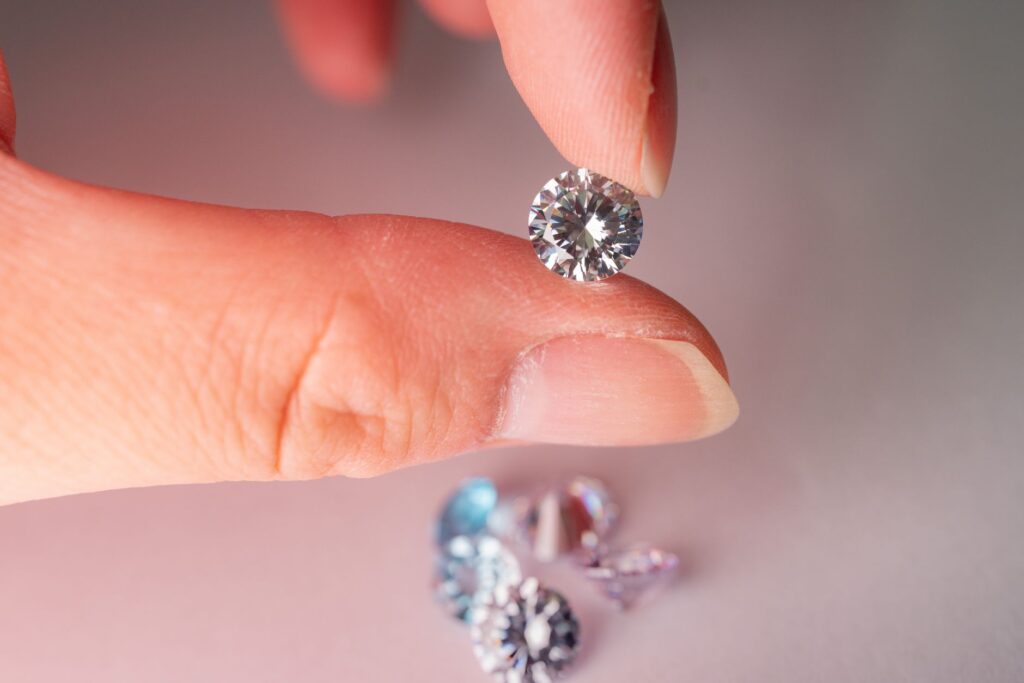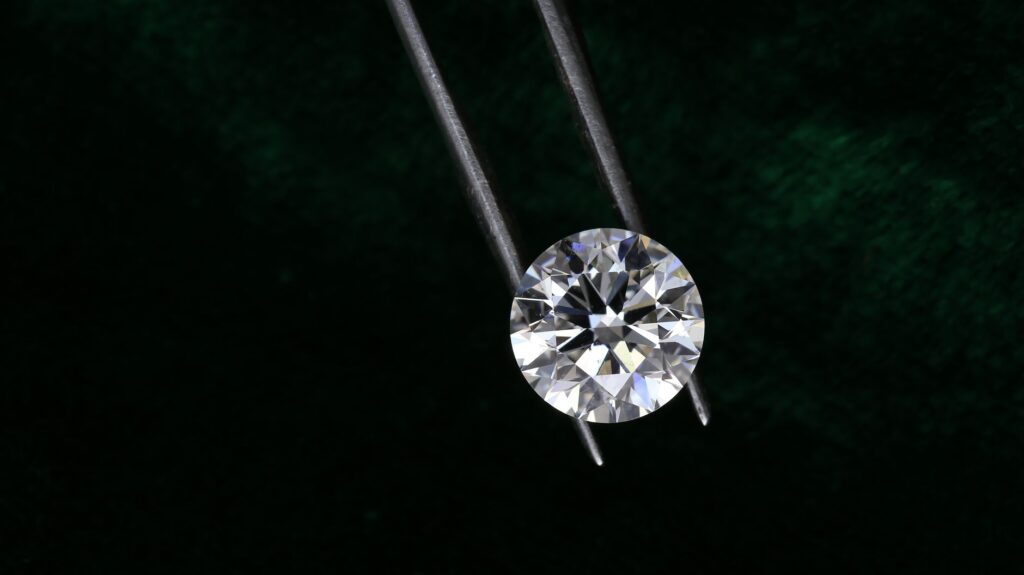
Diamond cut has a bigger effect on a diamond’s beauty than many first-time buyers expect. It influences how much light the stone returns, how bright it looks, how much sparkle you see when it moves, and whether it appears lively or dull in everyday lighting.
When people search for how diamond cut affects scintillation, they are usually trying to understand one practical question: why do two diamonds with similar carat weight and color look so different in person? The answer often comes down to cut quality, which controls how well the diamond handles light.
This matters for lab grown diamonds and natural diamonds alike. A well-cut diamond can look more brilliant, more balanced, and more attractive than a larger diamond with weaker proportions. If you are comparing diamonds for an engagement ring or any fine jewelry purchase, cut is one of the most important factors to evaluate.
Quick Answer
Diamond cut affects scintillation by controlling how light enters the stone, bounces inside it, and returns to your eyes as flashes of light and contrast. In simple terms, scintillation is the pattern of sparkle you see when a diamond moves, and cut quality plays a major role in how sharp, lively, and balanced that sparkle appears.
A well-cut diamond usually shows stronger, more even scintillation because its facets are positioned to create attractive flashes of light and dark contrast. A poorly cut diamond can still sparkle, but the flashes may look irregular, smaller, weaker, or less dynamic. In everyday viewing, most buyers notice this difference more easily than they notice subtle differences in clarity grades or very small differences in color.
If you want a diamond that looks bright and lively in real-world lighting, cut should usually be a priority over simply choosing the biggest stone or the highest clarity grade. This is especially true for lab grown diamonds, where excellent cut can help a diamond look more refined and visually impressive without requiring a major jump in size.
What Scintillation Means in a Diamond
Scintillation is the sparkle pattern you see when a diamond moves or when the lighting around it changes. It is not just about how much light the diamond reflects. It is also about how the flashes appear, how often they appear, and how much contrast they create.
There are two main parts to scintillation. One is the quick flash of light you see when the diamond moves. The other is the contrast between bright and dark areas that makes the stone look dynamic instead of flat. A diamond with good scintillation feels alive because your eye keeps picking up new light patterns as the stone shifts.
Buyers sometimes use the word sparkle to describe everything at once, but scintillation is more specific. It is the motion-based aspect of sparkle, while brilliance refers to the overall brightness of white light returned to the eye. Fire is the colored flash effect. All three are related, but they are not identical.
How Diamond Cut Shapes Scintillation
Diamond cut is the set of design and finishing factors that determines how the diamond interacts with light. It includes proportions, facet arrangement, symmetry, and polish. These elements affect whether light stays inside the stone long enough to be reflected back in an appealing way.
When a diamond is cut well, its facets work together like a carefully arranged optical system. Light enters, reflects internally, and exits in a way that creates strong brightness and crisp flashes. When the cut is weaker, light can leak out the bottom or sides, or the flashes can become less organized.
The practical result is easy to understand. A well-cut diamond often shows better light return and stronger scintillation, even if its size is smaller. A poorly cut diamond may appear less lively, even if it has a higher carat weight or a very clean clarity grade.
Proportions and Their Role in Sparkle
Proportions refer to measurements such as table size, depth percentage, crown angle, and pavilion angle. These are not terms most shoppers need to memorize, but they matter because they shape how light travels through the diamond.
When proportions are balanced, the diamond tends to return more light to the viewer and create a pleasing mix of bright and dark areas. If proportions are off, the stone may look too dark, too flat, or too washed out. That can reduce the quality of scintillation even if the diamond still has technically acceptable grading.
In practical terms, buyers do not need to become light scientists. But they should understand that cut is not just about a grade on paper. The actual angles and facet relationships are what determine whether the diamond sparkles in a lively, balanced way.
Facet Precision and Contrast
Scintillation depends not only on proportions, but also on facet precision. Facets are the flat surfaces on the diamond, and their placement affects how light is broken into flashes. When facets are aligned well, the sparkle pattern looks crisp and organized.
This is where visual contrast comes in. Your eye is drawn to the movement between bright and dark areas. If the contrast is too weak, the diamond can look flat. If it is balanced well, the stone appears dynamic and more visually interesting.
For many buyers, this is the difference between a diamond that simply reflects light and one that truly seems to come alive when it moves.
What Is Diamond Cut, Really?
In everyday buying language, diamond cut refers to how well a diamond has been shaped and finished for beauty, not just the shape itself. A round brilliant diamond, for example, can be cut to different quality levels, and those differences can have a major effect on appearance.
Cut should not be confused with shape. Shape means round, oval, cushion, princess, and so on. Cut quality means how well that shape has been executed. Two oval diamonds can look very different if one is cut with stronger proportions and better symmetry than the other.
For many consumers, cut is the quality factor that is easiest to see in real life. It can make a diamond look brighter, more lively, and sometimes even larger than a stone with weaker cut quality of the same carat weight.
Cut Grade Versus Face-Up Beauty
Many grading reports include a cut grade, especially for round brilliant diamonds. This grade is a useful starting point because it summarizes a lot of technical information into a simple evaluation. Still, the grade alone does not tell the whole story.
Two diamonds with the same grade can look a little different in person. Small differences in proportions, polish, or symmetry can affect the exact pattern of sparkle and brightness. That is why experienced buyers often look beyond the certificate and consider how the diamond actually performs under different lighting conditions.
For fancy shapes such as oval, pear, emerald, or cushion, cut grading is less standardized. In those cases, visual inspection and vendor images become even more important.
Why Scintillation Matters to Buyers
Scintillation is one of the most noticeable beauty factors in a diamond. When people say a diamond “sparkles,” they are often responding to scintillation, even if they do not use that term.
This matters because buyers are usually not evaluating diamonds under lab conditions. They are seeing them in stores, at home, outdoors, under office lighting, and in motion. A diamond that looks good only in one type of light can be disappointing. A diamond with strong scintillation tends to look engaging across more everyday situations.
Scintillation also contributes to the sense of value. A diamond that responds beautifully to movement often feels more polished and premium, even if it is not the largest stone in the case. For many shoppers, that emotional and visual response is part of what makes a diamond feel worth the price.
Appearance
From an appearance standpoint, scintillation affects how “alive” the diamond looks. Strong scintillation usually creates a pattern of small, sharp flashes that catch the eye without looking chaotic.
Weak scintillation can make the diamond seem dull, glassy, or uneven. That does not mean the stone has no sparkle. It means the sparkle may be less attractive, less balanced, or less noticeable in normal use.
Value
Cut quality often gives the best visual return for the money. Many buyers find that choosing a slightly smaller diamond with excellent cut looks better than stretching the budget for a larger diamond with mediocre cut.
This is especially important in lab grown diamonds, where price differences between sizes can be tempting. A larger diamond with poor proportions may not look as attractive as a smaller stone with excellent cut and superior light performance.
Everyday Wear
Most diamonds are not viewed under controlled lighting all day. They are seen in motion, in mixed light, and at normal social distances. Scintillation helps the stone stay interesting in those conditions.
That is why cut has such a real-world impact. It influences what the diamond looks like not only when held still under a spotlight, but also when worn on the hand during everyday life.
How Scintillation Relates to Brilliance, Fire, and Light Return
Diamond sparkle is often discussed as one thing, but it is really a combination of different visual effects. Understanding the difference helps buyers make better decisions.
| Term | What It Means | What Buyers Notice |
|---|---|---|
| Brilliance | White light reflected back to the eye | Overall brightness and lively appearance |
| Fire | Colored flashes created when light disperses into spectral colors | Rainbow flashes, especially in strong lighting |
| Scintillation | Flashes and contrast seen when the diamond moves | Dynamic sparkle and visual activity |
| Light return | The amount of light that exits the diamond toward the viewer | How bright and efficient the diamond appears |
These effects work together. A diamond with excellent cut may show strong brilliance, appealing fire, and lively scintillation. But some diamonds emphasize one quality more than another depending on shape, proportions, and lighting conditions.
For most buyers, scintillation is the quality that makes the biggest difference when the diamond moves. It is what gives the stone energy and visual interest. If the cut is weak, even a high-color diamond can appear less attractive than a better-cut stone with slightly lower color.
Real-World Factors That Influence What You See
It is important to remember that diamonds are not viewed in a vacuum. Lighting, viewing angle, movement, and setting style all affect how scintillation appears.
Lighting Conditions
Some diamonds look best under bright spotlighting, which can exaggerate sparkle. Others perform more consistently in normal indoor light, where good cut becomes easier to appreciate. A diamond with strong scintillation should still look lively in more than one environment.
Store lighting can make almost any diamond look appealing, so it is useful to ask how the stone behaves in softer, everyday lighting. That is often where cut differences become more obvious.
Movement
Scintillation is most visible when the diamond moves. A stone with excellent cut may produce crisp flashes as the hand shifts or as the light changes. The pattern should look intentional, not random.
If the flashes seem too broad, too dark, or too uneven, the diamond may not have ideal optical balance. Buyers sometimes notice this instinctively even if they do not know the technical reason.
Diamond Shape
Round brilliant diamonds are engineered for maximum light return and often show the most predictable scintillation. Fancy shapes such as oval, radiant, pear, and cushion can also be very beautiful, but their sparkle patterns vary more.
This means cut evaluation is especially important for fancy shapes. Two ovals with the same carat weight can have noticeably different face-up appearance, including bow-tie darkness, brightness distribution, and sparkle pattern.
Setting Style
The ring setting can influence how much light reaches the diamond. Prong settings usually allow more light to enter the stone than heavy bezel settings, though bezels offer other benefits such as protection and a sleeker look.
Metal color can also affect perceived brightness. A white metal setting often creates a brighter, more seamless visual frame for a diamond. Yellow or rose gold can change the surrounding contrast, which may subtly alter how scintillation is perceived.
How Diamond Cut Affects Scintillation in Lab Grown Diamonds
Lab grown diamonds behave like natural diamonds in terms of optics because they have the same physical and chemical structure. That means cut still matters in exactly the same way. A lab grown diamond with weak cut will not magically sparkle better just because it was grown in a modern facility.
What changes in the lab grown category is the buying context. Because these diamonds often offer larger sizes at lower prices, some buyers focus on carat first and cut second. That can lead to a diamond that looks big on paper but less attractive in person.
For lab grown diamond shoppers, cut quality is often one of the best ways to ensure the stone looks polished and balanced. Since many buyers prioritize appearance and budget efficiency, strong scintillation can be a smart way to get better visible performance without overspending on size or clarity that may not be equally noticeable.
Why Cut Can Be Especially Important in Larger Lab Grown Diamonds
As diamonds get larger, cut quality becomes more noticeable to the eye. A larger stone with poor proportions may reveal brightness issues, dark zones, or less attractive contrast patterns more easily than a smaller stone.
Because lab grown diamonds are often bought in larger carat sizes, this is a practical concern. A well-cut 2-carat lab grown diamond may outperform a poorly cut 3-carat diamond in visual appeal, even if the larger stone has more material on paper.
Certification Still Matters
Lab grown diamonds should still come with a reliable grading report from a respected laboratory. The report helps confirm the stated color, clarity, carat weight, and cut information.
That said, a certificate is not the same as a visual evaluation. Buyers should still look at images, videos, and proportions when available, because two diamonds with similar reports can show different levels of scintillation in real life.
Comparison: Excellent Cut Versus Very Good Cut
Many buyers wonder whether paying more for the top cut grade is worth it. The answer depends on how sensitive you are to visual nuance and how carefully you plan to compare stones.
| Feature | Excellent Cut | Very Good Cut |
|---|---|---|
| Brightness | Usually stronger and more consistent | Often very good, but may be slightly less efficient |
| Scintillation | Typically crisper and more balanced | Can still be attractive, but may be a little less refined |
| Fire | Often well balanced with brilliance | Can be good, though proportions may shift the balance |
| Visibility of difference | Easy to appreciate side by side | Can look great on its own |
| Value | Higher premium, especially in round brilliants | May offer strong value if visual performance is still strong |
In everyday viewing, the difference between Excellent and Very Good can be subtle, especially if you are not comparing stones side by side. Some Very Good diamonds look fantastic. Others show enough softness in brightness or contrast that the difference becomes clear.
If your budget is tight, a well-chosen Very Good diamond may be a sensible option. If visual performance is your top priority, Excellent cut often offers more consistent results.
Comparison: Well-Cut 1.5-Carat Diamond Versus Poorly Cut 2-Carat Diamond
This is one of the clearest examples of why cut matters more than size alone. A 2-carat diamond sounds more impressive on paper, but if its proportions are weak, the stone may not look as beautiful as a smaller, well-cut diamond.
| Factor | 1.5-Carat Well-Cut Diamond | 2-Carat Poorly Cut Diamond |
|---|---|---|
| Face-up appearance | Often lively and balanced | May look less bright or less proportionate |
| Scintillation | Usually stronger and more pleasing | Can be uneven or muted |
| Size perception | Slightly smaller, but often more refined | Larger on paper, not always visually better |
| Buyer impression | Often looks more attractive in person | May disappoint despite higher carat weight |
This comparison illustrates a common buying mistake. Carat weight measures size or mass, but it does not guarantee beauty. If cut quality is poor, some of the diamond’s potential visual impact is lost.
For many shoppers, the better choice is the diamond that looks more brilliant and lively from normal viewing distance, not the one with the largest number on the report.
Comparison: Higher Clarity With Poor Cut Versus Lower Clarity With Excellent Cut
Clarity matters, but many diamonds in the higher clarity range have inclusions that are not visible to the eye. If cut quality is weak, paying extra for clarity can be a poor trade-off.
| Factor | Higher Clarity, Poor Cut | Lower Clarity, Excellent Cut |
|---|---|---|
| Visible beauty | Can still look flat if cut is weak | Often appears more lively and attractive |
| Inclusions | May be cleaner on paper | May have minor inclusions that are not noticeable |
| Scintillation | Can suffer if proportions are off | Usually stronger and more engaging |
| Value | May be less efficient use of budget | Often better value for visible beauty |
Most buyers notice sparkle and brightness before they notice tiny inclusions. That is why cut often deserves a larger share of the budget than clarity, especially if the clarity grade is already eye-clean.
What Experienced Jewelers Look For
Experienced jewelers and diamond professionals usually do not judge a diamond by cut grade alone. They look at the full visual picture, including brightness, contrast pattern, symmetry, and how the diamond behaves under different light sources.
They also pay attention to details that may not be obvious to beginners. For example, a diamond can have a strong overall grade but still show a slightly off-center look, less attractive contrast, or weaker performance in certain viewing conditions.
In round brilliant diamonds, professionals often appreciate stones that combine excellent proportions with clean optical symmetry. In fancy shapes, they may focus on bow-tie darkness, brightness consistency, and whether the sparkle pattern is even across the face of the diamond.
Symmetry and Polish
Symmetry refers to how accurately the facets line up with each other. Polish refers to how smoothly the facet surfaces have been finished. Both matter because they influence how cleanly light moves through and out of the diamond.
What do buyers actually see? In many cases, the difference is subtle, but it can contribute to the crispness of the sparkle pattern. A diamond with better symmetry and polish often looks more precise and visually refined.
That does not mean lower grades are always visibly bad. It means that very high finishing quality can support better overall optical performance, especially when combined with strong proportions.
Optical Symmetry and Hearts and Arrows
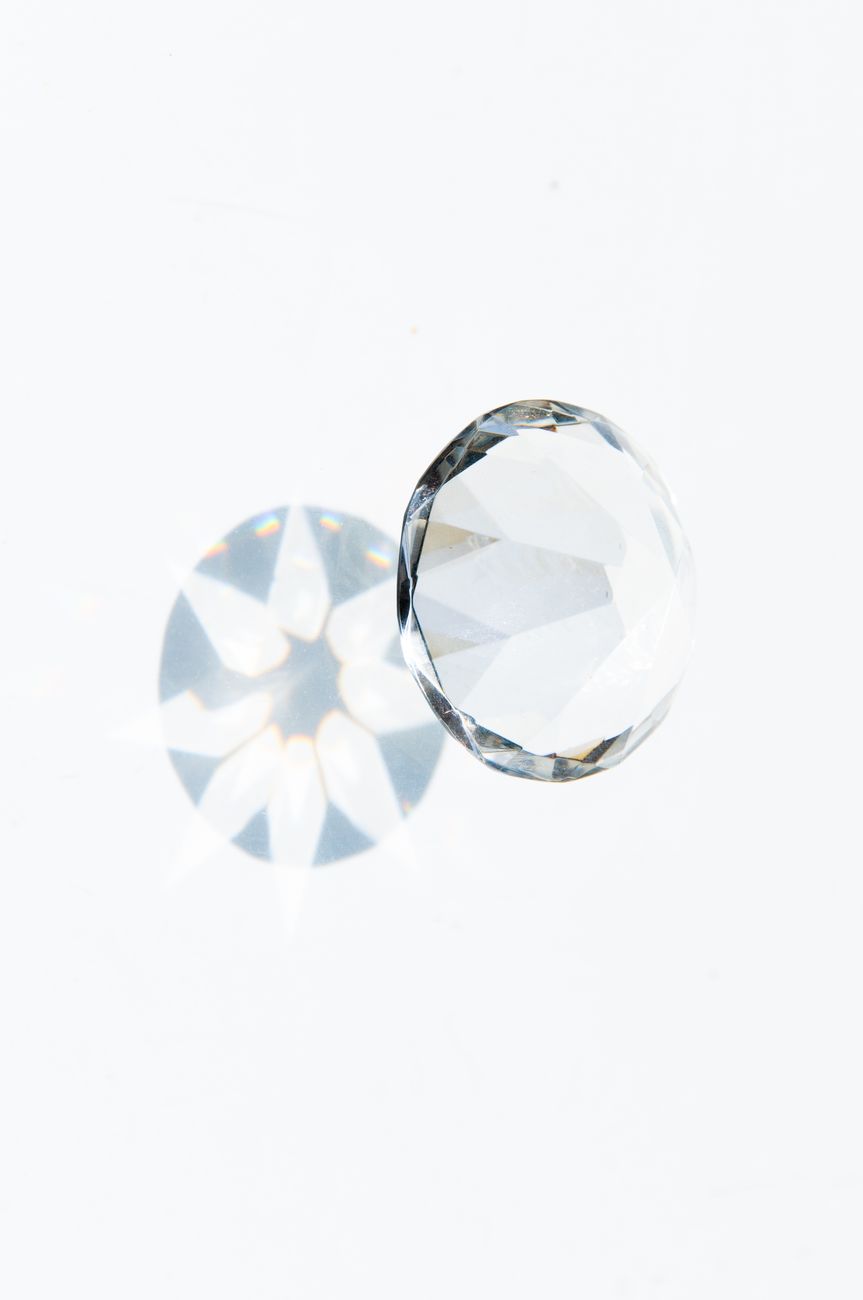
Hearts and Arrows is a visual pattern seen in some round brilliant diamonds with very precise facet alignment. It is often associated with excellent optical symmetry.
For buyers, the practical meaning is that the diamond may show a very crisp and balanced pattern of light and dark zones. This can enhance the sense of order in the sparkle pattern. However, not every beautiful diamond needs to be Hearts and Arrows to look impressive.
Hearts and Arrows is best understood as a sign of precision, not a guarantee of beauty by itself. The overall stone still needs strong proportions and good light performance.
When Paying More for Better Cut Makes Sense
Paying more for better cut quality usually makes sense when the diamond will be viewed often and when appearance matters most. This is especially true for engagement rings, where the stone is worn daily and seen in many lighting environments.
A better cut can also be worth the premium if you value sparkle over raw size. Many buyers prefer a diamond that looks bright and lively rather than one that simply weighs more.
The premium is often justified when:
- You want strong everyday beauty, not just impressive specifications.
- You are comparing diamonds of similar size and want the one that looks best in person.
- You are buying a round brilliant diamond, where cut differences can strongly affect performance.
- You want better visual return from a lab grown diamond purchase.
When Higher Cut Grades Have Diminishing Returns
There is a point where paying more brings smaller and smaller visual gains. This is important because not every buyer needs the top tier if the stone already looks excellent to the eye.
For example, a Very Good cut diamond that is well chosen may look nearly as appealing as an Excellent cut diamond in casual viewing, depending on the stone and the lighting. If the price difference is significant, some buyers may prefer to put that money toward size, setting quality, or a more practical design.
That said, diminishing returns do not mean cut is unimportant. They simply mean that once a diamond reaches a strong visual standard, the additional improvement may be subtle rather than dramatic.
Practical Buyer Scenarios
Concrete examples are often the easiest way to understand how cut affects scintillation in real life.
Scenario 1: A Smaller Diamond That Looks More Impressive
A buyer compares a 1.5-carat round brilliant with excellent cut to a 1.8-carat round brilliant with weaker proportions. On paper, the larger diamond seems like the better deal. In person, the smaller stone may look brighter, sharper, and more lively because it returns light more effectively.
In this case, the smaller diamond can create a better overall impression. The buyer is not seeing fewer “diamond qualities.” They are seeing better use of the material that is already there.
Scenario 2: Excellent Cut Versus Very Good Cut Under Different Lighting
Two diamonds may look similarly attractive in a jewelry store, where the lighting is bright and controlled. At home, under softer lighting, the difference may become more apparent.
The Excellent cut stone often keeps its brightness and contrast more consistently. The Very Good stone may still be lovely, but its sparkle can appear slightly less crisp or less evenly distributed depending on the exact proportions.
Scenario 3: Eye-Clean Clarity Versus Strong Cut
A buyer is choosing between a higher clarity diamond with average cut and a lower clarity diamond that is eye-clean and very well cut. In everyday wear, the well-cut stone may look more beautiful because sparkle and brightness are easier to notice than minor clarity differences.
This is a common example of how cut can outperform another quality factor in the buyer’s actual viewing experience.
Advantages of Strong Cut Quality
Strong cut quality offers several practical benefits that matter to real buyers.
- Better sparkle pattern, especially when the diamond moves.
- Improved brightness, which can make the stone look more lively.
- More balanced appearance, with fewer dead or overly dark areas.
- Better visual efficiency, meaning the diamond often looks more impressive for its size.
- Greater everyday satisfaction, because the stone performs well in many lighting environments.
These advantages are easy to appreciate because they are visible without special tools. In many purchases, that makes cut one of the most consumer-friendly quality factors to prioritize.
Disadvantages and Trade-Offs
Cut quality is important, but there are trade-offs to consider.
- Top cut grades can cost more, especially in round brilliants.
- The difference may be subtle if you are not comparing diamonds closely.
- Fancy shapes are more variable, so cut evaluation can be less straightforward.
- Some buyers may prefer size if their budget is limited and the stone still looks pleasing.
The main limitation is that cut is not always easy to judge from a grading report alone. Visual performance can depend on the entire combination of proportions, facet precision, and shape-specific behavior. That is why a certificate should be treated as a guide, not the final answer.
Common Buyer Mistakes
Many diamond shoppers make avoidable mistakes when evaluating cut and sparkle. These errors can lead to disappointment or overspending.
Prioritizing Carat Over Cut
A larger diamond can look less appealing if the cut is weak. Buyers often focus on size first because carat is easy to understand, but appearance depends heavily on how that size is shaped and finished.
Ignoring Light Performance
Some shoppers rely too heavily on the report and too little on actual visual performance. A diamond should not just look good on paper. It should look lively under real-world conditions.
Assuming All Diamonds Sparkle the Same
Not all sparkle is equal. One diamond may produce crisp, balanced flashes, while another may show broader or weaker reflections. Cut quality is often the reason.
Overpaying for Clarity Before Cut
If the diamond is already eye-clean, higher clarity grades may offer little visible benefit compared with a stronger cut. For many buyers, that budget is better spent improving cut or overall visual performance.
Confusing Cut Grade With Shape
Round brilliant diamonds are often graded for cut, but many fancy shapes are not graded the same way. Buyers should not assume that a shape and a cut grade mean the same thing.
Buying Considerations for Lab Grown Diamond Shoppers
If you are shopping for a lab grown diamond, cut deserves special attention because these diamonds are often chosen for maximum visual value. A well-cut stone can help you get the best balance of size, brightness, and sparkle for your budget.
Since lab grown diamonds are available in a wide range of sizes and quality levels, it is easy to chase carat weight at the expense of cut. A more disciplined approach usually leads to better satisfaction over time.
Budget
Set your budget with cut near the top of the priority list. If necessary, consider trading a small amount of carat weight or clarity to improve cut quality.
Visual Performance
Ask how the diamond performs in different lighting conditions. Images, videos, and proportion data can help, but actual appearance matters most.
Certification
Use the grading report as a starting point, not the final decision. A reputable lab report gives useful information, but visual assessment still matters.
Long-Term Satisfaction
Most buyers want a diamond that continues to look attractive after the purchase excitement wears off. Strong cut quality supports long-term satisfaction because it helps the stone look good in many settings and lighting conditions.
How to Evaluate Scintillation When Shopping
If you are comparing diamonds online or in person, there are a few practical ways to judge scintillation without getting lost in technical details.
Look for a Balanced Pattern
The sparkle should feel organized rather than chaotic. Bright flashes and darker contrast areas should work together to create an appealing rhythm across the stone.
Watch the Diamond Move
Hold the diamond or view a video as it shifts slightly. A diamond with good scintillation should show lively flashes without becoming overly dark or washed out.
Compare Side by Side When Possible
Direct comparison is often the easiest way to see cut differences. When two diamonds are placed next to each other, subtle performance differences become much easier to notice.
Use Images and Videos Carefully
Online photos can be helpful, but they may be influenced by lighting, camera angle, and image processing. Video is usually more useful than a single photo because it shows movement, which is essential for judging scintillation.
Frequently Asked Questions
Does better cut always mean more sparkle?
Usually, better cut improves sparkle, but the type of sparkle matters. A well-cut diamond typically shows stronger brilliance and more attractive scintillation, though the exact result can vary by shape and proportions.
Can a diamond with a lower cut grade still look beautiful?
Yes. Some diamonds with lower cut grades still look very attractive, especially if the proportions are close to ideal and the stone is viewed in favorable lighting. However, the average performance is usually less consistent than with a higher cut grade.
Is scintillation the same as brilliance?
No. Brilliance is the white brightness reflected by the diamond. Scintillation is the pattern of sparkle and contrast you see when the diamond moves. They are related, but not identical.
Why does my diamond look great under store lights but less impressive at home?
Store lights can make nearly any diamond look lively. At home, where lighting is softer or more varied, cut quality becomes more obvious. A diamond with strong light performance usually looks better across more environments.
Do lab grown diamonds sparkle differently from natural diamonds?
No, not because of their origin. Lab grown and natural diamonds have the same optical properties, so cut quality affects sparkle in the same way for both.
Should I choose cut over color or clarity?
For most buyers, especially in engagement rings, cut should be one of the first priorities because it has such a direct effect on visible beauty. After cut, color and clarity can be balanced based on budget and personal preference.
What is more important for sparkle, cut or carat?
Cut is generally more important for sparkle. Carat affects size, but cut determines how well the diamond returns light and how lively it looks.
Is scintillation easy to see without gemological tools?
Yes, often it is. Most people can notice differences in scintillation when comparing diamonds side by side or viewing them in motion under normal lighting.
Conclusion
Diamond cut affects scintillation by shaping how light moves through the stone and how sparkle appears when the diamond is in motion. This has a major impact on how bright, lively, and attractive the diamond looks in real life.
For most buyers, especially those shopping for lab grown diamonds or engagement rings, cut is one of the best places to focus. A well-cut diamond can look more beautiful than a larger stone with weaker proportions, and the difference is often visible without specialized equipment.
If you want to make a practical buying decision, look beyond the carat number and compare how the diamond actually performs. Pay attention to brightness, contrast, and the quality of sparkle pattern, because those are the features that shape everyday enjoyment.