When shoppers compare diamonds, they usually notice carat weight, color, and clarity first. Cut is often treated like a technical detail, but it is one of the biggest reasons two diamonds of the same size can look completely different in person. A well-cut diamond can appear brighter, livelier, and even larger than a heavier diamond with weaker proportions.
Most Common Diamond Cut Mistakes Buyers Make usually come down to one issue: people underestimate how much cut affects the way a diamond looks in everyday life. Some buyers focus too heavily on size, while others rely on a grading label without understanding what it means visually. Many also overlook how cut interacts with shape, symmetry, polish, and light performance, especially when shopping for lab grown diamonds where stronger specs can sometimes look easy to get within budget.
This matters because cut is not just about a gemologist’s score. It affects sparkle, brightness, fire, and how alive a diamond looks from arm’s length, under office lighting, or in natural daylight. If you know the most common mistakes ahead of time, you are much less likely to overspend on the wrong diamond or miss a better one.
Quick Answer
The most common diamond cut mistakes buyers make are focusing too much on carat weight, assuming all “excellent” or “ideal” cuts look the same, and ignoring how a diamond performs in real-world lighting. Buyers also often confuse cut with shape, or they check a grading report but do not understand how proportions, symmetry, and polish affect the diamond’s appearance.
The practical result is that a diamond can look dull, dark, or smaller than expected even if its color and clarity are strong. On the other hand, a well-cut diamond can be a smarter use of budget because it often delivers stronger sparkle and a more attractive face-up look than a larger stone with weak light return.
If you are shopping for a lab grown diamond or a natural diamond, the lesson is the same. Cut should be treated as a top priority, not an afterthought. It is often the quality factor buyers notice most once the diamond is on a ring.
What Diamond Cut Really Means
In everyday buying terms, diamond cut refers to how well a diamond’s proportions, angles, symmetry, and polish work together to return light. It is not the same as diamond shape. Round, oval, cushion, emerald, and pear are shapes, while cut describes how successfully that shape has been fashioned.
For round diamonds, cut is especially important because the market often uses formal cut grades such as Excellent, Very Good, Good, and so on. Those grades give a useful starting point, but they do not tell the whole story. Two diamonds can share the same cut grade and still look different because of differences in proportion, facet alignment, and overall optical performance.
For fancy shapes such as oval, marquise, pear, or radiant, grading systems are often less standardized. That means buyers need to pay even more attention to visual performance, especially brightness, bow-tie darkness, and whether the diamond has even sparkle across the face.
Cut, shape, and style are not the same thing
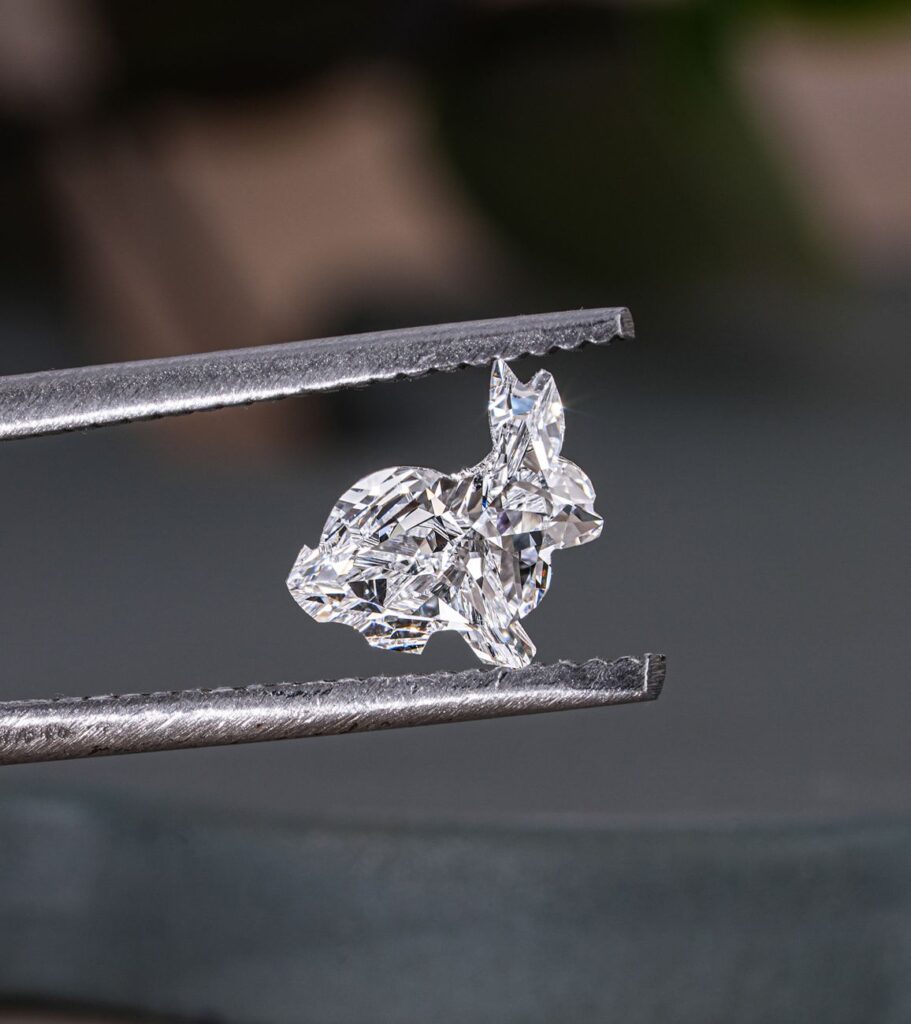
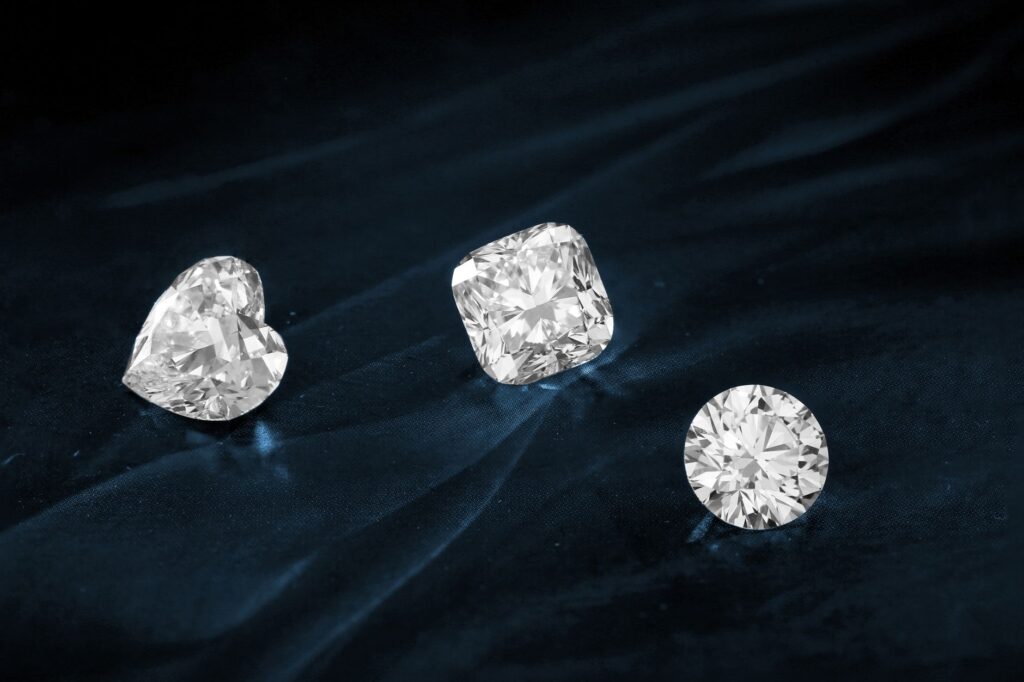
Many first-time buyers use “cut” and “shape” interchangeably, but they describe different things. Shape is the outline you see from above. Cut is the craftsmanship behind how the diamond handles light.
This distinction matters because a beautifully shaped diamond can still perform poorly if the cut is off. A square or elongated shape may look appealing on paper, yet if the proportions are weak, the stone can appear lifeless or uneven in person.
The main parts of cut quality
When professionals evaluate cut, they usually look at several linked factors:
- Proportions, which include table size, depth, and facet angles.
- Symmetry, which is how precisely the facets match each other.
- Polish, which is the smoothness of the facet surfaces.
- Light performance, which describes how well the diamond returns and manages light.
These parts work together. A diamond can have good polish but poor proportions, or strong proportions but weaker symmetry. Buyers usually see the result as sparkle, brightness, and overall balance.
Why Cut Matters So Much
Cut affects what most buyers actually care about: how beautiful the diamond looks in daily wear. If a diamond is cut well, it tends to reflect more light back to the viewer and produce a stronger combination of brilliance, fire, and scintillation. In plain English, it looks more alive.
This is why experienced jewelers often say cut is the most important factor for appearance in a round diamond. Color and clarity matter too, but they are often easier to trade down on than cut, especially if the goal is to maximize visible beauty within a budget.
The practical impact is easy to understand. A diamond with excellent light return can look lively even in dim indoor conditions, while a poorly cut diamond may seem flat or grayish even if it is relatively large and colorless. Buyers often notice the effect immediately when comparing stones side by side.
What “sparkle” really means
People use the word sparkle casually, but it includes several different visual effects. Brilliance is the white light returning from the diamond. Fire is the colored light flashes you see when the stone moves. Scintillation is the pattern of light and dark flashes that creates lively movement.
Cut quality influences all three. That is why cut is so central to the overall appearance of the diamond, not just a technical grading category.
How Cut Affects Appearance in Real Life
Buyers do not usually inspect a diamond under laboratory conditions. They see it under spotlights in a showroom, in office lighting, outdoors, or in the softer light of everyday life. Cut quality affects how the stone behaves in each of those situations.
A diamond with strong cut tends to maintain brightness across a wider range of lighting conditions. It is more likely to look crisp, lively, and even from multiple angles. A weakly cut diamond may rely on one lighting environment to look good, then appear dull elsewhere.
Brilliance
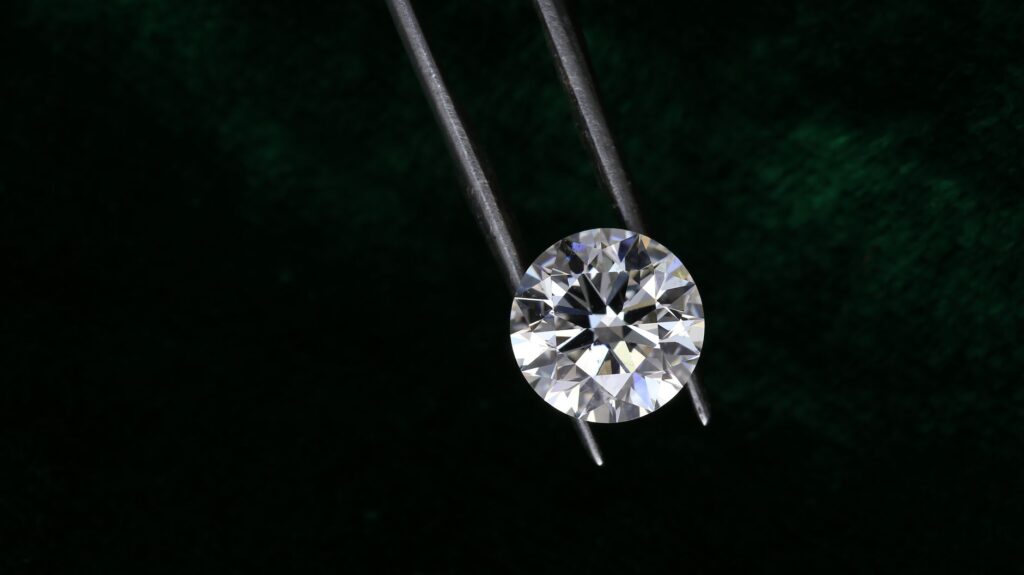
Brilliance is the white light return from a diamond. It gives the stone its overall brightness. A well-cut diamond reflects light back through the top rather than letting too much escape through the sides or bottom.
What buyers actually see is a brighter face-up appearance. In a round diamond especially, this can make the stone look more engaging without needing extra carat weight.
Fire
Fire is the flashes of spectral color you see when a diamond moves. It is easiest to notice under focused lighting such as jewelry store lights or sunlight.
Some buyers are drawn to a fiery look, while others prefer more white brightness. Either way, poor cut can reduce the balance of fire and brilliance. A diamond that is too shallow or too deep may not produce the lively flashes buyers expect.
Scintillation
Scintillation is the pattern of light and dark areas that appear as the diamond or the viewer moves. It creates the sense of life and motion. Too little contrast can make a diamond look washed out, while too much uneven contrast can make it look patchy.
Good cut usually creates a pleasing rhythm of flashes rather than random dark zones. Most buyers notice this when comparing two similar diamonds side by side.
Brightness and light return
Brightness is one of the easiest qualities to notice. A diamond with strong light return often looks more open and vibrant, even if it is not the largest stone on the tray. That is why cut can sometimes make a smaller diamond appear more impressive than a larger one with weaker performance.
Light return is not just about being bright. It is about how efficiently the diamond sends light back toward the eye. A stone that loses too much light through the pavilion can appear sleepy or transparent.
Face-up size and visual spread
Many buyers focus on carat weight, but carat is only a measure of mass. A diamond’s face-up spread is the visible size from the top. Cut affects this because a diamond with excessive depth may hide weight below the girdle, making it look smaller than its carat suggests.
By contrast, a well-proportioned diamond can appear generous for its weight. This is especially important when comparing stones of similar budgets.
What Buyers Often Misunderstand About Cut Grades
One of the biggest mistakes is assuming that a single grade tells the whole story. A grading report is helpful, but it is not a substitute for visual assessment. Cut grades are best viewed as a starting point, not a final answer.
For round brilliant diamonds, major labs such as GIA and IGI use cut grading systems, but the exact methodology and terminology can vary. The buyer should focus less on the label alone and more on whether the diamond looks balanced, bright, and lively in person or in reliable imaging.
Why “Excellent” does not always mean identical
Two Excellent-cut round diamonds can still differ in brightness, contrast, and visual pattern. One may have proportions that create a sharper, more balanced look. Another may prioritize spread or face-up size slightly differently, which can change how it performs.
This does not mean the grade is useless. It means the grade is a range, not a guarantee of identical appearance.
Why lab grown diamond shoppers should still care
Some buyers assume cut matters less in lab grown diamonds because the price is often lower than natural diamonds. In reality, cut still matters just as much visually. A low-cost diamond with poor cut is still a poor-looking diamond if the light performance is weak.
Lab grown diamonds can offer more size or better quality for the budget, but that does not remove the need to inspect cut carefully. In some cases, the greater affordability simply makes it easier to choose a stronger cut without sacrificing too much elsewhere.
The Most Common Diamond Cut Mistakes Buyers Make
1. Prioritizing carat weight over cut quality
This is the most common mistake by far. Buyers often chase the bigger number because size is easy to understand and easy to compare. Unfortunately, a larger diamond with weak proportions can look less attractive than a slightly smaller diamond with excellent light performance.
In real life, most people notice sparkle before they estimate carat weight. If the diamond is dull or dark, the extra size may not deliver the impact the buyer expected.
2. Thinking all sparkle is the same
Not all sparkle is equal. Some diamonds produce more white brightness, while others offer stronger colored fire or sharper contrast. A diamond can also be bright in one area and weak in another, which creates an uneven look.
Buyers who only look for “sparkle” may miss whether the stone has balanced brilliance and scintillation. The best-looking diamonds usually have a combination of all three effects.
3. Ignoring how the diamond performs in ordinary lighting
Many shoppers make decisions under intense store lighting, which can flatter almost any diamond. That environment can hide weaknesses and make mediocre stones look more exciting than they will look at home.
It is better to ask how the diamond behaves in normal indoor light, outdoors, and from arm’s length. Those are the conditions that matter most after purchase.
4. Overlooking light leakage
Light leakage happens when light escapes through the bottom or sides instead of returning to the eye. It can reduce brightness and create dark or watery areas. Buyers may not know the term, but they often notice the result as a flat or lifeless look.
Some leakage is easier to spot in fancy shapes, especially ovals and pears. It is one reason why visual inspection matters, even when the diamond has a respectable grading report.
5. Confusing symmetry with overall sparkle
Symmetry means the facets are arranged evenly and precisely. It helps create a more organized, balanced appearance. However, symmetry alone does not guarantee a beautiful diamond if the proportions are weak.
Buyers sometimes overvalue a symmetry grade without realizing that light performance depends on the full cut design. A diamond can have excellent symmetry and still look underwhelming if its angles are poor.
6. Assuming polish matters as much as cut grade
Polish refers to how smooth the facet surfaces are after finishing. It matters, but for most buyers, polish is usually a smaller visual factor than proportions and overall light return. Extremely poor polish can reduce sharpness or leave a less crisp appearance, but minor differences are often hard to detect without magnification.
This is why polish should be considered, but not overemphasized at the expense of broader cut quality.
7. Ignoring shape-specific cut issues
Every shape has its own visual concerns. Round diamonds are often judged on balanced brilliance. Ovals may show bow-tie darkness. Emerald cuts rely more on clarity and step-cut symmetry than on fiery sparkle. Cushion cuts can vary widely in facet style and brightness pattern.
Buyers who apply round-diamond rules to every shape sometimes miss important shape-specific trade-offs.
8. Paying extra for a grade without checking the actual stone
Sometimes a buyer pays a premium for a top cut grade when a slightly lower grade would look nearly as good in person. Other times, the premium is worth it because the better stone has noticeably stronger performance. Without comparing actual diamonds, it is hard to know which is which.
The mistake is not caring about cut. The mistake is assuming the label alone is enough.
How Cut Grades Relate to Real-World Visibility
Most buyers want to know what differences they will actually see. That depends on the size, shape, and quality of the specific stone, but general patterns do exist.
| Cut Quality | What Buyers Usually See | How Easy the Difference Is to Notice | Typical Buying Takeaway |
|---|---|---|---|
| Excellent / Ideal | Strong brightness, balanced sparkle, lively face-up appearance | Often easy to notice in side-by-side comparison | Best choice when appearance is the priority |
| Very Good | Good sparkle and brightness, sometimes slightly less crisp or balanced | Subtle to moderate differences, often visible with comparison | Can be a smart value option |
| Good | Acceptable light performance, but may lose noticeable sparkle or spread | More easily noticed in everyday viewing | Usually chosen only when budget is tight |
| Fair / Poor | Reduced brightness, dark areas, weaker sparkle, less lively appearance | Usually obvious without comparison | Often not ideal for buyers who care about beauty |
The important point is that the visual gap between grades is not always linear. Moving from Poor to Good can make a very obvious difference, while moving from Very Good to Excellent may be subtler unless the diamond is compared under the right conditions.
Practical Examples Buyers Can Relate To
A well-cut 1.5-carat diamond versus a poorly cut 2-carat diamond
This is a classic comparison. The 2-carat diamond sounds more impressive on paper, but if its proportions are weak, it may appear dull, dark, or smaller than expected from the top view. A 1.5-carat diamond with strong cut can easily look more attractive because it handles light better and may show more visual life.
Many buyers are surprised by how often the smaller stone looks better in person. The lesson is that carat weight alone does not determine impact.
Excellent cut versus Very Good cut in everyday lighting
In a controlled side-by-side comparison, an Excellent cut diamond may look a bit brighter or more balanced than a Very Good stone. In everyday wear, the difference can be subtle, especially if both diamonds are well chosen and the setting is flattering.
This is why Very Good can be a sensible value target for buyers who want strong performance without always paying the top premium. The key is to inspect the specific diamond, not just the grade.
Higher clarity with poor cut versus lower clarity with excellent cut
Many first-time buyers assume higher clarity will make the diamond look better. In reality, a diamond with better cut and slightly lower clarity can often appear more beautiful to the naked eye than a cleaner stone with weak light performance.
For example, an eye-clean VS2 with excellent cut may outshine a VVS diamond that looks flatter or less lively. Since many clarity differences are difficult to see without magnification, cut often provides more visible value for the average shopper.
Round brilliant versus fancy shape expectations
Round brilliant diamonds are often chosen for maximum sparkle and the most standardized cut grading. Fancy shapes, such as oval or pear, can appear larger for their weight and offer a different style, but they may require more careful inspection to avoid uneven light patterns.
A buyer who expects every shape to sparkle the same way may be disappointed. Each shape has strengths, but the cut needs to suit the shape.
How Cut Affects Value
Cut has one of the strongest effects on perceived value because it influences beauty so directly. A well-cut diamond often looks more expensive than its actual price suggests, while a poorly cut diamond can seem like a weak use of budget even if the paper specs look impressive.
This is especially important when shopping across carat sizes or comparing natural and lab grown diamonds. When the price gap narrows, buyers sometimes feel tempted to maximize size at the expense of cut. That can be a mistake if the goal is visible beauty rather than just a bigger number.
When paying more for cut makes sense
Paying more for better cut quality is usually justified when:
- The diamond will be viewed often at close range, such as in an engagement ring.
- Brightness and sparkle matter more than maximizing carat weight.
- The stone is a round brilliant where cut differences are especially noticeable.
- You want stronger visual performance in a range of lighting environments.
For many buyers, this premium is easy to understand because the improvement is visible, not theoretical.
When the premium may be less important
The highest cut grade is not always necessary. Some buyers may prefer to allocate budget to size, metal type, or setting design if the visual difference between stones is small. A Very Good diamond that looks bright and lively may represent better overall value than a top-grade diamond with a large premium.
This is where careful comparison matters. The best value is not always the most expensive cut grade. It is the best balance of appearance and budget.
Diminishing returns at the top end
There are diminishing returns in cut quality. Once a diamond is already performing very well, small improvements may be harder for ordinary buyers to notice. That means some shoppers can save money by choosing a slightly lower grade that still looks excellent in person.
The challenge is recognizing where those diminishing returns begin. That is why images, videos, and a trusted grading report are useful together.
Cut Considerations for Lab Grown Diamonds
Lab grown diamonds deserve the same cut attention as natural diamonds. Their affordability can tempt buyers to focus on size, but the visual rules do not change. A lab grown diamond with weak cut can still look less attractive than a smaller, better-cut stone.
One practical difference is that lab grown diamond buyers sometimes have more room in the budget to choose a stronger cut and still keep the carat size they want. That can be an advantage, but only if the diamond is selected carefully.
Why cut is still critical even when price is lower
Because lab grown diamonds can offer more carat weight for the money, some buyers assume they can simply buy bigger. Yet a larger stone with poor light performance still has the same visual problems. If the diamond lacks brightness or has a visible bow-tie, the lower price does not fully solve the issue.
In other words, lower cost gives you more options, not less need for discernment.
Certification still matters
When shopping for lab grown diamonds, a grading report from a recognized lab helps confirm the cut grade, proportions, and other quality details. It does not replace visual inspection, but it gives a reliable framework for comparison.
Buyers should also remember that not every lab uses the same standards in the same way. Understanding the issuing lab is part of making a smart cut decision. A grading report can help, but it should be paired with actual images or videos whenever possible.
What Experienced Jewelers Often Look For
Experienced jewelers usually care about more than the grade printed on the report. They look at how the stone behaves visually under different lighting conditions and whether it has a pleasing overall pattern. This is especially true for diamonds intended for an engagement ring, where appearance from everyday viewing distance matters most.
Some of the things they often notice include:
- Whether the stone appears bright across the center and edges.
- Whether the sparkle looks balanced or patchy.
- Whether the diamond shows a bow-tie or darker center area.
- Whether the stone has strong face-up spread for its weight.
- Whether the facet pattern looks crisp and symmetrical.
These observations are practical because they translate directly to what the buyer will see after the purchase.
Buying Considerations That Matter Most
Budget
Start with your total budget, then decide how much you want to reserve for cut quality. If the diamond is for daily wear, it usually makes sense to protect cut rather than overspend on carat weight alone.
Many buyers find a better overall result by choosing a slightly smaller diamond with stronger cut than a larger stone with weaker visual performance.
Visual performance
Ask yourself what matters most to you. Do you want maximum sparkle, a larger spread, or a balanced look under many lighting conditions? Different stones may emphasize different strengths, and the best choice depends on your priorities.
When possible, compare diamonds side by side. That is often the fastest way to see how cut influences the eye.
Certification
A trusted grading report helps you understand what you are buying, but it should not be the only factor. Use the report to screen for quality, then evaluate the actual stone for brightness, symmetry, and overall appearance.
This is especially important if you are comparing multiple diamonds online, where images and videos can reveal differences that a grade alone cannot.
Lab grown diamond considerations
Lab grown diamonds often allow more flexibility with budget and size, but the same cut principles still apply. If you are choosing between a larger but weaker stone and a smaller but sharper one, the right answer depends on how much you value visible performance.
For many buyers, a well-cut lab grown diamond offers a strong balance of size and beauty. The key is not to assume that all stones in the same price range are equally attractive.
Long-term satisfaction
People usually live with their diamond for years, not minutes. That is why cut quality is worth taking seriously. A stone that looks lively in many settings is more likely to stay enjoyable over time than one that only looks good under ideal store lighting.
Long-term satisfaction often comes from choosing a diamond that you enjoy looking at every day, not just one that sounded impressive in a listing.
Common Misconceptions About Cut
“Bigger always looks better”
Not always. A larger diamond with poor cut can look less appealing than a smaller diamond with stronger light return. Size matters, but only up to the point where the stone still looks bright and balanced.
“If it has an excellent grade, I do not need to inspect it”
This is not safe advice. Excellent is a strong starting point, but not all excellent stones look identical. Buyers should still review proportions, images, and the overall visual impression whenever possible.
“Cut is only about sparkle”
Cut influences sparkle, but also brightness, pattern, and the way the diamond faces up on the hand. A diamond can be sparkly yet still have weak spread or uneven contrast.
“Lab grown diamonds do not need cut scrutiny”
Cut quality matters just as much in lab grown diamonds. In some ways, buyers should be even more deliberate because the value proposition can make it tempting to trade quality for size too quickly.
Frequently Asked Questions
What is the biggest mistake diamond buyers make with cut?
The biggest mistake is treating carat weight as more important than cut. A bigger diamond with weak cut often looks less attractive than a smaller diamond with stronger light performance. Buyers tend to notice sparkle before they estimate size, especially in everyday conditions.
Is Excellent cut always worth paying for?
Not always. Excellent cut is often the safest choice for top visual performance, but the premium is not always justified if a Very Good diamond looks nearly as appealing in person. The decision depends on how much you value the last bit of performance versus saving money or increasing size.
How important is cut in a lab grown diamond?
Very important. Lab grown diamonds can offer a better price-to-size ratio, but that does not change how cut affects appearance. If the light performance is weak, the diamond can still look dull or uneven regardless of origin.
Can a well-cut diamond look bigger than a poorly cut one?
Yes. A well-cut diamond can have better face-up spread and brighter overall appearance, which makes it seem larger and more visually impressive. A poorly cut stone may hide weight in depth or look dark in the center, which reduces its presence.
Do symmetry and polish matter as much as cut grade?
They matter, but usually less than overall proportions and light performance. Symmetry affects facet alignment, and polish affects surface smoothness. Most buyers will notice these factors only if they are poor or if they contribute to an overall lack of crispness.
Why do two diamonds with the same cut grade look different?
Because the grade is a category, not a perfect description of visual performance. Two stones can share a grade while still differing in table size, depth, facet angles, or optical pattern. Those differences can change how bright and lively the diamond appears.
Should I choose a smaller excellent-cut diamond or a larger very good-cut diamond?
It depends on your priorities. If sparkle and visual quality are most important, the smaller excellent-cut diamond may be the better choice. If size matters more and the Very Good stone still looks bright and balanced, that may be the smarter compromise.
What should I look at first when comparing diamonds online?
Start with the grading report, then review the cut grade, proportions, and any available video or light performance images. After that, compare how the stone actually looks, not just how it reads on paper. For many buyers, this combination gives the clearest picture of real-world appearance.
Conclusion
The most common diamond cut mistakes buyers make usually come from misunderstanding what cut actually does. People focus on size, assume grading labels tell the whole story, or overlook how a diamond behaves in normal lighting. The result is often a stone that looks less lively than expected.
If you remember only one thing, make it this: cut affects how a diamond looks more directly than most other quality factors. A well-cut diamond can bring out more brilliance, fire, and scintillation, and it can make the stone feel more attractive every time you wear it.
For buyers comparing natural and lab grown diamonds, the same principle still applies. Use the grading report as a starting point, but judge the diamond by how it performs visually. That is the most practical way to choose a stone that looks good now and remains satisfying over time.