When shoppers compare Princess vs Cushion Cut Diamonds, they are usually choosing between two square or near-square shapes that can look similar at first glance but behave very differently once you examine sparkle, proportions, and everyday wear. Both shapes are popular for engagement rings, both work well in lab grown diamonds and natural diamonds, and both can offer strong visual presence for the carat weight. The differences come down to sparkle style, corner shape, durability, and the overall personality of the ring.
This comparison matters because shape affects more than appearance. It influences how large a diamond looks, how it handles light, how noticeable color and inclusions may be, and how well it fits certain ring styles. For buyers researching diamond shapes, understanding these differences can make the shopping process much more practical and less confusing.
Quick Answer: Princess vs Cushion Cut Diamonds
Princess cut diamonds are square or slightly rectangular with pointed corners and a bright, lively sparkle pattern. They tend to look modern, sharp, and geometric. Cushion cut diamonds have rounded corners and softer outlines, with a more romantic look and a sparkle pattern that can range from chunky flashes to a softer, vintage-inspired style.
If you want a crisp, contemporary appearance and often a strong value proposition, princess cut is worth considering. If you prefer softer edges, a more traditional feel, and a shape that can be a little more forgiving of color, cushion cut may be the better fit. In lab grown diamonds, both shapes can offer excellent value, especially when you want a larger carat size without moving far up in budget.
Understanding the Two Shapes
What is a princess cut diamond?
A princess cut is a square or near-square diamond with pointed corners and a brilliant-style facet arrangement. The term brilliant cut means the facets are arranged to maximize sparkle and light return rather than create broad mirror-like reflections. That is why princess cuts often look lively and bright from a distance.
The shape became especially popular in modern engagement rings because it feels clean and angular. Its geometric outline pairs well with contemporary ring settings, including solitaires, halos, and three-stone designs. For buyers who like sharp lines and a structured look, princess cuts are easy to understand and easy to style.
What is a cushion cut diamond?
A cushion cut is also square or rectangular, but the corners are rounded, which gives it a softer, pillow-like outline. That rounded shape is where the name comes from. Cushion cuts can look vintage-inspired, romantic, or classic depending on the facet style and proportions.
Unlike princess cuts, cushion cuts come in more visual styles. Some are very bright and sparkly, while others have larger facets that create bigger flashes of light. That variety is one reason cushion cuts appeal to buyers who want a more personalized look. A cushion cut is not a single look so much as a broad category with several distinct appearances.
Side-by-Side Comparison
| Feature | Princess Cut | Cushion Cut |
|---|---|---|
| Outline | Square or slightly rectangular with pointed corners | Square or rectangular with rounded corners |
| Overall style | Modern, sharp, geometric | Soft, romantic, classic or vintage-inspired |
| Sparkle pattern | Bright, crisp brilliance with strong scintillation | Varies from chunky flashes to softer, broader sparkle |
| Face-up appearance | Can appear efficient and compact, with a strong visual center | Can appear compact or elongated depending on ratio and cut style |
| Durability | Pointed corners are more vulnerable to chipping | Rounded corners are generally more protective |
| Color visibility | Can show color more readily near the corners and edges | Often a bit more forgiving of body color |
| Clarity visibility | Inclusions can sometimes be easier to notice because of the bright faceting | Can hide some inclusions better, depending on facet pattern |
| Price considerations | Often strong value, especially for buyers who like the look | Pricing varies widely based on cut style and demand |
| Style trend | Consistently popular, especially in modern settings | Popular with both vintage and contemporary buyers |
| Best for | Buyers who want sharp lines and bright, energetic sparkle | Buyers who want a softer look and more romantic character |
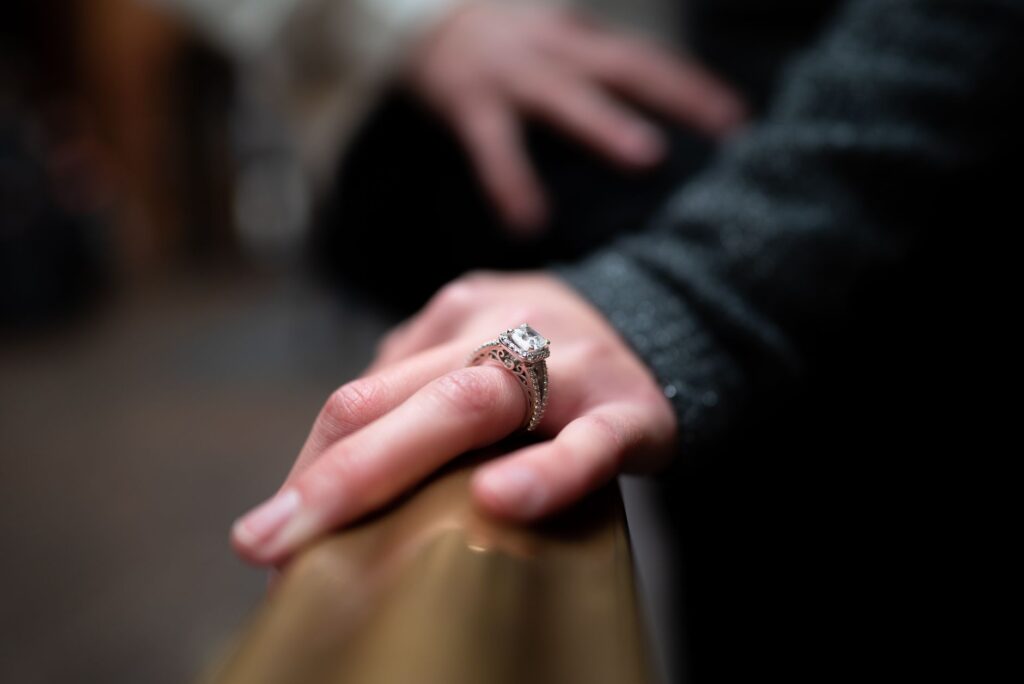
How Each Shape Looks on the Hand
Princess cut appearance
Princess cuts often create a crisp, structured look on the finger. The sharp corners and square outline give the ring a defined shape that feels modern and balanced. Many buyers like the way a princess cut looks in a solitaire because the geometry is easy to see even from a distance.
Because princess cuts tend to reflect light strongly, they can appear very lively in motion. That sparkle is especially noticeable in bright lighting, where the facets create a lot of smaller flashes rather than broad mirror-like reflections. The result is a look that feels energetic and clean.
Cushion cut appearance
Cushion cuts look softer and often more romantic. The rounded corners make the diamond feel less rigid and more organic, which works well for buyers who want a classic or slightly vintage feel. Even in a simple setting, a cushion cut can look less formal than a princess cut.
The overall look depends heavily on the facet pattern. Some cushion cuts have a more brilliant sparkle, while others have chunkier flashes that create a softer but still lively effect. This means two cushion cuts with the same carat weight can look noticeably different, which is important when comparing stones online or in person.
Face-up size and shape perception
Face-up size refers to how large a diamond appears when viewed from above. It is not the same as carat weight. A diamond with efficient proportions can sometimes look larger than another diamond with the same weight, even if both weigh the same on paper.
Princess cuts often make efficient use of rough diamond material, which can support better pricing for the look they deliver. Cushion cuts can also offer strong face-up presence, but the exact appearance varies more with length-to-width ratio and proportions. A square cushion may look compact and balanced, while a rectangular cushion can look more elongated and elegant.
Sparkle, Fire, Brilliance, and Scintillation
These four terms are often used together, but they mean different things. Understanding them helps buyers make a more informed shape comparison and can also make cut quality easier to evaluate.
Brilliance
Brilliance is the amount of white light reflected back to the eye. Princess cuts usually excel here because their facet pattern is designed to return a lot of bright light. That is one reason they often look vivid and lively in normal lighting conditions.
Cushion cuts can also be brilliant, but they often have a slightly softer overall look. Some buyers prefer that gentler style because it feels less angular and more classic. If brightness is your top priority, princess cuts often have the edge, but cushion cuts can still be highly reflective when well cut.
Fire
Fire is the colored flashes of light you see when a diamond disperses light into spectral colors. Cushion cuts can sometimes show attractive fire, especially in faceting styles that use larger facets. Princess cuts also show fire, but their visual identity is usually more tied to brightness and sparkle than dramatic colored flashes.
For buyers, this means a cushion cut may sometimes feel more “glowy” or warm in the way it handles light, while a princess cut feels sharper and more active. The difference is subtle in some stones and obvious in others, which is why actual images matter so much.
Scintillation
Scintillation is the sparkle you notice as the diamond moves. Princess cuts often deliver strong scintillation because their facets create many quick flashes. This can make them feel very active and eye-catching, especially in motion.
Cushion cuts can have either sharp scintillation or slower, broader flashes depending on the cut style. This is one reason cushions can range from a lively modern look to a softer, more antique look. Buyers who enjoy broad flashes of light may prefer certain cushion cuts, while buyers who want fast sparkle may lean toward princess.
Why the sparkle looks different
The difference comes from facet arrangement and shape. Princess cuts are built to produce a highly reflective, angular pattern. Cushion cuts use a different structure that rounds off the corners and often changes how light is broken up.
For the buyer, the practical question is not which one sparkles more in every situation. It is which sparkle style fits your taste and the ring design. Some people want a crisp, intense shine. Others prefer bigger flashes and softer edges. Both can be attractive, but they create different impressions.
Advantages of Princess Cut Diamonds
- Modern appearance: The square shape and pointed corners create a clean, contemporary style.
- Strong brilliance: Princess cuts usually offer bright light return and energetic sparkle.
- Good visual impact: The shape looks substantial and distinctive in many ring settings.
- Works well in many designs: It pairs nicely with solitaires, halos, and side stones.
- Often efficient in rough diamond use: This can support good value relative to appearance.
Princess cuts are often appealing to buyers who want a ring that feels structured and polished. They are also easy to style because the shape is so recognizable and adaptable. If you prefer a diamond that feels clean and architectural, the princess cut is one of the most straightforward choices.
Disadvantages of Princess Cut Diamonds
- Corner vulnerability: The pointed corners can chip more easily than rounded shapes.
- Color can show more: In some stones, color is more visible near the edges and corners.
- Clarity may be easier to inspect: The bright faceting can make inclusions easier to notice.
- Shape preference is narrower: Some buyers find the angular look too sharp or less romantic.
For daily wear, the corner issue matters most. A well-made setting with protective prongs can help, but princess cuts still deserve thoughtful mounting choices. If you are comparing engagement ring shapes and want a practical daily-wear option, this is worth considering carefully.
Advantages of Cushion Cut Diamonds
- Soft, romantic outline: The rounded corners give the diamond a gentler look.
- Good at masking some color: Many cushion cuts are a little more forgiving than some other shapes.
- Variety of styles: Cushion cuts range from brilliant to vintage-like in appearance.
- Rounded corners can improve durability: There is less risk of corner damage than with pointed shapes.
- Versatile design match: Works in both classic and modern engagement ring settings.
Cushion cuts are especially appealing to buyers who want a shape with personality. Because there are several cushion styles, buyers can choose between a more lively look and a more antique-looking one. This flexibility is one of the shape’s biggest strengths, but it also means shoppers need to be more selective.
Disadvantages of Cushion Cut Diamonds
- Less standardized appearance: Two cushion cuts can look very different from each other.
- Potential for less face-up efficiency: Some cushions may look smaller than expected for their carat weight.
- Sparkle style varies widely: Not every cushion cut has the same brightness or pattern.
- Some cuts may show a bow tie effect: In certain elongated or shallow shapes, a dark area can appear across the center.
The variety in cushion cuts is both a benefit and a challenge. It gives buyers more style options, but it also means you need to examine the actual stone rather than rely on the shape name alone. This is especially important when shopping online or comparing lab grown diamonds with different facet patterns.
Who Each Shape Is Best For
Princess cut may suit buyers who:
- Like a modern, geometric look
- Prefer bright sparkle and strong scintillation
- Want a square shape with a sharper profile
- Are comfortable using a setting that protects the corners
- Want a ring that feels clean and architectural
Cushion cut may suit buyers who:
- Prefer a softer, romantic appearance
- Like vintage-inspired or classic jewelry
- Want a shape that can be slightly more forgiving of color
- Appreciate variety in sparkle style and proportions
- Want rounded corners for a gentler look and potentially better durability
For many first-time buyers, the best way to choose is to look at the overall style of the person who will wear the ring. Princess cuts often suit someone who likes precision and modern design. Cushion cuts often suit someone who prefers warmth, softness, or a more timeless feel.
How Princess and Cushion Cuts Compare in Real Buying Situations
For engagement rings
Both shapes are strong choices for engagement rings, but they create different visual stories. Princess cuts often feel bold and crisp, while cushion cuts feel softer and more romantic. If the ring will be worn daily, comfort and setting protection matter just as much as style.
Many buyers focus on how the stone will look with the wearer’s hand shape and lifestyle. Princess cuts can make a strong statement in a simple setting. Cushion cuts can feel more fluid and sometimes more flattering on wearers who prefer less angular lines.
For lab grown diamonds
Lab grown diamonds make both shapes more accessible because buyers can often choose higher color, clarity, or carat weight for the same budget compared with many natural diamonds. That can be especially helpful in cushion cuts, where larger sizes can emphasize the shape’s softness and presence. It can also help in princess cuts, where buyers may prioritize high brightness and crisp visual performance.
If you are comparing lab grown options, the same shape principles still apply. The difference is that your budget may allow you to be more selective about cut quality, which can make a noticeable difference in sparkle and overall appeal.
For budget-conscious shoppers
Princess cuts often provide strong visual performance for the price because their facet structure is efficient and lively. Cushion cuts can also be very good value, but pricing varies more depending on the exact facet style and market demand. If you are comparing diamond pricing, it helps to look at the complete picture rather than the shape alone.
In practice, a slightly smaller princess cut may look brighter and more intense, while a cushion cut may offer a softer aesthetic with a different kind of charm. For some buyers, the better value is the shape that best fits their visual preference, not just the one with the lowest price per carat.
Key Buying Considerations
1. Corner protection matters
Princess cuts have pointed corners, so the setting should protect them. Prongs are important, and a bezel or halo can offer extra protection in some designs. This is especially relevant for people who wear their rings every day or work with their hands.
Cushion cuts are less exposed at the corners because the corners are rounded. That does not make them indestructible, but it does reduce one common durability concern.
2. Pay attention to length-to-width ratio
Length-to-width ratio is the relationship between a diamond’s length and width. A ratio near 1.00 looks square, while a higher number creates a more rectangular outline. This matters most for cushion cuts, since they are available in both square and elongated forms.
Princess cuts are usually closer to square, though slight variations still exist. If you want symmetry and a compact visual shape, the ratio should be reviewed carefully in both shapes. Even small changes can affect how balanced the diamond looks on the hand.
3. Watch for the bow tie effect in cushions
The bow tie effect appears as a dark area across the middle of some diamonds, especially elongated shapes. It is not always a defect, but strong bow tie visibility can affect the look of the stone. This is more common in some cushion cuts than in princess cuts.
In a cushion cut, the bow tie can make the center look less bright than the rest of the stone. If you are shopping online, video and high-resolution images are especially useful. A grading report will not tell you how visible the bow tie looks in real life, so visual review matters.
4. Choose clarity based on shape behavior
Clarity describes the presence of internal characteristics, called inclusions, and surface features, called blemishes. Some shapes make inclusions easier to see than others. Princess cuts can be a bit less forgiving because their bright, angular facets may draw the eye to the center and edges.
Cushion cuts can sometimes hide inclusions a little better, but not always. The exact result depends on the location and size of the inclusion. For buyers comparing diamond clarity grades, this is one reason why photos and grading reports matter so much.
5. Consider color visibility
Color can appear more obvious in some shapes, particularly in larger stones or those with bright, open faceting. Princess cuts can show color near the corners and edges more readily. Cushion cuts are often slightly more forgiving, though this also depends on the individual stone and lighting.
If you want a near-colorless appearance, especially in a white metal setting, it may be worth reviewing diamond color grades carefully. Lab grown diamonds can offer attractive color options at different price points, but the same visibility rules still apply.
6. Check certification and cut information
A grading report from a respected lab can help you compare the stone objectively. This is useful because shape alone does not tell you whether the diamond is well cut. When possible, review the report alongside images or videos, especially for cushion cuts where appearance can vary more widely.
If you are comparing options across sellers, consistency in diamond certifications is important. It helps you evaluate whether two diamonds are truly comparable or just similar on paper.
Common Mistakes Buyers Make
Choosing by shape name alone
Not all princess cuts look the same, and not all cushion cuts look the same. Proportions, facet style, and cut quality can change the appearance significantly. A buyer who only focuses on the shape name may miss important differences in sparkle and face-up look.
Ignoring corner durability
Princess cuts need more protection because of their pointed corners. Buyers sometimes fall in love with the look and forget to ask how the stone will be set. That can lead to avoidable wear concerns later.
Assuming all cushion cuts are soft and vintage-looking
Some cushion cuts are bright and modern, not antique. Others have large facets and a bolder pattern. If you want one specific style, make sure you are looking at actual images rather than relying on the category name alone.
Overlooking the setting
The ring setting changes how both shapes look and wear. A princess cut in a delicate setting may feel riskier than the same diamond in a protective one. A cushion cut in a halo may look larger and more ornate, while a solitaire may emphasize the softness of the shape.
Focusing too much on carat weight
Carat is only one part of how big a diamond looks. Shape efficiency, proportions, and cut all influence face-up size. This is especially relevant when comparing princess vs cushion cut diamonds because the two shapes can present carat weight differently.
Price Differences Between Princess and Cushion Cuts
There is no universal rule that one shape always costs more than the other. Prices depend on demand, cutting style, carat weight, color, clarity, and whether the diamond is natural or lab grown. That said, princess cuts are often viewed as efficient shapes because more of the rough diamond can be preserved during cutting, which can support strong value.
Cushion cuts vary more in pricing because there are more style differences within the shape. A cushion with excellent face-up appeal and attractive proportions may command a premium over a less balanced one. In the lab grown market, both shapes can offer impressive size and quality for the budget, which is one reason shape comparison is so important.
| Pricing factor | Princess Cut | Cushion Cut |
|---|---|---|
| Market consistency | More standardized | More variable |
| Style premium | Usually moderate | Can vary based on cut style and demand |
| Size efficiency | Often efficient | Depends on proportions |
| Lab grown value | Strong in many size ranges | Strong, especially for larger face-up looks |
Which Shape Holds Up Better for Daily Wear?
For daily wear, durability is a practical issue, not just a theoretical one. Cushion cuts generally have an edge because their rounded corners are less exposed. That makes them a little more forgiving for people who live active lifestyles or want less concern about snagging.
Princess cuts can still be very durable when they are set correctly, but they need more careful design. If the ring will be worn every day, the mounting should be built with corner protection in mind. A secure setting, routine inspection, and good jewelry care all help extend the life of the ring.
For buyers interested in long-term maintenance, it is worth reviewing general jewelry care guidance as part of the decision. Shape affects wear, but care habits matter too.
Style Trends and Long-Term Appeal
Princess cuts have remained a familiar option for decades because they suit a wide range of ring designs. Their appeal is strong for buyers who want a clean, modern profile without moving to a round diamond. They are not trend dependent in the same way some more experimental shapes can be.
Cushion cuts also have long-term staying power, partly because they sit between classic and modern style. Their rounded outline gives them broad appeal, and their different facet styles let them adapt to changing tastes. In recent years, many buyers have chosen cushions because they offer individuality without feeling too unusual.
Neither shape is a short-lived fashion choice. The main difference is aesthetic personality. Princess cuts tend to look more structured. Cushion cuts tend to feel more relaxed and soft.
How to Choose Between Them
If you are deciding between princess vs cushion cut diamonds, start with the look you want on the hand. If you prefer sharp geometry and lively sparkle, princess cut may be the better match. If you prefer rounded corners and a more romantic outline, cushion cut is likely the stronger candidate.
Then think about practical use. If the wearer is active or rough on jewelry, rounded corners may be more comfortable from a durability standpoint. If the goal is a bright, modern ring with strong visual presence, princess cut may fit better.
Finally, compare actual stones rather than relying only on shape names. Two cushion cuts can look very different, and even two princess cuts can vary in brightness and proportions. A careful buyer looks at shape, cut quality, grading, and the setting together.
Frequently Asked Questions
Are princess cuts or cushion cuts more sparkly?
Princess cuts are often perceived as more sparkly because they produce a lot of bright flashes and strong scintillation. Cushion cuts can be very sparkly too, but their look depends more on the facet style. Some cushions have brilliant sparkle, while others have larger, softer flashes.
Which shape looks larger, princess or cushion?
It depends on the exact proportions. Some princess cuts can face up efficiently, while some cushion cuts may appear larger or smaller depending on length-to-width ratio and depth. Carat weight alone does not determine visible size.
Are cushion cuts better at hiding flaws?
Sometimes, but not always. Cushion cuts can be a little more forgiving of inclusions and color, especially in some facet styles. However, each diamond is different, so the inclusion type and location matter more than the shape alone.
Do princess cuts chip easily?
They can be more vulnerable at the corners because those points are exposed. That does not mean they are fragile in every case, but they do benefit from a protective setting and regular inspection.
Which shape is better for a lab grown diamond?
Neither is automatically better. Lab grown diamonds work well in both shapes. Many buyers choose princess cuts for a modern, high-brightness look, while others choose cushion cuts to get a softer style and potentially more face-up presence for the budget.
Is a cushion cut more timeless than a princess cut?
Both shapes have lasting appeal, but they communicate different styles. Cushion cuts often feel more classic or vintage-inspired because of the rounded edges. Princess cuts feel more modern and geometric. Timelessness usually depends on the wearer’s style more than the shape itself.
Should I prioritize color or clarity more in these shapes?
In many cases, both matter, but shape behavior can shift the priority. Princess cuts may show color and clarity features more readily in some stones, so buyers often pay close attention to both. Cushion cuts can sometimes be a little more forgiving, but grading should still be reviewed carefully.
Conclusion
Princess vs cushion cut diamonds is ultimately a choice between two attractive but different visual styles. Princess cuts offer a modern square shape, pointed corners, and bright, energetic sparkle. Cushion cuts offer rounded corners, a softer outline, and a more romantic appearance with a wider range of sparkle styles.
From a practical buying standpoint, princess cuts can be a strong choice for buyers who want a sharp, contemporary look and lively brilliance, especially when set securely for daily wear. Cushion cuts may be better for buyers who value softness, corner durability, and a more classic or vintage-inspired feel. In both cases, cut quality, proportions, and setting design matter just as much as the shape name.
For buyers comparing lab grown diamonds or natural diamonds, the best approach is to evaluate the actual stone in addition to the shape. A thoughtful comparison of sparkle, face-up size, color visibility, clarity, and durability will lead to a more confident choice than focusing on carat weight alone.