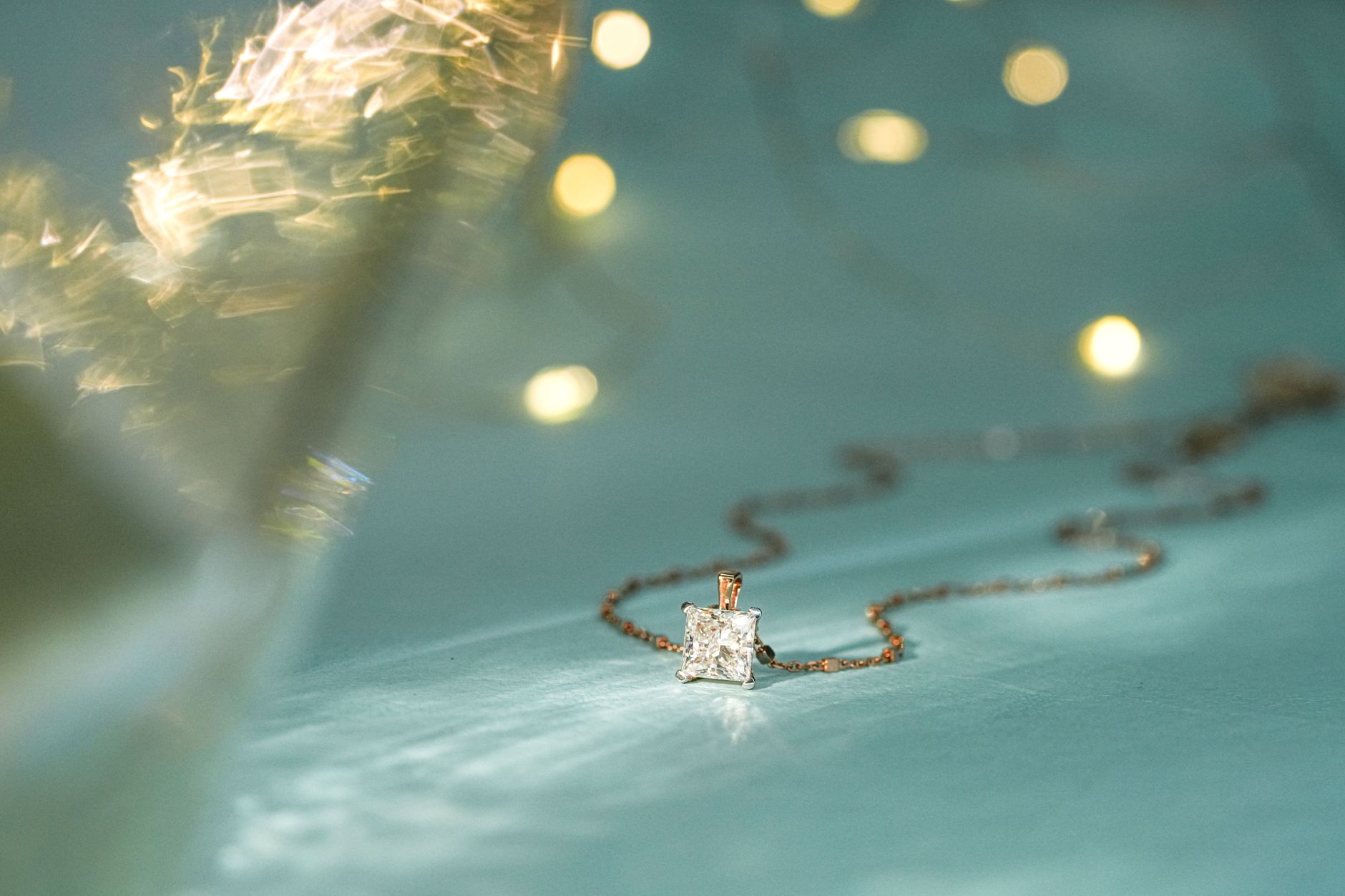
A princess cut lab grown diamond is a square or slightly rectangular diamond shape with pointed corners and a brilliant-style faceting pattern designed to create strong sparkle. It is one of the most popular modern diamond shapes for engagement rings because it combines a clean geometric look with lively brilliance, and it often costs less per carat than a natural round diamond of similar quality. For shoppers comparing shapes, it can also be a practical way to get a larger-looking diamond without moving into an extremely high price range.
If you are asking what is a princess cut lab grown diamond, the simplest answer is this: it is a princess-shaped diamond created in a laboratory rather than mined from the earth. The lab grown origin affects how the diamond was made, not how it looks on the hand. Shape, sparkle, durability, and buying considerations are still determined by the same factors that matter in any princess cut diamond, such as proportions, cut quality, color, clarity, and setting style.
Quick Answer
A princess cut lab grown diamond is a square brilliant diamond with a modern, angular appearance and pointed corners. It usually offers excellent sparkle, a crisp contemporary style, and strong value because lab grown diamonds generally cost less than natural diamonds of similar size and quality.
For many buyers, the main appeal is the combination of bold shape and efficient use of carat weight. That said, the pointed corners need protection in a ring setting, and cut quality matters a great deal because princess cuts can look bright and lively or dark and uneven depending on how well they are made.
What a Princess Cut Diamond Actually Is
The princess cut is a square or rectangular diamond shape with a brilliant-style faceting pattern. In plain English, that means it is designed to return a lot of light to the eye, creating sparkle similar to a round brilliant, but with a more angular outline. Most princess cuts have four pointed corners, which is one of the shape’s signature visual features.
The shape became popular because it offers a modern alternative to round diamonds while still delivering strong brilliance. It is especially common in engagement rings, where buyers want a style that feels elegant, contemporary, and a little more distinctive than a round stone.
When the diamond is lab grown, the shape and light performance are still evaluated in the same way as a mined diamond. The difference is in origin and often in price. That is why princess cut lab grown diamonds have become a practical choice for buyers who want a larger or higher-quality stone within a more controlled budget.
Why Lab Grown Matters in a Princess Cut
Lab grown diamonds are real diamonds with the same chemical and optical properties as mined diamonds. They are created using advanced technology that replicates the conditions needed for diamond growth. Because of that, a princess cut lab grown diamond can be cut, graded, and set just like a mined princess cut.
The biggest buying difference is usually pricing. Lab grown diamonds often allow shoppers to consider a larger princess cut, a higher color grade, or a better clarity grade than they might choose in a mined diamond at the same budget. That does not automatically make them the best choice for everyone, but it does change how buyers can allocate their money.
It is also worth noting that lab grown diamonds typically have lower resale value than natural diamonds in the current market. For many buyers, especially engagement ring shoppers focused on appearance and budget, that trade-off is acceptable. For others, it is an important limitation to understand before buying.
Key Characteristics of a Princess Cut Lab Grown Diamond
Shape and outline
A princess cut is usually square, though some examples are slightly rectangular. The outline is defined by pointed corners and straight sides, which gives the diamond a crisp, architectural look. If you prefer clean lines over curves, this shape often stands out immediately.
The exact shape can vary depending on proportions. Some princess cuts look almost perfectly square, while others appear a little elongated. Buyers who want a specific look should pay attention to the length-to-width ratio, which is the measurement that compares the diamond’s length to its width.
Facet pattern
Princess cuts use a brilliant faceting pattern. Facets are the small flat surfaces cut into the diamond to control light. More reflective facet arrangements generally create more sparkle, especially in lighting with movement such as candlelight, store lighting, or daylight coming through a window.
Because the princess cut is a brilliant-style shape, it often produces a lively mix of brightness and sparkle. That is one reason it remains a popular choice for engagement rings. However, the quality of the cut is critical. Two princess cuts of the same carat weight can look very different if one has better proportions and light return than the other.
Corners
The pointed corners are a defining part of the princess cut, but they are also the most vulnerable. In a ring, those corners can be chipped if the diamond is exposed or set too lightly. For this reason, many princess cut rings use prongs or settings that protect the corners more carefully than settings used for rounded shapes.
This does not mean princess cuts are fragile overall. Diamonds are very hard. But hardness is not the same as toughness. A princess cut can resist scratching well while still being more susceptible to corner damage than a round diamond.
Face-up appearance
Princess cuts often look larger than some other shapes at the same carat weight because of the square outline and the way the shape spreads weight across the surface. “Face-up” means how large the diamond appears when viewed from above in a ring. This is important for buyers who care about visible size more than hidden weight.
That said, face-up size depends on the cut. A shallow princess cut may appear larger but may sacrifice performance. A deeper one may keep more weight below the surface, making it look smaller than expected.
Appearance and Visual Performance
Sparkle
Princess cuts are known for strong sparkle because of their brilliant-style faceting. Sparkle comes from the way the diamond reflects white light and flashes as it moves. In a well-cut princess diamond, these flashes can be intense and lively, which is one reason this shape has remained in demand.
Lab grown origin does not reduce sparkle. What matters is cut quality and polish. A well-cut lab grown princess diamond can be just as bright and lively as a well-cut natural one.
Brilliance
Brilliance refers to the amount of white light returned from the diamond. Princess cuts usually score well in brilliance because their facet structure is designed to redirect light back toward the viewer. This often gives the diamond a bright, clean look in many lighting environments.
When the cut is poor, though, brilliance can suffer. Dark areas may appear in the center or corners, making the stone look less even. That is why buying by shape alone is not enough. Cut quality is one of the most important buying factors, especially for princess cuts.
Fire
Fire is the colored flash of light you see when a diamond moves. Princess cuts can show good fire, although they do not always produce the same fire pattern as a round brilliant. Some buyers love the sharper, more angular flash pattern that princess cuts create.
The amount of fire you notice depends on the cut, lighting, and the observer’s angle. A well-cut princess diamond should not look dull. But if a buyer wants very dramatic rainbow flashes, they may want to compare princess cuts with other brilliant shapes before deciding.
Scintillation
Scintillation is the pattern of light and dark flashes that happens when a diamond moves. Princess cuts usually have lively scintillation because the facets create many points of contrast. This gives the stone a dynamic, energetic appearance rather than a soft, watery look.
People often describe this effect as “sparkly,” but scintillation is more specific than that. It is the visual movement and pattern of flashes that help a diamond look alive. Princess cuts are usually strong performers in this area when cut well.
The bow tie question
The bow tie effect is more commonly discussed in elongated shapes like oval or pear diamonds, where a dark band can appear across the center. Princess cuts can also show uneven dark zones if the cut is not balanced, but they are not usually judged by bow tie in the same way. Instead, buyers should watch for darkness in the center, overly large tables, or corners that appear weak or washed out.
If you are comparing a princess cut to other diamond shapes, look for even brightness across the face of the stone. A good princess cut should appear lively and balanced, not patchy or overly dark in the middle.
Princess Cut Lab Grown Diamond vs Other Popular Diamond Shapes
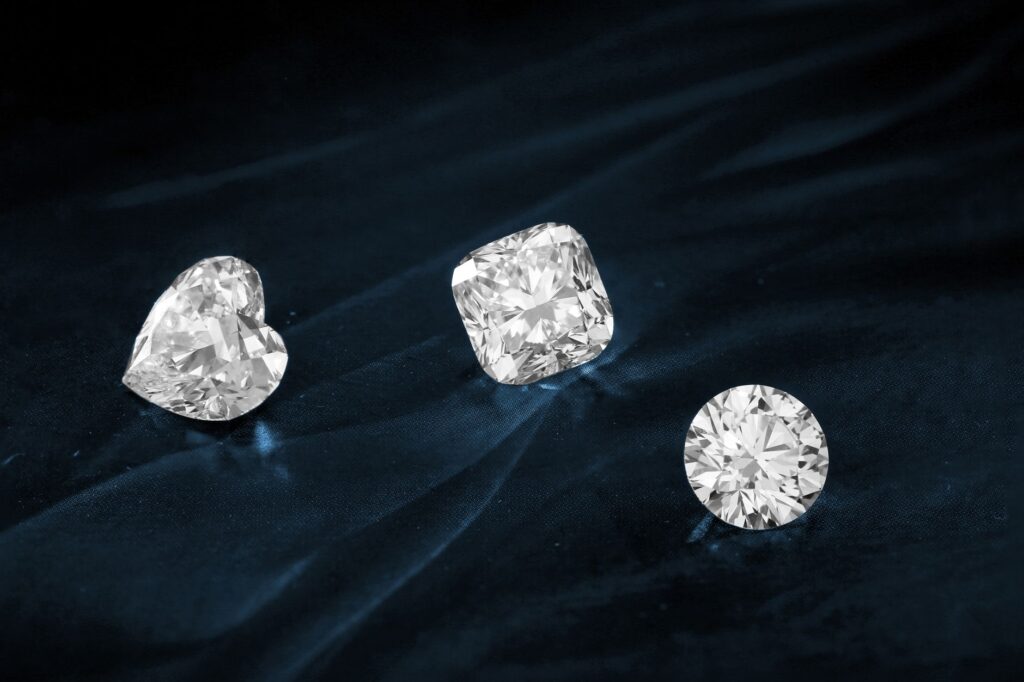
Comparing princess cuts with other shapes helps buyers understand not just what the shape looks like, but how it behaves in real life. Different shapes offer different combinations of sparkle, face-up size, durability, and style.
| Shape | Visual Style | Sparkle Pattern | Durability | Face-Up Size | General Buying Note |
|---|---|---|---|---|---|
| Princess cut | Modern, angular, square or slightly rectangular | Bright, lively brilliance with sharp flashes | Good overall, but pointed corners need protection | Often looks substantial for its weight | Strong choice for buyers who want sparkle and a contemporary look |
| Round brilliant | Classic, symmetrical, timeless | Highest overall brightness in many cases | Very durable | Moderate spread for weight | Best known for maximum sparkle and broad appeal |
| Oval | Soft, elongated, flattering on the finger | Bright with some directional flashes | Good, but pointed ends need care | Often looks larger than round | Popular for a sleek, lengthening look |
| Emerald cut | Elegant, rectangular, step-cut | Broad flashes rather than intense sparkle | Good, but corners still need protection | Can appear large and open | Best for buyers who like clarity and understated sophistication |
| Cushion cut | Rounded corners, softer outline | Mixed sparkle, sometimes more romantic | Very good because of softer corners | Can face up differently depending on depth | Good balance of softness and sparkle |
This comparison shows why princess cuts appeal to a specific type of buyer. They combine the sharp-edged style of a square shape with the sparkle many shoppers want from a brilliant cut. In lab grown diamonds, that mix can be especially attractive because the budget often stretches farther.
Princess cut vs round brilliant
Round brilliants generally produce the most predictable sparkle and are the easiest shape to sell later if resale is a concern. Princess cuts offer a more geometric look and often cost less than a round diamond of the same quality. If your priority is maximum brilliance and classic appeal, round is often the reference point. If your priority is a bolder shape with strong value, princess cut can be appealing.
Princess cut vs oval
Oval diamonds tend to look longer and can flatter the finger by creating a slimming effect. Princess cuts look more structured and balanced, especially in square proportions. Ovals are often chosen for a softer, more elongated style, while princess cuts feel sharper and more modern.
Princess cut vs emerald cut
Emerald cuts are step cuts, which means they reflect light in broader, mirror-like flashes rather than the small sparkles associated with brilliant cuts. Princess cuts are much more lively in terms of sparkle. Buyers who like clean transparency and a sophisticated, less flashy look often lean toward emerald cuts. Buyers who want more visible sparkle usually prefer princess cuts.
Princess cut vs cushion cut
Cushion cuts soften the corners and often give a more romantic, rounded appearance. Princess cuts look more contemporary and geometric. Because cushion cuts do not have pointed corners, they can be a little easier to protect in a setting, but they do not usually have the same crisp visual edge as a princess cut.
Advantages of a Princess Cut Lab Grown Diamond
Strong sparkle with a modern look
One of the biggest advantages is the combination of brilliance and shape. Many buyers want a diamond that sparkles well but does not look overly traditional. Princess cuts strike that balance nicely. They are recognizable, stylish, and visually energetic.
Efficient use of carat weight
Princess cuts often spread weight well across the top of the stone, which can make them appear larger than some other shapes of the same carat. This can be especially helpful for buyers trying to maximize visible size in an engagement ring.
When paired with lab grown pricing, that efficiency can be even more meaningful. A shopper may be able to choose a larger princess cut lab grown diamond than they could in a mined diamond without sacrificing too much on appearance.
Usually good value
Princess cuts often provide solid value because they are not always priced as high as round brilliants on a per-carat basis. Lab grown diamonds add another layer of value by lowering the overall cost compared with natural diamonds. For many buyers, this means they can afford a higher clarity or color grade without exceeding budget.
Works well in many ring styles
The shape fits both minimalist and decorative settings. It can look modern in a simple solitaire or more elaborate in a halo or three-stone ring. Because the outline is geometric, it often pairs well with angular designs and straight bands.
Disadvantages and Trade-Offs
Corners need protection
The pointed corners are the main practical drawback. If the setting does not protect them well, they are more exposed to chips from daily wear. This is especially important in rings worn all the time.
Buyers should pay attention to setting design and ask how the corners are secured. A well-designed setting can reduce risk significantly.
Cut quality matters a lot
Princess cuts can look excellent, but they can also show obvious problems when proportions are off. Uneven brightness, dead areas, or poor symmetry can be more noticeable than in some other shapes. This means buyers should not choose by face-up shape alone.
For this reason, it helps to review diamond cut information carefully, and if possible, look at the diamond in video or with a grading report that confirms proportions and polish.
Not everyone prefers the angular look
Princess cuts have a strong visual identity. Some buyers love the clean lines, while others find them too sharp or too modern. That is not a flaw, but it is a style consideration.
If you prefer soft curves or a vintage feel, a princess cut may not be the best match. It is better suited to buyers who like structured shapes and crisp geometry.
Lower resale value is still a factor for lab grown
Even though lab grown diamonds offer great upfront value, resale markets are still developing. That means buyers should not assume they will recover much of the purchase price later. This is true for lab grown princess cuts as well as other lab grown shapes.
For shoppers focused on long-term emotional value rather than investment value, this may not be a major concern. But it is an important part of honest buying guidance.
Who a Princess Cut Lab Grown Diamond Is Best For
A princess cut lab grown diamond is often a strong choice for buyers who want a contemporary look with plenty of sparkle. It tends to suit people who like sharp lines, visual brightness, and a style that feels both classic and modern.
It may be especially appealing if you:
- Want a square or nearly square diamond shape
- Prefer a modern look over a traditional round outline
- Want strong sparkle without paying round-brilliant pricing
- Are shopping for a larger-looking diamond within a budget
- Like the idea of a lab grown diamond for value reasons
It may be less ideal if you:
- Worry about corner durability in an everyday ring
- Prefer soft, rounded, or vintage-style shapes
- Want the most universally recognized shape for broad appeal
- Prefer a step-cut look with large mirrored flashes instead of lots of sparkle
Important Buying Considerations
Cut quality
Cut quality is one of the most important factors in a princess cut diamond. It influences sparkle, brightness, and how balanced the stone looks. Since princess cuts can vary quite a bit, two diamonds with similar carat weights may have very different visual performance.
When possible, look for symmetry, even brightness, and a shape that is neither too deep nor too shallow. If you are comparing options, a knowledgeable seller or a grading report can help you evaluate whether the diamond is well proportioned.
Length-to-width ratio
For buyers who want a square princess cut, the length-to-width ratio matters. A ratio close to 1.00 usually appears square. If the ratio increases, the shape becomes more rectangular.
There is no single correct ratio. It depends on preference. Still, knowing the ratio helps you avoid surprises when ordering online, especially if you have a very specific look in mind.
Color grade
Color is the amount of visible tint in a diamond. Princess cuts can show color a little more easily than some round brilliant shapes because of the way light travels through the facets. Many buyers choose a near-colorless range, especially if the diamond is set in white metal.
In lab grown diamonds, higher color grades may be more affordable than in mined diamonds, which can make it easier to choose a whiter-looking stone. That said, the best color grade is the one that fits your setting, budget, and eye sensitivity.
Clarity grade
Clarity describes internal characteristics called inclusions and surface features called blemishes. Princess cuts can sometimes hide small inclusions well because of the facet structure, but dark inclusions near the center may still be visible, especially in larger stones.
For most buyers, it makes sense to focus on eye-clean appearance rather than chasing the highest clarity grade. This is where lab grown diamonds can be useful, because a buyer may be able to prioritize a cleaner-looking stone without paying as much as they would for a natural diamond of similar size.
Setting style
Because of the pointed corners, the setting matters more than many first-time buyers realize. Prong settings, V-tip settings, and protective semi-bezel designs can help shield the corners. A setting that leaves the corners too exposed may increase the risk of chipping during daily wear.
If you are choosing a princess cut for an engagement ring, ask how the setting protects the corners before focusing on metal color or decorative details.
Certification
A grading report from a recognized diamond laboratory is important when buying any diamond, including a lab grown princess cut. The report confirms details such as measurements, color, clarity, cut information, and whether the diamond is lab grown. This matters because it helps you compare diamonds objectively rather than relying on photos alone.
For readers who want to learn more, it is worth reviewing diamond certifications and how grading labs differ. Not all reports provide the same depth of information, and some are more detailed than others.
How Princess Cut Lab Grown Diamonds Compare on Price
Princess cut diamonds often sit in a practical middle ground. They are usually less expensive than round brilliants of similar quality, but pricing also depends on shape demand, cut quality, color, clarity, and carat weight. Lab grown origin typically lowers the overall cost further.
That means a shopper might find a princess cut lab grown diamond more affordable than they expect, especially if they compare it with a mined round diamond. The savings can be used to buy a better setting, a larger stone, or higher grading in color and clarity.
Still, buyers should keep expectations realistic. A lower price does not mean all lab grown princess diamonds are inexpensive. High-quality stones with excellent proportions, higher color grades, and better clarity can still represent a significant purchase.
Common Mistakes Buyers Make
Choosing by carat alone
Many shoppers focus on carat weight first, but with princess cuts, proportions and cut quality can change how large and bright the diamond actually looks. Two diamonds with the same carat weight can have very different face-up appearances.
It is usually better to balance carat with spread, sparkle, and shape consistency.
Ignoring corner protection
Buyers sometimes fall in love with the shape and overlook the setting. That can be a costly mistake if the corners are left exposed. A beautiful princess cut still needs practical protection in daily wear.
Overpaying for unnecessary clarity
Some buyers assume they need the highest clarity grade because a princess cut has many facets. In reality, many stones look perfectly clean to the eye at moderate clarity grades. Paying extra for a grade you cannot see may not be the best use of budget.
Not checking the actual shape ratio
Princess cuts can be square or slightly rectangular. If a buyer expects a square shape but receives a more elongated stone, the appearance may not match the original vision. Always review measurements and ratio.
Assuming all sparkle is equal
Sparkle depends on cut, not just shape. A poorly cut princess diamond may look less lively than a well-cut stone of a different shape. Buyers should remember that shape tells only part of the story.
Practical Examples of Buyer Priorities
The buyer who wants maximum value
This buyer may choose a princess cut lab grown diamond because it combines strong sparkle with lower pricing than many mined diamonds. They may also be able to move up in size or quality within budget. For this shopper, value is not just about price, but about how much visible beauty they get for the money.
The buyer who wants a contemporary engagement ring
A princess cut works well for someone who prefers crisp geometry and a modern profile. Paired with a simple solitaire setting, it can look clean and refined. In a more decorative setting, it can feel more fashion-forward.
The buyer who wants an everyday ring
This shopper should focus heavily on setting protection and durability. Princess cuts can be worn daily, but the corners need attention. A good design can make a big difference in long-term satisfaction.
The buyer who wants maximum sparkle
A princess cut can absolutely be a strong sparkle choice, especially with a well-executed cut. But a buyer who wants the most universally consistent brilliance may also compare round brilliants. The decision often comes down to whether the buyer values sparkle alone or sparkle plus a square outline.
Frequently Asked Questions
Is a princess cut lab grown diamond a real diamond?
Yes. A lab grown diamond has the same optical and chemical properties as a mined diamond. The difference is how it was formed. The princess cut simply describes the shape.
Do princess cuts look bigger than round diamonds?
They can appear large for their carat weight because of the square outline and efficient spread. However, actual visual size depends on depth, proportions, and setting. A well-cut princess may face up larger than expected, but not every stone will.
Are princess cut diamonds durable?
They are durable enough for regular wear, but the pointed corners need more care than rounded shapes. With a protective setting, a princess cut can work well as an everyday engagement ring diamond.
Do lab grown princess cuts have better value than natural ones?
In many cases, yes, at least in terms of upfront cost and visible size or quality. Buyers often get more carat weight or higher grades for the budget. The main trade-off is lower resale value compared with many natural diamonds.
What color grade is best for a princess cut?
There is no single best grade, but many buyers prefer near-colorless options so the diamond looks bright and white, especially in white metal settings. Lab grown diamonds can make higher color grades more accessible, which is helpful if you are sensitive to tint.
What clarity grade should I look for?
Many princess cut diamonds can look eye-clean at moderate clarity grades. The goal is to avoid inclusions that are visible to the eye, especially near the center. Since every stone is different, it is better to judge the actual diamond, not just the grade on paper.
Does the princess cut work well in yellow or rose gold?
Yes. Yellow and rose gold can complement the angular shape nicely and may also make slight color differences less noticeable. The best choice depends on personal style and the color grade of the diamond.
Is a princess cut still in style?
Yes. It is a long-established modern shape that continues to appeal to buyers who want sparkle and a square profile. While round diamonds remain the most popular overall, princess cuts have lasting appeal because they offer a distinct look without feeling overly trendy.
Conclusion
A princess cut lab grown diamond is a square brilliant diamond that combines modern geometry with strong sparkle and practical value. It appeals to buyers who want a crisp, contemporary look and who appreciate the budget flexibility that lab grown diamonds can offer. For many shoppers, it is a smart way to balance size, quality, and appearance.
The most important thing to understand is that shape alone does not determine quality. Cut proportions, corner protection, color, clarity, and certification all affect how the diamond looks and how it performs in daily wear. If you compare princess cuts carefully and focus on real visual performance rather than carat weight alone, you are more likely to choose a diamond that fits both your style and your practical needs.
For buyers researching engagement rings, the princess cut remains a strong option worth serious consideration, especially when paired with the value advantages of a lab grown diamond.